
Math & problem solving
Decimal Place Value Game: Tenths to Millionths
A whole-class decimal place-value game in which students try to build the largest or smallest possible decimal number as digits are randomly generated one at a time.


Classroom resources
Browse by lesson focus
Choose the topic or kind of practice you need.
Showing 49–72 of 1187 resources

 Show filters
A whole-class decimal place-value game in which students try to build the largest or smallest possible decimal number as digits are randomly generated one at a time.
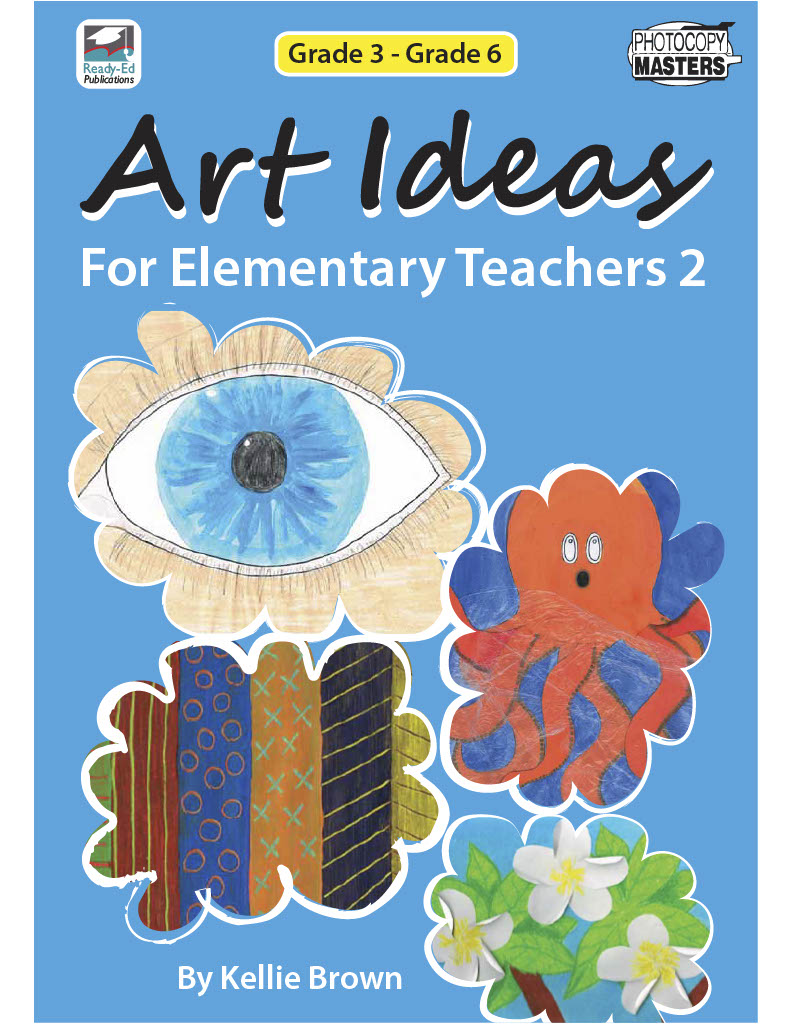
A collection of ready-to-use art lesson activities for upper elementary (Grade 3-6) classroom teachers, each following a consistent lesson format (aim, materials, duration, discussion, method, questions/reflection, finished example).

Practice decimal number concepts - place value, mm/cm conversion, decimals-to-fractions conversion, ordering decimals, and adding/subtracting/multiplying decimals - built around a 'Daring Donna Decimal' character.

Teach Newton's Three Laws of Motion through a rotating multi-station hands-on physics lab activity.

A Jeopardy-style review game (PowerPoint and Google Slides versions) plus printable task cards covering setting, characters, plot, and theme of the novel The Giver, playable in whole group, small group, or distance-learning settings.

A middle-school art lesson plan (PowerPoint) teaching colored-pencil coloring techniques and culminating in a reflective art project, evidenced directly in the file text: 'I'm aware that you are in grade 7... I am aware that I am going to be teaching you how to colour.'
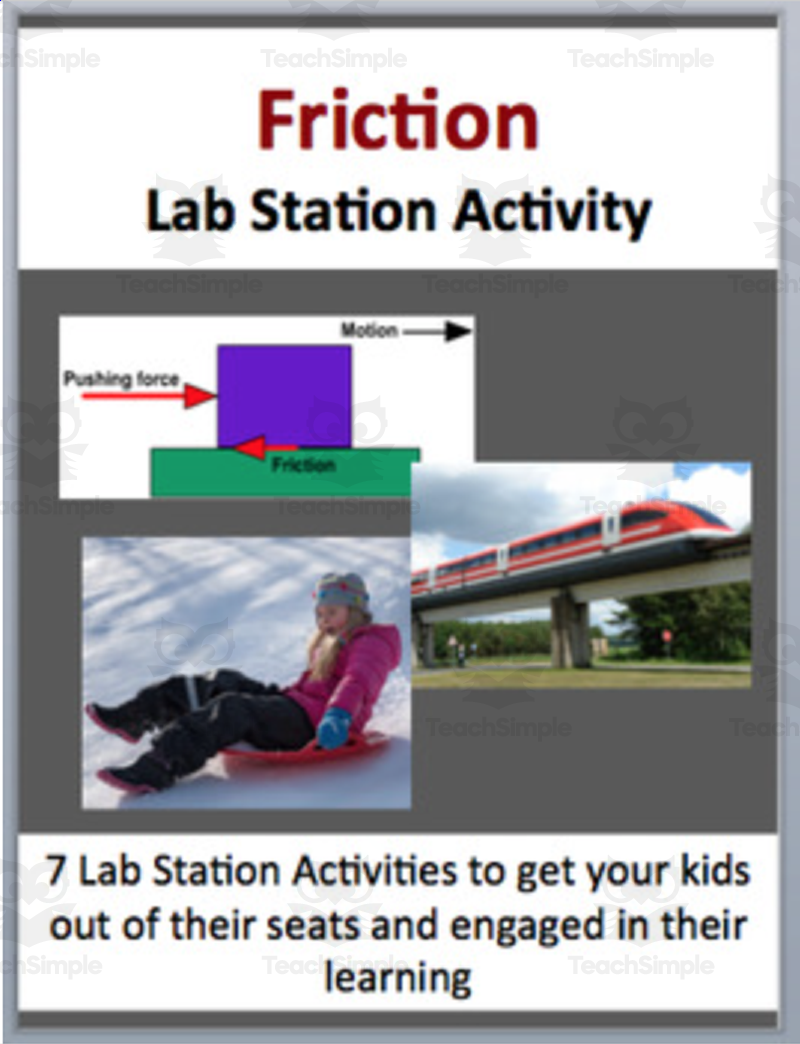
Teach the physics of friction (types, causes, applications, coefficient of friction) through a rotating multi-station lab activity.
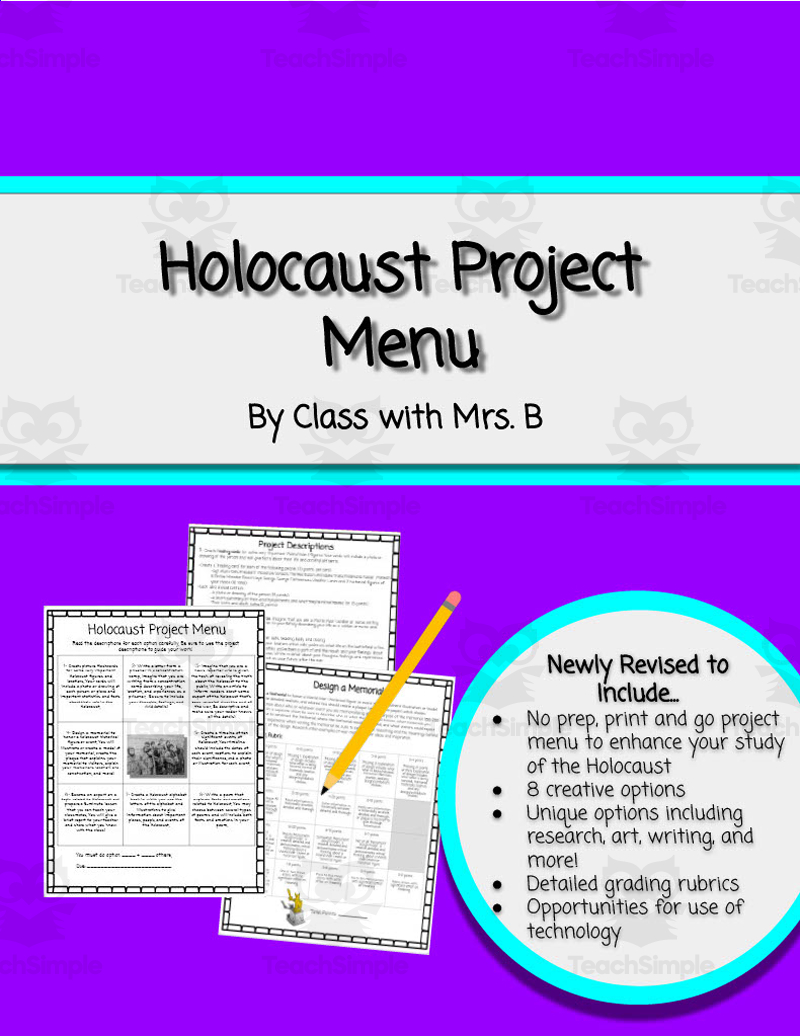
Choice board offering multiple project options for students to demonstrate understanding of the Holocaust through research, art, and writing.
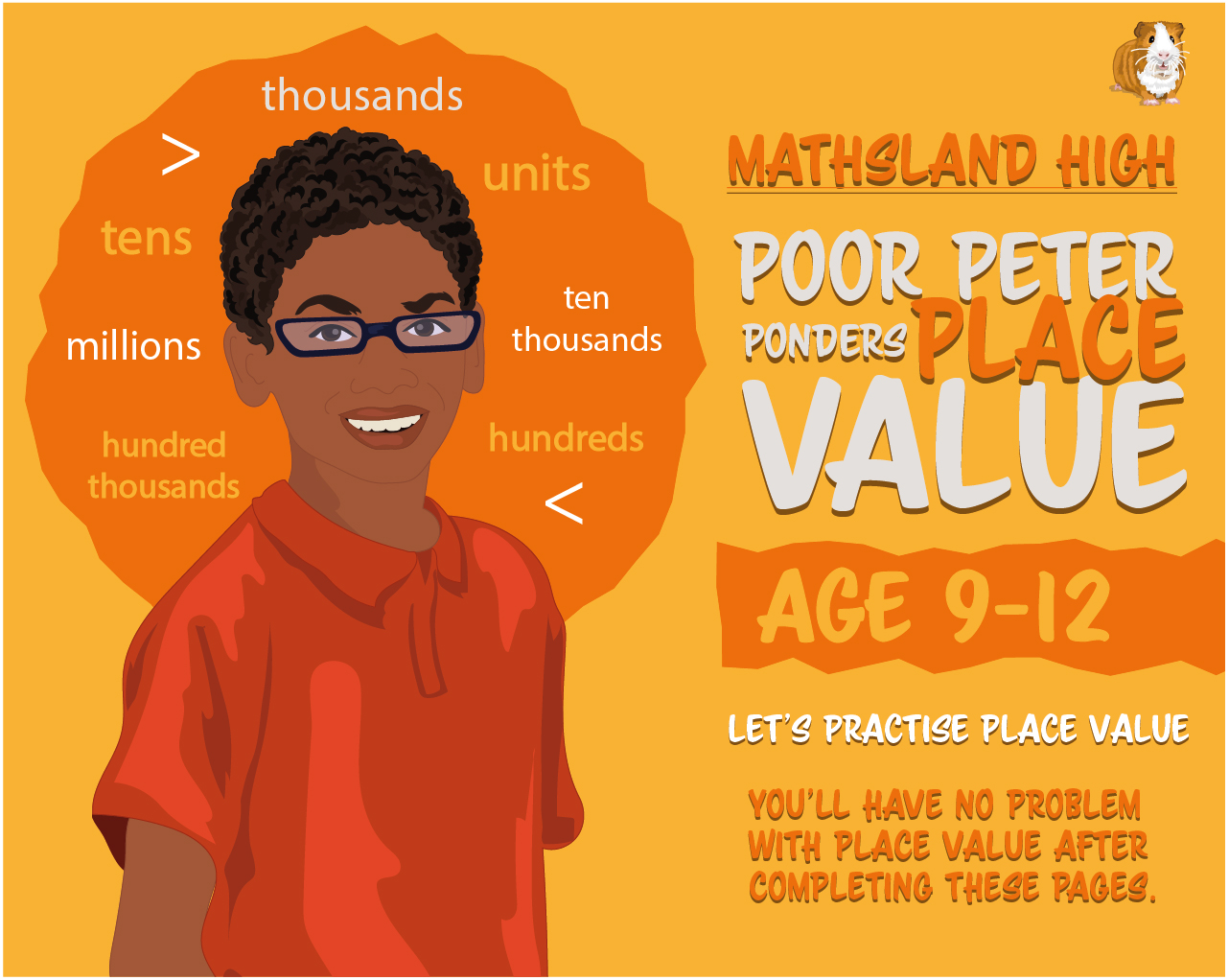
Provide extensive practice worksheets on place value concepts - reading, writing, comparing, and manipulating numbers.

Practice identifying digits at named place-value positions in large numbers and constructing 12-digit numbers with digits in specified places.

The lesson begins with two tomato plants treated differently in more than one way, prompting students to discuss why the conclusion is unreliable. Fill-in notes introduce independent, dependent, and controlled variables before students apply the terms to basketball, studying, and a derby-car scenario. A short review and model answers support the follow-up discussion.
A review game ('I Have, Who Has?') that reinforces nonfiction/informational text vocabulary terms tied to Reading Informational (RI) standards.
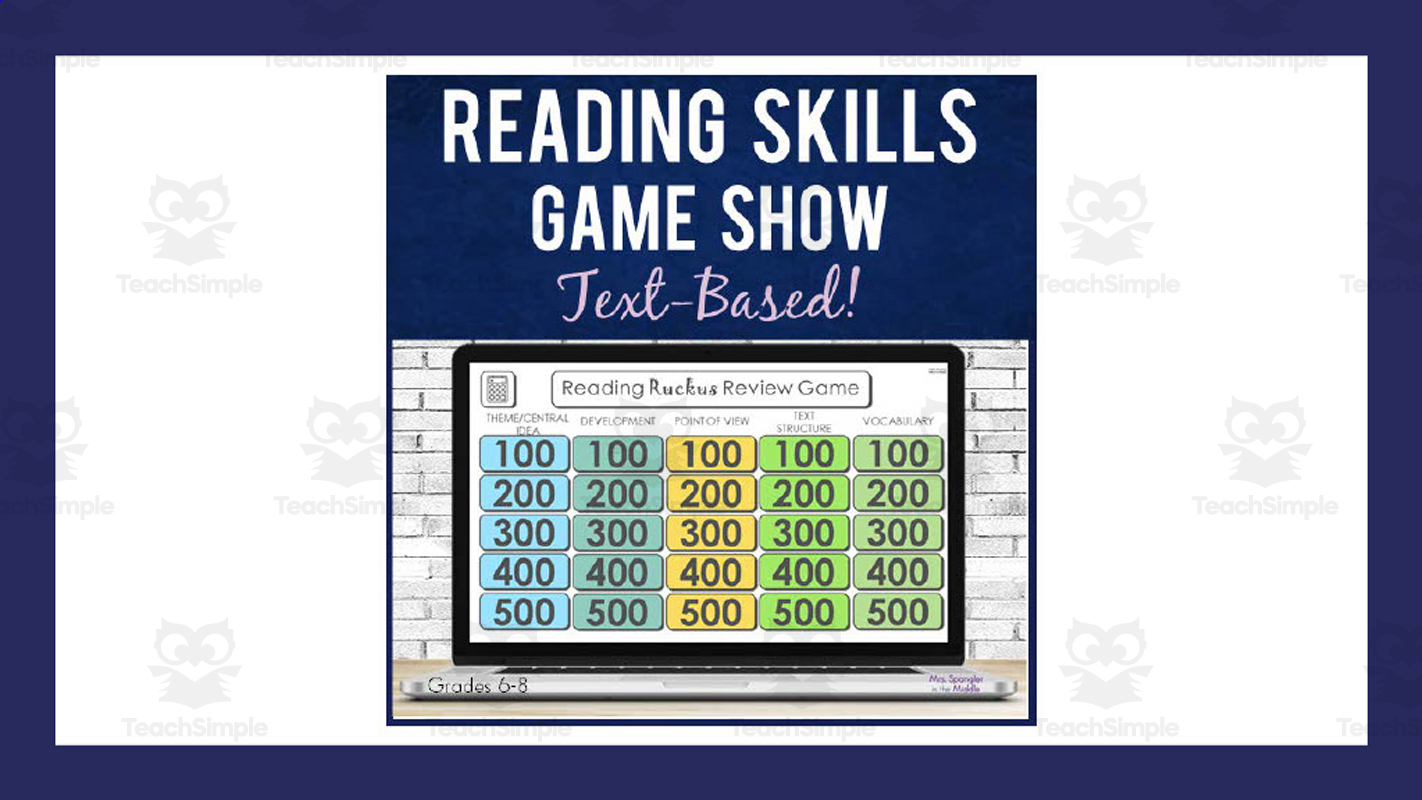
A Jeopardy-style review game (digital PowerPoint/Google Slides board plus a companion nonfiction reading passage) for reviewing reading skills: theme/central idea, development, point of view, text structure, and vocabulary.
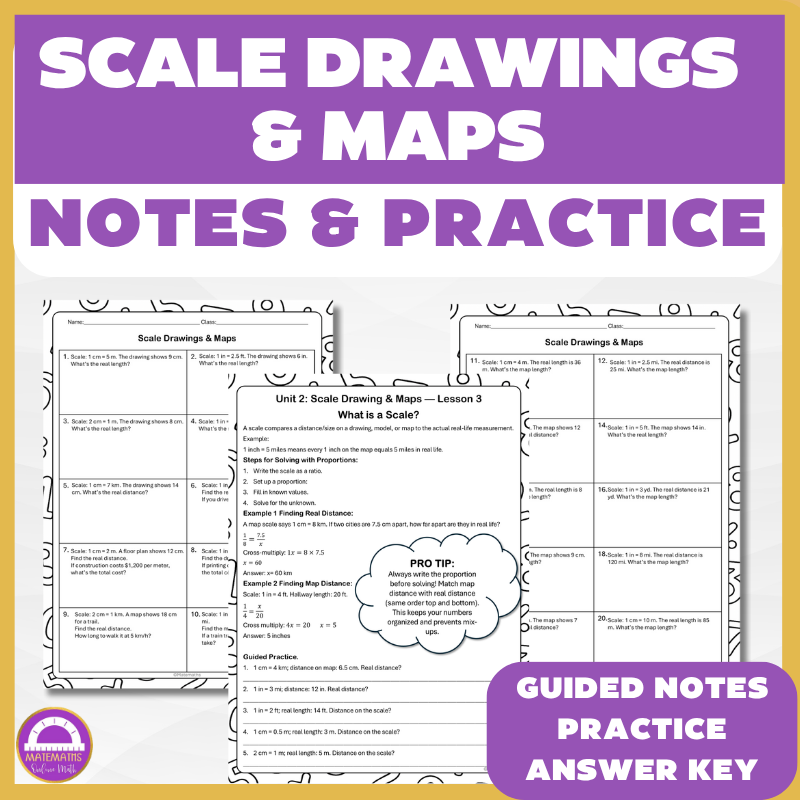
Guided notes and word problems teaching students to read and solve proportions involving map/drawing scales, aligned to CCSS 6.RP.A.3.

A multi-file resource package teaching the mathematical/historical concept of the Golden Ratio and Fibonacci numbers, connecting math to art, nature, and architecture, via a slideshow, student guide, and project materials.
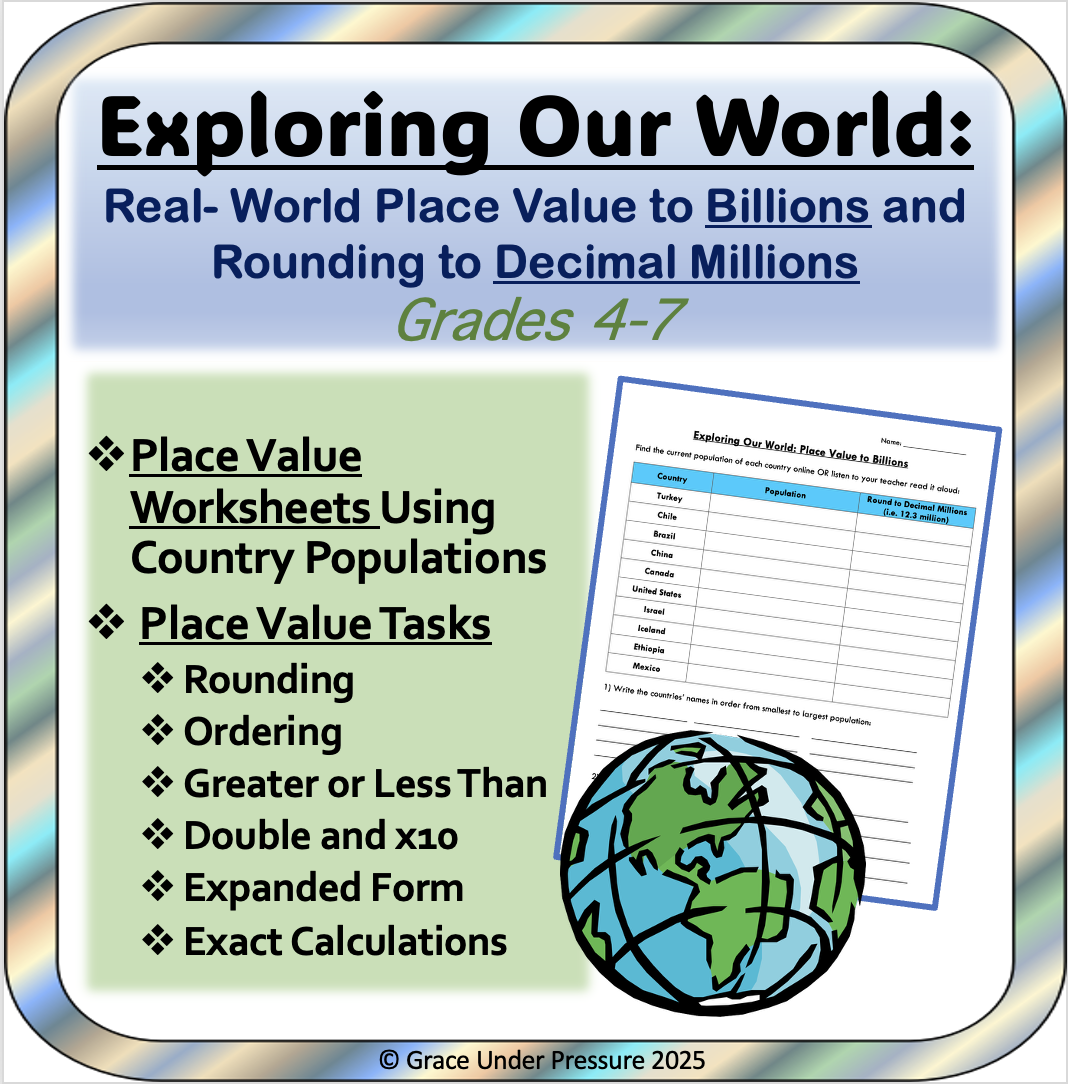
A place value worksheet that has students use real-world country population figures to practice large-number place value skills (rounding, ordering, estimating, calculating) to the billions.
First-person narrative eBook chapter ('Chapter 33: Water Bottle Rockets') from 'Middle Schoolin': 50 Stories about the Challenges, Humor, and Rewards of Teaching' by Paul Rallion, recounting a middle-school science class's water-bottle-rocket experiment used to teach Newton's three laws of motion.

A 30-page reference and card-sort/memory-game resource teaching 36 Greek and Latin prefixes, their meanings, and example words, for vocabulary/word-study instruction.

A choice-board style project menu offering 8 post-reading activity options for the novel "Number the Stars," covering art, writing, research, and critical-thinking skills, plus a required reflection sheet.
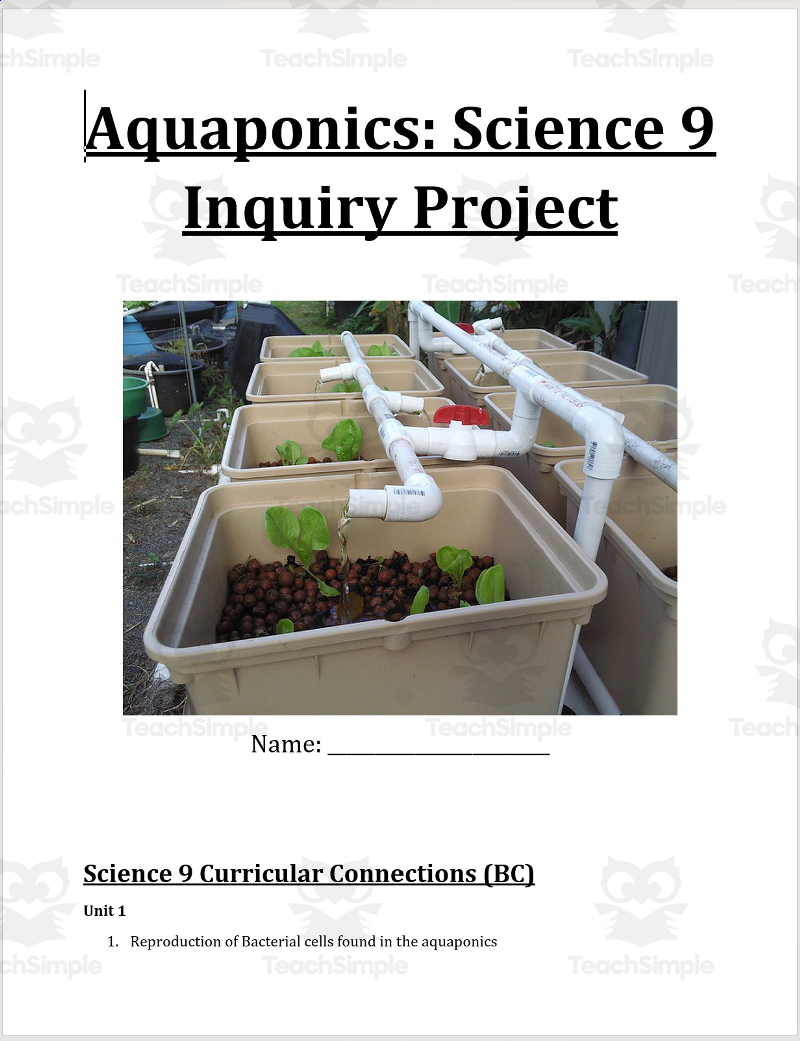
A multi-unit inquiry project that teaches aquaponics/aquaculture concepts (reproduction, nutrient cycling, circuits, and molecular/ionic chemistry) aligned to BC Science 9 curriculum, using STEM design and real-world farm scenario problem-solving.

A multi-file distance-learning/homeschool chemistry pack teaching mixtures, solutions, dissolving, suspensions, and saturated solutions via an animated PowerPoint, worksheets, and a photocopiable lesson.
Practice solving word problems involving the relationship between speed, distance, and time, including unit conversions.

A set of math worksheets teaching students to read and write decimal values in standard and word form and to order decimals from least to greatest, for extra practice, homework, or review.
Teaches how light reflects off plane mirrors (transparent/translucent/opaque materials, luminous/non-luminous objects, angle of incidence equals angle of reflection, periscopes) as a self-directed distance-learning physics pack.