High-Frequency Sight Words: Sight Word Stories
Build recognition, vocabulary and reading comprehension of high-frequency (sight) words for K-1 students through a chapter-slice of reproducible activities centered on sight word stories.
Classroom resources
Browse by lesson focus
Choose the topic or kind of practice you need.
Build recognition, vocabulary and reading comprehension of high-frequency (sight) words for K-1 students through a chapter-slice of reproducible activities centered on sight word stories.
Guide students through a culminating book-report project on the historical fiction genre, covering plot structure, characterization, sensory description, and literary devices.
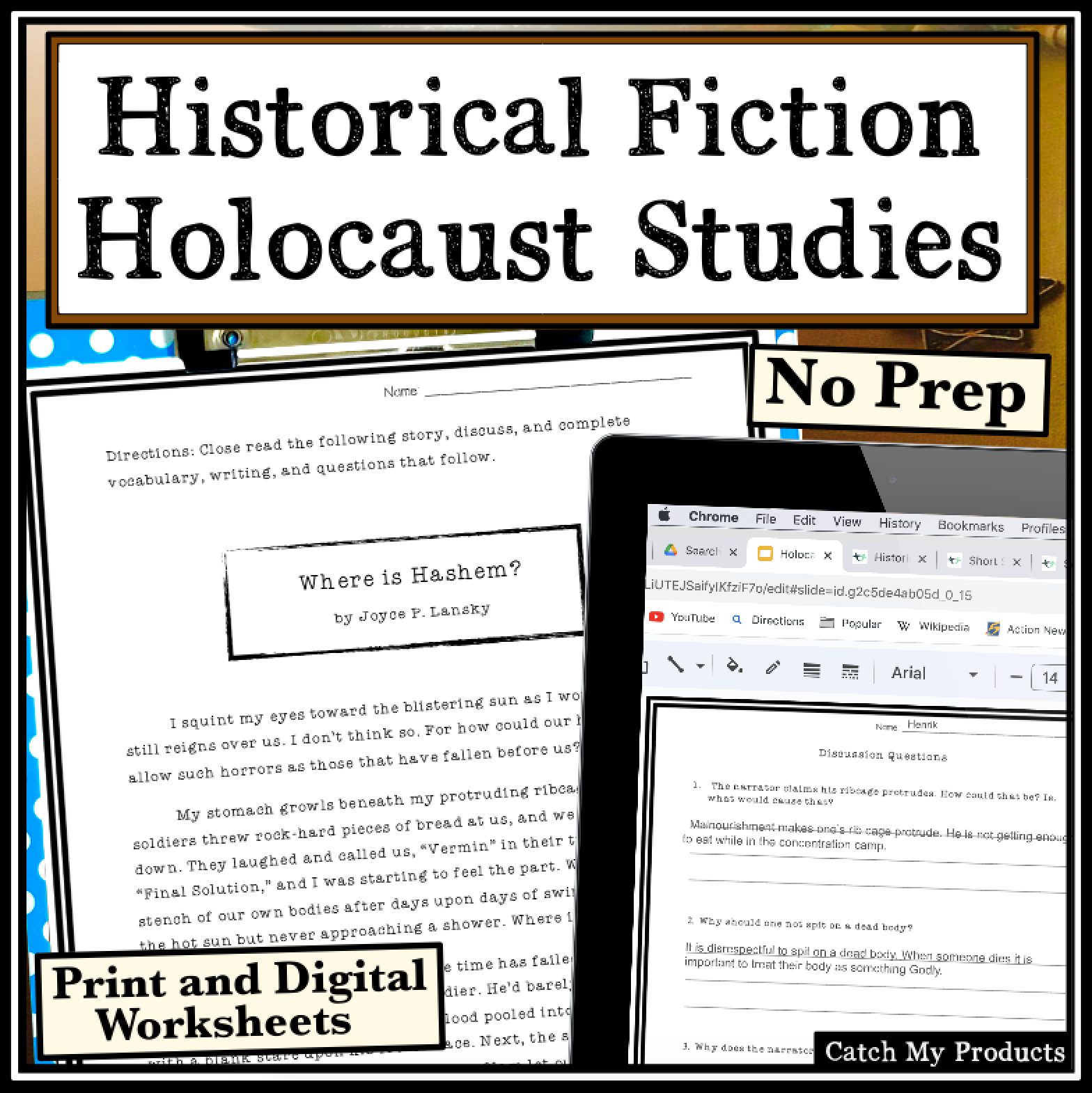
Introduction Keep middle school students engaged in learning about the Holocaust with this historical fiction story for reading comprehension with vocabulary work, discussion questions, and writing prompts.
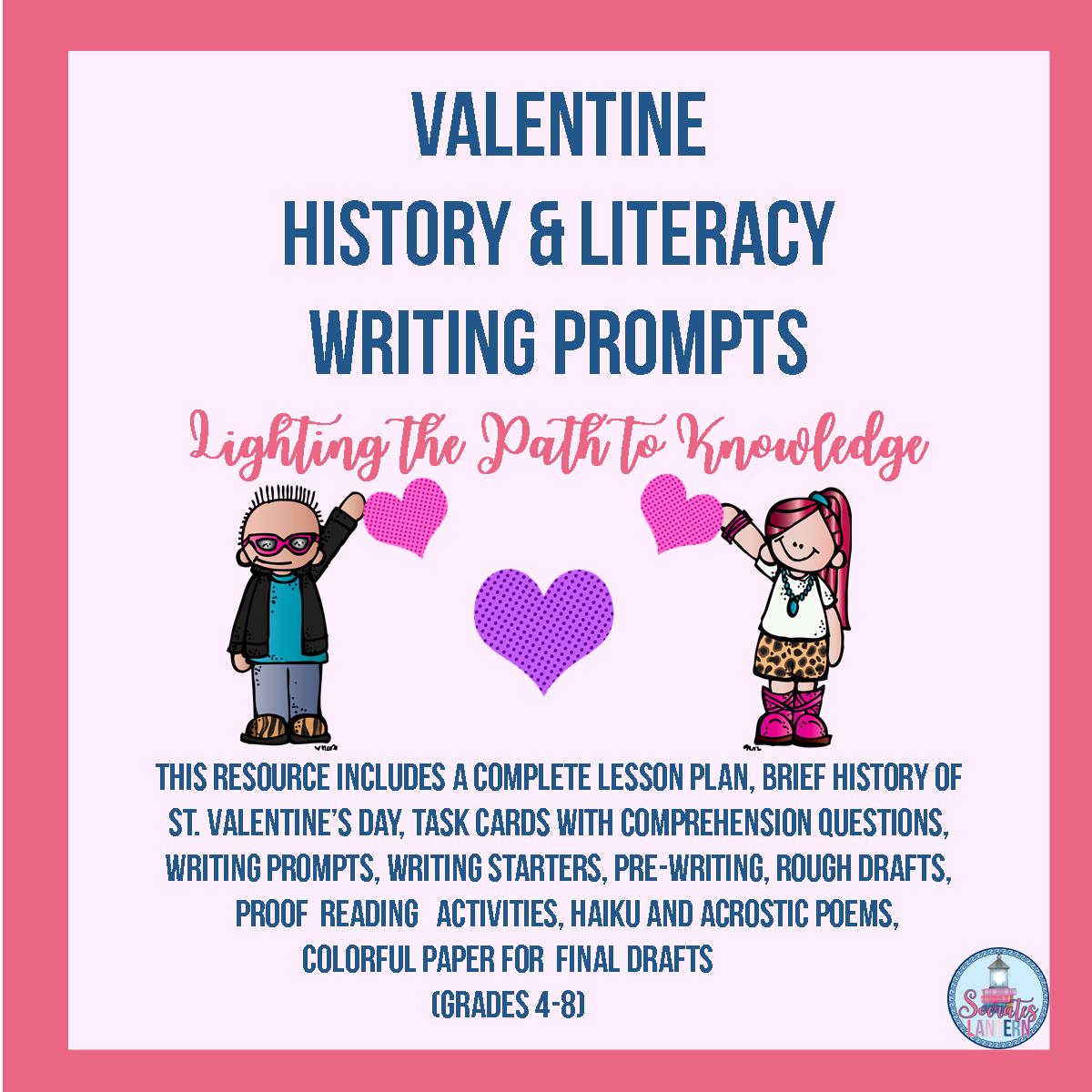
Combine a brief history lesson on the origins of Valentine's Day with writing-process activities (comprehension, task-card story starters, poetry) for grades 4-8, including SPED classrooms.
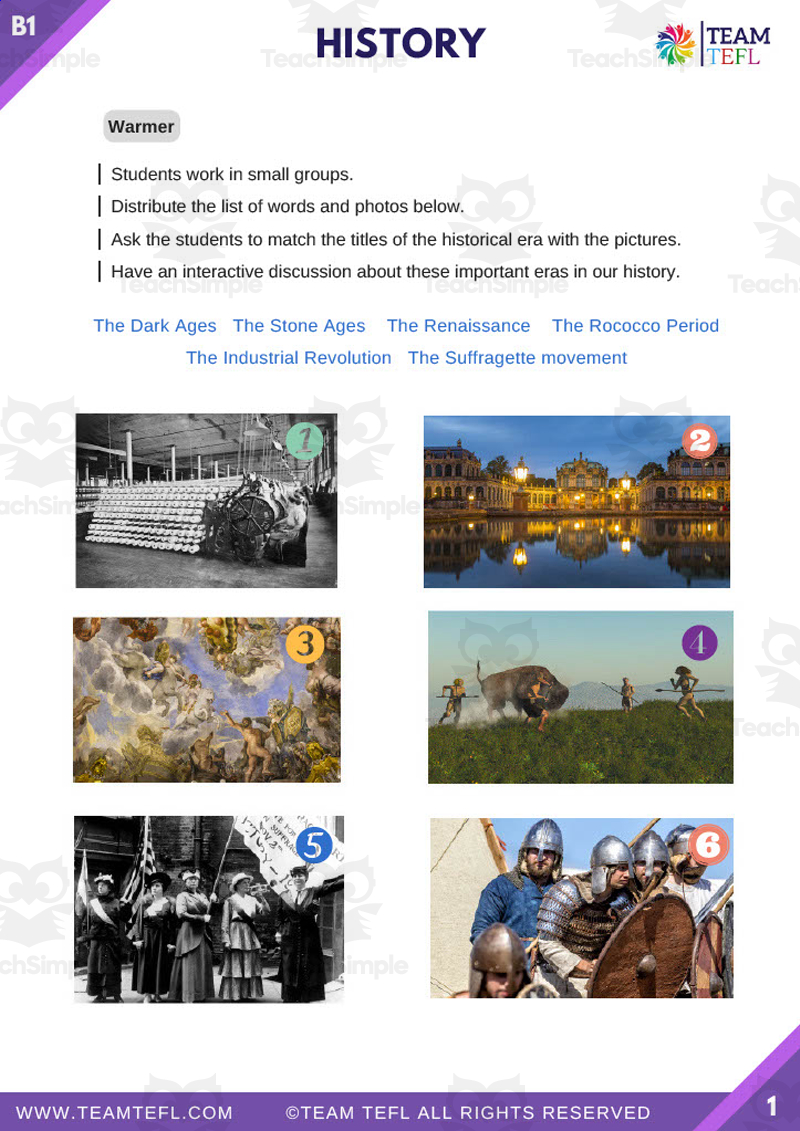
History Intermediate Lesson Plan This intermediate-level lesson plan set teaches history to English language learners. Students will listen to an audio recording and read informational texts about historical events.
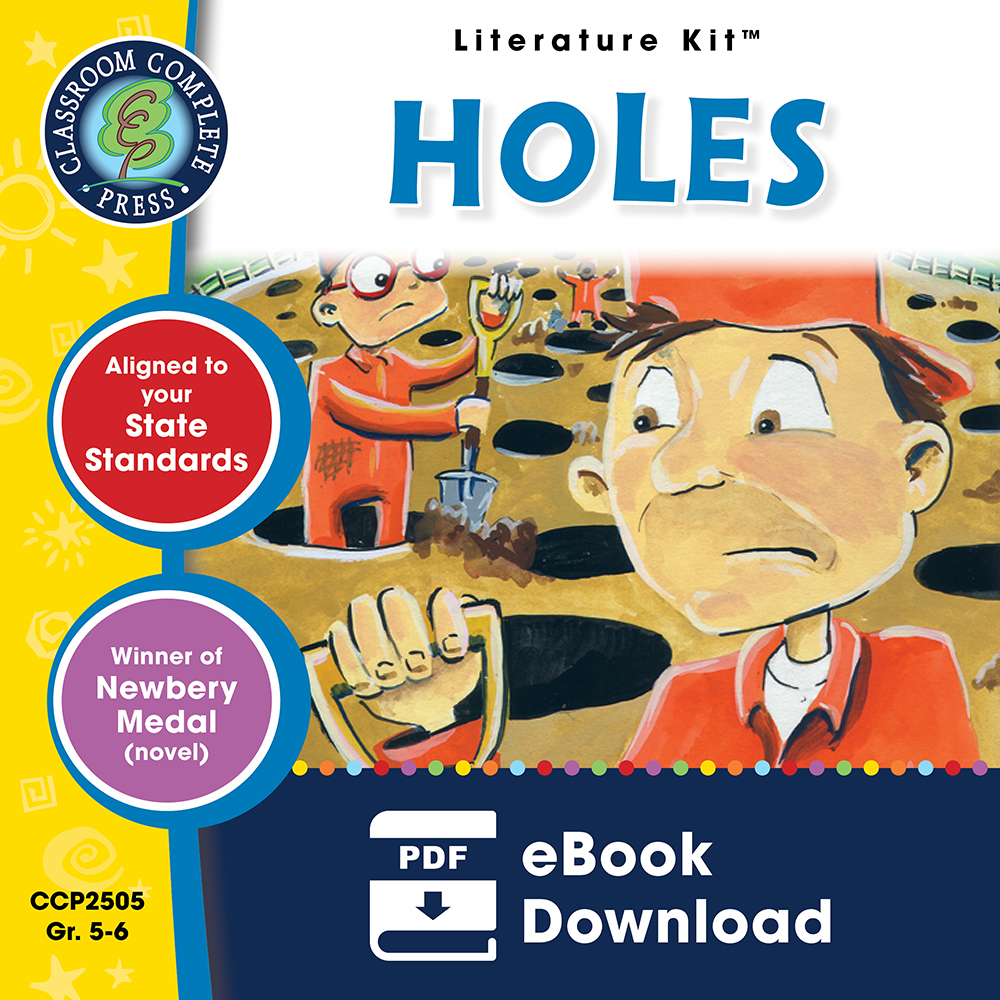
Provide a comprehensive literature-kit teaching guide for the novel Holes by Louis Sachar, published by Classroom Complete Press, for grades 5-6.
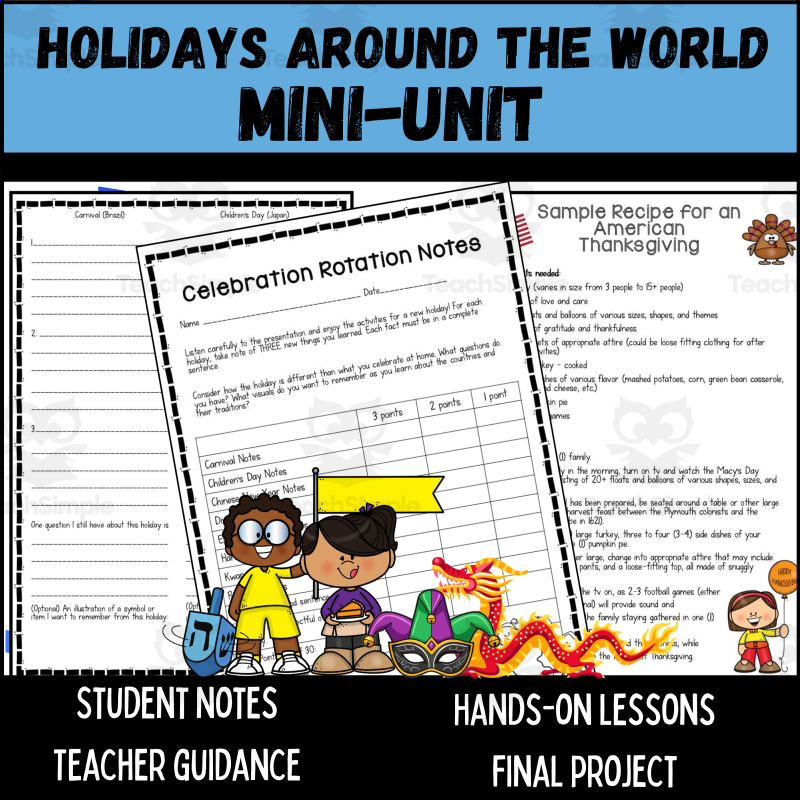
This hands-on, interactive World Holidays Mini-Unit will bring cultural understanding, global awareness, and meaningful collaboration into your classroom.
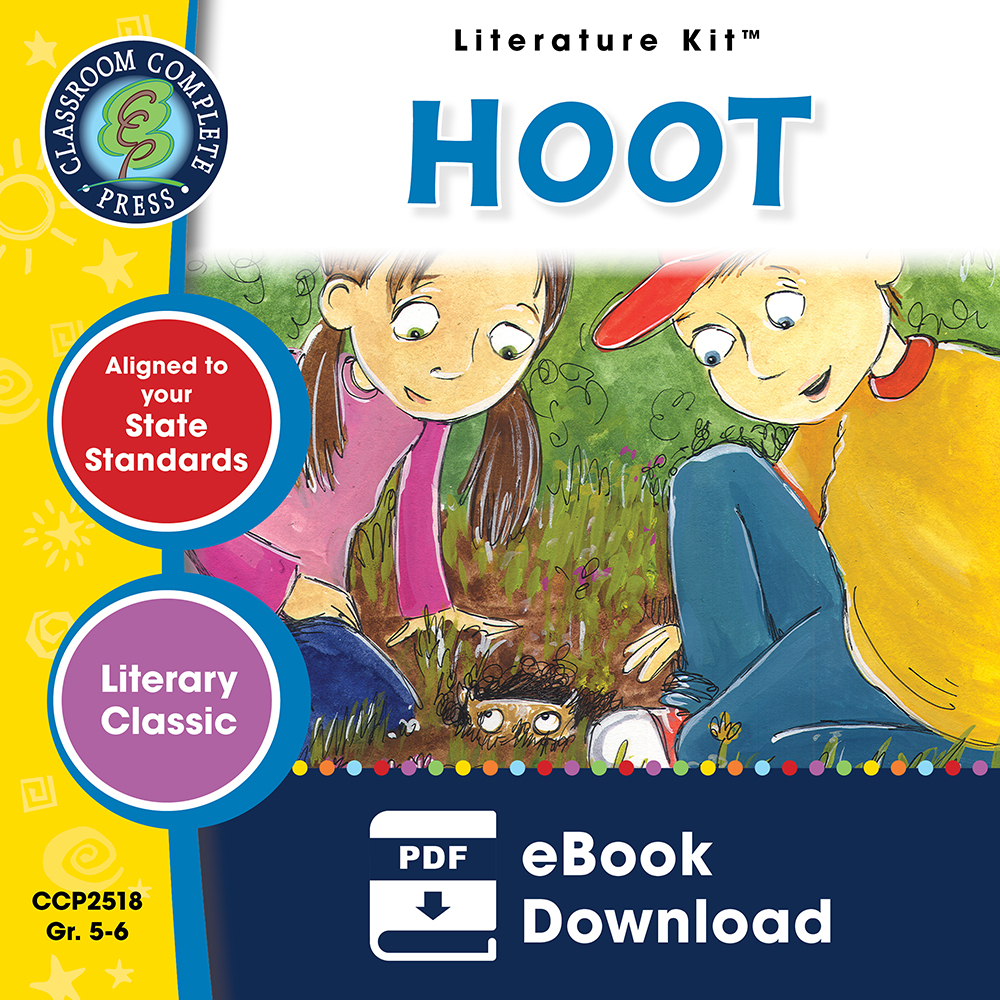
Support a Grade 5-6 novel study of 'Hoot' by Carl Hiaasen with a structured literature kit combining teacher guidance, reading comprehension questions organized by Bloom's Taxonomy level, vocabulary, and graphic organizers.
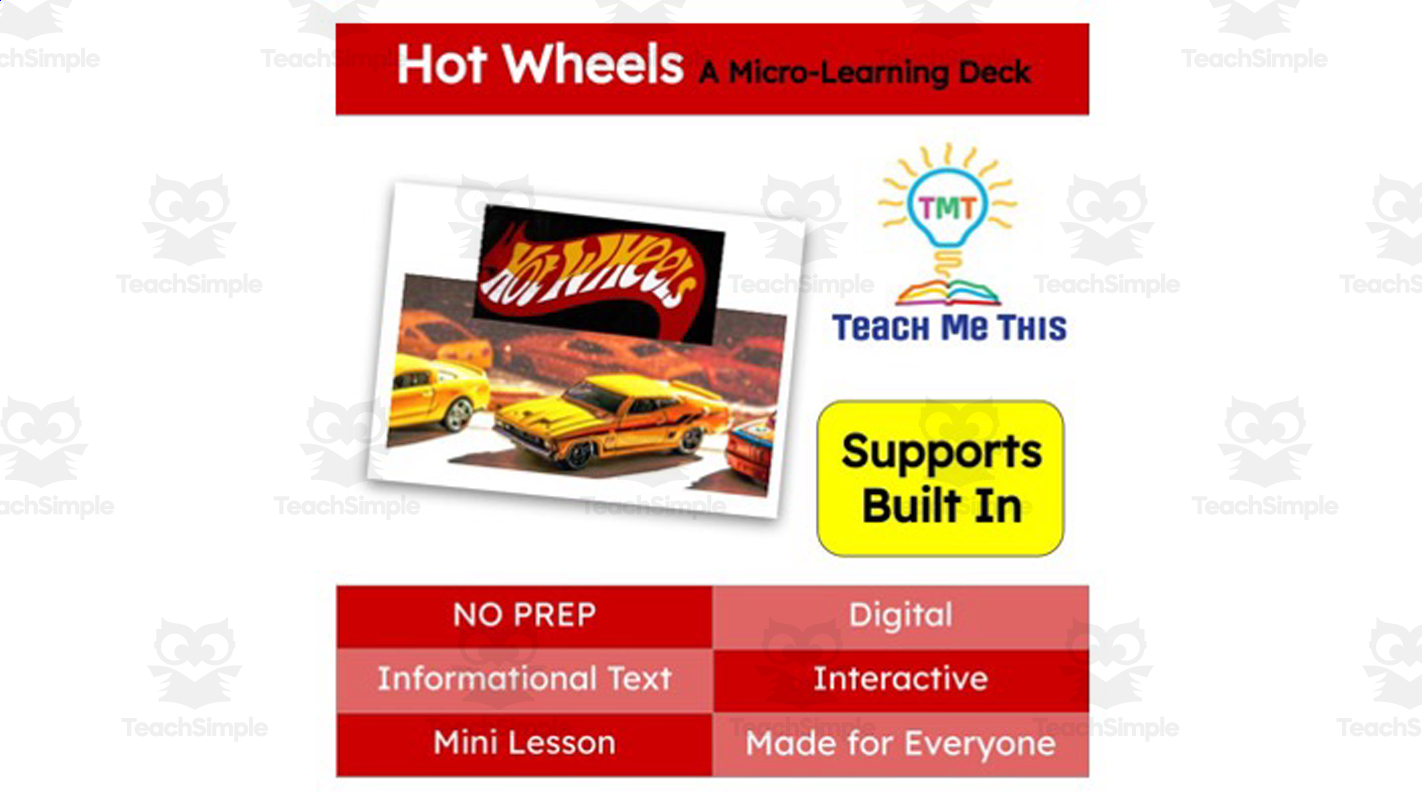
A no-prep, digital interactive slide-deck lesson on the history of Hot Wheels toy cars, combining a reading passage, close reading, vocabulary, a cloze ('What's Missing') activity, and a quick-write.
Provide a 5-day novel-study companion for 'Magic Tree House #16: Hour of the Olympics', building comprehension, vocabulary, and background knowledge about ancient Greece and the Olympics.
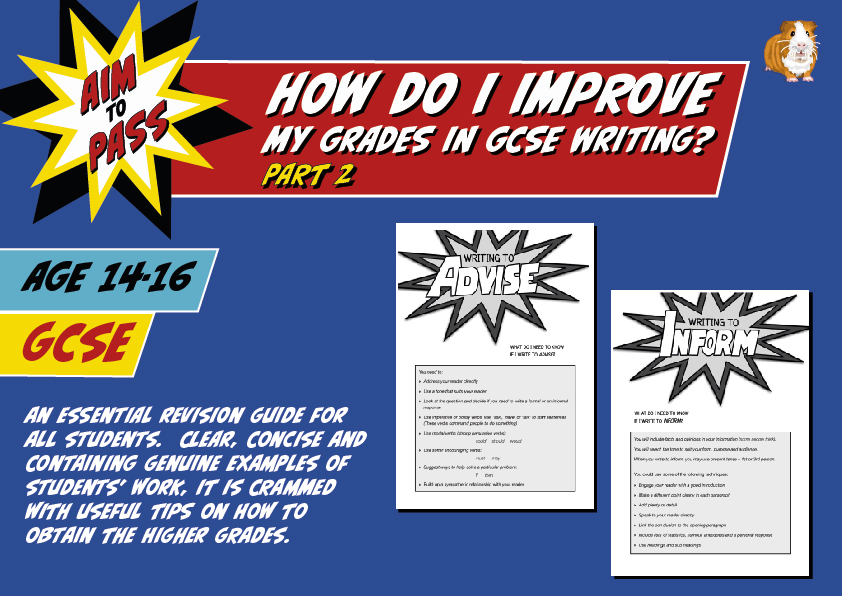
How Do I Improve My Grades In GCSE English Writing? PART 2 (14-16 years) The resource is designed to serve as a valuable tool for public school teachers and home educators.
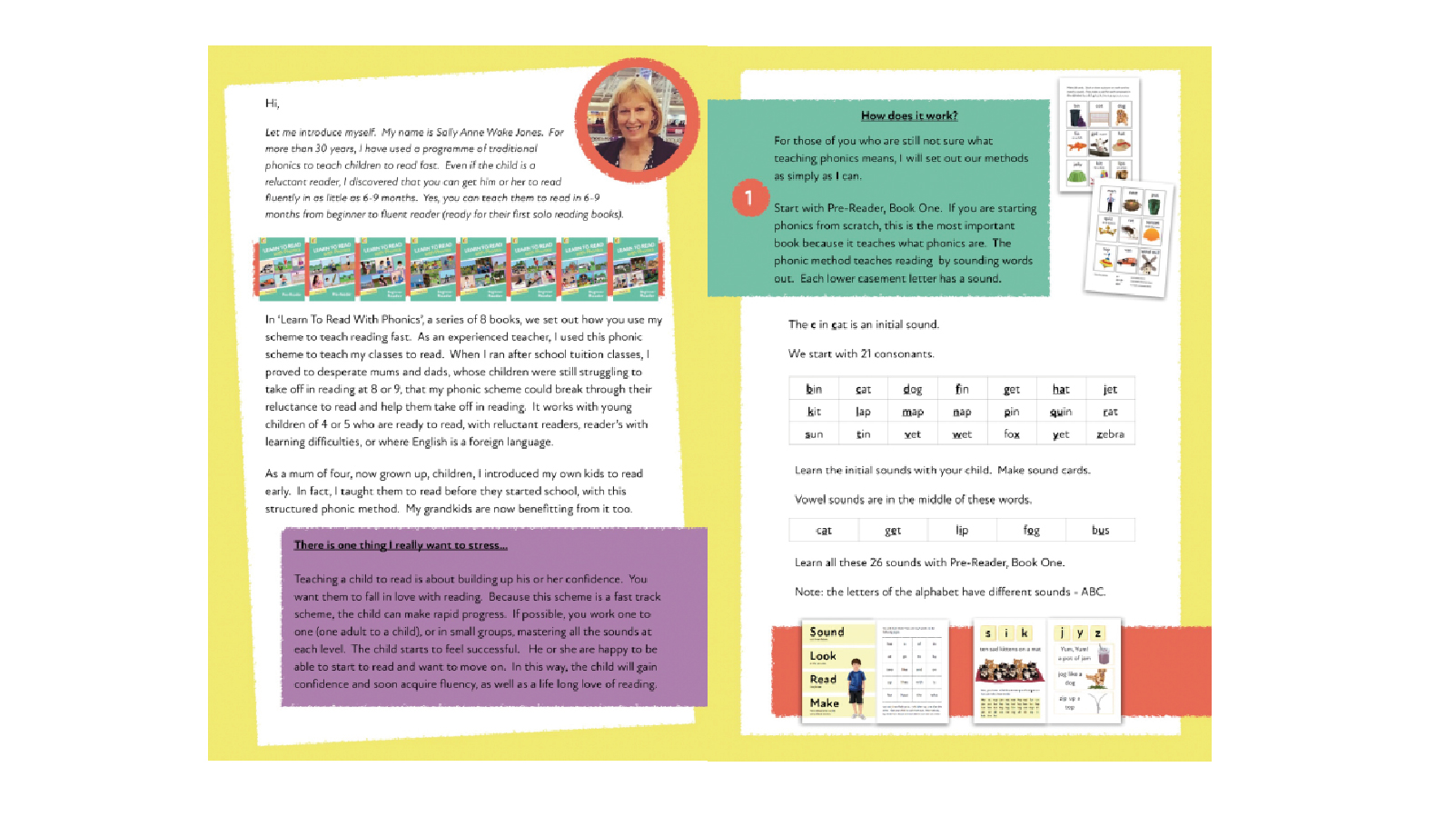
Title: How Do I Start My Child Learning To Read With Phonics? Conceived by an author with more than 30 years of experience in teaching children to read through phonics, this resource offers an effective roadmap for getting started on your…
Guide a full 2-hour film-study lesson analyzing character transformation and themes in 'How the Grinch Stole Christmas' (2000).
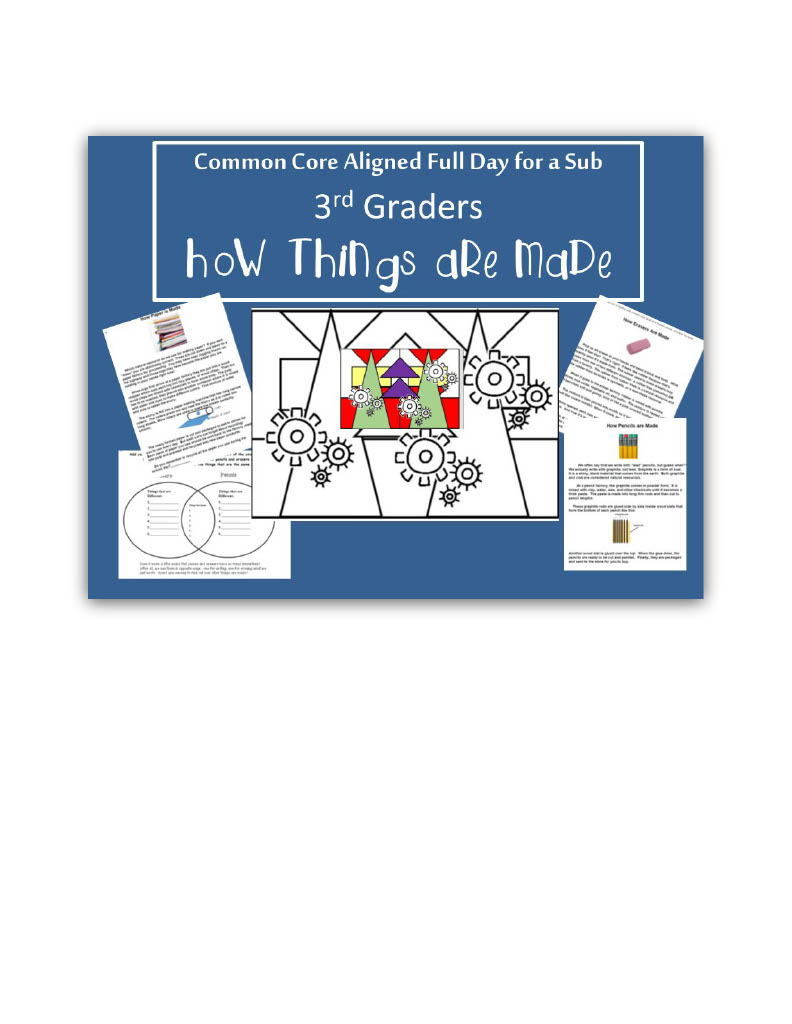
A full-day substitute teacher plan package for Grade 3 built around the theme of how everyday items are manufactured, combining reading comprehension, writing, math review, and vocabulary activities.
Interactive micro-learning book companion deck for the book 'How to be a Hero' by Florence Parry Heide, building reading comprehension skills (sequencing, story elements, comprehension, summarizing) around a read-aloud.
A reading-and-discussion lesson for high schoolers about how to improve memory, building reading comprehension, vocabulary, and discussion/debate skills around an informational text.
How to Write a Book Report: Fiction Book Reports - FLASH-MAC FLASH-MAC is a compact and user-friendly teaching resource designed for enhancing the grasp of students from grades 5 to 8, in creating well-structured book reports on fictitious…
How to Write a Book Report: How to Write a Fiction Book Report & Graphic Organizers for Fiction Book Reports - Google Slides Gr. 5-8 This essential teaching resource is useful for educators, both mainstream and homeschooling, designed to…
An interactive Google Slides resource that teaches students how to write a non-fiction book report using guided steps and graphic organizers, including distinguishing biography, autobiography, and informational texts.
How to Write a Book Report: Nonfiction Book Reports - FLASH-MAC This comprehensive teaching resource is specifically designed for educators in the language arts, particularly emphasing on writing.
FLASH-PC: Enhancing Comprehension Skills for Middle School Students How to Write a Book Report: Nonfiction Book Reports - FLASH-PC is an effective and versatile resource designed to enhance the comprehension skills of students in grades 5…
How to Write a Book Report: Prewriting Your Book Report - FLASH-MAC is a comprehensive teaching resource tailor-made to assist students in the upper elementary and middle school grades, from grade 5 up until grade 8.
Cover title identifies this chapter slice as 'What is a Descriptive Essay?', part of the 'How to Write an Essay' 12-chapter workbook; front matter states the workbook is based on a five-step writing model and asks students to give thoughtful consideration of a reading passage through short-answer questions, research, and extension activities.
This narrative-essay chapter uses a mind-movie approach to help students picture and sequence a story. Reading and practice address action verbs, showing rather than telling, and the writing process before students organize ideas with a Skeleton Plan graphic organizer and develop their own responses. Vocabulary activities, a comprehension quiz, answer material, and a writing rubric support instruction and review; some prompts also ask students to distinguish other essay purposes.