resources by type
resources by grade
resources by subject
other resources

3,890 products added recently

Page 23 - Science Lesson Plans

Bring science to life with lesson plans that cover biology, chemistry, physics, and more. These resources offer experiments and interactive lessons to stimulate curiosity. Implement them to foster a deep understanding of scientific principles and a passion for discovery.

Relevant
alt down
Any Time
alt down
filter by
alt down
All File Types
alt down
filter nav Show filters
Sort by: Relevant
CLEAR
resources by type
Activities
down arrow
Classroom Decor
down arrow
Teacher Tools
up arrow
Anchor Charts
Assessments
Charts
DBQ's
Diagrams
Graphic Organizers
Lesson Plans
Literacy Readers
Outlines
Presentations
Quizzes and Tests
down arrow
Rubrics
Templates
Worksheets & Printables
down arrow
resources by grade
Early Learning
down arrow
Pre-K
down arrow
Elementary
down arrow
Middle School
down arrow
High School
down arrow
Adult Education
Not Grade Specific
resources by subject
Creative Arts
down arrow
ELA
down arrow
Holiday & Seasonal
down arrow
Life Studies
down arrow
Math
down arrow
P.E. & Health
down arrow
Social Studies
down arrow
Special Resources
down arrow
Science
up arrow
Basic Science
down arrow
Chemistry
Earth and Environmental Sciences
down arrow
Life Sciences
down arrow
Physics
Technology
down arrow
Foreign Languages
down arrow
Resources for Teachers
down arrow
other resources
Common Core
Homeschool Resources
down arrow
Montessori
Research
STEM
I WONDER - How Did The Parasaurolophus Travel | Animated Video Lesson

I WONDER - How Did The Parasaurolophus Travel | Animated Video Lesson
History: Ancient, History, Social Studies, History: World, Animals, Life Sciences, Science, Grade 4, 5, 6, 7, 8, 9, 10, Lesson Plans, Teacher Tools

Video Introduction An amazing video designed for the students to learn more about dinosaurs in different countries. I WONDER - How Did The Parasaurolophus Travel | Animated Video Lesson Do you like dinosaurs? what is your favorite one? Do you own a pet? If yes, tell us more about it, like what its name? And what do you like most about it? Do you think that your pet has been evolved from a dinosaur? Can you write down the characteristics of your favourite dinosaur like it's shape, their rivals, where did it use to live and what was their favourite food? What is the largest and the smallest dinosaur that ever found? Why is the T-rex is so famous? Have you ever read any interesting facts about it? Can you name any of the carnivores or herbivores dinosaurs? I WONDER - How Did The Parasaurolophus Travel | Animated Video Lesson The video is perfect for encouraging the researching skills for the students, while learning more about dinosaurs. I WONDER - How Did The Parasaurolophus Travel | Animated Video Lesson This friendly designed video is suitable for students at school, homeschooling, and as a group activity. Format Available in MP4 format.

Author Educational Voice

Rating

Tags How Did The Parasaurolophus Travel, How Did The Parasaurolophus Travel Video, Parasaurolophus, Parasaurolophus Facts, Parasaurolophus Video, Parasaurolophus Video For Kids, Parasaurolophus Facts For Kids

All About Reptiles | Animated Animals Video Lesson

All About Reptiles | Animated Animals Video Lesson
Science, Life Sciences, Animals, Grade 3, 4, 5, 6, 7, Lesson Plans, Teacher Tools

All About Reptiles | Animated Animals Video Lesson This 6-minute animated science video engages students while teaching them about the animal group - reptiles. Through vivid images and clear narration, learners explore what defines a reptile and examine their unique traits like scales, cold blood, and laying eggs. Educators can utilize this lively footage to introduce the reptile classification in a memorable way or review key characteristics. Whether presented to an entire class or smaller groups, the focused content suits various learning styles. Assign as prep work before a herpetology unit or reptile craft. Let the vivid scenes spark discussion about local species or have students journal interesting facts afterward. This lively resource suits grades 3-7.

Author Educational Voice

Tags Reptiles, Science Lesson, Science Video, Reptiles Activity, Frogs

Reading Food Labels for Endocrine Disruptors

Reading Food Labels for Endocrine Disruptors
Science, Chemistry, Basic Science, Inventors, Theories, Life Sciences, Biology, Human Body, P.E. & Health, Health, Grade 6, 7, 8, 9, 10, 11, 12, Workbooks, Worksheets & Printables, Worksheets, Word Searches, Teacher Tools, Lesson Plans, Quizzes and Tests, Quizzes, Tests, Assessments

Are your students truly aware of what's hiding in their snacks? Transform your classroom or home into a real-world science lab with this comprehensive, no-prep curriculum that teaches students to become "Pantry Detectives!" This engaging, project-based unit empowers students to investigate their own food, decode confusing labels, and understand the science behind endocrine-disrupting chemicals (EDCs) , artificial food dyes , and microplastics . Moving beyond abstract concepts, this resource makes health and biology tangible, relevant, and incredibly important to their daily lives. Students will embark on a "scavenger hunt" through their own pantries, applying a three-tiered investigative methodology to uncover hidden chemicals in everyday foods like mac & cheese, fruit snacks, and sports drinks. They will learn to think like toxicologists and act as educated consumer advocates for their own health. This All-in-One Digital PDF Unit Includes: Part 1: The Informational Text (11 pages): A detailed, student-friendly "textbook" covering: The Endocrine System and its function. How EDCs like artificial dyes (Red 40, Yellow 5) and microplastics (BPA, Phthalates) interfere with hormones. Real-world case studies analyzing popular food products. Part 2: The Student Workbook (20 pages): Ten hands-on, investigative worksheets that guide students through their scavenger hunt. Activities include: The Pantry Reconnaissance Mission The Colorful Culprits (Artificial Dyes) The Packaging Problem (Microplastics) The "Natural" Deception (Marketing vs. Reality) The EDC-Free Action Plan (A final synthesis project) Part 3: Teacher Resources & Visuals (10 pages): Everything you need for seamless instruction: 3 High-Resolution Visual Diagrams/Anchor Charts: Perfect for presentations or classroom posters (EDC Pathway, Scavenger Hunt Matrix, Label Decoding Chart). Comprehensive Answer Key: A complete, easy-to-use answer key for all 10 worksheets. Skills & Subjects Covered: Science/Biology: Endocrine system, hormones, cellular receptors, toxicology. Health & Nutrition: Reading food labels, processed foods, making healthy choices. Critical Thinking: Analyzing marketing claims, data synthesis, problem-solving. ELA: Reading comprehension of technical text, vocabulary building. Perfect for middle school science, health class, a homeschool co-op, or a project-based learning (PBL) unit, this resource is ready to print and go. Empower your students to take control of their health by understanding the chemical landscape of their own pantry. Download today! Keywords: Middle School Science, Health, Nutrition, Endocrine System, Food Labels, Scavenger Hunt, Project-Based Learning, PBL, Artificial Dyes, Food Coloring, Microplastics, BPA, Reading Labels, Critical Thinking, Hands-On Activity, Digital, Printable, Worksheet, Homeschool, No Prep, Biology, Consumer Science. Why Parents/Schools Love It: Real-World Relevance: It brilliantly connects abstract biology and chemistry concepts directly to the food students eat every day, making learning tangible and unforgettable. Empowers Students: This isn't just a worksheet; it's a life skill. It teaches students to become critical thinkers and proactive guardians of their own long-term health. Engaging & Hands-On: The "scavenger hunt" format is fun and investigative, promoting active learning over passive memorization. Students are doing science, not just reading about it. Comprehensive & No-Prep: This is a complete, ready-to-use unit. It includes the informational text, all student activities, high-quality visuals, and a full answer key, saving teachers valuable preparation time. Target Student Audience : Based on the explicit mention on page 1 ("For a Grade 7 student") and the complexity of the topics (e.g., Bisphenol-A, petroleum-based dyes, cellular disruption), target audience is: Primary Target: Middle School students (Grades 6, 7, and 8) in Science, Health, or Life Science classes. Secondary Target: Early High School students (Grade 9) in introductory Biology, Health, or Environmental Science courses. It's also an excellent resource for Homeschooling families looking for a relevant, hands-on science curriculum. Copyright/Terms of Use: This Book was copyrighted by Syed Hammad Rizvi. This resource is for personal and single classroom use only. You may not alter, redistribute, or sell any part of this resource. In other words, you may not put it on the Internet where it could be publicly found and downloaded. If you want to share this resource with colleagues, please purchase additional licenses from Teachsimple. Thank you for respecting these terms of use. This product is happily brought to you by Syed Hammad Rizvi

Author Creative Book Store

Rating

Tags ScienceScavengerHunt, FoodLabels, ReadingLabels, EndocrineDisruptors, ProjectBasedLearning, PBL, ArtificialDyes, Microplastics, ChemicalsInFood, ConsumerScience

I WONDER - What Is An Omnivore | Animated Video Lesson

I WONDER - What Is An Omnivore | Animated Video Lesson
Animals, Life Sciences, Science, History, Social Studies, History: Ancient, History: World, Grade 2, 3, 4, 5, 6, 7, 8, Lesson Plans, Teacher Tools

Video Introduction An amazing video designed for the students to learn more about dinosaurs in different countries. I WONDER - What Is An Omnivore | Animated Video Lesson Do you like dinosaurs? what is your favorite one? Do you own a pet? If yes, tell us more about it, like what its name? And what do you like most about it? Do you think that your pet has been evolved from a dinosaur? Can you write down the characteristics of your favourite dinosaur like it's shape, their rivals, where did it use to live and what was their favourite food? What is the largest and the smallest dinosaur that ever found? Why is the T-rex is so famous? Have you ever read any interesting facts about it? Can you name any of the carnivores or herbivores dinosaurs? I WONDER - What Is An Omnivore | Animated Video Lesson The video is perfect for encouraging the researching skills for the students, while learning more about dinosaurs. I WONDER - What Is An Omnivore | Animated Video Lesson This friendly designed video is suitable for students at school, homeschooling, and as a group activity. Format Available in MP4 format.

Author Educational Voice

Rating

Tags What Is An Omnivore, What Is An Omnivore Video, Omnivore, Omnivores, Omnivore Facts, Omnivore Video, Omnivore Facts For Kids, Omnivore Video For Kids, Dinosaurs, Dinosaur

I WONDER - What Ecosystems Are There On The Galapagos | Animated Video

I WONDER - What Ecosystems Are There On The Galapagos | Animated Video
Geography, Social Studies, Environmental Science, Earth and Environmental Sciences, Science, Grade 4, 5, 6, 7, 8, 9, Lesson Plans, Teacher Tools

Video Introduction An amazing video designed for the students to learn more about famous places in different countries. I WONDER - What Ecosystems Are There On The Galapagos | Animated Video Lesson What do you know about this place? Do you know in which part of the world it is? Have you ever visited this place? If yes, can you tell us more about your adventure, and what do you like the most about this place? Do you like reading about Geography? What is your favorite country in the whole world? If you are going on a trip where it will be? Which country? What you are going to see there? Does this country has a famous place to visit? I WONDER - What Ecosystems Are There On The Galapagos | Animated Video Lesson The activity is perfect for encouraging the researching skills for the students, while learning more about this fantastic place. I WONDER - What Ecosystems Are There On The Galapagos | Animated Video Lesson This friendly designed video is suitable for students at school, homeschooling, and as a group activity. Format Available in MP4 format.

Author Educational Voice

Tags What Ecosystems Are There On The Galapagos, What Ecosystems Are There On The Galapagos Video, Ecosystems, Ecosystems Facts, Ecosystems Video, Galapagos, Galapagos Facts, Galapagos Video

I WONDER - What Is An Avalanche | Animated Video Lesson

I WONDER - What Is An Avalanche | Animated Video Lesson
Earth Sciences, Earth and Environmental Sciences, Science, Environmental Science, Geography, Social Studies, Grade 1, 2, 3, 4, 5, 6, 7, 8, Lesson Plans, Teacher Tools

Video Introduction An amazing video designed for the students to learn more about natural disasters in different countries. I WONDER - What Is An Avalanche | Animated Video Lesson What do you know about this natural disaster? Do you know in which part of the world this could happen? Have you ever read about the safety misusers that we could have to protect ourselves from this natural disaster? If yes, can you tell us more about them? Can you name other natural disasters? If yes, tell us more about where they are likely to happen? And how frequently? Do you like reading about Geography? What is your favorite country in the whole world? If you are going on a trip where it will be? Which country? What you are going to see there? Does this country has a famous place to visit? Do you like reading about Geology? If yes, what is your favourite topic? I WONDER - What Is An Avalanche | Animated Video Lesson The video is perfect for encouraging the researching skills for the students, while learning more about this fantastic phenomenon. I WONDER - What Is An Avalanche | Animated Video Lesson This friendly designed video is suitable for students at school, homeschooling, and as a group activity. Format Available in MP4 format.

Author Educational Voice

Tags What Is An Avalanche, What Is An Avalanche Video, Avalanche, Avalanche Facts, Avalanche Facts For Kids, Avalanche Video, Avalanche Video For Kids, Natural Disaster, Natural Disasters

I WONDER - How Do Some Animals Glow | Animated Video Lesson

I WONDER - How Do Some Animals Glow | Animated Video Lesson
Life Sciences, Science, Biology, Animals, STEM, Grade 1, 2, 3, 4, 5, 6, 7, 8, Lesson Plans, Teacher Tools

Video Introduction Animal kingdoms are full of fascinating wonders to learn. This video is designed for the students to learn more about animals in different countries. I WONDER - How Do Some Animals Glow | Animated Video Lesson Do you like animals? what is your favorite one? Do you own a pet? If yes, tell us more about it, like what its name? And what do you like most about it? What are the animal kingdoms? Can you write down the characteristics of each animal class like mammals, birds, reptiles, amphibian, fish and mollusks. Do you know that some animals can sing, can you name any of them? What is the largest and the smallest mammal in the world? What is the largest and the smallest bird in the world? What is the largest and the smallest fish in the world? I WONDER - How Do Some Animals Glow | Animated Video Lesson The video is perfect for encouraging the researching skills for the students, while learning more about these fantastic animals. I WONDER - How Do Some Animals Glow | Animated Video Lesson This friendly designed video is suitable for students at school, homeschooling, and as a group activity. Format Available in MP4 format.

Author Educational Voice

Tags How Do Some Animals Glow, How Do Some Animals Glow Video, Glowing Animals, Glowing Animals Facts, Glowing Animals Facts For Kids, Glowing Animals Video, Glowing Animals Video For Kids

I WONDER - How Does Gravity Affect Astronauts | Animated Video Lesson

I WONDER - How Does Gravity Affect Astronauts | Animated Video Lesson
Space, Earth and Environmental Sciences, Science, Grade 6, 7, 8, 9, 10, 11, 12, Lesson Plans, Teacher Tools

Video Introduction An amazing video designed for the students to learn more about space facts. I WONDER - How Does Gravity Affect Astronauts | Animated Video Lesson Do you like reading about space? If yes, what is your favorite topic? What do you know about our solar system? What is the smallest planet in our solar system? What is the biggest planet in our solar system? What is the hottest planet in our solar system? And what is the coldest one? Do you think there are aliens? If yes, what do you think they look like? What do they eat and how they speak to each other? Where do they live? What is a galaxy? And what is a milky way? Have you recently saw a shooting star? If yes, tell us more about it, like when did it happen and where? What is a blackhole? Can a blackhole gets bigger by time? Do you like counting the stars? What do you think a star is made of? I WONDER - How Does Gravity Affect Astronauts | Animated Video Lesson The video is perfect for encouraging the researching skills for the students, while learning more about the fantastic space. I WONDER - How Does Gravity Affect Astronauts | Animated Video Lesson This friendly designed video is suitable for students at school, homeschooling, and as a group activity. Format Available in MP4 format.

Author Educational Voice

Tags How Does Gravity Affect Astronauts, How Does Gravity Affect Astronauts Video, Gravity, Gravity Facts, Gravity Facts For Kids, Gravity Video, Astronauts, Astronauts Facts, Astronauts Video

I WONDER - Who Discovered Coffee | Animated Video Lesson

I WONDER - Who Discovered Coffee | Animated Video Lesson
Nature & Plants, Life Sciences, Science, Grade 4, 5, 6, 7, 8, 9, 10, Teacher Tools, Lesson Plans

Video Introduction An amazing activity designed for the students to learn more about STEM. I WONDER - Who Discovered Coffee | Animated Video Lesson Do you like STEM subjects? what is your favorite one? Have you ever tried to plant a seed? If yes, tell us more about it. Or have you ever tried to invent something? If yes, tell us more about it. And how do you think it will help us? Have you ever seen a microorganism under a microscope? What was it? And how it looked like? Mathematics is a marvelous subject. Let' sharpen our brains and solve some equations. Do you like timetable tricks? What is your favorite one? Do you know how to code? Have you ever created an app or a game before? If yes, how was it like? I WONDER - Who Discovered Coffee | Animated Video Lesson The video is perfect for encouraging the researching skills for the students, while learning more about this fantastic topic. I WONDER - Who Discovered Coffee | Animated Video Lesson This friendly designed video is suitable for students at school, homeschooling, and as a group activity. Format Available in MP4 format.

Author Educational Voice

Tags Who Discovered Coffee, Who Discovered Coffee Video, Coffee, Coffee Facts, Coffee Facts For Kids, Coffee Video, Coffee Video For Kids, Coffee Facts Video, Science , Science Facts

Global Warming CAUSES: Greenhouse Gases: Synthetic Gases - FLASH-PC

Global Warming CAUSES: Greenhouse Gases: Synthetic Gases - FLASH-PC
Science, Earth and Environmental Sciences, Environmental Science, Common Core, Grade 5, 6, 7, 8, Teacher Tools, Lesson Plans

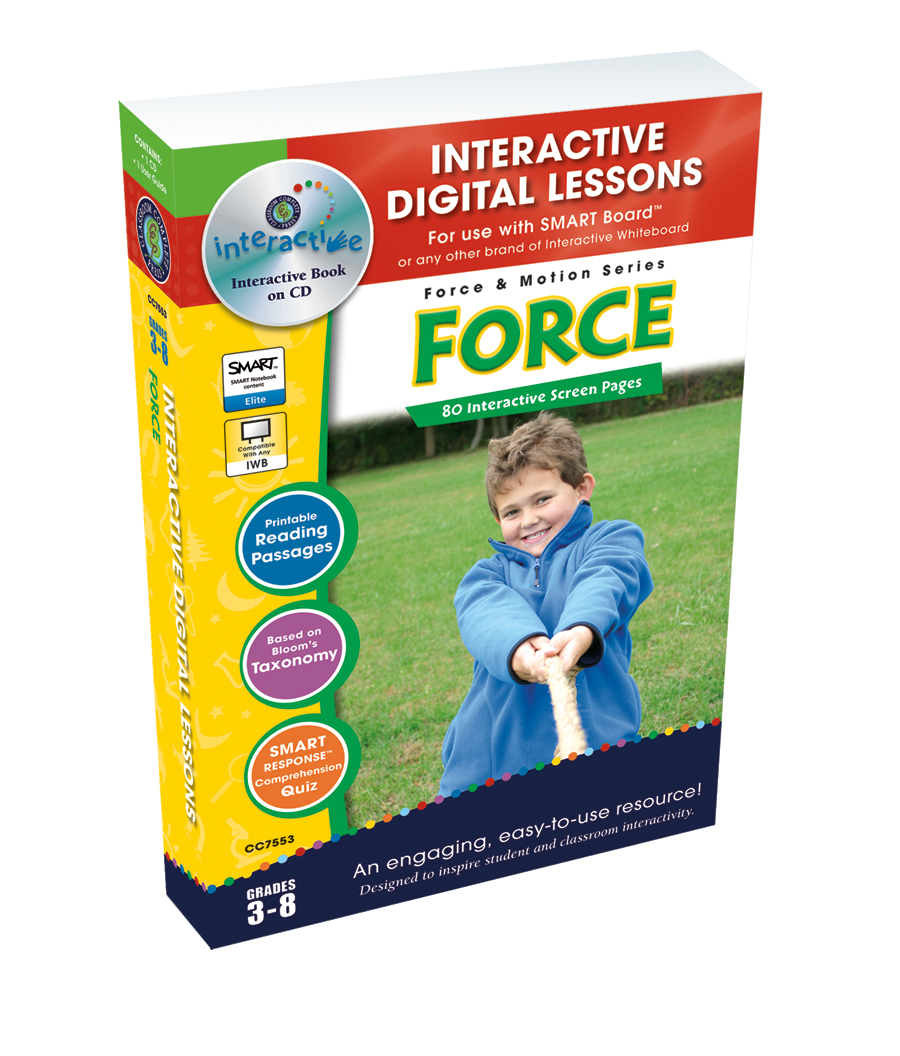
Global Warming CAUSES: Greenhouse Gases: Synthetic Gases - FLASH-PC FLASH-PC, an invaluable educational resource for educators focusing on science, particularly environmental science, has been designed aligned with the Common Core State Standards and Bloom's Taxonomy. The tool is primarily created for the academic requirements of students in grades 5 through 8 and works as an excellent enhancement to your teaching resources. Inclusions in the Teaching Package: A detailed chapter on Greenhouse Gases: Synthetic Gases, a vital element in understanding Global Warming causes. The content is divided into manageable reading passages coupled with pre-reading and post-reading questions to measure comprehension levels effectively. Besides text, learners are exposed to engaging audio visuals and interactive activities catering to varying learning styles. The package also provides printable items that can serve as handouts or physical props during class sessions. The uniqueness of this product lies not just within its classroom application but beyond that – it can be employed during large group discussions using insightful video presentations; or construed during small group sessions via printable materials; or can even be utilized as vocabulary enhancing homework assignments through learner-friendly flash cards . A key element setting this resource apart from others is its compatibility across digital spaces – making adoption smoother amidst varying learning environments – thanks to substantial software support it offers teachers. In summary, "Global Warming CAUSES: Greenhouse Gases: Synthetic Gases - FLASH-PC" offers high-quality content wittily packaged to foster enriched learning experiences centered around global warming causes; aiding considerably towards nurturing environmentally informed scholars.
Author Classroom Complete Press

Tags Software (PC)

Introduction to AI Agents – Simple Task Automation Worksheets

Introduction to AI Agents – Simple Task Automation Worksheets
Science, Technology, Computer Science, Engineering, STEM, Resources for Teachers, Classroom Management, Community Building, Research, ELA, Homeschool Curriculum, Homeschool Templates, Grade 6, 7, 8, 9, 10, Worksheets & Printables, Writing Prompts, Worksheets, Word Searches, Dot To Dots, Workbooks, Teacher Tools, Lesson Plans, Quizzes and Tests, Tests

"AI Agents: An Introduction to Simple Automated Task Worksheets for Middle-Grade Students" consists of a total of 34 pages in one downloadable PDF file. In this workbook, students will learn about digital agents and task automation, and will gain insight into the basics of A.I. This workbook is ideally suited for STEM, computer science and technology education classes with no coding required. The agent-oriented design framework will be introduced to students as they learn how to break complex tasks down into components (sensors, logic processors, actuators). In doing so, students will also gain a greater understanding of how to decompose tasks, create algorithms, utilize loops, use branching paths and interact in multi-agent environments by completing ten exciting student worksheets that have a variety of scenarios (e.g., digital backpack organizer, community garden irrigation aid, library return kiosk, drone delivery, wildlife rescue, etc.). In addition to the ten worksheets, teachers will be able to use various templates, conceptual diagrams (automation cycle, feasibility filter, logic trees), comprehensive answer keys, and visual organization charts/projects for presentation and/or printing purposes. No prior coding skills will be required to participate in this activity; therefore, it is an excellent means to develop critical thinking, problem-solving, and technology literacy in this A.I. age. Reasons Schools & Families are Crazed for It : •Incredible hands-on activities and experiences with real-world examples create connections to complex ideas about AI. •No-preparation necessary for educators- All materials ready to go in a few minutes. •Future readiness through foundational skills e.g. computational thinking, logical reasoning & AI literacy. •Support for all students and challenging activities for advanced learners through differentiated formats. •Unbeatable value for 1 PDF filled with meaningful STEM experiences, the extent of which can provide anywhere from weeks to years of STEM aligned content and reflect the 21st century standards. Audience : Target Audience Grade Level This resource is formatted for grades of 5 to 8 specifically and is written/designed with middle school student ages using appropriate language, characteristics, and structure as developed by the cognitive scaffolding framework for middle school students. It is designed to be effective for: Grade 5 and 6 (introduction of automation concepts) Grade 7 and 8 (additional logic/concepts/logical branches/multitudes of agents) classrooms of various levels of ability, students identified as gifted,; students homeschooled; students participating in after school or summer STEM oriented programs. Copyright/Terms of Use: This Book represents a copyright owned by Syed Hammad Rizvi and is provided to you for personal use and for use only in one classroom. You are NOT PERMITTED to modify, redistribute, or sell any part of this resource (i.e. you are NOT PERMITTED to post it onto the internet where it will be publicly available to be found and downloaded). If you would like to share this resource with other educators, please purchase an additional license from Teachsimple. Thank you! This product is happily provided by Syed Hammad Rizvi

Author Creative Book Store

Rating

Tags AIAgents, TaskAutomation, DigitalAgents, AIForKids, IntroductionToAI, AIWorksheets, Ages10to14, 10to14YearsOld, MiddleSchoolAges, Grades5to8

Global Warming CAUSES: Greenhouse Gases: Methane - FLASH-PC

Global Warming CAUSES: Greenhouse Gases: Methane - FLASH-PC
Science, Earth and Environmental Sciences, Environmental Science, Common Core, Grade 5, 6, 7, 8, Teacher Tools, Lesson Plans

Global Warming CAUSES: Greenhouse Gases: Methane - FLASH-PC An insightful teaching resource designed to help teachers and homeschoolers present the topic of greenhouse gases with a special focus on methane. It is primarily crafted for students within Grade 5 up to Grade 8. Purpose & Benefits: Suited for science classes, particularly beneficial when covering environmental sciences. Presents curriculum -based content, integrates engaging reading passages about causes of global warming. Provides pre-reading questions that ignite curiosity and post-reading questions for comprehension check. Components: Incorporates pertinent printables along with vocabulary flashcards to help build understanding around environmental studies topics. Accompanied by video, audio, and interactive activities for better student engagement and concept comprehension. Leveraging Educational Standards & Philosophy: The material aligns excellently with: The Common Core State Standards: Ensuring educators remain compliant while maintaining academic rigor. Bloom's Taxonomy philosophy: Caters structured learning progression from basic knowledge recall up to sophisticated intellectual tasks. This optimized software (PC) product file can be implemented effectively in whole group classroom discussions or small group collaborations or even individualized study sessions. The aim is not only educating students about greenhouse gases but also fostering their critical thinking skills placing it aptly towards 21st-century education standards!</b

Author Classroom Complete Press

Tags Software (PC)

Solutions and Solubility - Senior Chemistry lesson

Solutions and Solubility - Senior Chemistry lesson
Science, Chemistry, Grade 10, 11, 12, Teacher Tools, Lesson Plans

Solutions and Solubility - Senior Chemistry Lesson Your lesson covers solutions and solubility at a senior chemistry level. In order, the lesson teaches about; Solutions, Solvents and Solutes, Dilute vs. Concentrated, Saturated &amp; Unsaturated, Supersaturated, Solubility, Polar Water, Ionization, Electrolytes, Hydration, and Temperature and Solubility. Your lesson includes the teacher and student version of the presentation, TWO embedded videos, an auto-graded exit ticket, and a student lesson handout so the students can record the notes on a more condensed medium. This lesson is designed to be your go-to resource, whether you're in a traditional classroom or a virtual one. With both a teacher version and a student version, it seamlessly fits into your lesson plans, making learning engaging and adaptable. Assessment made easy We've included an auto-graded Exit Ticket and a quiz with an answer key because I know you don't have an excess of time. I know you don't, because I don't and I know I'll do whatever I can to reduce my grading time. Whether you use PowerPoint or Google Slides, prefer Word or Google Docs, this lesson has you covered. This lesson comes in both Office and Google formats for your convenience. The student version of the presentation has strategically placed blanks for them to fill in as you're teaching. It keeps them active and engaged, encourages discussion, and leaves more time for those "aha" moments.

Author Teach With Fergy

Tags Chemistry Lesson, Solutions, Solvents, Solutes, Saturated, Unsaturated, Solubility, Ionization, Electrolytes

All About Birds | Animated Animals Video Lesson

All About Birds | Animated Animals Video Lesson
Science, Life Sciences, Animals, Grade 3, 4, 5, 6, Lesson Plans, Teacher Tools

All About Birds | Animated Animals Video Lesson This 8-minute animated science video gives an engaging and interactive lesson all about birds, perfect for grades 3-6. Students will love learning more about animals as they watch the vivid images in this zoology resource. Use it as an introduction to birds or as a review of previous lessons on the subject. The video can facilitate whole-class instruction or independent learning centers . Students gain knowledge of birds' anatomy, habitat, diet, and more in a format that captures interest and attention. Implement as part of a life science unit on animals or use to inspire an research project or art assignment based on the diverse species shown. This engaging lesson facilitates inquiry and sparks curiosity about the avian world.

Author Educational Voice

Tags Birds Activity, Birds Lesson, Science Lesson, Science Video, Interactive Science

I WONDER - What Is A Smart Phone | Animated Video Lesson

I WONDER - What Is A Smart Phone | Animated Video Lesson
Technology, Science, STEM, Grade 4, 5, 6, 7, 8, 9, 10, Teacher Tools, Lesson Plans

Video Introduction An amazing activity designed for the students to learn more about STEM. I WONDER - What Is A Smart Phone | Animated Video Lesson Do you like STEM subjects? what is your favorite one? Have you ever tried to plant a seed? If yes, tell us more about it. Or have you ever tried to invent something? If yes, tell us more about it. And how do you think it will help us? Have you ever seen a microorganism under a microscope? What was it? And how it looked like? Mathematics is a marvelous subject. Let' sharpen our brains and solve some equations. Do you like timetable tricks? What is your favorite one? Do you know how to code? Have you ever created an app or a game before? If yes, how was it like? I WONDER - What Is A Smart Phone | Animated Video Lesson The video is perfect for encouraging the researching skills for the students, while learning more about this fantastic topic. I WONDER - What Is A Smart Phone | Animated Video Lesson This friendly designed video is suitable for students at school, homeschooling, and as a group activity. Format Available in MP4 format.

Author Educational Voice

Tags What Is A Smart Phone, What Is A Smart Phone Video, Smart Phone, Smart Phone Facts, Smart Phone Facts For Kids, Smart Phone Video, Smart Phone Video For Kids, Smart Phone Facts Video For Kids

I WONDER - Is The Sun A Star | Animated Video Lesson

I WONDER - Is The Sun A Star | Animated Video Lesson
Space, Earth and Environmental Sciences, Science, Grade 4, 5, 6, 7, 8, 9, 10, Lesson Plans, Teacher Tools

Video Introduction An amazing video designed for the students to learn more about space facts. I WONDER - Is The Sun A Star | Animated Video Lesson Do you like reading about space? If yes, what is your favorite topic? What do you know about our solar system? What is the smallest planet in our solar system? What is the biggest planet in our solar system? What is the hottest planet in our solar system? And what is the coldest one? Do you think there are aliens? If yes, what do you think they look like? What do they eat and how they speak to each other? Where do they live? What is a galaxy? And what is a milky way? Have you recently saw a shooting star? If yes, tell us more about it, like when did it happen and where? What is a blackhole? Can a blackhole gets bigger by time? Do you like counting the stars? What do you think a star is made of? I WONDER - Is The Sun A Star | Animated Video Lesson The video is perfect for encouraging the researching skills for the students, while learning more about the fantastic space. I WONDER - Is The Sun A Star | Animated Video Lesson This friendly designed video is suitable for students at school, homeschooling, and as a group activity. Format Available in MP4 format.

Author Educational Voice

Tags Is The Sun A Star, Is The Sun A Star Video, The Sun, The Sun Facts, The Sun Facts For Kids, The Sun Video, The Sun Video For Kids, Star, Stars, Stars Facts

I WONDER - How Do Nocturnal Animals Use Their Sense Of Smell

I WONDER - How Do Nocturnal Animals Use Their Sense Of Smell
STEM, Animals, Life Sciences, Science, Biology, Grade 1, 2, 3, 4, 5, 6, 7, 8, Lesson Plans, Teacher Tools

Video Introduction Animal kingdoms are full of fascinating wonders to learn. This video is designed for the students to learn more about animals in different countries. I WONDER - How Do Nocturnal Animals Use Their Sense Of Smell | Animated Video Lesson Do you like animals? what is your favorite one? Do you own a pet? If yes, tell us more about it, like what its name? And what do you like most about it? What are the animal kingdoms? Can you write down the characteristics of each animal class like mammals, birds, reptiles, amphibian, fish and mollusks. Do you know that some animals can sing, can you name any of them? What is the largest and the smallest mammal in the world? What is the largest and the smallest bird in the world? What is the largest and the smallest fish in the world? I WONDER - How Do Nocturnal Animals Use Their Sense Of Smell | Animated Video Lesson The video is perfect for encouraging the researching skills for the students, while learning more about these fantastic animals. I WONDER - How Do Nocturnal Animals Use Their Sense Of Smell | Animated Video Lesson This friendly designed video is suitable for students at school, homeschooling, and as a group activity. Format Available in MP4 format.

Author Educational Voice

Tags How Do Nocturnal Animals Use Their Sense Of Smell, How Do Nocturnal Animals Use Their Sense Of Smell Video, Nocturnal Animals Sense Of Smell, Nocturnal Animals Sense Of Smell Facts, Nocturnal Animals Sense Of Smell Video

Reducing Your Own Carbon Footprint: Climate Change Has Your Footprint On It Gr. 5-8

Reducing Your Own Carbon Footprint: Climate Change Has Your Footprint On It Gr. 5-8
Science, Earth and Environmental Sciences, Environmental Science, Grade 5, 6, 7, 8, Teacher Tools, Lesson Plans

Reducing Your Own Carbon Footprint: Climate Change Has Your Footprint On It Gr. 5-8 Reducing Your Own Carbon Footprint: Climate Change Has Your Footprint On It Gr. 5-8 is a thoughtfully structured educational resource that purposefully seeks to instill an eco-conscious mindset among students in grades 5 to 8. This comprehensive guide makes the complex issue of climate change relatable by linking it directly to daily life activities. The Greenhouse Effect and Household Energy Consumption This enlightening tool acquaints students with the idea of the greenhouse effect, a fundamental premise for comprehending climate change. Furthermore, this guide breaks down everyday energy consumption at home—taking the example of power usage in a typical kitchen. Sustainable Food Production and Carbon Footprints The learning material teaches how industrial food production contributes to one's carbon footprint—a stepwise examination from farm-to-table shows surprising energy uses and emphasizes our joint effort towards sustainable practices. Understanding Travel Patterns and Their Impact on Emissions This product includes exercises where students will calculate their travel impact—they map out modes of transport and consider more environmentally friendly options when possible. This interactive method helps learners realize how their choices affect not only personal but global environmental health as well. Waste Management Beyond Disposal The teaching resource highlights that waste management extends beyond mere disposal—it’s about fostering sustainable habits. Armed with information about individual environmental impacts, students can engage in brainstorm sessions to develop community-wide green behaviors – effectively influencing societal norms (social contract). A Teaching Tool Aligned with Bloom's Taxonomy & STEAM Prerequisites: . Utilizes accessible graphic organizers for easier comprehension Features a unique carbon footprint calculator—a resourceful exercise combining math abilities with science understanding Comprehensive Learning Assessment : The teaching guide concludes with quizzes to test comprehension, aided by easy-working tools like word searches and crosswords—making learning fun and memorable. Convenient answer keys are provided for straightforward checking—helping teachers without adding to their workload. In Conclusion This invaluable resource, presented in an easy-to-use PDF format, augments any environmental science curriculum—not just promoting academic knowledge but sparking real-world positive actions crucial for our planet's sustainable future. This product doubles as more than a lesson plan—it stands as a critical tool fostering the next generation of mindful global citizens. .

Author Classroom Complete Press

Tags PDF

I WONDER - What Is A Virus | Animated Video Lesson

I WONDER - What Is A Virus | Animated Video Lesson
Human Body, Life Sciences, Science, Biology, STEM, Grade 3, 4, 5, 6, 7, 8, 9, Lesson Plans, Teacher Tools

Video Overview The human body is full of fascinating wonders to learn. This video is created to help the students recognize the anatomy and the job of the human body. I WONDER - What Is A Virus | Animated Video Lesson Every part and organ in our human body is vital so let's see how important they are. Have you ever imagined how we look like if we didn't have a skeleton? Did you know that because we have our amazing muscles we can stand! Do you know how many teeth do we have? Have you ever wondered about the food journey inside our body? Can you name all the glands in our body? Why do we have skin? Our nervous system is really good at sending signals. Can you tell us more about it? Are you really good at Mathematics, painting, or any other thing? You should really thank your brain about it! The famous five senses are really doing a great work? Can you explain how every sense works? I WONDER - What Is A Virus | Animated Video Lesson The video is perfect for encouraging the researching skills for the students, while learning more about our fantastic human body. I WONDER - What Is A Virus | Animated Video Lesson This friendly designed video is suitable for students at school, homeschooling, and as a group activity. Format Available in MP4 format.

Author Educational Voice

Tags What Is A Virus, What Is A Virus Video, Virus, Virus Facts, Virus Facts For Kids, Virus Video, Virus Video For Kids, Immune System, Immune System Video, Immune System Video For Kids

I WONDER - What Did Albert Einstein Win A Nobel Prize For

I WONDER - What Did Albert Einstein Win A Nobel Prize For
Biographies, Social Studies, Inventors, Basic Science, Science, Grade 4, 5, 6, 7, 8, 9, 10, Lesson Plans, Teacher Tools

Video Introduction An amazing video designed for the students to learn more about famous people in different countries. I WONDER - What Did Albert Einstein Win A Nobel Prize For | Animated Video Lesson Do you know this person? How much do you know about him/her? Who is your idol? Why did you choose this person? Tell us more about him/her? Who is your favorite athlete? Or what is your favorite team? Have you recently heard a story about a famous person? Who was this person? Can you tell us more about him/her. Who is your favorite president, king, or queen? Why you chose that person? In your country, who are the most famous people? What did they do? Can you tell us more about them. What is your favorite invention? Who invented it? Who is your favorite artist? What is the most famous thing he/she have done? What is the most enjoyable you have read before? Who wrote it? I WONDER - What Did Albert Einstein Win A Nobel Prize For | Animated Video Lesson The video is perfect for encouraging the researching skills for the students, while learning more about this fantastic place. I WONDER - What Did Albert Einstein Win A Nobel Prize For | Animated Video Lesson This friendly designed video is suitable for students at school, homeschooling, and as a group activity. Format Available in MP4 format.

Author Educational Voice

Rating

Tags What Did Albert Einstein Win A Nobel Prize For, What Did Albert Einstein Win A Nobel Prize For Video, Albert Einstein Win A Nobel Prize, Albert Einstein Facts, Albert Einstein, Albert Einstein Video, Albert Einstein Video For Kids

Prevention, Recycling & Conservation: Recycling Gr. 5-8

Prevention, Recycling & Conservation: Recycling Gr. 5-8
Science, Earth and Environmental Sciences, Environmental Science, Grade 5, 6, 7, 8, Teacher Tools, Lesson Plans

Prevention, Recycling & Conservation: Recycling Gr. 5-8 Prevention, Recycling & Conservation: Recycling Gr. 5-8 is an outstanding educational tool that tackles the intricate subjects of prevention, recycling, and conservation in a way comprehendible for students in grades 5 through 8. The resource's intelligently designed layout simplifies these topics by addressing key questions such as: What is conservation? How do natural resources differ from renewable and non-renewable ones? A focus on reducing landfill waste A prominent theme featured in this learning resource addresses minimising landfill waste. Progressive composting techniques are clearly discussed to provide learners with insights into how organic matter decomposes over time. This information fosters their understanding of ecologically sustainable living while encouraging them to become proactive solution-seekers. Navigating the pollution problem The serious issue of pollution is carefully examined, unveiling its profound effects on freshwater sources and atmospheric conditions. Through this interactive exploration, students will gain an awareness of crucial environmental challenges such as smog formation, ozone layer erosion and the typical greenhouse gas emissions resulting from burning fossil fuels. The Unique Selling Proposition of Prevention, Recycling & Conservation: Recycling Gr. 5-8 This resource also stands apart due to its emphasis on inventive responses to existing environmental issues - teaching concepts such as using alternative energy sources or pursuing zero-waste goals whilst inspiring students towards a greener lifestyle. Inclusive Teaching Aid components - User-ready reading passages ideal for group or private study sessions - Pupil activities to further challenge learners - Full-colour pocket-sized information posters providing immediate reference points to struggling learners when necessary All content within this product is aligned perfectly with your State Standards and strictly follows Bloom's Taxonomy recommendations, ensuring quality educational material that supports effective teaching. This resource caters specifically to science-based curriculums, particularly under environmental science. Documents are conveniently packaged in PDF format for hassle-free digital access. Final Thoughts on Prevention, Recycling & Conservation: Recycling Gr. 5-8 Prevention, Recycling & Conservation: Recycling Gr. 5-8 proves itself as an indispensable addition to a teacher's toolkit regardless of their teaching platform (public school or homeschooling). It symbolises the perfect balance between informative substance and careful design; built with the aim of making education engaging and meaningful!

Author Classroom Complete Press

Tags PDF

I WONDER - How Many Animals Live In The Rainforest | Animated Video

I WONDER - How Many Animals Live In The Rainforest | Animated Video
Biology, Life Sciences, Science, Animals, STEM, Grade 1, 2, 3, 4, 5, 6, 7, 8, Lesson Plans, Teacher Tools

Video Introduction Animal kingdoms are full of fascinating wonders to learn. This video is designed for the students to learn more about animals in different countries. I WONDER - How Many Animals Live In The Rainforest | Animated Video Lesson Do you like animals? what is your favorite one? Do you own a pet? If yes, tell us more about it, like what its name? And what do you like most about it? What are the animal kingdoms? Can you write down the characteristics of each animal class like mammals, birds, reptiles, amphibian, fish and mollusks. Do you know that some animals can sing, can you name any of them? What is the largest and the smallest mammal in the world? What is the largest and the smallest bird in the world? What is the largest and the smallest fish in the world? I WONDER - How Many Animals Live In The Rainforest | Animated Video Lesson The video is perfect for encouraging the researching skills for the students, while learning more about these fantastic animals. I WONDER - How Many Animals Live In The Rainforest | Animated Video Lesson This friendly designed video is suitable for students at school, homeschooling, and as a group activity. Format Available in MP4 format.

Author Educational Voice

Tags How Many Animals Live In The Rainforest, How Many Animals Live In The Rainforest Video, Animals Live In The Rainforest, Animals Live In The Rainforest Facts, Animals Live In The Rainforest Facts For Kids, Animals Live In The Rainforest Video

I WONDER - How Did The Planet Mercury Get Its Name | Animated Video

I WONDER - How Did The Planet Mercury Get Its Name | Animated Video
Space, Earth and Environmental Sciences, Science, Grade 6, 7, 8, 9, 10, 11, 12, Lesson Plans, Teacher Tools

Video Introduction An amazing video designed for the students to learn more about space facts. I WONDER - How Did The Planet Mercury Get Its Name | Animated Video Lesson Do you like reading about space? If yes, what is your favorite topic? What do you know about our solar system? What is the smallest planet in our solar system? What is the biggest planet in our solar system? What is the hottest planet in our solar system? And what is the coldest one? Do you think there are aliens? If yes, what do you think they look like? What do they eat and how they speak to each other? Where do they live? What is a galaxy? And what is a milky way? Have you recently saw a shooting star? If yes, tell us more about it, like when did it happen and where? What is a blackhole? Can a blackhole gets bigger by time? Do you like counting the stars? What do you think a star is made of? I WONDER - How Did The Planet Mercury Get Its Name | Animated Video Lesson The video is perfect for encouraging the researching skills for the students, while learning more about the fantastic space. I WONDER - How Did The Planet Mercury Get Its Name | Animated Video Lesson This friendly designed video is suitable for students at school, homeschooling, and as a group activity. Format Available in MP4 format.

Author Educational Voice

Tags How Did The Planet Mercury Get Its Name, How Did The Planet Mercury Get Its Name Video, Planet Mercury's Name, Planet Mercury's Name Video, Planet Mercury's Name Video For Kids, Planet Mercury's Name Facts

Icebergs Reading Comprehension Passage - Cored Ed Encyclopedia

Icebergs Reading Comprehension Passage - Cored Ed Encyclopedia
ELA, Reading Comprehension, Reading, Language Development, History, Social Studies, Science, Physics, Earth and Environmental Sciences, Pre-Reading, Grade 2, 3, 4, 5, Worksheets & Printables, Worksheets, Teacher Tools, Centers, Activities, Writing Prompts, Assessments, Quizzes and Tests, Quizzes, Lesson Plans

This Icebergs reading comprehension with lesson plan includes: Visualization (on the front cover) Start your lesson by taking a minute to think and share something about the topic. Read the script aloud (slowly), perhaps prepare some music or sound effects. Student close their eyes and let their imaginations wander. Students open their eyes, read the question aloud and give them a few minutes to complete. Ask a few students to share or keep answers until the end to compare with what they learn in the passage. Quick pause—thousands of Cored Education products are included with your TeachSimple membership. Download links and encyclopedia index available here. Pre-Reading Trivia Students will write down one thing they already know about the subject and then read five more facts and discuss. These facts are fun, and the students will enjoy learning about the subject before reading more. Give 1 minute for students to write what they already know (no pressure—best guess is fine). Read the five facts together. After each fact, do ask a student for their opinion, was it surprising? Set a purpose by asking students to highlight/underline one fact they want to learn more about during the reading. Reading Passage The text is a high-interest reading passage with set paragraphs, roughly three to four paragraphs long. It contains a variety of themes about the topic, anywhere from history to technology. The passage is between 250 and 350 words in length. First, ask students to look at the headings and see what they’ll learn about today. What do they know about the topic/heading? First read options: Teacher read-aloud (best for support). Partner reading (paragraph by paragraph). While reading, students underline important details, and vocabulary words they think may come up in the questions section. Mixed Questions The first question page contains four multiple-choice questions, each with a choice of four answers, and three written response questions that require a sentence or two from the student. Students complete the mcqs first independently, then review quickly as a class. For the 3 written responses, try to get students giving the answer with some form of evidence: “I think ___ because the text says ___.” If students get stuck, send them back to check the passage. Vocabulary Questions Practice seven key words from the text in this section across two activities. First section is scrambled words where students will unscramble three words given a clue for each. The second section is a word to meaning matching activity. Before starting, have some students read out words they underlined in the passage. Ask students to say the word and read aloud the sentence(s) around each word. Ask students to do scrambled words and the matching exercise in pairs then go through answers as a class. For the scrambled spelling task, get four pairs to come up to the board and write the words for extra practice with the other student reading out the clue. For the matching task, prompt students to give full sentences: “I matched ___ with ___ because ___.” Creative Writing In this question, the student will be required to write a five to eight sentence paragraph on a question related to the topic. Before starting, ask students write down 3 key ideas they are going to include in their piece. Ask students for ideas to share around the class to help those struggling. Pro writing expectations: 5–8 sentences At least 2 facts or details from the passage At least 2 vocabulary words from the previous page Students read their paragraphs while classmates listen for facts and vocabulary words. Extension Activities This page is optional for fast finishers or to take home. There are several activities, each one requiring a different skill. Do some, do none, do all, completely optional - but you will feel reassured knowing every possibility is planned for. Includes summary writting question and additional facts. Answer Key There are answers for the multiple-choice questions, written response questions have sample answers, vocabulary answers and if there is a summary question then a sample summary will be provided as well. Lesson Plan Included Customized lesson plan for this lesson is included. Lesson Snapshot Title: Icebergs Genre: Nonfiction (informational passage) Subject: Reading (Informational Text) / Earth Science Primary Topic: How icebergs form, drift, and change Estimated Guided Reading Level (A–Z): R What This Lesson Teaches Best Key facts about iceberg floating: ice is lighter than seawater and most of an iceberg is below the surface (about 90% underwater). How icebergs form from glaciers on land, including the process called calving when a piece breaks away at the sea. Human safety and history connections: the Titanic tragedy and how the International Ice Patrol began sending warnings to ships. How icebergs change shape over time (waves at the waterline, meltwater weakening from above) and why scientists track them (ocean currents, changing polar ice). Using headings to organize information into focused sections (formation, safety/history, observation/science clues). Learning Goals Explain why most of an iceberg is hidden under the ocean’s surface. Describe how snow becomes hard glacier ice and how a new iceberg forms. Define calving using details from the passage. Identify what happened in 1912 and how it led to safer travel for ships. Describe two ways an iceberg can change shape and one reason scientists watch iceberg paths. Key Vocabulary From the Text seawater — ocean water with salt in it. surface — the top layer of something. glacier — a huge, slow-moving river of ice. calving — when a piece breaks off a glacier. currents — moving flows of ocean water. FULL CATALOG OF DOWNLOAD LINKS AND ENCYCLOPEDIA INDEX HERE

Author Cored Education

Rating

Tags Vocabulary, Reading Comprehension, Reading Passages, Lesson Plans, Ela Lesson Plans, Reading Comprehension Lesson Plans, Pre-reading, History, Science Lesson Plans, Earth Science