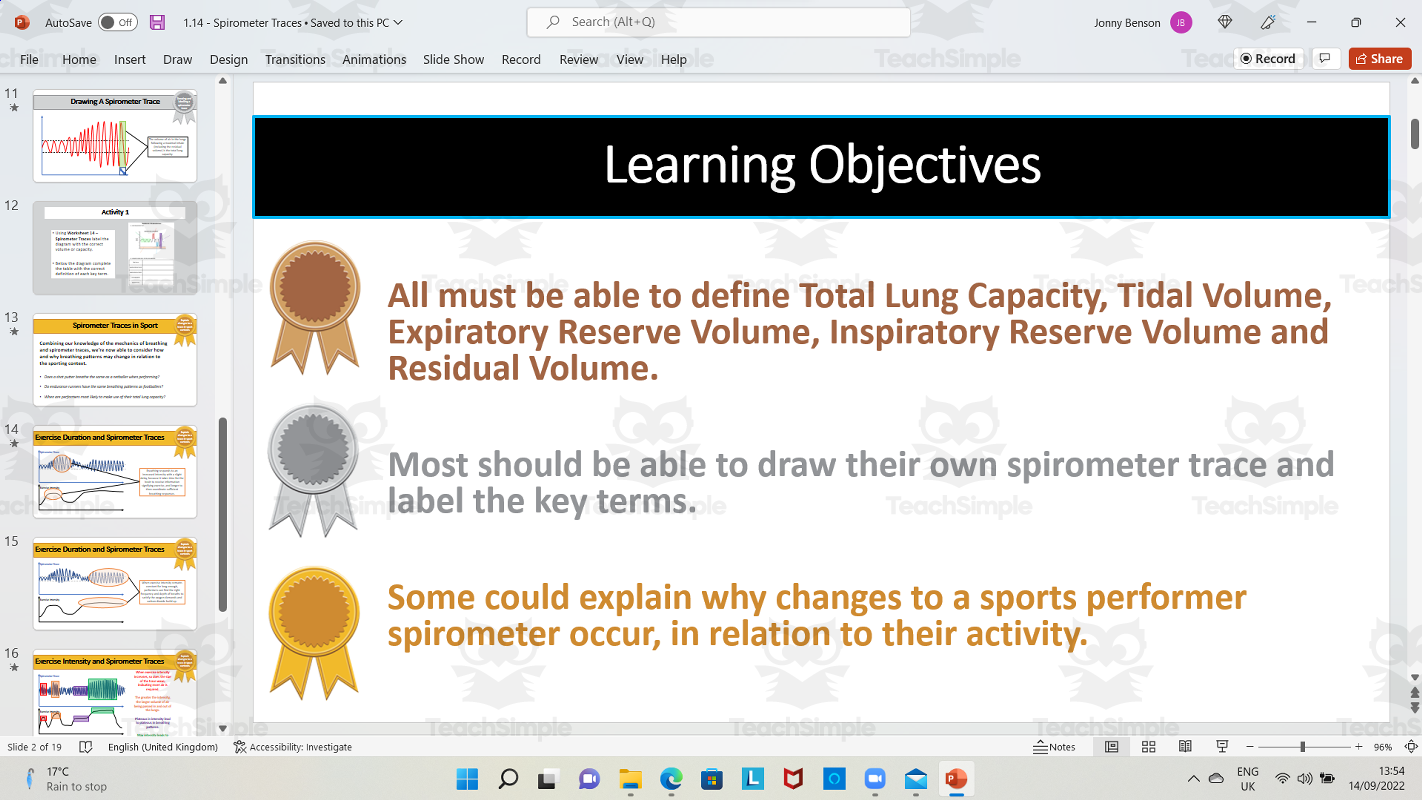
Spirometer Tracing
Spirometer Tracing - A Comprehensive Teaching Resource Spirometer Tracing is an engaging teaching resource for grade 9 to 11 science teachers.




510 resources
Explore sub-categories
7 sub-categories · 510 resources
Spirometer Tracing - A Comprehensive Teaching Resource Spirometer Tracing is an engaging teaching resource for grade 9 to 11 science teachers.
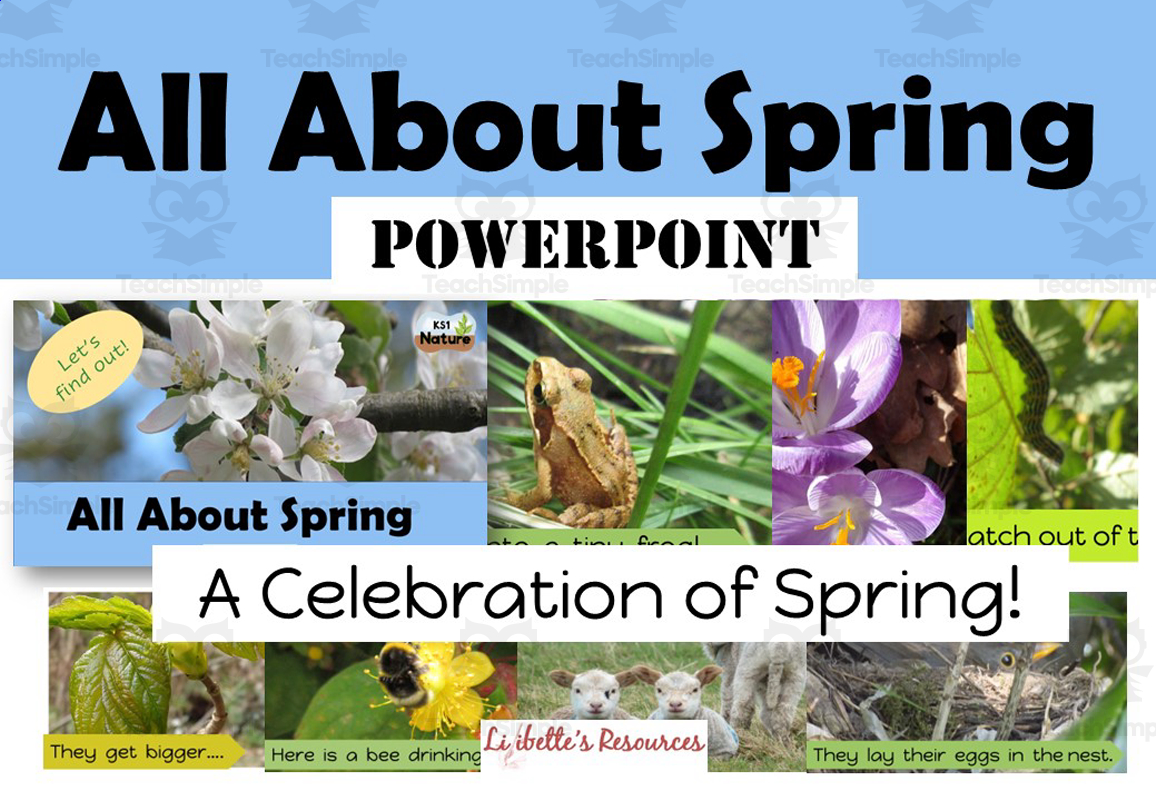
This 44-slide PowerPoint will help you to celebrate spring with your children! Beautiful photos take children around and about, drawing their attention to many aspects of spring.
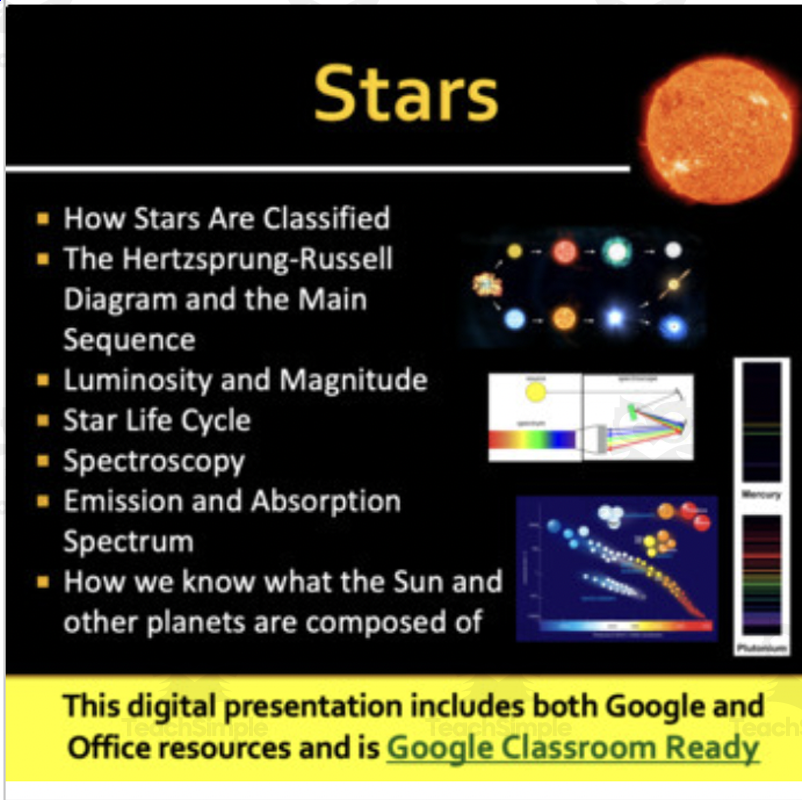
Teach senior high school Earth and Space students how stars are classified (Hertzsprung-Russell diagram, luminosity, magnitude, star life cycle) and how spectroscopy (emission/absorption spectra) is used to determine the composition of stars, the Sun, and planetary atmospheres.
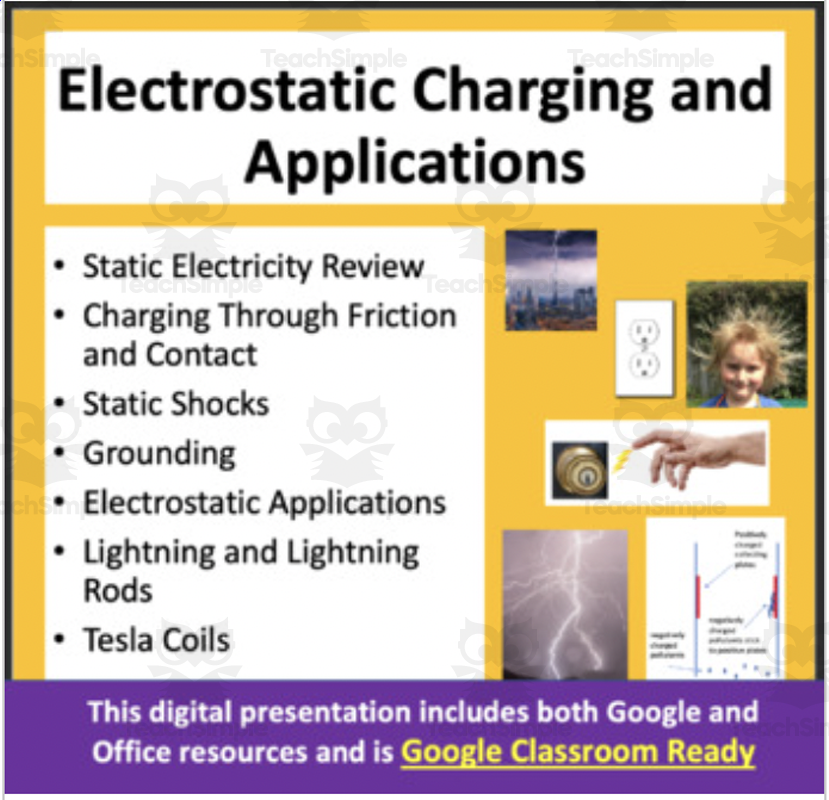
Product Focus: Static Electricity: Electrostatic Charging and Applications Resource This teaching instrument caters to Grade 9 and Grade 10 educators who handle subjects under Science, specifically Physics.
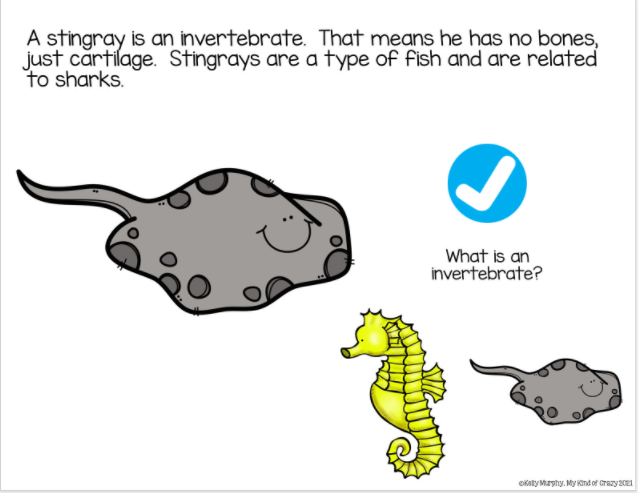
Stingray Adapted Book is an informative, 8-slide Google SlidesTM introduction to stingrays for a science lesson. Developed by educators, it teaches Pre-K to 1st-grade students key concepts and vocabulary about the ocean creature through an interactive adapted book format with wh- comprehension questions. Implementation ideas include…
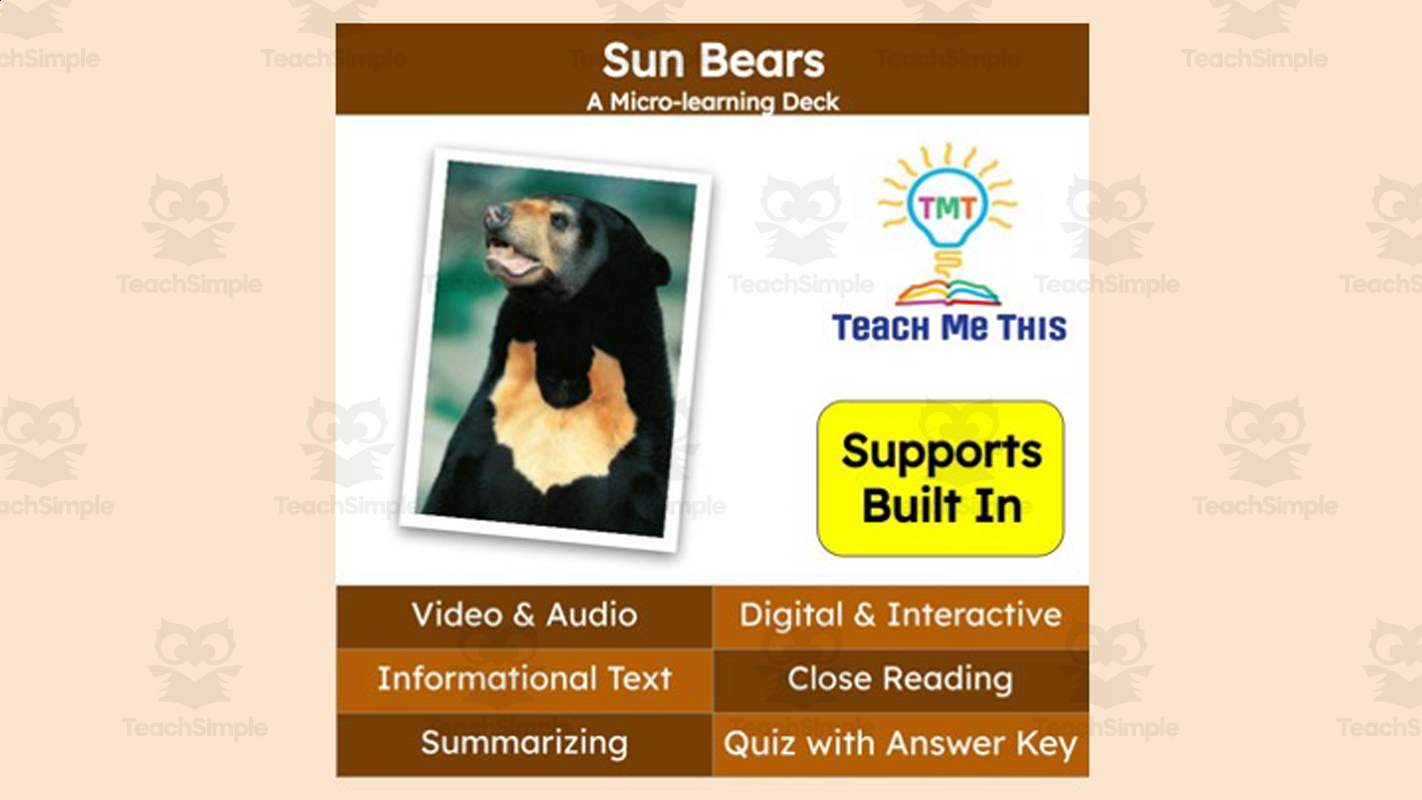
Informational science lesson teaching close reading, vocabulary, and summarizing skills using facts about sun bears.
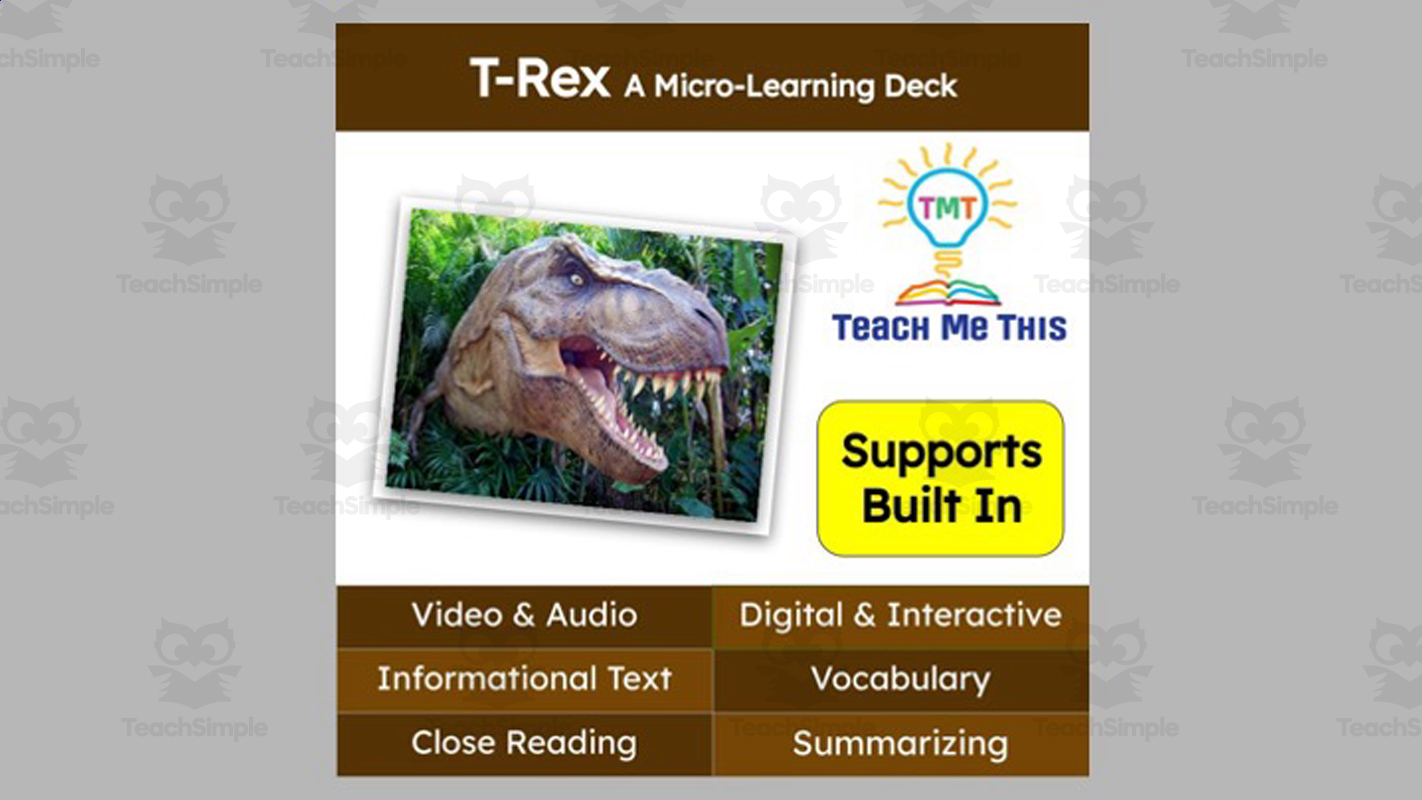
Teach facts about Tyrannosaurus rex through an interactive multi-format 'micro-learning deck' combining video, reading, and writing activities.
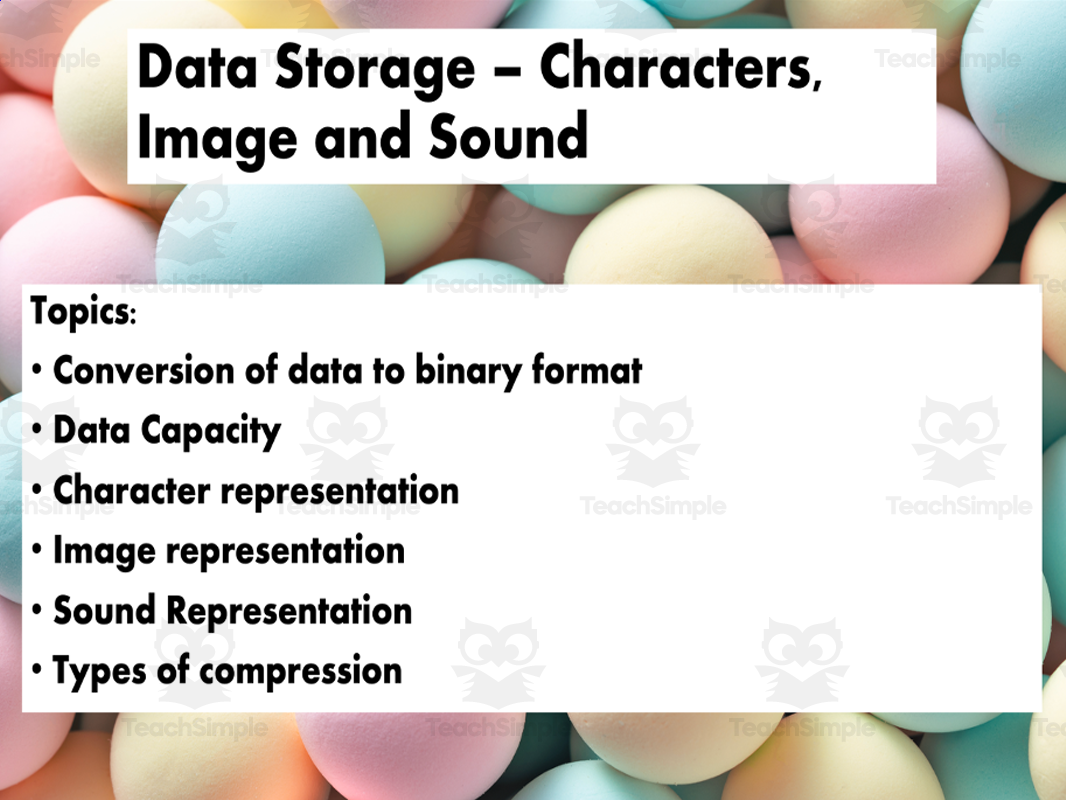
This editable 52 slide Powerpoint Presentation can be used by the teacher as a reference point for teaching about data storage on a computer. It can also be used by students as a reference tool to support their learning.

A multi-day high school Earth & Space lesson package that teaches the Big Bang Theory, cosmology, evidence for cosmic expansion (redshift, Cosmic Microwave Background Radiation), and the possible fates of the universe.

The Cardiac Cycle (Systole and Diastole) Lesson Plan This lesson plan provides an in-depth guide through the complex world of cardiovascular function, simplifying various elements of the heart's activity for 9th and 10th-grade science…
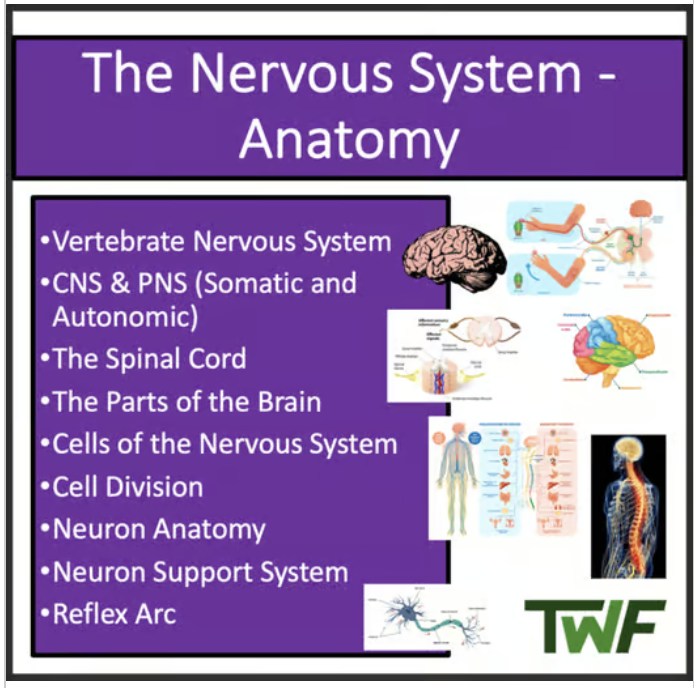
The Nervous System - Anatomy - Senior High School Biology lesson Your lesson covers the anatomy and structure of the nervous system. In order, the lesson teaches; CNS & PNS (Somatic and Autonomic), the Spinal Cord, the Parts of the Brain…
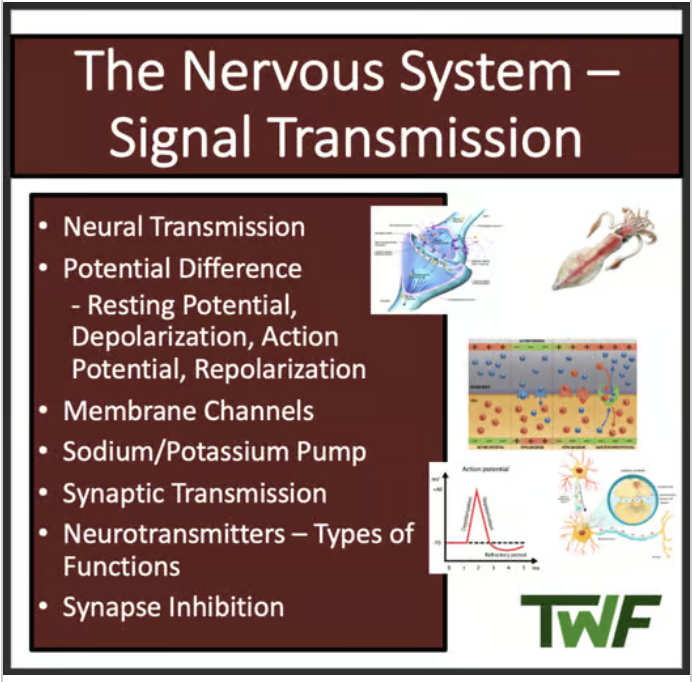
The Nervous System - Signal Transmission - Senior High School Biology lesson Your lesson covers the function of the nervous system specifically, signal transmission.
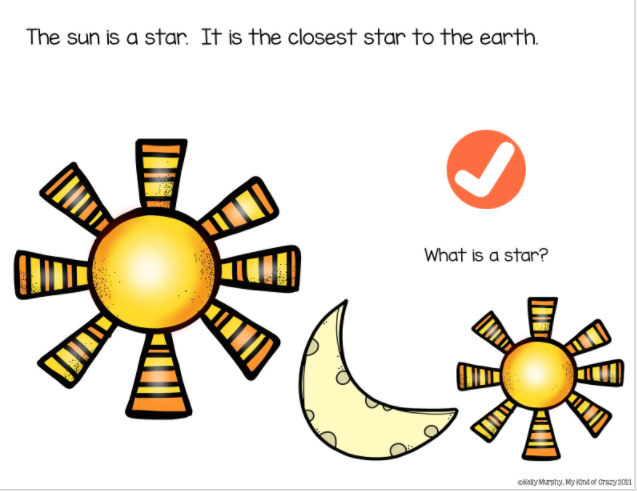
The Sun Adapted Book - Google Slide The Sun Adapted Book - Google Slide is an expertly designed online workbook that serves as a supplementary resource for Educators, Pre-K Teachers, Kindergarten Teachers, First Grade Teachers and Special…
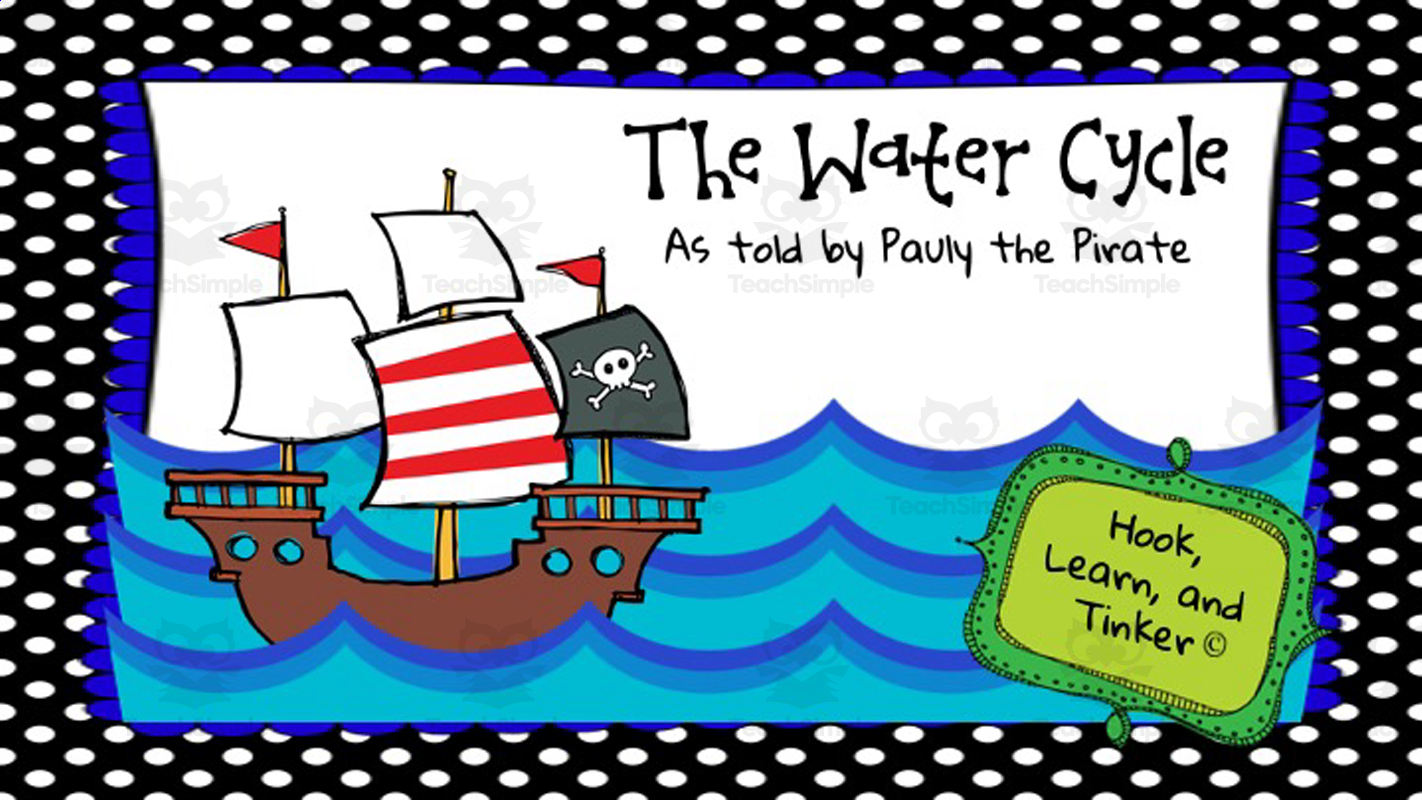
If your lower elementary students are learning about the water cycle , I have an engaging and interactive resource that will pique their interest and simultaneously solidify their learning!

Introduce the differences between thermal energy, temperature and heat with the lesson slides and guided notes. Move from conduction, convection and radiation examples into specific-heat calculations, using the supplied answers to check results and modeling the calculation steps yourself.

A health/nutrition lesson teaching students to evaluate the sugar, calorie, and nutrient content of common beverages, alongside a companion lesson on calcium's importance for bone health in teens.

Compare hinge and ball-and-socket joints by examining their structures, movement and body examples. The presentation then connects joint actions with sporting movements, including flexion, extension, abduction, adduction, rotation and plantar flexion. Review the activity prompts and prepare response materials before teaching; a later anatomy lesson can use the separately linked sheep heart dissection lab when that topic fits the course.
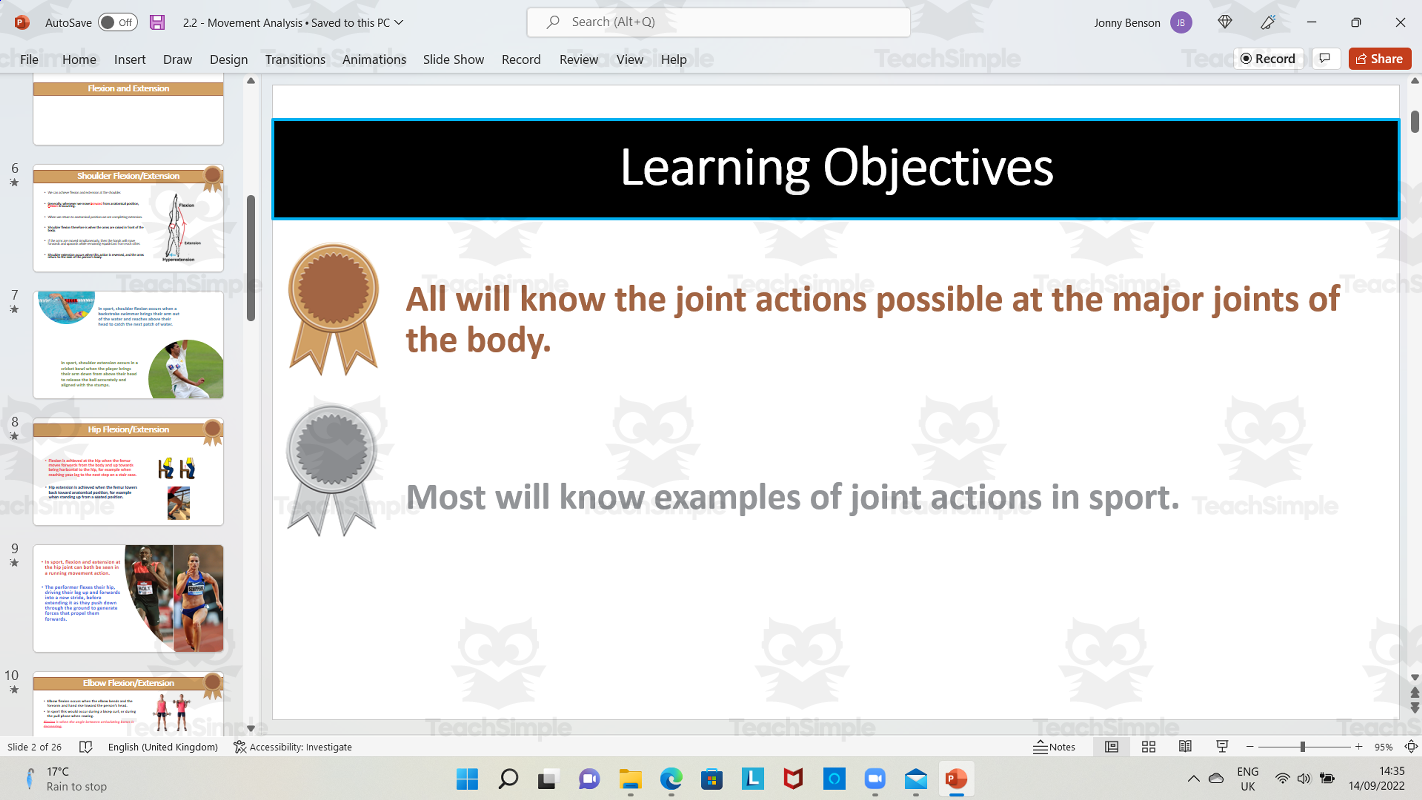
Discovering the Wonders of Human Body Movement with "Types of Movement a Skeleton Can Produce" Immerse in a comprehensive exploration into human body movement with our teaching resource, "Types of Movement a Skeleton Can Produce".
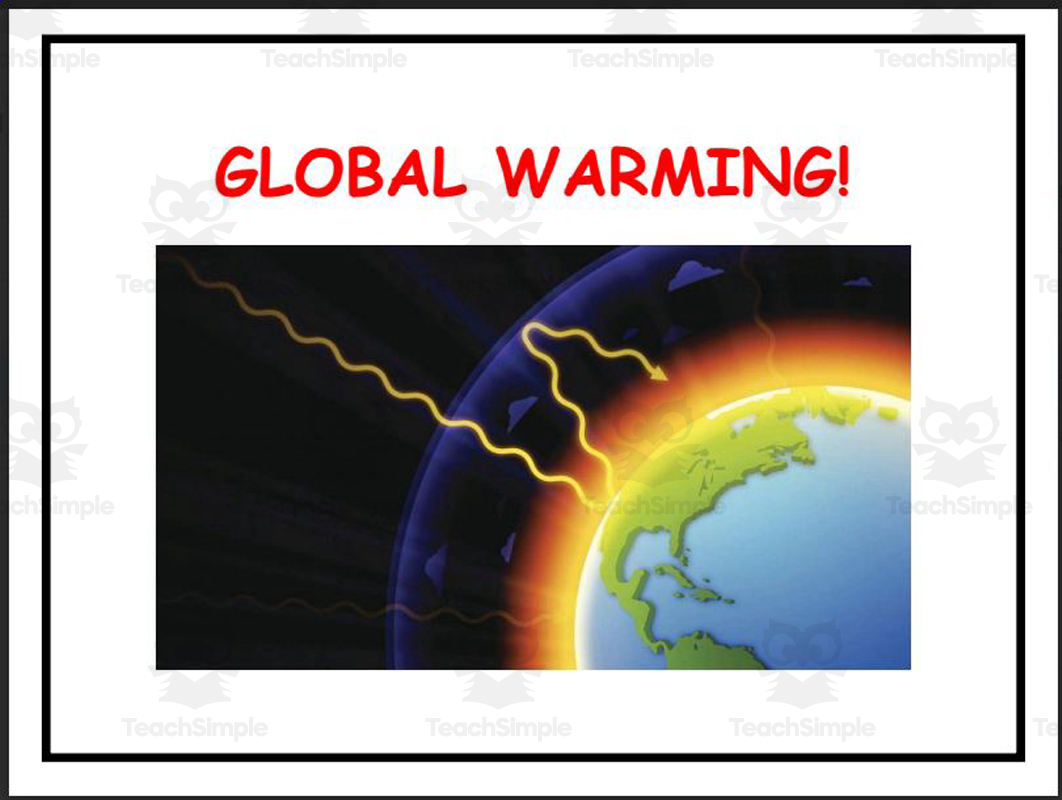
Introducing Students to Global Warming Introduce your students to the crucial topic of global warming with this accessible 5-slide PowerPoint presentation.

Unicellular and Multicellular Organisms - PowerPoint Lesson A comprehensive resource for educators in the upper elementary and middle school grade levels.
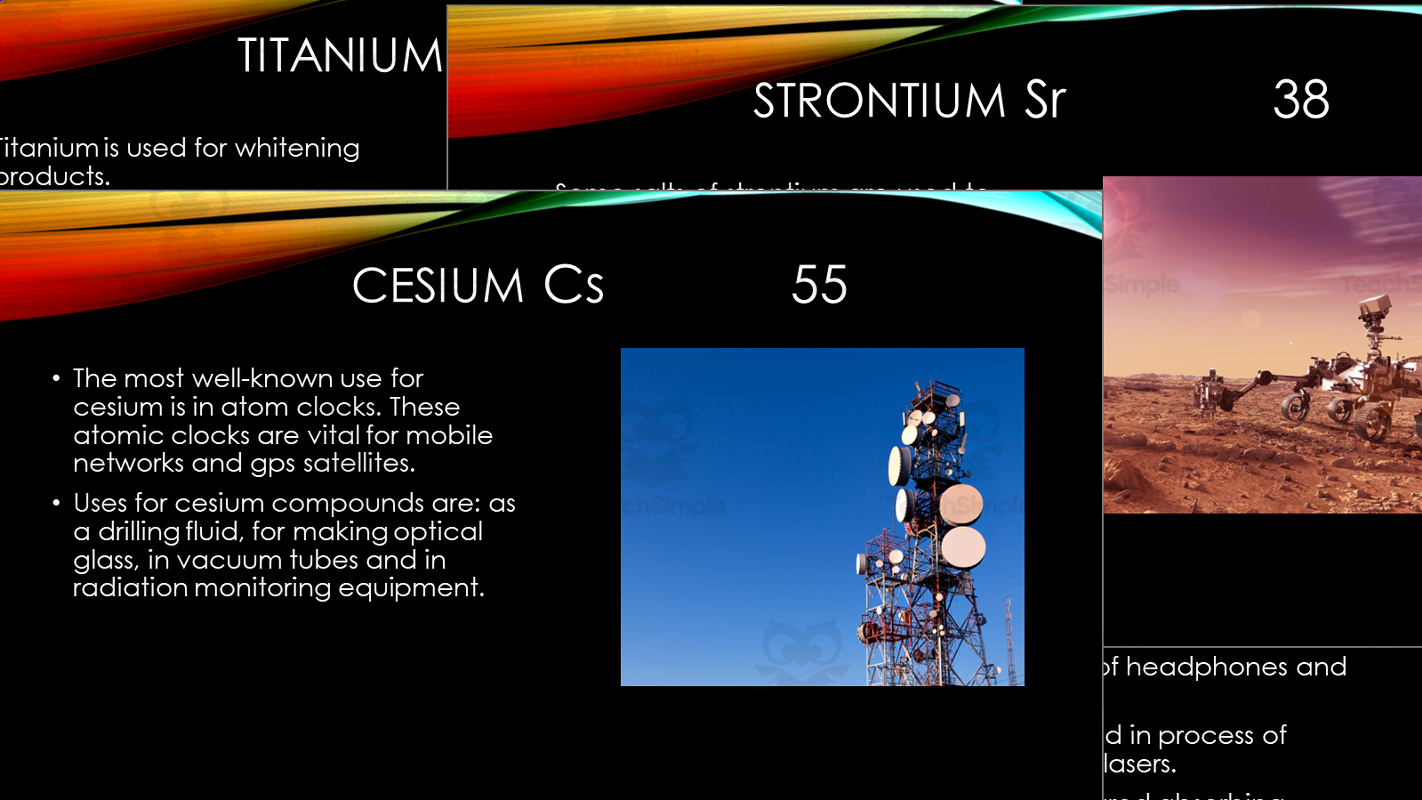
Overview The Use of Chemical Elements Editable PowerPoint Presentation is a comprehensive resource designed to aid in-depth understanding of chemical elements, their properties, and applications.
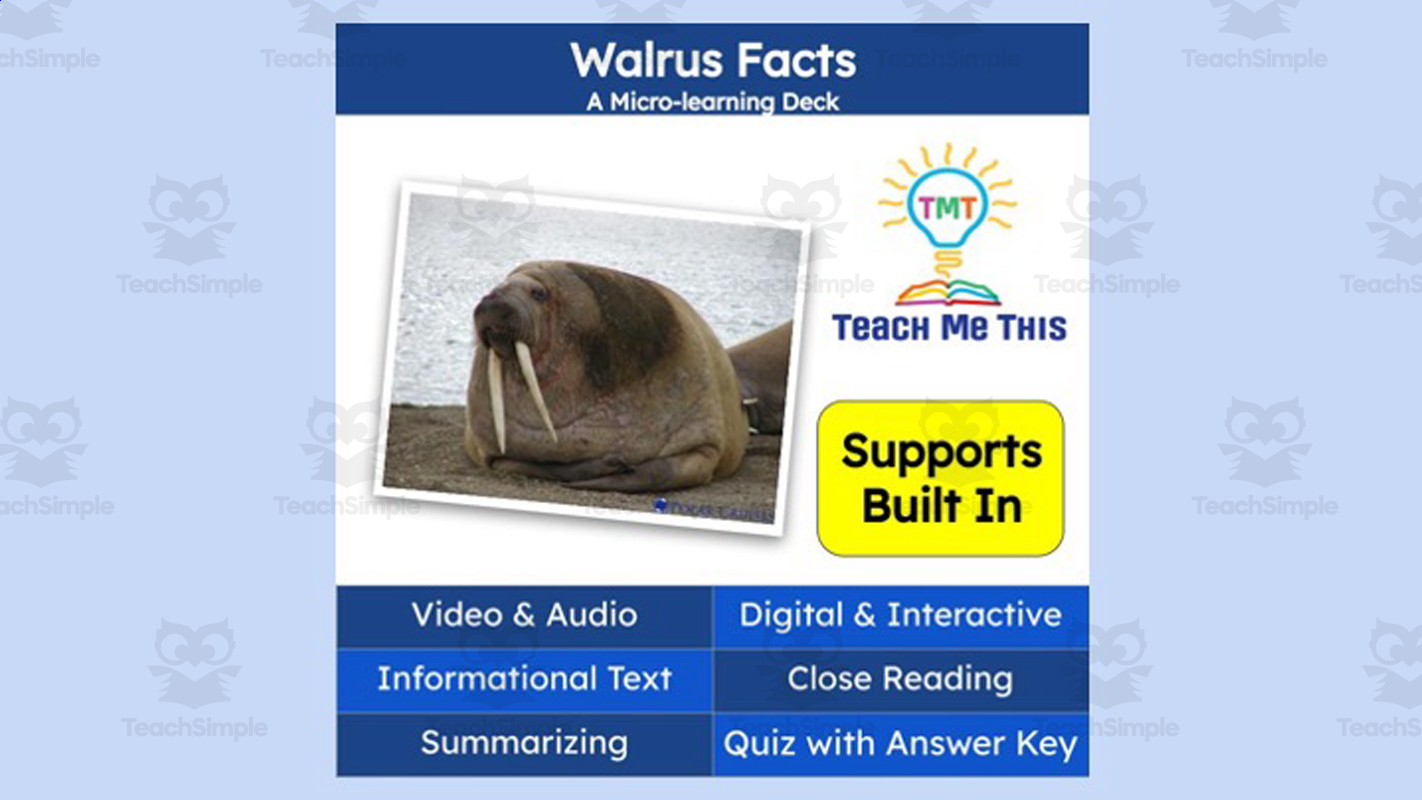
Teach students biology and behavior facts about walruses (habitat, physical characteristics, feeding, adaptations) through video, an audio-supported reading passage, and interactive review activities.
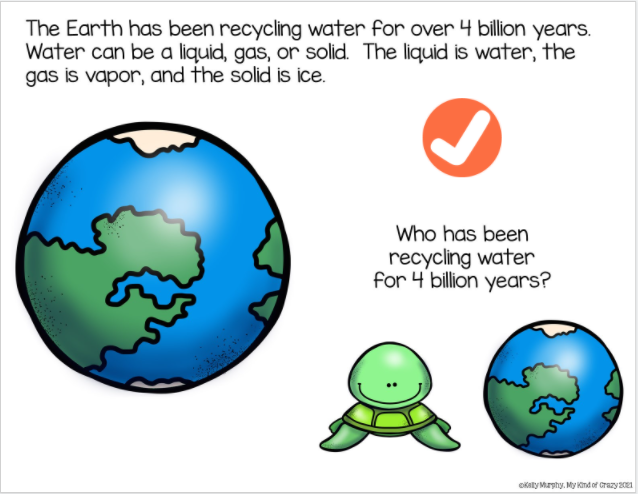
An adapted book slide deck introducing water cycle vocabulary (condensation, precipitation, evaporation, accumulation) for early learners / special education students.

An adapted book slide deck introducing watermelon life cycle vocabulary (seed, germination, vining, flowering, fruit) for early learners / special education students.