Math practice
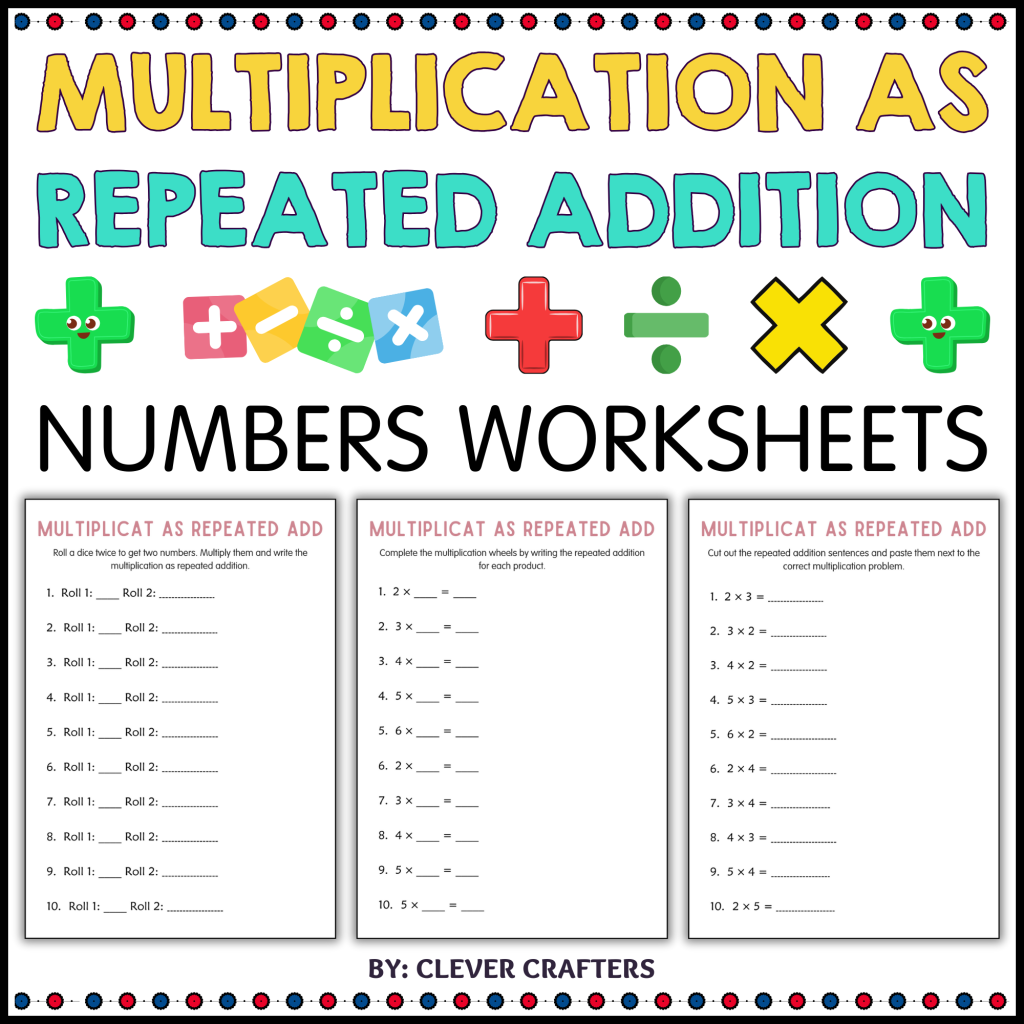
Multiplication as Repeated Addition Numbers Math Worksheets
Teach multiplication as repeated addition, an early step toward understanding multiplication, using equal-groups reasoning.


Classroom resources
Browse by lesson focus
Choose the topic or kind of practice you need.
Showing 793–816 of 4905 resources

 Show filters
Teach multiplication as repeated addition, an early step toward understanding multiplication, using equal-groups reasoning.
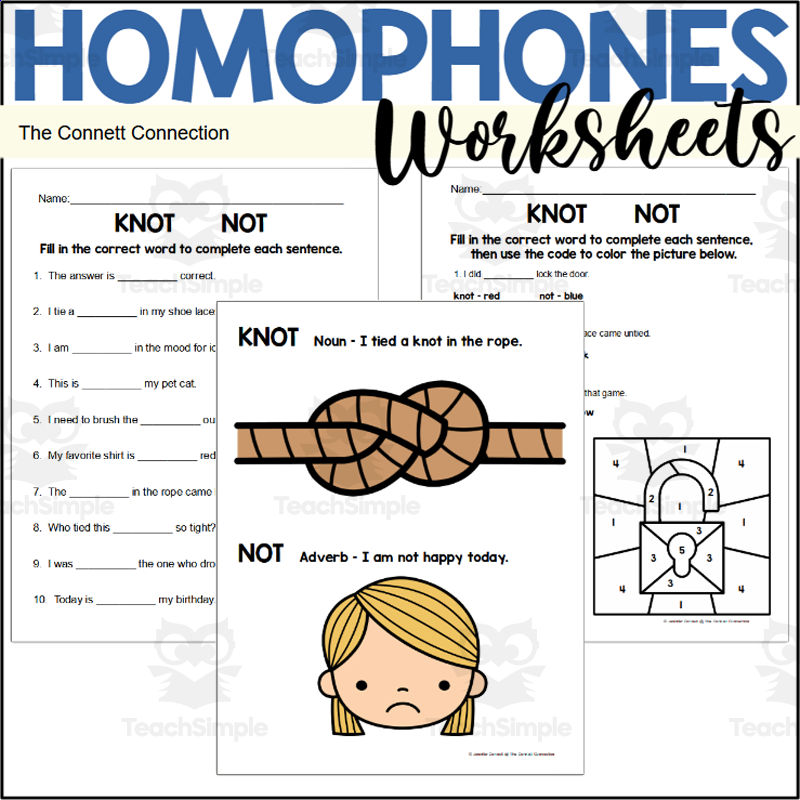
Introduce knot and not with the reference poster, then ask students to apply the distinction in sentences and a short story. A color-by-code worksheet offers another context for choosing the correct word. The three activity keys support checking, while the poster’s example sentences can remain visible during initial practice.

Give students practice counting and comparing quantities in groups (M&M candy colors) and finding numeric differences between groups.
 Free download
Students can practice using the correct spelling of homophone words with this worksheet packet. This packet focuses on the homophones: peace and piece. What are homophones? Homophones are a pair of words that sound the same but are spelled differently. Words that are homophones can often be tricky for students to spell correctly since…

Help students identify and externalize sources of worry, and identify coping strategies that help them feel better, using a bucket metaphor.

Three fill-in worksheets and a definitions poster isolate a single pair of frequently confused homophones: new (an adjective, as in 'I have a new car') and knew (a verb, as in 'We knew all the answers'). The first worksheet has students fill in the correct word across ten standalone sentences; the second embeds the same choice inside a short connected story about a sister's replacement toy; the third pairs sentence fill-ins with a color-by-code picture, where each answer determines which color to use. A complete answer key with every blank filled in is included for all three worksheets.
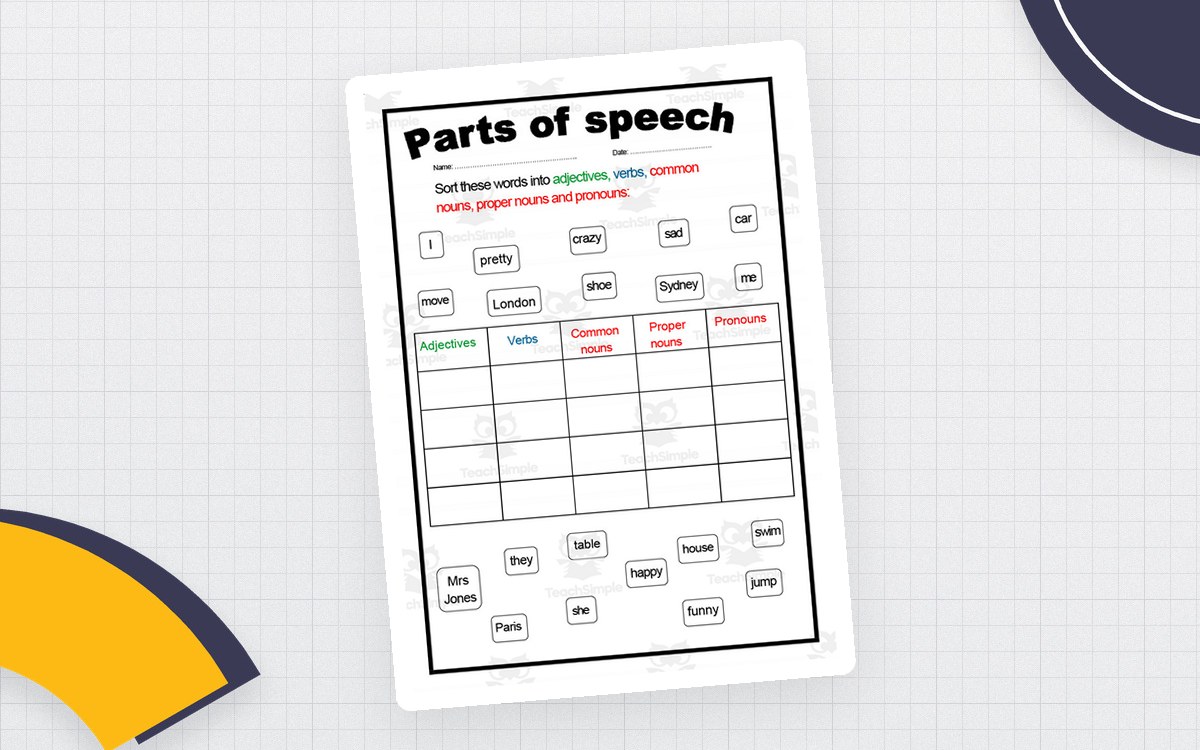
Give students practice sorting words into five grammar categories: adjectives, verbs, common nouns, proper nouns, and pronouns.

Introduce son and sun with the poster’s examples, then have students apply the distinction in ten sentences and a short story. A color-by-code worksheet provides another opportunity to select the correct spelling in context. Keys accompany the three worksheets, allowing you to review errors and ask which meaning each sentence requires.

Students can practice using the correct spelling of homophone words with this worksheet packet. This packet focuses on the homophones: main and mane. What are homophones? Homophones are a pair of words that sound the same but are spelled differently. Words that are homophones can often be tricky for students to spell correctly since the…
 Free download
Students can practice using the correct spelling of homophone words with this worksheet packet. This packet focuses on the homophones: meet and meat What are homophones? Homophones are a pair of words that sound the same but are spelled differently. Words that are homophones can often be tricky for students to spell correctly since the…
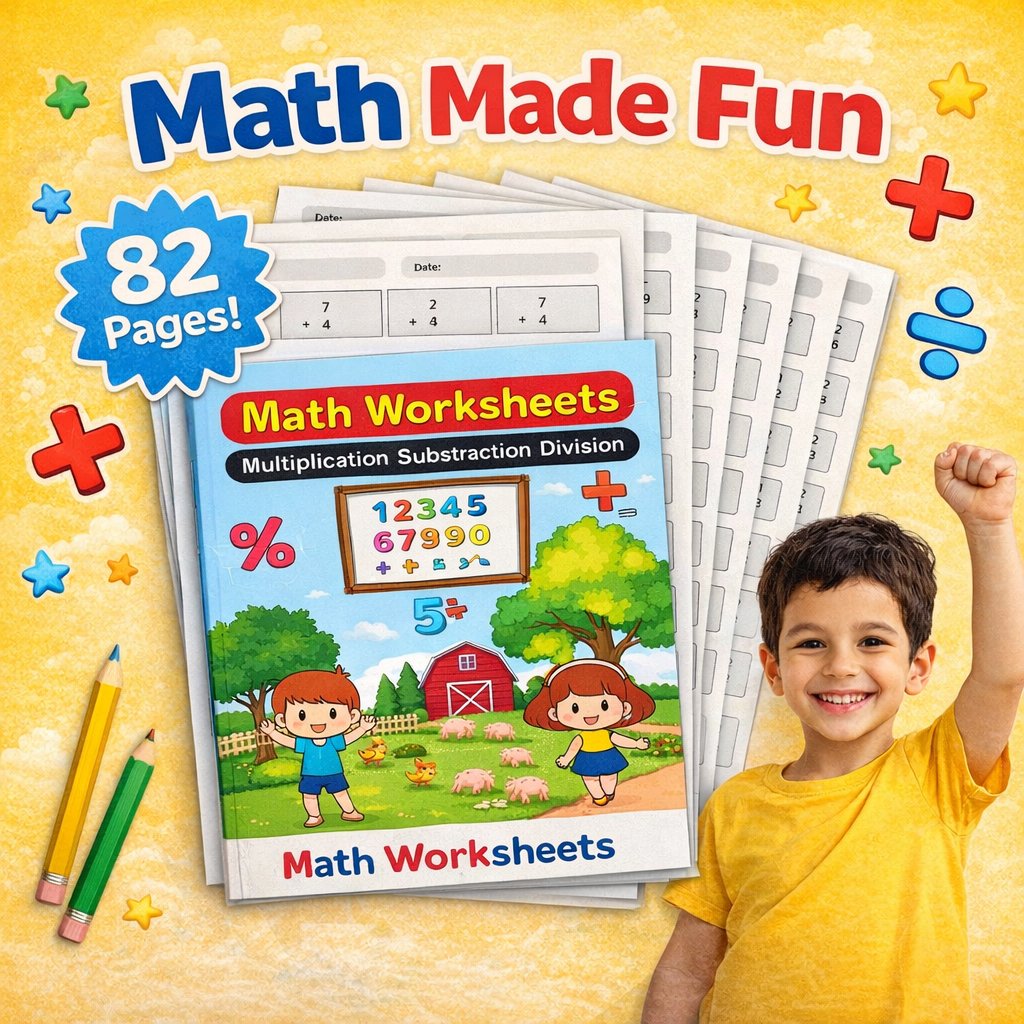
An 82-page bundle of basic arithmetic practice worksheets (addition shown in captured text; seller states subtraction, multiplication, and division are also included) for young children building number fluency.

The packet introduces wood and would with illustrated reference pages, then asks students to choose between them in sentences and a story. A color-by-code activity reinforces the same distinction. Model how the material noun wood differs from the verb form would, then have students explain the context that supports each answer.

Use the reference poster to compare buying something, being beside or passing a place, and saying goodbye. Students apply those meanings in individual sentences, a story cloze and a color-by-code task. Answer keys support review of the three worksheets, while asking students to explain each choice helps reveal whether they understand the word rather than simply recognize its spelling.
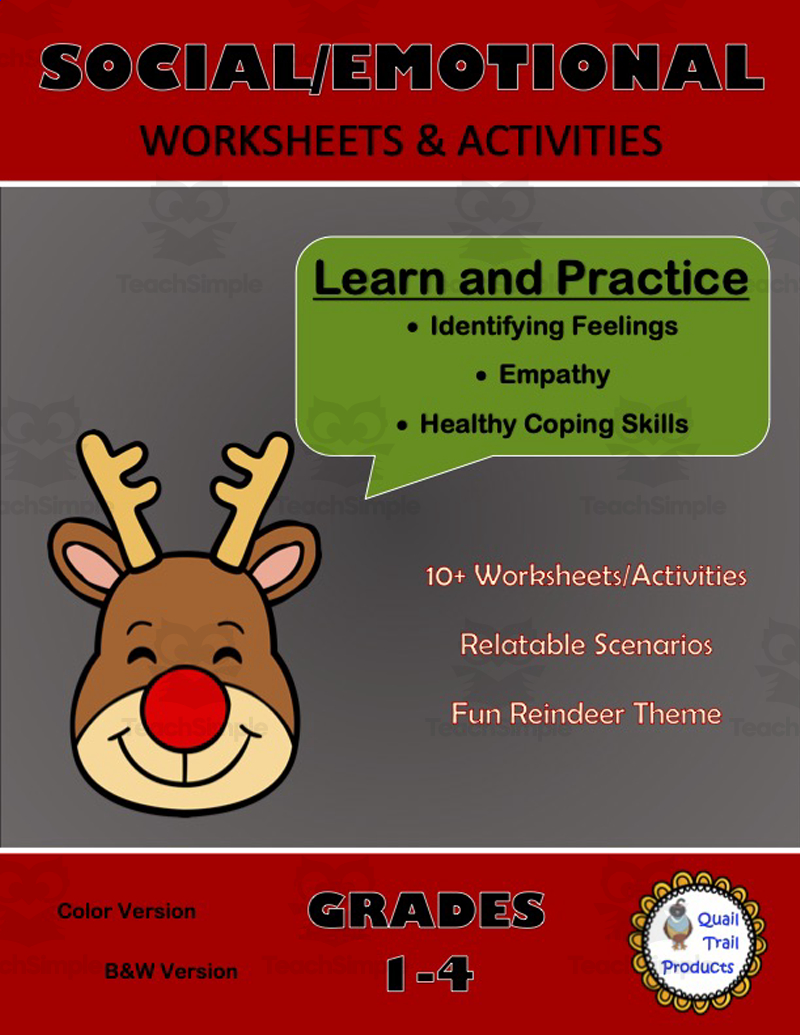
A reindeer-themed SEL worksheet packet teaching identification of seven main emotions, empathy, and healthy coping skills, offered in both color and black-and-white versions with a month-long journaling activity.

Help students use meaning to choose among there, their, and they’re. The packet combines a reference poster with sentence completion, a story cloze, and a color-by-code worksheet, allowing practice to move between isolated sentences and connected text. Keys are supplied for the three worksheets, and the reference page can support a discussion of how each form is used.
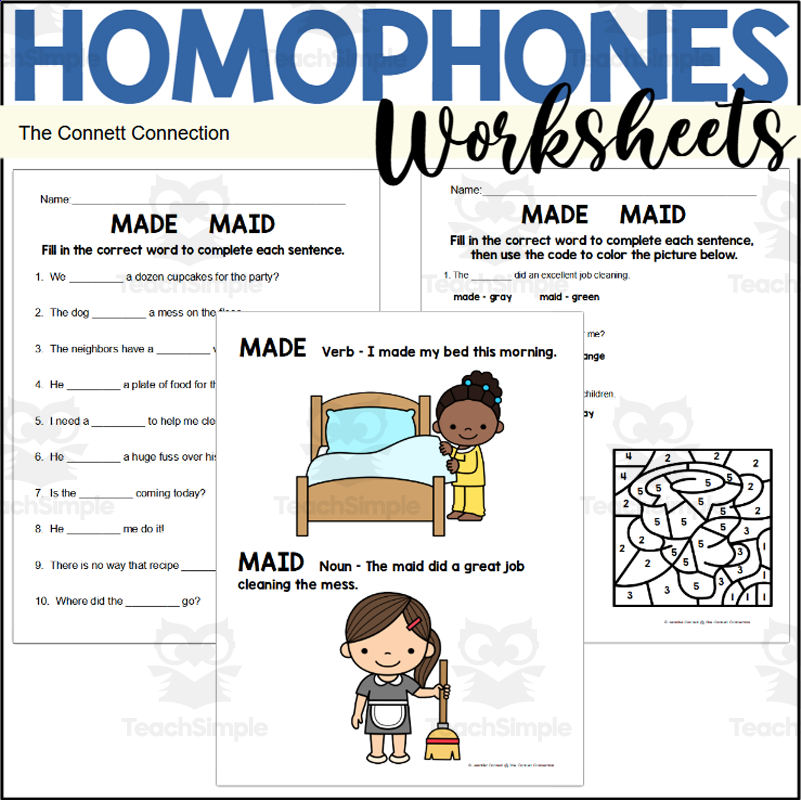
Students can practice using the correct spelling of homophone words with this worksheet packet. This packet focuses on the homophones: made and maid What are homophones? Homophones are a pair of words that sound the same but are spelled differently. Words that are homophones can often be tricky for students to spell correctly since the…

A set of multiplication practice worksheets giving students repeated drill of single-digit and low double-digit multiplication facts.

Owl themed clock labels (o'clock, quarter past, half past, quarter to, 5-minute increment labels) plus black-and-white worksheets for classroom time-telling decor and practice.
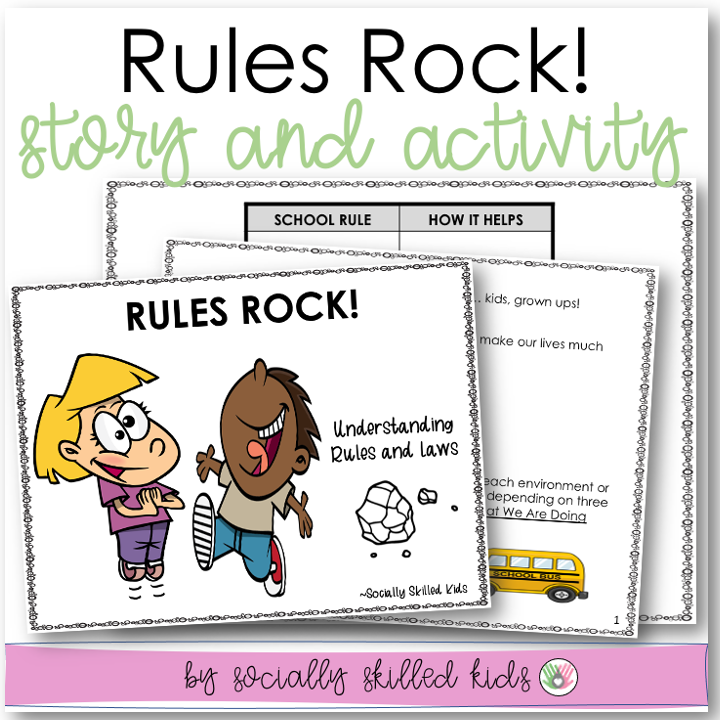
A social-skills story (animated PowerPoint plus a printable storybook) teaching K-3 students why rules exist across school, classroom, family, and social settings, that laws are more serious than rules, followed by brainstorm worksheet activities.

Four math joke/riddle worksheets where students solve grade-3 math problems to decode a punchline.
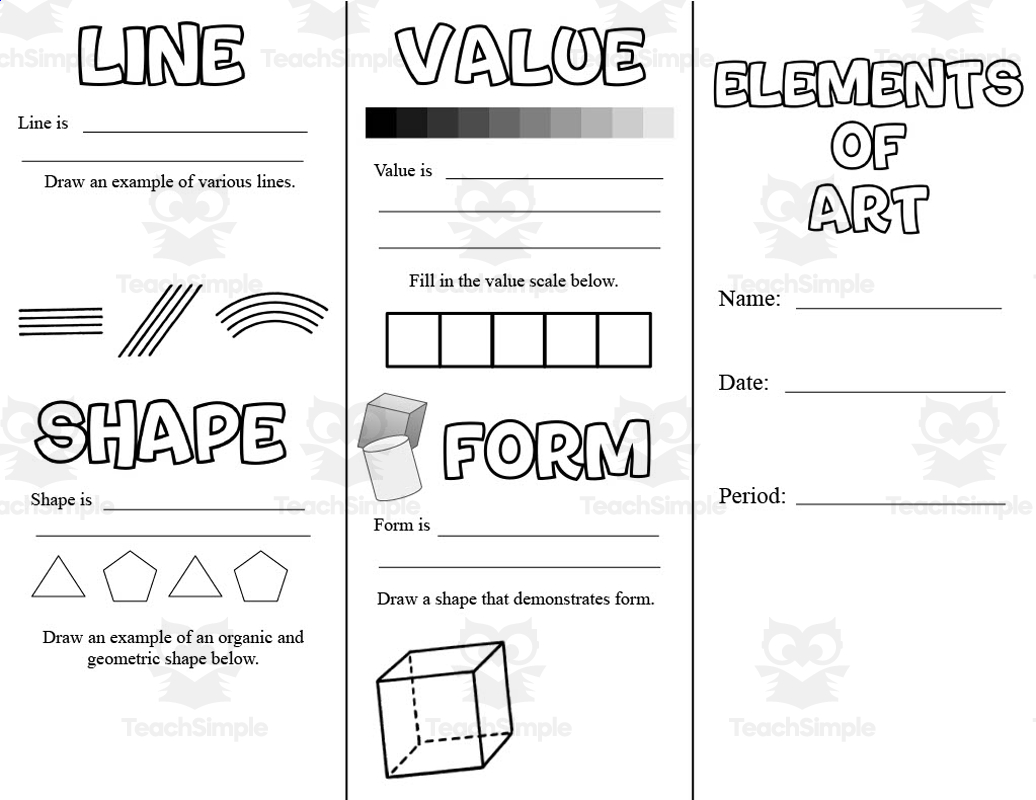
Have students explore and demonstrate the elements of art by drawing/illustrating an example of each element on a brochure-style worksheet.
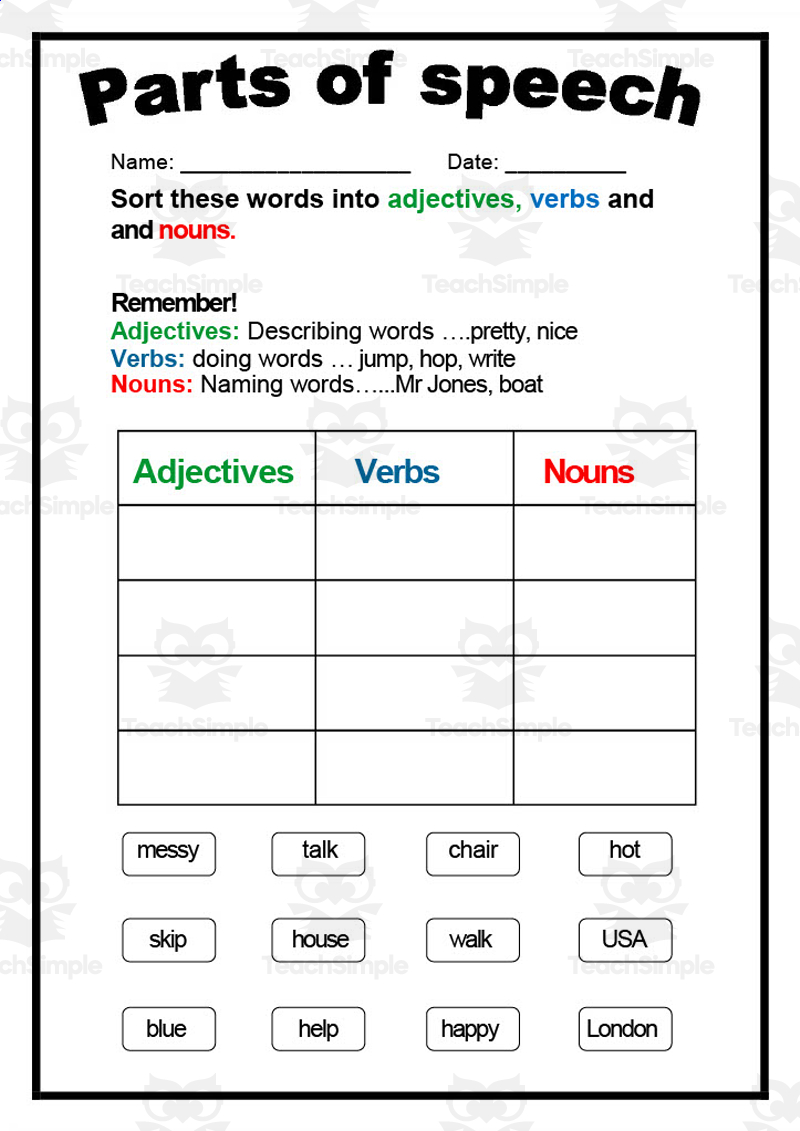
Give students practice sorting words into three grammar categories: adjectives, verbs, and nouns.

Practice tracing and writing number words one through ten to build early numeracy and handwriting skills.
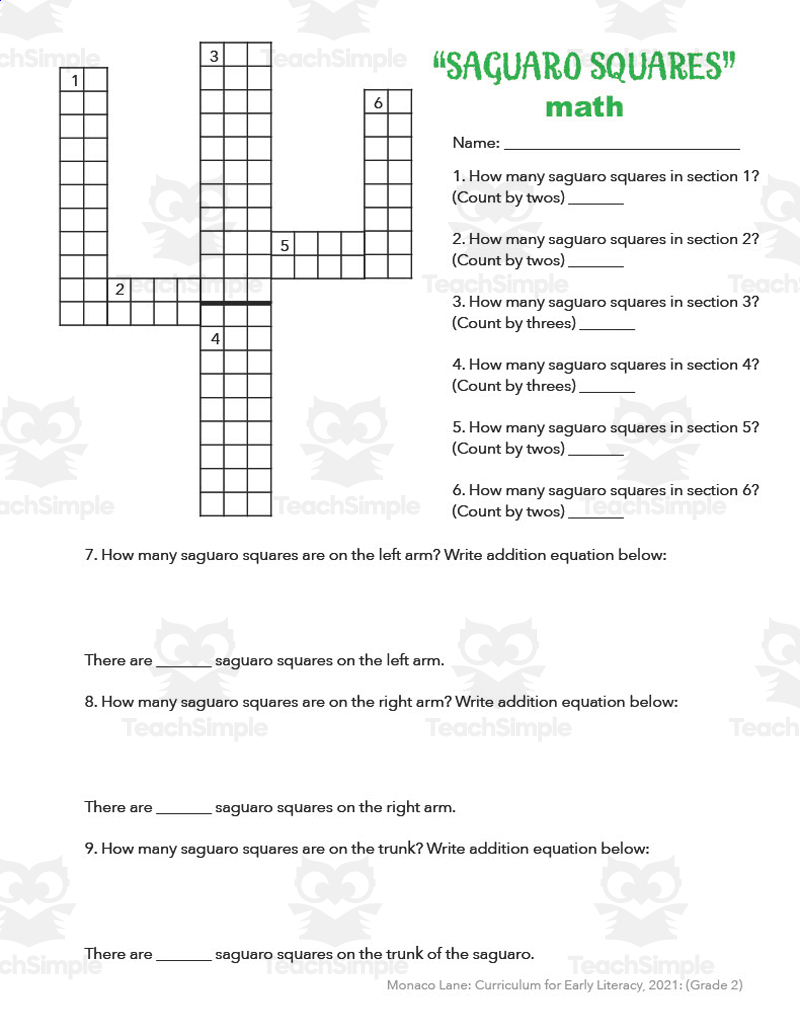
A math worksheet using a saguaro cactus pixel-art image (divided into numbered sections of squares) to practice skip counting, multiplication, addition, and subtraction, with separate leveled versions for Grade 2 and Grade 3.