Math practice
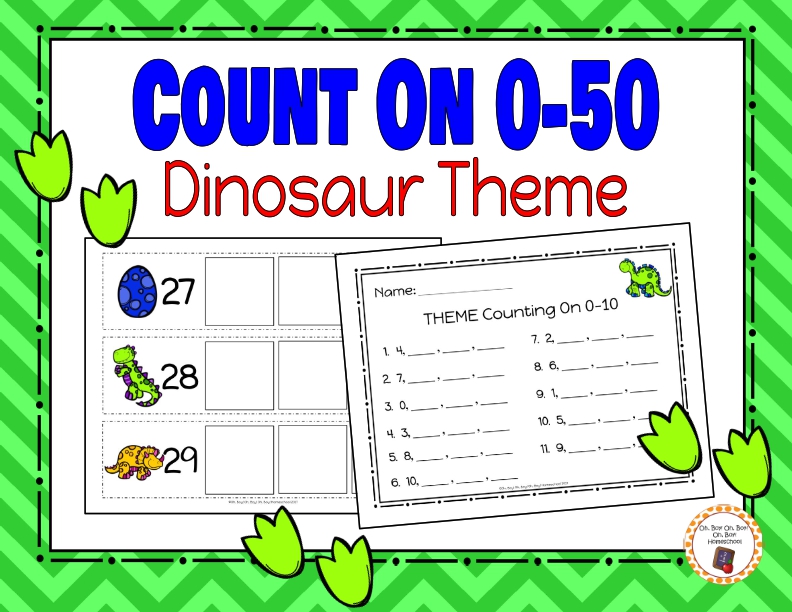
Counting Numbers 0-50 with Dinosaurs!
Given a starting number, count on and write the next three numbers in sequence; also complete number strips by writing numbers in order.




Classroom resources
Browse by lesson focus
Choose the topic or kind of practice you need.
Showing 2089–2112 of 2979 resources

 Show filters
 Given a starting number, count on and write the next three numbers in sequence; also complete number strips by writing numbers in order.
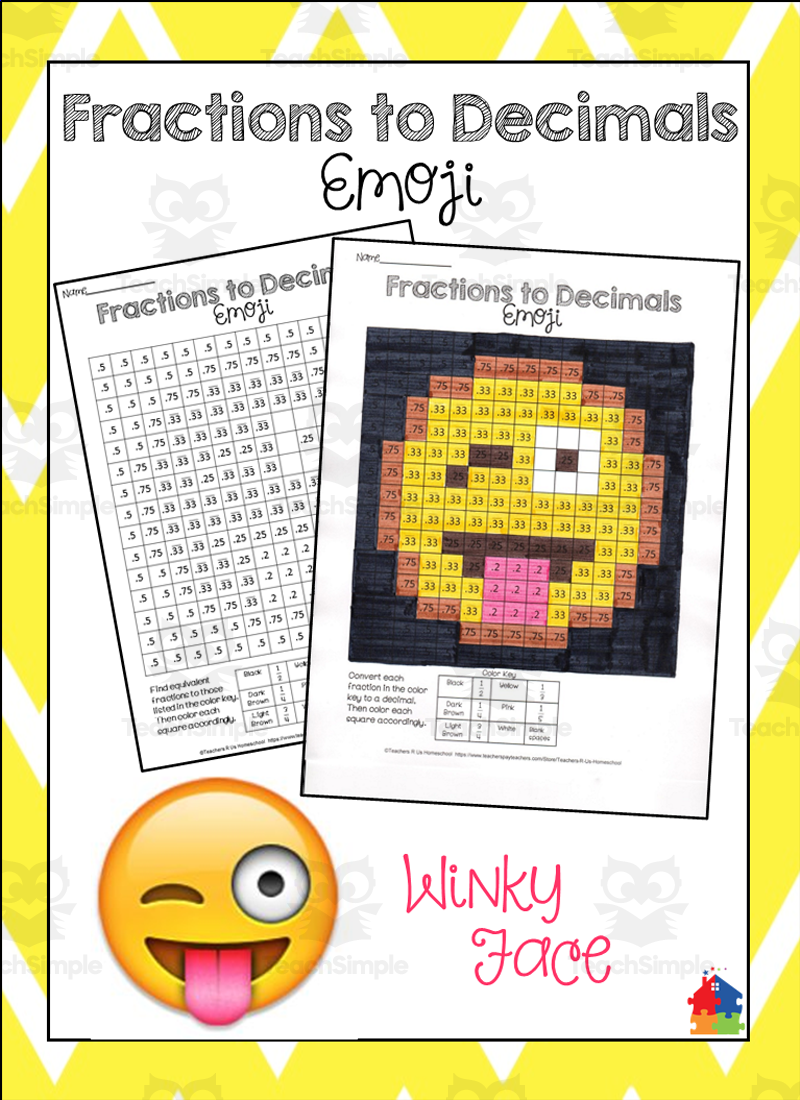
Convert fractions in a color key to their decimal equivalents, then use the fraction/decimal-to-color mapping to color a grid and reveal a winky-face emoji picture.
Read a nonfiction story about Balto the sled dog, answer fill-in-the-blank comprehension questions, write an original story about a heroic animal, find antonyms for given words, and solve word-problem math questions based on the story's facts.

Practice recognizing and adding number combinations that equal a specified target sum.
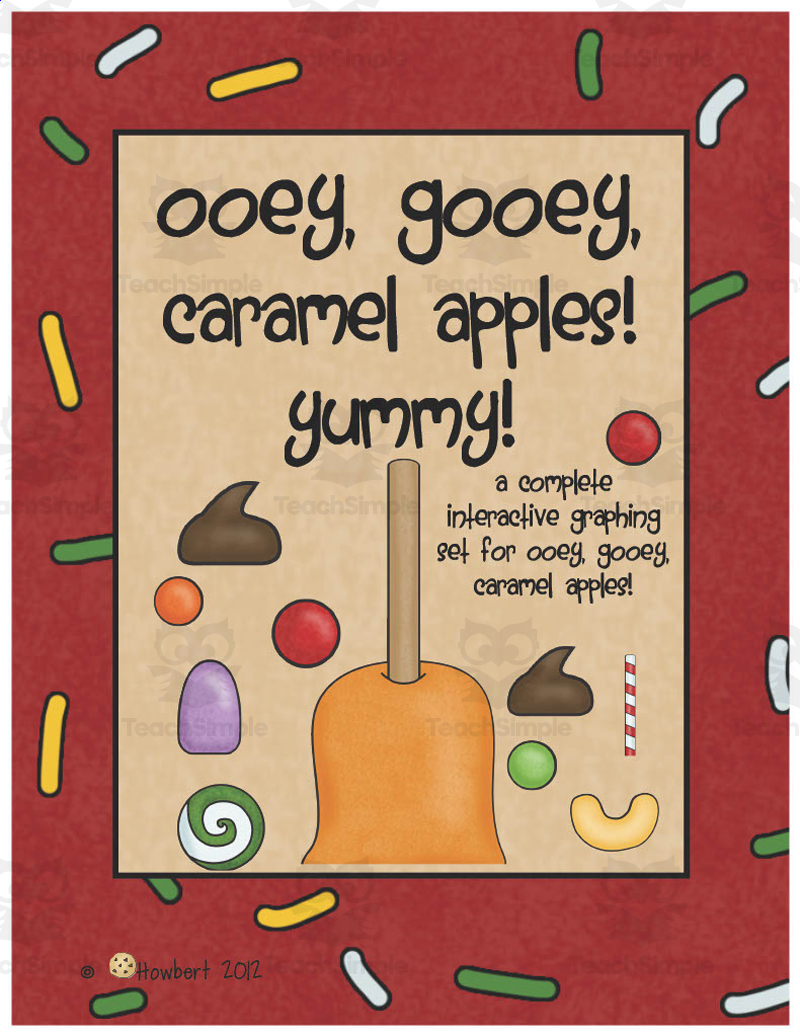
Vote for a favorite caramel apple topping, contribute a topping item from home, record class votes with tally marks, build a bar graph, and answer counting/comparison questions using the tally and bar graphs (including simple addition/subtraction word problems).

Practices identifying words containing a specific short vowel sound (a, e, i, o, u) in the middle of the word.
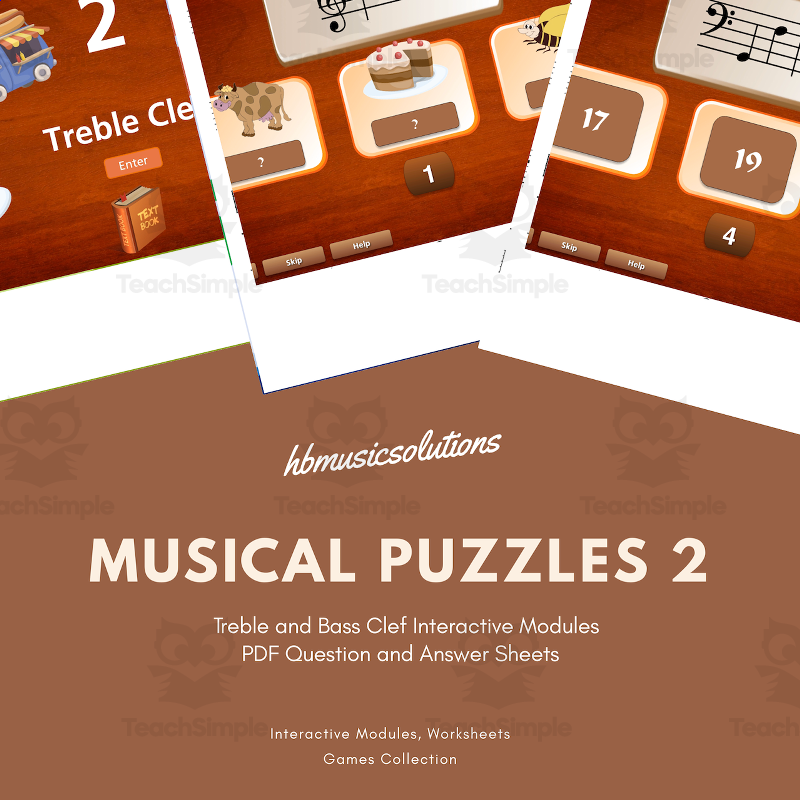
Write given words as music notes on the staff, decode note groups back into letters/words to answer riddle-style questions, do simple arithmetic using note-to-number values (A=1, B=2, etc.), and complete word puzzles (e.g., rearranging notes to spell 'FADED'); separate treble-clef and bass-clef question/answer sheets are…
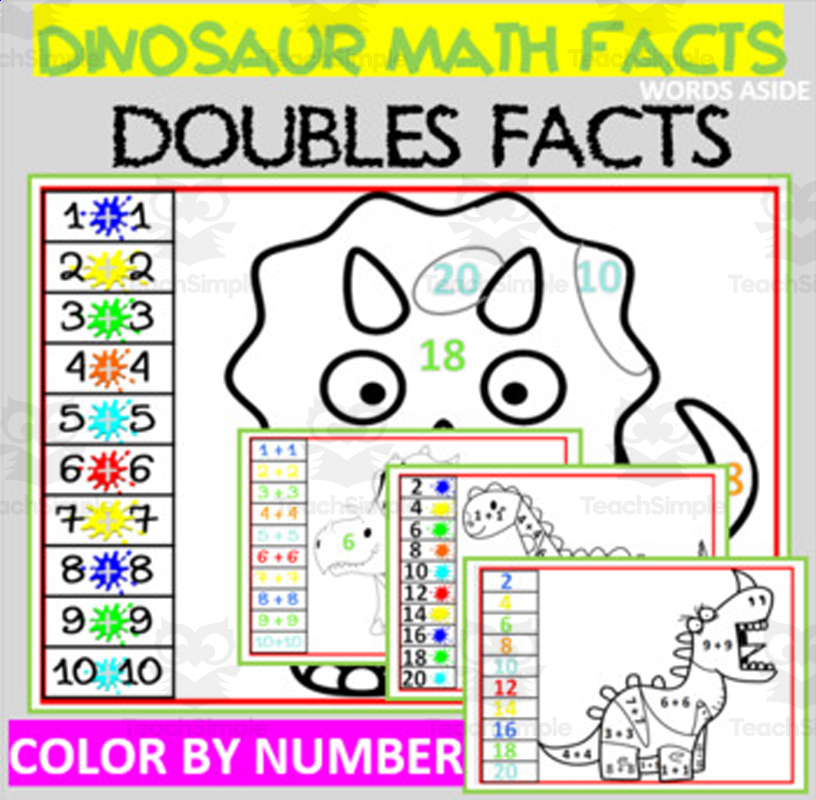
Practice addition doubles facts (e.g. 1+1 through 10+10) through a dinosaur-themed color-by-number activity to build mental math fluency.
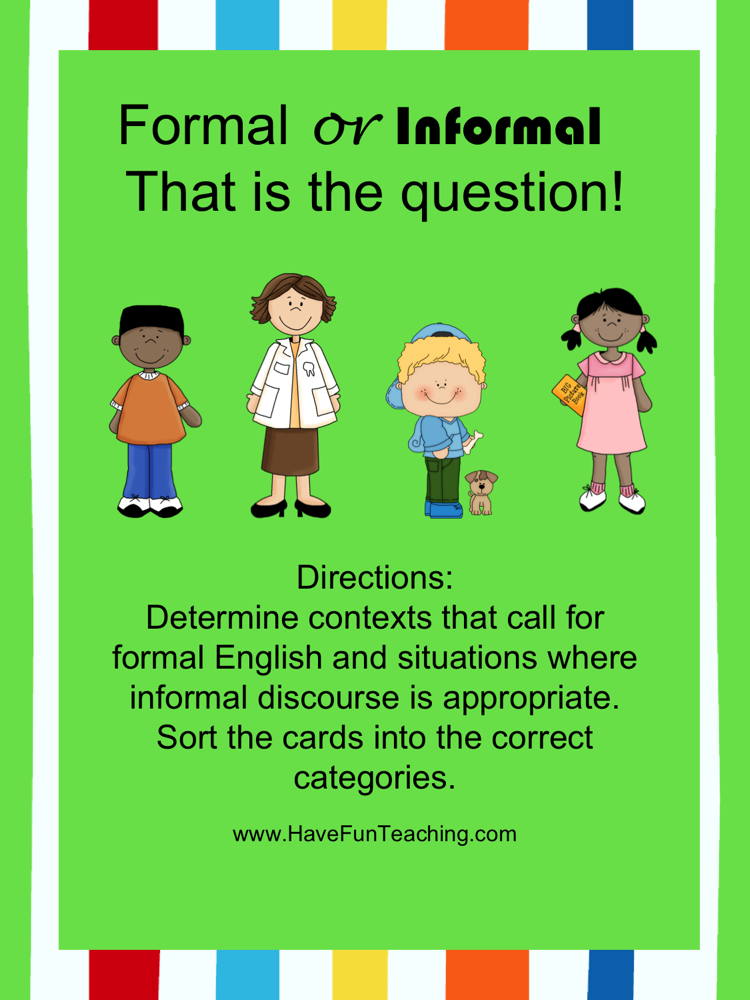
A card-sort activity helping students (especially ESL learners) determine whether given statements are formal or informal English, from HaveFunTeaching.com.
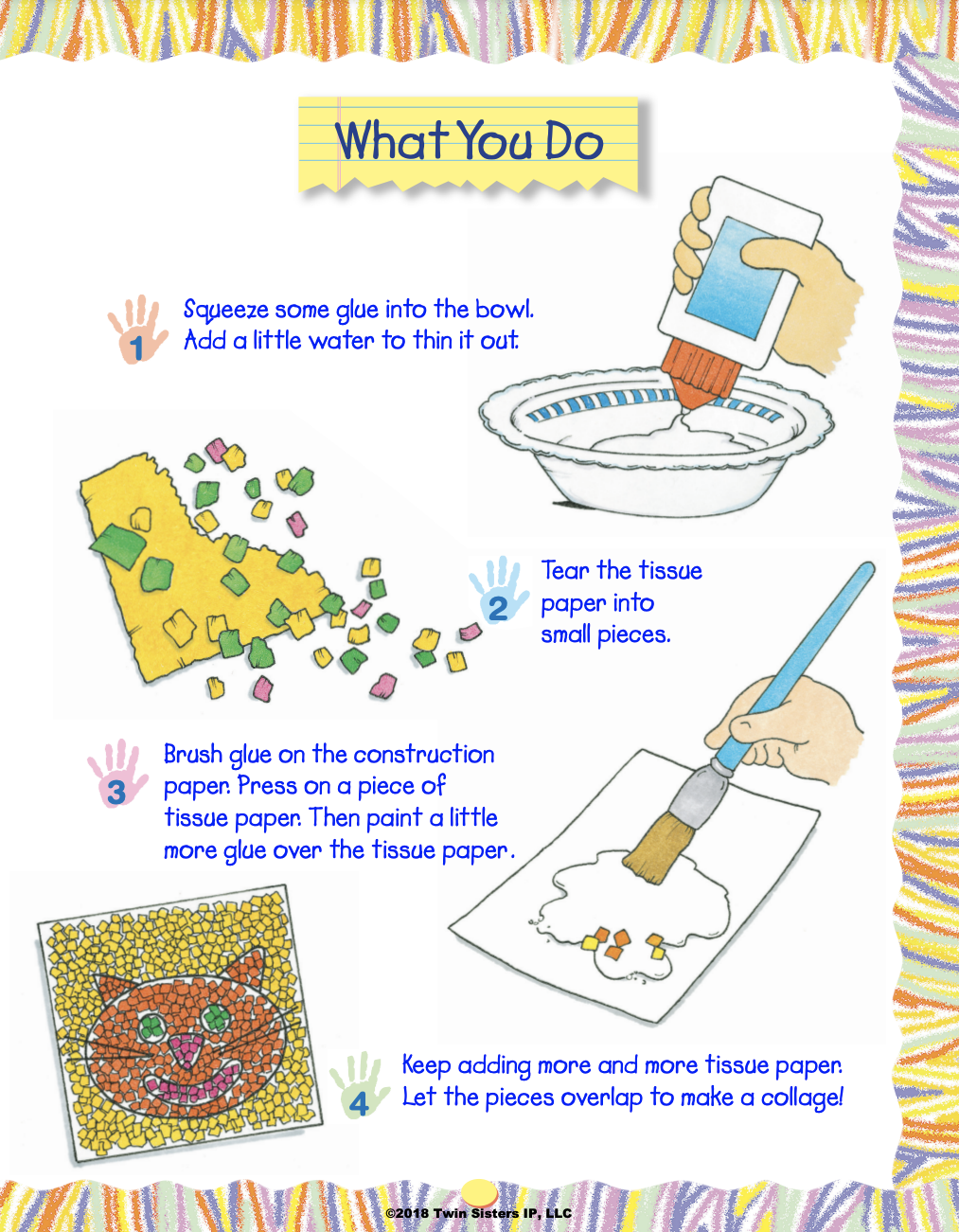
Follow numbered picture steps to create marble-painted pictures, a tissue-paper collage, a cut-and-paste collage, and sponge-printed gift wrap; also complete two matching/drawing activities (mixing colors, which prints).
Read a nonfiction passage about Orville and Wilbur Wright; answer reading comprehension questions; write a personal narrative about a flying experience; identify compound words from the story; solve word-problem math questions (Figure It Out!) based on story facts; unscramble vocabulary words (Word Play); teacher-led…
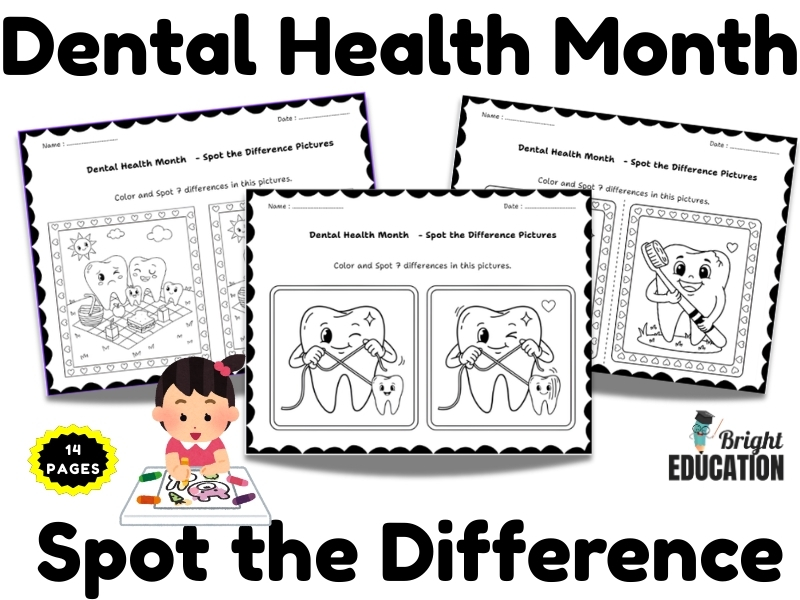
Look closely at two similar pictures per page and identify 7 differences between them, then color the images
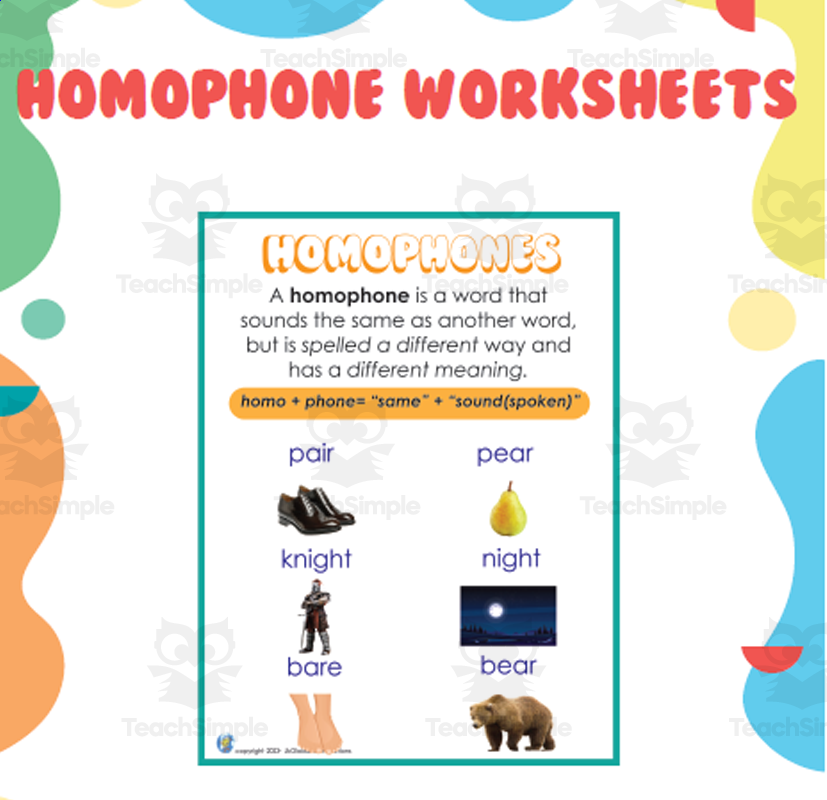
Vocabulary and spelling practice distinguishing 30 common English homophone pairs using picture-based identification.

Students identify and label clothing items in pictures, listen to a teacher description and draw clothes onto figures, play a 'Go Fish' card game asking 'Are you wearing...?', label a partner's clothing with stickers, and sort clothing words into summer/winter categories.

A Cinderella-themed telling-time matching activity tied to story events.
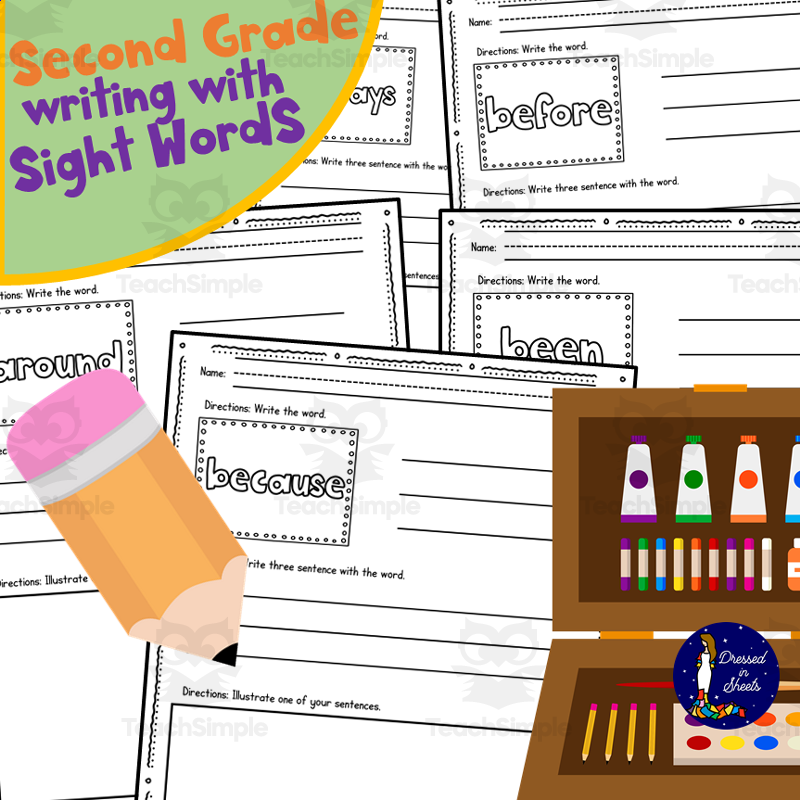
For each sight word: write the word, write three sentences using the word, and illustrate one of the sentences.

Compare pairs or sets of decimals to the hundredths place using >, <, = symbols; judge true/false decimal comparison statements; order sets of 4 decimals.
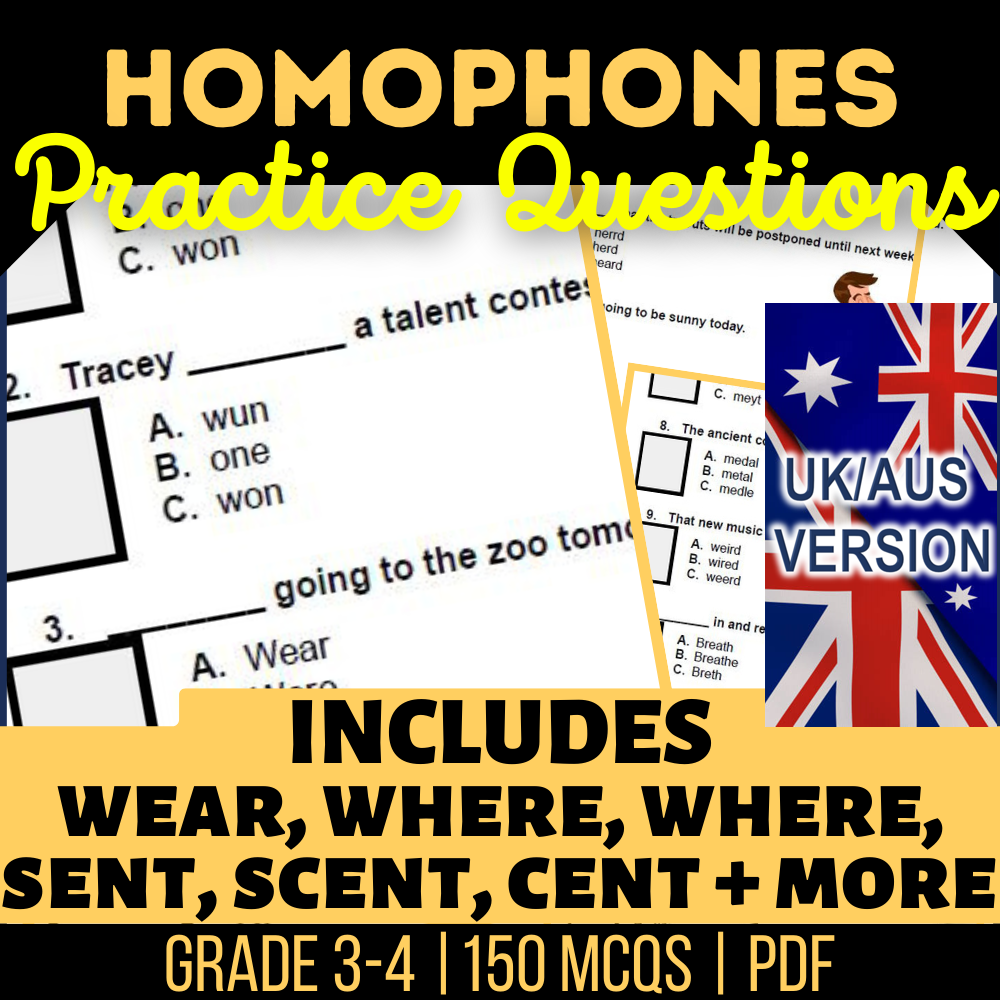
Multiple-choice practice questions that build students' ability to distinguish and correctly use homophones (words that sound alike but differ in spelling and meaning).
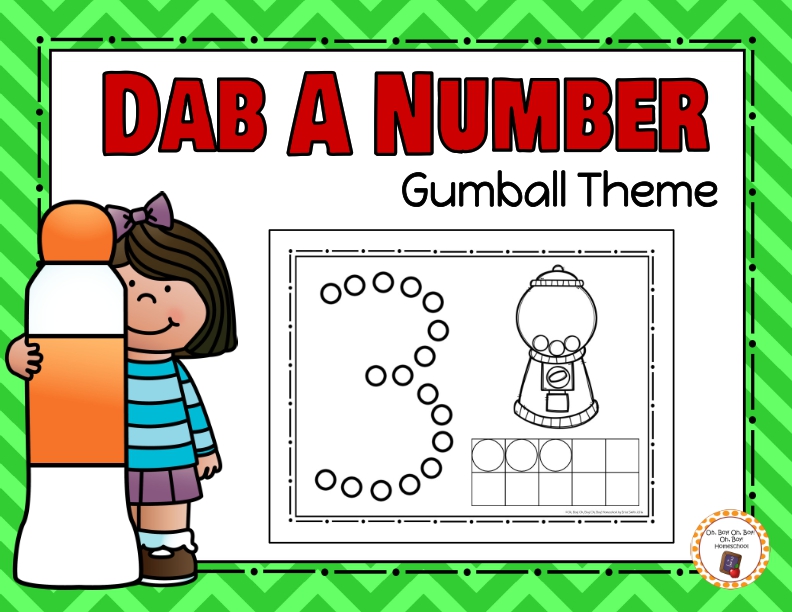
Use a dabber/bingo marker to dab the correct dot number, count and dab the matching number of gumballs, and dab circles in a tens table.
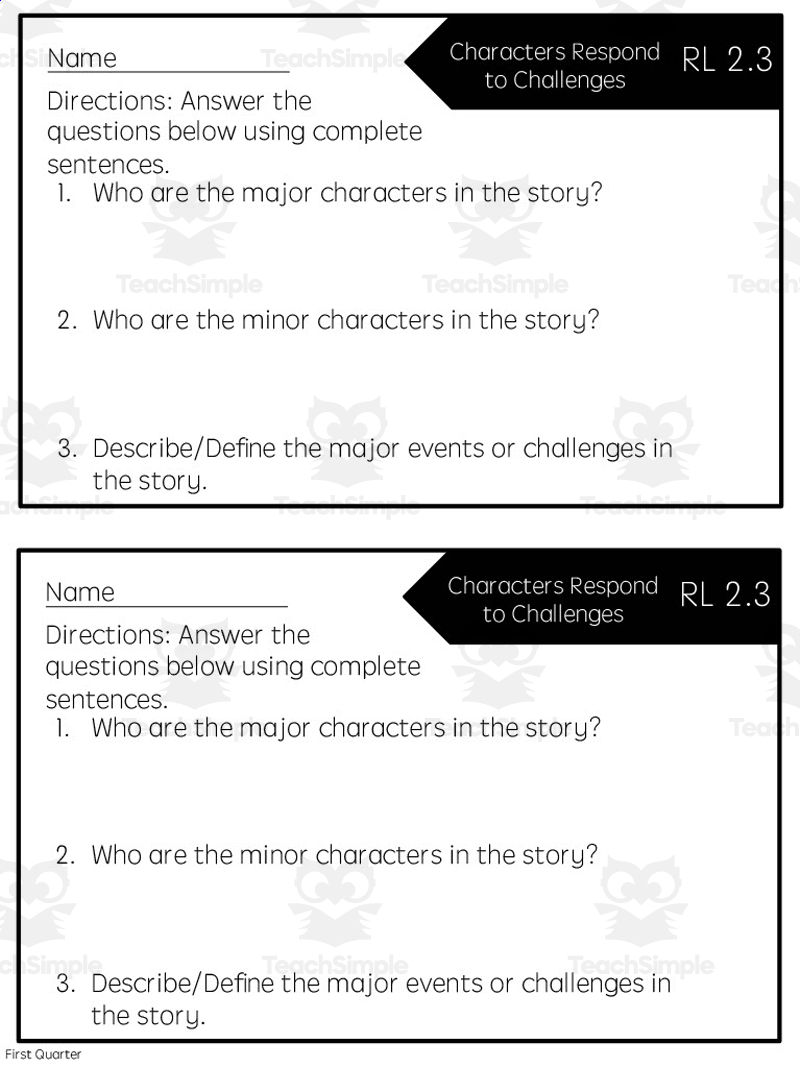
A short, ready-to-print formative check for the Common Core grade-2 reading-literature standard RL 2.3, used to assess whether students can identify major and minor characters and describe the major events or challenges in a story.
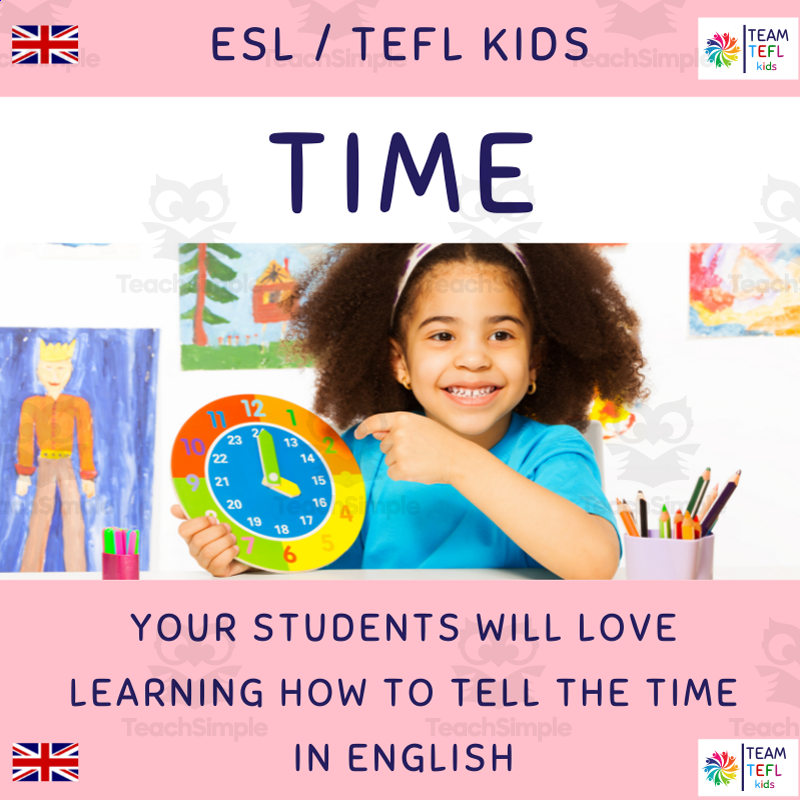
Students watch the teacher demonstrate reading an analog clock, make and wear a paper watch to practice asking/answering 'What time is it?' with classmates, write times shown under clocks, listen and draw clock hands for dictated times, play a 'What's the Time, Mr Wolf?' movement game, then progress to reading and…
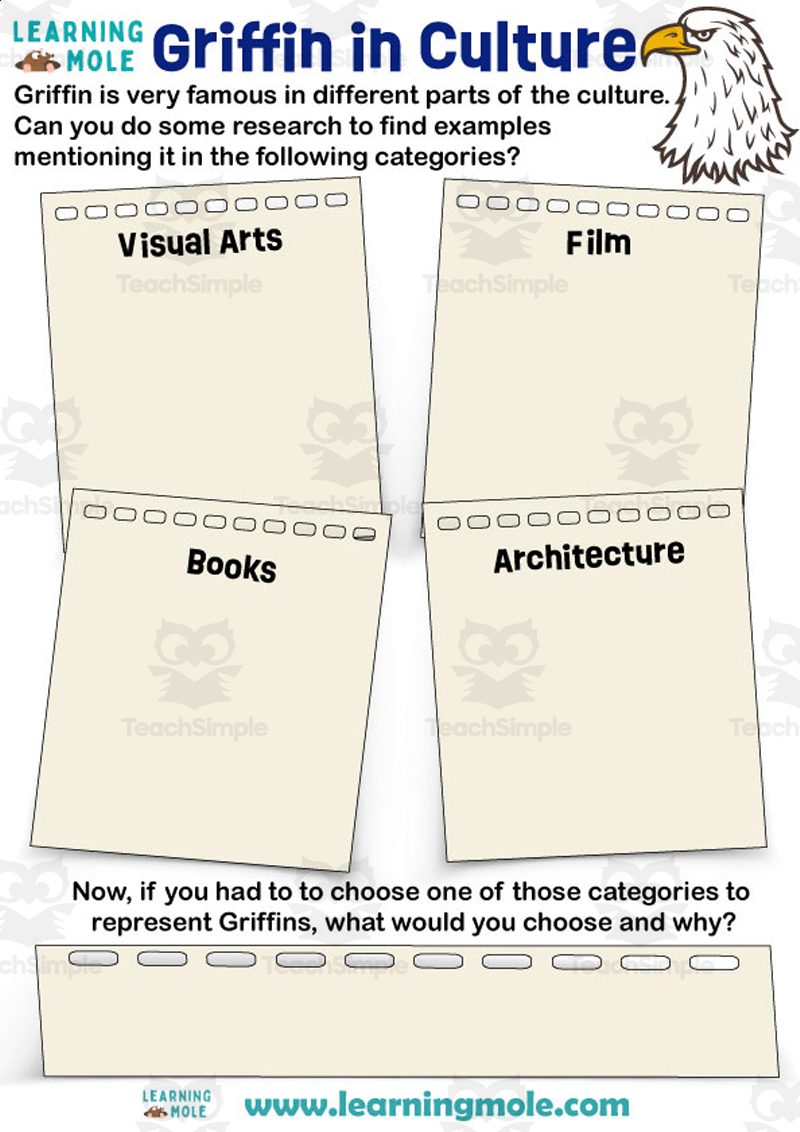
Research griffin appearances in visual arts, film, books, and architecture, record examples, then choose one category to represent griffins and justify the choice in writing.

Look at image groups on each page and write the compound word they form in the box provided (e.g., 'Ice' + 'cream' = Ice-cream).

Answer before-reading discussion/opinion questions, read a biographical passage about the featured scientist/inventor, answer reading-comprehension questions, and answer after-reading discussion questions requiring opinion and critical analysis (e.g. bias detection, ethical debate).