Math practice
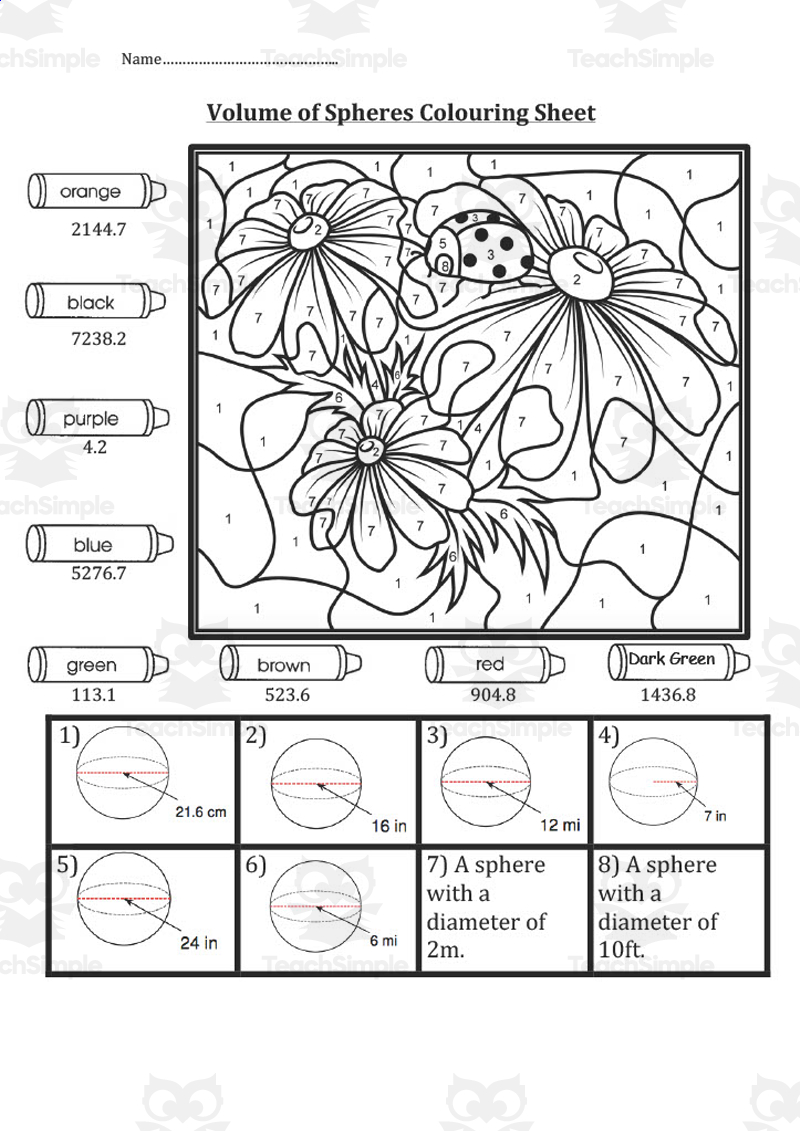
Volumes of Spheres Color by Number Activity
Practice calculating the volume of spheres, using color-by-number to self-check answers.
Answers included




Classroom resources
Browse by lesson focus
Choose the topic or kind of practice you need.
Showing 2209–2232 of 2979 resources

 Show filters
 Practice calculating the volume of spheres, using color-by-number to self-check answers.
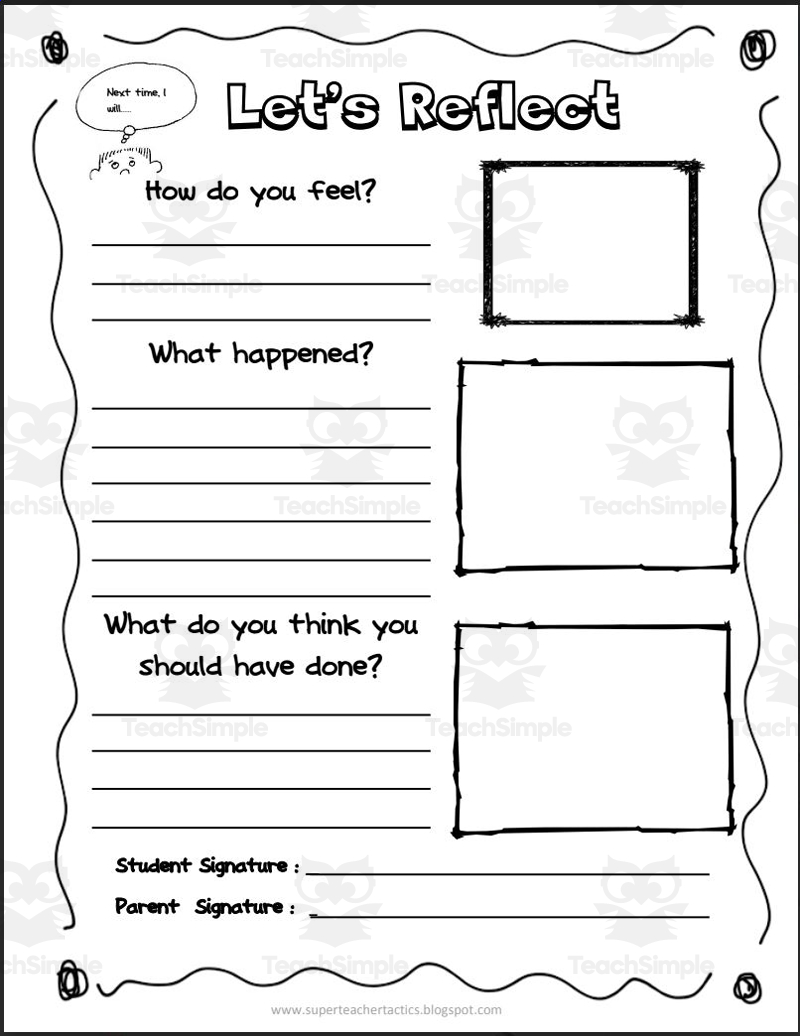
A single-page self-reflection sheet for students to process a behavior incident by reflecting on their feelings, what happened, and what they should have done differently.

Give students hands-on practice measuring the perimeter of polygons using string/yarn and a ruler.
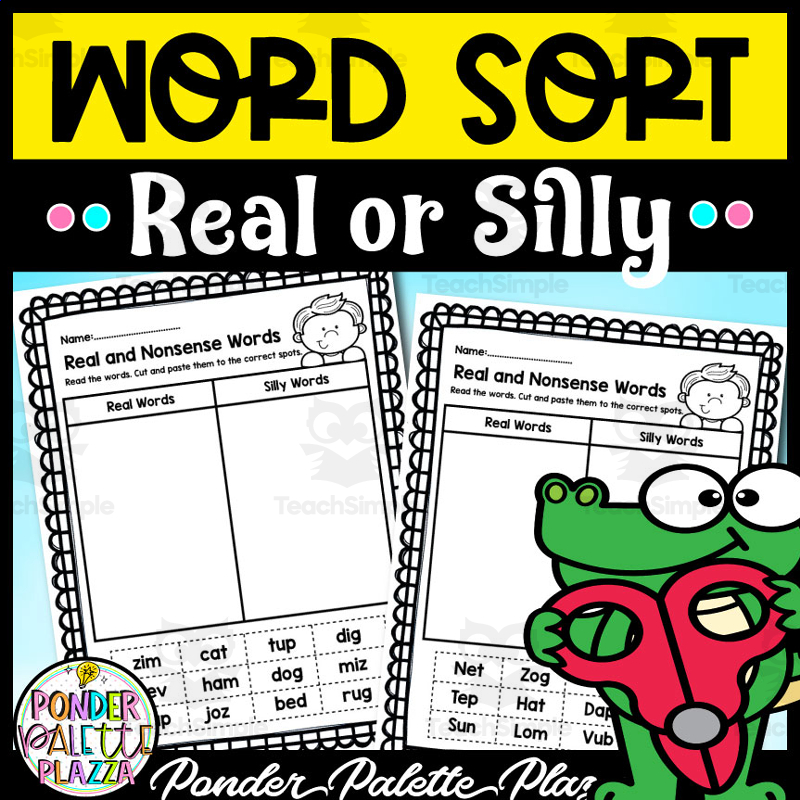
Read a set of short CVC words, decide whether each is a real word or a silly/nonsense word, then cut and paste each word into the correct column.
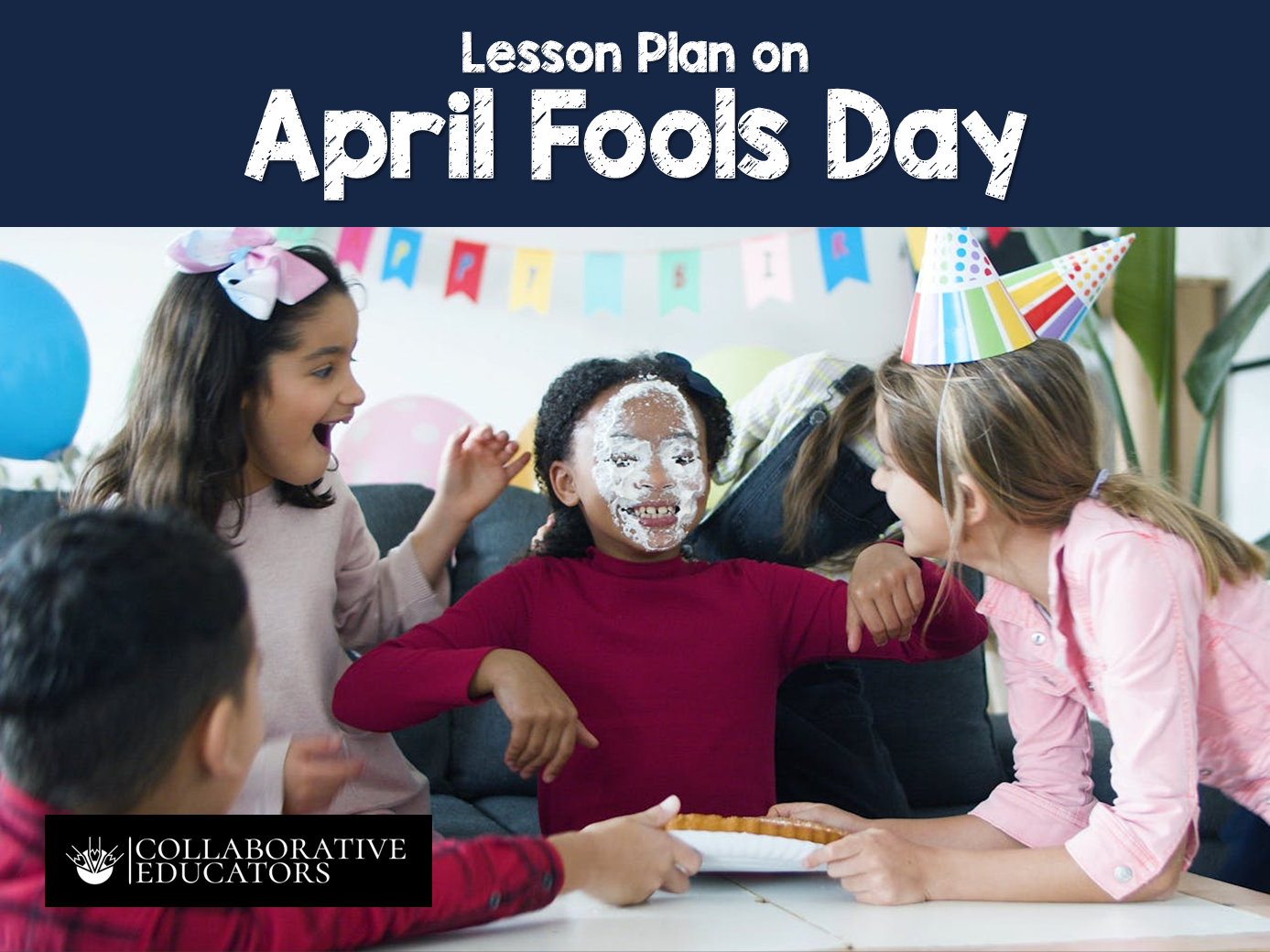
Students discuss pranks, watch a video on the history of April Fools' Day, match vocabulary to definitions, answer comprehension questions, discuss prank experiences in groups, and write a creative paragraph describing an invented prank.
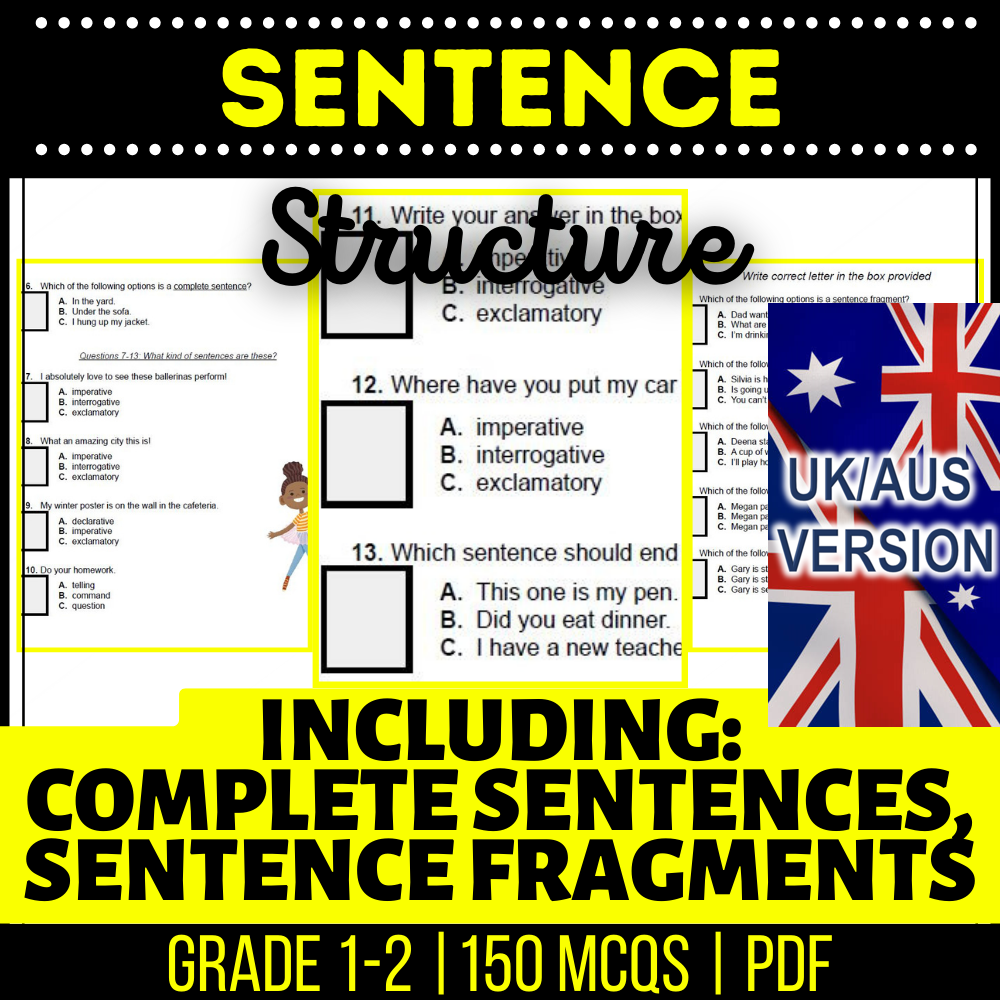
Practice sentence structure with worksheets using UK/Australian English conventions. Check the sample to match its terminology and spelling to your class.
Read syllable-counting explanations and tips, then read the song lyric passage and: count syllables in 14 listed words, sort new words found in the lyrics by syllable count (1-4) into a graphic organizer, divide those words into syllable parts using / or -, and find and divide a 5-syllable word from the lyrics.
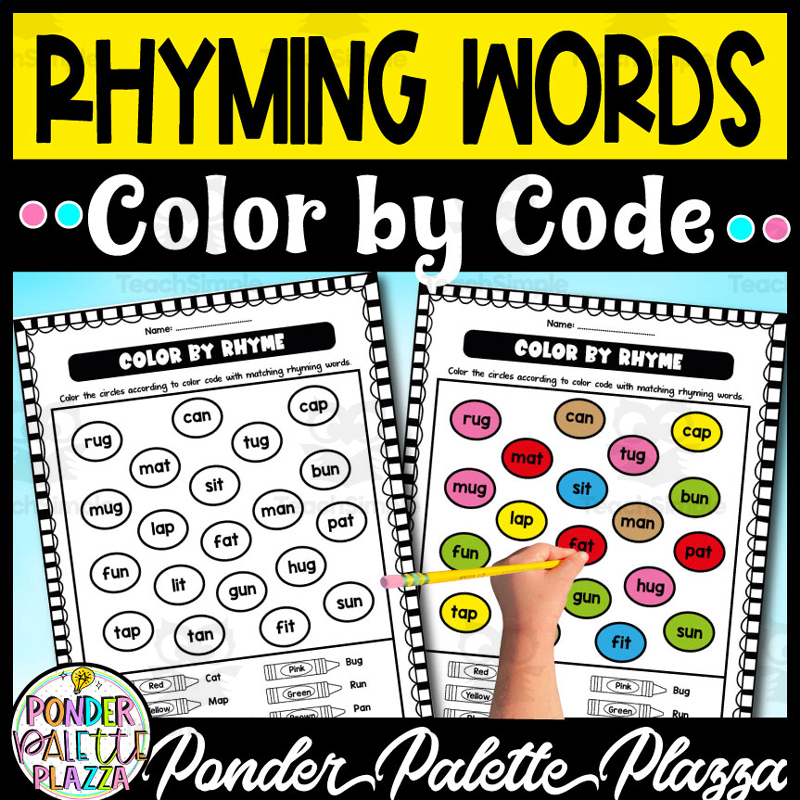
Color circles according to a color-code key matched to rhyming word groups (e.g. Cat/Map/Kit and Bug/Run/Pan groups).

Read an informational passage on the Civil War, fill in a graphic organizer/timeline of events, complete fill-in-the-blank notes, match vocabulary terms to definitions, answer multiple-choice comprehension questions, and write short/paragraph responses about the war's key events.
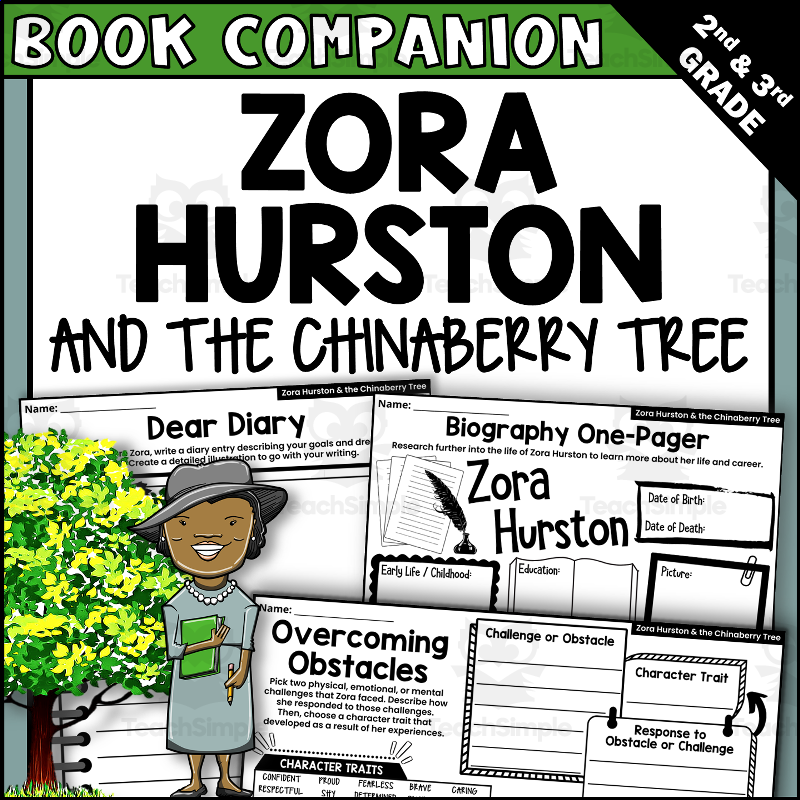
A read-aloud book companion of 31 print-and-go comprehension, character-analysis, and thematic-exploration activities built around the picture book 'Zora Hurston and the Chinaberry Tree' by William Miller, requiring the teacher to read the book aloud (illustrations are described as necessary to the activities).
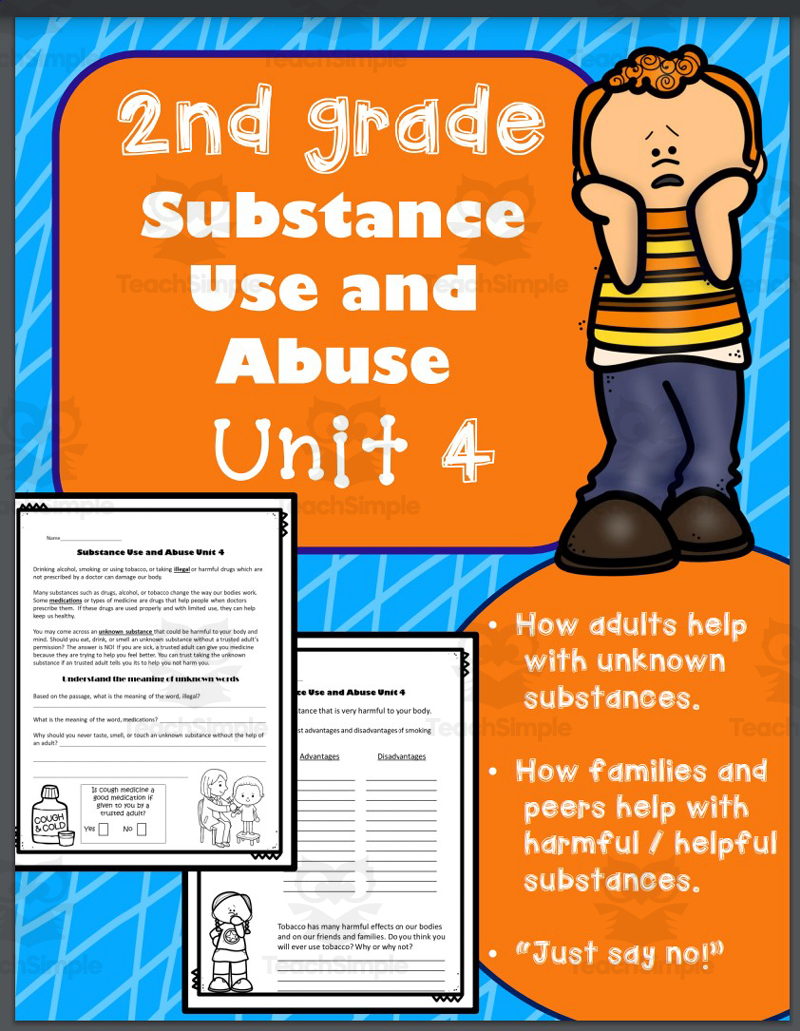
For 2nd Grade Health there are seven standards that need to be taught. Unit 1 Personal Health Unit 2 Growth and Development Unit 3 Nutrition and Physical Activity Unit 4 Substance Use and Abuse Unit 5 Injury/ Violence Prevention Control and Safety Unit 6 Prevention/Control of Disease Unit 7 Environmental Consumer Health These units can…
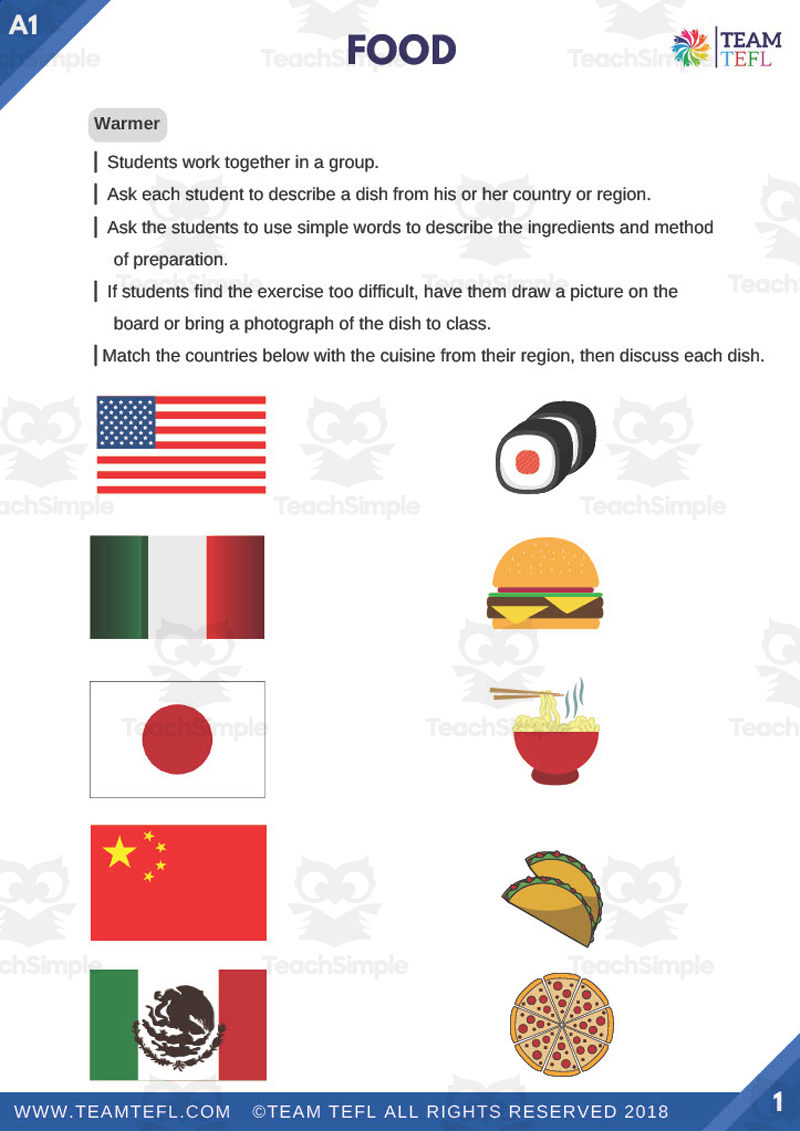
Beginner (CEFR A1) ESL/EFL lesson plan teaching food and cooking vocabulary and simple food-related dialogue.
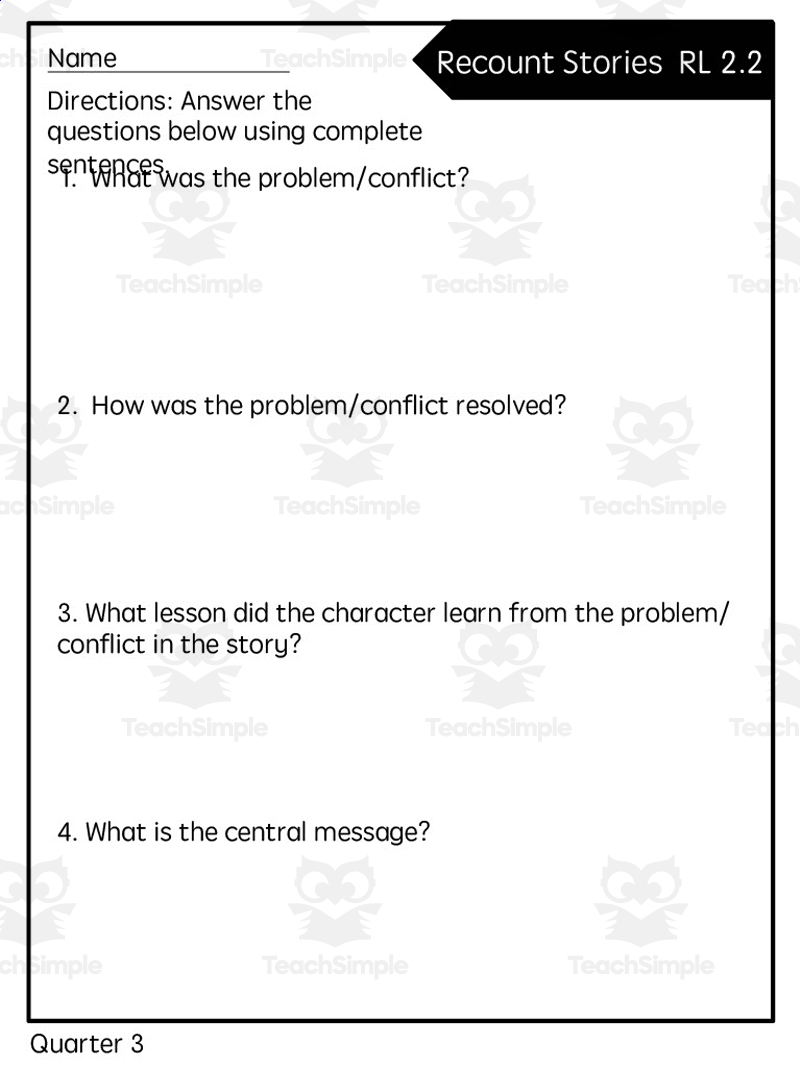
A short, ready-to-print formative check for the Common Core grade-2 reading-literature standard RL 2.2, used to assess whether students can identify a story's problem/conflict, its resolution, the lesson learned, and the central message.
A 50th-day-of-school activity packet combining counting, number writing, simple addition, and a parent note for a class celebration/snack event.
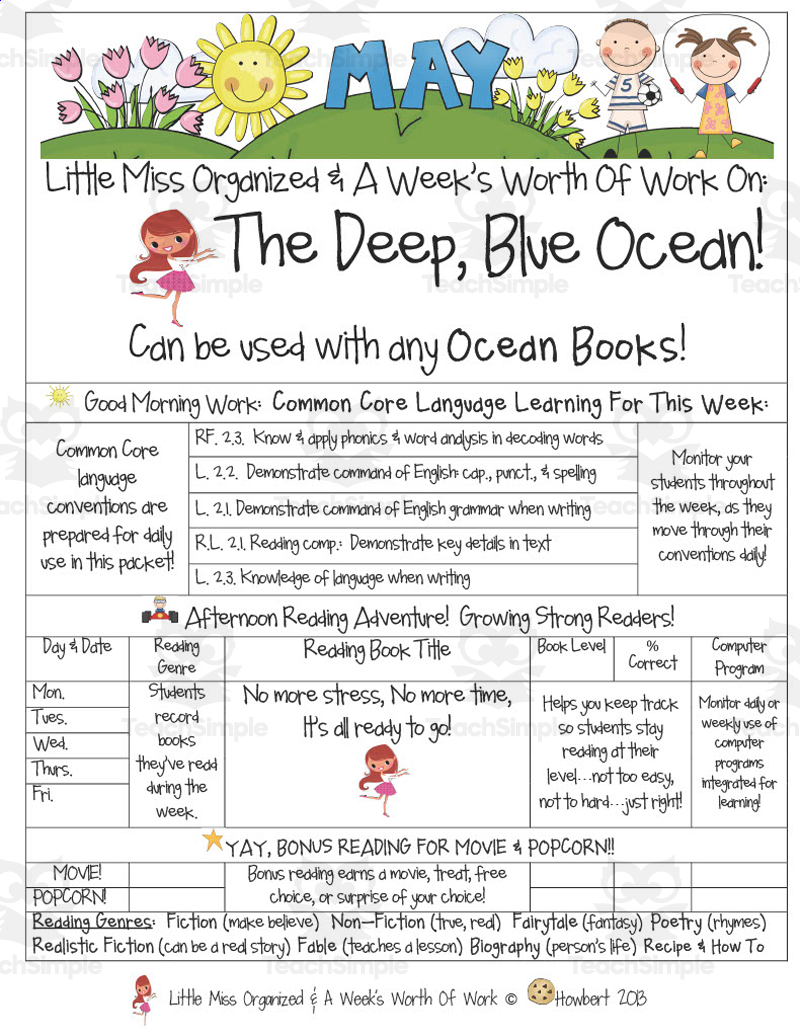
Complete daily language-convention warm-up work (grammar, punctuation, spelling), track independent reading books read during the week, fix 'crazy sentences' with capitalization/spelling errors, form plurals and possessives of ocean-related nouns, and write sentences using new vocabulary.

Sort diseases into communicable/non-communicable categories, review a personal hygiene chart, set and explain three personal health goals, practice proper handwashing steps and list situations requiring handwashing, read Covid-19 fact passages and define vocabulary (novel, infectious, immunity), and answer questions…
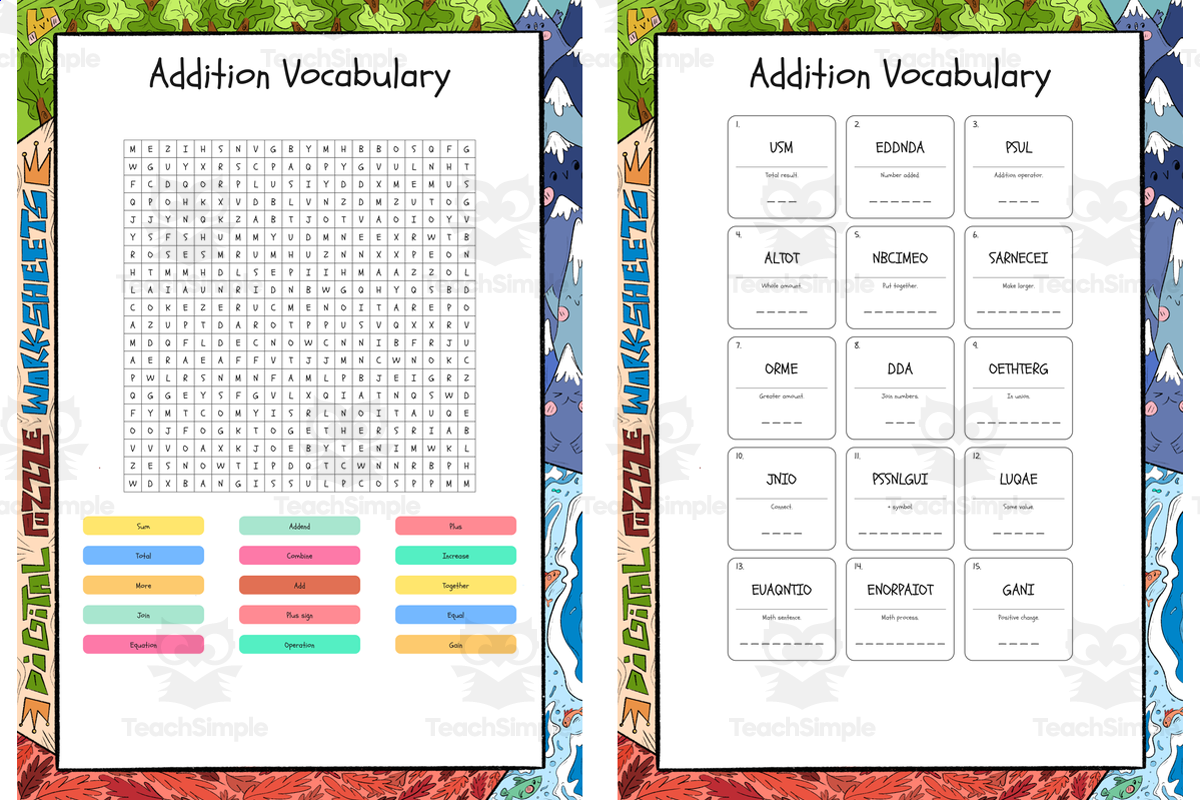
Build familiarity with addition-related vocabulary (addend, sum, plus, equation, etc.) through three puzzle formats.

Solve clues to fill in a crossword grid, unscramble letters to spell vocabulary words, and find hidden words in a word search grid.
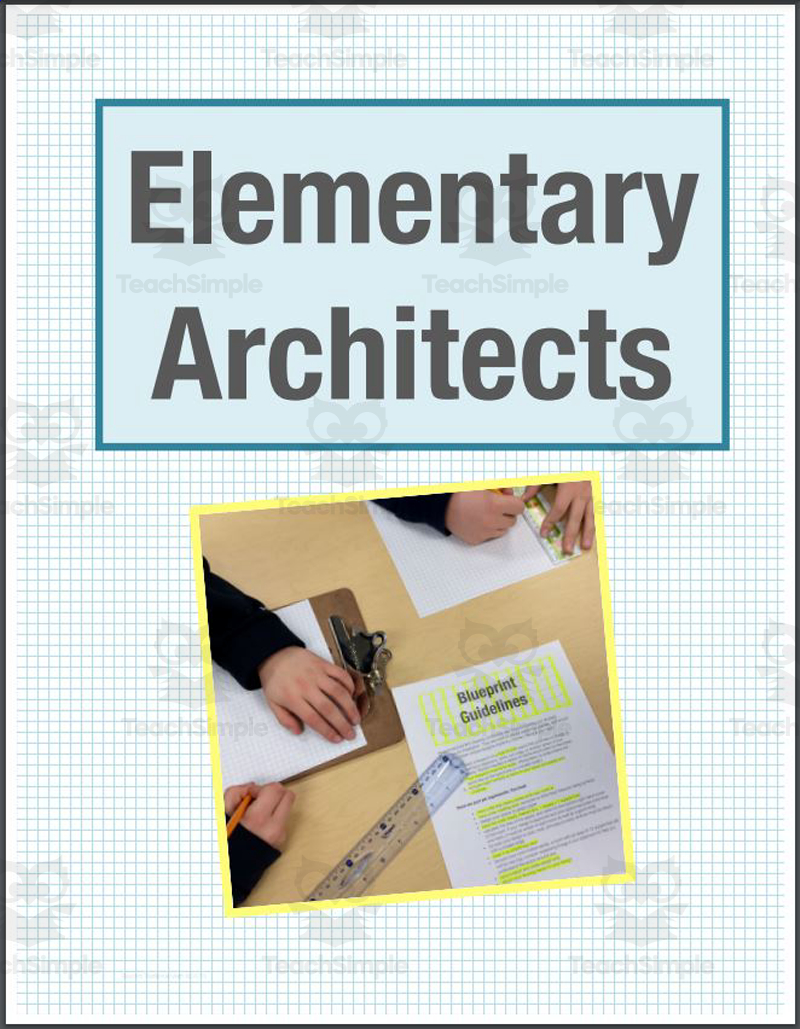
A project-based learning unit where students act as architects designing a one-room space, applying area calculation, measurement, and flooring-cost estimation.
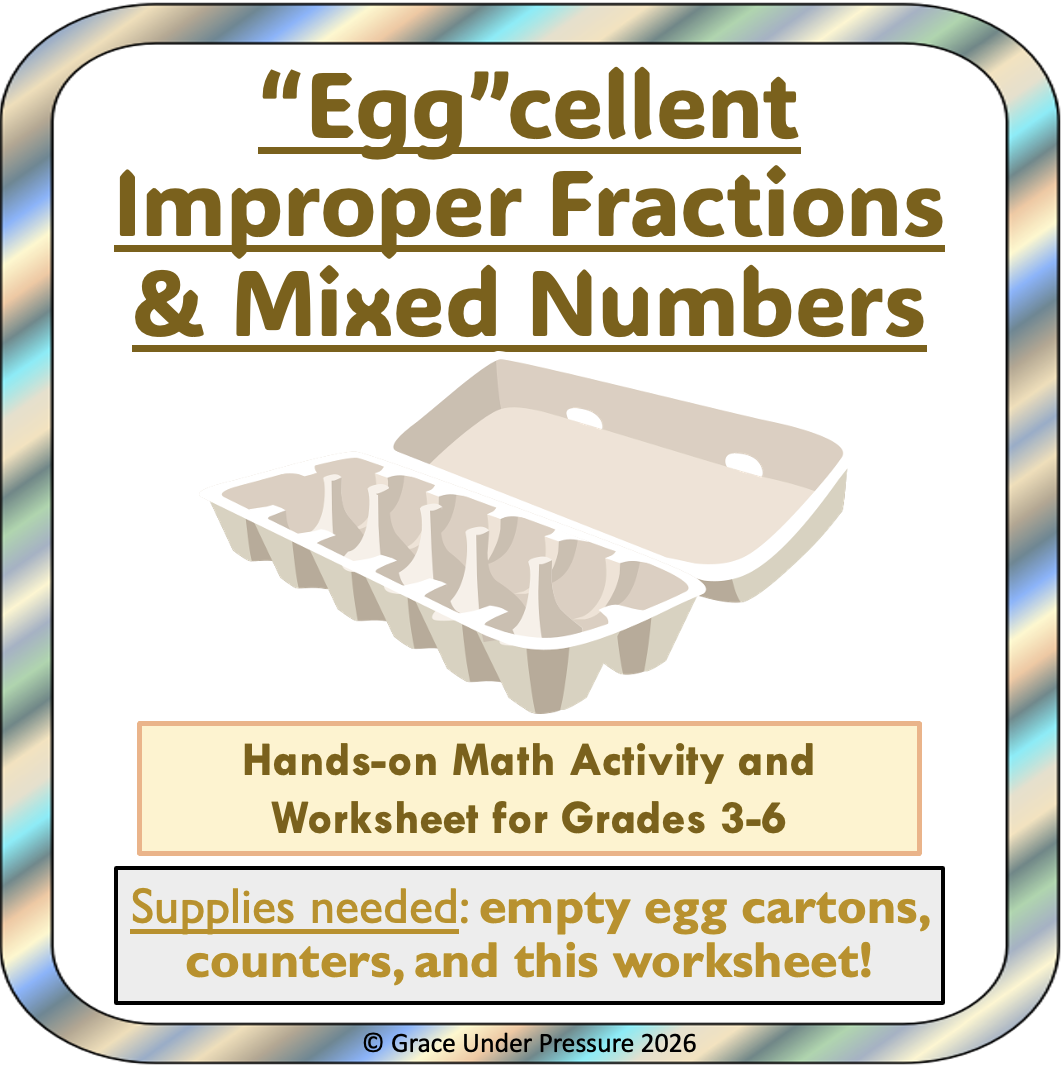
A hands-on introductory math lesson using egg cartons and counters to teach improper fractions and mixed numbers.
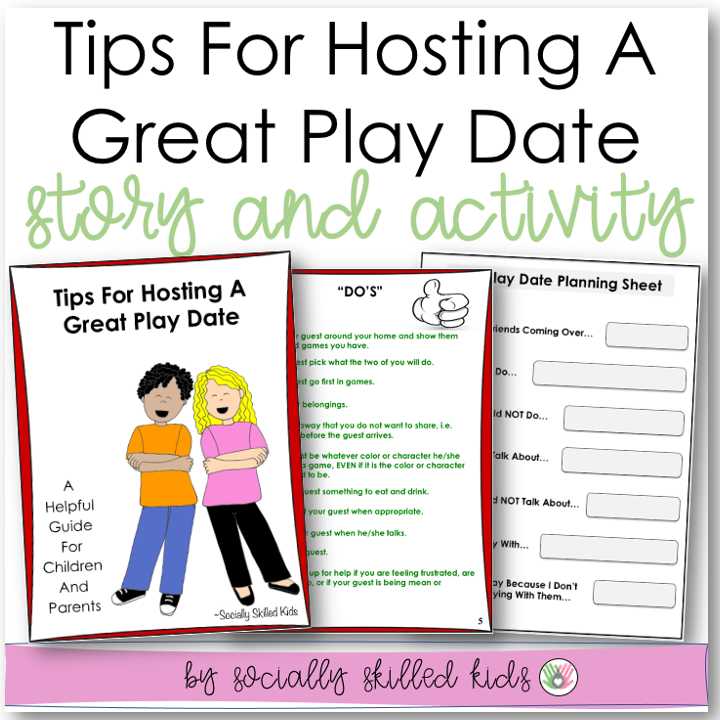
Read (or have read to them) a narrated guide explaining why play dates are valuable, what a 'host' and 'guest' are, and a list of specific Do's and Don'ts for hosting; then use a 'My Play Date Planning Sheet' to write/plan what they can do, talk about, and share during an upcoming play date.
Students read a nonfiction biography of Van Gogh, then answer reading-comprehension fill-in-the-blank questions, solve math word problems based on details from the passage, unscramble vocabulary words from the story, and draw/paint their own picture as Van Gogh might have.
Measurement - Drill Sheets Vol. 3 Gr. PK-2 Reliable, practical, and relevant are the words that best associate with the Measurement - Drill Sheets Vol. 3 Gr. PK-2 teaching resource designed for pre-kindergarten to second-grade educators and homeschoolers alike. This beneficial tool strengthens students' understanding…
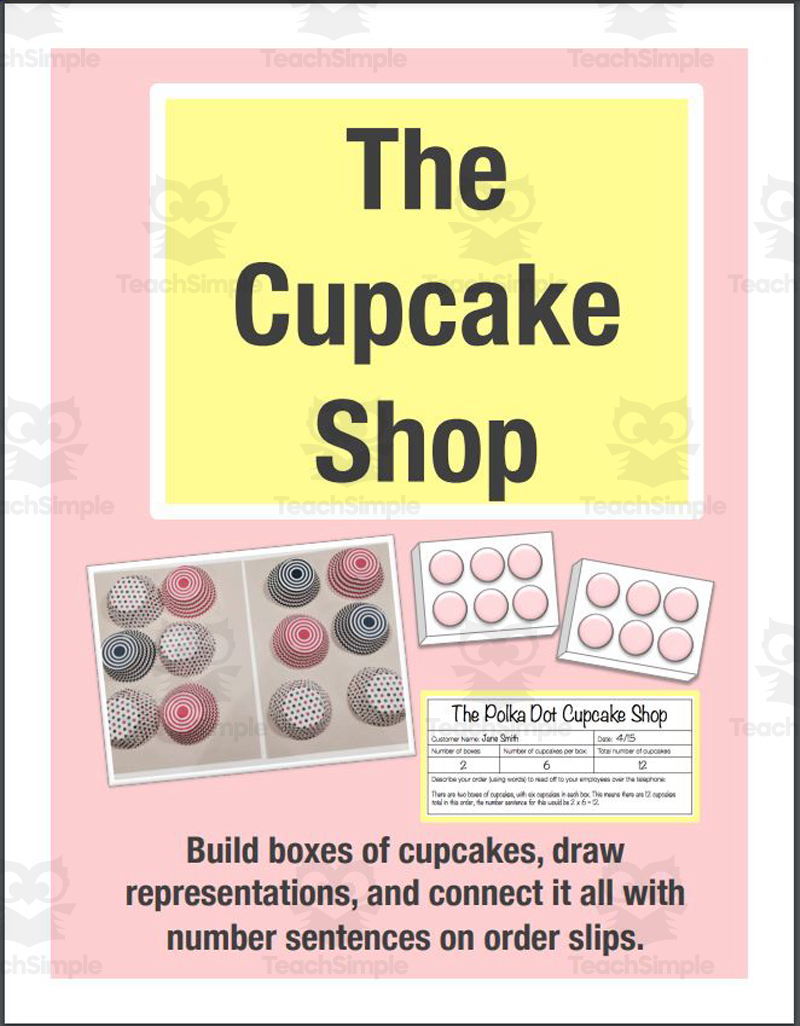
Teach multiplication of equal groups (3s, 4s, 5s facts) through a themed 'cupcake shop' project using the concrete-representational-abstract (CRA) instructional sequence.