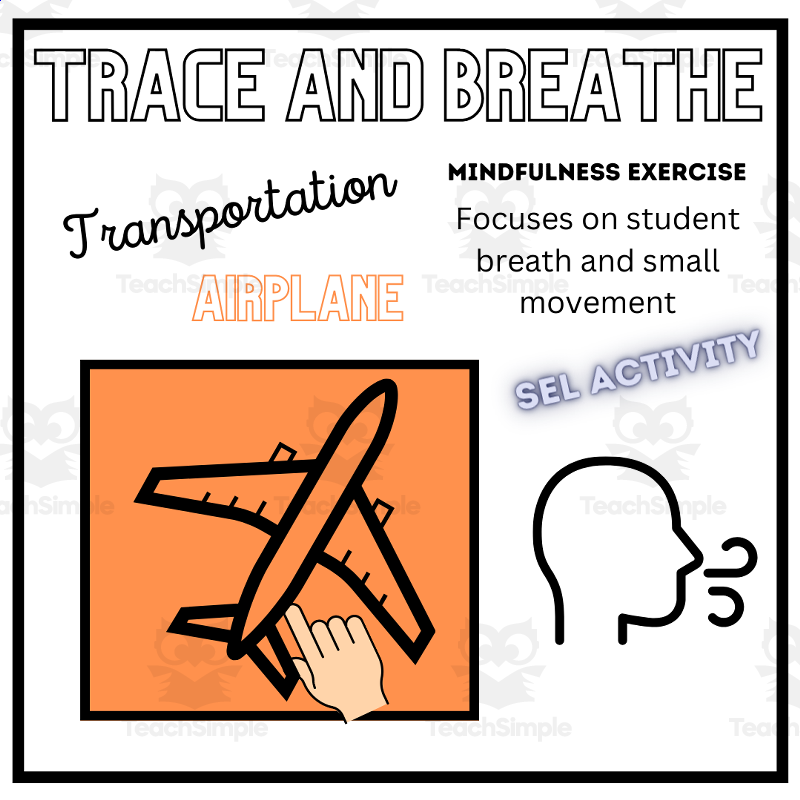
SEL: AIRPLANE Mindfulness Breathing Calming Activity TRACE AND BREATHE
A social-emotional learning (SEL) calming/mindfulness activity where students trace an airplane shape with their finger while practicing controlled breathing to self-regulate.
Classroom resources
Browse by lesson focus
Choose the topic or kind of practice you need.
A social-emotional learning (SEL) calming/mindfulness activity where students trace an airplane shape with their finger while practicing controlled breathing to self-regulate.
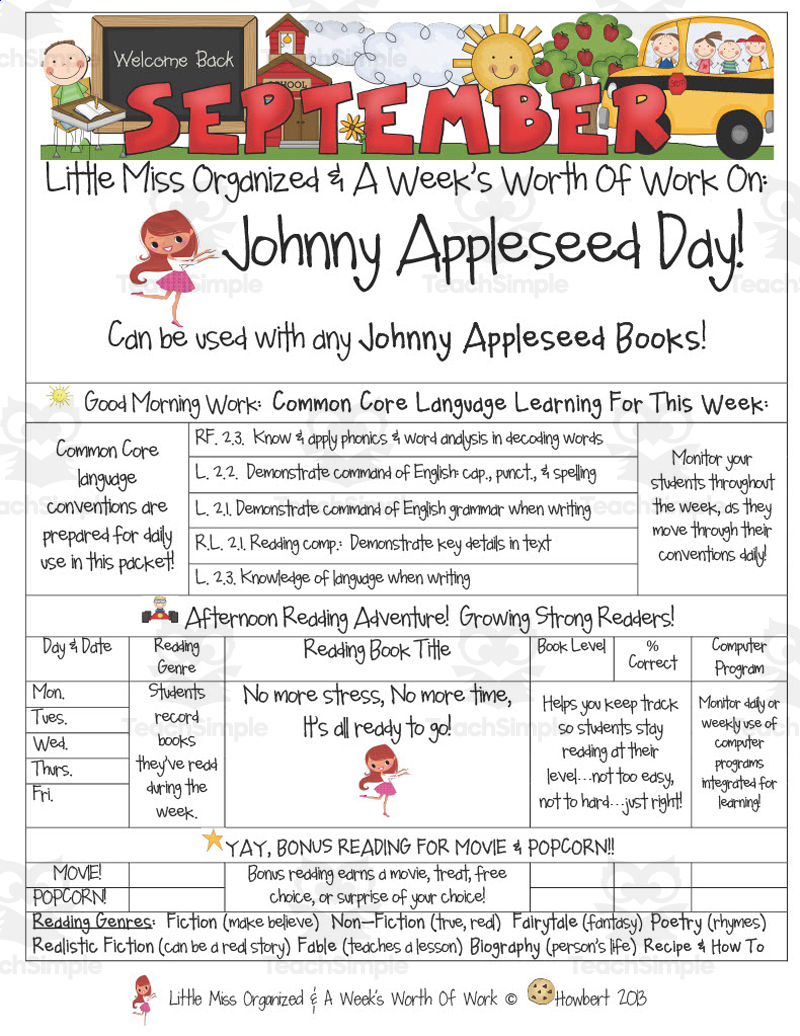
Track books read each day (title, level, % correct), complete daily 'good morning work' grammar tasks, fix capitalization/punctuation in 'crazy sentences' about Johnny Appleseed, and sort words into noun/verb/adjective/adverb columns in a parts-of-speech activity.
Think of four famous pink characters, draw them, and write down what they represent.
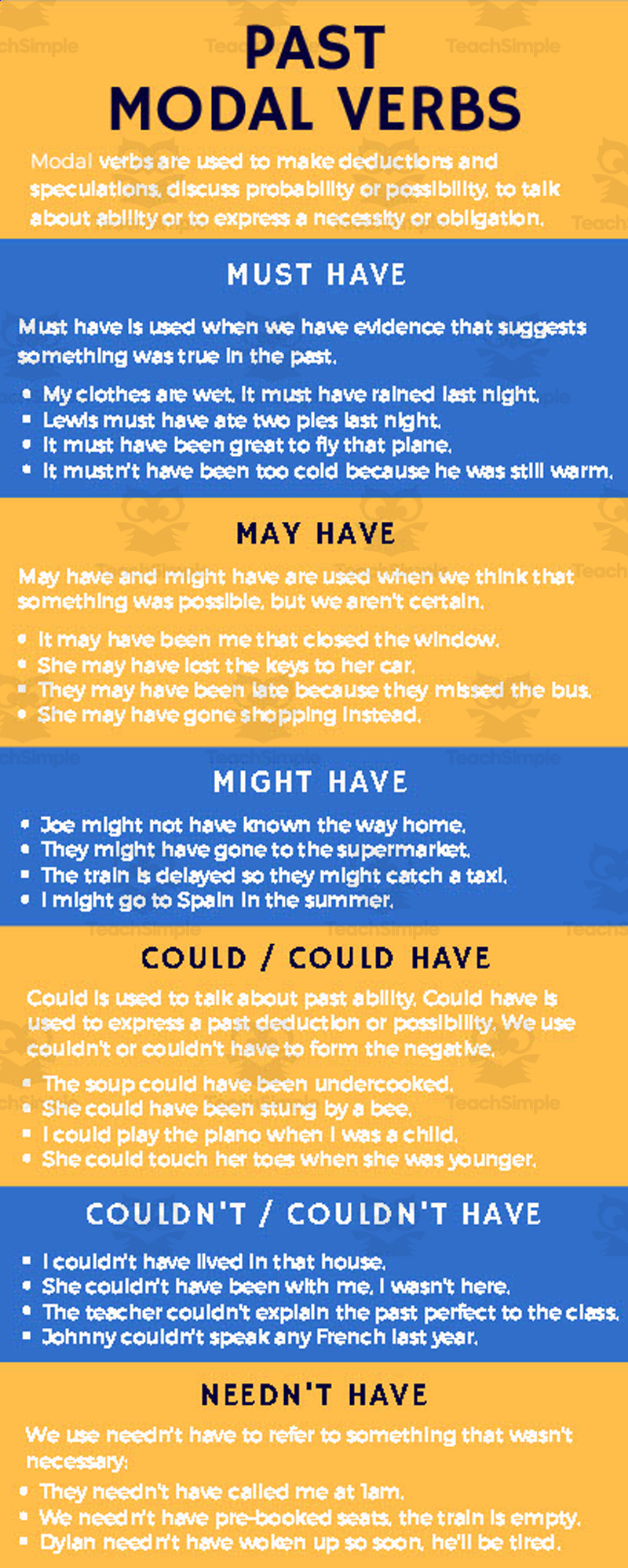
Past Modal Verbs Advanced ESL ELA ELL and TEFL Lesson Plan. This advanced English lesson plan helps students master past modal verbs. Educators can use the informative worksheet set to teach the intricacies of words like could, would, and should. Students will gain a deeper understanding of these complex verb forms before applying their…
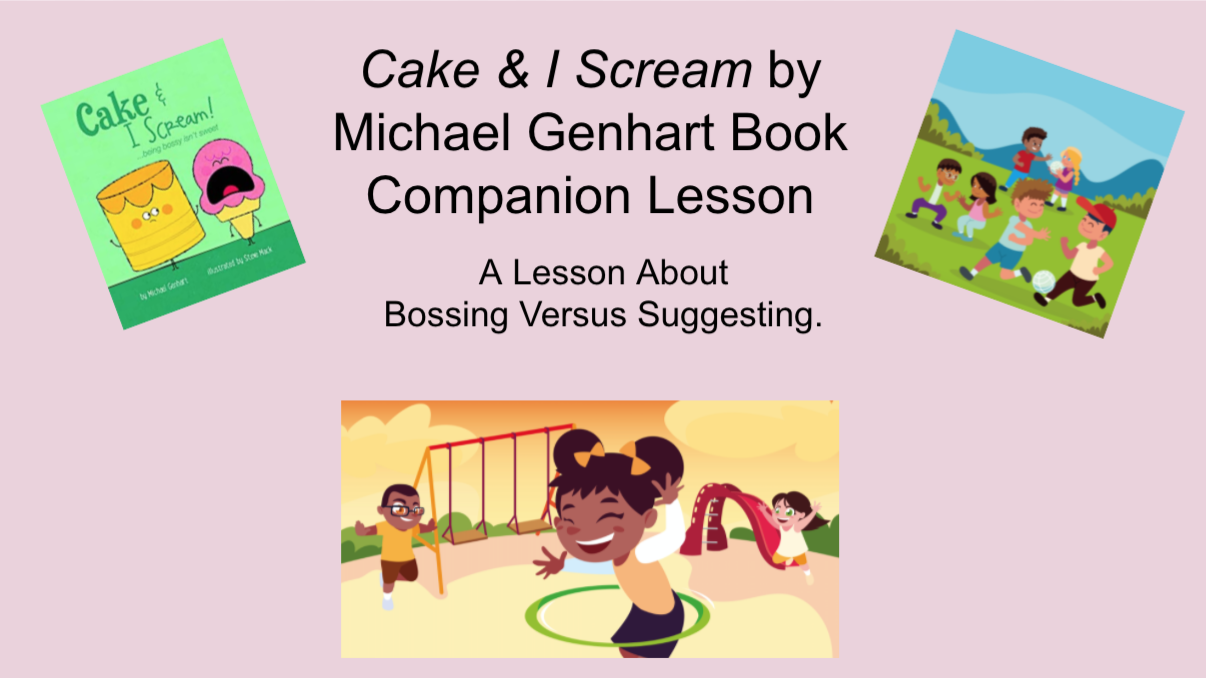
Social-emotional learning (SEL) book-companion lesson teaching the difference between 'bossing' and 'suggesting', built around the picture book 'Cake & I Scream' by Michael Genhart.
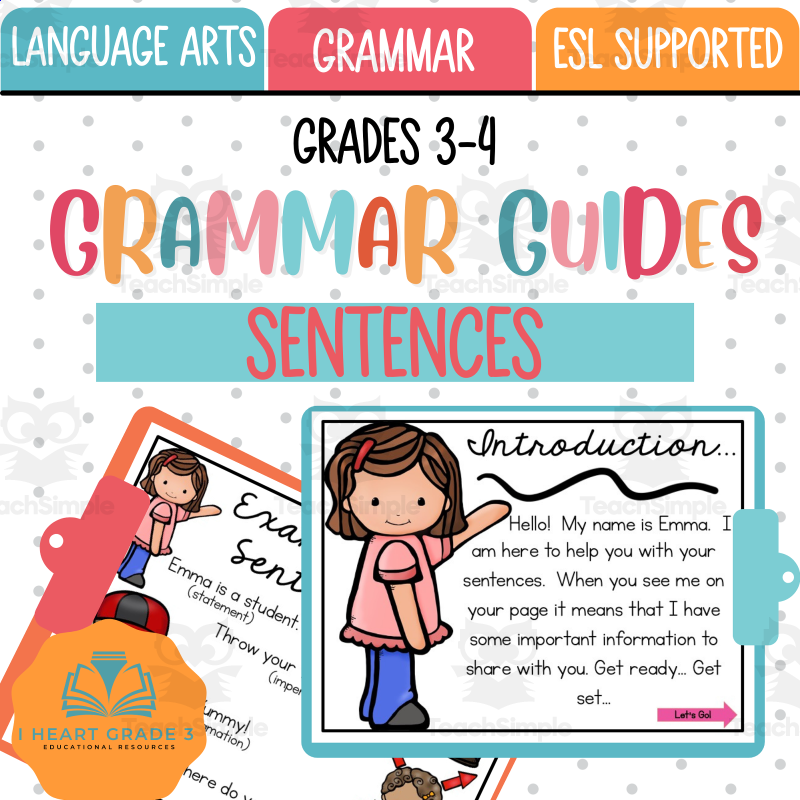
Students identify sentence type, mark sentences as complete or incomplete, complete sentences by matching halves, fill in sentences using key words, unscramble words into sentences, fix capitalization/punctuation errors, and write their own statements, questions, imperative, and exclamatory sentences.
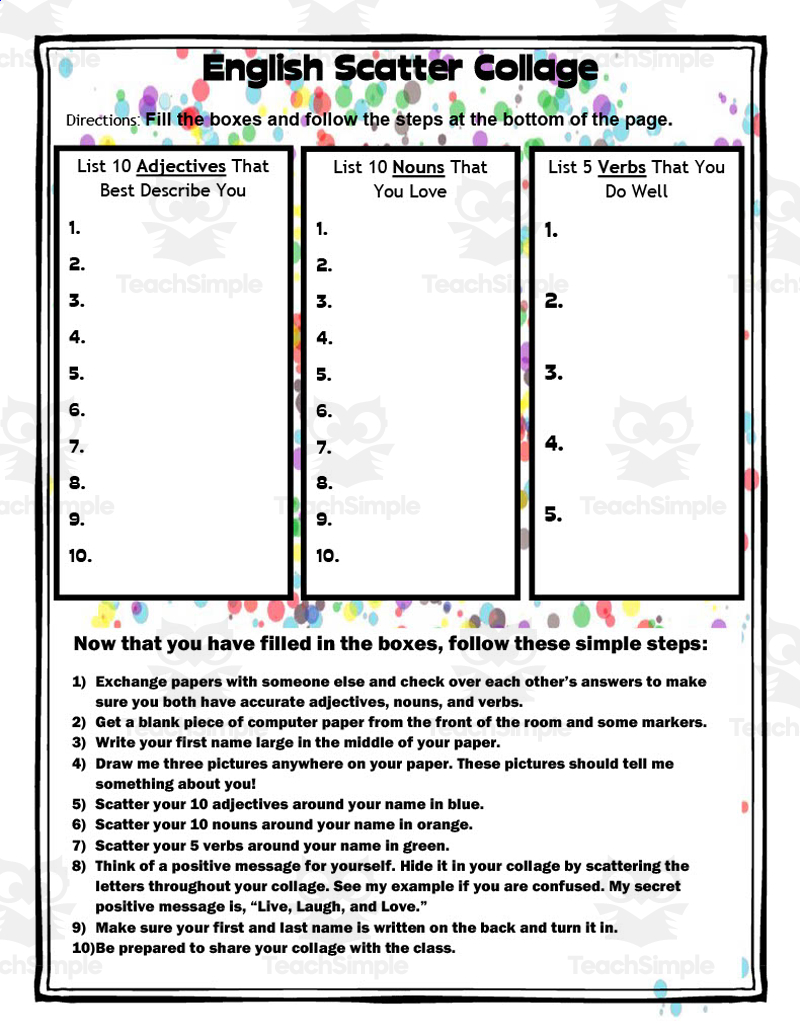
List 10 adjectives, 10 nouns, and 5 verbs describing themselves; swap papers with a partner to check accuracy; draw three self-representative pictures on blank paper; write their name large in the center and scatter the adjectives, nouns, and verbs around it in specified colors (blue, orange, green); hide a personal…
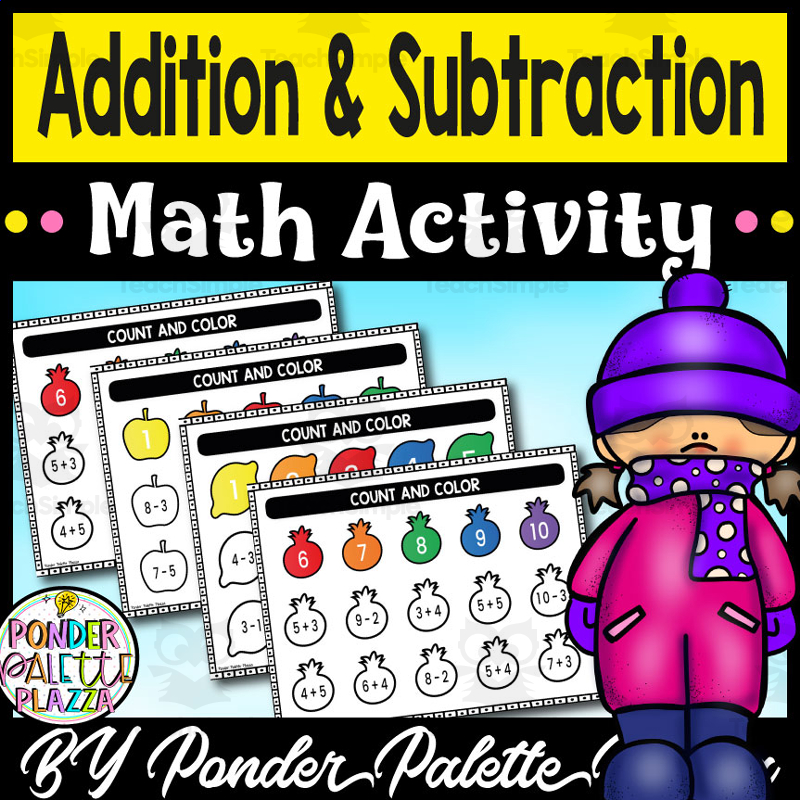
Turn math time into playtime with this Addition and Subtraction: Count and Color activity! Designed to engage even the most math-resistant students, this resource combines basic arithmetic with creativity. It’s the magical fusion of problem-solving and coloring that makes equations as fun as picking crayons out of the box…
Develop students' listening and speaking/descriptive skills through a paired activity where one student describes a picture in detail and their partner draws it from the verbal description alone.
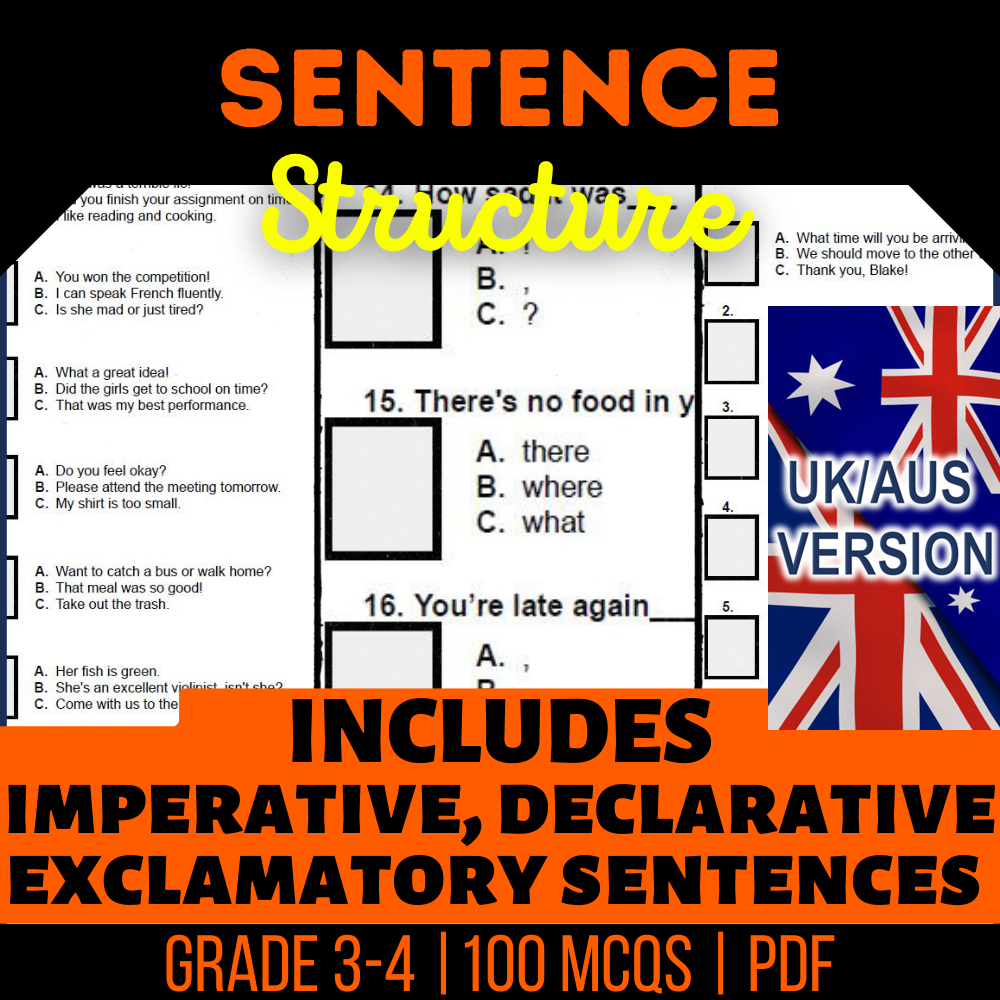
Practice sentence structure with worksheets using UK/Australian English conventions. Check the sample to match its terminology and spelling to your class.
Teach students to recognize and correctly use 100 common homophone pairs/sets through definitions, example sentences, and practice exercises.
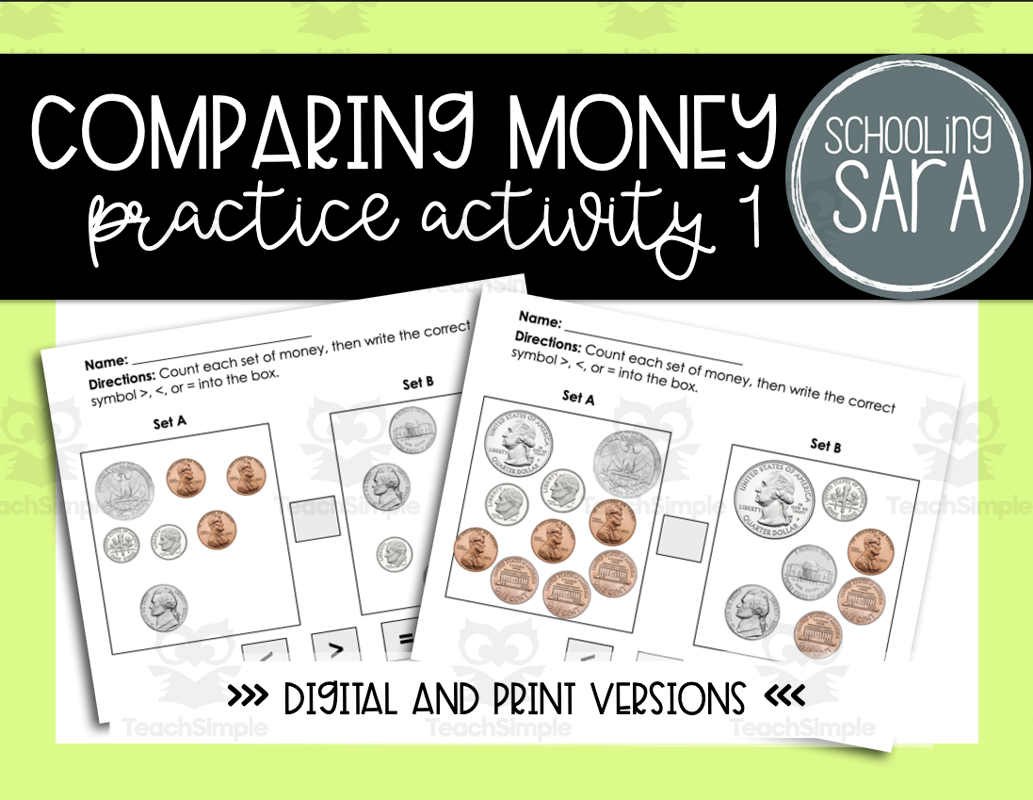
Count two sets of mixed coins/bills (Set A and Set B) and write the correct comparison symbol ( , =) between them; a digital Google Slides version is also referenced.
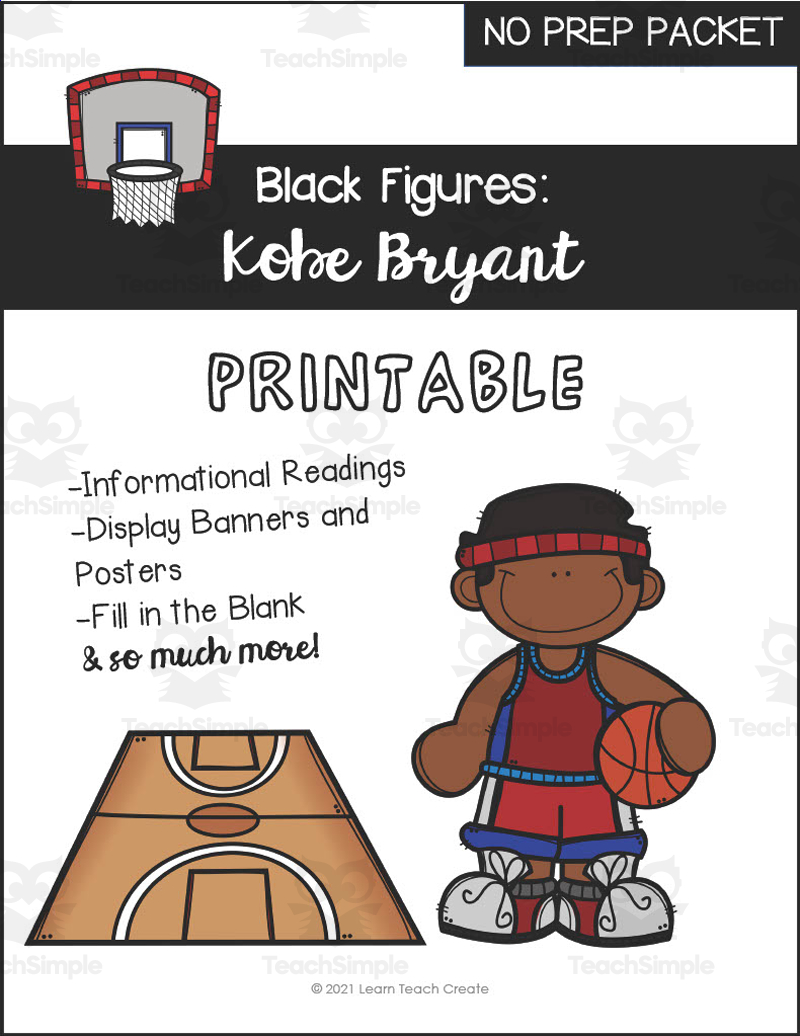
Students read an informational biography of Kobe Bryant, complete a KWL chart, fill in a facts page, and complete a word search; supplementary video and (affiliate) book links are provided for extension.
Students guess a hangman word (big) from a drawing, complete sentences describing animals/people with size adjectives from a word box, play a board game in groups of four where they move a counter and make true descriptive sentences about pictures they land on (e.g. 'A tortoise is slow'), write six sentences about…
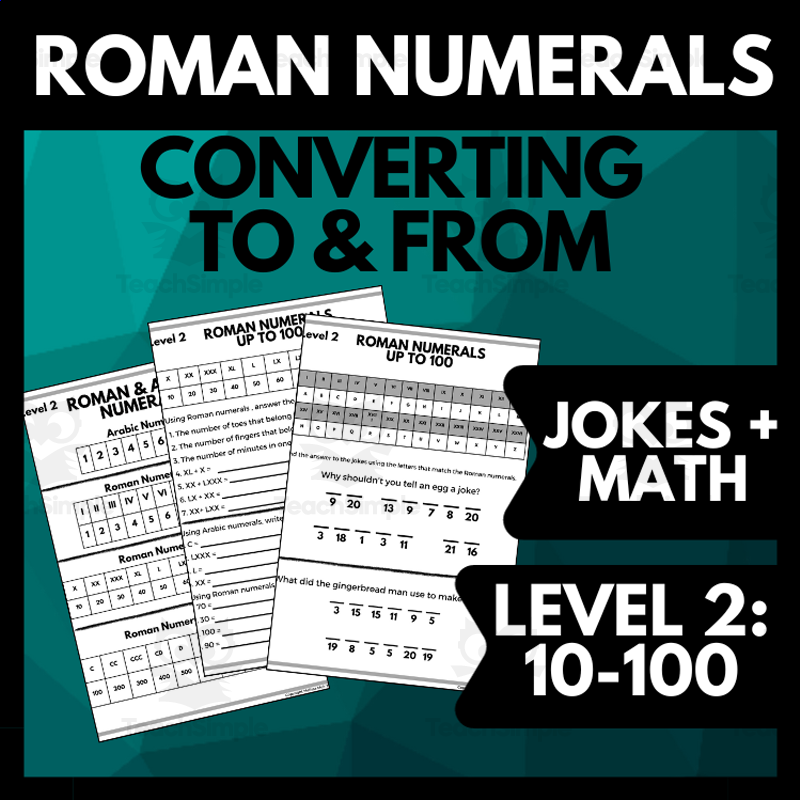
Gives students practice converting between Roman and Arabic numerals in the 10-100 range, then applying that skill to decode letter-substitution jokes.
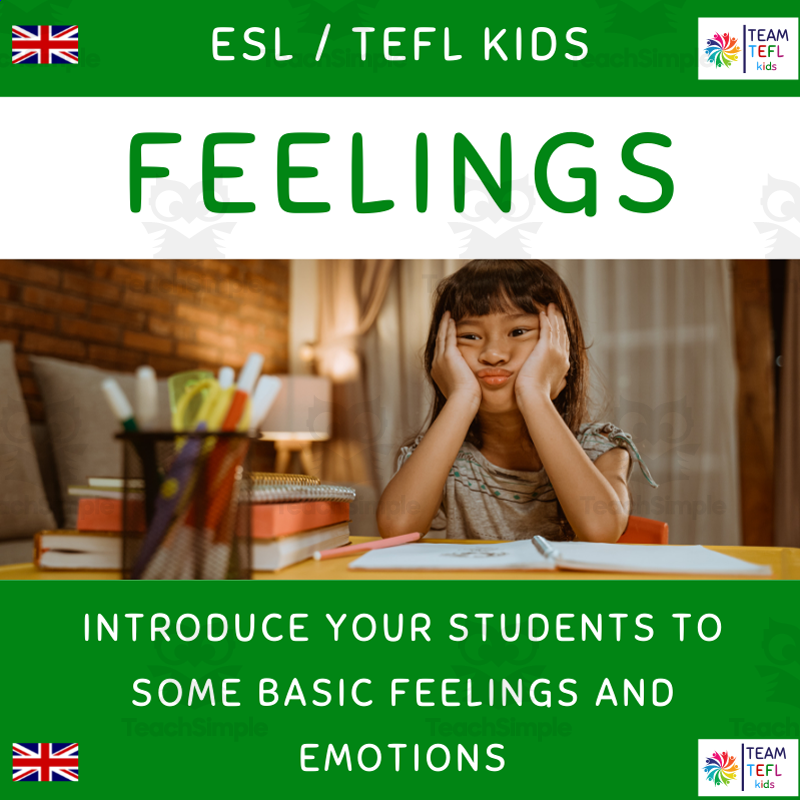
Match pictures of feelings to words, play a miming game guessing feelings, complete a word memory/spelling game, and match each feeling to an appropriate response (e.g. 'I'm cold' -> 'Wear a coat').
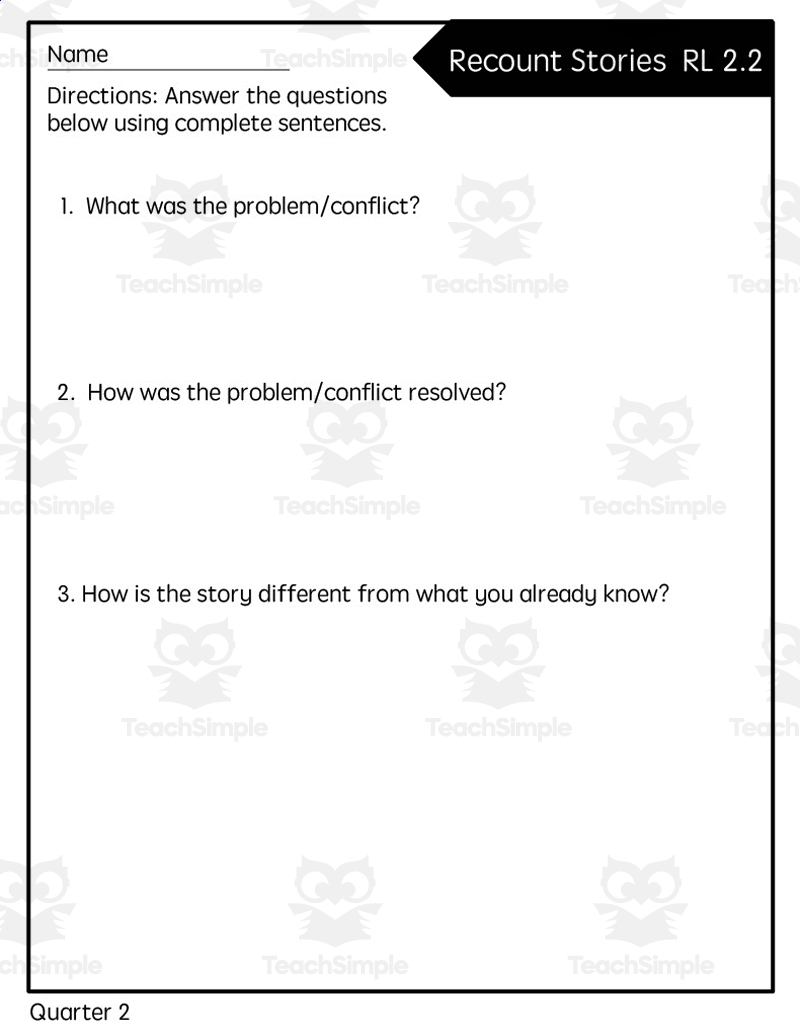
A short, ready-to-print formative check for the Common Core grade-2 reading-literature standard RL 2.2, used to assess whether students can identify a story's problem/conflict, its resolution, and compare the story to their own knowledge.
A social-emotional learning activity helping young students recognize emotions from facial expressions in photographs of real people.
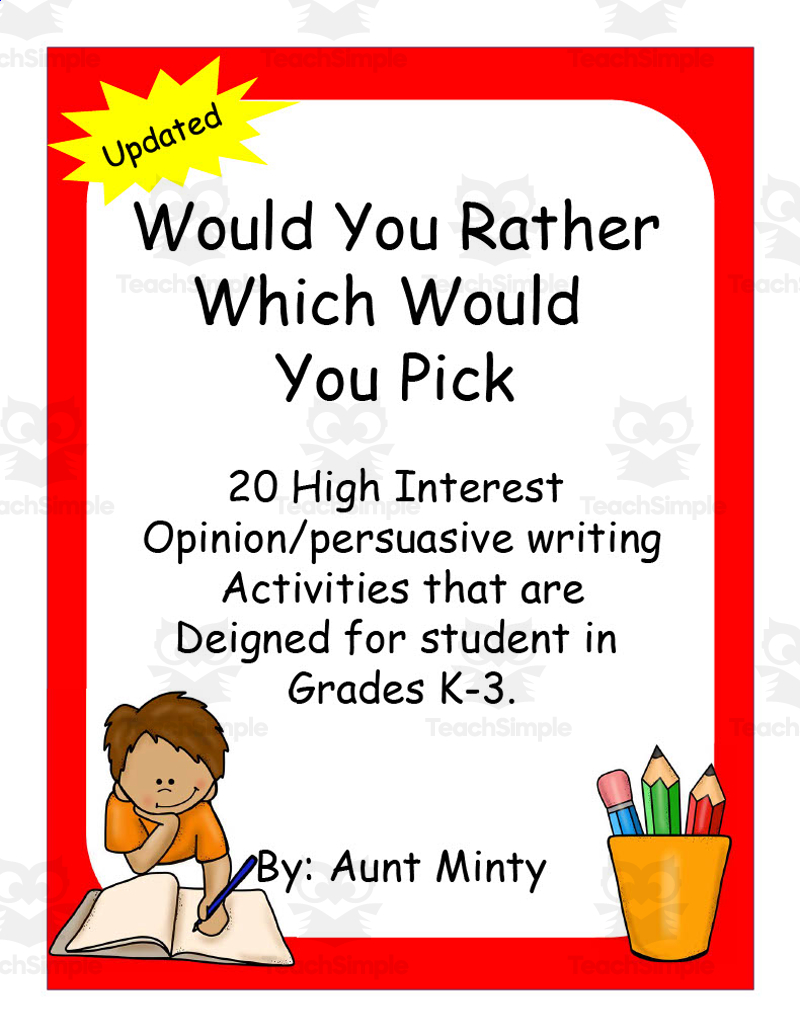
Use prewriting graphic organizers (T-chart, list, web) to brainstorm, then answer 20 'Would You Rather' prompts (e.g., fish or turtle, pizza or sandwich, astronaut or pirate) by choosing an option and writing several lines explaining their opinion.
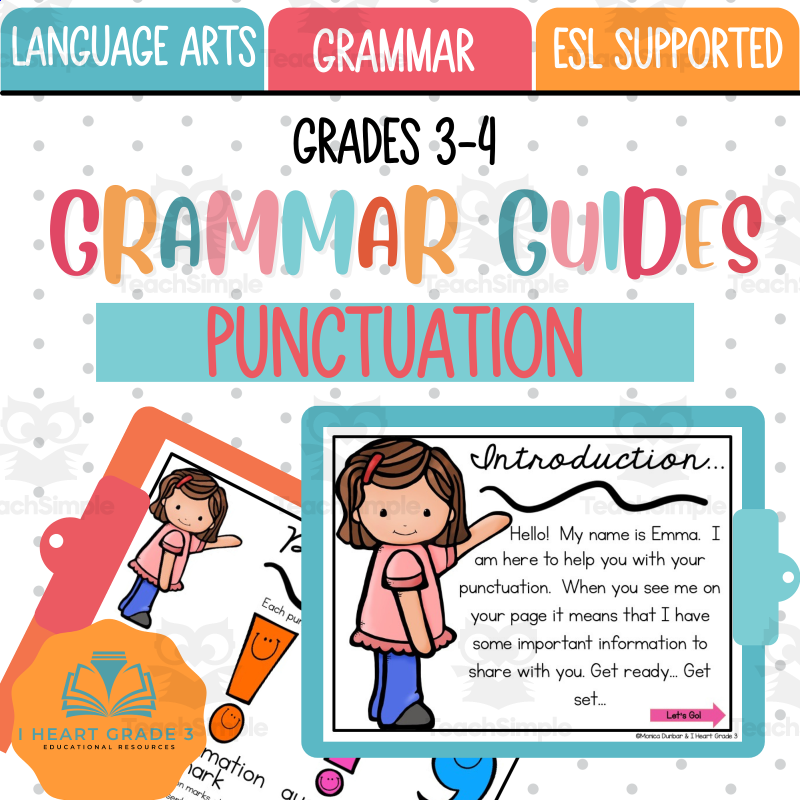
Students circle punctuation marks in sentences, add the correct end punctuation, judge whether given sentences use punctuation correctly, choose the correct ending punctuation mark, and write their own sentences using end punctuation and exclamation points.
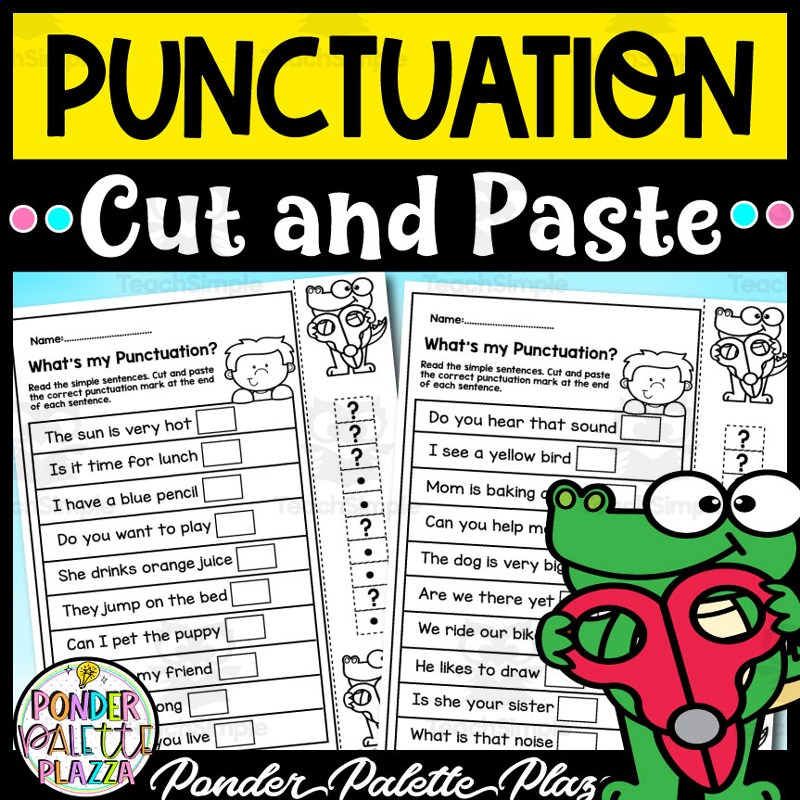
Read simple sentences and cut and paste the correct end punctuation mark (period, question mark, or exclamation mark) at the end of each sentence.
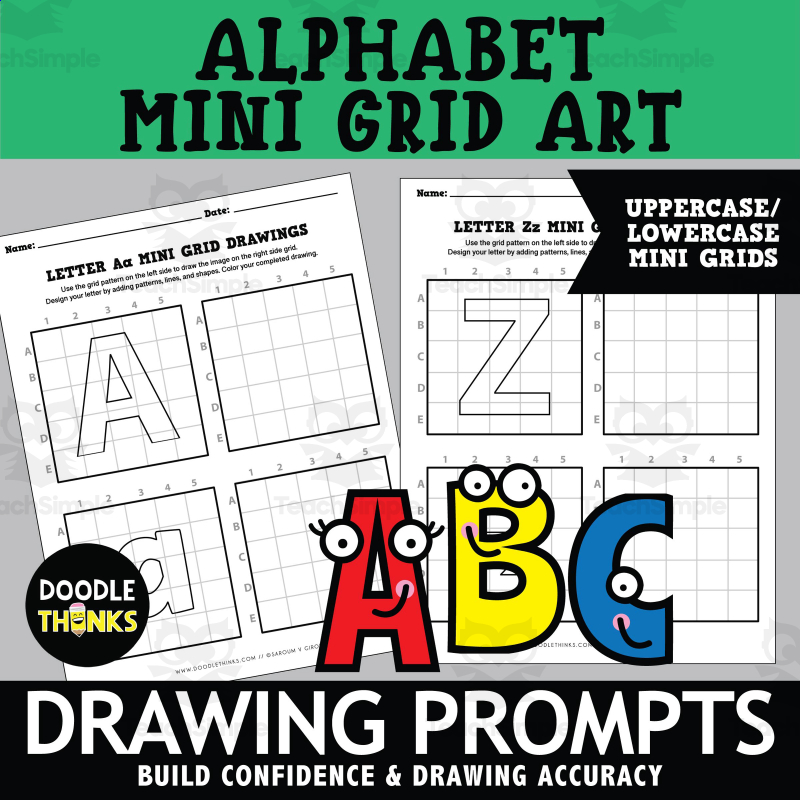
Copy a grid-based image pattern from a reference grid onto a blank grid using the coordinate labels (numbers 1-5, letters A-E), design the letter shape by adding patterns, lines and shapes, then color the completed drawing.
A two-part personal-narrative writing journal (combining 'True Life Stories' and 'Me and My World') that prompts students to write and illustrate short personal stories using story starters, brainstorming questions, and vocabulary space.
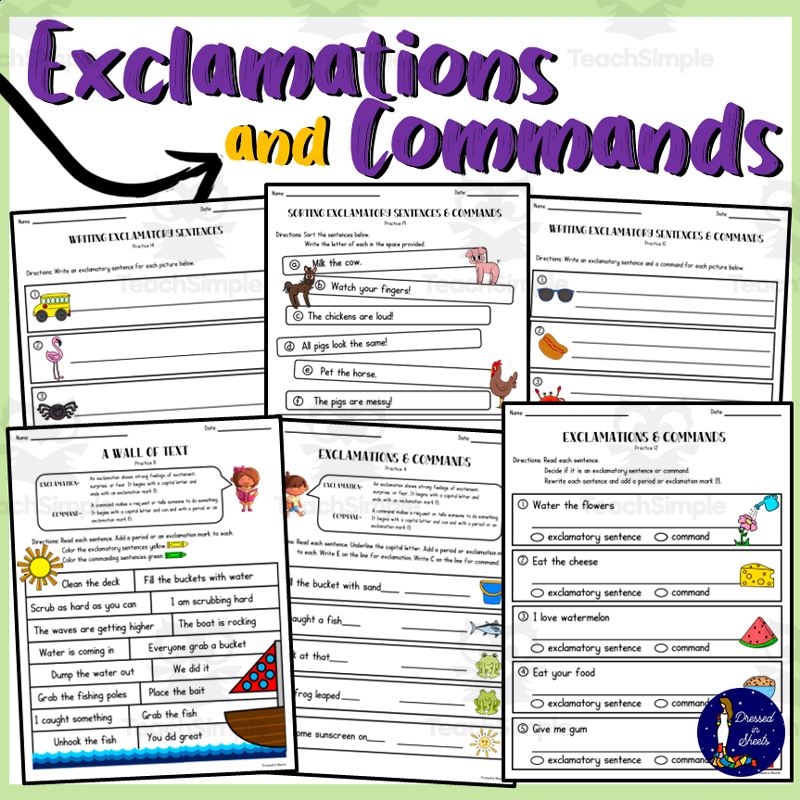
Read sentences and decide whether each is an exclamation or a command, writing 'E' or 'C', adding the correct end punctuation, and in some activities rewriting or color-coding sentences by type.