Reading & language
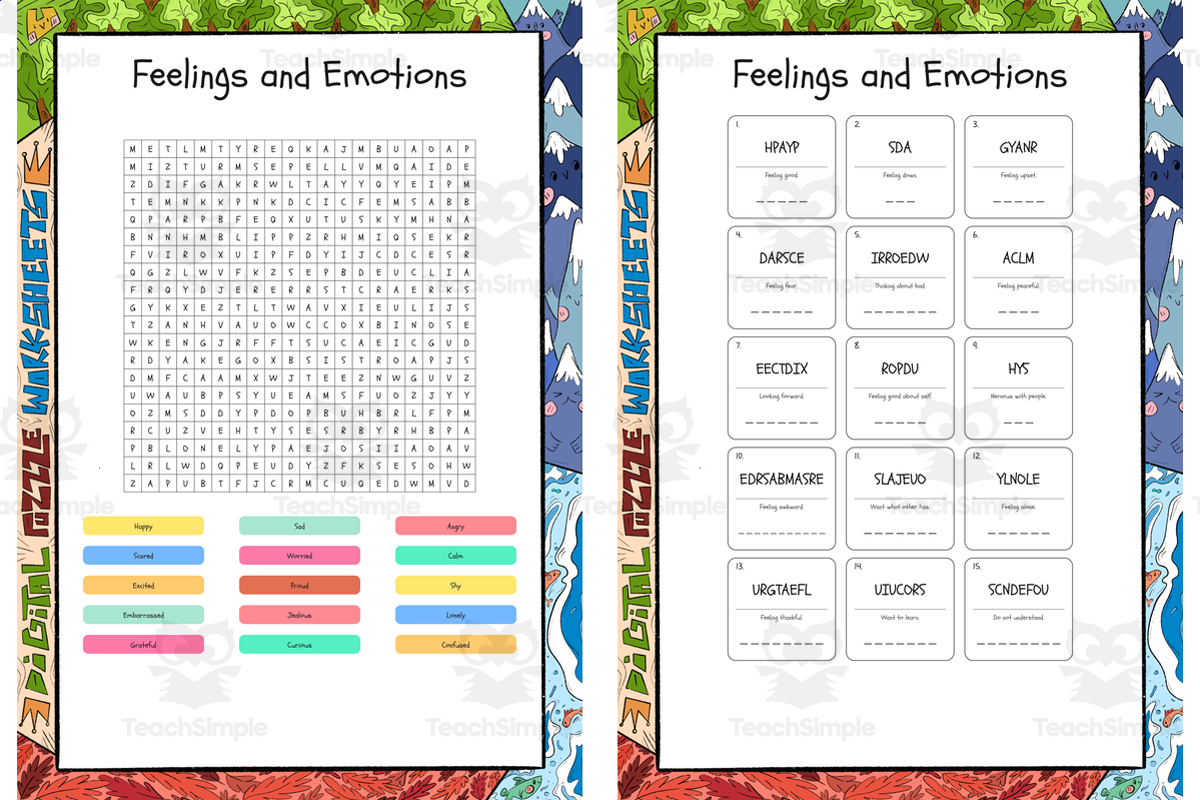
Feelings and Emotions word search, scramble and crossword puzzle
Vocabulary practice for feelings/emotions words through a word search, word scramble, and crossword puzzle.
Answers included




Classroom resources
Browse by lesson focus
Choose the topic or kind of practice you need.
Showing 2233–2256 of 2979 resources

 Show filters
 Vocabulary practice for feelings/emotions words through a word search, word scramble, and crossword puzzle.

Solve a 15-clue crossword, unscramble 15 scrambled vocabulary words using given clues, and find 15 vocabulary words hidden in a word-search grid.

Watch a video, match vocabulary terms, sequence events on a timeline, judge true/false statements, role-play key moments, and write a diary entry as a passenger.
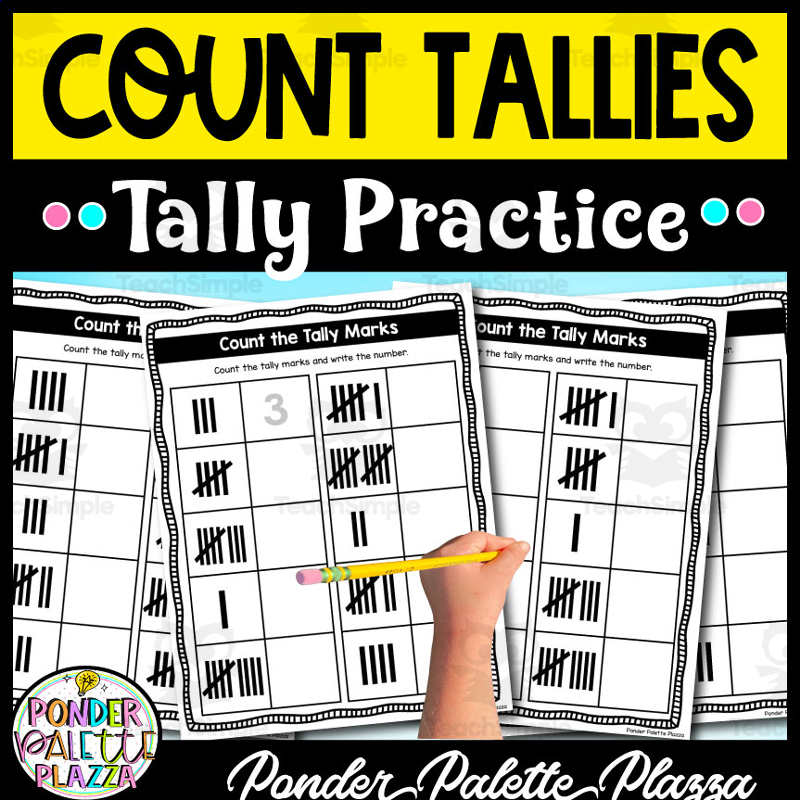
Look at a group of tally marks and write the number they represent.
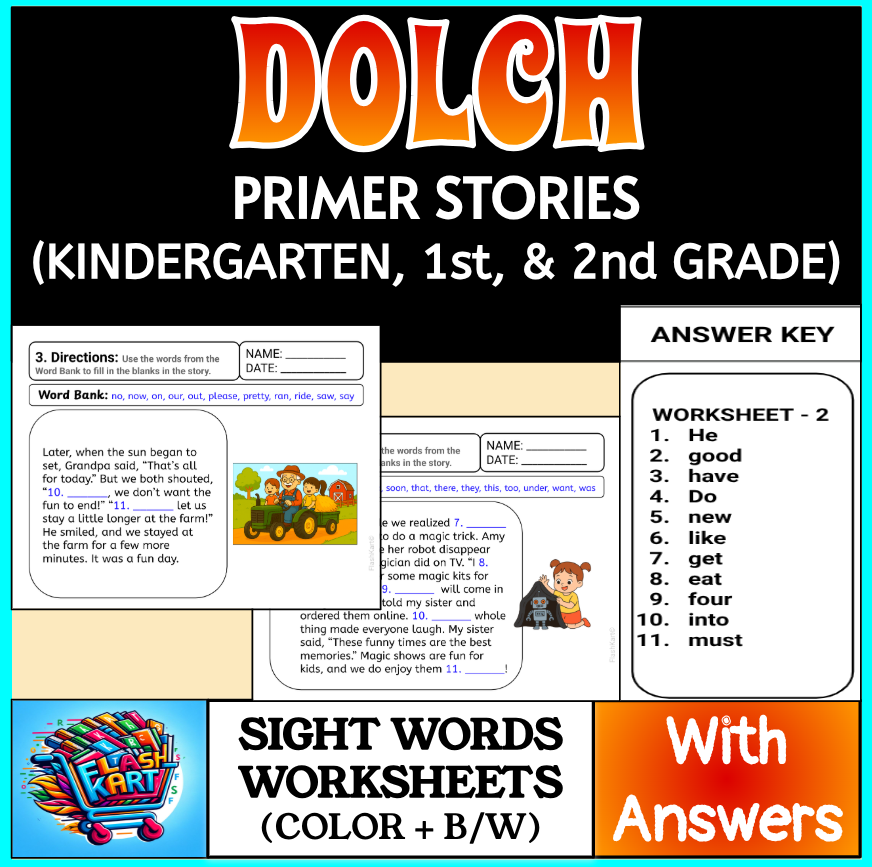
Read each short story, use the word bank of Dolch Primer sight words to fill in the numbered blanks in the story, then check answers against the included key.

Students solve a crossword using clue definitions (e.g. 'Room where lessons happen' = classroom), unscramble letters to form the same vocabulary words, and find those words hidden in a word-search grid.
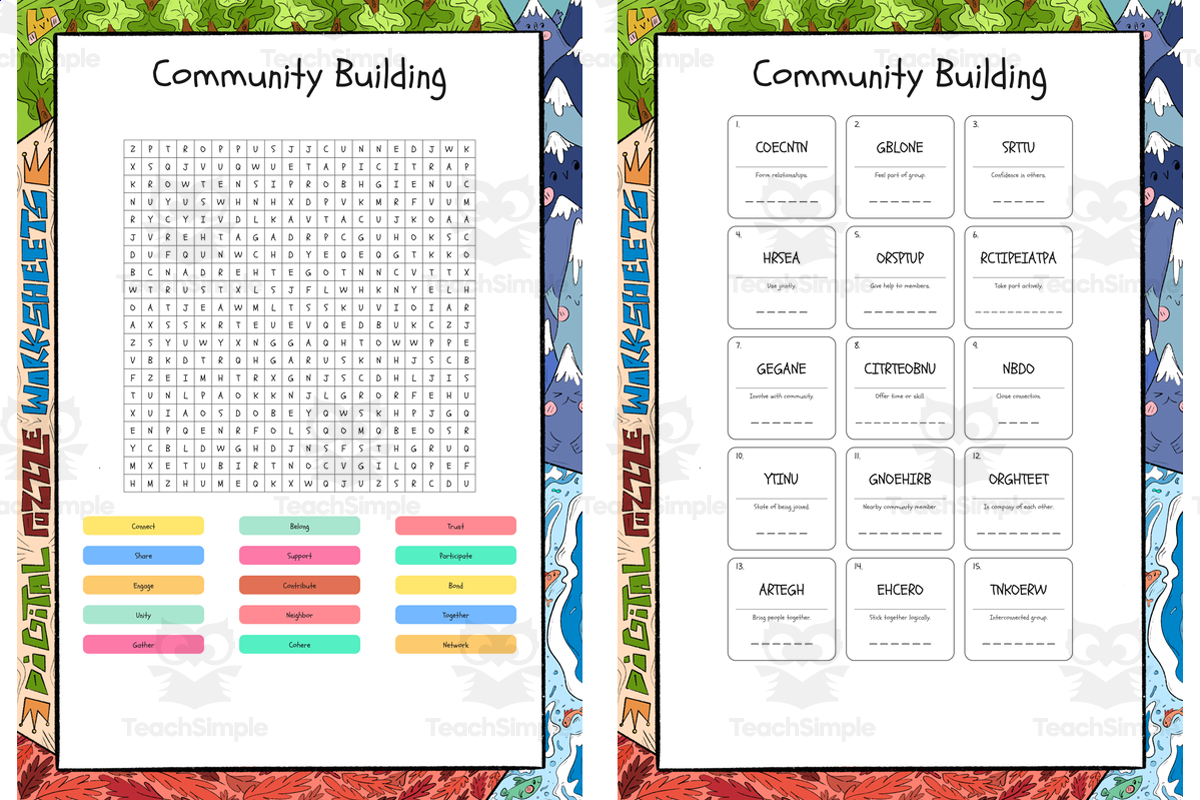
Build vocabulary around community-building and social-emotional learning concepts (e.g., belonging, teamwork, trust) through three puzzle formats.
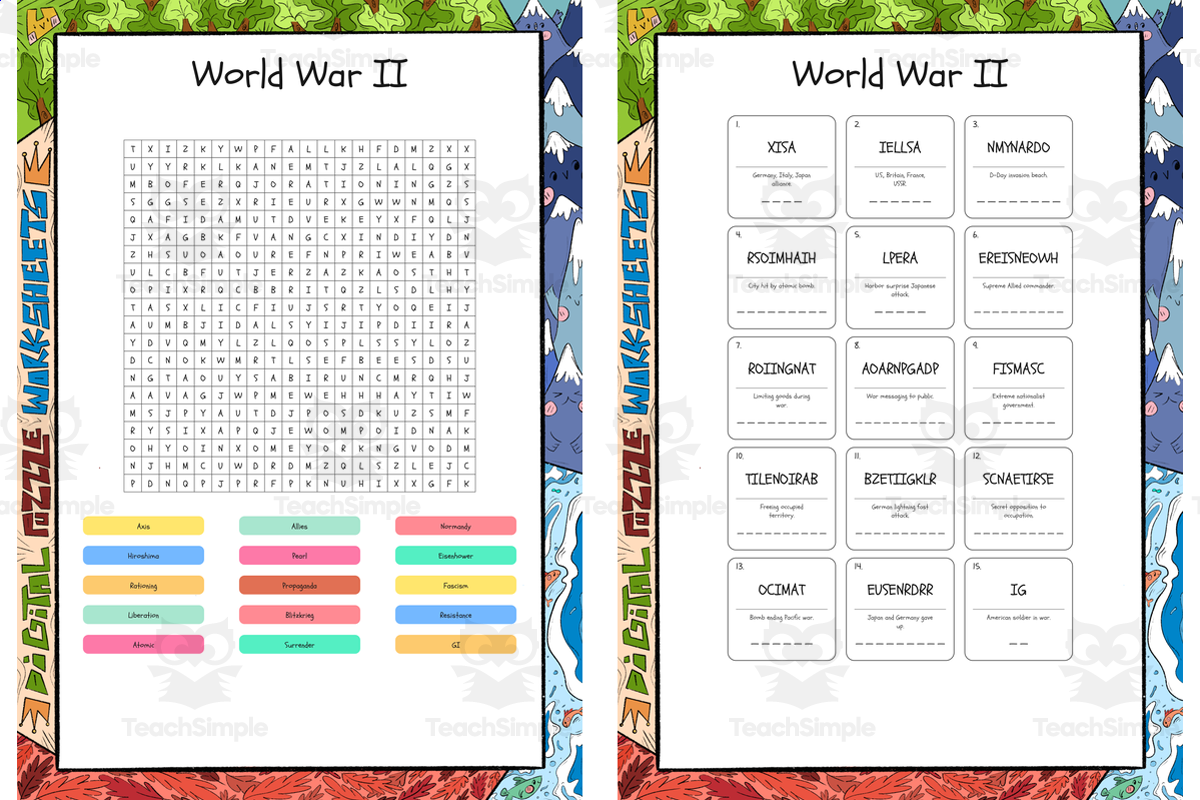
Solve a crossword using WWII vocabulary clues, unscramble scrambled WWII vocabulary words given a clue, and find WWII vocabulary words hidden in a word search grid.
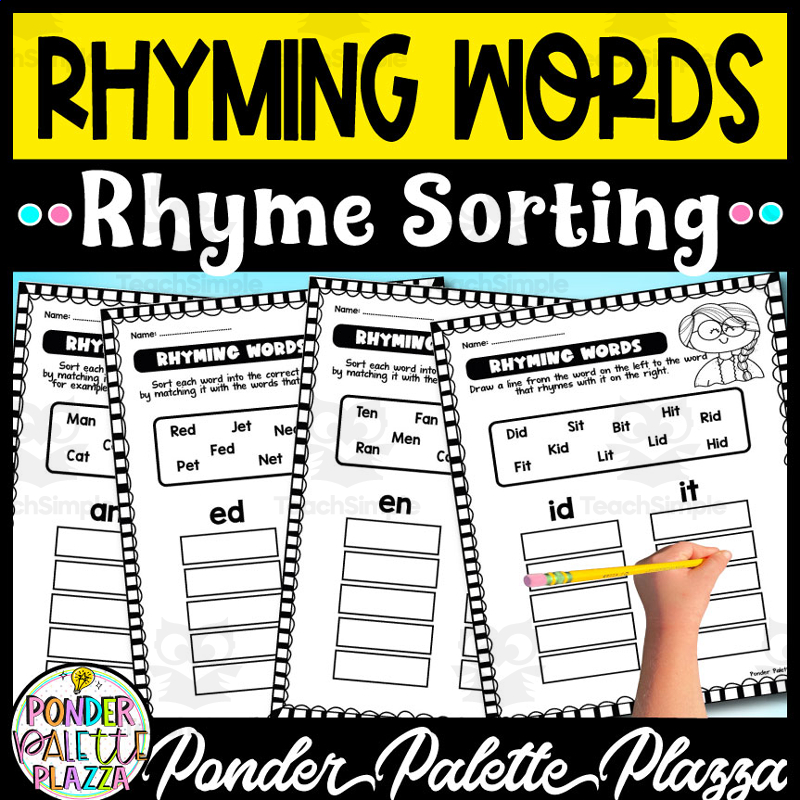
Sort each word into the correct box by matching it with words that share the same rhyming ending.
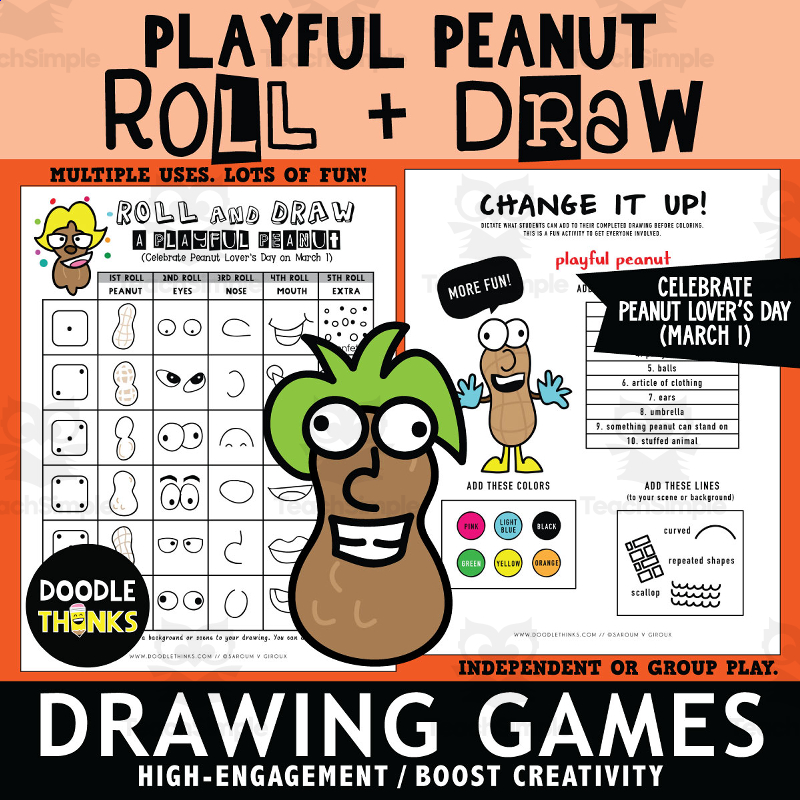
Roll a die repeatedly and draw the corresponding peanut features/extras shown on a roll chart; an optional 'Change It Up' variant dictates additional elements, colors, and line types to add.
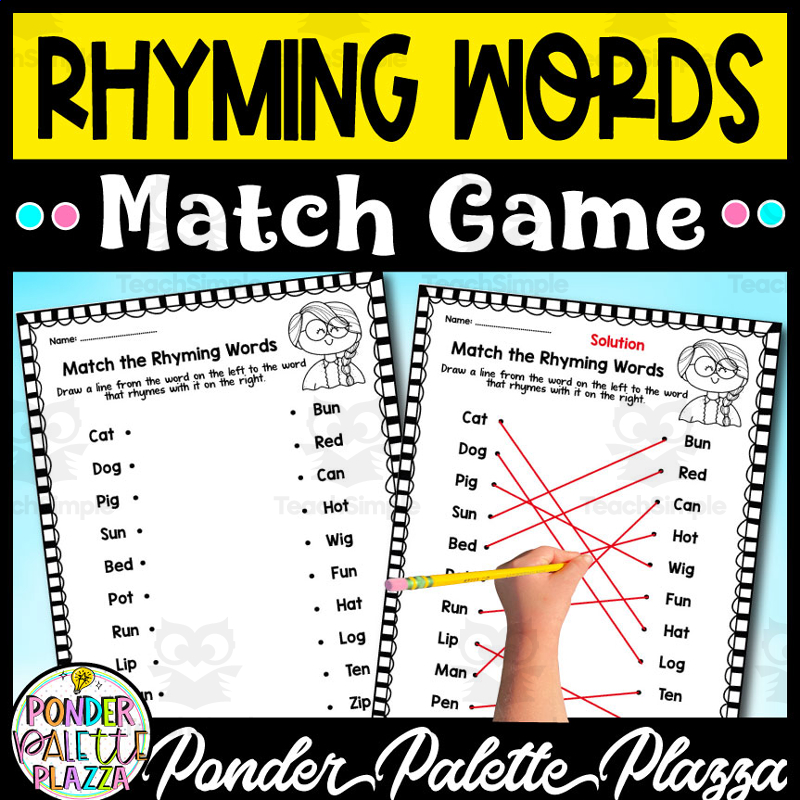
Draw a line from each word on the left to the word on the right that rhymes with it.
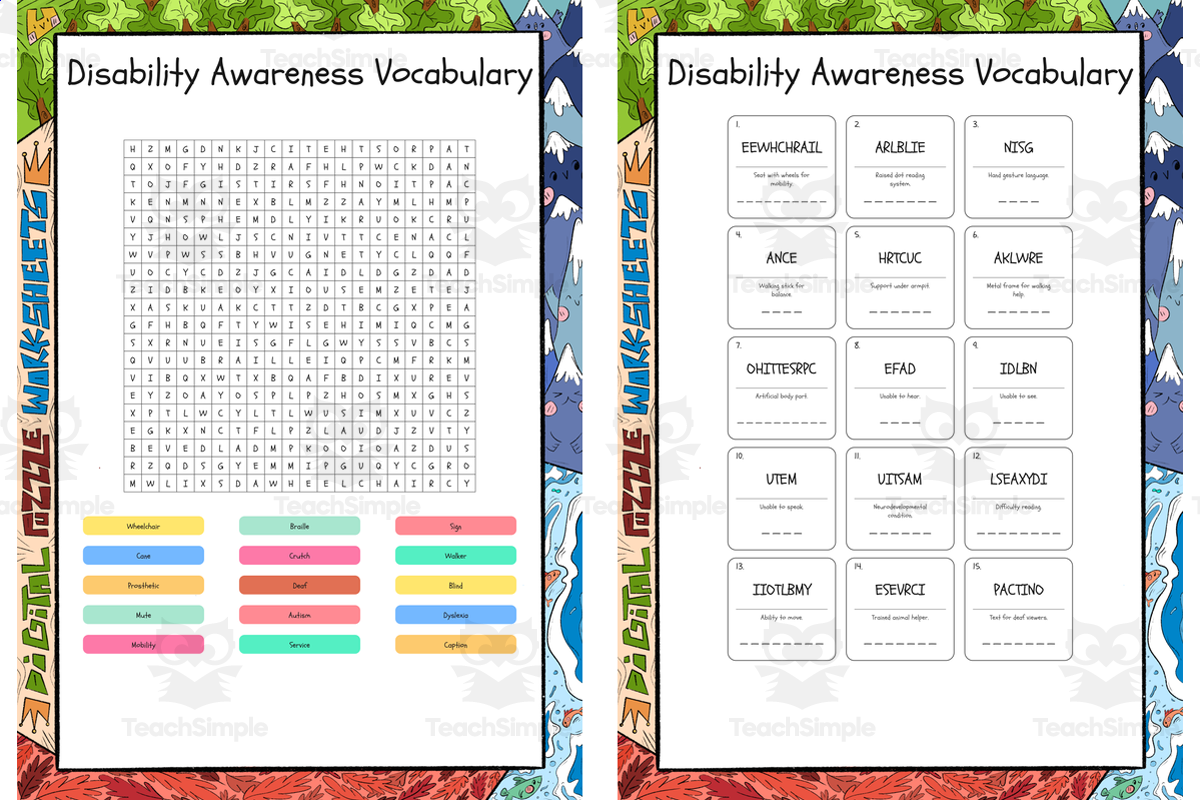
Build disability-awareness vocabulary (e.g., wheelchair, braille, prosthetic, deaf, blind, dyslexia, mobility) through three puzzle formats for a social-emotional learning/inclusion unit.
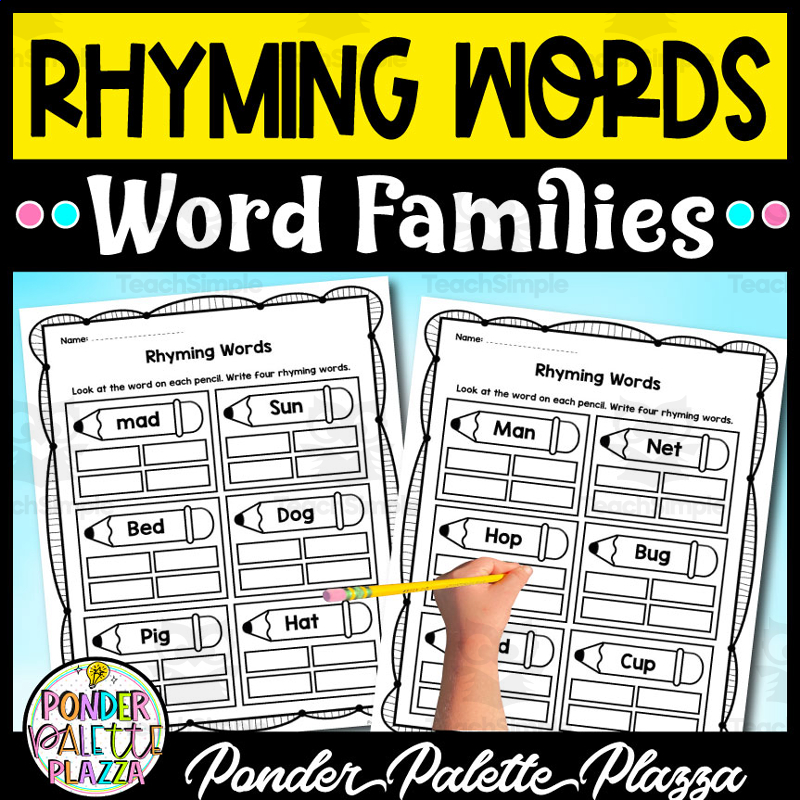
Look at the word on each pencil and write four rhyming words for it.
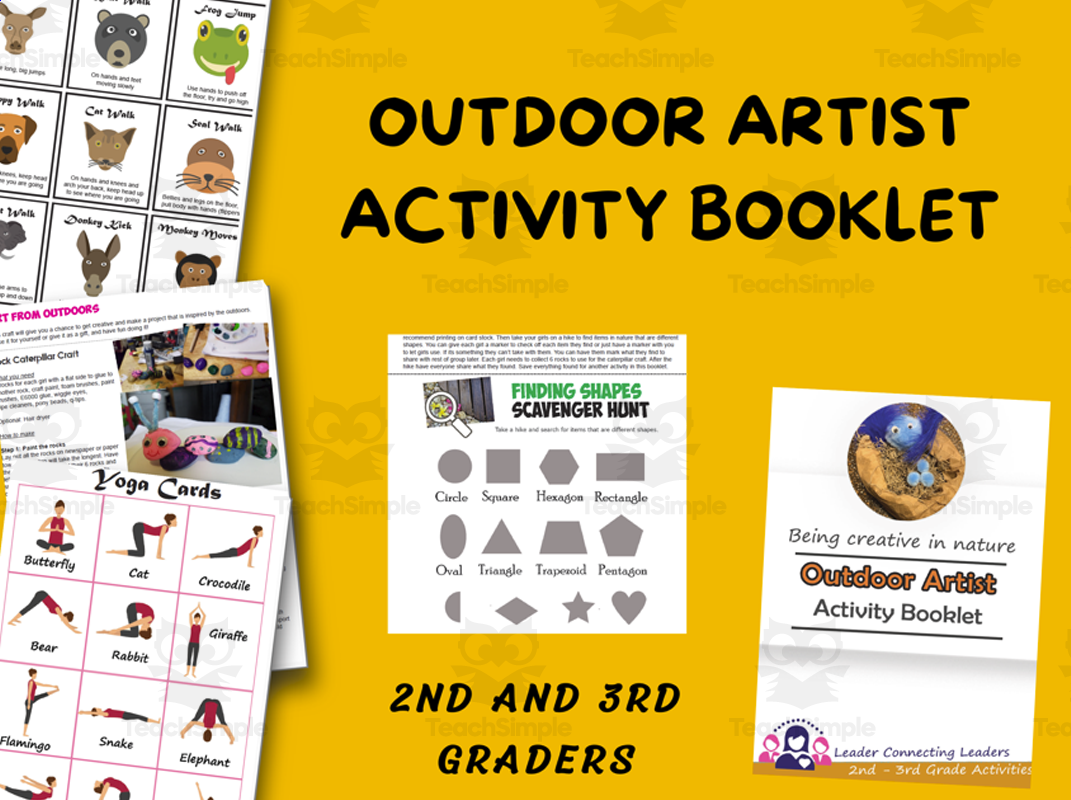
Students go on an outdoor scavenger hunt for natural shapes/items, then use collected materials (e.g., rocks) to complete craft projects such as a rock caterpillar.
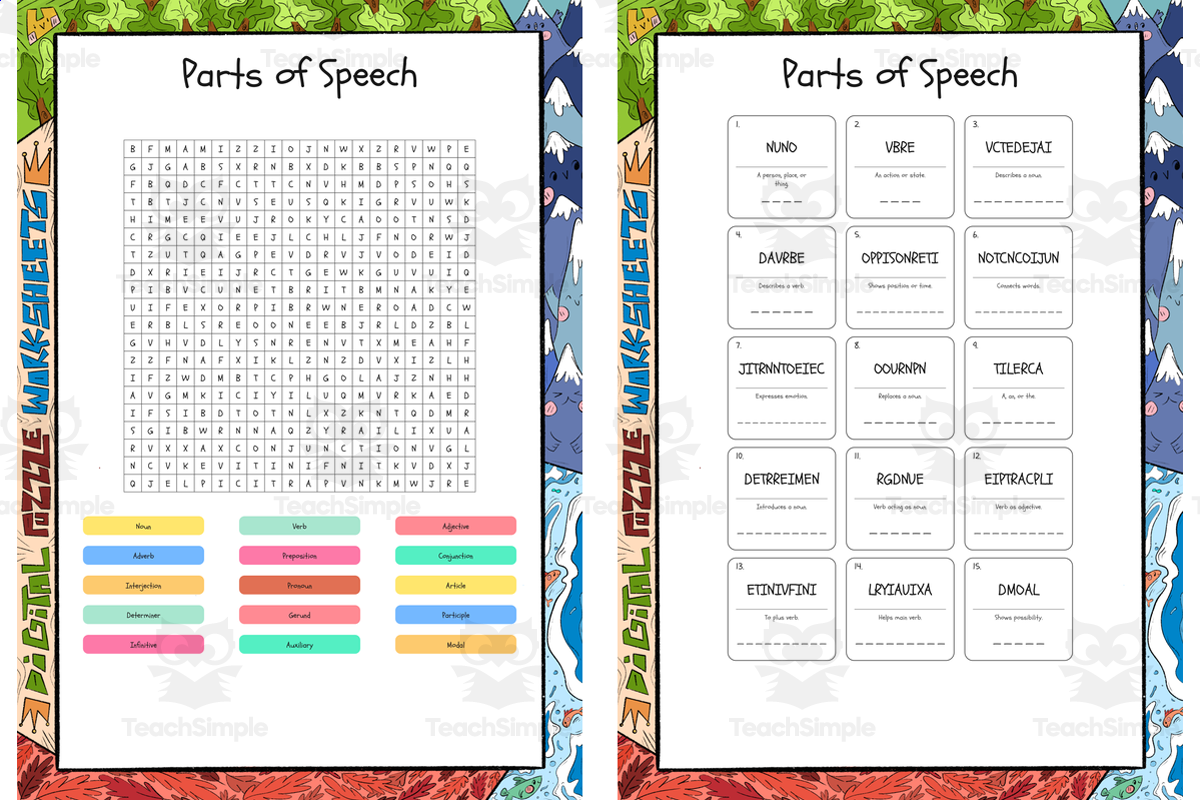
Solve a crossword using parts-of-speech definitions as clues, unscramble 15 scrambled parts-of-speech terms using definition clues, and find the same 15 terms in a word search grid.
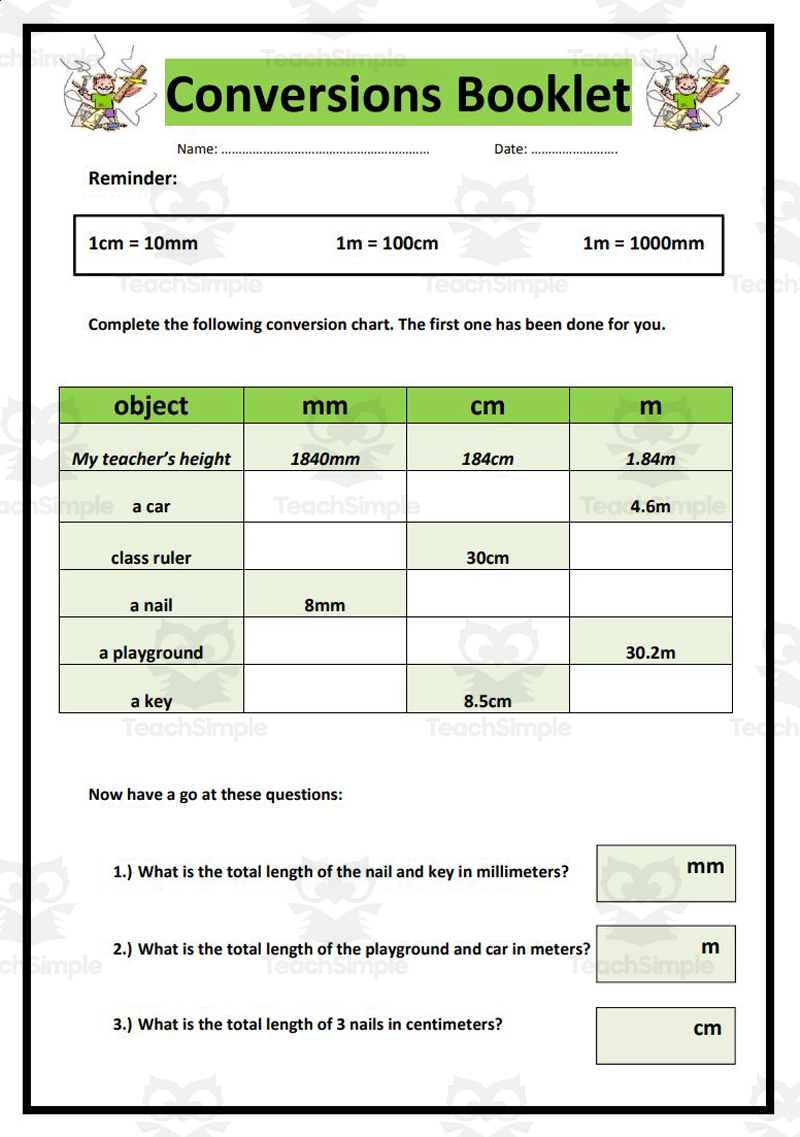
Complete conversion charts between mm/cm/m, ml/cl/l, and g/kg/t; solve related word problems; convert meters to kilometers with and without a calculator; and measure real objects/spaces to practice conversions.

A poetry reading unit teaching theme, main idea, and point of view through three original poems, using group 'detective' style analysis activities, vocabulary cards, and multiple-choice exit assessments.
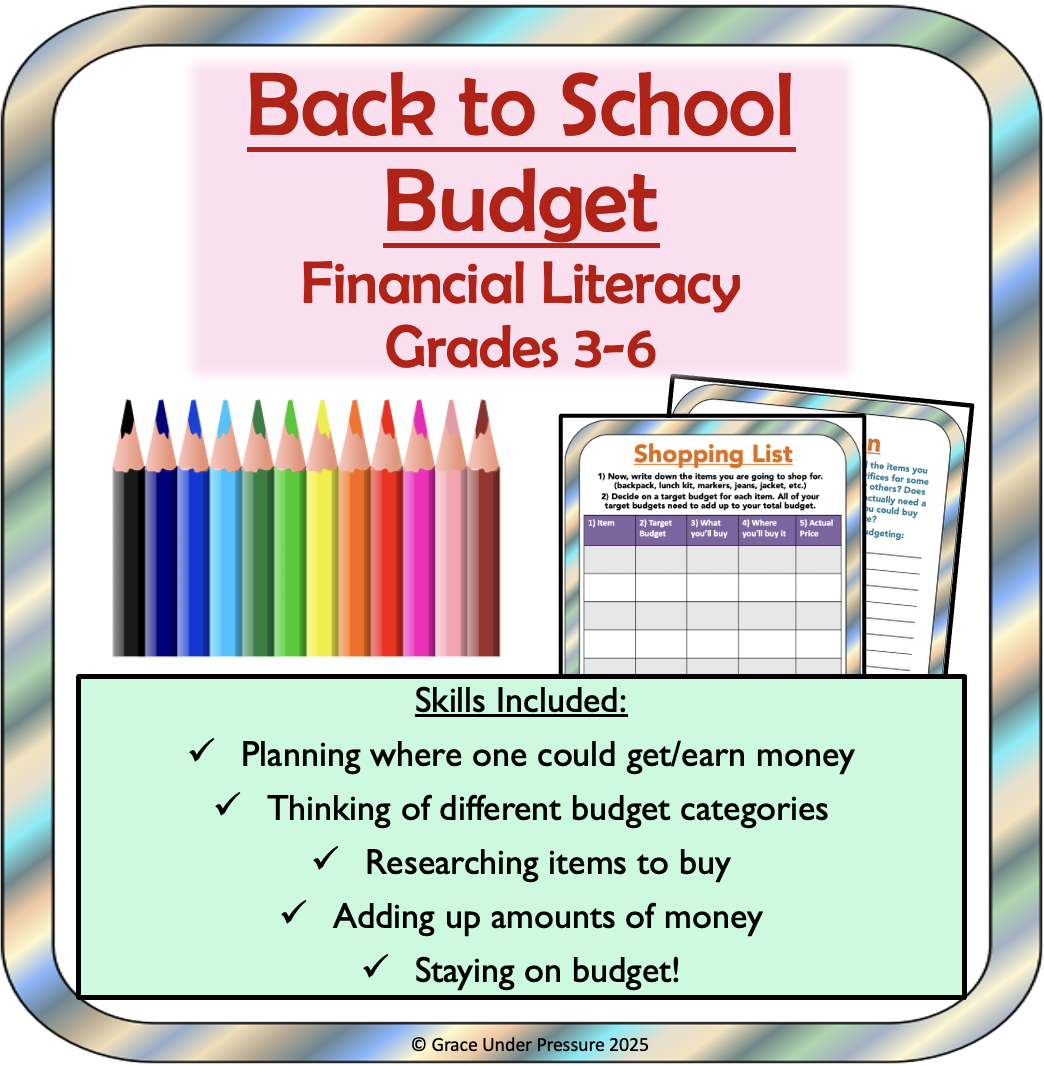
Explain where their shopping money would come from, divide an assigned or imagined budget across categories (e.g. backpack, lunch box, clothes, stationery), use flyers or the internet to 'shop' for items within budget, adjust categories if they overspend, total actual prices to confirm they stayed within budget, and reflect on the…

Teach students about illicit drugs, substance use and abuse, and related behaviours: what makes a drug illegal, categories of drugs and their effects, overdose signs, and how to respond to a drug emergency.

Read syllable-counting explanations and tips, then read the nonfiction song-lyric passage and: count syllables in 14 listed words, sort new words found in the lyrics by syllable count into a graphic organizer, divide those words into syllable parts using / or -, and find and divide a 5-syllable word from the lyrics.
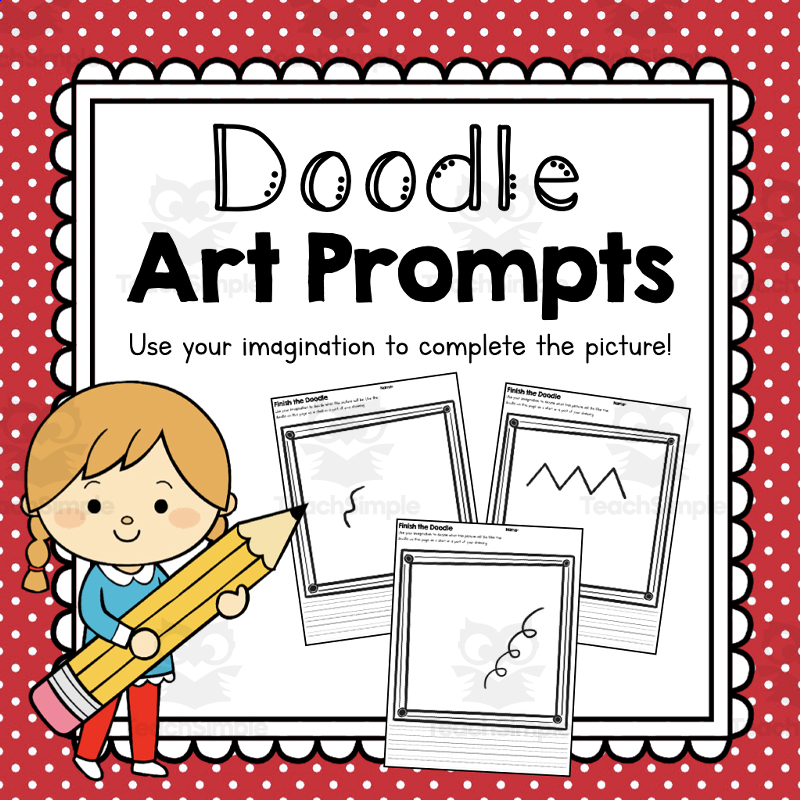
A set of 'Finish the Doodle' drawing prompt sheets that let students use their imagination to complete a partial doodle image, for creativity practice usable as homework, early-finisher work, or a warm-up activity.
 Free download
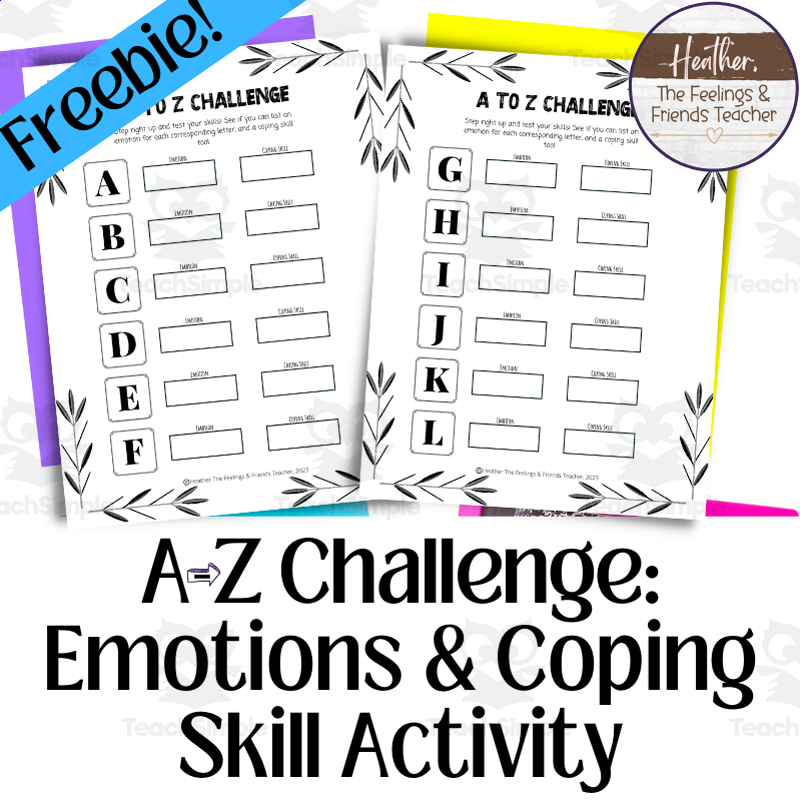
 An A-Z review challenge activity where students identify one emotion and one coping skill for each letter of the alphabet, aligned to Illinois SEL Standard 1A (identify and manage one's emotions).
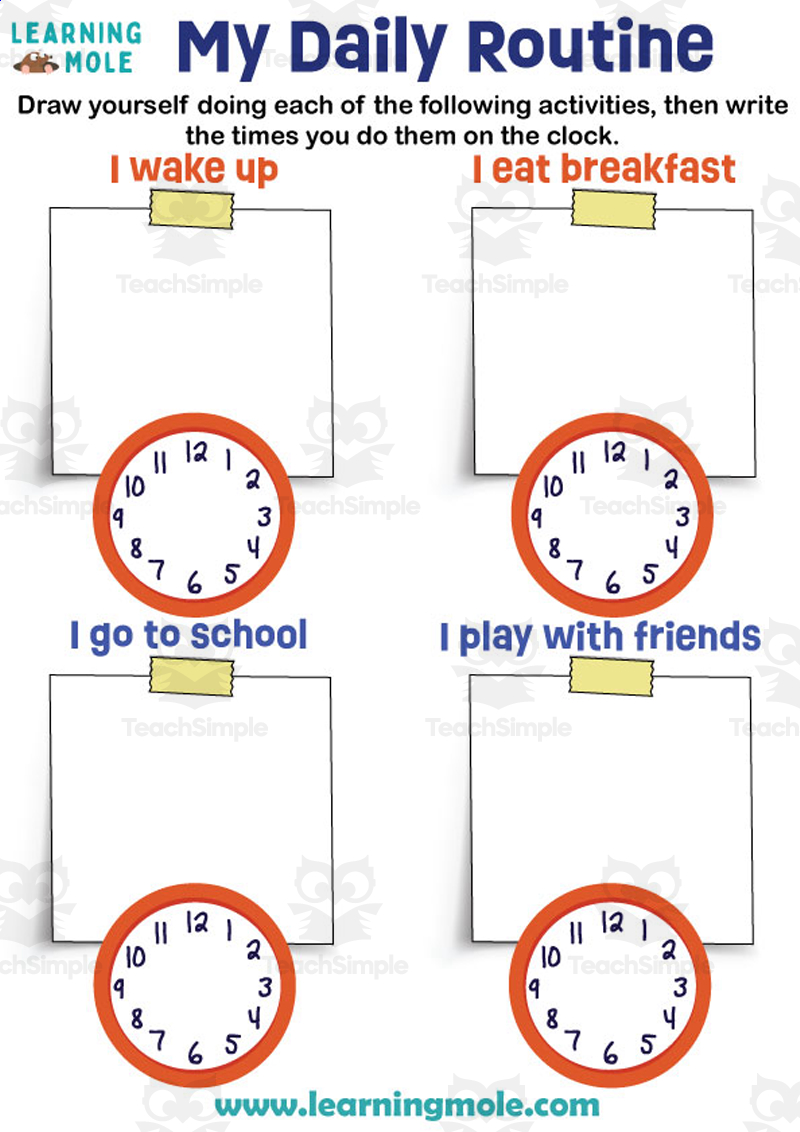
A simple one-page activity for students to depict their own daily routine through drawing and time-telling.

Read one of two leveled passages (labeled A, more complex, and B, simplified) titled 'Sharecropping During Reconstruction,' complete a main-idea/supporting-details graphic organizer, answer a 10-question comprehension quiz (9 multiple choice plus 1 short constructed response), and check work against the provided answer key.