Reading & language
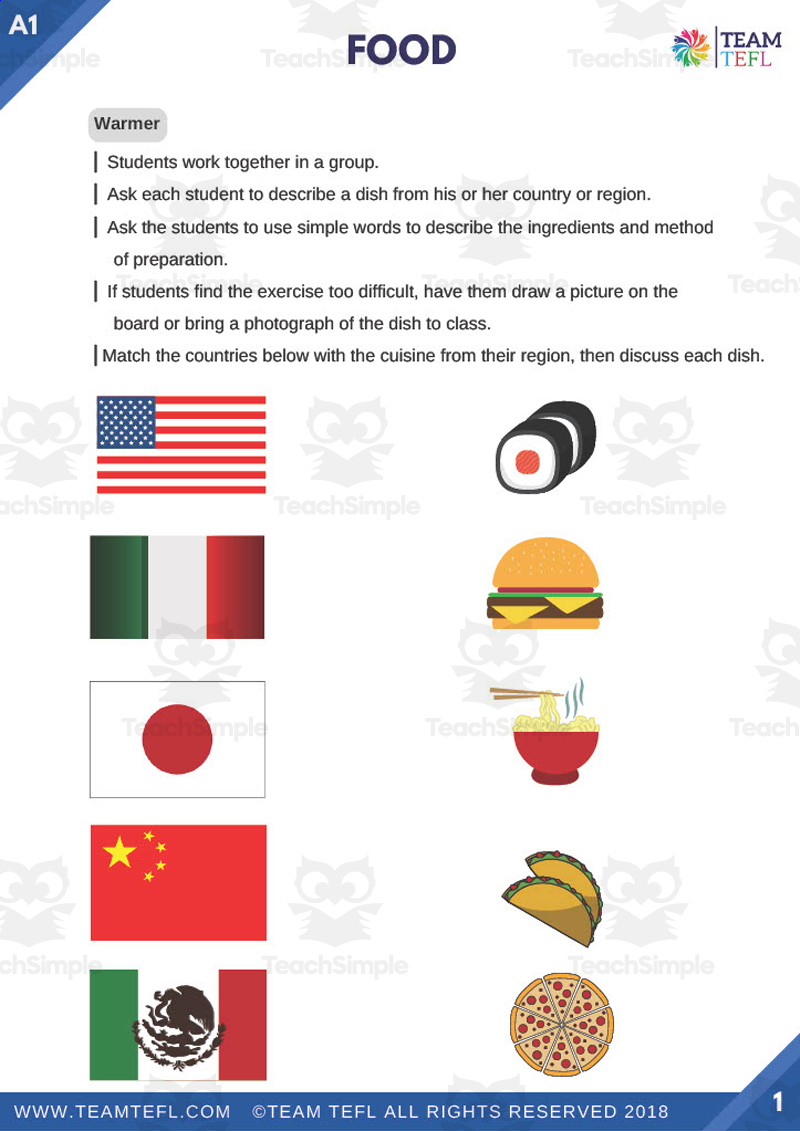
Food Beginner Lesson Plan
Beginner (CEFR A1) ESL/EFL lesson plan teaching food and cooking vocabulary and simple food-related dialogue.
Answers included


Classroom resources
Browse by lesson focus
Choose the topic or kind of practice you need.
Showing 1177–1200 of 3123 resources

 Show filters
Beginner (CEFR A1) ESL/EFL lesson plan teaching food and cooking vocabulary and simple food-related dialogue.
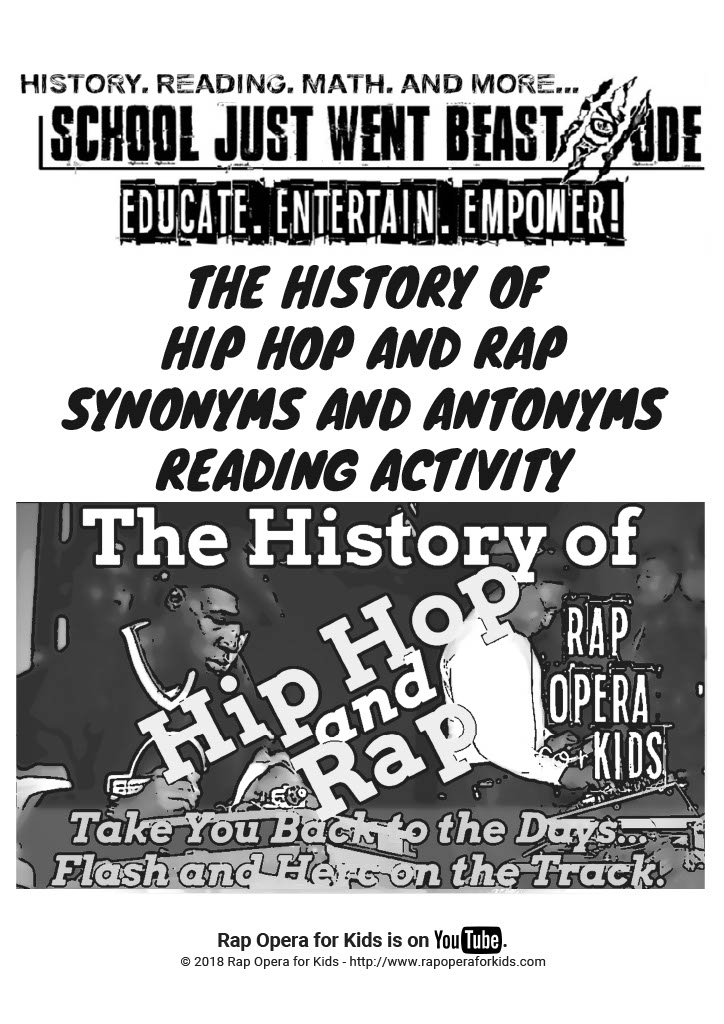
A vocabulary practice set using an original nonfiction rap song about the history of Hip Hop and rap (DJ Kool Herc, Grandmaster Flash) as a reading passage to teach synonym and antonym identification in context.
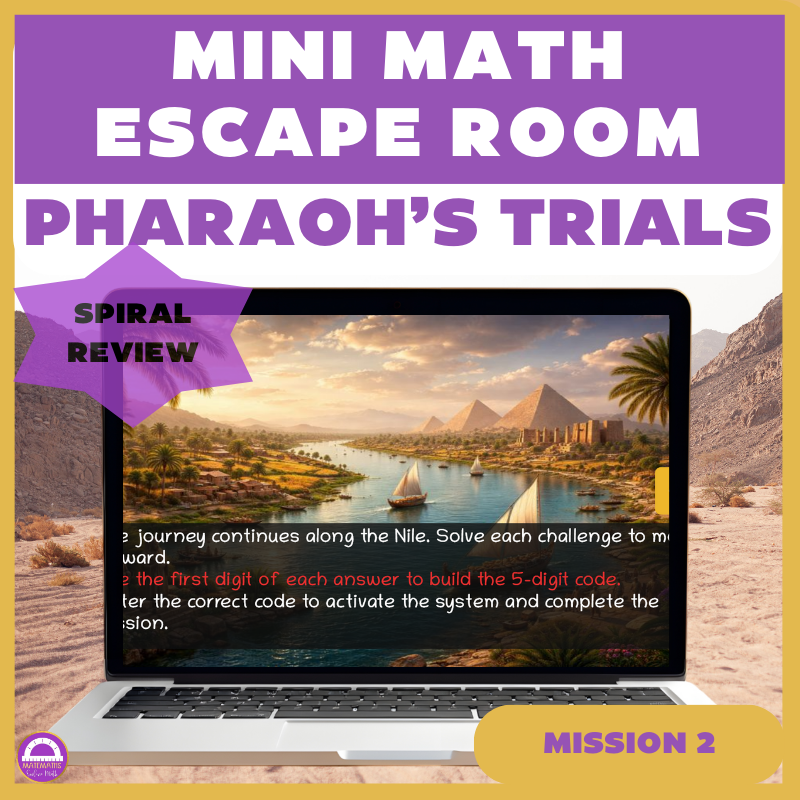
A single daily 8-10 minute spiral-review 'mini escape room' warm-up for 6th grade math, themed as Ancient Egypt, reviewing previously taught skills.
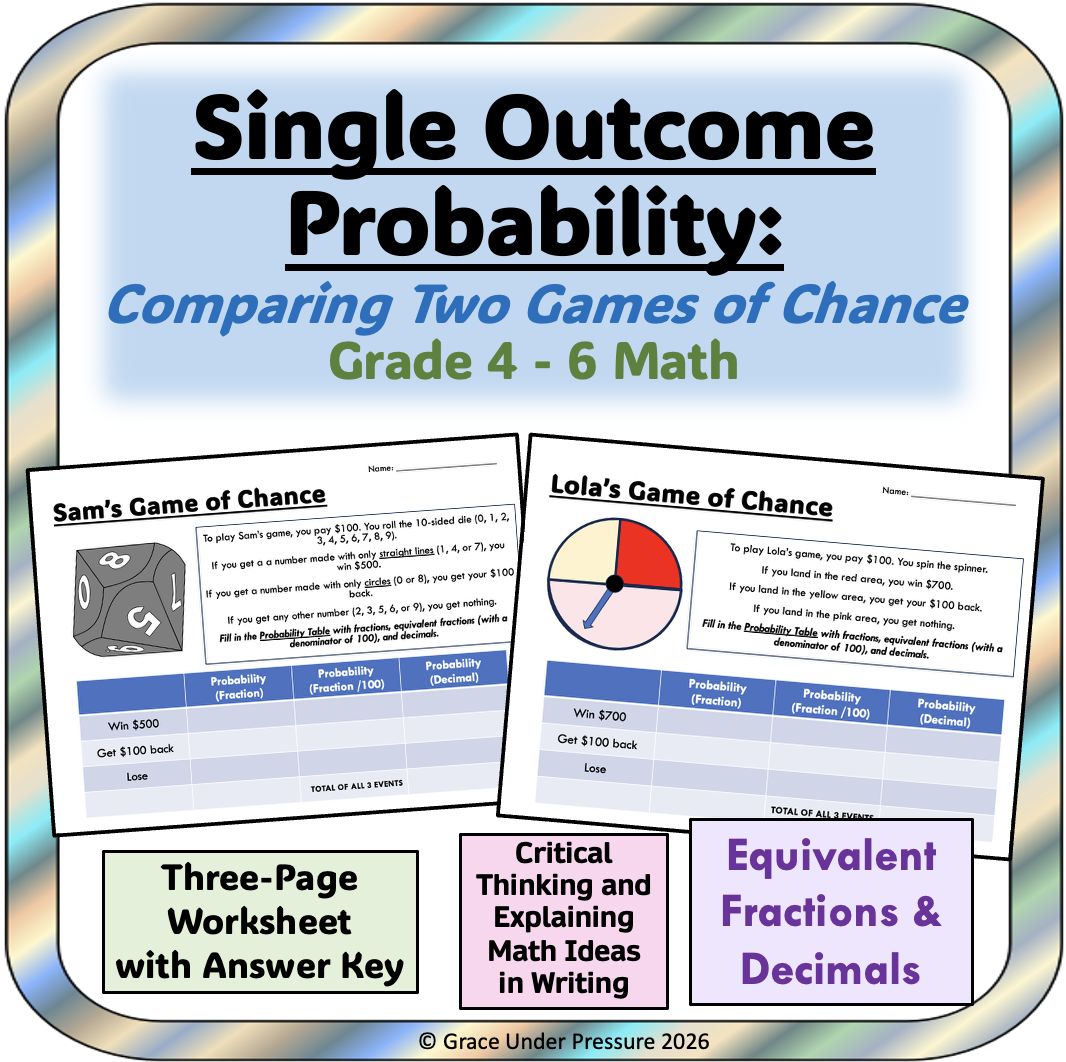
A grade 4-5 math lesson teaching theoretical probability of single-outcome events, expressed as fractions, equivalent fractions out of 100, and decimals, using two games of chance.
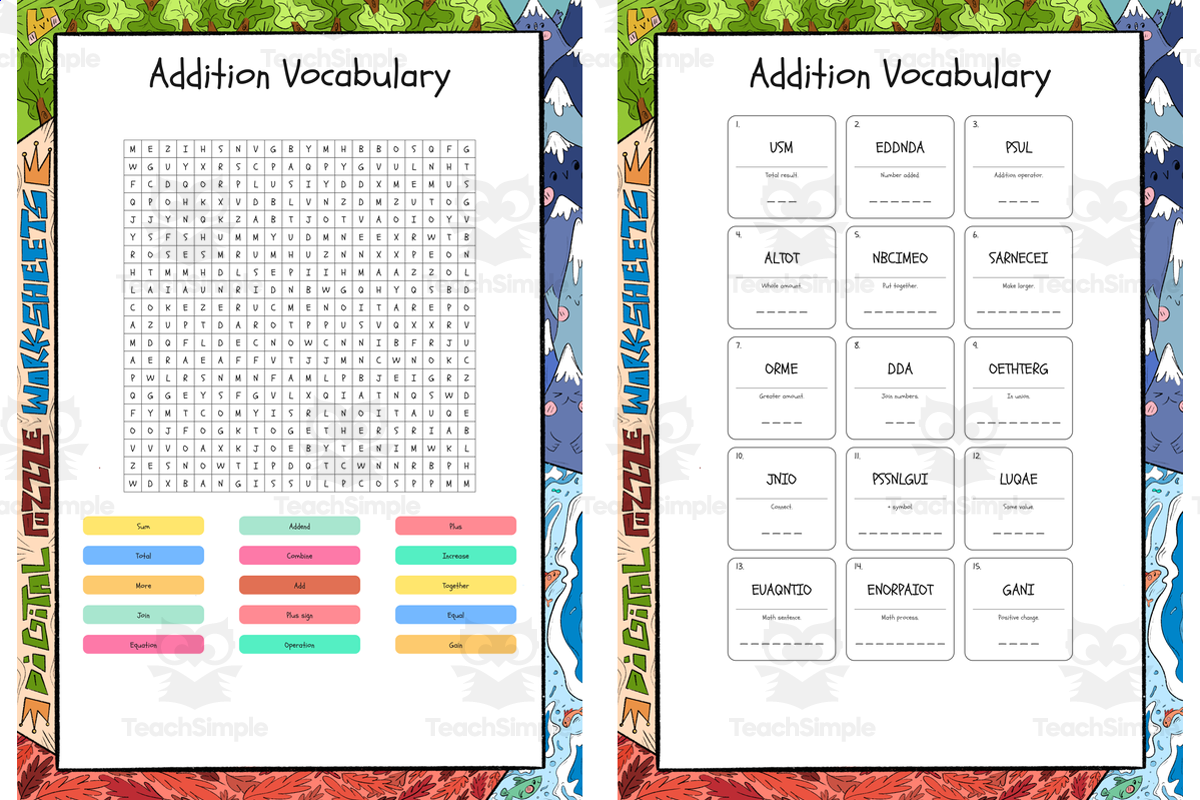
Build familiarity with addition-related vocabulary (addend, sum, plus, equation, etc.) through three puzzle formats.

Practice dental health vocabulary through a crossword, a word scramble, and a word search built from the same word list.
A hands-on introductory math lesson using egg cartons and counters to teach improper fractions and mixed numbers.
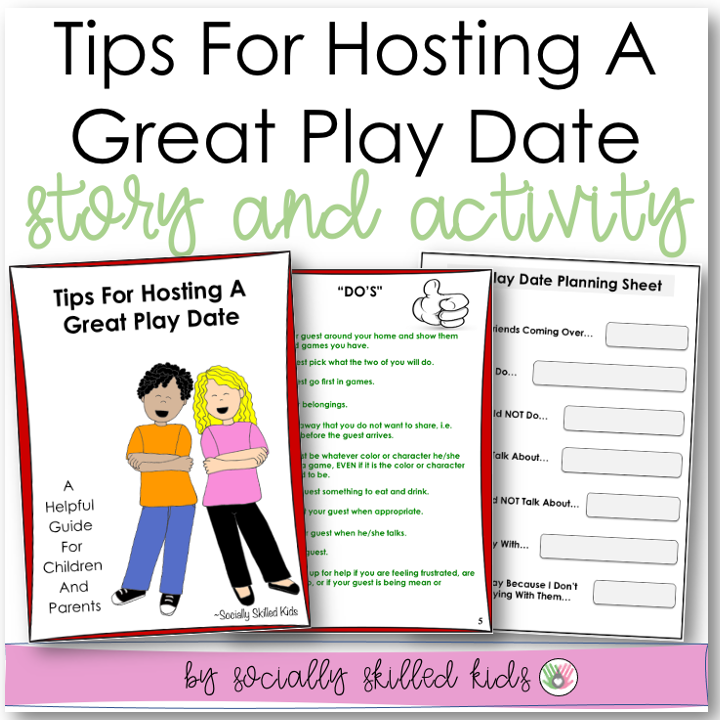
A social skills story that teaches young children the social rules and etiquette of hosting a play date (being a good host, sharing, taking turns), with a companion section of tips for parents.
Guides students through independent biographical research on J.R.R. Tolkien and a structured 5-paragraph research-essay assignment (thesis-driven introduction, early-life paragraph, exploring Tolkien’s most significant literary achievements, analyzing Tolkien’s legacy and influence on modern literature, conclusion, and works cited page).
Introduce students to the life and art of Vincent Van Gogh through a nonfiction reading passage paired with cross-curricular practice in reading comprehension, math, vocabulary, and art.
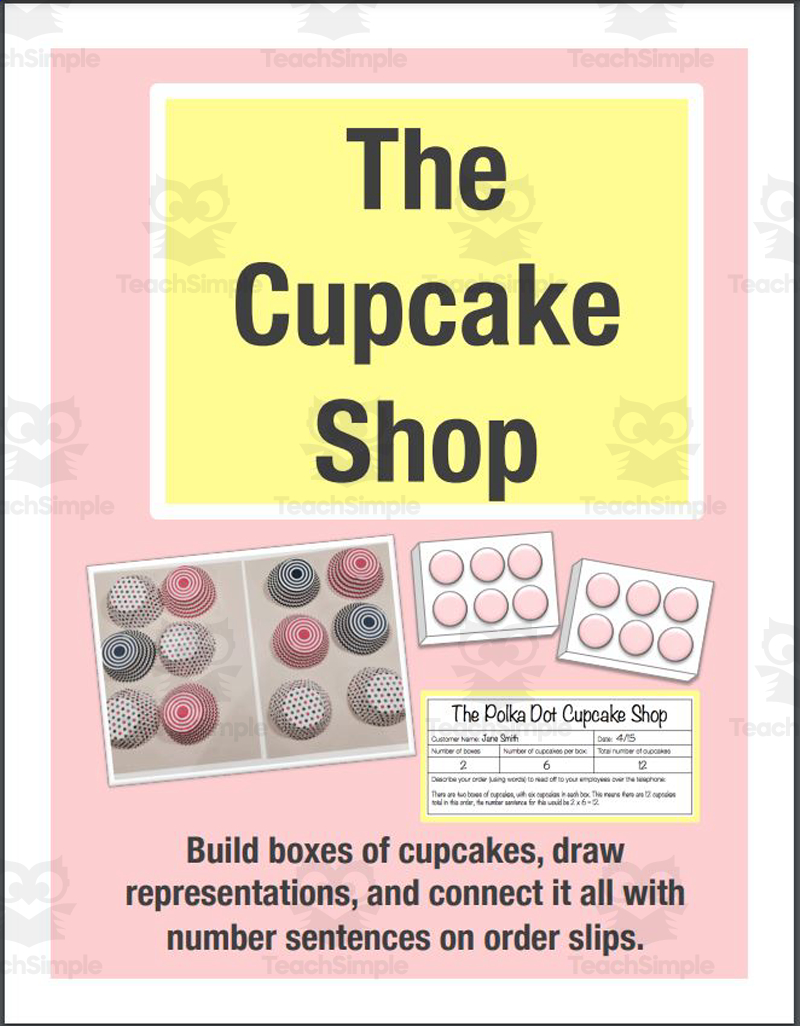
Teach multiplication of equal groups (3s, 4s, 5s facts) through a themed 'cupcake shop' project using the concrete-representational-abstract (CRA) instructional sequence.
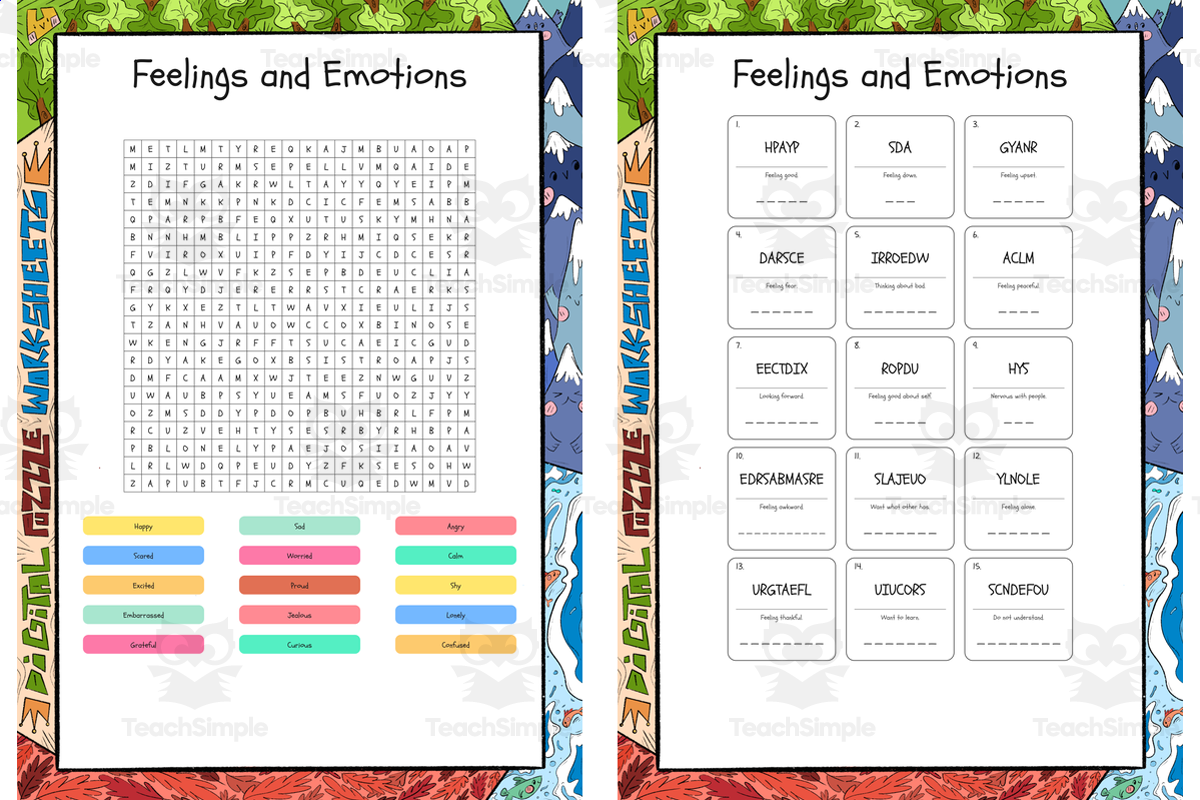
Vocabulary practice for feelings/emotions words through a word search, word scramble, and crossword puzzle.
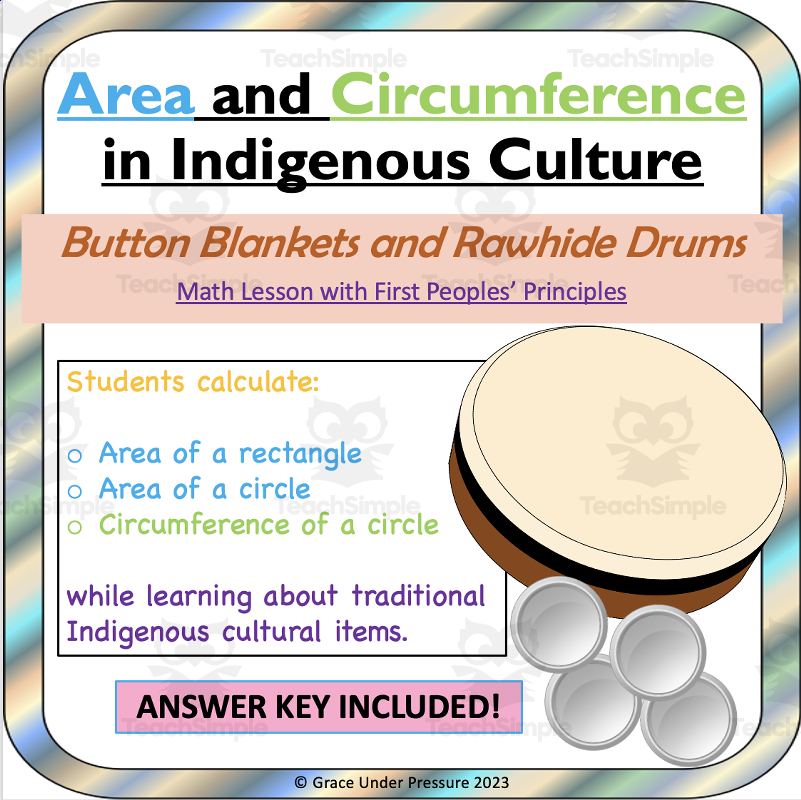
A math lesson that teaches area and circumference calculation using culturally themed problems based on Indigenous (First Peoples) button blankets and rawhide drums.

Guides students through independent biographical research on Jason Reynolds and a structured 5-paragraph research-essay assignment (thesis-driven introduction, early-life paragraph, exploring Reynolds’ most significant literary achievements, analyzing Reynolds’ legacy and influence on young adult literature, conclusion, and works cited…

A three-puzzle vocabulary set (crossword, word scramble, word search) covering key slavery and abolition terms for a Civil War unit.
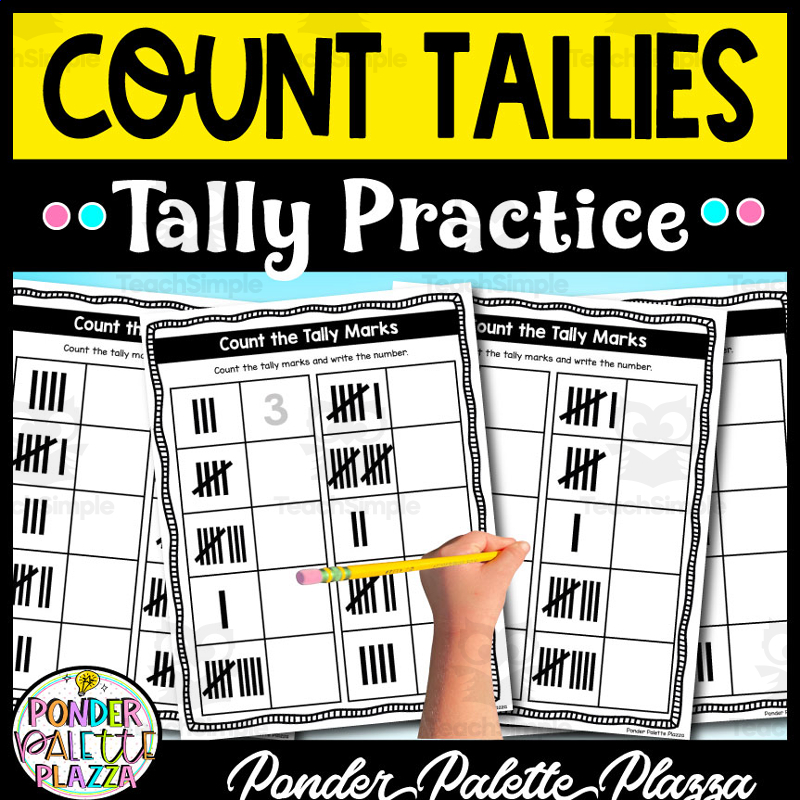
Practices counting tally marks and writing the corresponding number.
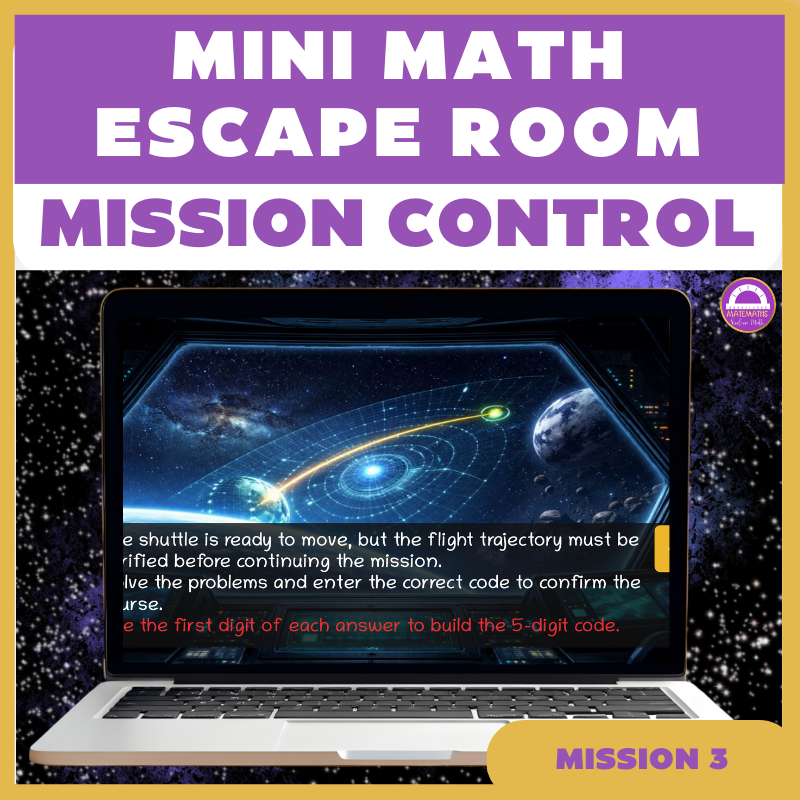
A 10-minute daily spiral-review warm-up/escape-room activity ('Math Missions: Space Edition - Mission 3') reviewing ratios, unit rates, fraction simplification, decimal comparison, and order of operations for 6th grade.

A three-puzzle back-to-school vocabulary practice set: a crossword, a word scramble, and a word search, all built from the same 15 school-related vocabulary words with clue-style definitions.
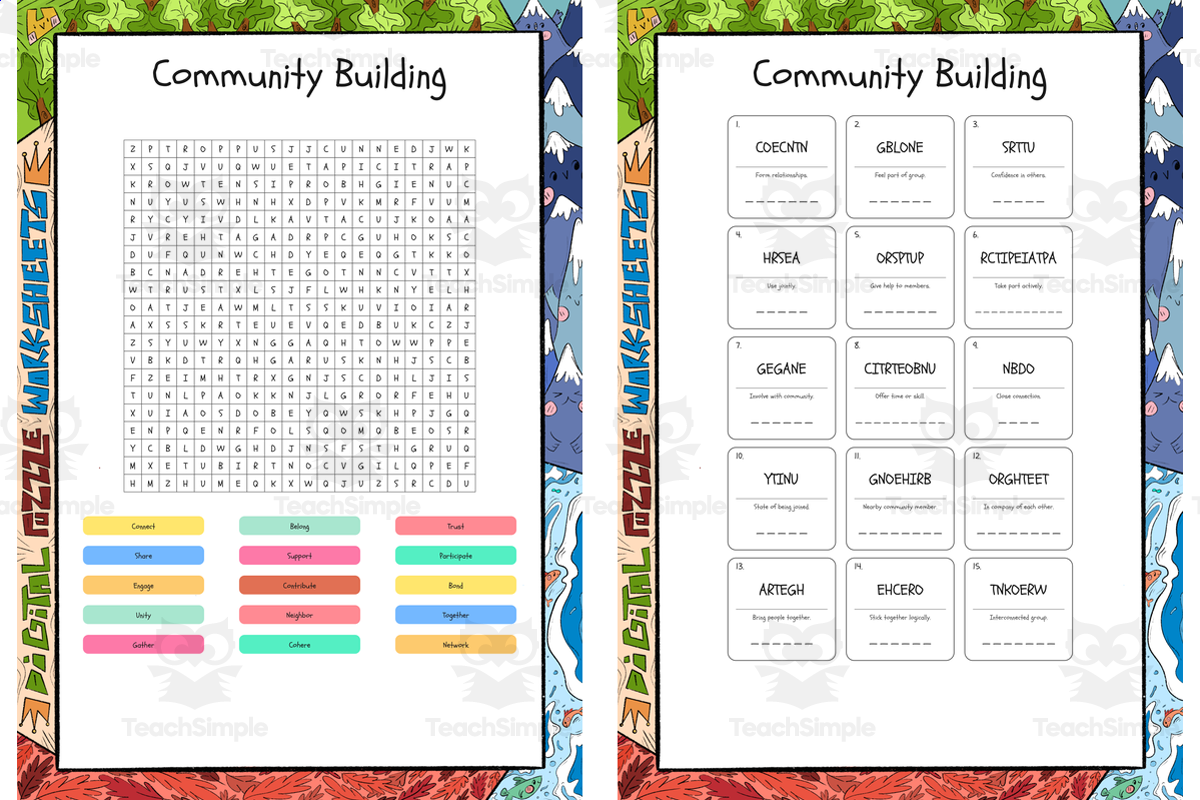
Build vocabulary around community-building and social-emotional learning concepts (e.g., belonging, teamwork, trust) through three puzzle formats.
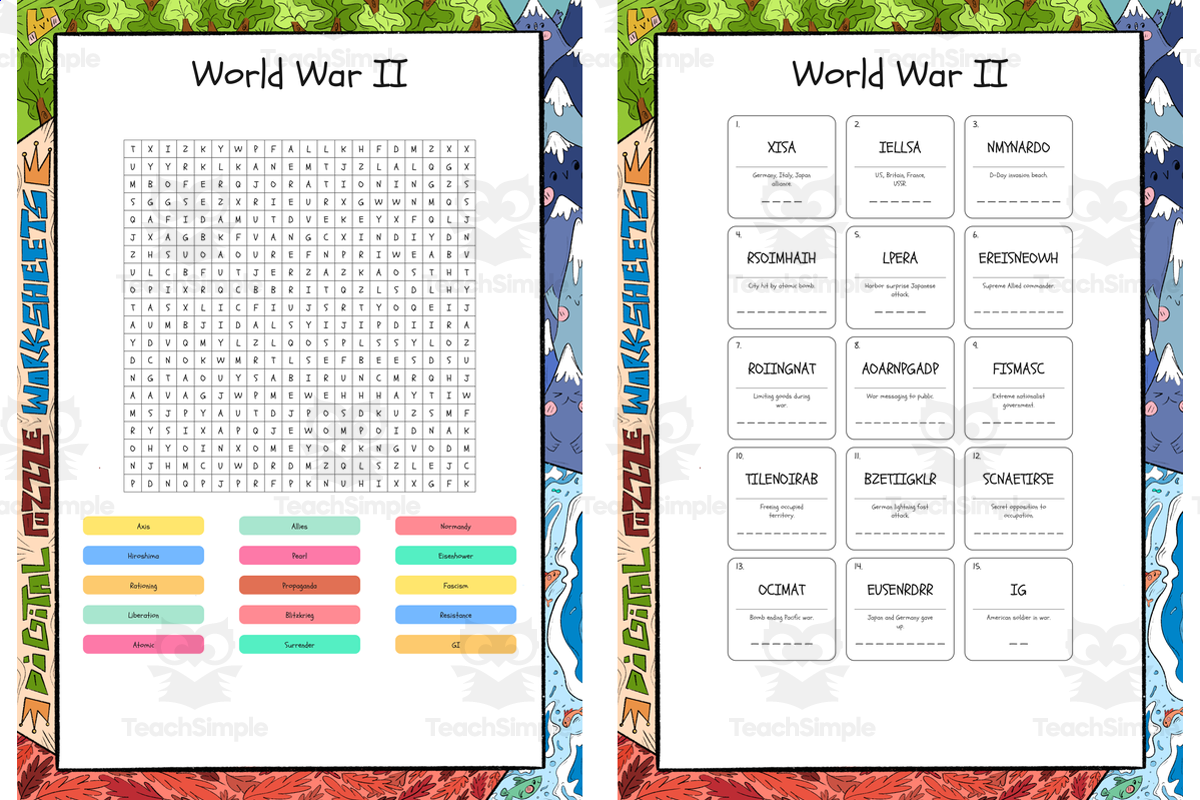
A vocabulary-building puzzle set that introduces students to key World War II terms and figures.
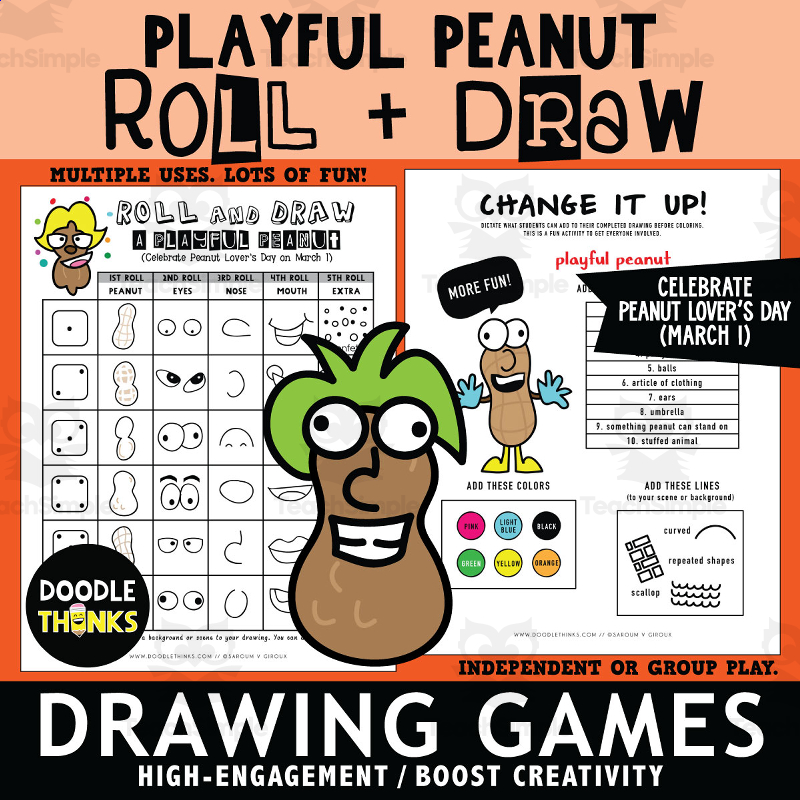
A no-prep dice-based drawing game themed around Peanut Lover's Day (March 1) where students build a picture by rolling dice for facial features and extras.
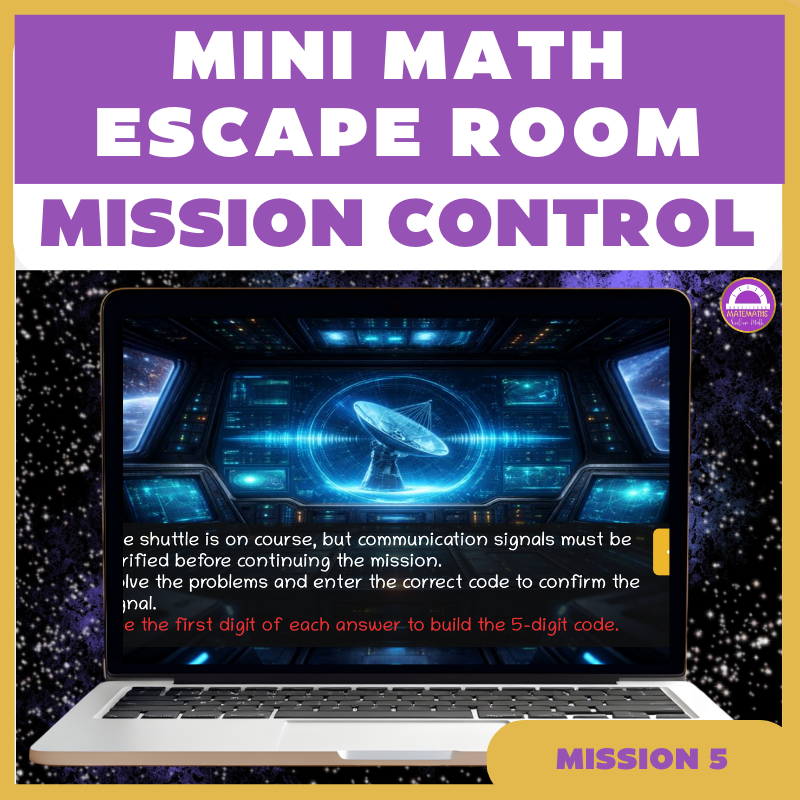
A 10-minute daily spiral-review warm-up/escape-room activity ('Math Missions: Space Edition - Mission 5') reviewing ratios, unit rates, fraction simplification, decimal comparison, and order of operations for 6th grade.
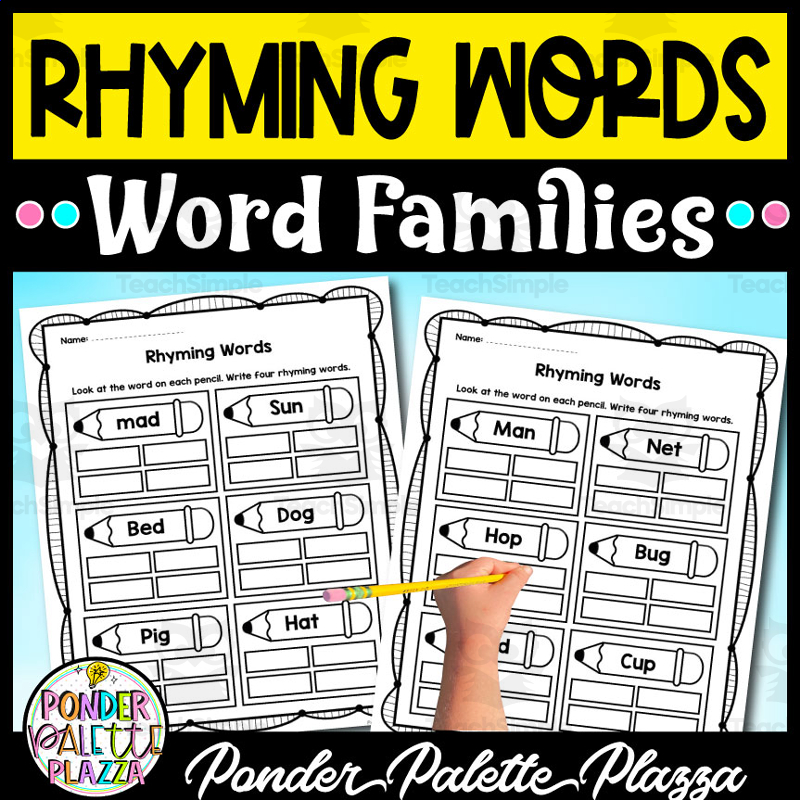
Practice generating rhyming words for given CVC word families.
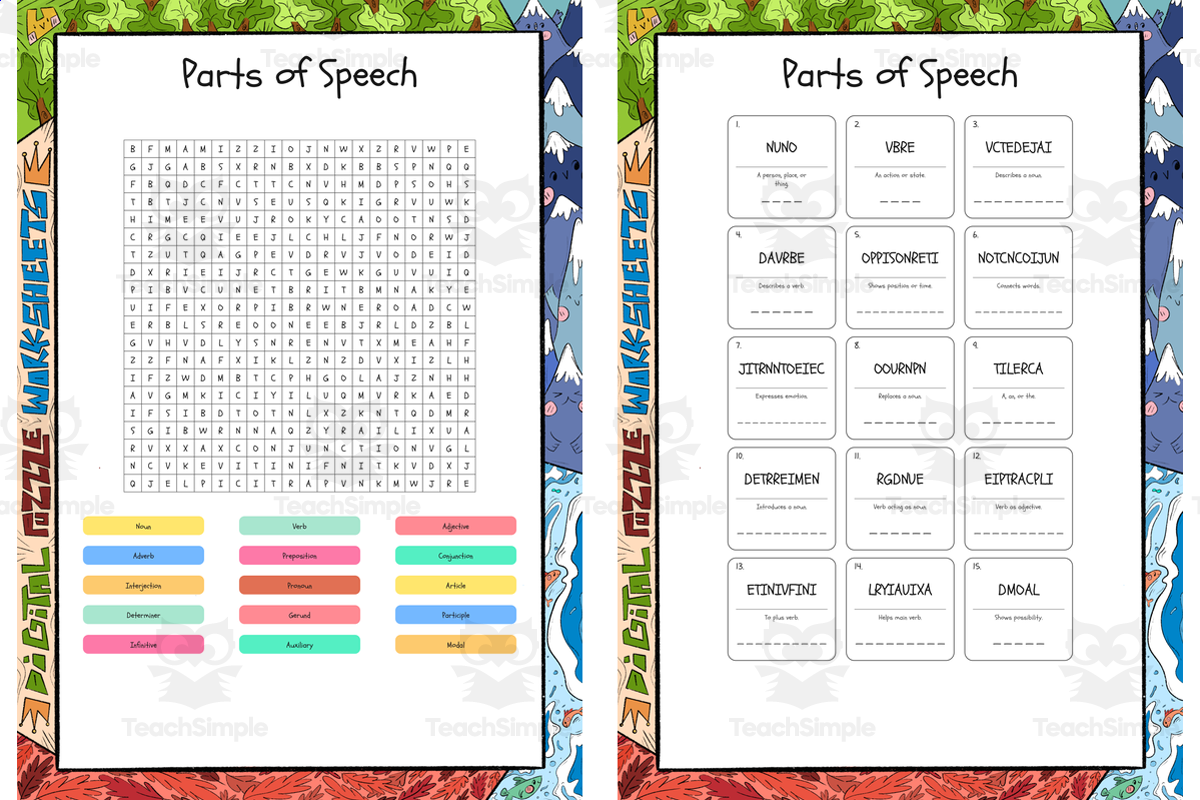
Practices identifying and defining parts-of-speech terminology (noun, verb, adjective, adverb, preposition, conjunction, interjection, pronoun, article, determiner, gerund, participle, infinitive, auxiliary, modal) through three puzzle formats.