
Math & problem solving
Addition and Subtraction
A Grade 3 math workbook/lesson resource teaching addition and subtraction strategies including counting on/back, fact families, algorithms, and word problems.


Classroom resources
Browse by lesson focus
Choose the topic or kind of practice you need.
Showing 1609–1632 of 9958 resources

 Show filters
A Grade 3 math workbook/lesson resource teaching addition and subtraction strategies including counting on/back, fact families, algorithms, and word problems.
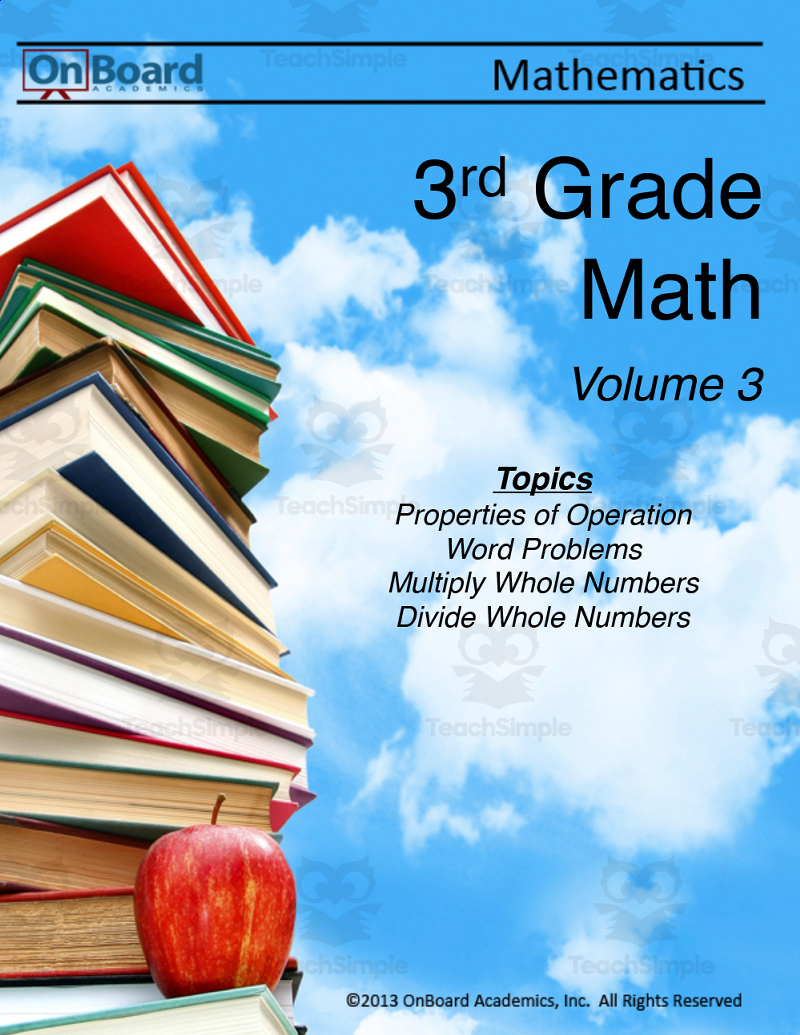
A Grade 3 math workbook covering four topics: properties of operation, word problems, multiplying whole numbers, and dividing whole numbers, each ending in a quiz.

A 'Get Ready For 1st Grade: Grammar and Writing Skills 2' workbook that teaches adjectives, sentence types (statements, questions, exclamations) and their end punctuation, friendly-letter parts and comma usage, capitalization rules (proper nouns, sentence starts, book titles), and compound words.

A Grade 1 language-arts practice workbook (standardized-test-prep style) covering capitalization, punctuation (periods, question marks, exclamation points), common and proper nouns, plural nouns, verbs, and writing/recognizing complete sentences.
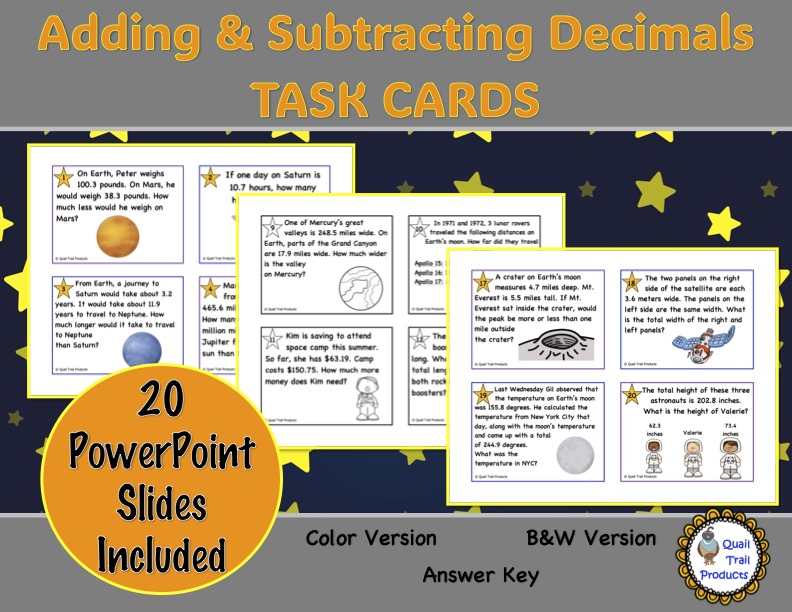
A solar-system-themed set of 20 task cards (as both a PDF and a matching PowerPoint deck) giving decimal addition and subtraction word problems about space facts, for upper-elementary learners.
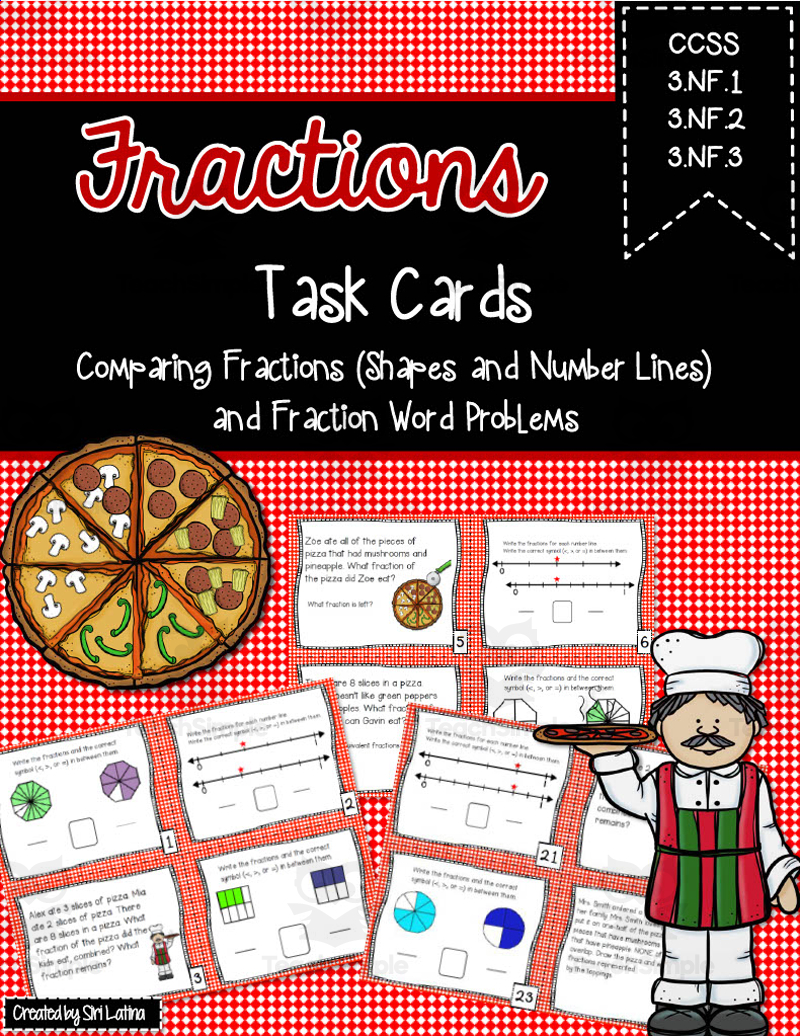
Comparing fractions (represented as shapes and number lines) and solving fraction word problems via 24 task cards, plus a two-day performance task in which students create a fraction pizza to demonstrate understanding.

A no-prep April/spring-themed 'read and draw' worksheet set that combines reading comprehension with creative drawing, for elementary students.
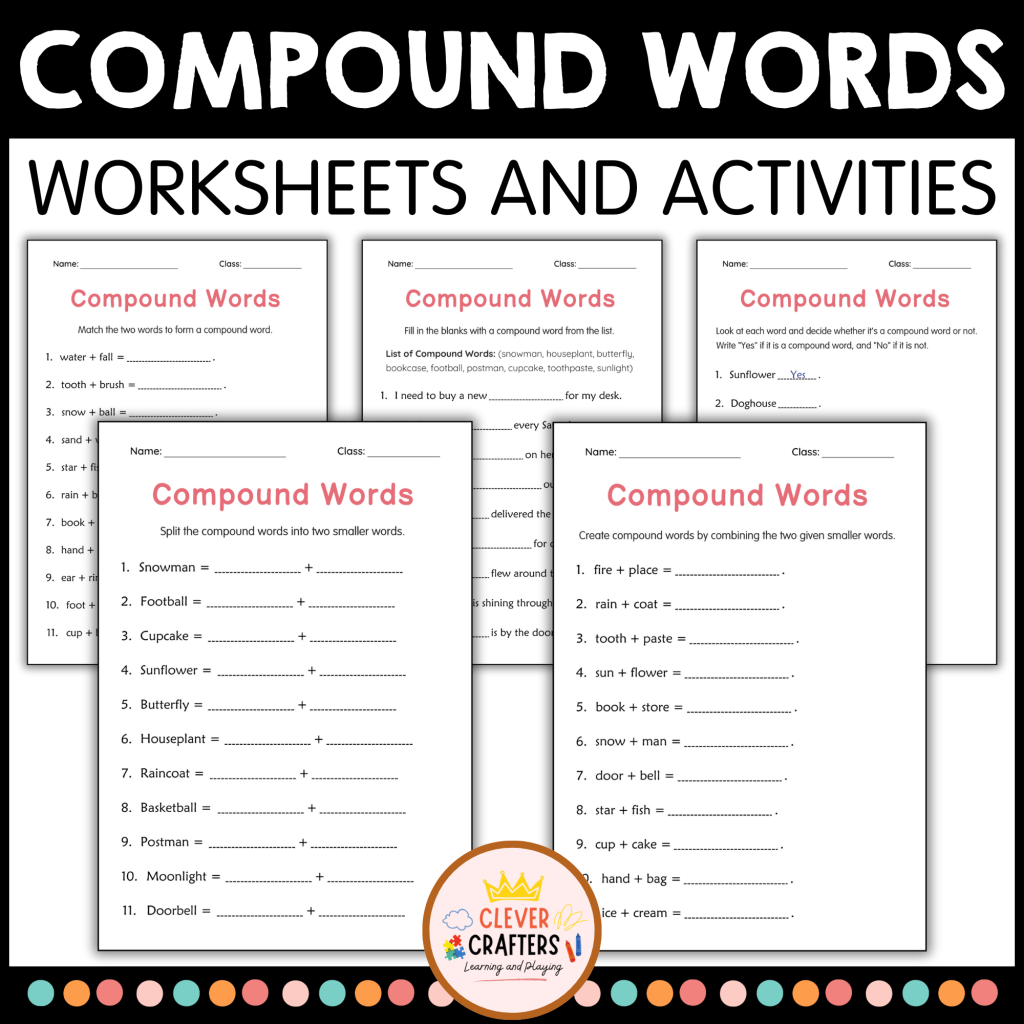
A set of grammar worksheets that teach compound words: identifying, creating, using, matching, splitting, and sorting them.
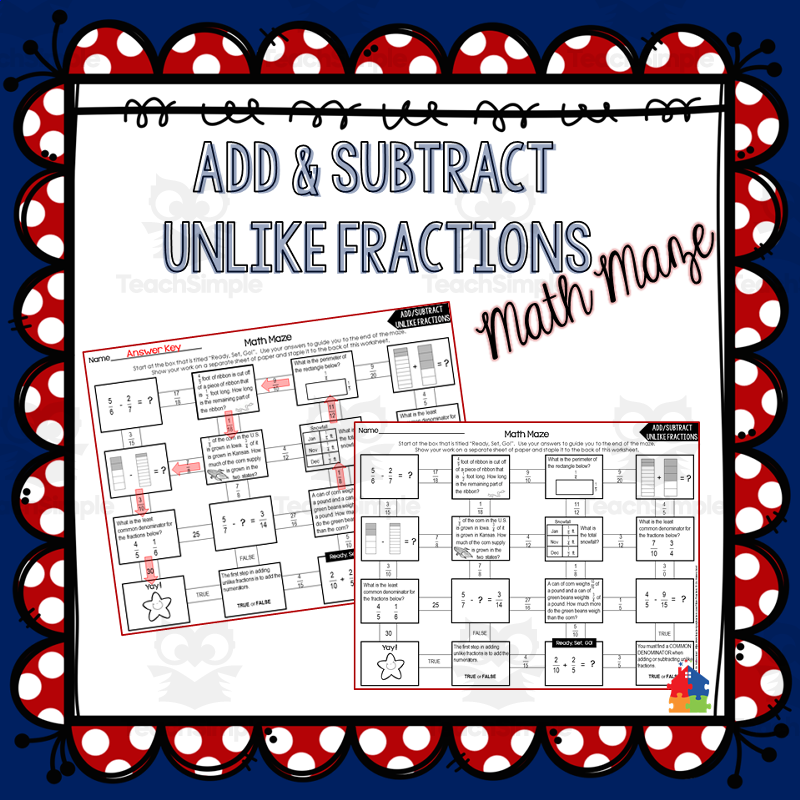
A math maze worksheet where students solve addition and subtraction problems with unlike fractions (including word problems and least-common-denominator questions) and use the answers to navigate through a maze.
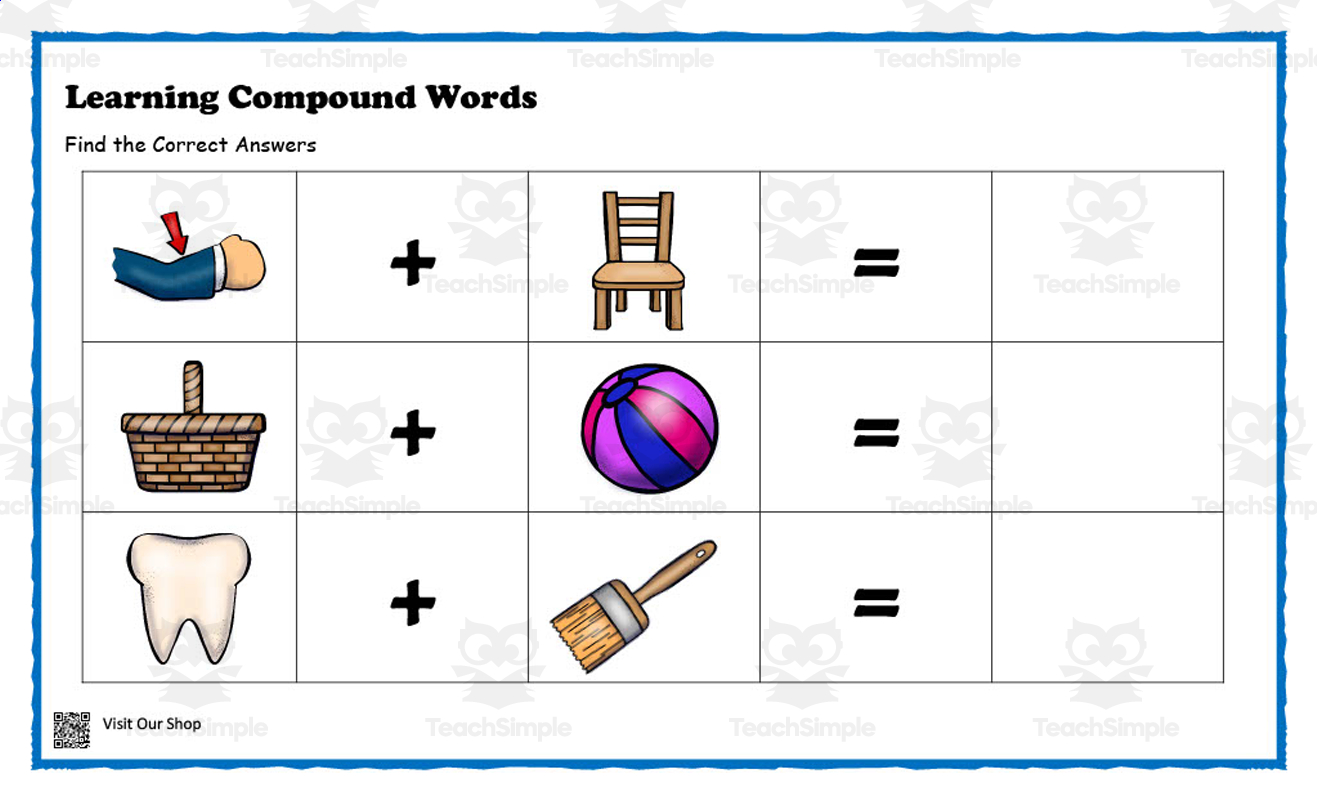
A compound-words worksheet for introducing or reviewing how two words combine to form a compound word.
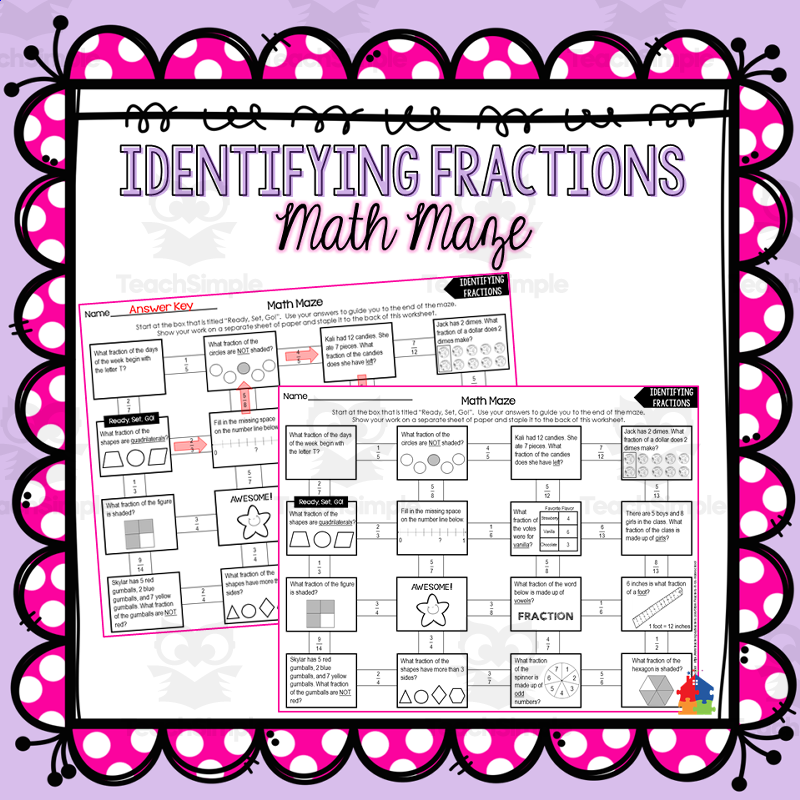
Maze-style worksheet that has students identify and compute fractions from word problems and visual models to navigate from start to finish.

Give Grade 3 students repeated practice adding multi-digit numbers (with and without regrouping), including word problems, to build addition fluency and accuracy.

Worksheet giving students practice building compound words by matching two word parts together.
 Free download
Reinforce comparing fractions (identifying greater/lesser fractions, ordering fractions, equivalent fractions) through a maze-style worksheet.

Provide grade-3 practice on Number & Operations - Fractions concepts (multiplication facts 0-12, fractions on a number line, equivalent fractions, comparing fractions) using a camping theme.

A worksheet where students combine word pairs to form compound words, with an included answer key.
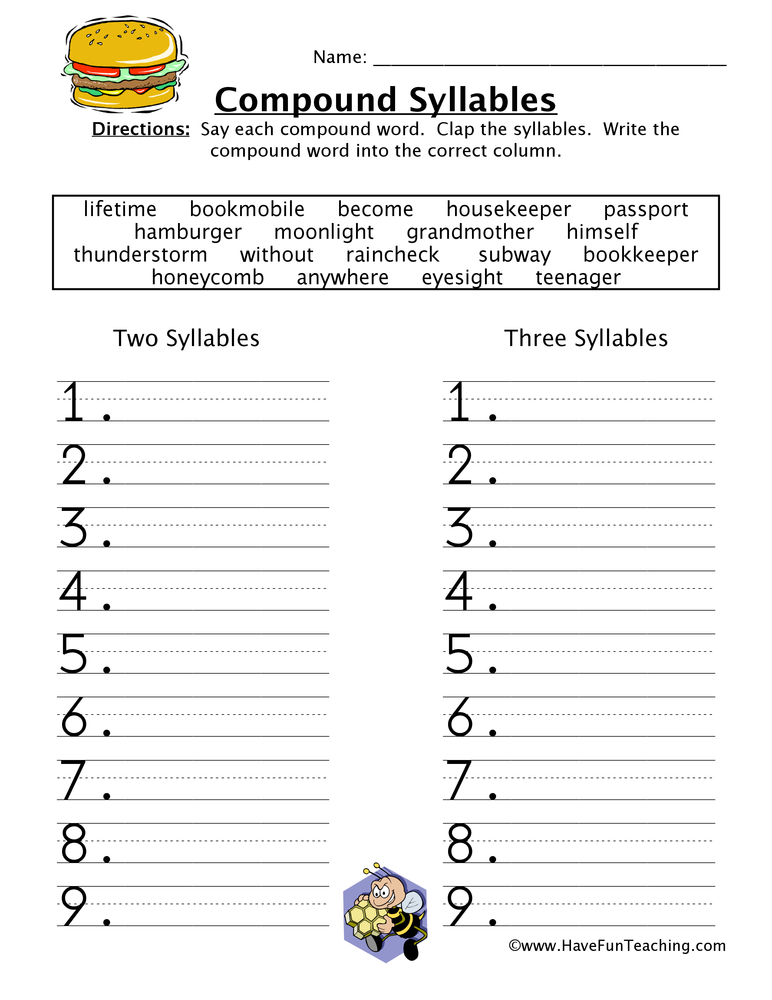
Worksheet for practicing identifying compound words and counting/clapping their syllables to sort them by syllable count.

A staged, self-checking practice resource teaching students to divide mixed numbers by converting to improper fractions and applying keep-change-flip.
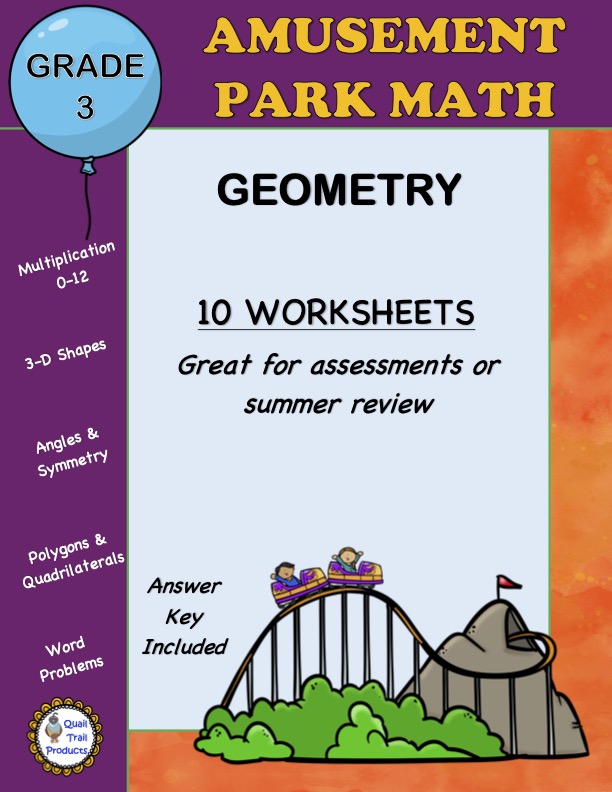
An amusement-park-themed set of 10 grade 3 worksheets, alternating 5 geometry worksheets (3-D shapes, angles, symmetry, polygons, quadrilaterals) with 5 multiplication fact-practice worksheets (facts 0-12), plus 5 vocabulary term pages, for practice/review or assessment.

A creative-thinking activity where students identify compound words represented by pairs/trios of pictures.

Word-study workbook building vocabulary skills through root words, prefixes, suffixes, compound words, and contractions.

A self-checking maze-format worksheet for practicing comparing and ordering fractions.
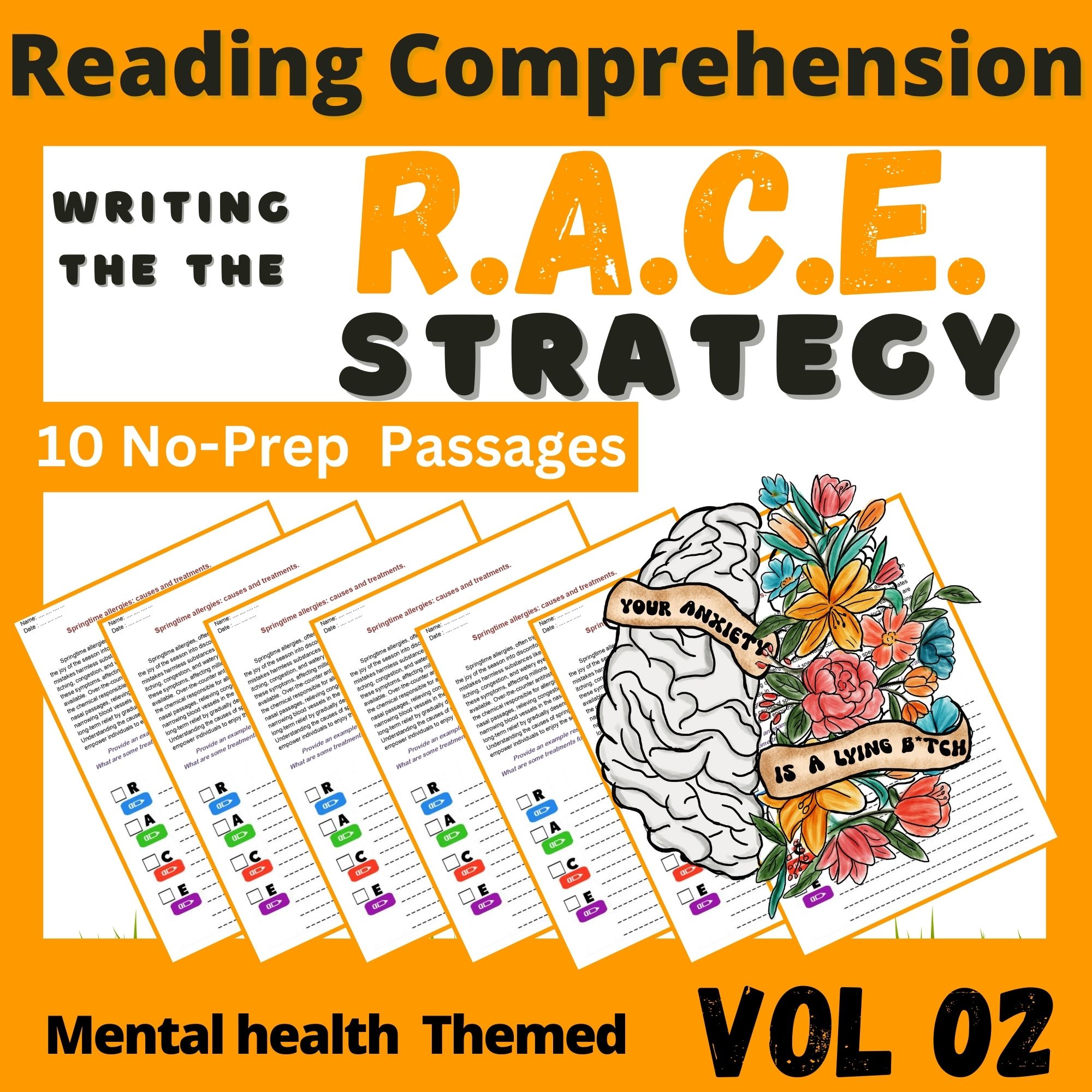
Give grades 3-5 students practice applying the RACE writing strategy to reading passages with mental health and SEL themes.
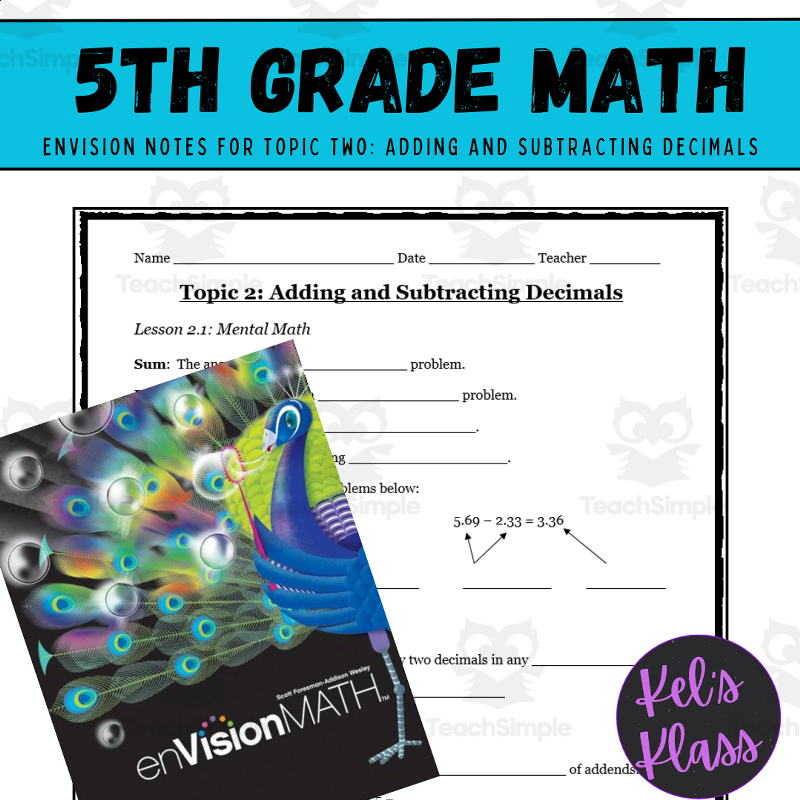
Teach and provide guided practice for adding and subtracting decimals, including mental math strategies, rounding, estimation, and standard algorithms, aligned to (but not excerpted from) the Envision Math Grade 5 Topic 2 curriculum sequence.