Reading & language
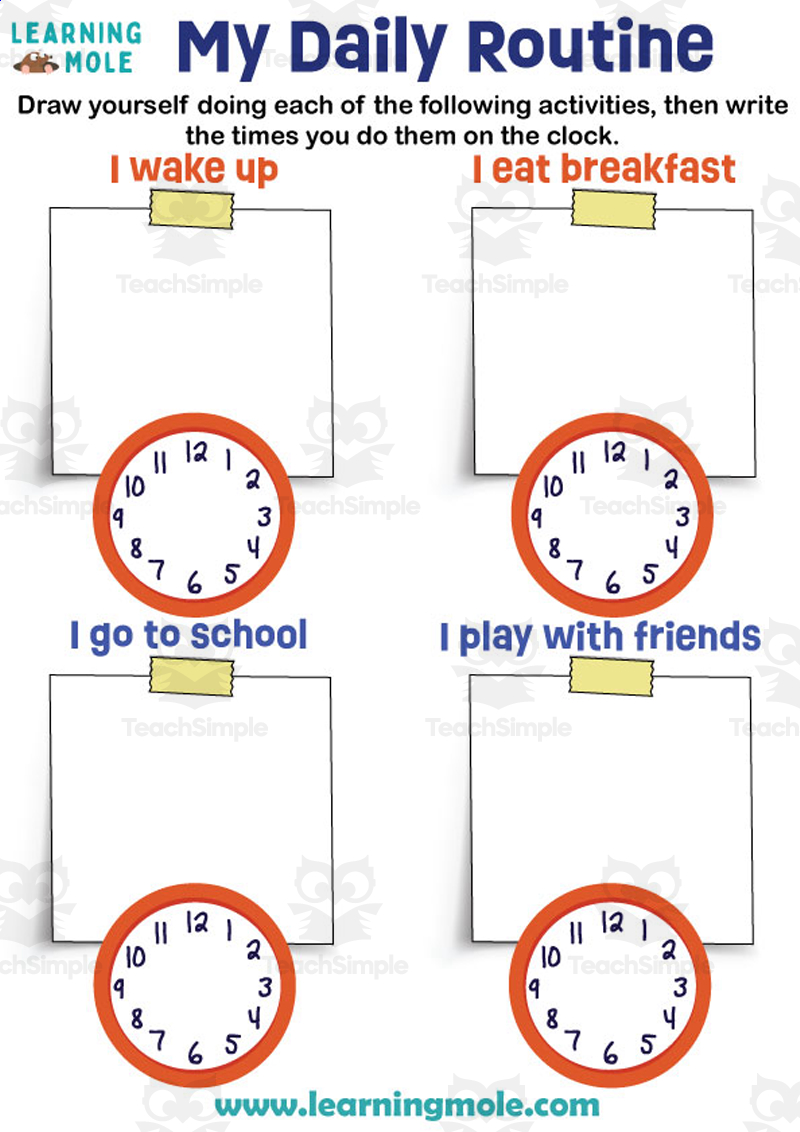
My Daily Routine Activity
A simple one-page activity for students to depict their own daily routine through drawing and time-telling.




Classroom resources
Browse by lesson focus
Choose the topic or kind of practice you need.
Showing 1129–1152 of 1628 resources

 Show filters
 A simple one-page activity for students to depict their own daily routine through drawing and time-telling.
Measurement - Drill Sheets Vol. 2 Gr. 6-8: An Essential Teaching Resource for Middle School Educators Measurement - Drill Sheets Vol. 2 Gr. 6-8, is a unique instructional asset, offering engaging content meeting both the NCTM standards and helping students from grade 6 to grade 8 review measurement concepts in diverse…

Listen to a series of music clips (classical/Appalachian Spring, old blues, New Orleans blues mixed with opera/marching bands/church music/African drumming and Cajun-Creole music, Louis Armstrong, Duke Ellington/swing) and write descriptions of the theme, tone, rhythm, improvisation, and instrumentation for each, then reflect on how…
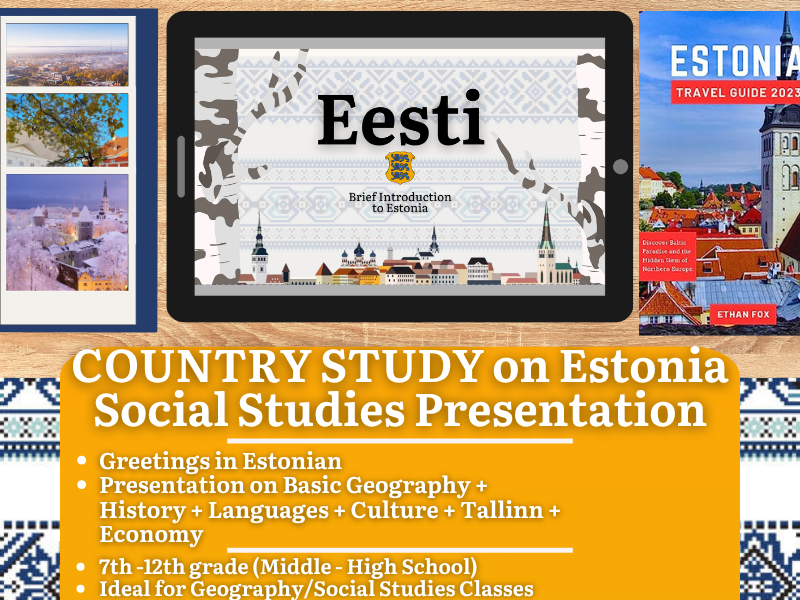
A slide presentation introducing students to Estonia, covering its location, government and quick facts, history timeline, geography and climate, economy, cities, and culture.
Students research the subject using at least 3 sources, complete a biographical fact-organizer (place of birth, place(s) of residence, relevant family members, and related prompts) and a portrait-drawing activity with labeled achievement items, then draft, self/peer-check (using the included writing-tips checklist), and revise a…
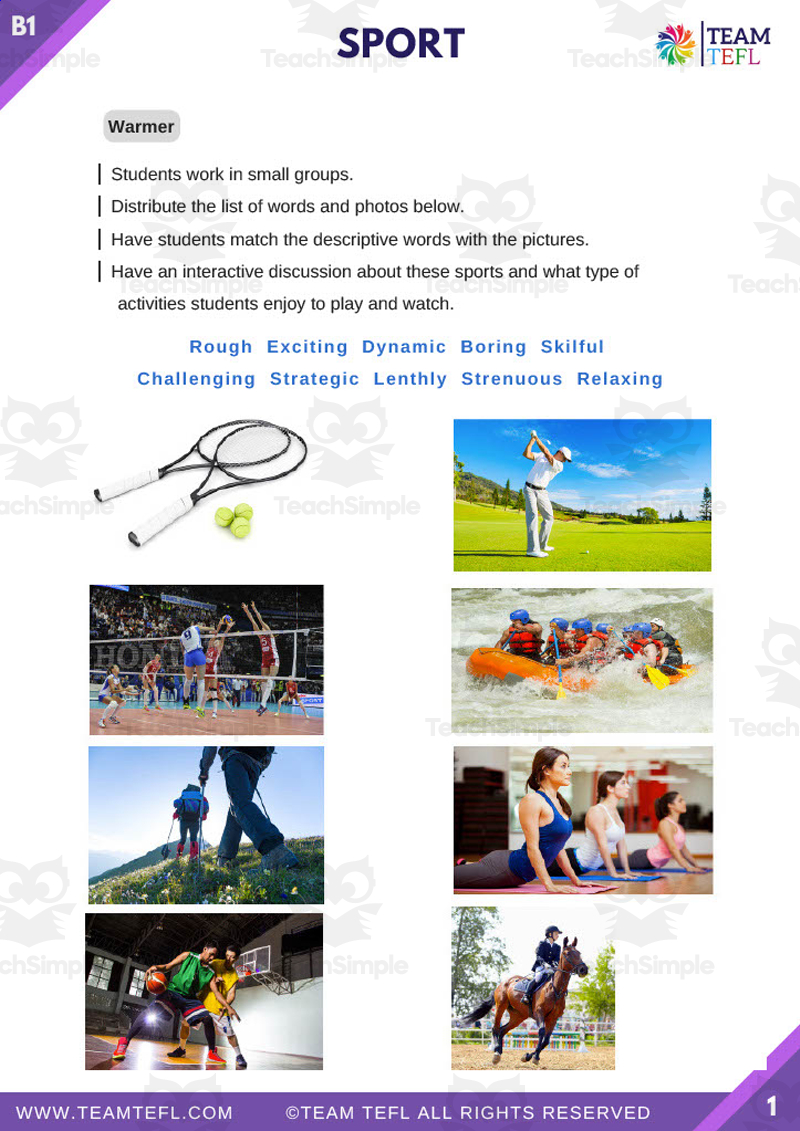
ESL/EFL lesson teaching intermediate (B1) English learners vocabulary and comprehension related to sports, through a listening/reading dialogue plus exercises.
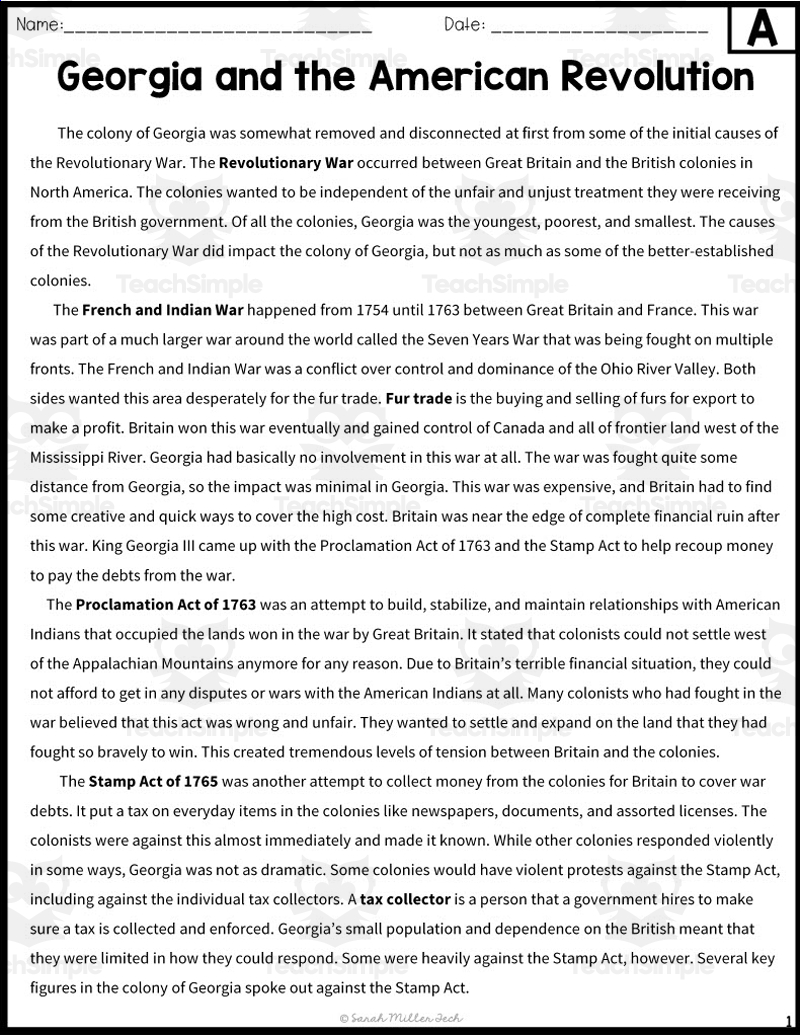
Read one of two leveled passages (marked "A" and "B" in the file) about Georgia and the American Revolution, then complete multiple-choice comprehension questions, a vocabulary-matching activity, "ticket out the door" exit-slip questions, a main-idea graphic organizer (three ways Georgia recovered financially after the war), and a…
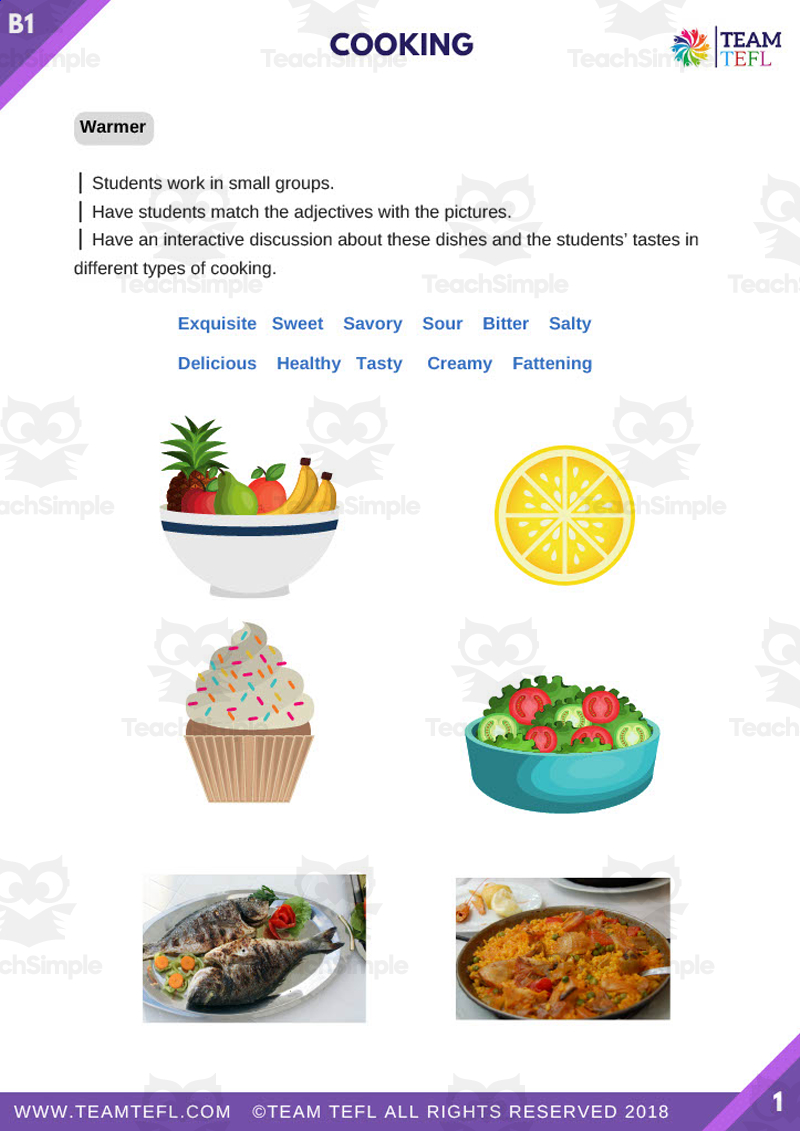
Intermediate (B1) ESL lesson plan teaching cooking vocabulary and grammar through a listening/reading dialogue and follow-up exercises.

Students select a veteran (from a provided list spanning conflicts from the American Revolution through more recent wars, or a family member), conduct light biographical research, draw the subject with 5 representative items, learn MLA citation basics from a companion presentation, and write a 5-paragraph MLA-style…
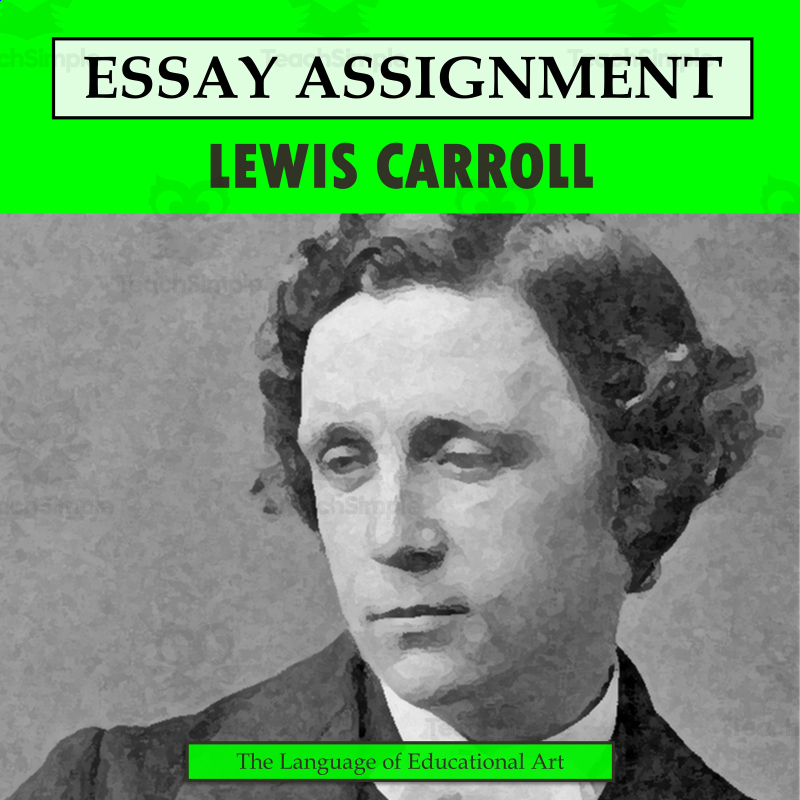
Students research the subject using at least 3 sources, complete a biographical fact-organizer (place of birth, place(s) of residence, relevant family members, and related prompts) and a portrait-drawing activity with labeled achievement items, then draft, self/peer-check (using the included writing-tips checklist), and revise a…

A multi-activity resource on the Great Depression and the New Deal combining a video warm-up, a foldable research project, and extension activities on the FDIC and Social Security.

Students choose a 1-3 sentence quote from their novel that stands out to them, record the novel title/author/page number, summarize the quote's context and characters in 3-4 sentences, make text-to-text or text-to-self connections, describe their emotional reactions to the quote, and state and justify their opinions about that part of…

Provide partner-check practice solving systems of two linear equations by elimination.

Working in a literature-circle group, read an assigned/selected historical fiction novel, complete a notetaking guide, spoke diagram, plot diagram, character chart, sensory description chart, and other-literary-elements chart; build a storyboard; track daily accountability for homework/classwork; complete a…
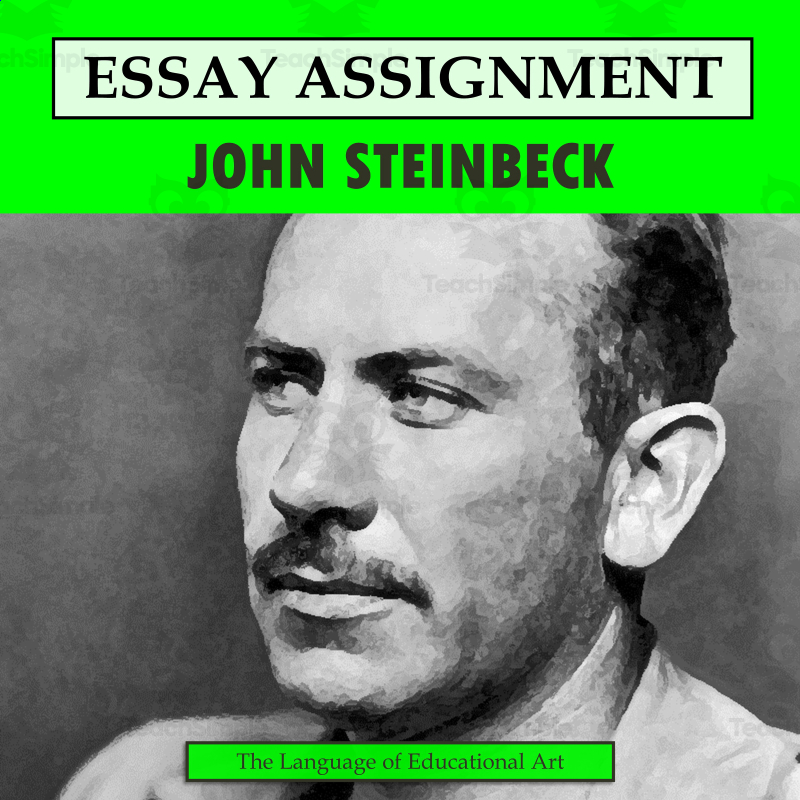
Students research the subject using at least 3 sources, complete a biographical fact-organizer (place of birth, place(s) of residence, relevant family members, and related prompts) and a portrait-drawing activity with labeled achievement items, then draft, self/peer-check (using the included writing-tips checklist), and revise a…

Provide partner-check practice solving systems of two linear equations by graphing.

A Paris-themed printable/digital pixel-art-style activity for practicing one-step equations with positive and negative integers.

Students research an assigned topic (China's communist revolution, Korean War, or Vietnam War), fill in a who/what/where/when/why chart and short-answer questions on a skeleton outline handout, then teach their topic to classmates with different assignments and build a 7-event timeline.
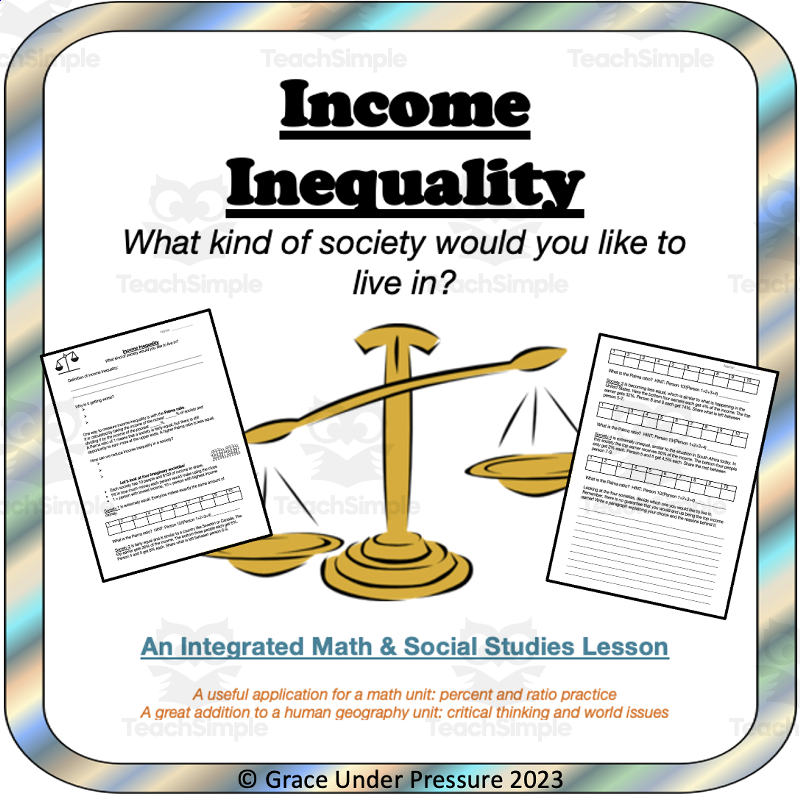
An integrated math and social studies lesson teaching students about income inequality using ratio/percent calculations and critical-thinking discussion.

Students physically move to one side of a room based on 'Would You Rather' preferences; fill out and collect classmate signatures on a 'Getting to Know You' BINGO card; ask and record classmates' answers to prompts in a speed-meeting rotation ('Middle School Speed Meeting'); and anonymously write or draw responses to…
Give middle/high school students short, targeted creative writing exercises that isolate and practice five literary devices (Details, Diction, Imagery, Point of View, and Tone) one at a time, building creative writing skills incrementally.
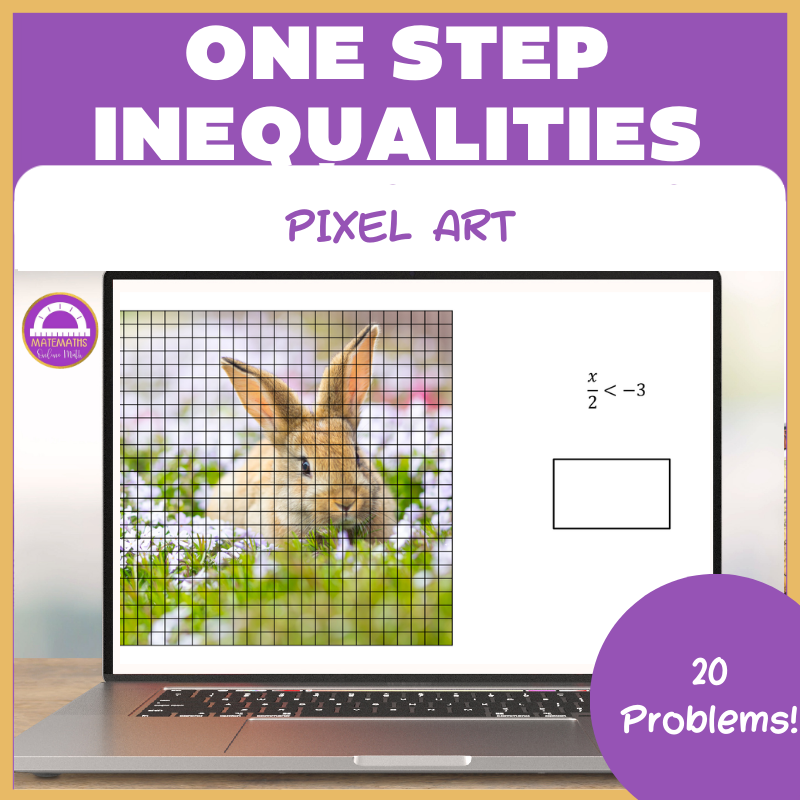
Solve 20 one-step inequalities (addition, subtraction, multiplication, division forms, including negatives) and record answers.
A six-answer survey question anchors this integrated math project, which has students poll exactly 25 people and tally the responses by hand. From there they convert each answer's tally into a fraction out of 25, an equivalent fraction out of 100, and a percent written as a decimal, following a worked example (4/25 = 16/100 = 16% = 0.16). The next step converts each decimal to a number of degrees by multiplying by 360, with a reminder that all six values must sum to 360 degrees before drawing begins. In the final step, students use a protractor aligned to the circle's center to plot each angle in turn, then add a title, color, and labels to complete their own hand-drawn circle graph.

Follow along with the slide lecture, fill in blanks on the skeleton outline as key facts are presented, and respond to embedded Think-Pair-Share discussion questions.