Grade 9 Financial Literacy Reading Comprehension | 180 Daily Passages
Read a daily nonfiction passage on a personal-finance topic, learn vocabulary, answer comprehension questions, and complete writing prompts; take unit quizzes and a final exam.
Classroom resources
Browse by lesson focus
Choose the topic or kind of practice you need.
Read a daily nonfiction passage on a personal-finance topic, learn vocabulary, answer comprehension questions, and complete writing prompts; take unit quizzes and a final exam.
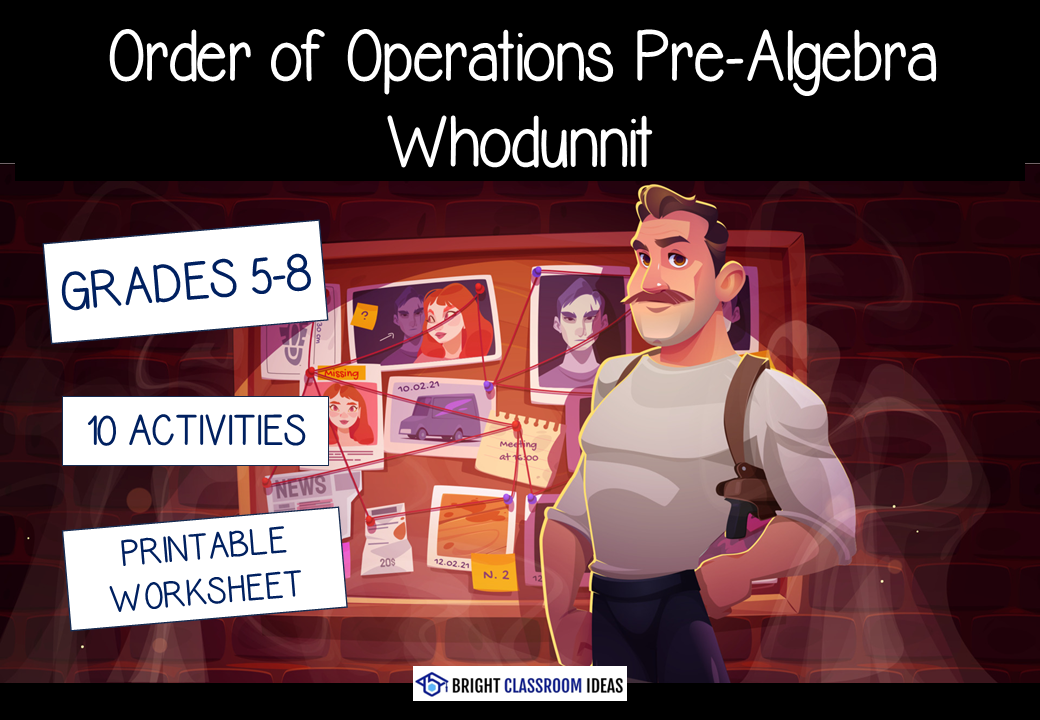
A detective-themed mystery activity where students solve order-of-operations problems (including exponents and grouping symbols) to eliminate suspects, locations, and methods and identify 'whodunnit'.
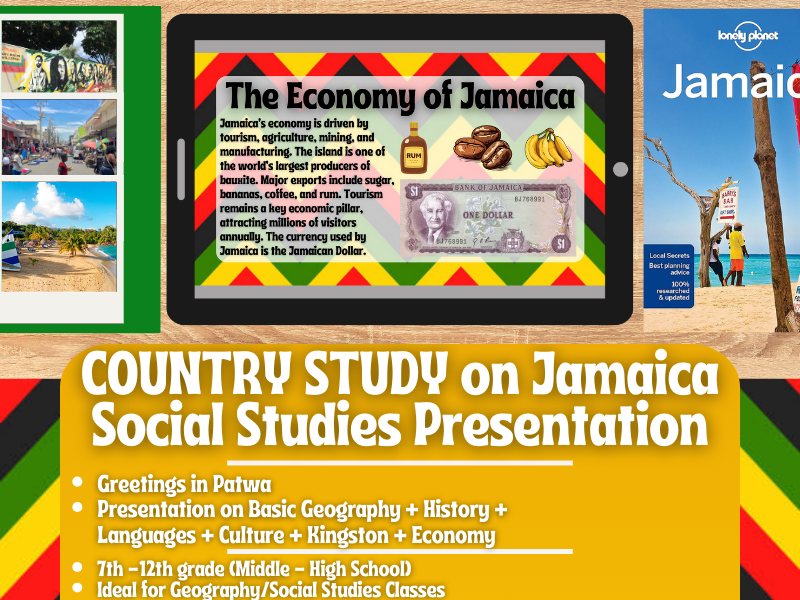
A slide presentation introducing students to Jamaica, covering its location, government and quick facts, history timeline, geography and climate, economy, cities, and culture.
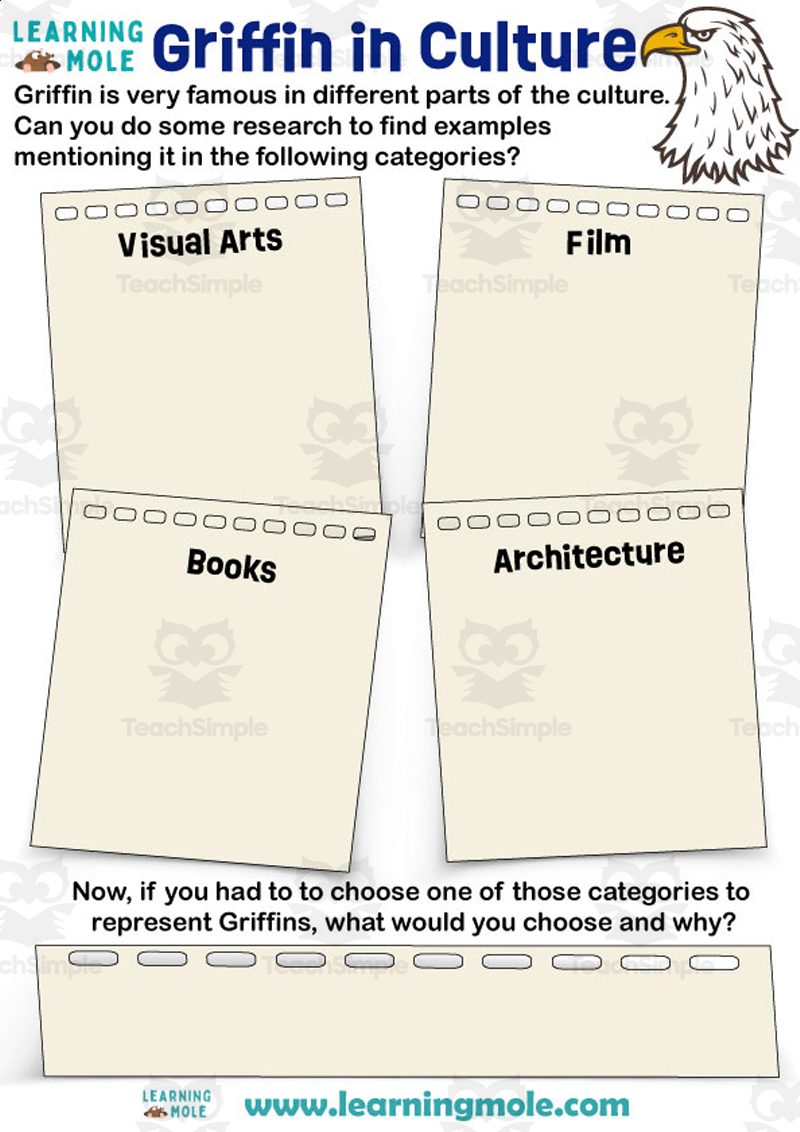
Research griffin appearances in visual arts, film, books, and architecture, record examples, then choose one category to represent griffins and justify the choice in writing.
Read a quotation from an Enlightenment philosopher and explain its meaning with a modern example; fill in a graphic organizer of Enlightenment thinkers' countries/books/ideas in their own words; read an excerpt of the Declaration of Independence and answer questions about its origin and philosophical influences; complete a chart…
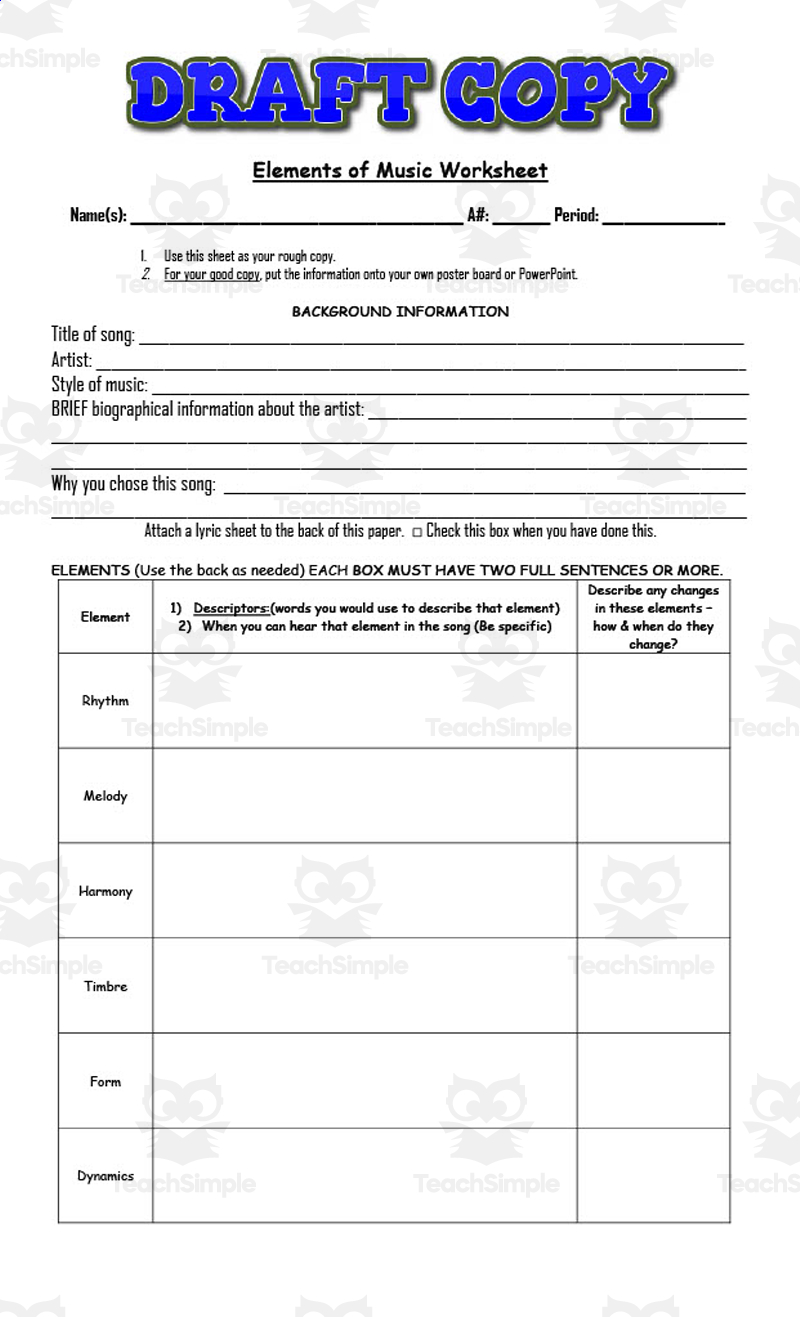
Choose an age-appropriate popular song, research background information about the song/artist, then describe how each of six elements of music (rhythm, melody, harmony, timbre, form, dynamics) is heard in the song and how each element changes over the course of the song, using two or more full sentences per element; present the final…
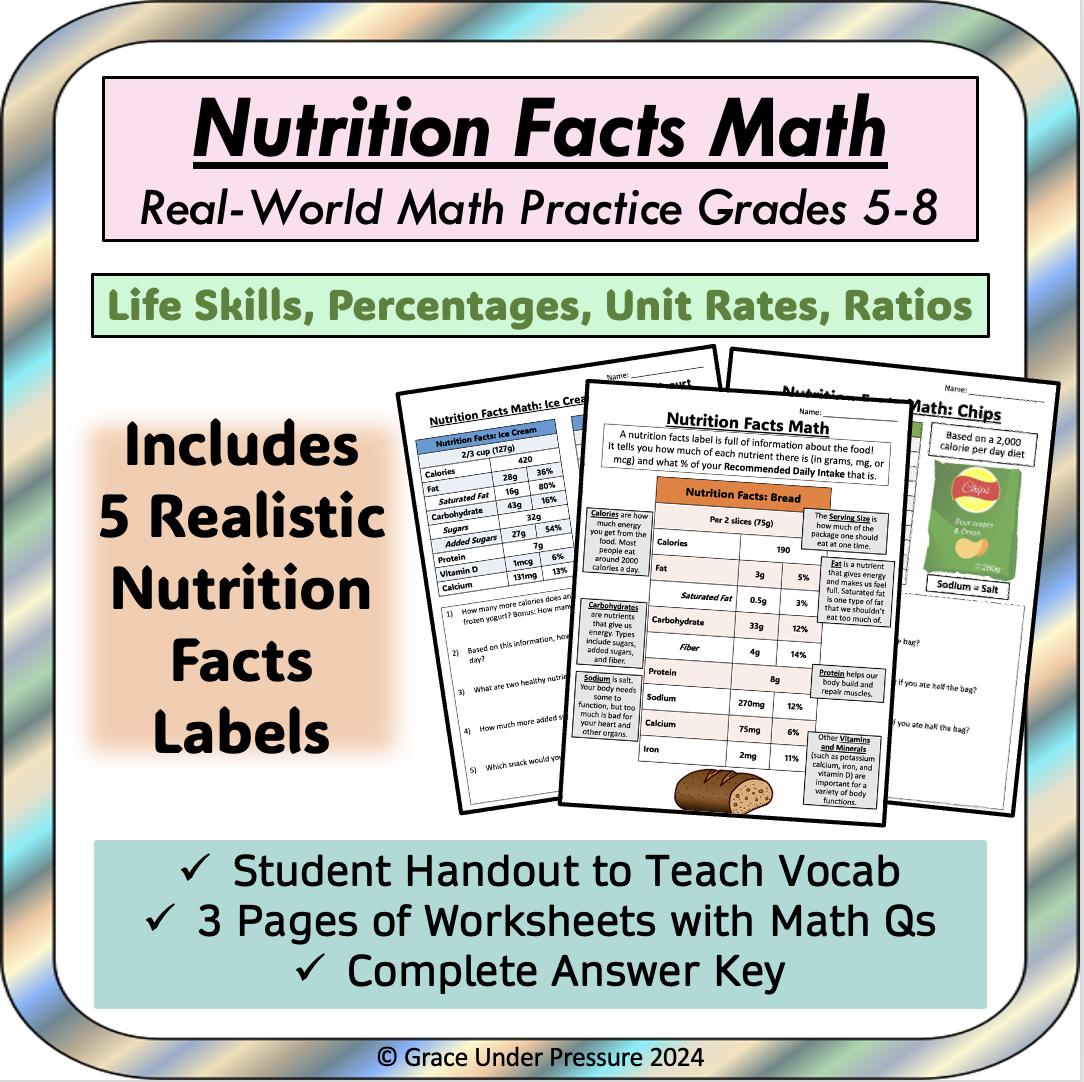
Teach students to read a nutrition facts label and apply percentage, ratio, and unit-rate math skills to real-world food choices.
A slide presentation introducing students to China, covering its location, government and quick facts, history timeline, geography and climate, economy, cities, and culture.
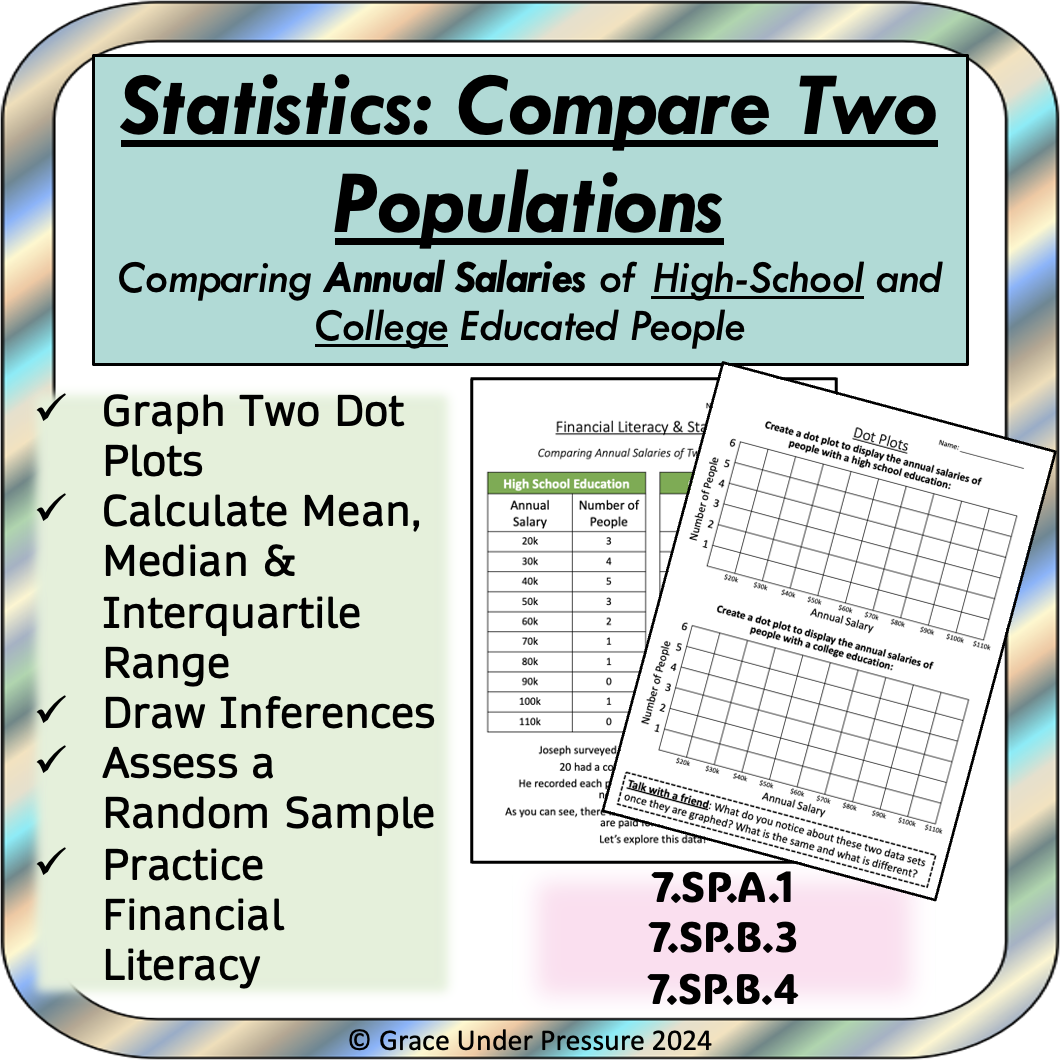
Apply statistics skills to a real-world financial literacy scenario comparing annual salaries of workers with and without a college degree.
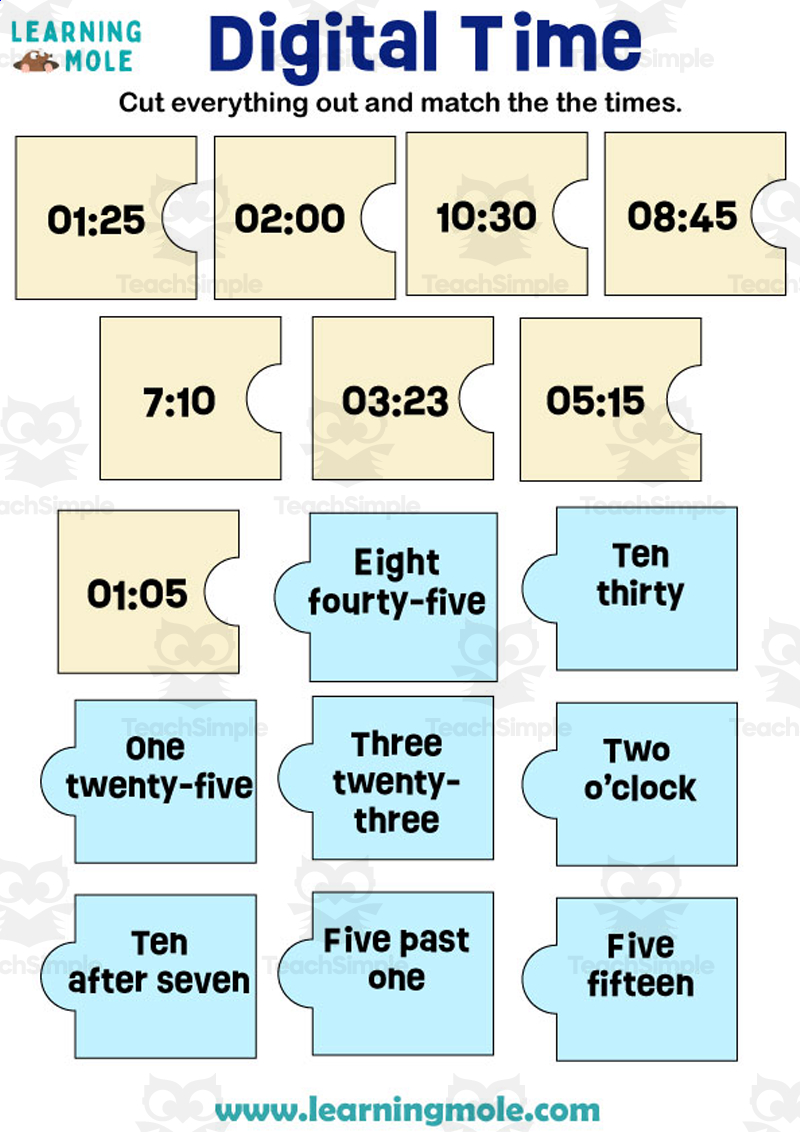
Teach students to read digital clock times and match them to their written word form.
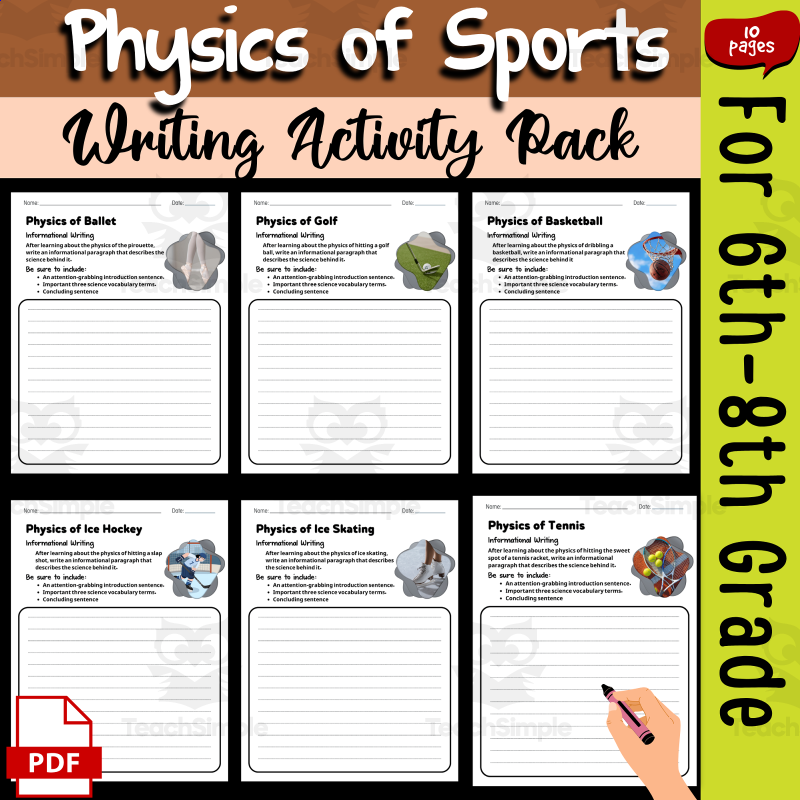
A set of nine one-page informational-writing prompts, each asking students to write a paragraph about the physics behind a specific sport action.
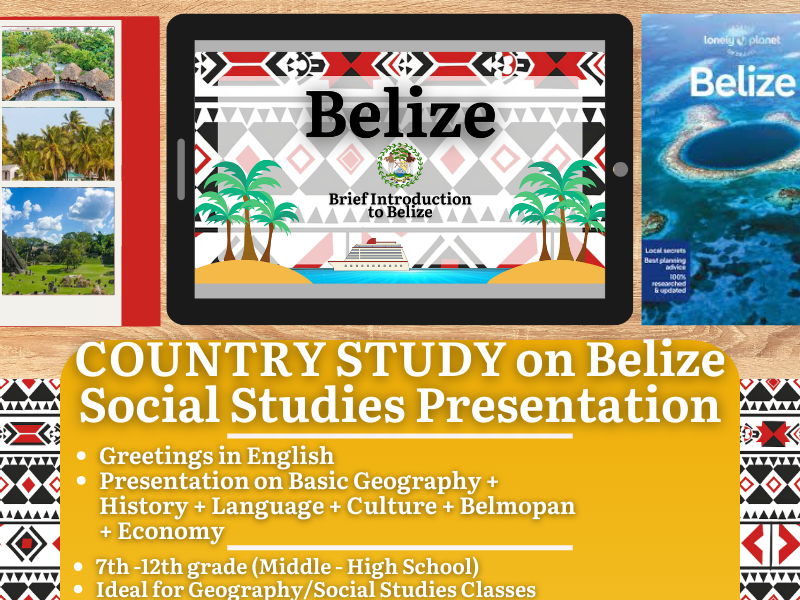
A slide presentation introducing students to Belize, covering its location, government and quick facts, history timeline, geography and climate, economy, cities, and culture.
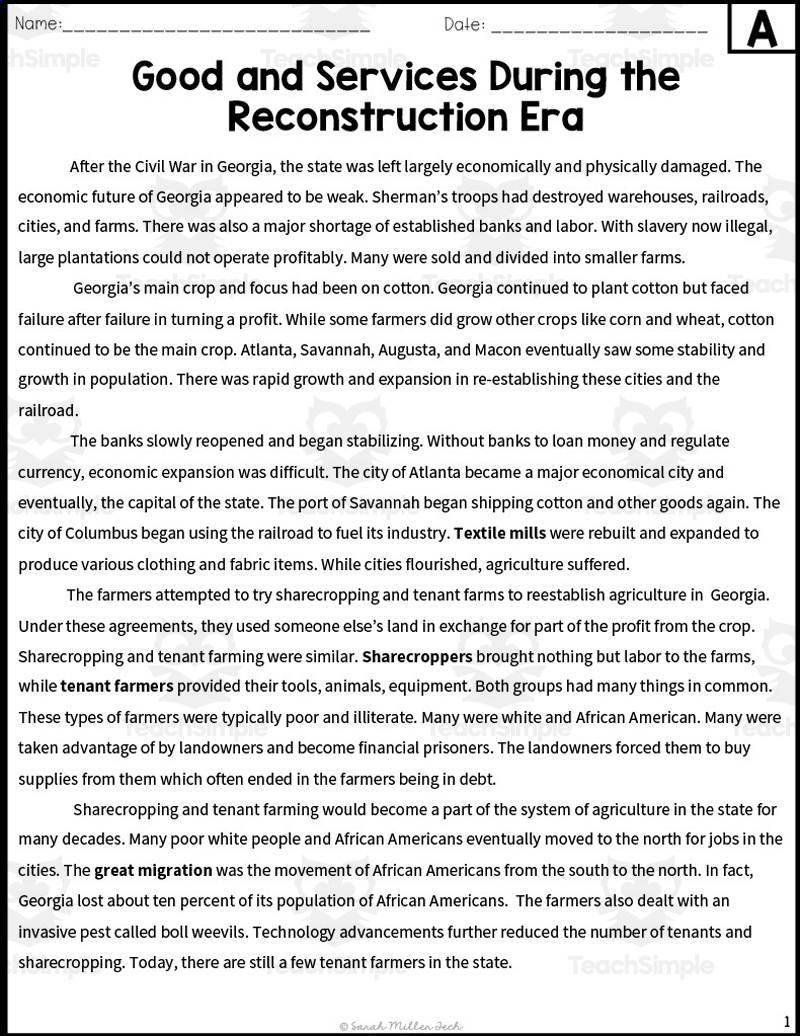
Students read one of two differentiated versions (on-level or below-level) of a passage about Reconstruction-era Georgia's economy, then complete comprehension activities such as multiple-choice questions and graphic organizers.
Take notes on 8 color schemes (primary, secondary, complementary, warm, cool, triadic, analogous, monochromatic) from a slideshow, select one scheme, cut out 12 photos from magazines matching it, and assemble them into a planned Instagram-feed board.
Provides a comparative history lesson on the lives, conquests, and legacies of Alexander the Great and Genghis Khan for middle/high school students.
Respond to daily writing prompts, share and critique paragraphs as a class, discuss and improve word choice/imagery; complete an 'Inclusive Language' sentence-rewriting exercise; complete a 'Written Expression Activity' rewriting sentences with vivid adjectives; write a persuasive classified ad.
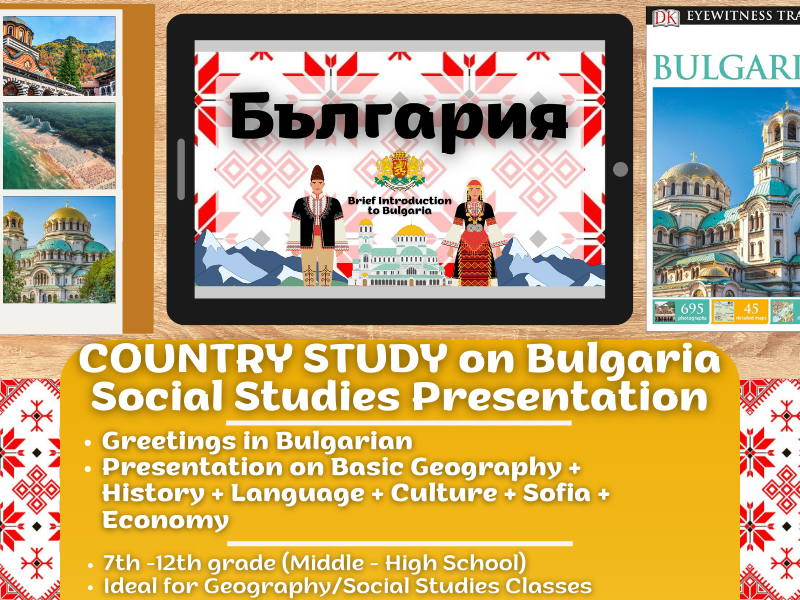
A slide presentation introducing students to Bulgaria, covering its location, government and quick facts, history timeline, geography and climate, economy, cities, and culture.
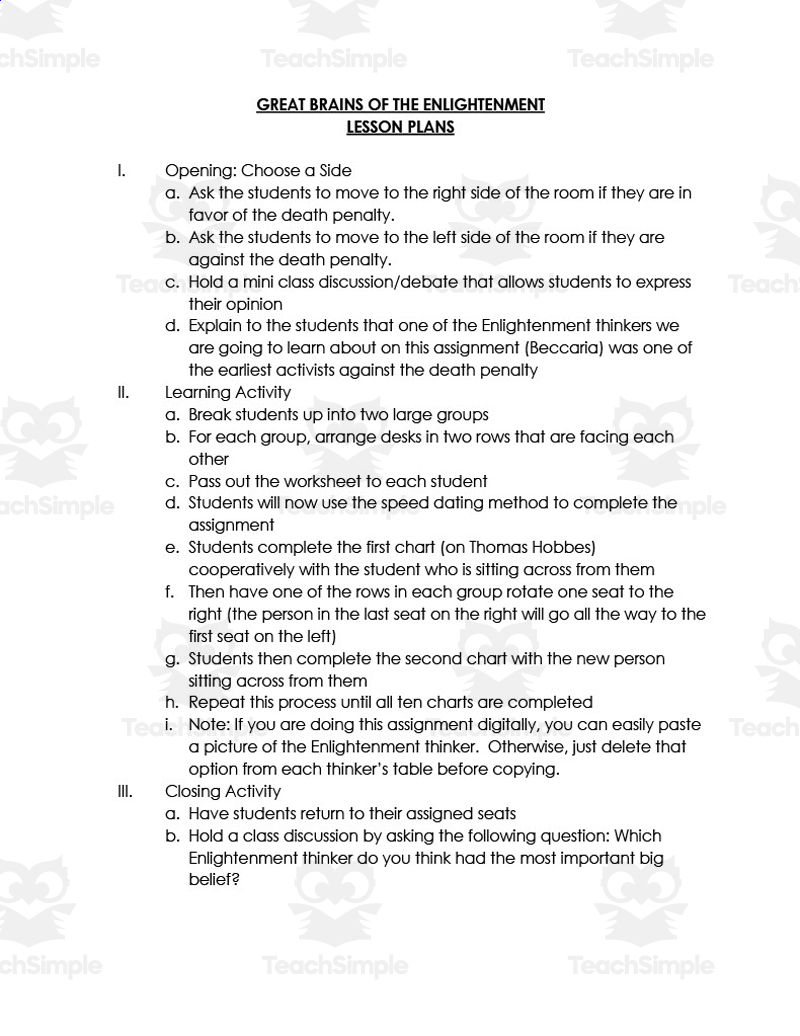
Students move through a speed-dating rotation, working with a different partner for each of ten thinkers to fill in a chart recording each thinker's occupation and country, their greatest book/pamphlet/writing, and their big belief; the lesson opens with a values-line debate on the death penalty and closes with a…
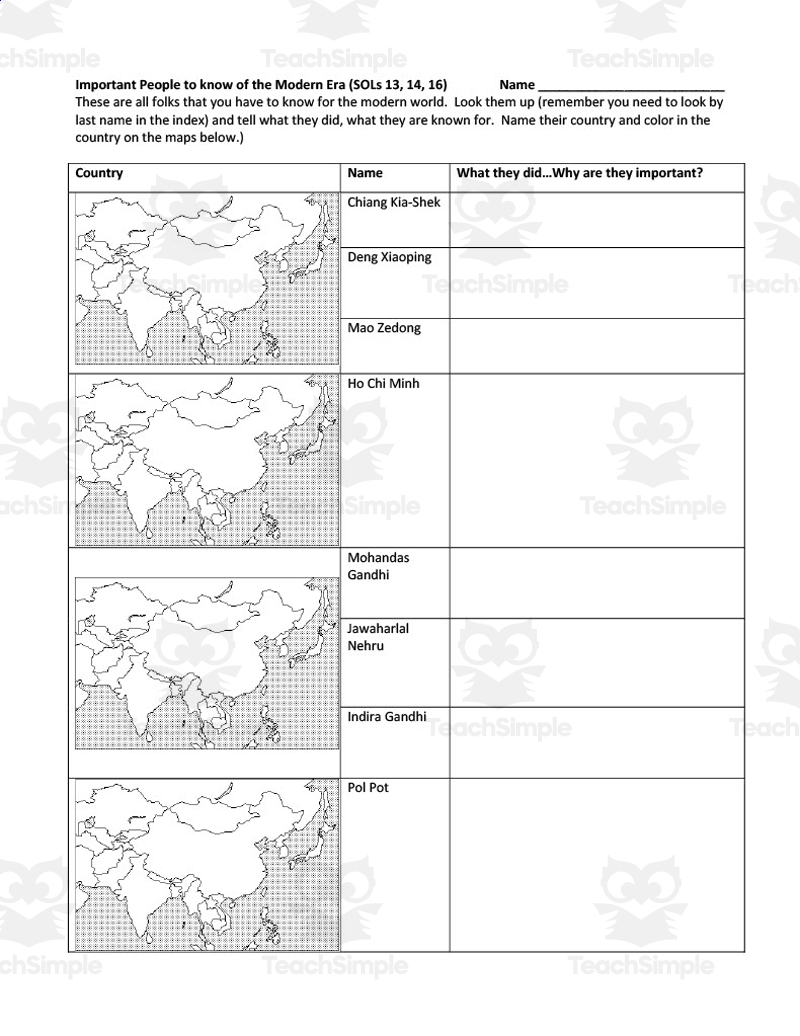
Look up each named person (by last name), record what they did and why they are important, name their country, and color that country on an accompanying map.
An integrated math and social studies lesson teaching that access to clean water is a human right, using the lack of clean drinking water in Canadian First Nations communities as a real-world case study.
A hypothetical Arctic plane crash gives students a shared problem for practicing discussion and consensus. The slides move the class from an individual item ranking into small-group decisions, then a score sheet supports comparison with the guide’s ranking. Use the reflection questions to examine how students shared time, explained priorities, and responded to different views.
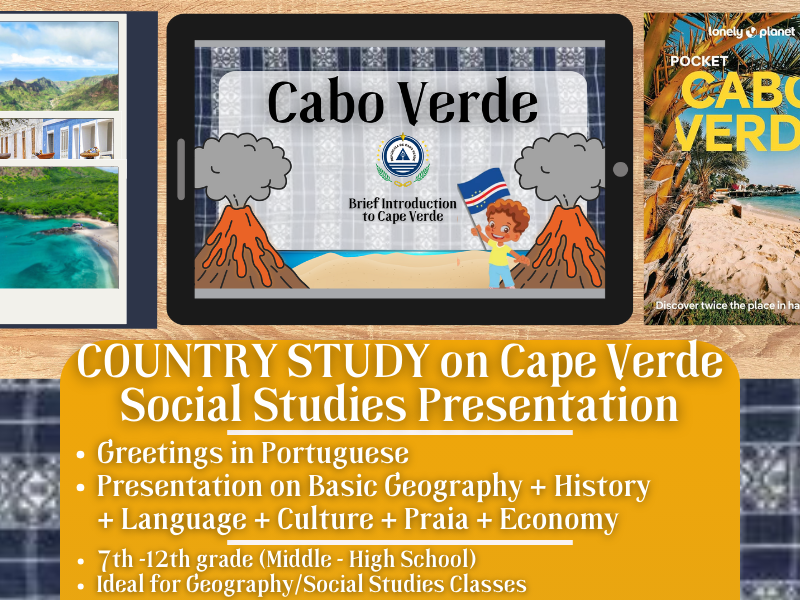
A slide presentation introducing students to Cape Verde, covering its location, government and quick facts, history timeline, geography and climate, economy, cities, and culture.
Teach students to recognize and correctly use 100 common homophone pairs/sets through definitions, example sentences, and practice exercises.
Read a one-page passage on the M.A.I.N. causes of WWI and the assassination of Archduke Franz Ferdinand, then title and fill in a four-box graphic organizer summarizing each of the four causes, summarize the 'spark' of the war, and answer a reflection question connecting the causes to the world today.