
Reading & writing
Fry Sight Words, I Have Who Has Game, Flash Cards, 901-1000, [SET 2]
Practice recognizing and reading Fry high-frequency sight words 901-1000 using a self-checking 'I Have... Who Has?' loop card game.


Classroom resources
Browse by lesson focus
Choose the topic or kind of practice you need.
Showing 529–552 of 899 resources

 Show filters
Practice recognizing and reading Fry high-frequency sight words 901-1000 using a self-checking 'I Have... Who Has?' loop card game.

Teach and drill the long U vowel sound spelled with the CCVCe pattern through a themed set of no-prep phonics worksheets, games and reference materials.
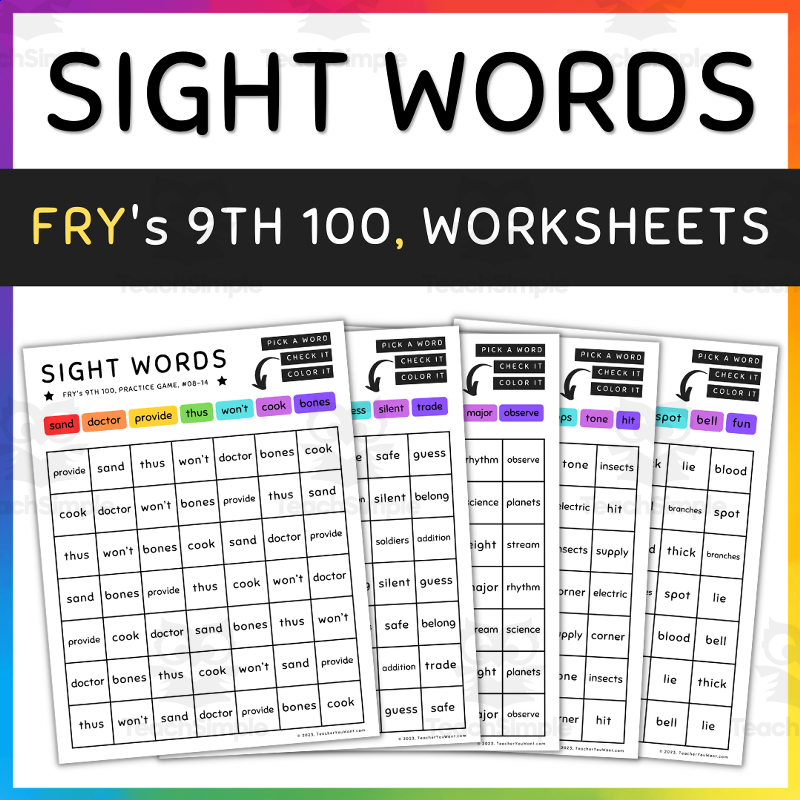
A color-by-sight-word game practicing Fry's 9th 100 sight words.

Teach and drill the long I vowel sound spelled with the CVCe pattern through a themed set of no-prep phonics worksheets, games and reference materials.
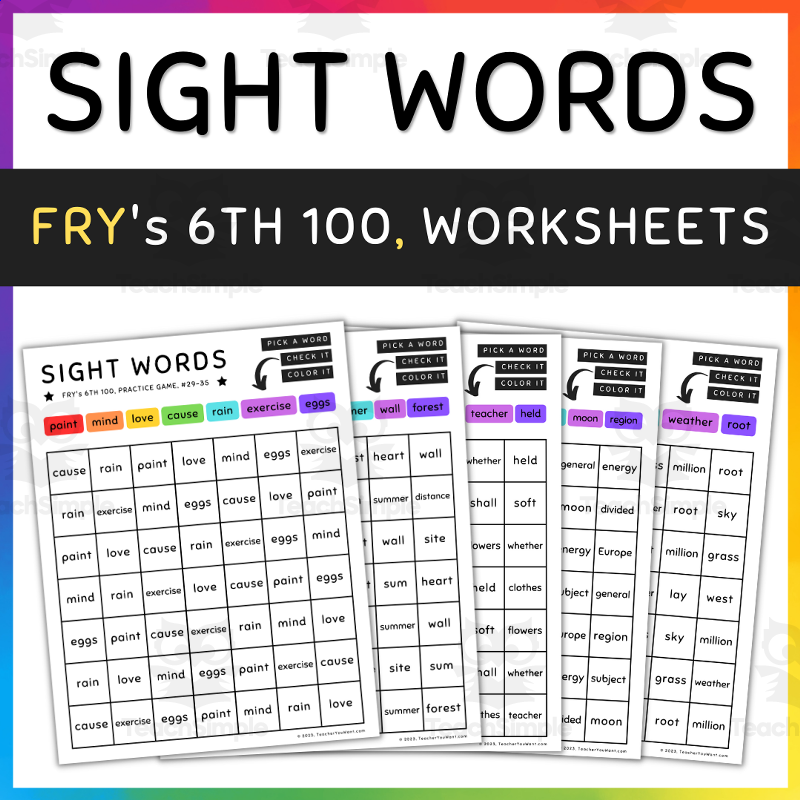
Practice recognizing sight words from the Fry sixth 100 word list through a 'pick a word, check it, color it' visual search game.

A three-part literacy resource bundle (story book, snake/spider fact summaries, and a differentiated 128-page activity booklet) built around the Sammy Snake and Sally Spider story, providing tiered reading, writing, vocabulary and comprehension activities for Prep through Year 6.
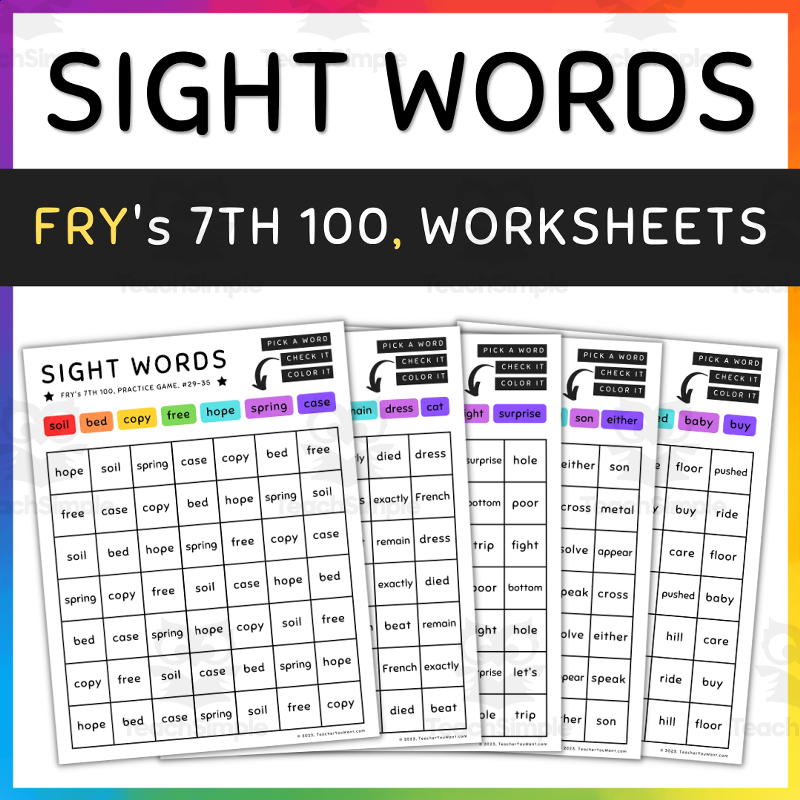
A 'color by sight words' practice game using the 7th hundred Fry sight words, where students find and color matching words within a grid.

A general first-grade activity book building number sense, visual-discrimination, and phonics skills through games and puzzles.

A teacher resource book of rule/pattern-based lesson plans, wall charts, worksheets, activity pages and games for building foundational pre-algebra skills: integers, exponents/scientific notation, equations, graphing/ordered pairs, slope, and binomials/trinomials.

Practice recognizing and reading Fry high-frequency sight words 801-900 using a self-checking 'I Have... Who Has?' loop card game.

A supplementary 'bonus' teacher resource book of alternative techniques, lesson plans, and worksheets for teaching and drilling addition and subtraction facts (number pairs through 18, regrouping, subtraction with various minuends).
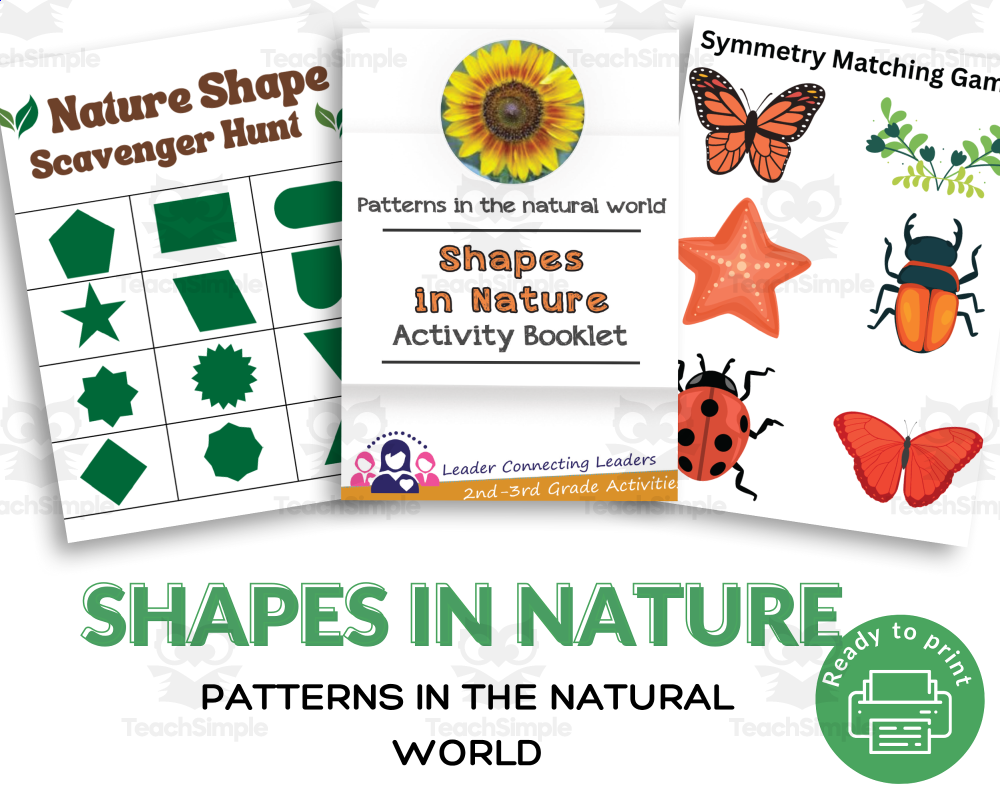
Provide hands-on activities connecting nature observation with geometry, patterns, and symmetry concepts, designed to help earn a Brownie/Frontier Girl 'Shapes in Nature' badge but usable more broadly for outdoor STEM learning.

A set of four quick, no-prep classroom filler games covering spelling/vocabulary/word-building, place value/logic, rhyme/vocabulary, and categories/parts-of-speech/geography.

Practice recognizing and reading Fry high-frequency sight words 601-700 using a self-checking 'I Have... Who Has?' loop card game.

An activity booklet of hands-on group games and discussions teaching cybersecurity and online-safety basics, explicitly designed to help fulfill a Girl Scout cybersecurity/technology safety badge requirement.
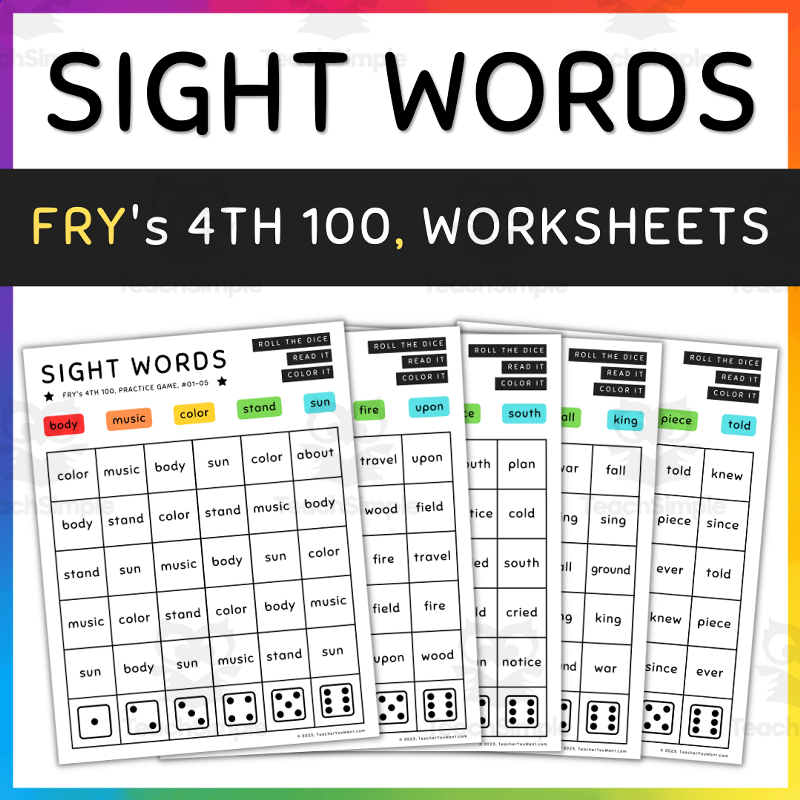
A dice-based 'roll and color' practice game for Fry's 4th 100 sight words, combining a die roll with sight-word reading practice.
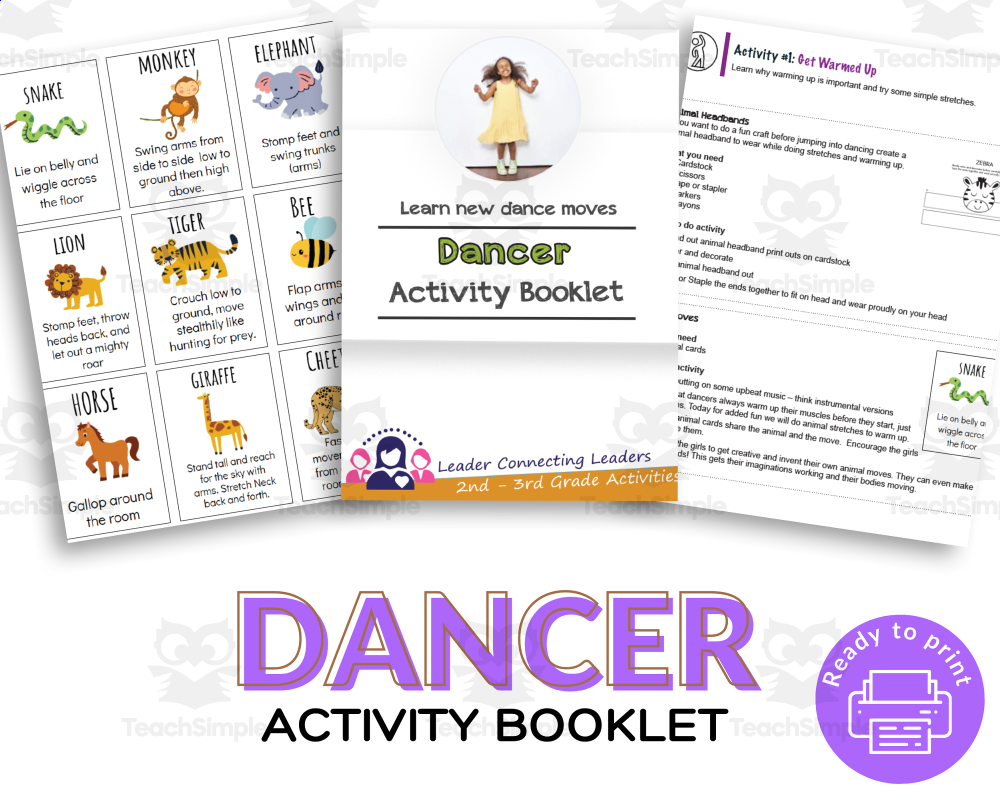
A 5-activity dance and movement booklet combining crafts, guided dance instruction, and a culminating performance/video project; content and phrasing ('Brownies', 'girls') indicate it was written for a Girl Scout Brownie troop meeting context.
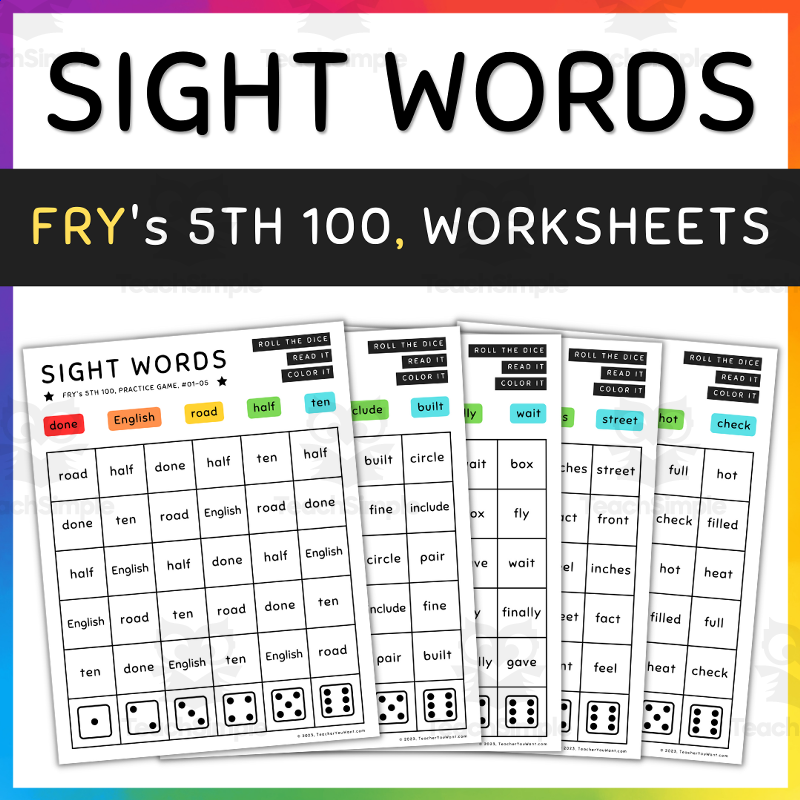
Practice reading and recognizing specific Fry sight words (set #401-500, items 1-100) through a dice-based roll-and-color game.
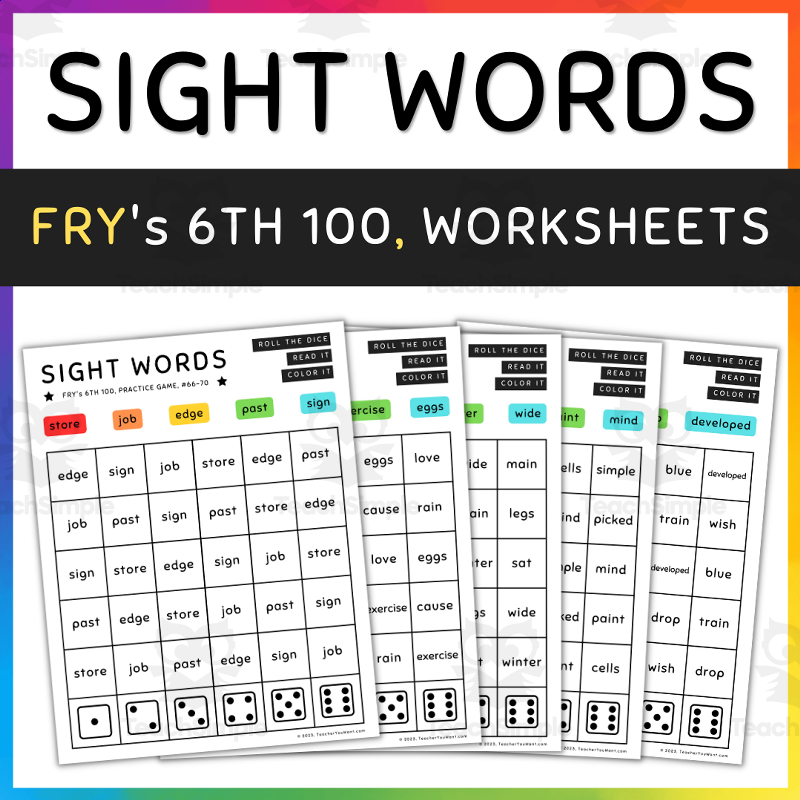
Practice reading and recognizing sight words from the Fry sixth 100 word list through a dice-based 'Roll the Dice, Read It, Color It' game.
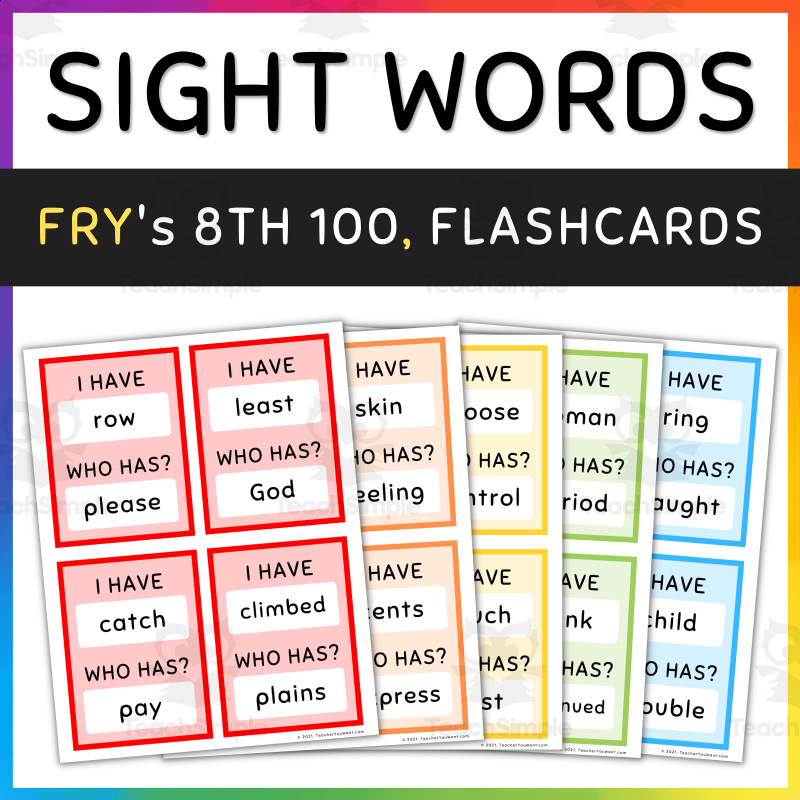
Practice recognizing and reading Fry high-frequency sight words 701-800 using a self-checking 'I Have... Who Has?' loop card game.
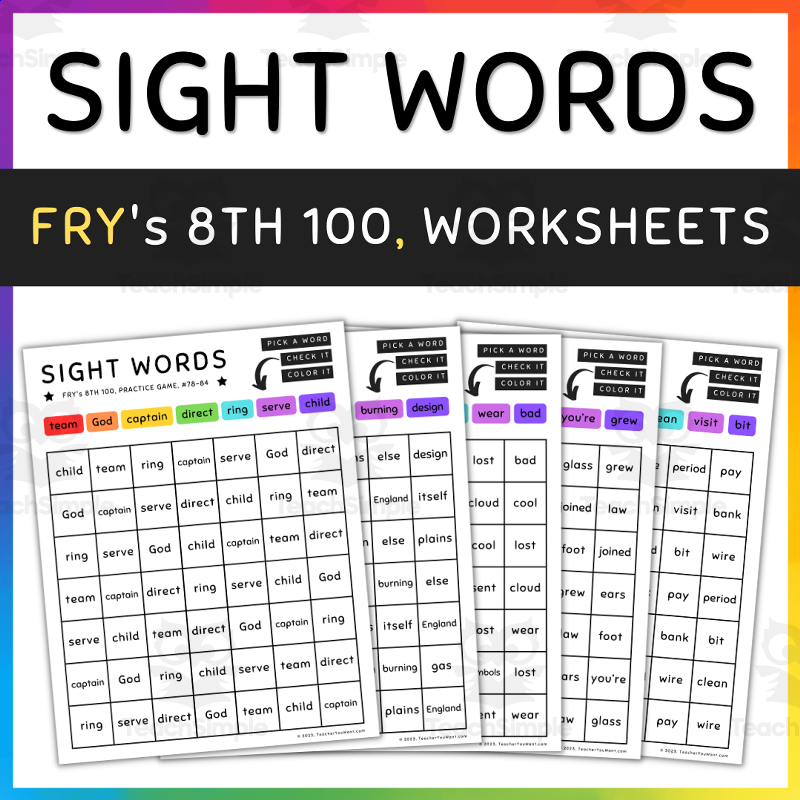
Practice recognition of Fry's 8th 100 sight words (word groups #01-49+ within that list) through a 'pick a word, check it, color it' style repeated-word-grid activity.

A phonics tutoring program (Part 2) for struggling 3rd, 4th, and 5th grade readers, teaching Vvcc/Vce chunks, diphthong vowels, and advanced prefixes/suffixes.

Sight-word recognition and fluency practice for the Grade 3 Dolch sight word list, using bingo game cards and a tracking checklist.

A set of 16 bingo-based phonics games ('Basic Code') for practicing blending, segmenting, and phoneme manipulation, progressing from single-letter sounds through early digraphs.