Phonics & decoding
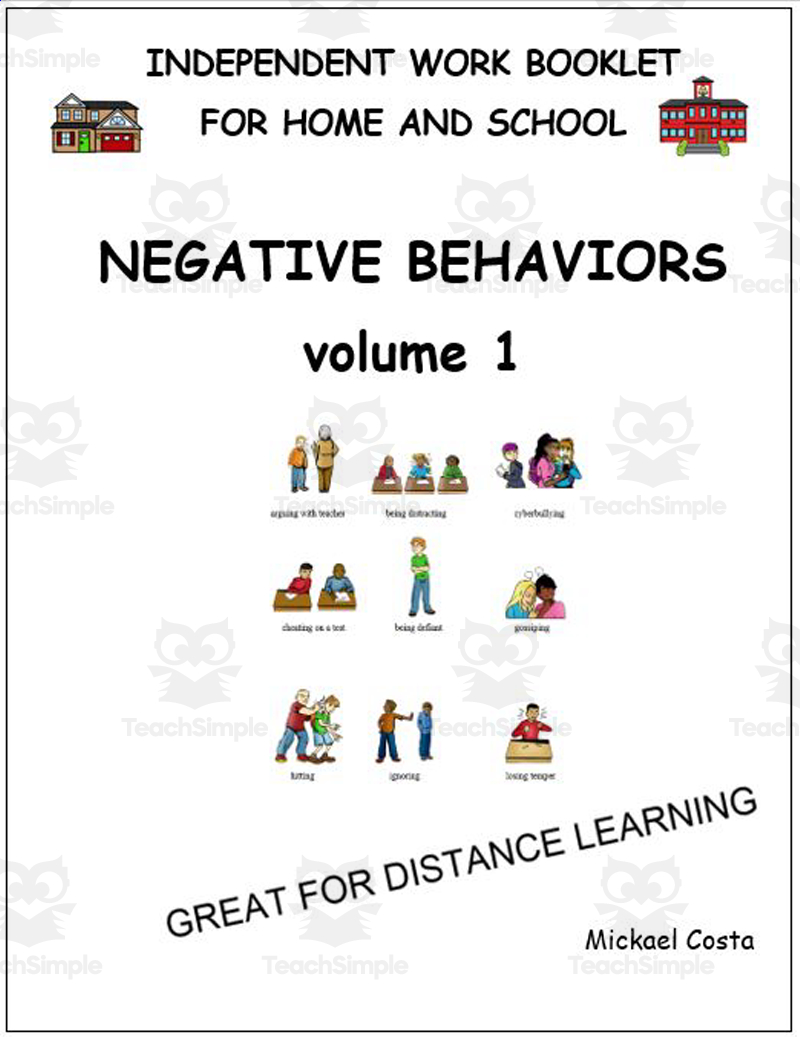
Literacy worksheets: Negative behaviors vol 1
Build vocabulary and literacy skills (reading, writing, and word-study) around the topic of negative behaviors, volume 1 through a self-guided independent-work booklet.




2,133 resources
Explore sub-categories
33 sub-categories · 2,133 resources
Build vocabulary and literacy skills (reading, writing, and word-study) around the topic of negative behaviors, volume 1 through a self-guided independent-work booklet.
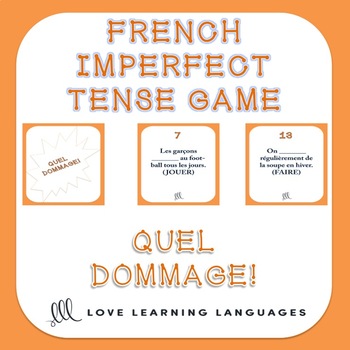
A card game ('Quel Dommage') for practicing the French imperfect tense (l'imparfait) with a variety of common verbs.

Build vocabulary and literacy skills (reading, writing, and word-study) around the topic of savanna animals through a self-guided independent-work booklet.
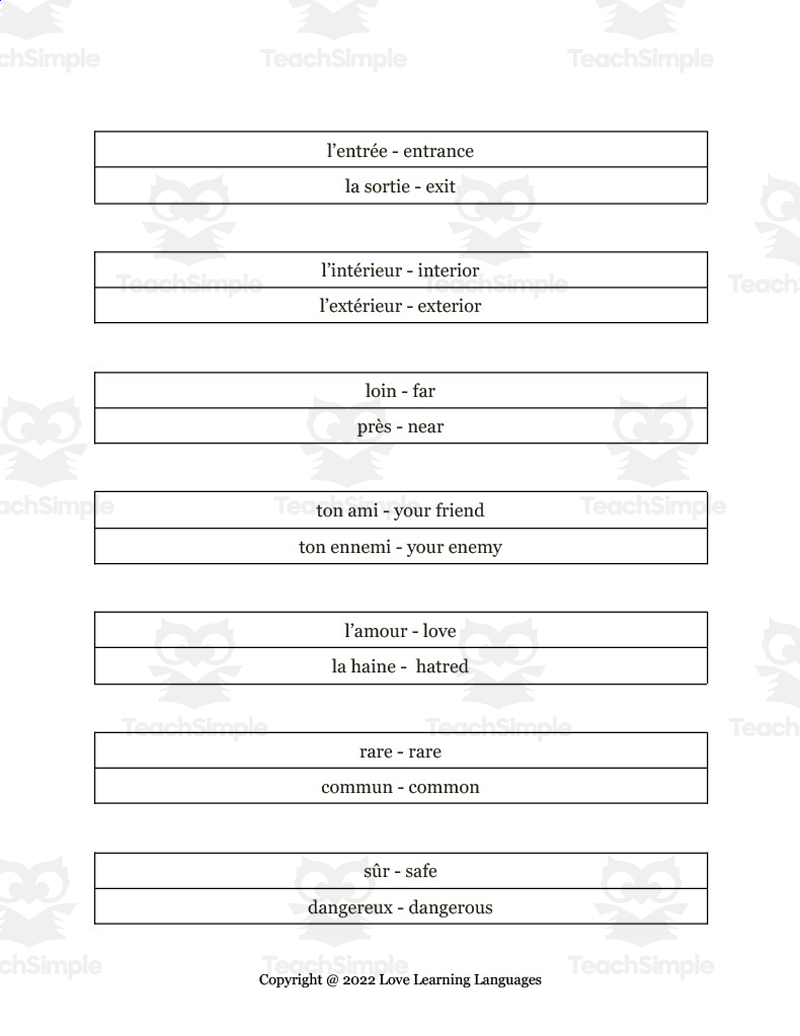
Students read/match French words to their English meanings and opposites, and play a 'J'ai / Qui a' (I have / Who has) card loop game where each card gives a word and asks for its antonym.

Study a reference list of 20 French antonym word pairs, then play the 'J'ai... Qui a un antonyme pour...?' (I have... Who has an antonym for...?) chain game, where each of 32 cards (per catalog description) states a word the player holds and prompts the next player (holding its antonym) to respond, continuing until the loop of cards…
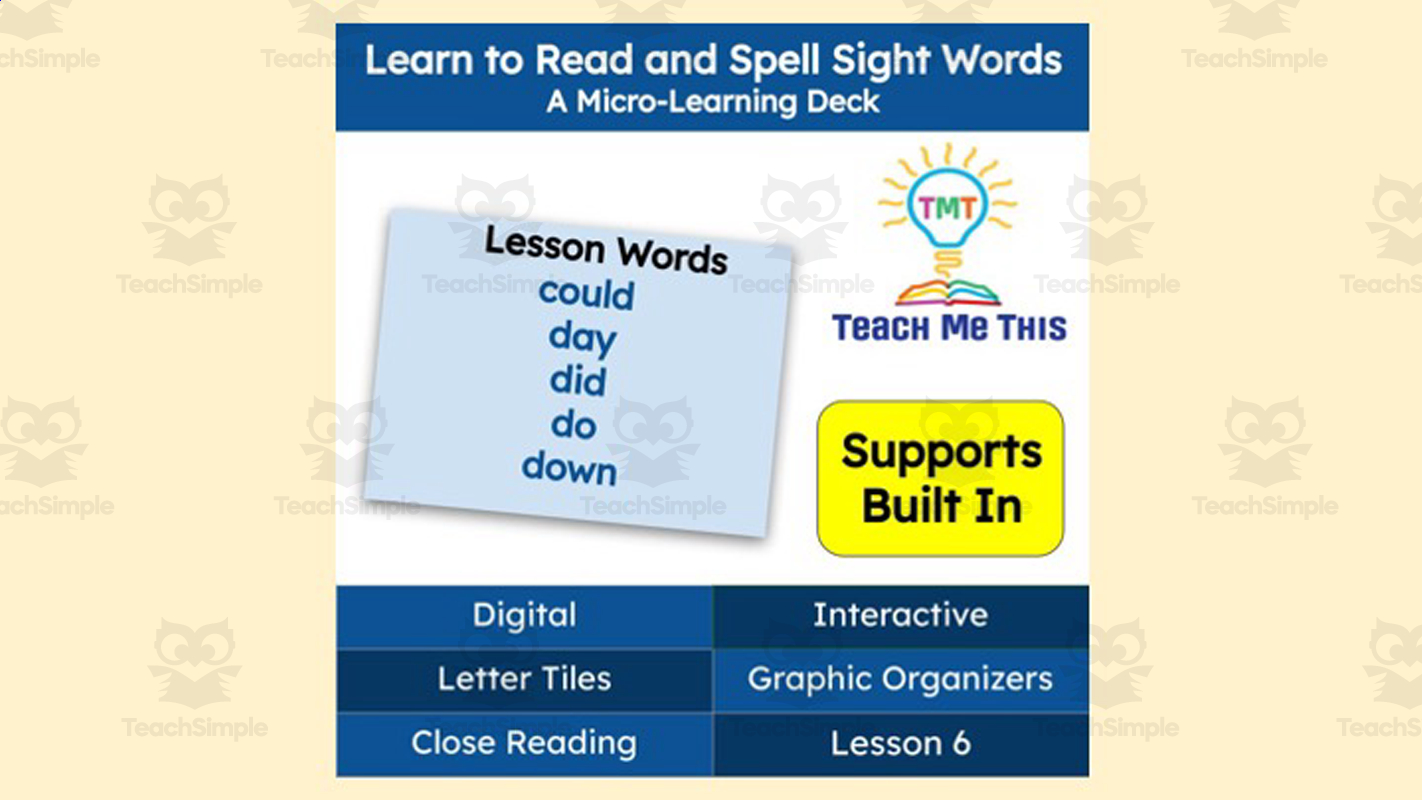
Read and trace/write each sight word in the air and on a whiteboard, spell it with digital letter tiles, type or write it, play a memory-match game pairing identical words, fill in a missing word in a sentence from a word bank (close reading), and write a sentence using each word.
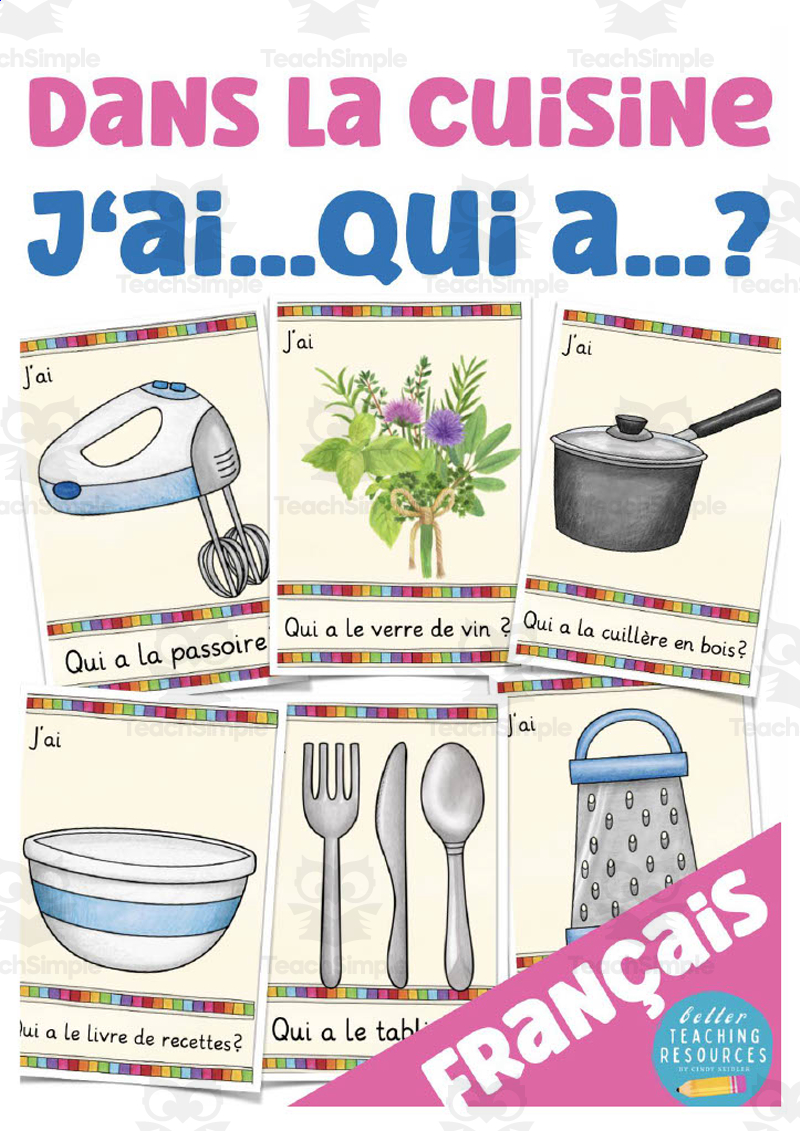
A French "I have...Who has...?" vocabulary card game for practicing kitchen tools and cooking vocabulary in French.
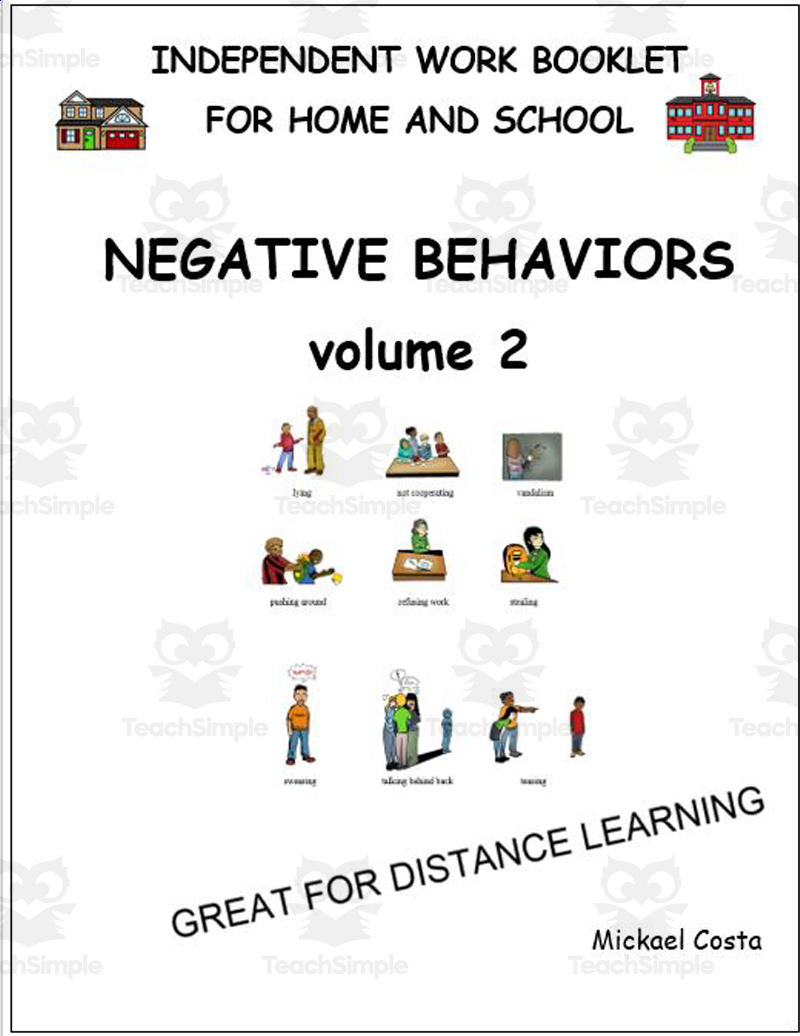
Build vocabulary and literacy skills (reading, writing, and word-study) around the topic of negative behaviors, volume 2 through a self-guided independent-work booklet.
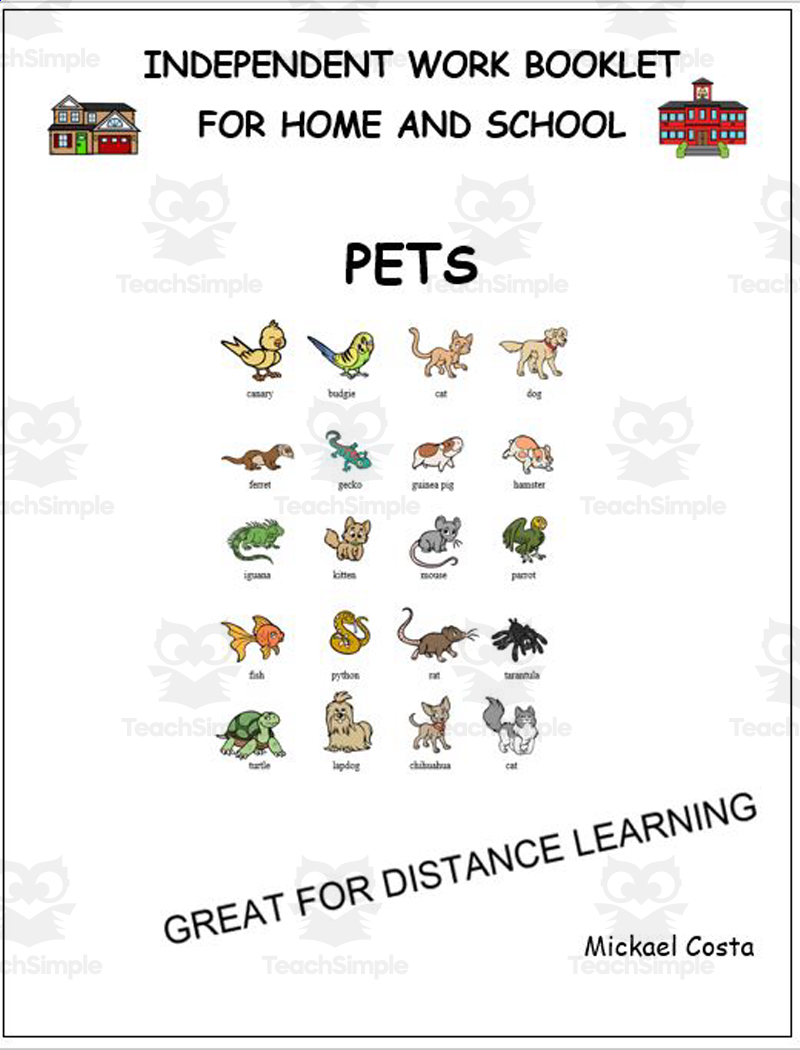
Build vocabulary and literacy skills (reading, writing, and word-study) around the topic of pets through a self-guided independent-work booklet.

Four student puzzles use the same 15-word family vocabulary list: one crossword and one word search in each translation direction, from French to English and English to French. Each has a matching answer-key PDF. A nine-slide PowerPoint presents the two crossword and two word-search puzzles, each shown first blank and then with answers filled in. Every worksheet closes with the same bonus task: color-code the vocabulary list by grammatical gender, one color for masculine words and one for feminine.
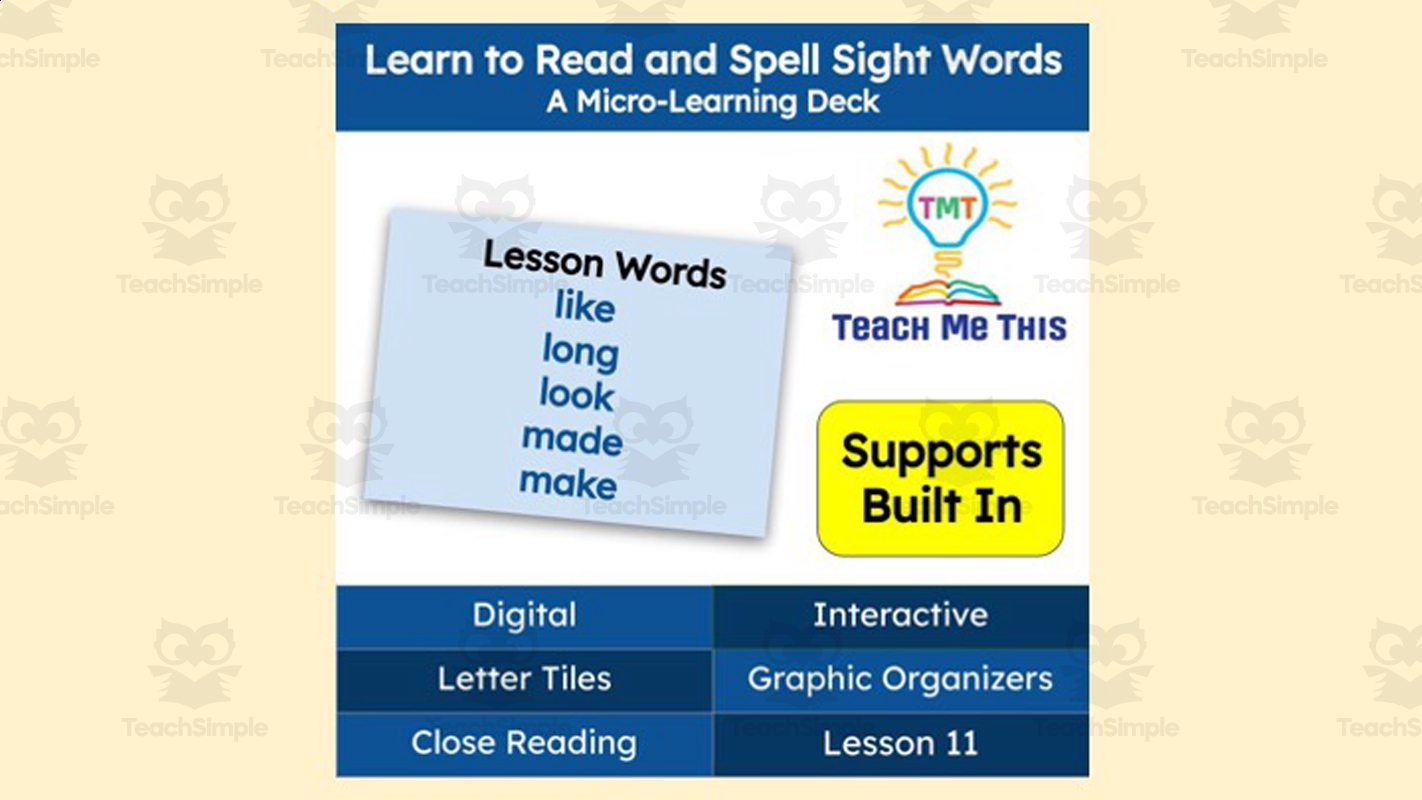
For each target word (like, long, look, made, make), the learner writes the word in the air and on a whiteboard, spells it with letter tiles, types or writes it, reads it in a short sentence, plays a memory-match game with word pairs, and fills in missing words in sentences from a word bank.

Two players take turns marking a 3x3 grid of subject pronouns (je, tu, il/elle/on, nous, vous, ils/elles) with X or O after correctly conjugating the given verb in the conditional tense for that pronoun, playing three rounds per grid set with different verbs, then recording round and overall winners.
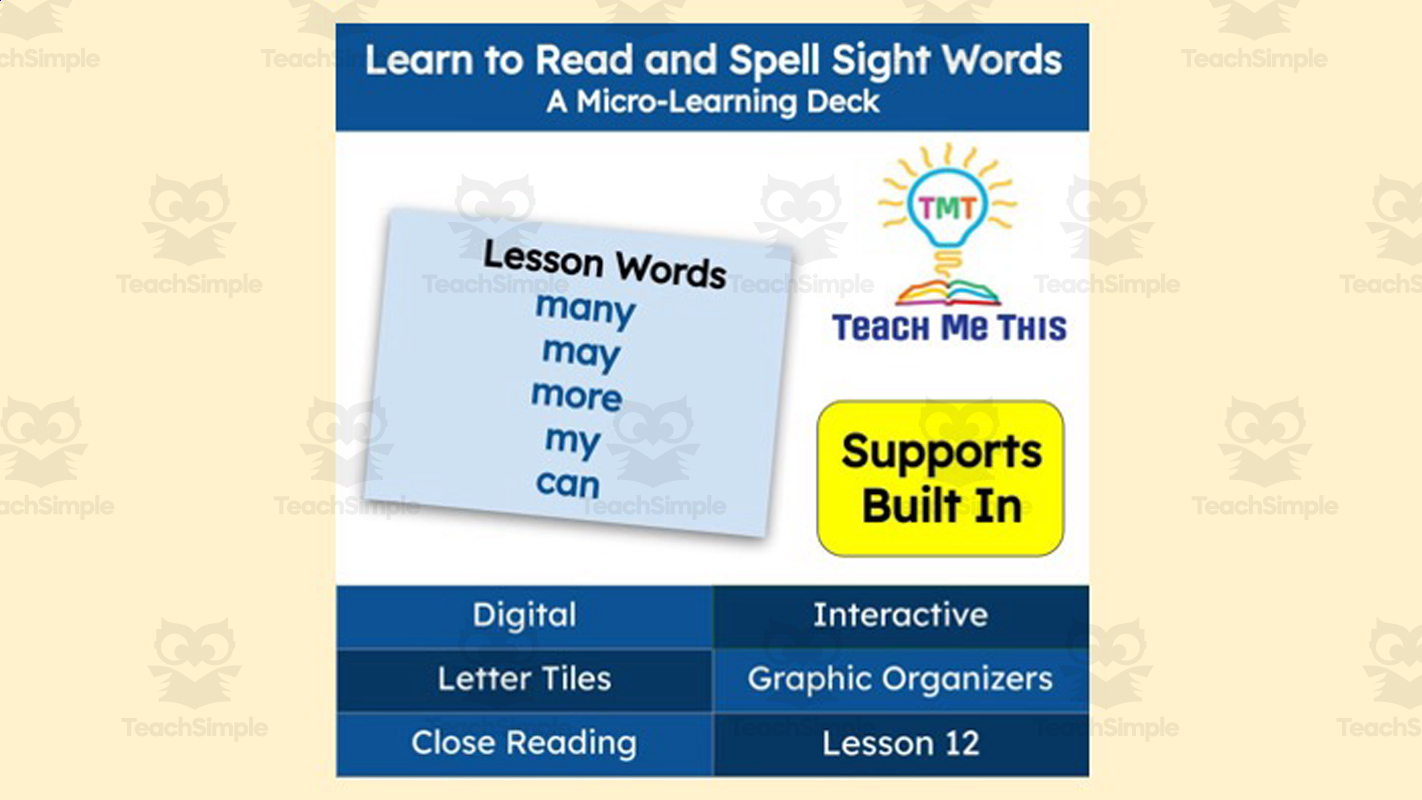
For each target word (many, may, more, my, can), the learner writes the word in the air and on a whiteboard, spells it with letter tiles, types or writes it, reads it in a short sentence, plays a memory-match game with word pairs, and fills in missing words in sentences from a word bank.

In pairs, play rounds of rock-paper-scissors (Pierre-Feuille-Ciseaux) to advance a game piece around a board; when landing on a space, conjugate and translate the -IR verb shown there using the given subject pronoun, losing a turn on an incorrect answer.
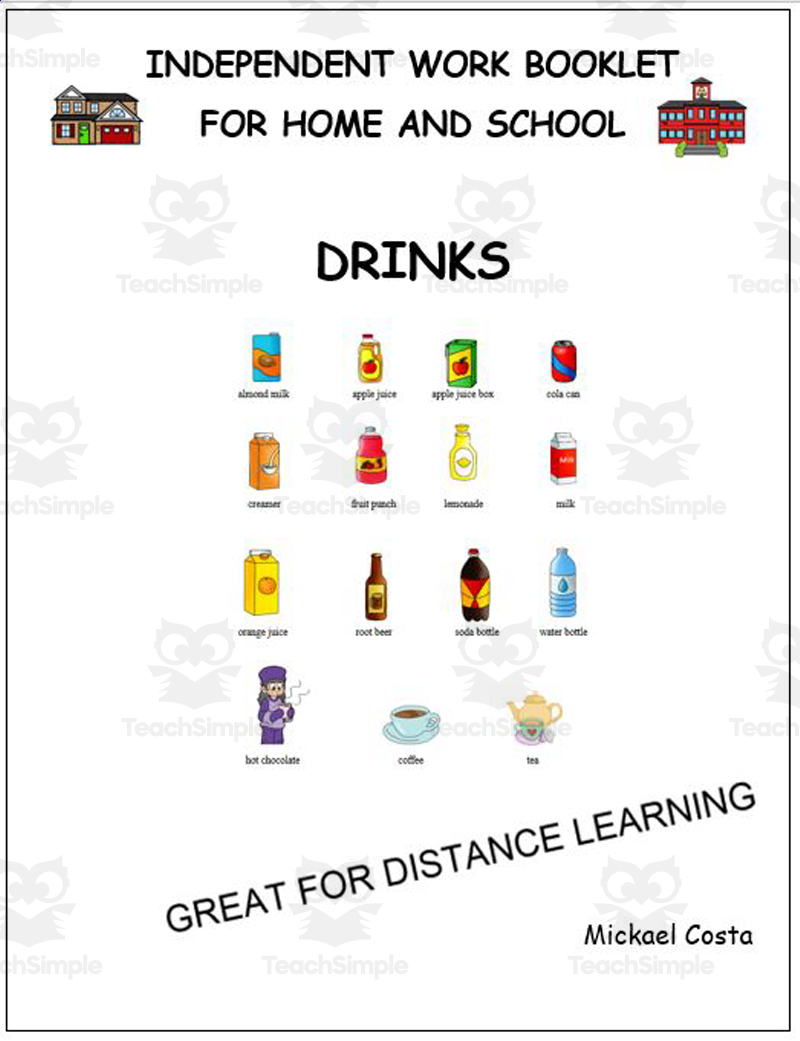
Students learn the topic's vocabulary words, label pictures with the words, write sentences and a story using the words, play bingo, build their own word search, write anagrams and riddles, research the topic online, create comic strips, compare items in a Venn diagram, and reflect on what they learned.
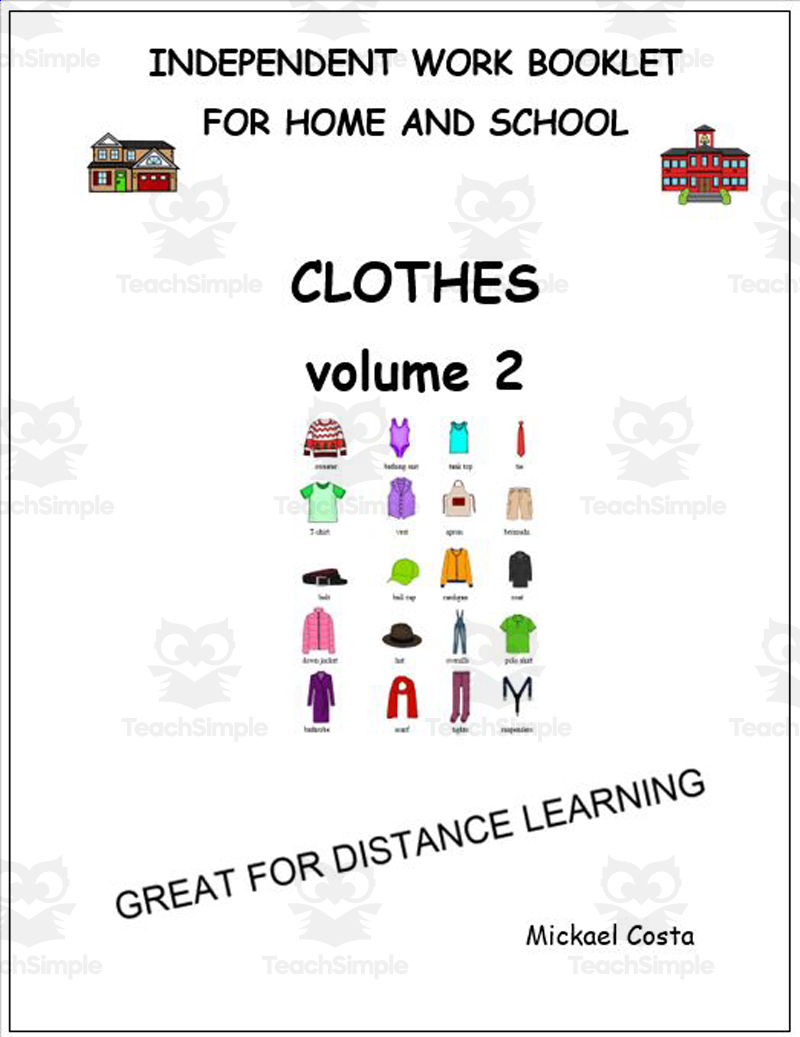
Students learn the topic's vocabulary words, label pictures with the words, write sentences and a story using the words, play bingo, build their own word search, write anagrams and riddles, research the topic online, create comic strips, compare items in a Venn diagram, and reflect on what they learned.

Fill in (orally or in writing) the correct present tense conjugation of "savoir" for the subject pronoun shown in each grid cell, then self-check answers against a completed answer key.
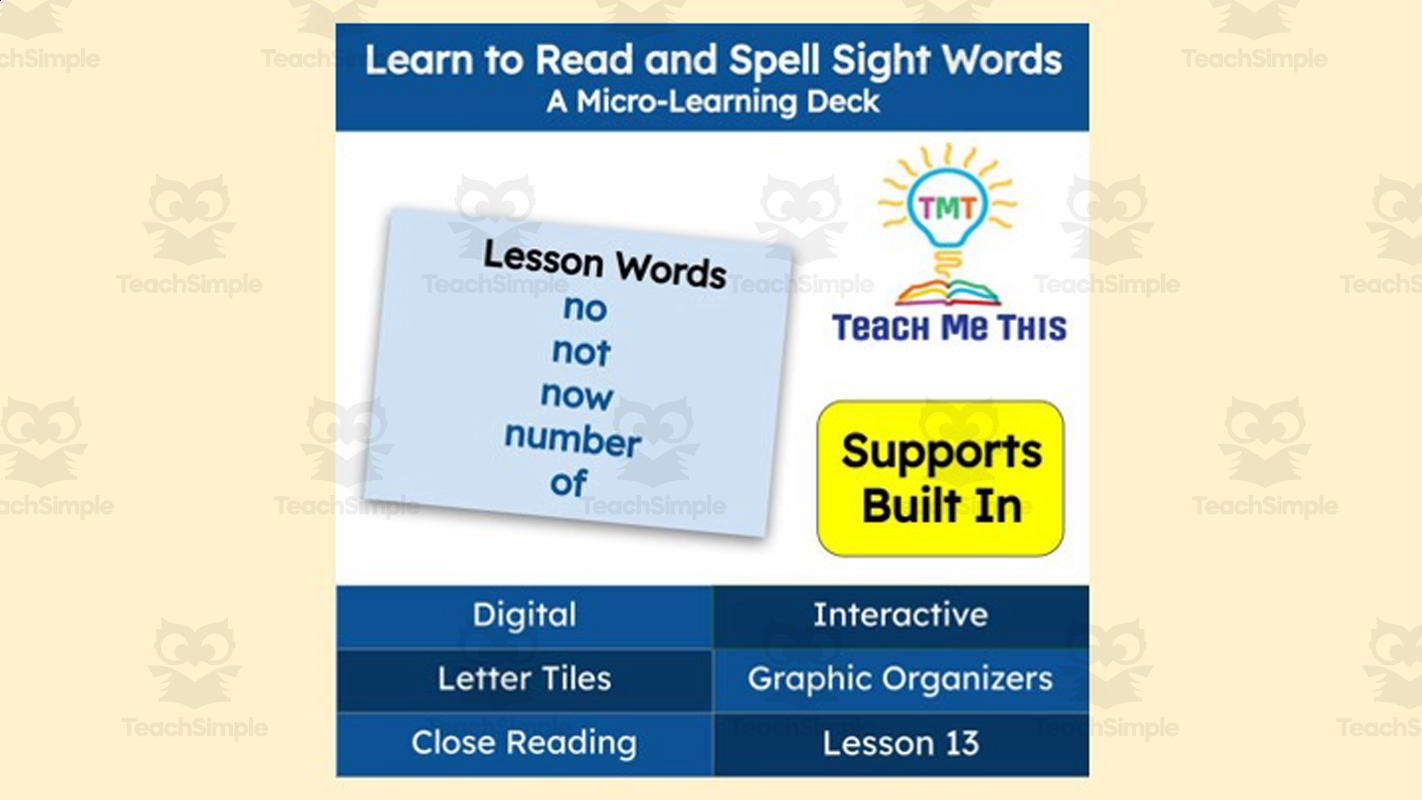
For each target word (no, not, now, number, of), the learner writes the word in the air and on a whiteboard, spells it with letter tiles, types or writes it, reads it in a short sentence, plays a memory-match game with word pairs, and fills in missing words in sentences from a word bank.
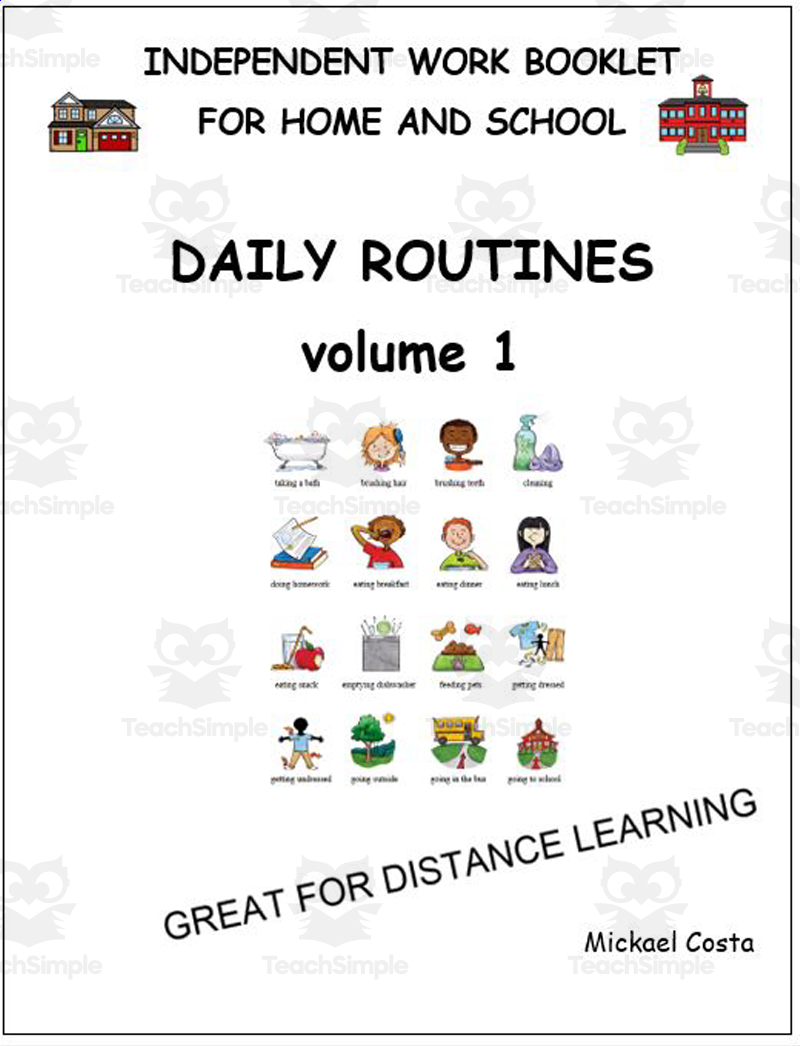
Students learn the topic's vocabulary words, label pictures with the words, write sentences and a story using the words, play bingo, build their own word search, write anagrams and riddles, research the topic online, create comic strips, compare items in a Venn diagram, and reflect on what they learned.
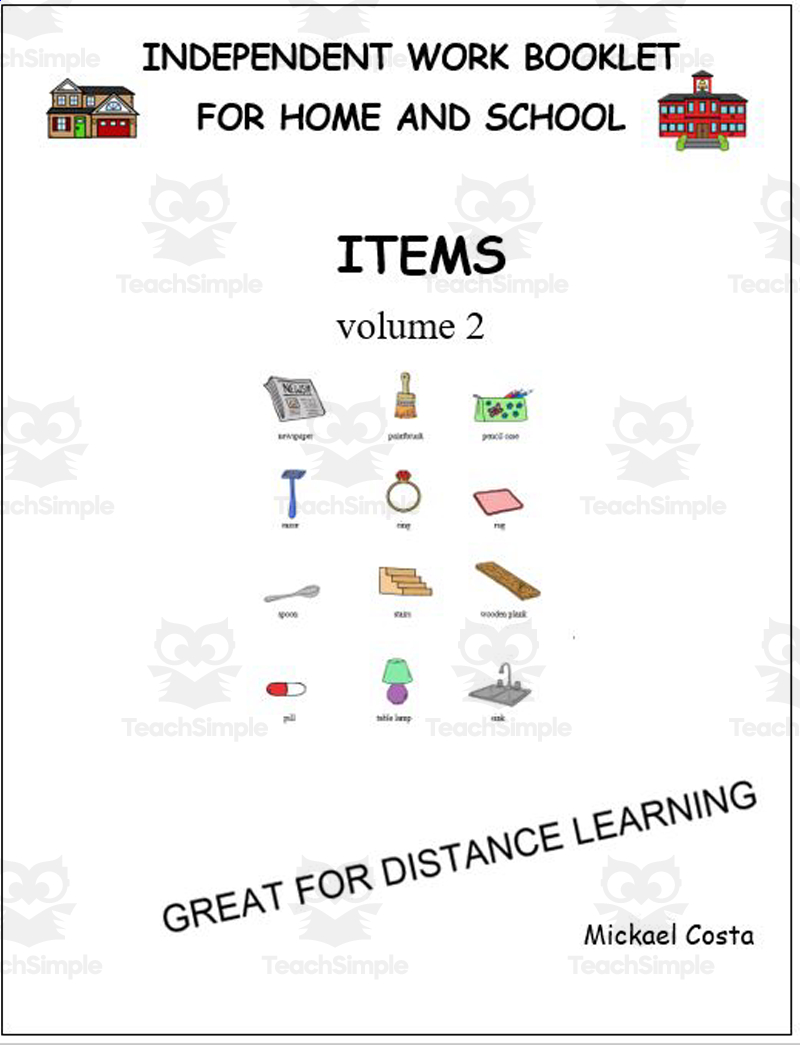
Students match vocabulary words to pictures, study a vocabulary word list, complete a bingo sheet and create their own word search, write sentences and an illustrated story using the vocabulary, answer a personal-connection reflection prompt, play a guessing game, solve anagrams, write riddles, do an internet research prompt, pick a…
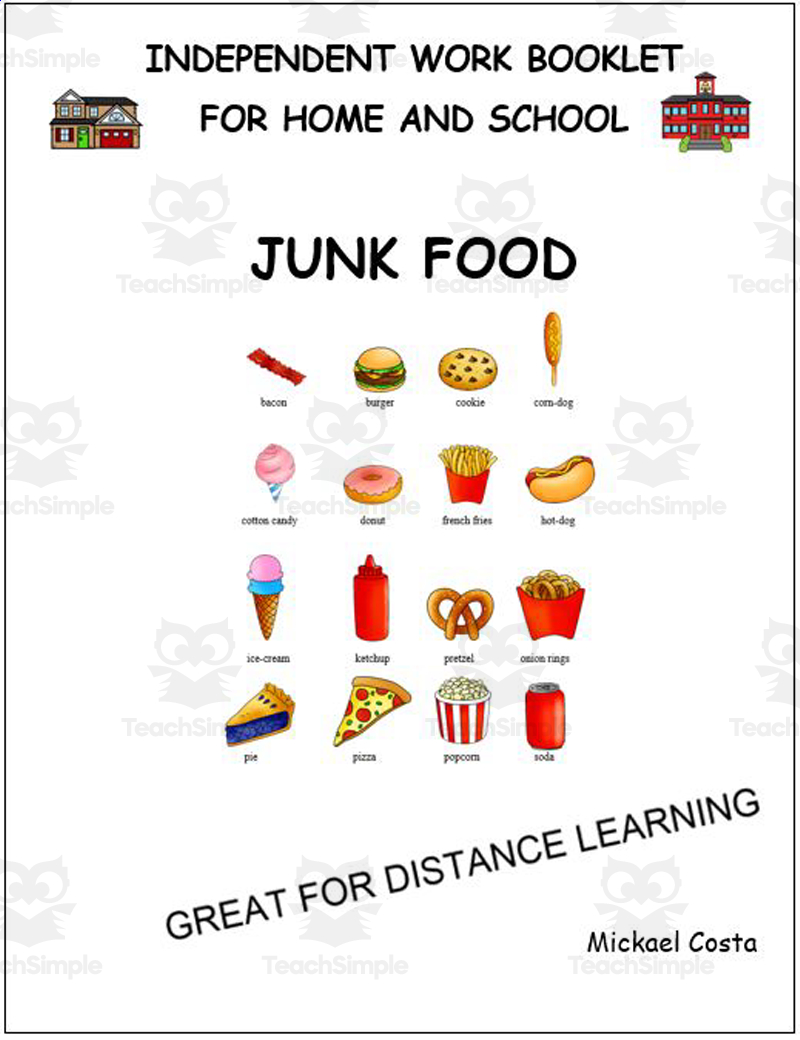
Students match vocabulary words to pictures, study a vocabulary word list, complete a bingo sheet and create their own word search, write sentences and an illustrated story using the vocabulary, answer a personal-connection reflection prompt, play a guessing game, solve anagrams, write riddles, do an internet research prompt, pick a…
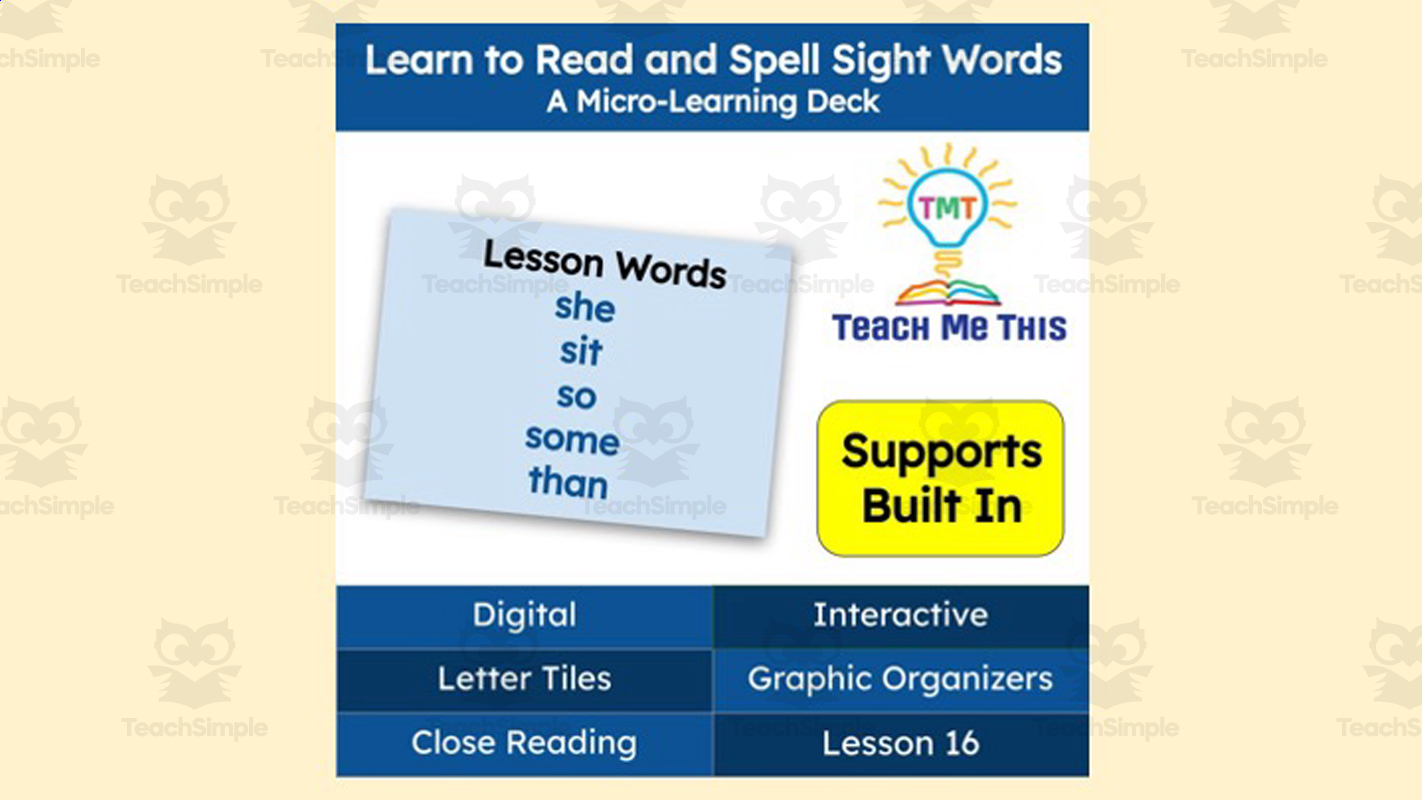
For each target word (she, sit, so, some, than), the learner writes the word in the air and on a whiteboard, spells it with letter tiles, types or writes it, reads it in a short sentence, plays a memory-match game with word pairs, and fills in missing words in sentences from a word bank.
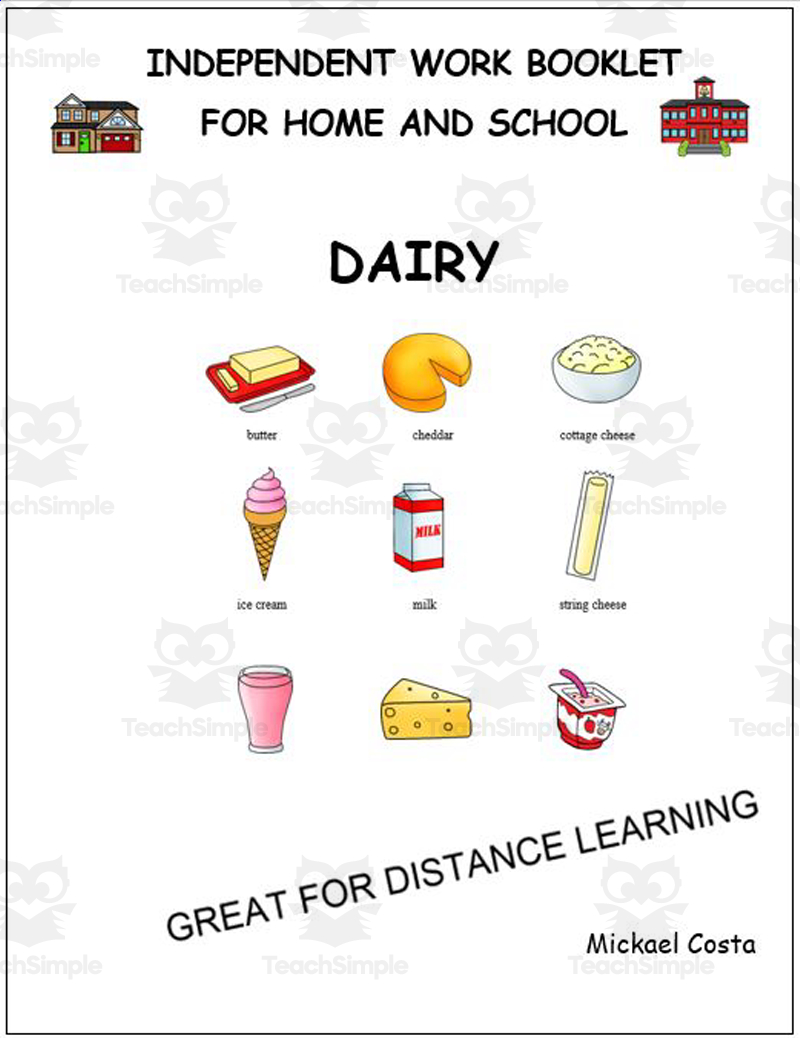
Students learn the topic's vocabulary words, label pictures with the words, write sentences and a story using the words, play bingo, build their own word search, write anagrams and riddles, research the topic online, create comic strips, compare items in a Venn diagram, and reflect on what they learned.
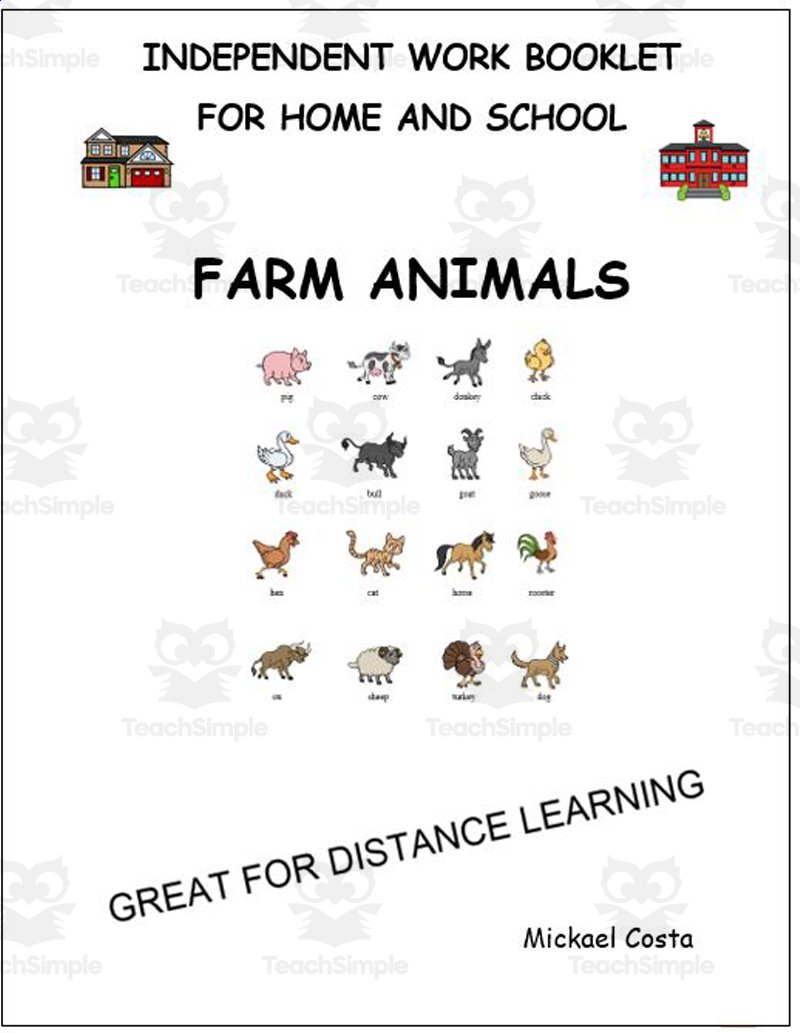
Students learn the topic's vocabulary words, label pictures with the words, write sentences and a story using the words, play bingo, build their own word search, write anagrams and riddles, research the topic online, create comic strips, compare items in a Venn diagram, and reflect on what they learned.