Converting Units of Weight Task Cards and Power Point Slides
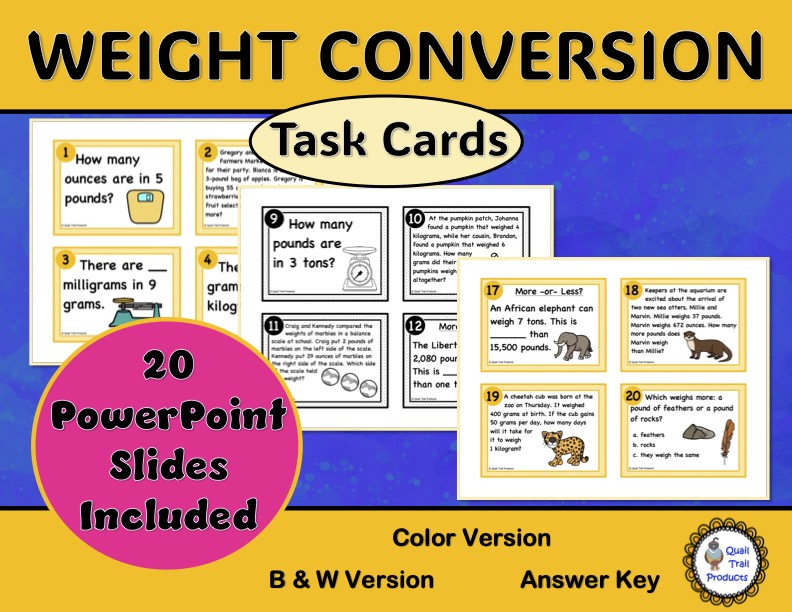
Give students practice converting between customary and metric units of weight/mass using word-problem task cards, with an accompanying PowerPoint version for digital/projected use.
Classroom resources
Browse by lesson focus
Choose the topic or kind of practice you need.
Give students practice converting between customary and metric units of weight/mass using word-problem task cards, with an accompanying PowerPoint version for digital/projected use.
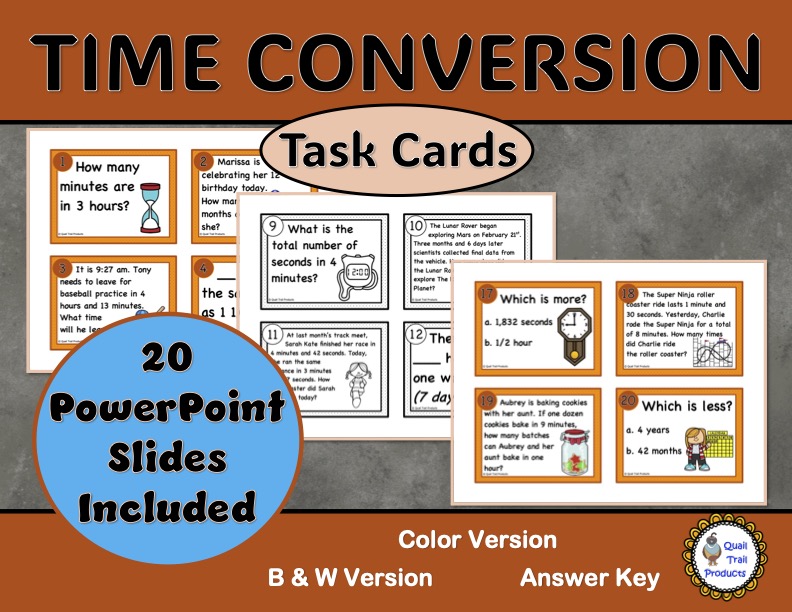
Give students practice converting units of time and calculating elapsed time using word-problem task cards, with an accompanying PowerPoint version for digital/projected use.
Work with larger place values through ten nearest-hundred-thousand rounding problems. Students compare six-digit numbers with neighboring benchmarks, then record their estimates. The completed companion page provides a checking reference; discussing the bounding multiples can make the reasoning behind each answer clearer.
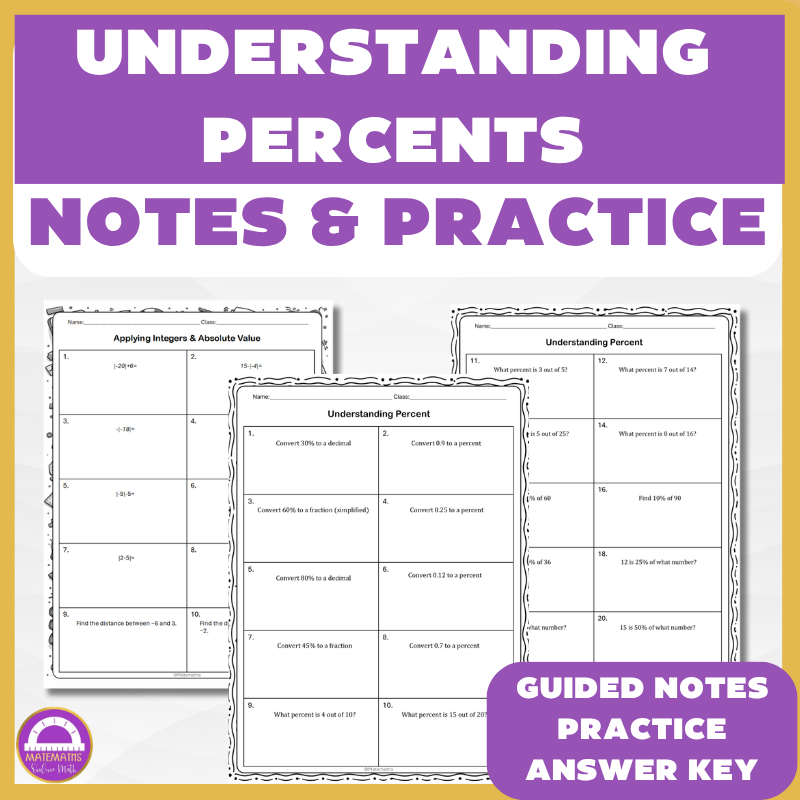
Guided notes and practice to build conceptual understanding of percent (as 'out of 100' and as a part/whole relationship) and conversions among percents, fractions, and decimals.
Teach upper-elementary/middle-school students to identify and analyze theme in literature using graphic organizers, as one chapter/skill section of a larger published 'Literary Devices' workbook.
Practice rounding to the nearest ten thousand as the size of the starting number increases. Twenty prompts move from five-digit values to numbers in the millions. Keeping the target place clearly marked can help students apply the same place-value reasoning throughout the set.
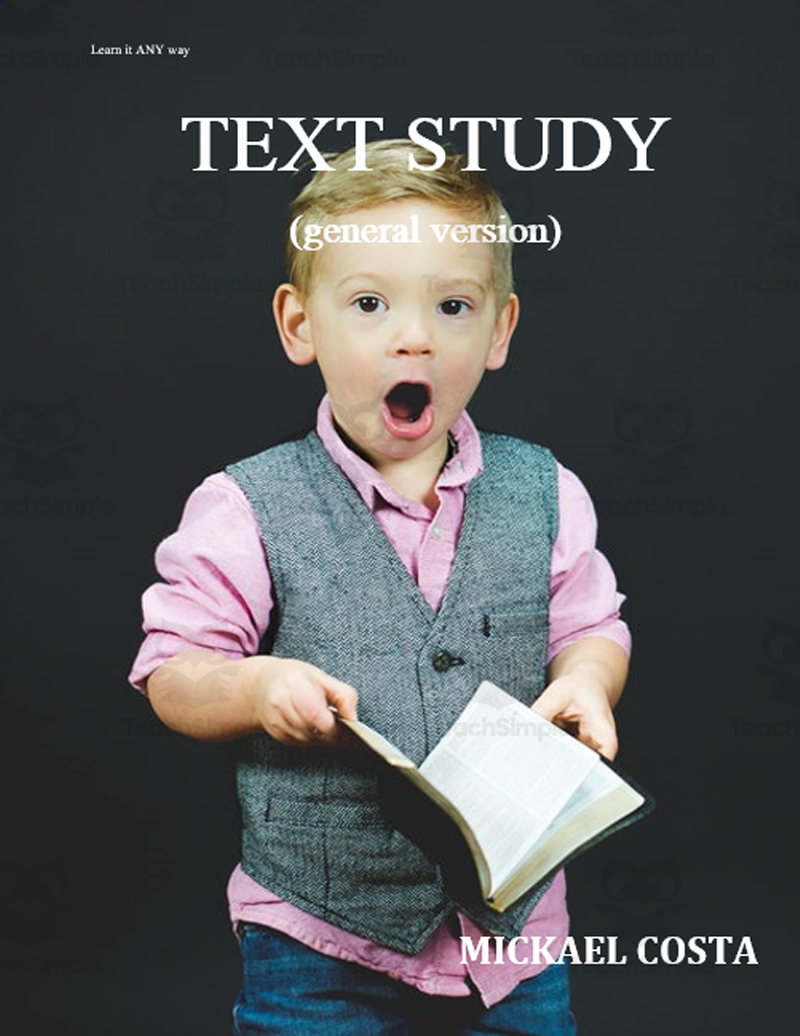
A large novel/text-study companion workbook that guides students through reading-response, comprehension, vocabulary, and writing activities to use alongside any book they are reading, with built-in self-assessment on each page.
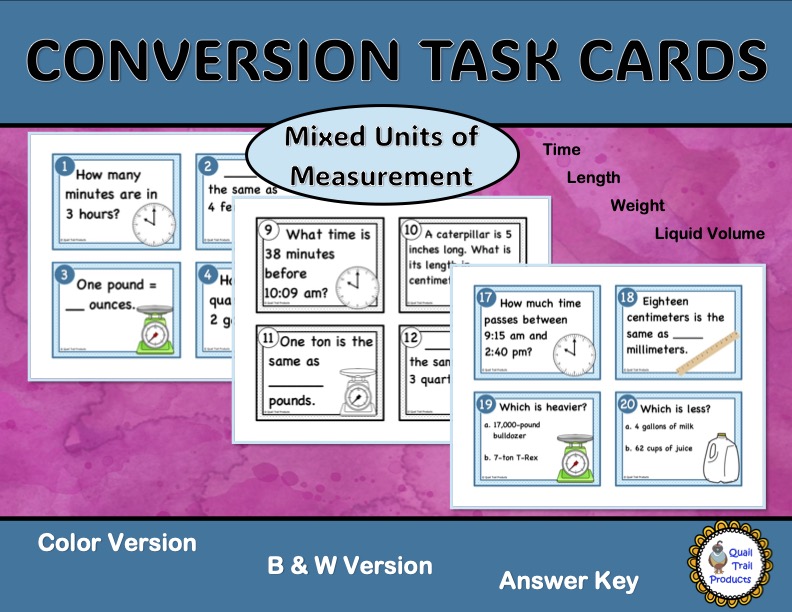
Give students mixed practice converting units across time, length, weight, and liquid volume using word-problem task cards, with an accompanying PowerPoint version for digital/projected use.
Provide a structured, literature-linked workbook of activities to help students develop specific fiction-writing craft skills — style/voice, dialogue, plot, characterization, setting, point of view, and leads/endings.
Compare CL and CR at the beginning of pictured words. Students identify the blend that matches each image, using familiar examples such as clock and crab. An answer page lists the matching words and blends, giving you a reference for reviewing responses after the activity.
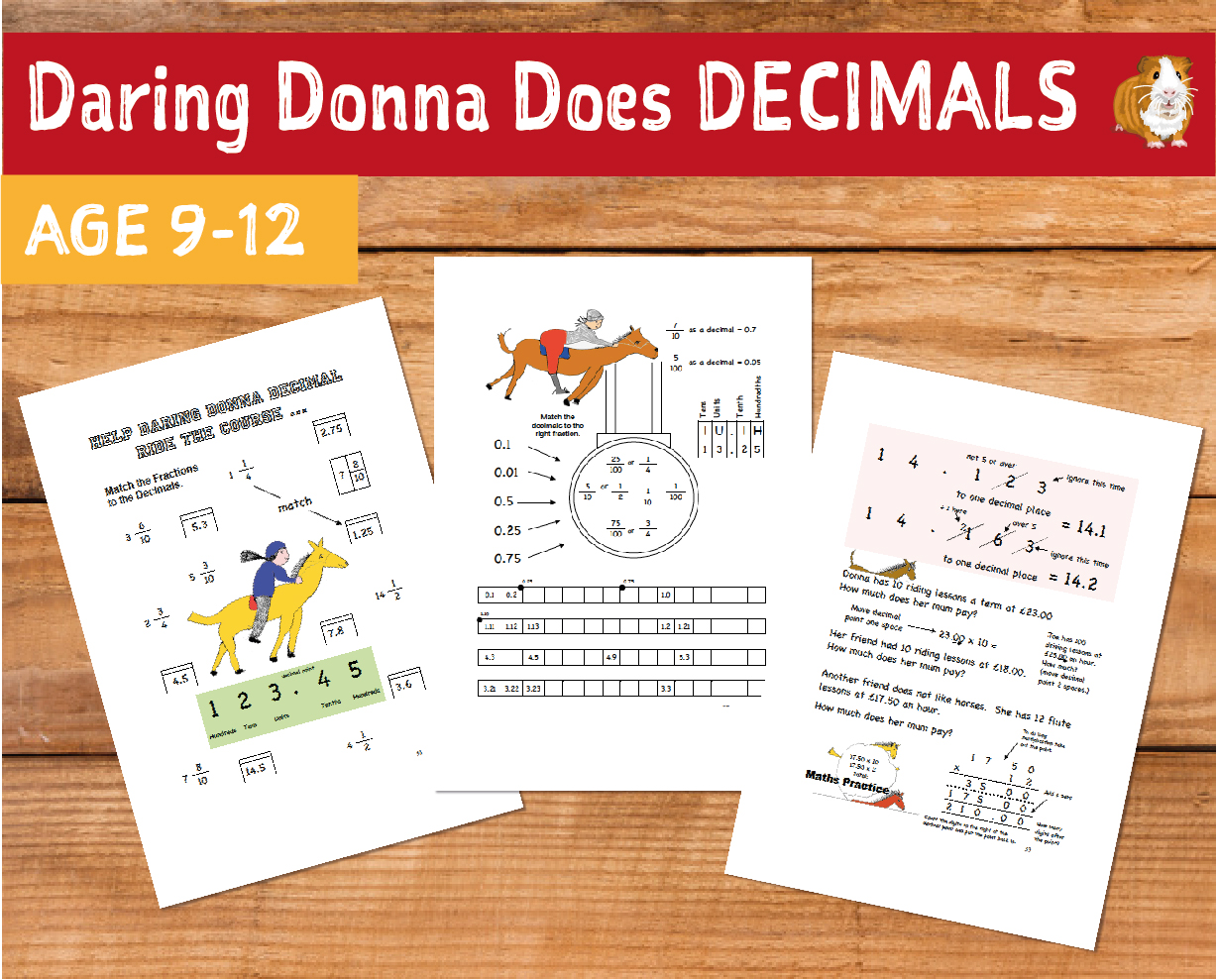
A decimals practice workbook (part of a 'Maths Land School Work Pack' series) using a cartoon character theme to teach reading, ordering, converting and calculating with decimals.
Give students mixed practice converting units across time, length, weight, and liquid volume using word-problem task cards.
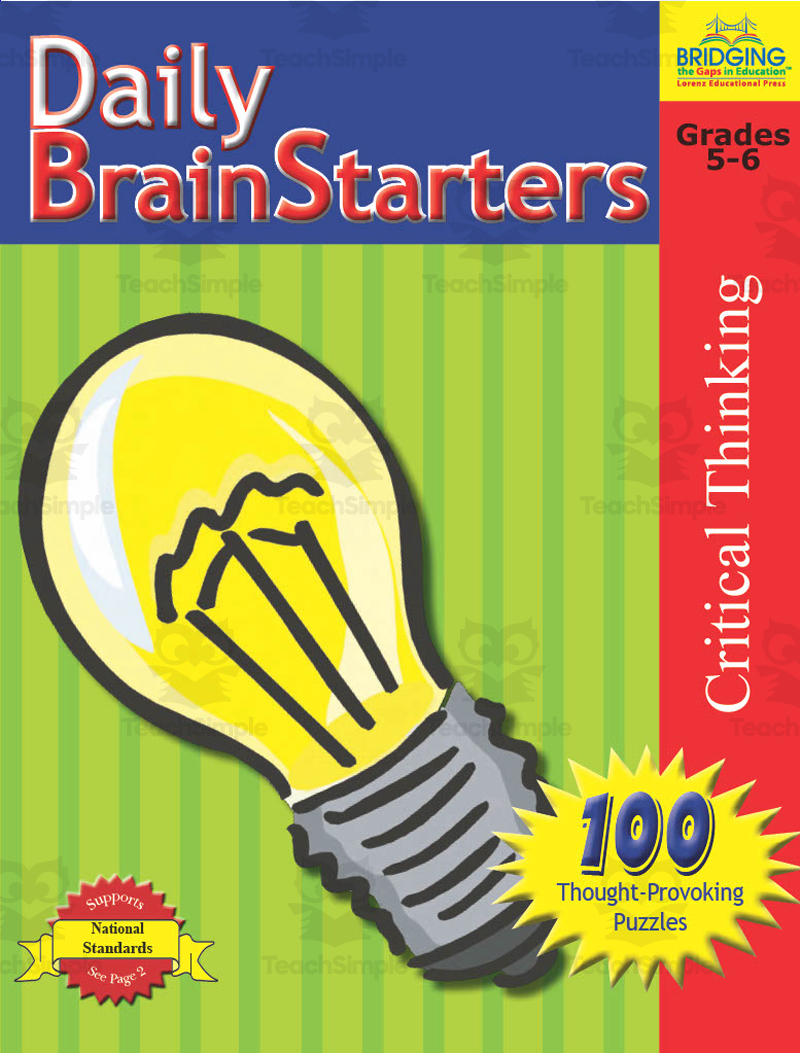
Give grades 5-6 students a daily critical-thinking warm-up using standalone logic, math, and deduction puzzles to start the school day or transition between subjects.
Listen for SM or SN at the beginning of each pictured word, circle the matching blend, and write it on the line. The examples include words such as smile, smoke, snake, and snail. A completed companion page supports checking the blend choices after students have named the pictures aloud.
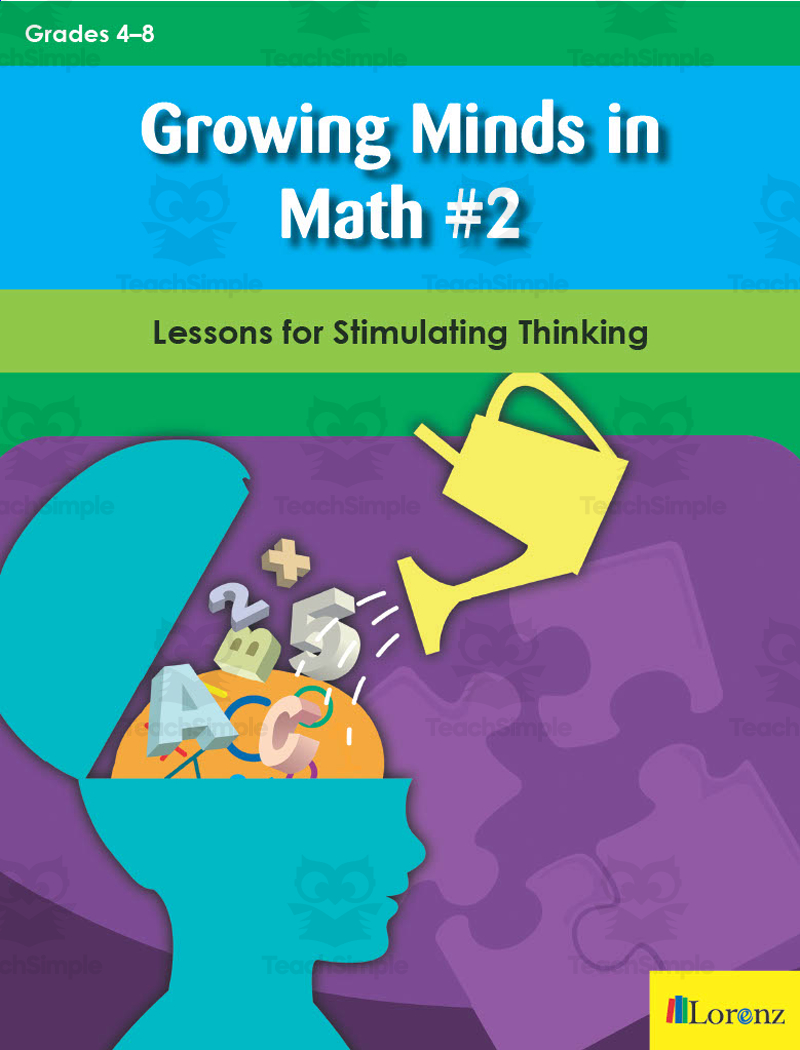
Teacher's-guide-plus-reproducible-worksheet packet that develops critical thinking and problem-solving through applied algebra/arithmetic word problems.
A movie study for Disney's Moana 2 that builds reading comprehension, vocabulary, critical thinking, discussion, and SEL skills (leadership, teamwork, courage, community) through before/during/after-viewing activities.
A collection of 68 incremental math word-problem worksheets across 19 problem types, designed as a supplement (not a standalone curriculum) that starts each topic with simple questions and gradually increases complexity, training students to read word problems carefully.
Say each picture word together before students circle a blend. Compare the second sound in fl and fr, then have students print their choice on the line.
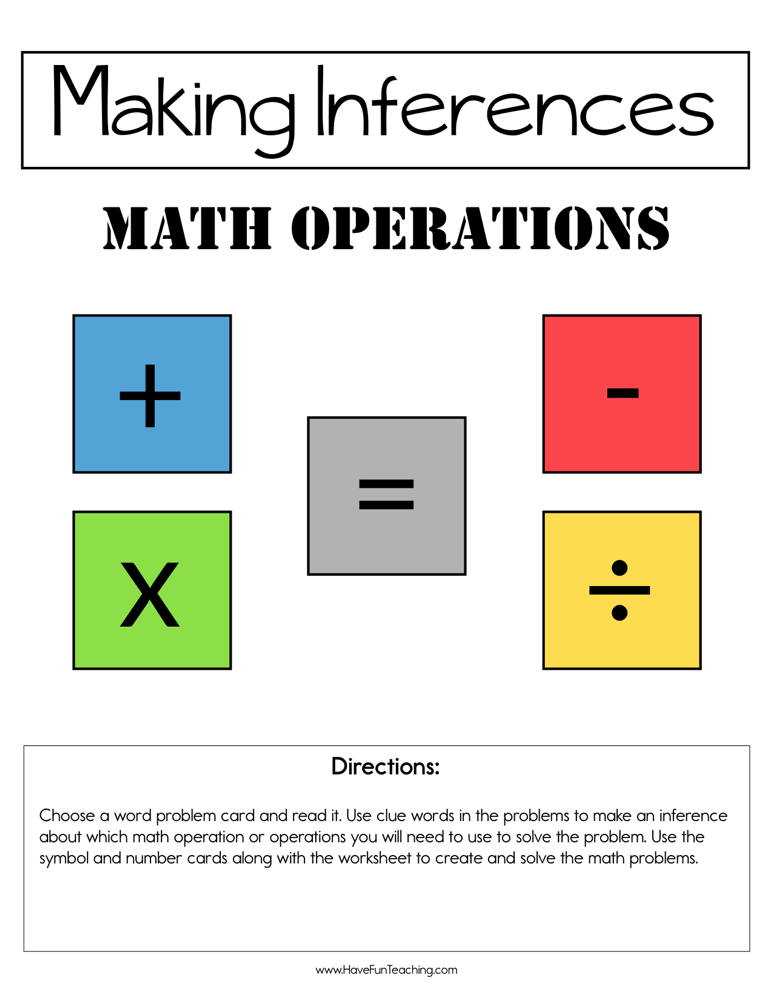
Practice making inferences to determine which math operation(s) to use, by reading word problems and identifying clue words.
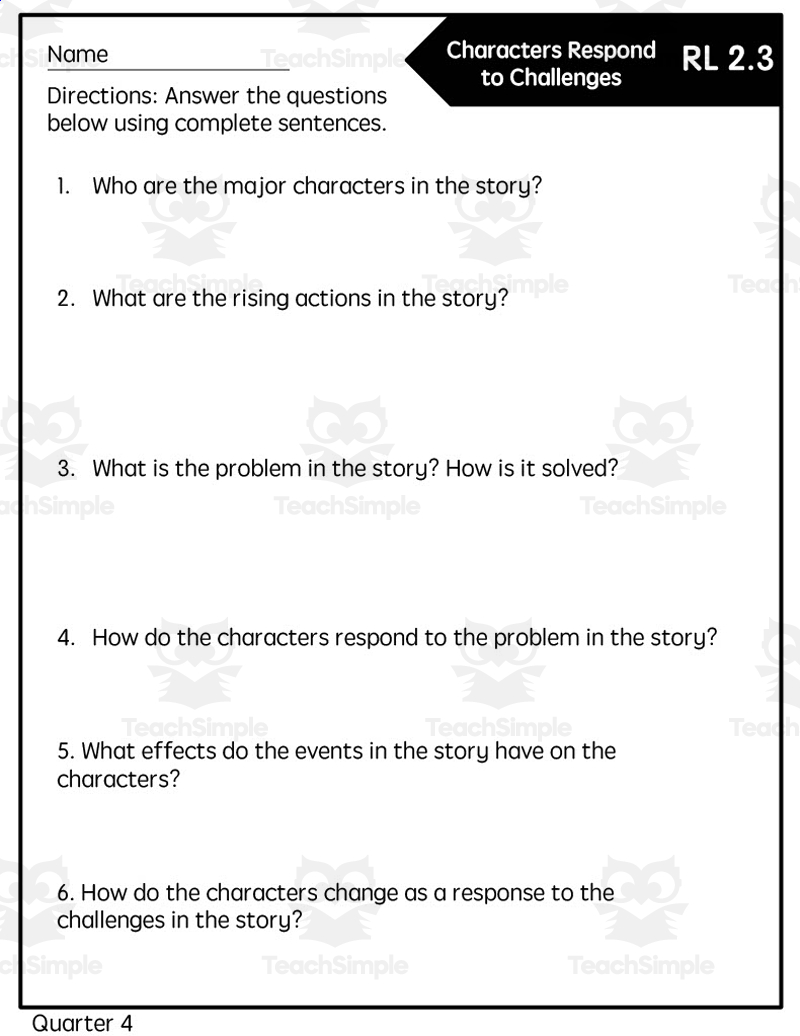
A set of quick-check formative-assessment worksheets for Grade 2 reading standards (4th quarter), designed to be used with any book students are currently reading.
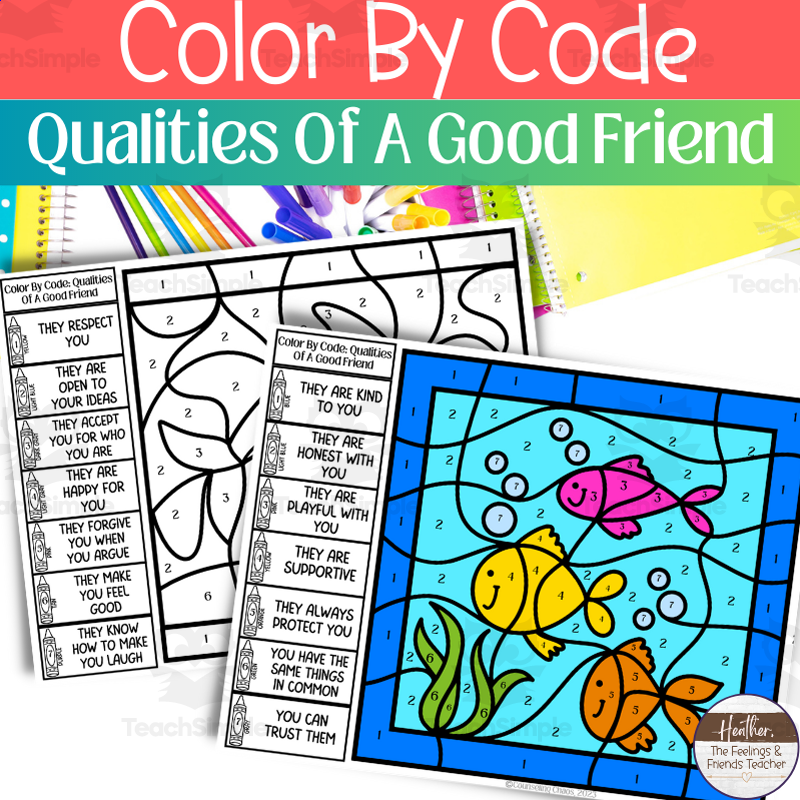
Social-emotional learning activity reviewing qualities/traits of a good friend using a color-by-code / color-by-number format.
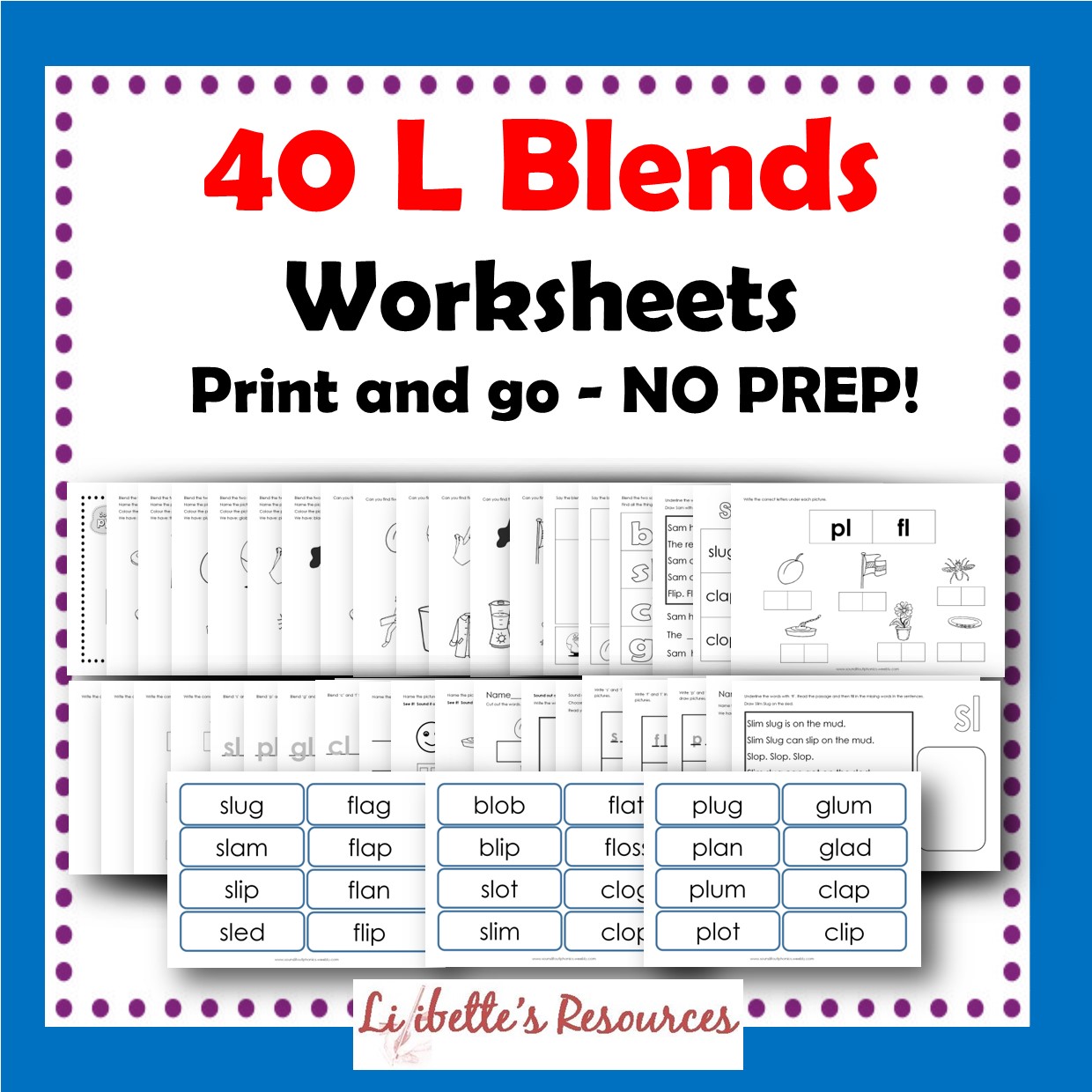
Six initial L-blends are practiced through listening, tracing, picture sorting, spelling, and word building. Short readings, comprehension questions, dictation, and a spinner-and-hunt game offer further ways to apply the blends. Choose activities for the learner’s current stage, moving from recognizing a blend to using it in words and connected reading.
Supplemental worksheets that help Grade 5 students practice determining theme/main idea from short stories and a reader's-theater style play script, aligned to CCSS RL.5.2.
A K-2 behavior-management mini-unit of calming-strategy cards, expectation posters, and scenario-based task cards to help students self-regulate emotions like frustration, anger, or sadness.