Kobe Bryant – Black History No-Prep Packet
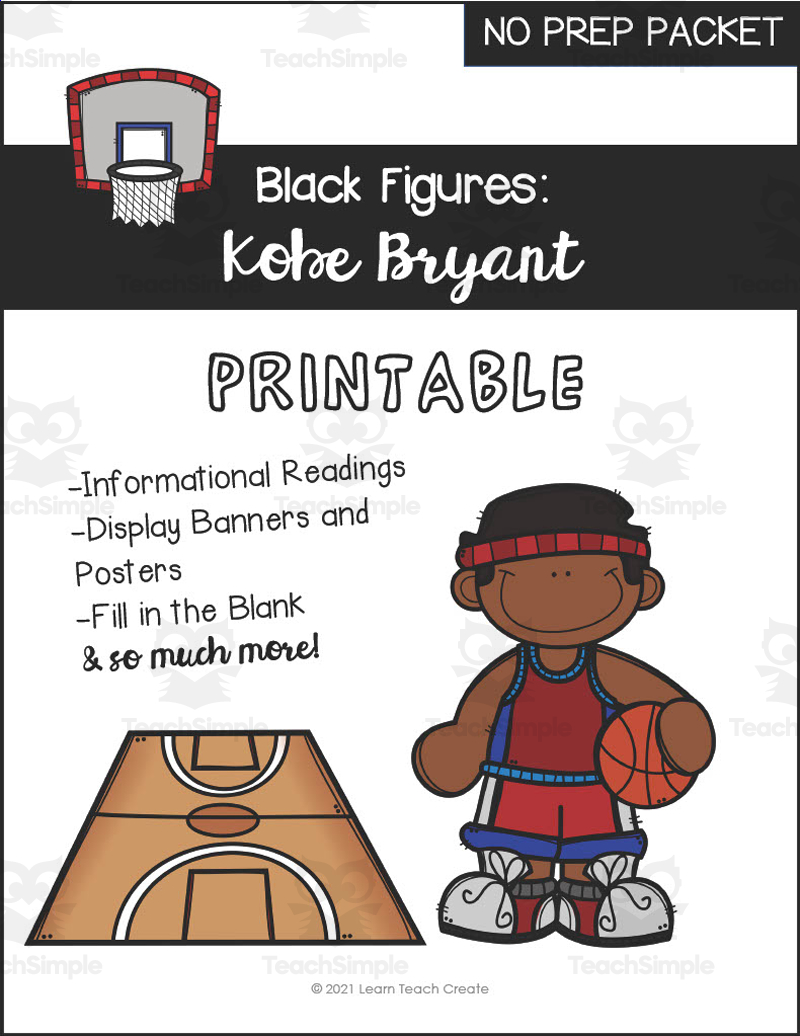
Students read an informational biography of Kobe Bryant, complete a KWL chart, fill in a facts page, and complete a word search; supplementary video and (affiliate) book links are provided for extension.
Classroom resources
Browse by lesson focus
Choose the topic or kind of practice you need.
Students read an informational biography of Kobe Bryant, complete a KWL chart, fill in a facts page, and complete a word search; supplementary video and (affiliate) book links are provided for extension.
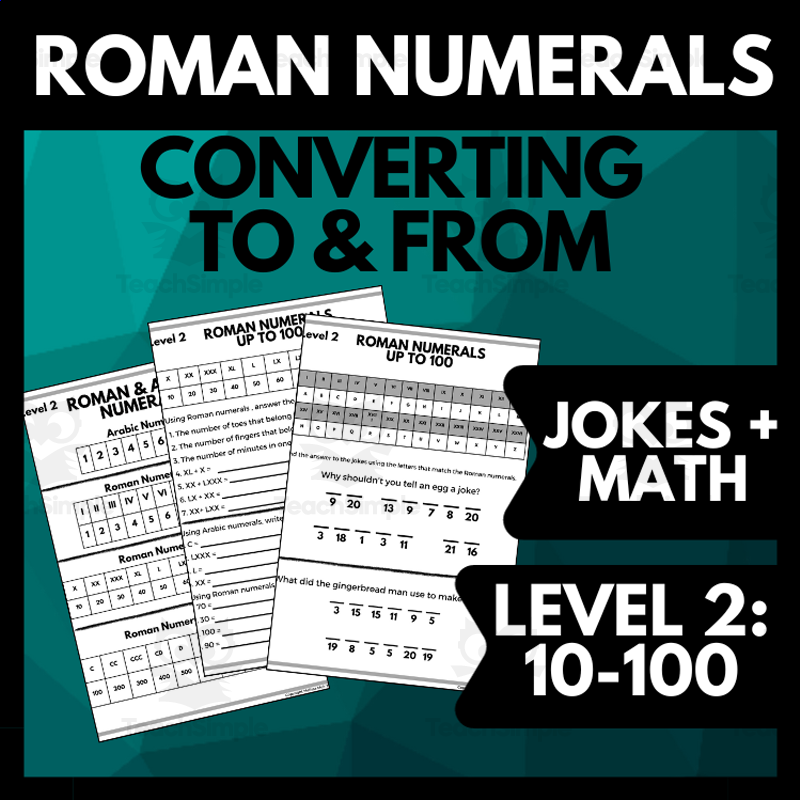
Gives students practice converting between Roman and Arabic numerals in the 10-100 range, then applying that skill to decode letter-substitution jokes.
Write a narrative essay rough draft, complete a peer review with a checklist, polish a final draft, and submit it before the end of class.
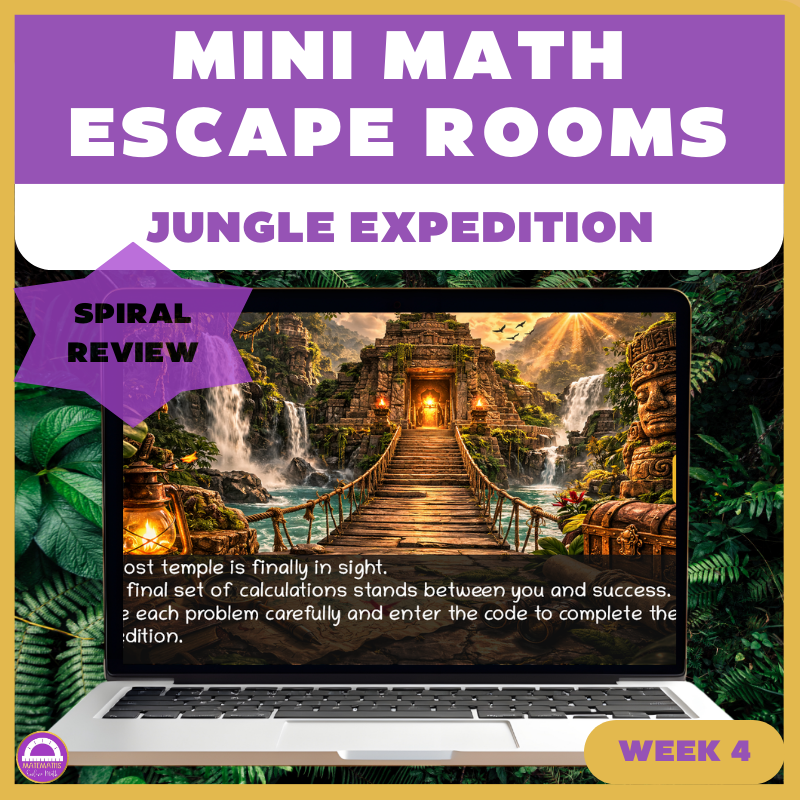
Each day, students solve 5 math problems on one page, take the first digit of each answer, and combine the five digits into a numeric code that completes that day's mission.
Teach high school students to read and interpret a chart on the historical evolution of nuclear weapons (atomic and hydrogen bomb tests by the USA and USSR) and answer chart-based comprehension questions.
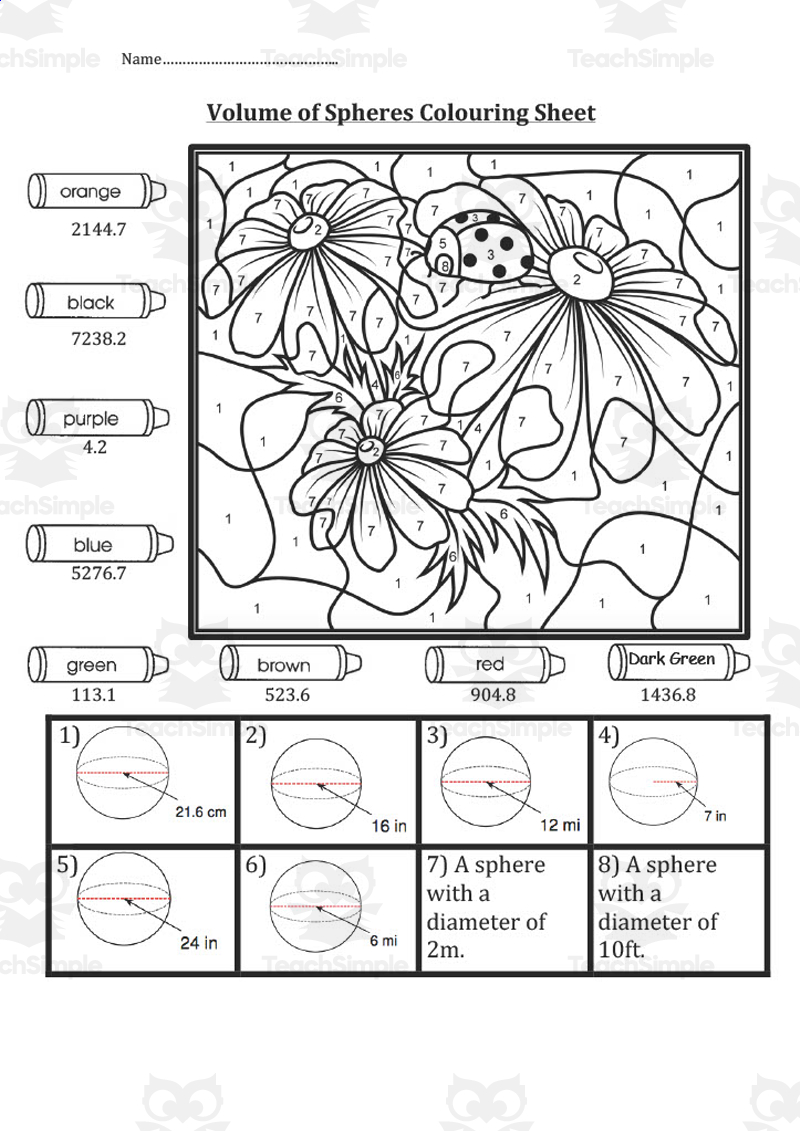
Practice calculating the volume of spheres, using color-by-number to self-check answers.
Give students hands-on practice measuring the perimeter of polygons using string/yarn and a ruler.
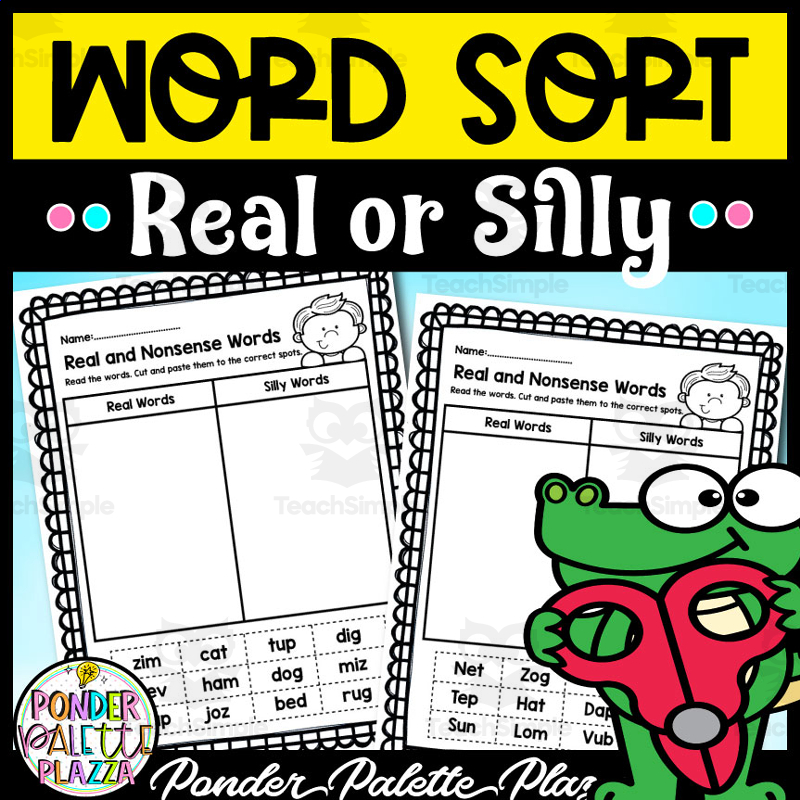
Read a set of short CVC words, decide whether each is a real word or a silly/nonsense word, then cut and paste each word into the correct column.
Students take a true/false/unsure attitudes survey about mental health, watch/read a first-person perspective (Sam Cohen) on living with mental illness, participate in a think-pair-share discussion, and complete a fill-in-the-blank note-taking sheet while following a PowerPoint lesson
Finding Square Roots & Cube Roots Digital Self-Checking Math Activity Finding Square Roots & Cube Roots Digital Self-Checking Math Activity is a first-rate teaching resource aimed at enabling students to gain mastery in foundational math skills. This ingenious exercise provides an efficient and engaging way of practicing…
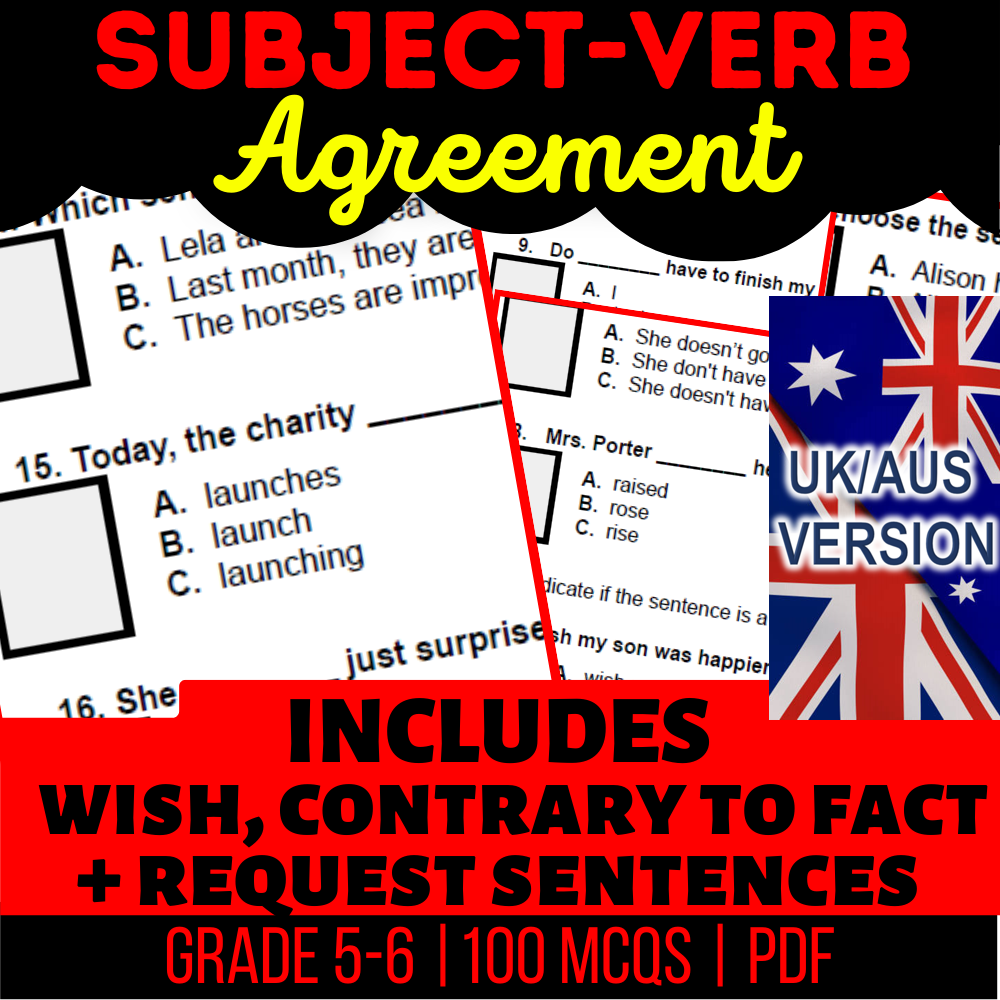
Read each sentence and select the letter (A/B/C) of the verb form that correctly agrees with the subject.
Solve 8 order-of-operations expressions, match each answer to its corresponding letter, and use the letters to reveal a hidden message.
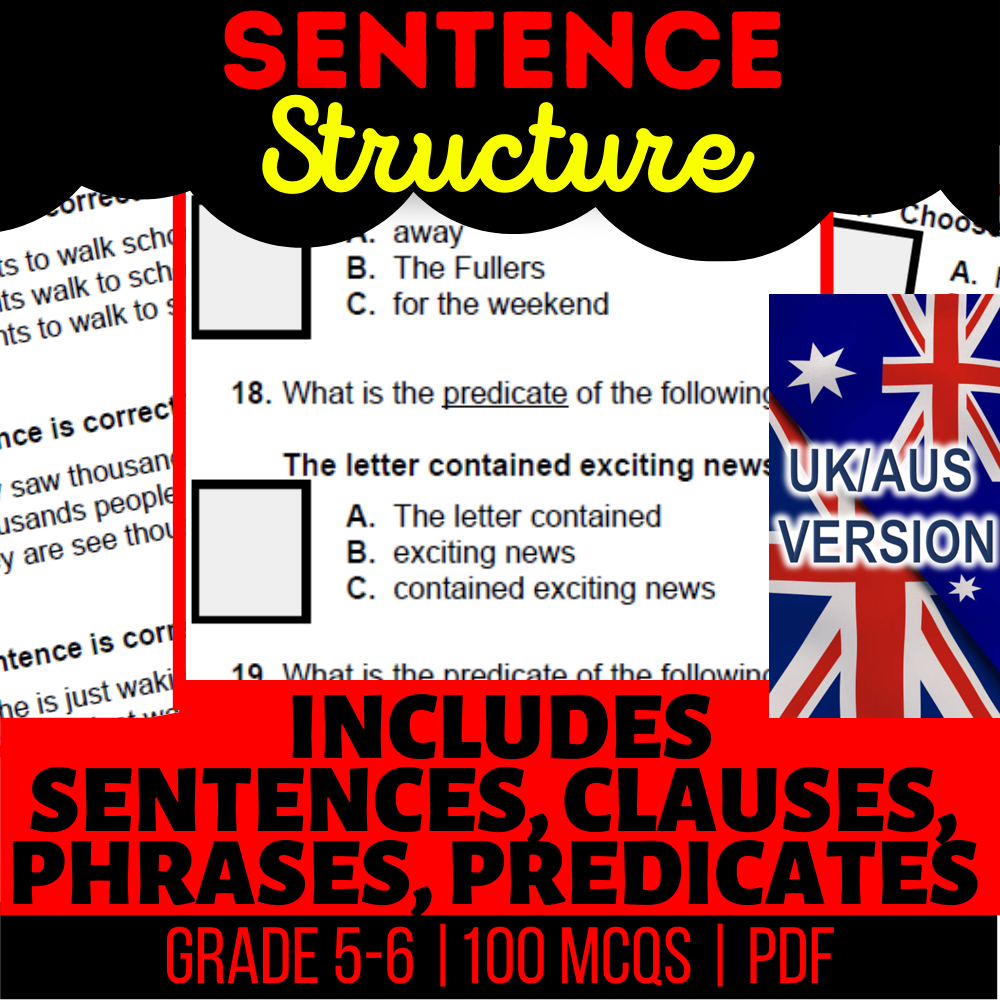
Practice sentence structure with worksheets using UK/Australian English conventions. Check the sample to match its terminology and spelling to your class.
Watch a linked Crash Course video and answer a summary question; take notes from a teacher lecture/slideshow on the United Nations; read specific textbook pages (602-608) and answer bullet-point summary questions on U.S.-Soviet differences, containment (with a drawn picture metaphor), the Truman Doctrine, the Marshall…
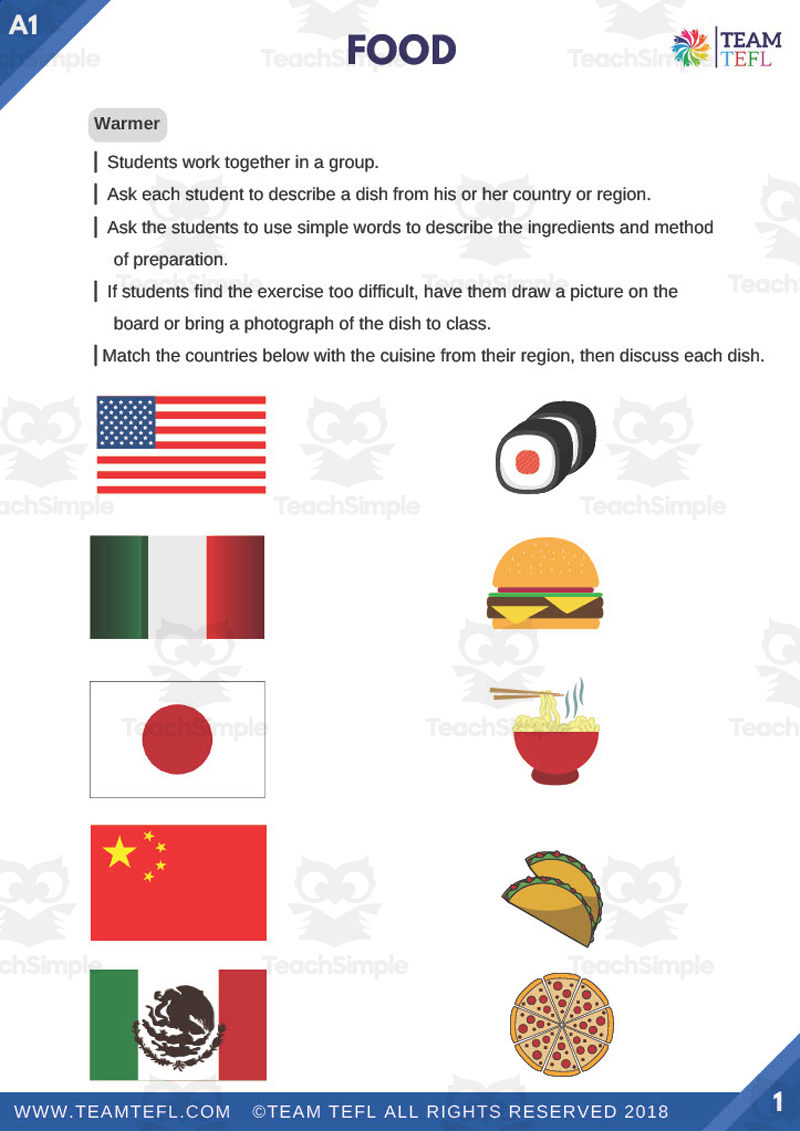
Beginner (CEFR A1) ESL/EFL lesson plan teaching food and cooking vocabulary and simple food-related dialogue.
A comprehensive multi-format resource on the life of Frederick Douglass, covering his biography, key facts, and legacy, for U.S. history / social studies instruction.
Students read multiple-choice questions asking them to circle the best synonym (page 1) or antonym (page 2) for an underlined word from a quoted song lyric, using the full song lyric passage (pages 3-4) as context/clues if needed.
Students solve 5 math problems on one page, take the first digit of each answer, and combine the five digits into a numeric code that completes the mission.
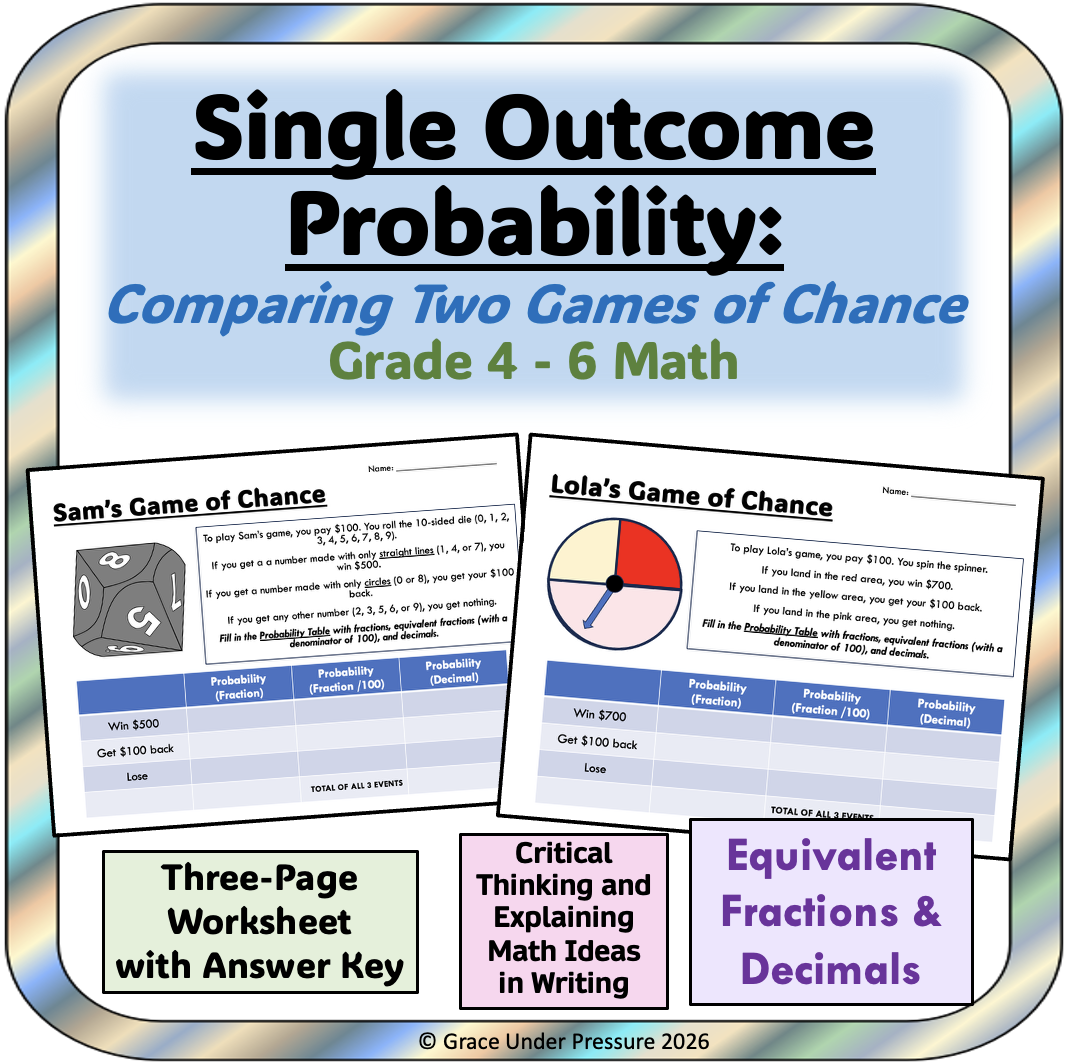
A grade 4-5 math lesson teaching theoretical probability of single-outcome events, expressed as fractions, equivalent fractions out of 100, and decimals, using two games of chance.
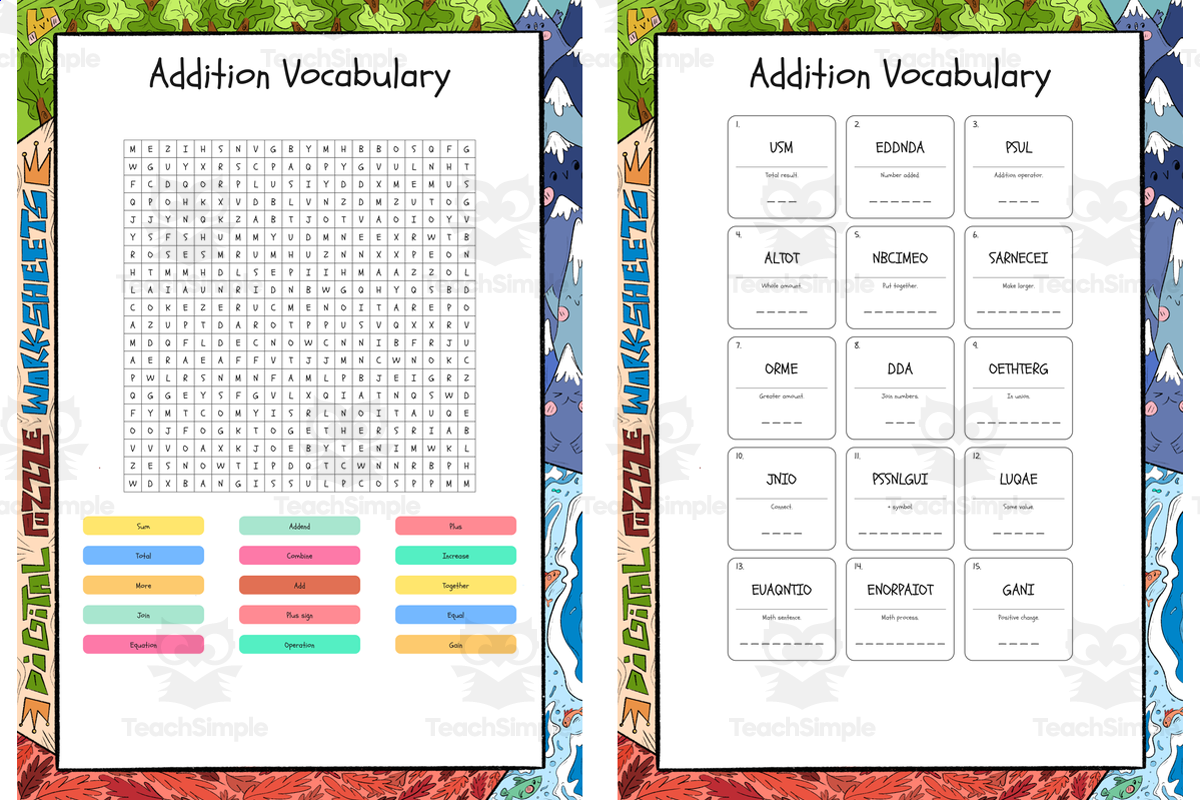
Build familiarity with addition-related vocabulary (addend, sum, plus, equation, etc.) through three puzzle formats.
Working in pairs, students role-play as FBI agents interrogating a list of suspects (using provided 'archive' clues) to identify Soviet spies, take notes on findings, then discuss as a class who they identified, how, and whether the process was fair.
Solve clues to fill in a crossword grid, unscramble letters to spell vocabulary words, and find hidden words in a word search grid.
A hands-on introductory math lesson using egg cartons and counters to teach improper fractions and mixed numbers.
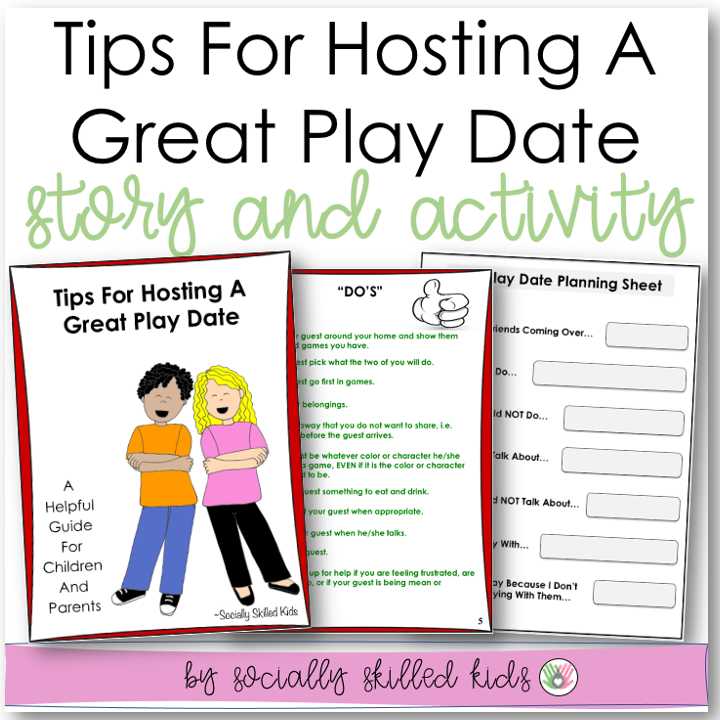
Read (or have read to them) a narrated guide explaining why play dates are valuable, what a 'host' and 'guest' are, and a list of specific Do's and Don'ts for hosting; then use a 'My Play Date Planning Sheet' to write/plan what they can do, talk about, and share during an upcoming play date.