
Play & discovery
Book Club Jobs and Responsibilities Packet
Assign and structure four distinct roles (questioner, summarizer, connector, illustrator) for young students running a book club/literature circle group.


Classroom resources
Browse by lesson focus
Choose the topic or kind of practice you need.
Showing 1081–1104 of 2462 resources

 Show filters
Assign and structure four distinct roles (questioner, summarizer, connector, illustrator) for young students running a book club/literature circle group.

Help young children practice counting and develop number sense by filling in missing numbers in sequences from 1 to 10.
 Free download
Give young students practice counting sets of shapes and matching the count to the correct number.
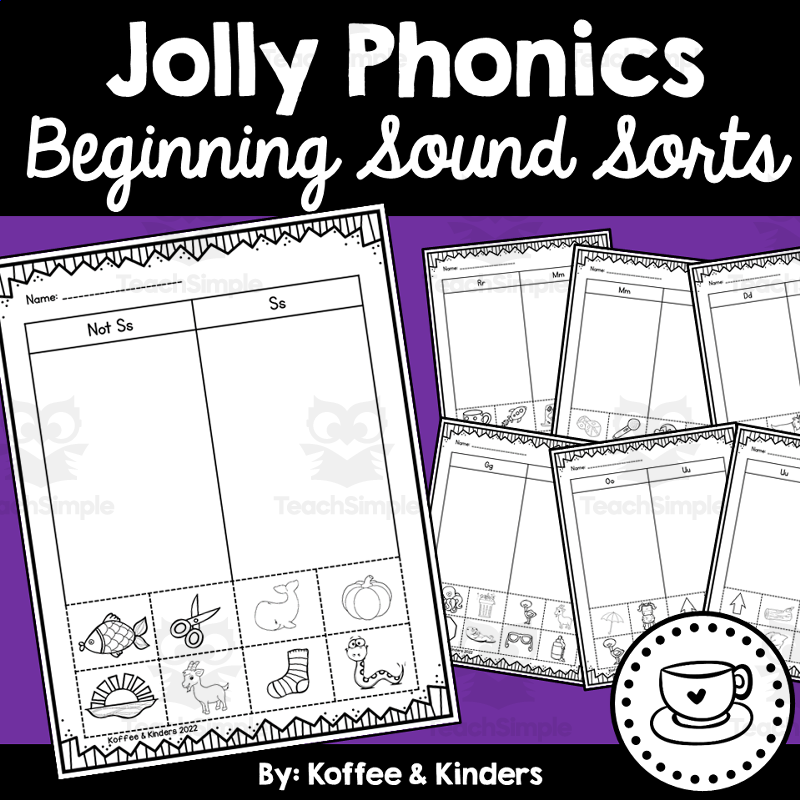
Practice identifying beginning sounds by sorting picture cards into the correct letter box, sequenced in the same letter order used by the Jolly Phonics program.

A hands-on math activity for composing and decomposing numbers 11-19 using ten frames and counters.
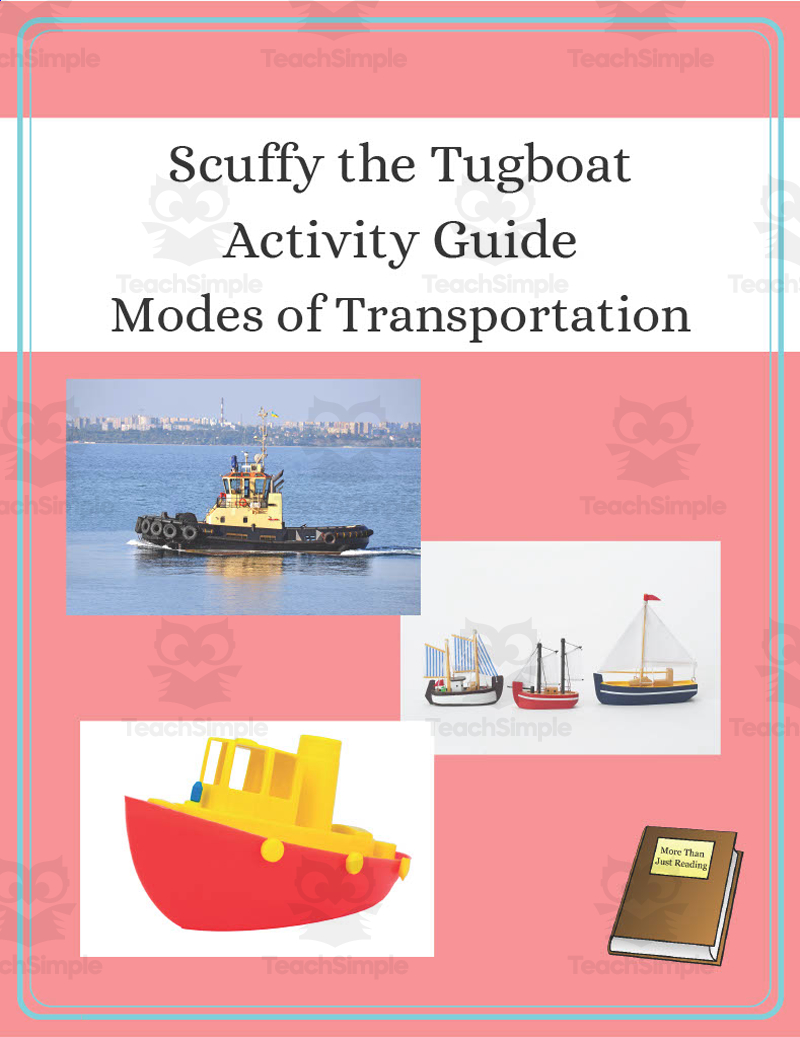
Read-aloud comprehension activity guide built around 'Scuffy the Tugboat', focused on modes of transportation mentioned in the story.
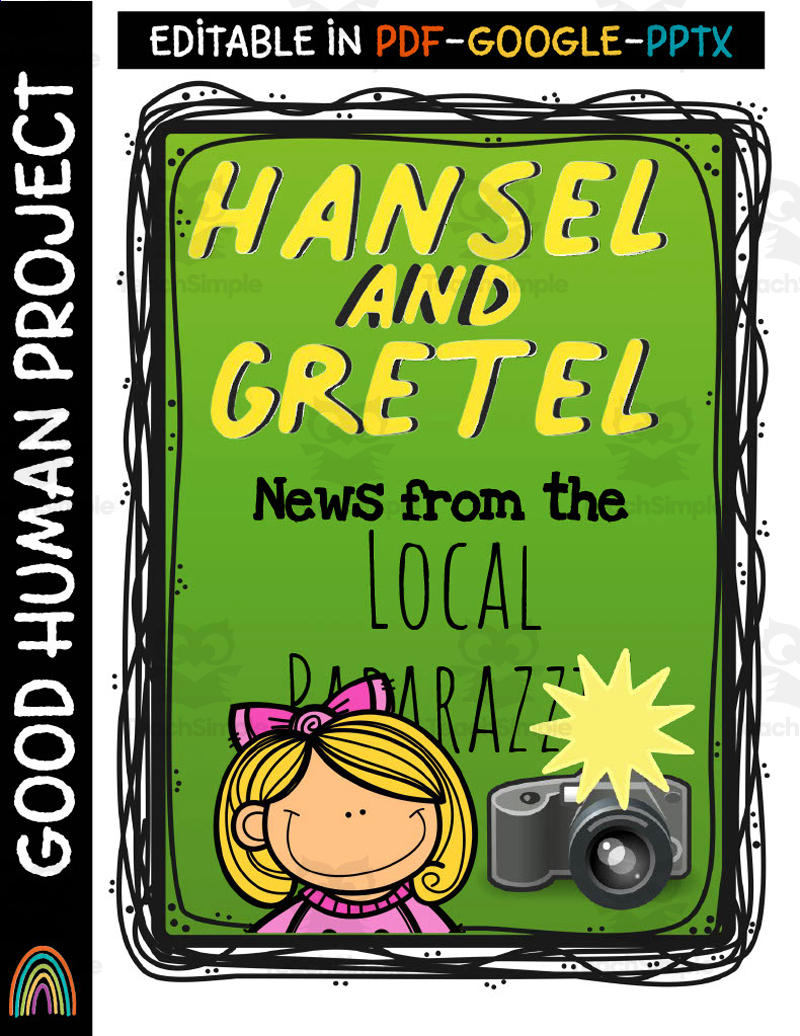
A creative writing activity that reframes the Hansel and Gretel story in a modern tabloid/paparazzi context to prompt imaginative narrative writing.

Provide counting and number-combination practice for numbers 1-10 using a 'dump it, record it, write it' format with counters.
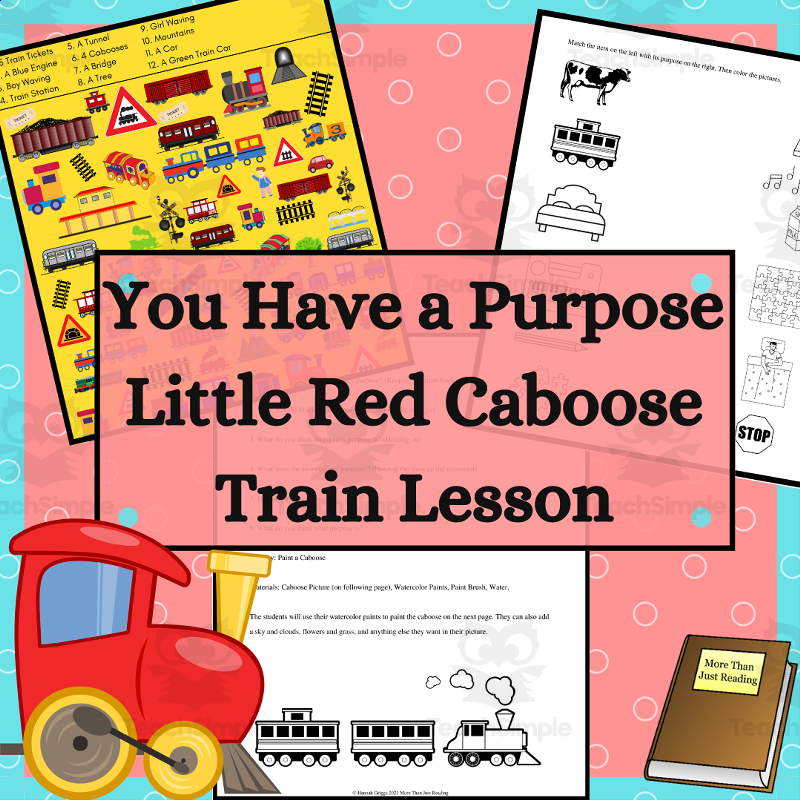
A short companion activity guide for the picture book 'The Little Red Caboose', for preschool-Grade 1, built around teacher-led discussion questions plus one hands-on or creative activity. This guide focuses on the theme that everyone (and everything) has a purpose.

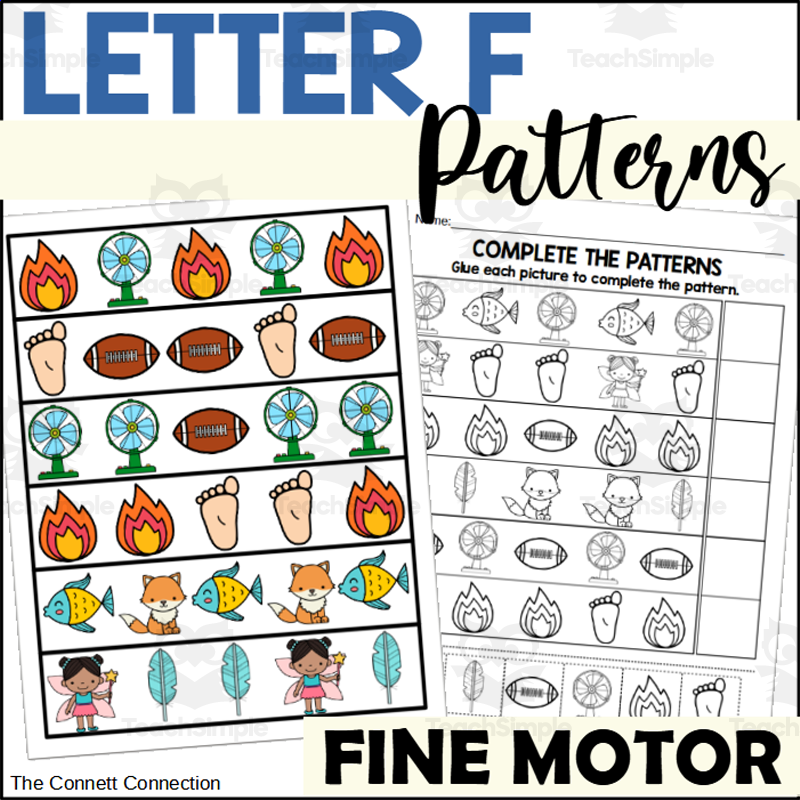
Practice continuing visual patterns using letter-A-themed (short-A-sound) pictures.

A talk-and-write language development pack that uses snowy-day pictures to stimulate conversation and vocabulary before guiding young children to write about the pictures.
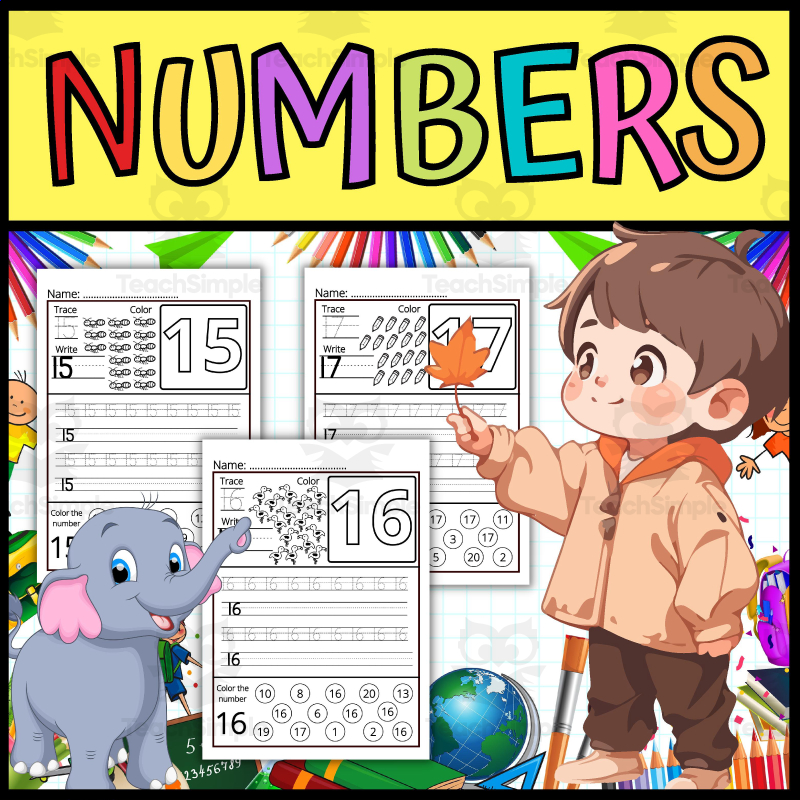
Build number recognition and number-writing skills for teen numbers (11 through 20) through repeated tracing, writing, and 'find the number' practice.

Letter F Coloring Pages An effective teaching resource for educators to refine students' language arts skills and understanding of the letter 'F'. Designed for early learners, preschoolers and kindergartners, engaging young minds with fun visuals while introducing them to letters and their corresponding sounds.
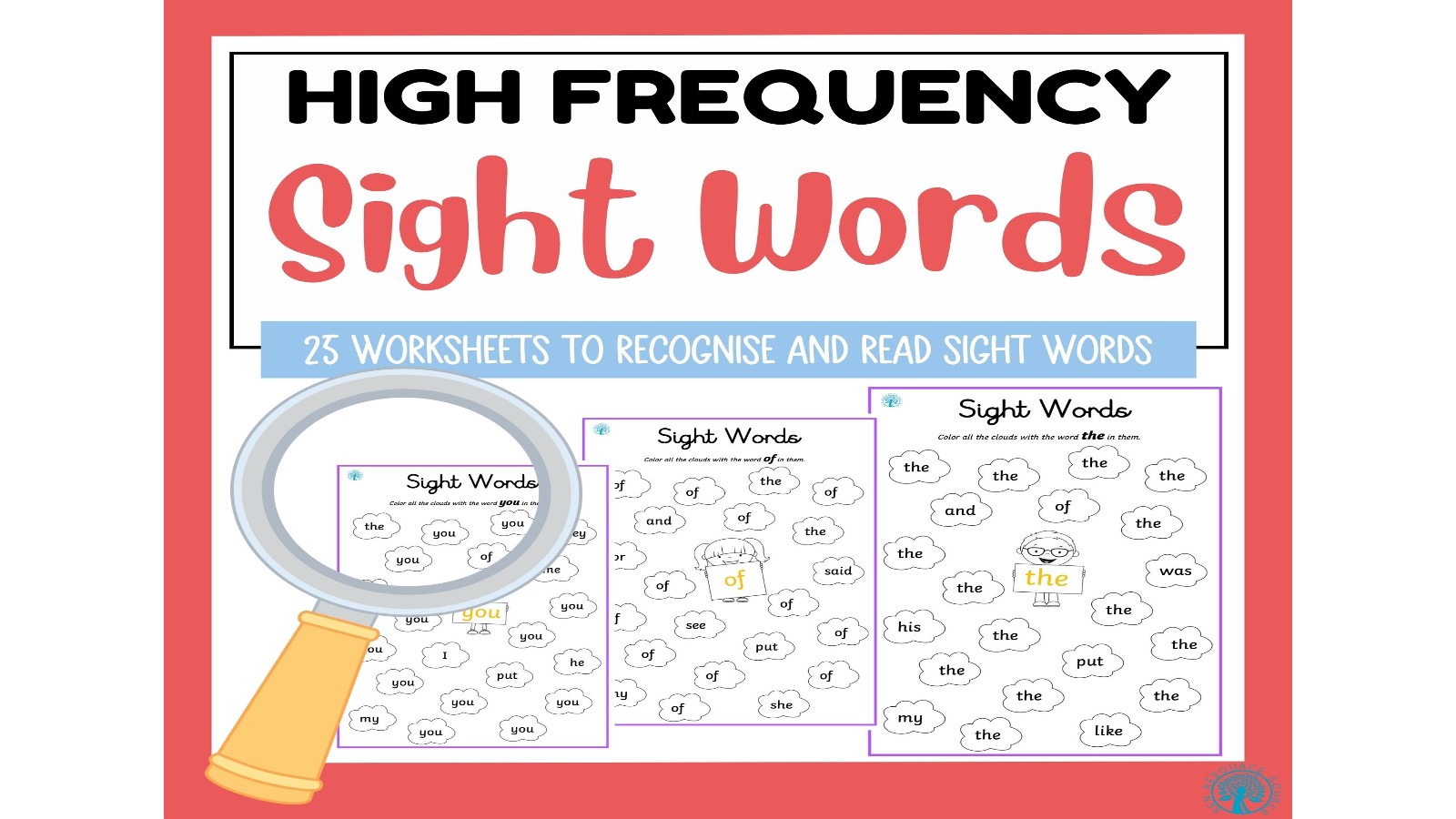
Practice recognizing an individual sight word by visually locating and coloring every instance of it among decoy words.
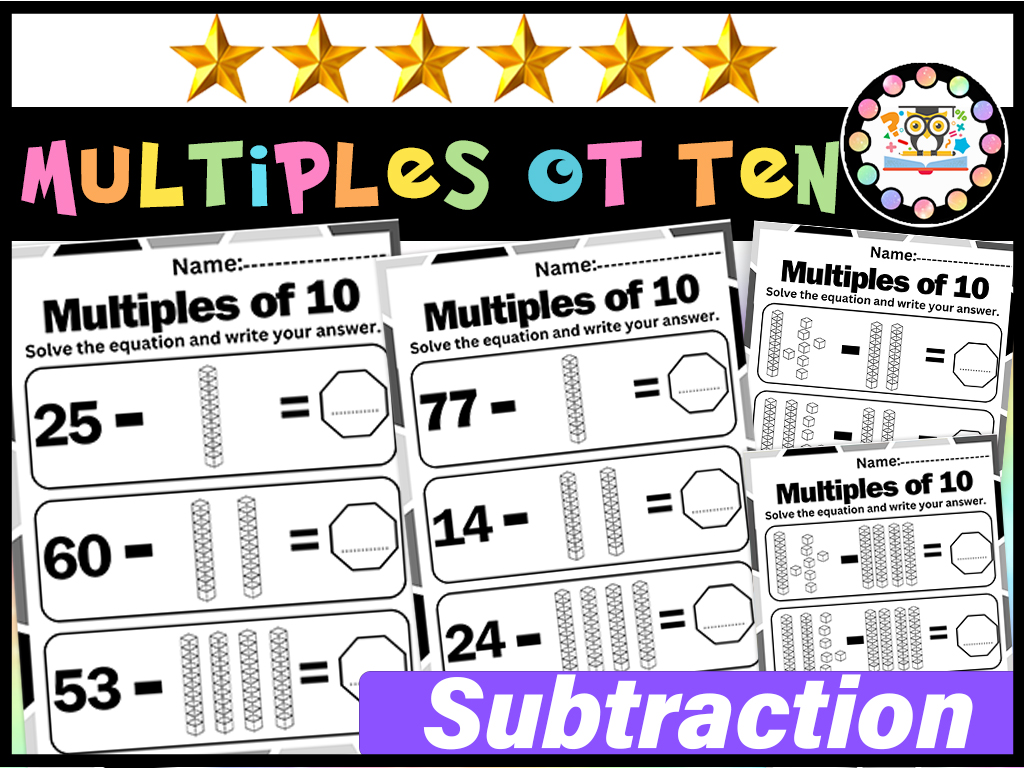
Give students repeated practice subtracting a multiple of 10 (or subtracting to/from a multiple of 10) from two-digit numbers to build place-value and subtraction fluency.
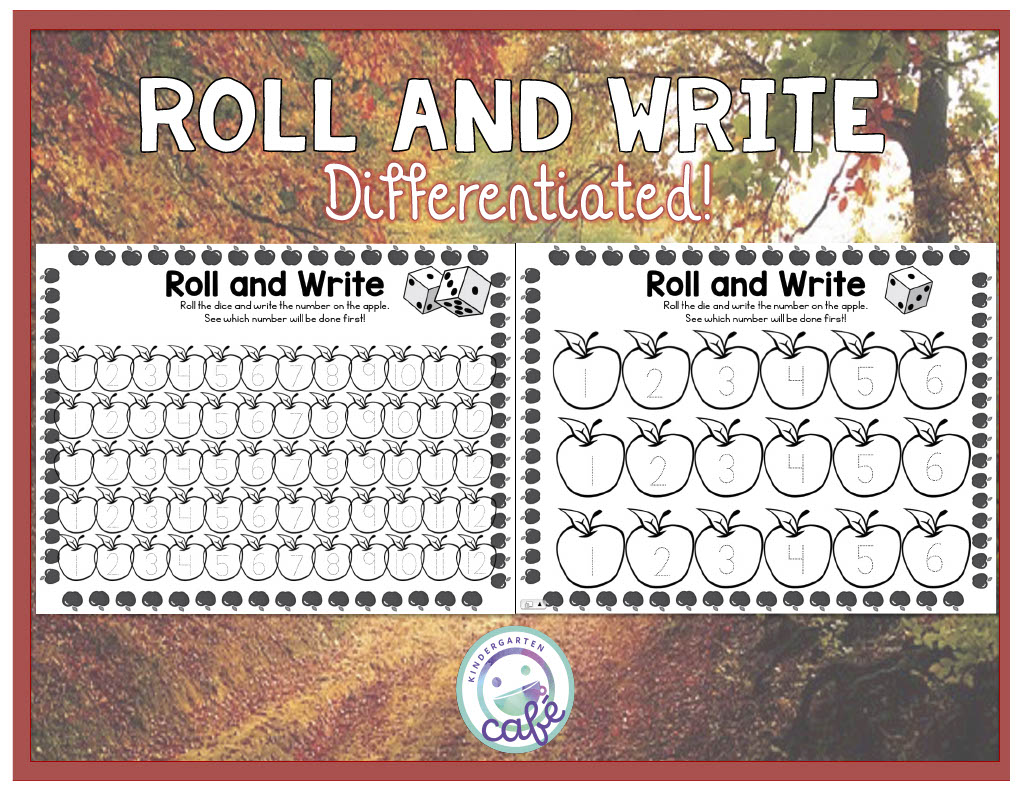
A partner dice game for practicing number recognition and writing numerals, apple themed.

Teach young students a social-skills framework for deciding when it is appropriate to "blend in" (like a chameleon) versus "stick out"/stand up (like a giraffe) in social situations, including standing up against unkind or unsafe behavior.

Illustrated color and black-and-white posters introduce art-line vocabulary such as curved, zigzag, wavy, spiral, dotted and dashed. The packet includes one-type and two-type layouts, separate drawing prompts and an additional vocabulary reference. Two practice pages pair traceable examples with space to draw; a third page provides blank boxes beside twelve line words. These are drawing activities, not matching questions.

A social skills story and companion activities teaching children to recognize and use friendly verbal and nonverbal communication (voice volume, facial expression, word choice, tone) versus unfriendly alternatives, to build stronger peer relationships.

Build fine motor skills and letter A recognition through coloring pages, at varying levels of complexity.
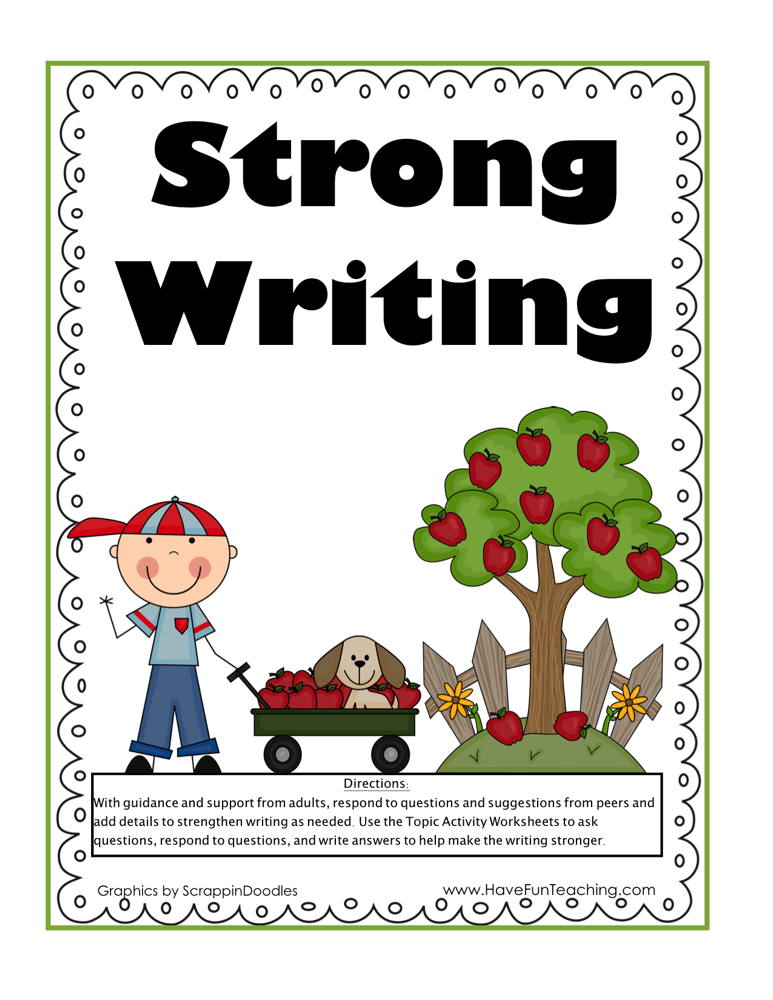
A writing activity that uses topic question prompts and peer/teacher feedback to help students add descriptive details and strengthen their writing.

A social-emotional-learning story teaching students to accept help, redirection, and physical proximity/touch from teachers as a normal, positive part of school (e.g. for students who resist teacher assistance).
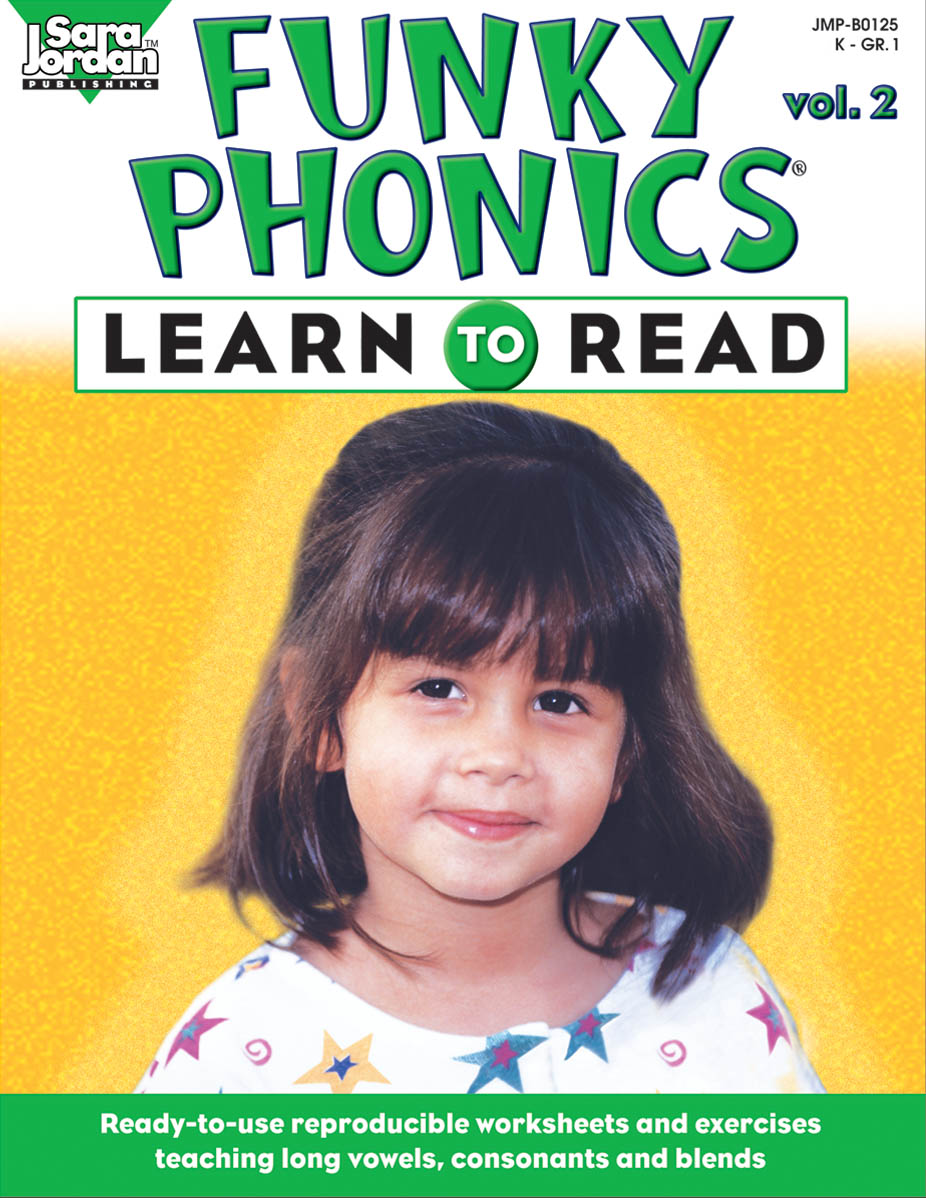
Teach long vowel sounds and the remaining consonant letter sounds (hard 'g', 'j', 'q'/'u', 'v', 'w', 'x', 'y', 'z'), for Kindergarten-Grade 1 students, as a follow-on to Volume 1's short vowels/consonants.