 Free download
MULTIPLICATION GAME - Choose The Correct - DINOSAUR THEME
Multiple-choice multiplication practice covering times tables 1 through 12, presented with a dinosaur theme.


14,599 resources
Explore sub-categories
19 sub-categories · 14,599 resources
Free download Multiple-choice multiplication practice covering times tables 1 through 12, presented with a dinosaur theme.

This product is designed to help students build their multiplication fact fluency in order to improve their mental math skills. By using this product on a daily basis, students will see an improvement in their multiplication skills.

If you are looking for an engaging way to practice multiplication facts, look no more. This is a Multiplication Masters: Fact Fluency Practice Pack that will give students the practice they need at home or in the classroom. What You Get: -- Timed Tests -- Fact Sheets for all 1-12 Facts -- Goal Setting Sheets -- Data Tracking -- Flash…

Each of seven pages contains six horizontal strips for completing the multiples of two from 2 through 24. The first two rows alternate the supplied values; the remaining rows vary which values are missing. One black-and-white page and six colored pages provide practice with the same counting sequence and different blank patterns. Students write the missing multiples in the boxes.
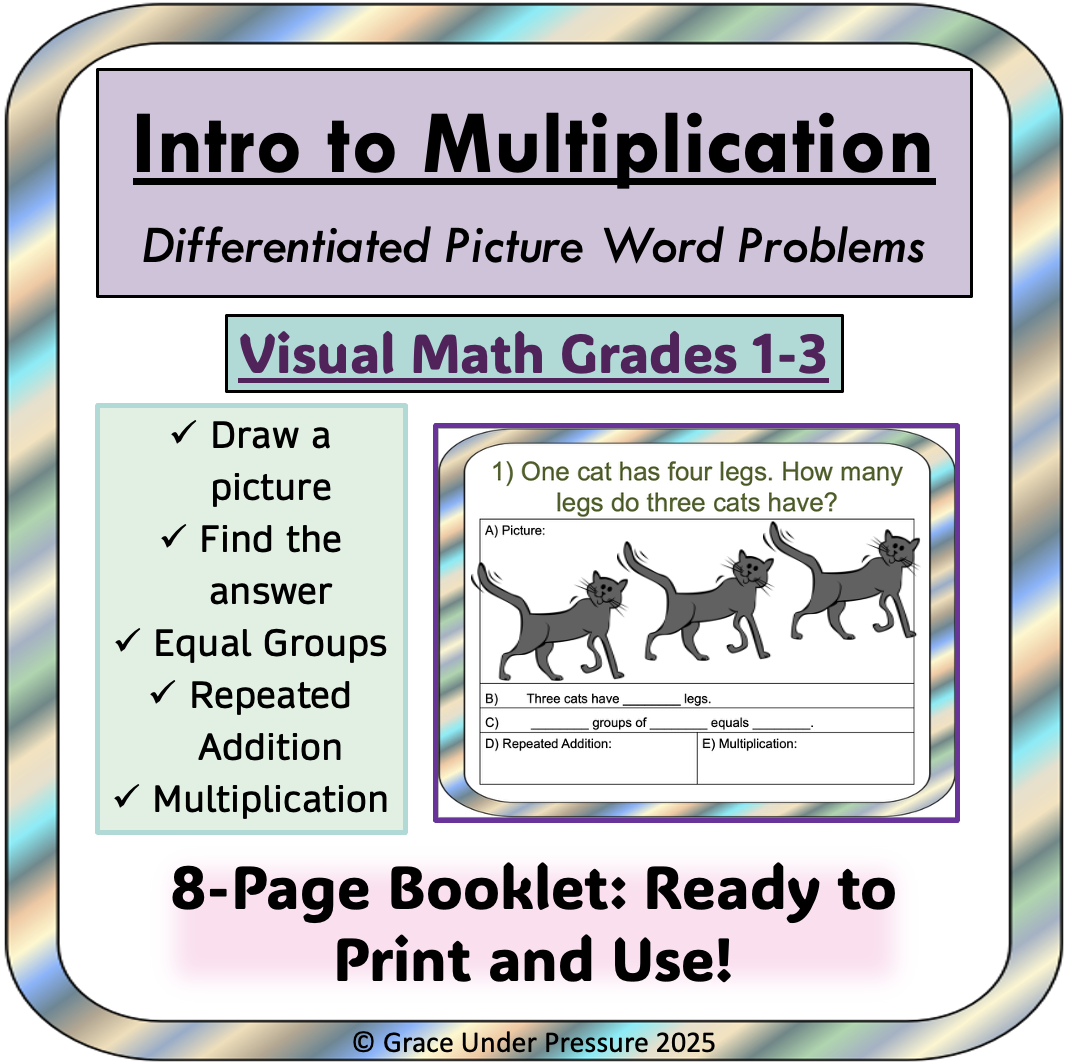
Introduces primary students to the concept of multiplication through differentiated picture word problems, scaffolding from drawing pictures up to writing a multiplication equation.
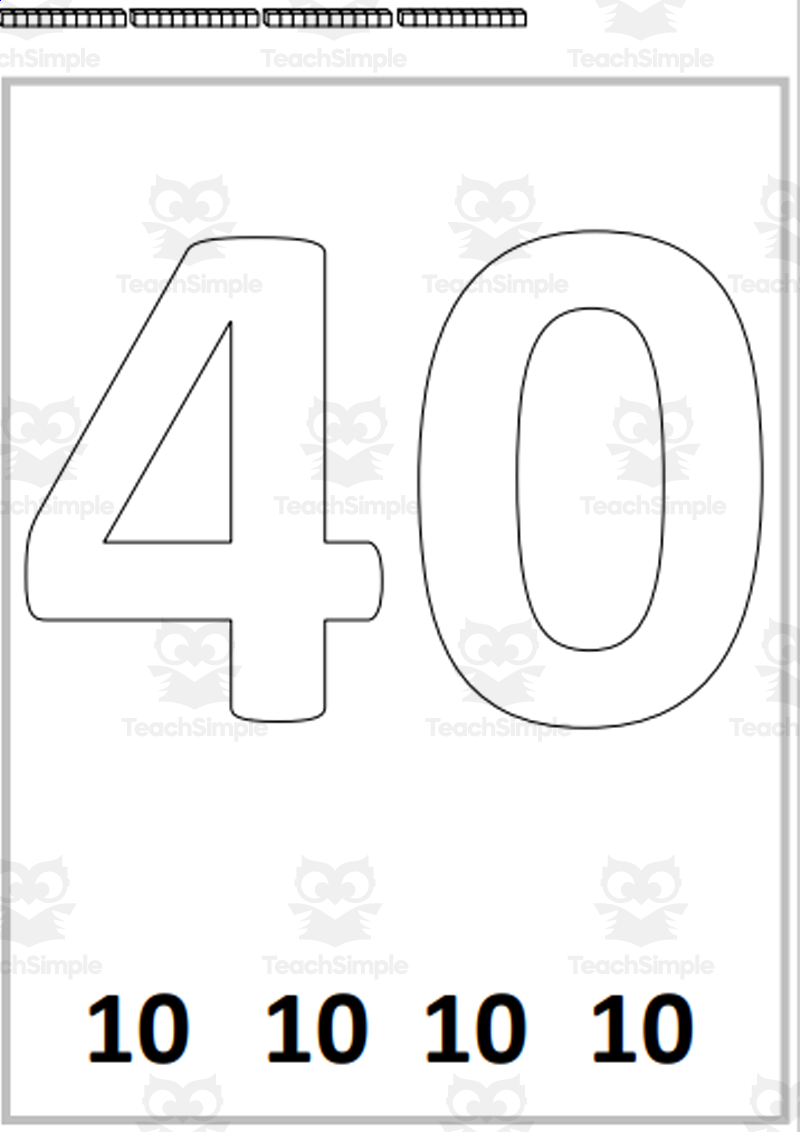
Provide hands-on repeated-addition practice mats for the x10 multiplication facts, pairing visual cube-group diagrams with equations 1x10 through 12x10.

Provide hands-on repeated-addition practice mats for the x9 multiplication facts, pairing visual cube-group diagrams with equations 1x9 through 12x9.
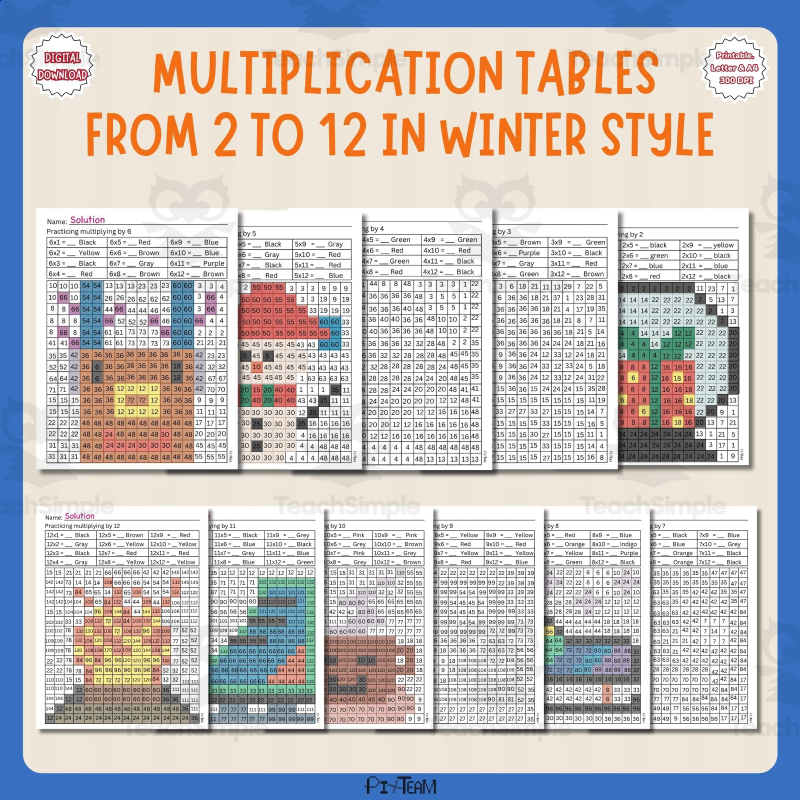
Multiplication Tables from 2 to 12 in Winter Style, color and solve. Perfect for students learning or reviewing multiplication tables from 2 to 12, this engaging Color-by-Result Winter Worksheet combines fun and education in a creative…

A short practice booklet for the 2 times table, also reinforcing the related skill of doubling numbers.
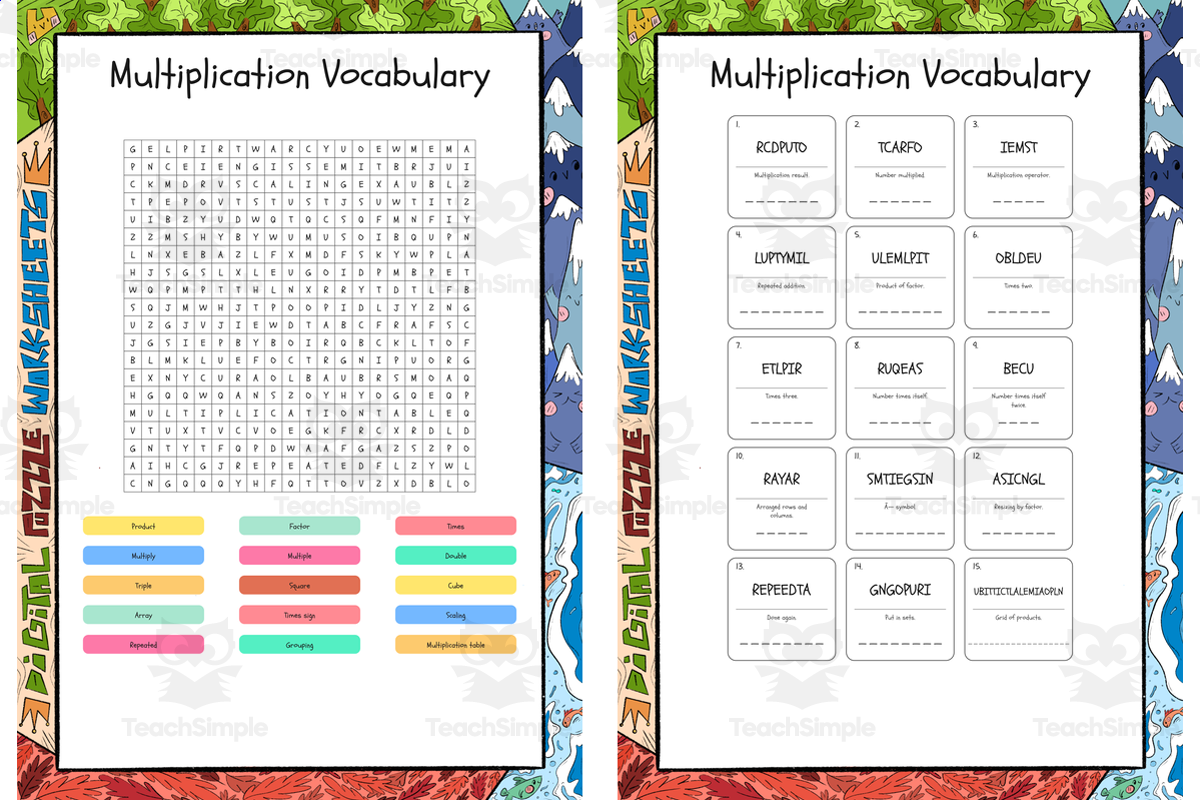
A set of three word-based puzzles (crossword, word scramble, word search) building multiplication vocabulary such as factor, product, array, and multiple.

This download includes 6 different worksheets perfect for 3rd graders working on multiplication word problems. I've also used these with 4th and 5th grade students who need some extra multiplication word problem practice.

The introduction of multiplication in 3rd grade marks an important milestone in a child's mathematical development. Students transition from relying solely on counting strategies to understanding the relationship between repeated addition…
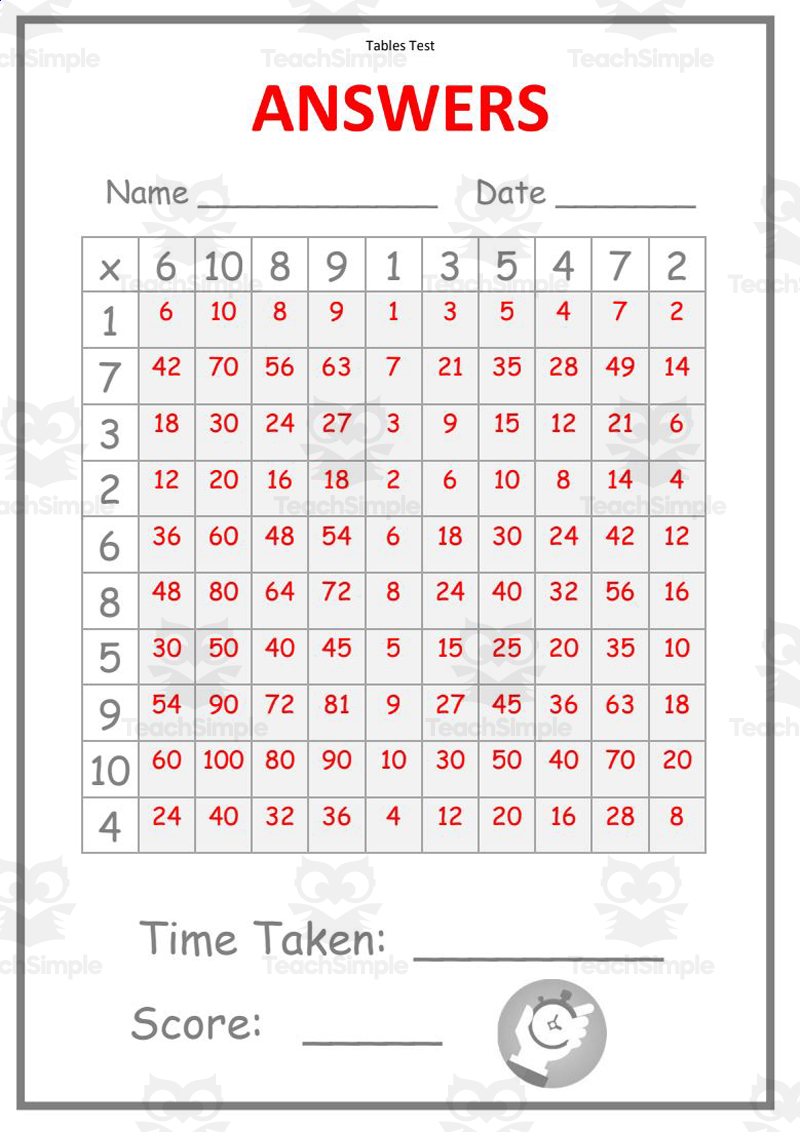
Give students a timed multiplication-facts assessment ('Speed Tables') to build and measure fluency across the times tables.

These practice pages combine fraction calculations with worked examples and story problems. Students move through fraction multiplication and division and mixed-number multiplication, while an opening integer activity also reviews order of operations. Select pages to reinforce a particular procedure, then use the answer key to discuss how students set up and simplify their work.

These ( almost unlimited) worksheets provides practice with multiplying a 5-digit number by a 1-digit number with the standard algorithm.

Provide differentiated drill practice finding a missing number in multiplication and division equations within 144.

Seventy pages of times-table-8 practice cover multiplication facts from 8x0 up to 8x12 across several formats: timed 'Multiply By 8' drill sheets with a name/date/speed header, fill-in number-line and bar-chart style multiplication charts…

Multiplying and Dividing Integers NOTES & PRACTICE This indispensable teaching resource is meticulously designed to enhance the understanding of seventh grade students about multiplying and dividing rational numbers.

We are always searching for engaging ways to teach our students new skills and review skills that they already know! This is a 1-page worksheet that will allow students enough practice to sharpen their skills.

A guide outlines twenty-seven worksheet sets for multiplying and dividing decimals by 10, 100 and 1000, beginning with visual place-value tables and gradually removing the scaffolding until students shift the decimal point without support. Students who need that visual place-value foundation before removing the scaffolding can start with a decimal place value chart . Separate worksheet sets practice multiplication alone, division alone, and combined operations at each power of ten, followed by challenge sets that ask students to find a missing multiplicand, multiplier, dividend, or divisor rather than just compute an answer, and a set of word problems such as a bug that grows 1000 times its size or a cargo ship's tonnage divided among 100 containers. Later sets extend the pattern to powers of ten written with exponents rather than the numerals 10, 100, and 1000. Each individual worksheet pairs a page of problems with a matching answer page, and the accompanying guide explains how to sequence, randomize, or repeat any set for stations, homework, or substitute-teacher folders.

A Common Core supplemental worksheet packet (CCSS 5.NBT.A.2) giving practice multiplying and working with powers of 10: multiplying by 10s/100s, moving the decimal point, multiplication/division using powers of ten, exponents/place value, and scientific notation, with word problems and a challenge extension.

Provide follow-up practice tickets for multiplying fractions, in a Montessori-style problem-ticket format with progressively increasing complexity.
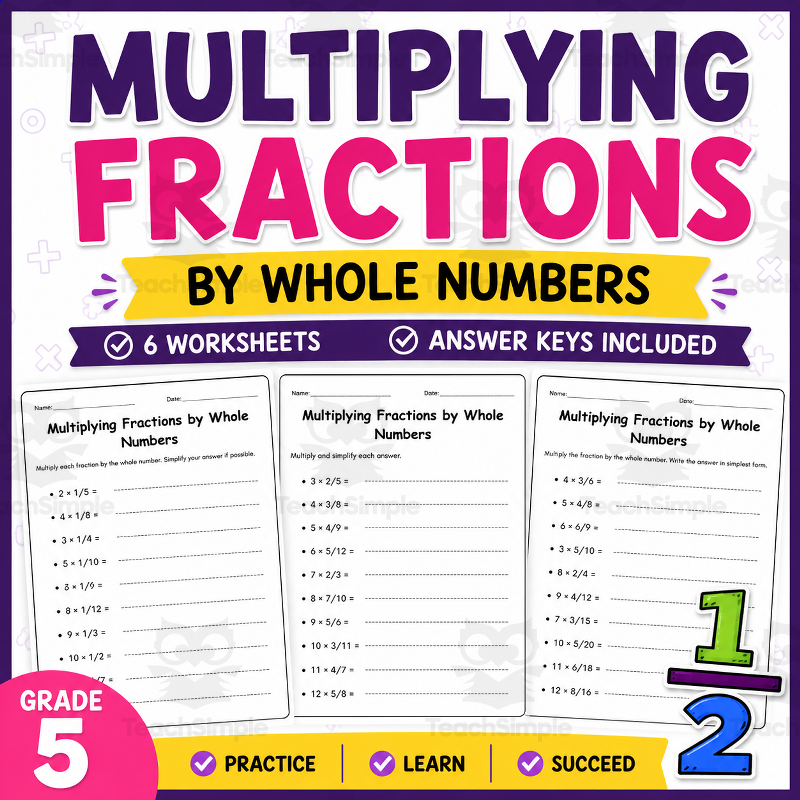
Help your Grade 5 students master multiplying fractions by whole numbers with this engaging and easy-to-use printable worksheet pack! This resource includes 6 printable worksheets designed to build confidence through progressive practice, including multiplying unit fractions, multiplying proper fractions, simplifying answers,…

These worksheet sets move from simpler monomial products into multiplication involving binomials and trinomials. Students distribute terms, work with powers, and combine like terms as the expressions become more involved. Use a set that matches the multiplication structure you have modeled, then compare the organization of students’ working before moving to a more complex set.