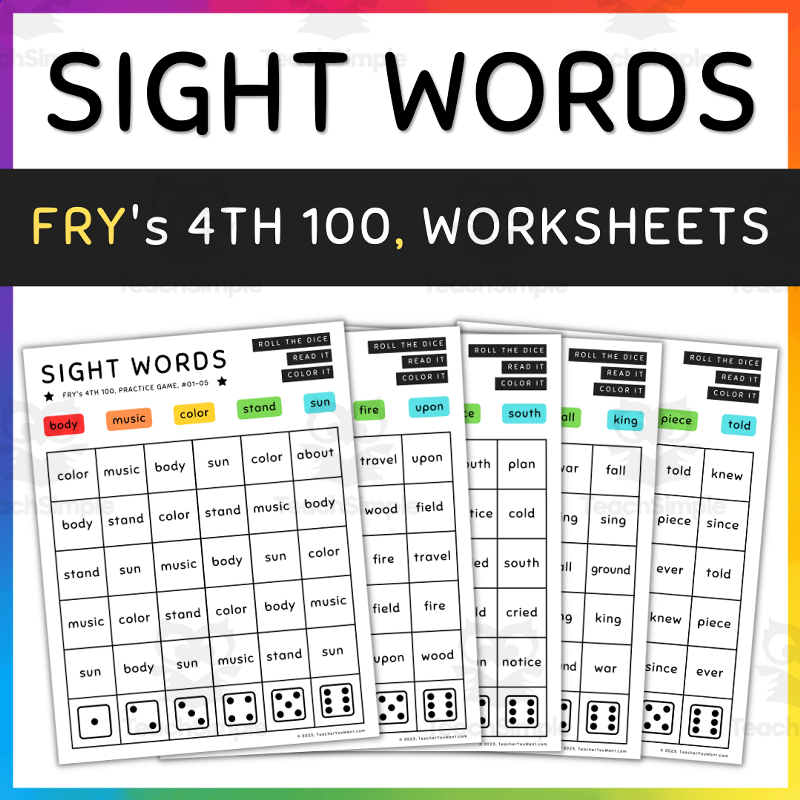
4th 100 Fry Sight Words Practice Game , Roll & Color, Fun Activity - SET 9 (b)
A dice-based 'roll and color' practice game for Fry's 4th 100 sight words, combining a die roll with sight-word reading practice.


1,349 resources
Explore sub-categories
10 sub-categories · 1,349 resources
A dice-based 'roll and color' practice game for Fry's 4th 100 sight words, combining a die roll with sight-word reading practice.
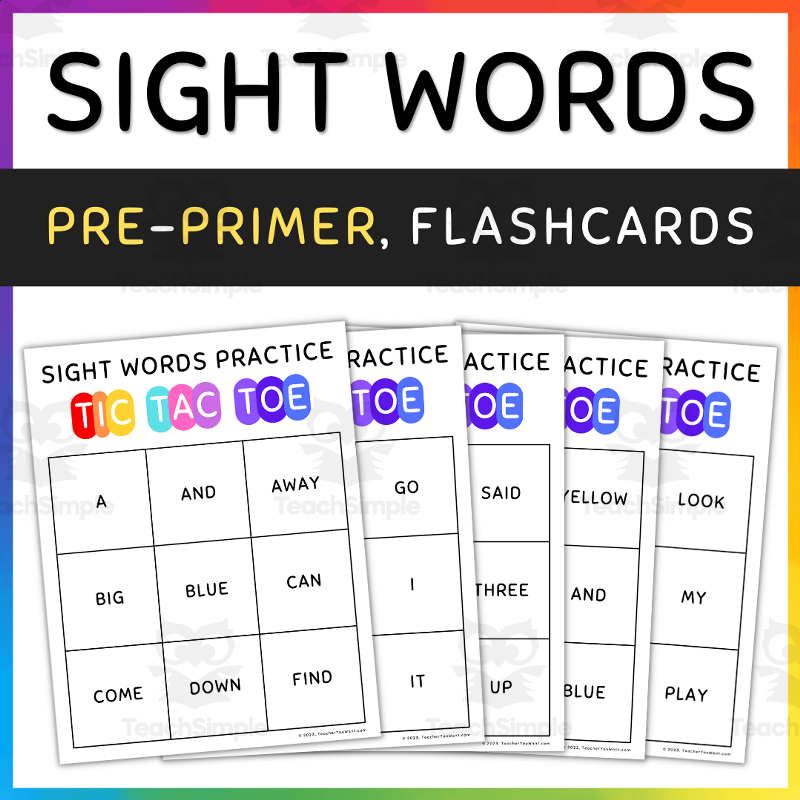
Sight word recognition practice through a two-player tic-tac-toe game.
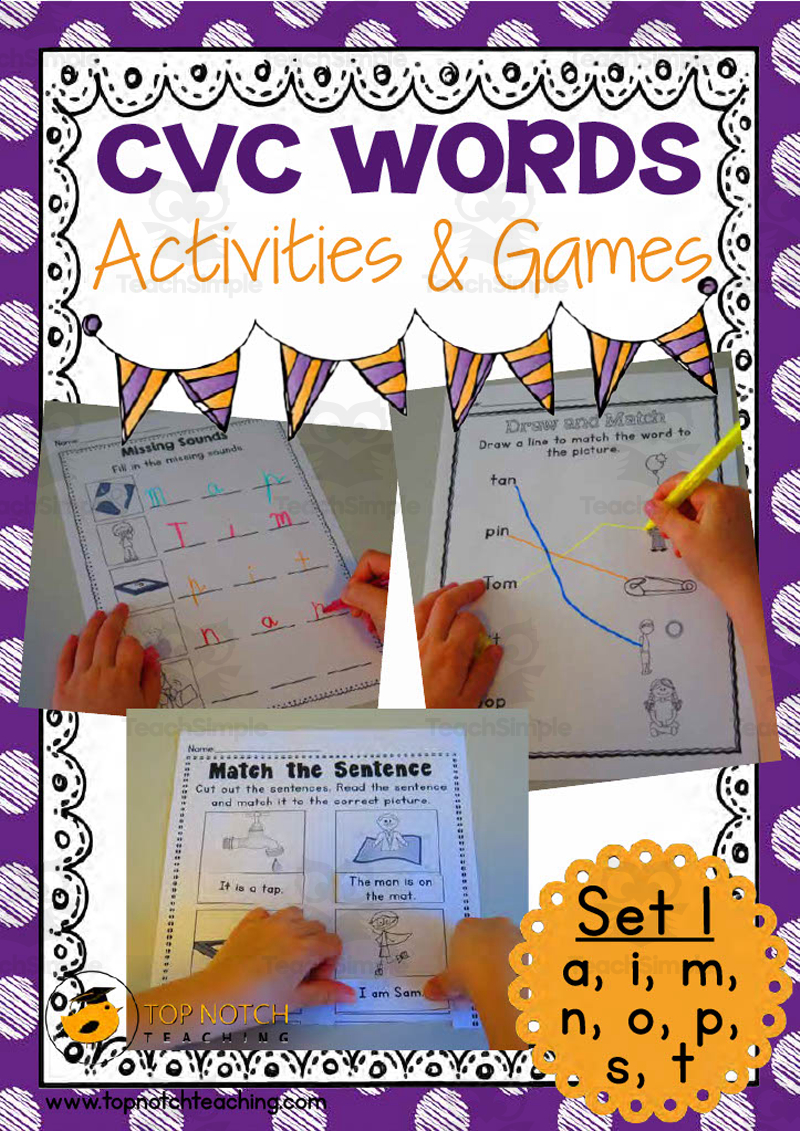
Teach and practice a subset of CVC words built from the letter sounds a, i, m, n, o, p, s, t, through posters, worksheets, and games.
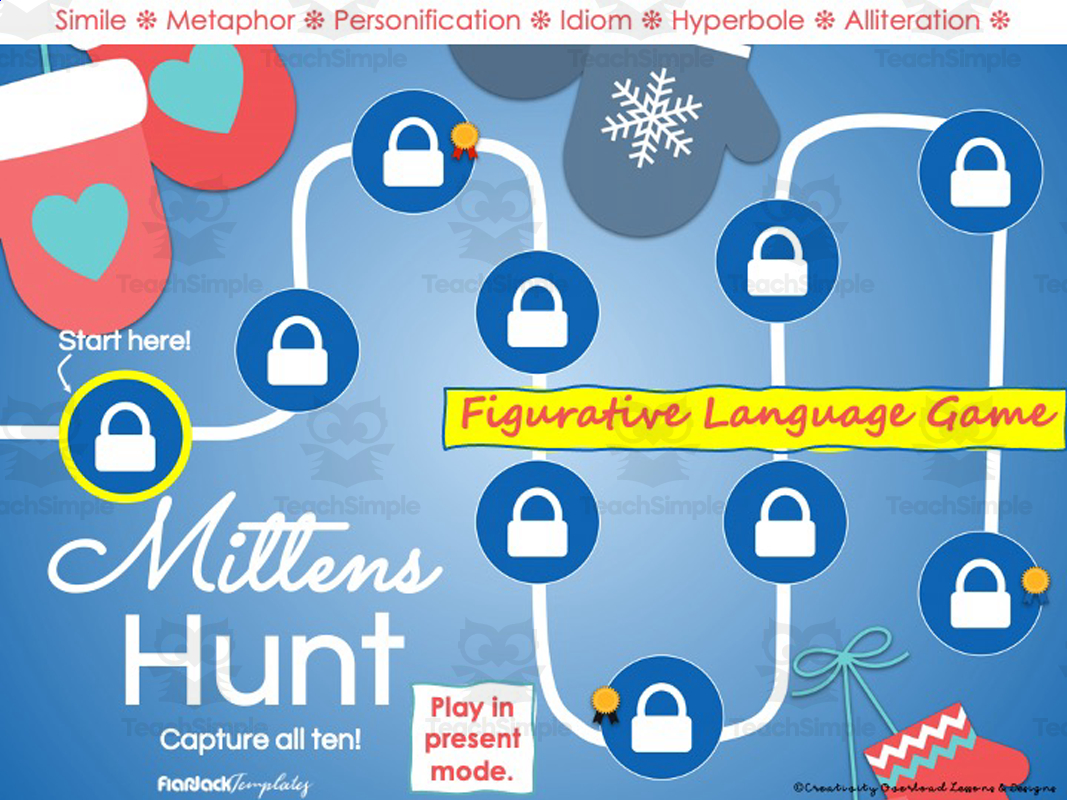
Introduce, review, or assess six types of figurative language (simile, metaphor, personification, idiom, hyperbole, alliteration) through a self-checking, branching 'Mitten Hunt' digital game (PowerPoint-based, with an accompanying teacher guide referencing a Google Slides version).
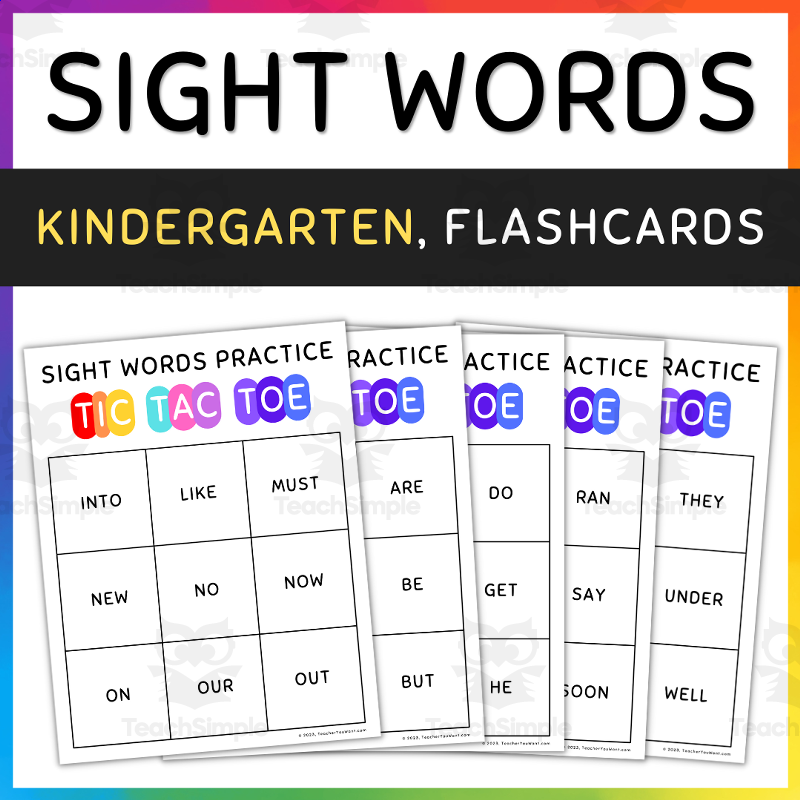
Practice reading and recognizing Dolch primer sight words through a two-player tic-tac-toe game.

A phonics practice game where children find three-letter CVC words hidden in a picture and record or match them.
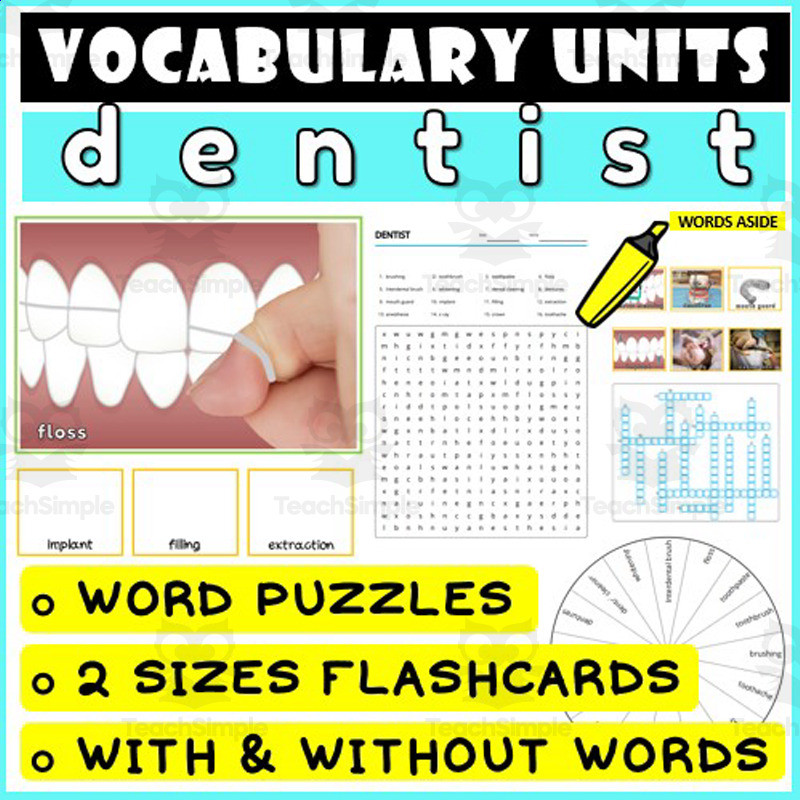
Practice ESL/EFL vocabulary for the theme "DENTIST" through a set of word-game worksheets (anagram, crossword, matching, word search).
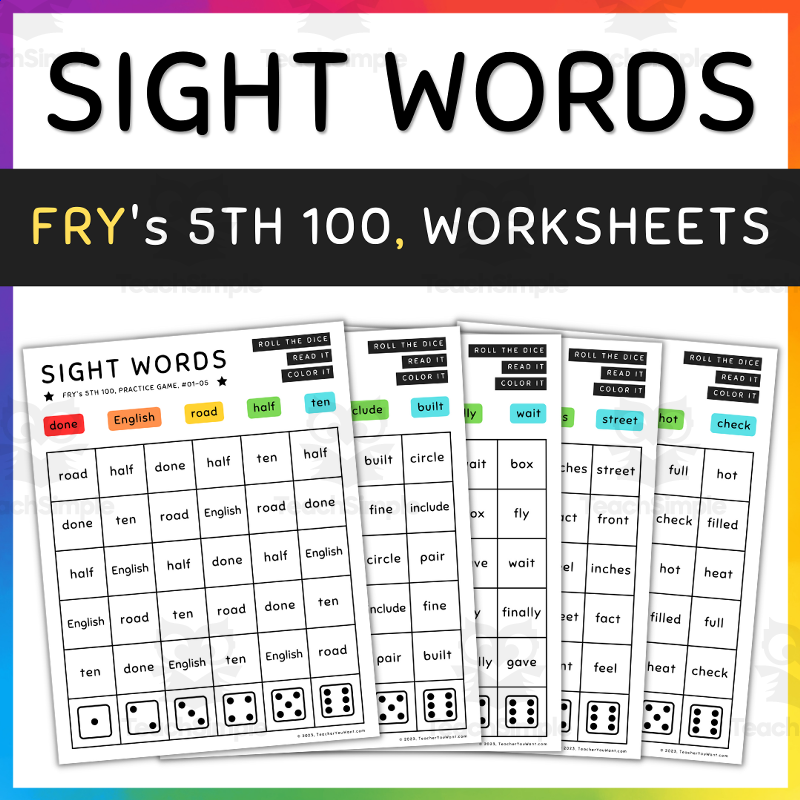
Practice reading and recognizing specific Fry sight words (set #401-500, items 1-100) through a dice-based roll-and-color game.

Build reading fluency and rapid recognition of Fry's 2nd 100 high-frequency words through a 'flyswatter' recognition game, plus blank editable cards for teacher customization.
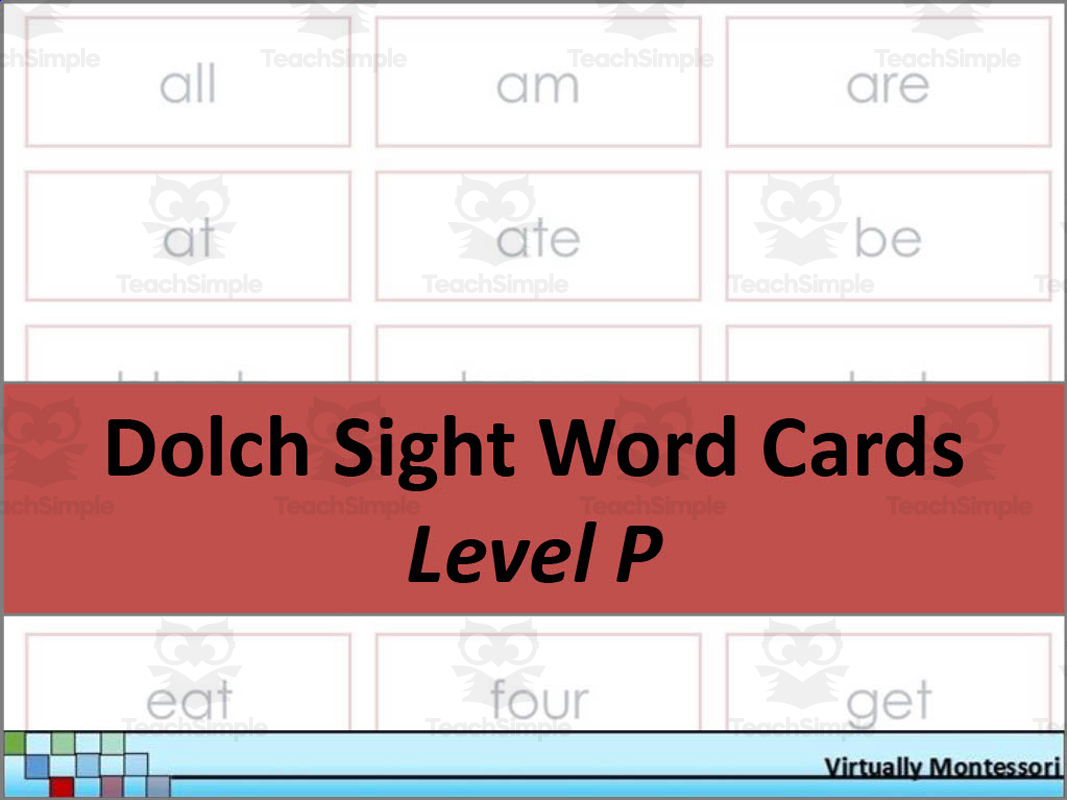
Printable sight word flashcards for early readers to practice recognizing common Dolch words at Level P.

Build phonics foundations by having students read, write, and spell CVC words through a graduated 7-set card and game system.
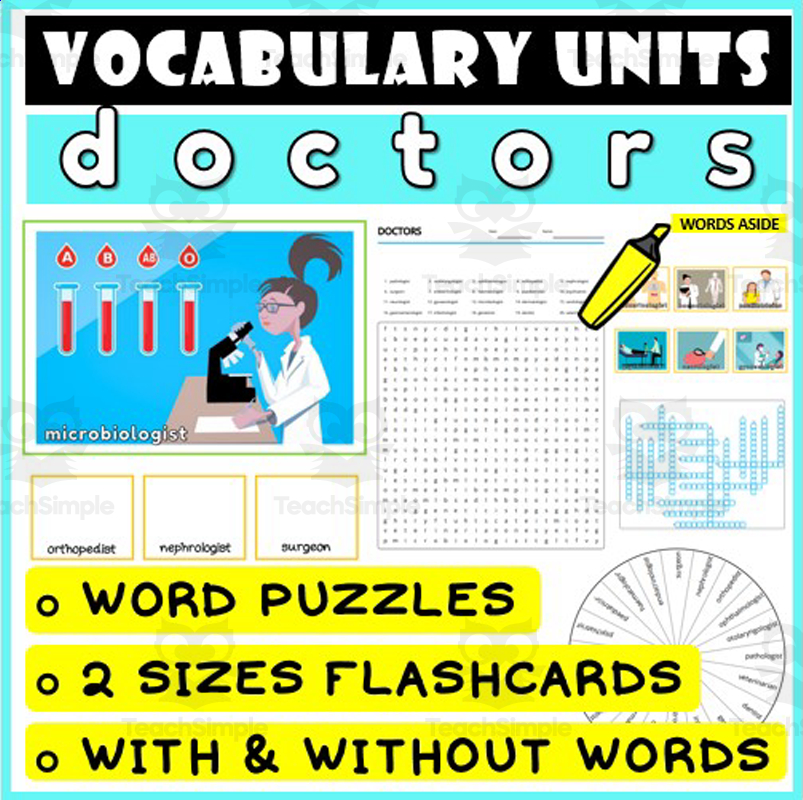
Practice ESL/EFL vocabulary for the theme "DOCTORS" through a set of word-game worksheets (anagram, crossword, matching, word search).
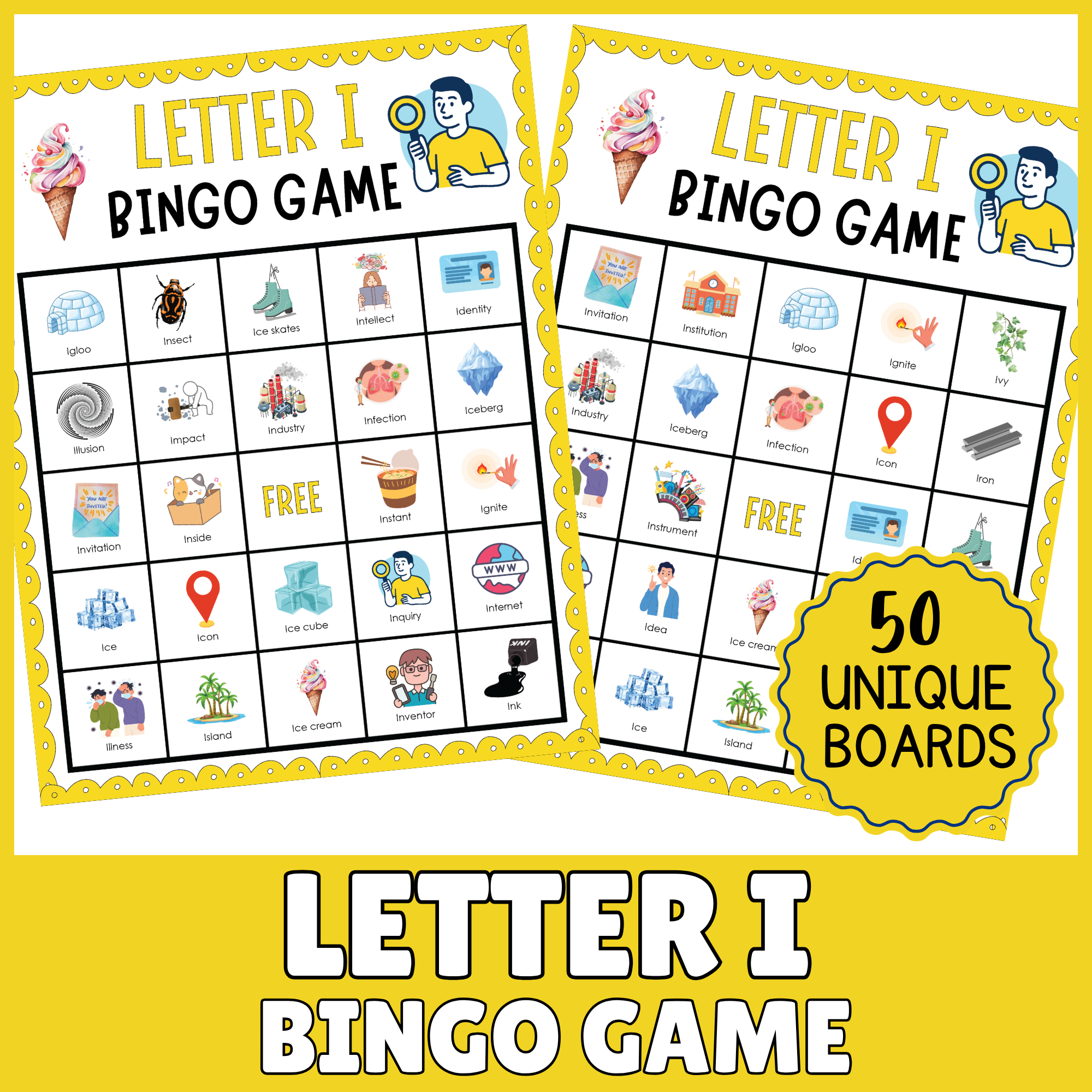
Letter I Bingo Game is a fun way to help kids recognize the letter I and practice its beginning sounds. Since bingo is something most students already enjoy, it makes learning feel more like a game than a lesson. I usually bring this out during our letter of the week or when we need a quick review. It’s easy to prepare and works well with different group…
Practice reading, spelling, and inferencing skills, with a focus on homonyms/homophones/homographs, through a hangman-style 'Dad Jokes Guessing Game' for pairs of students.
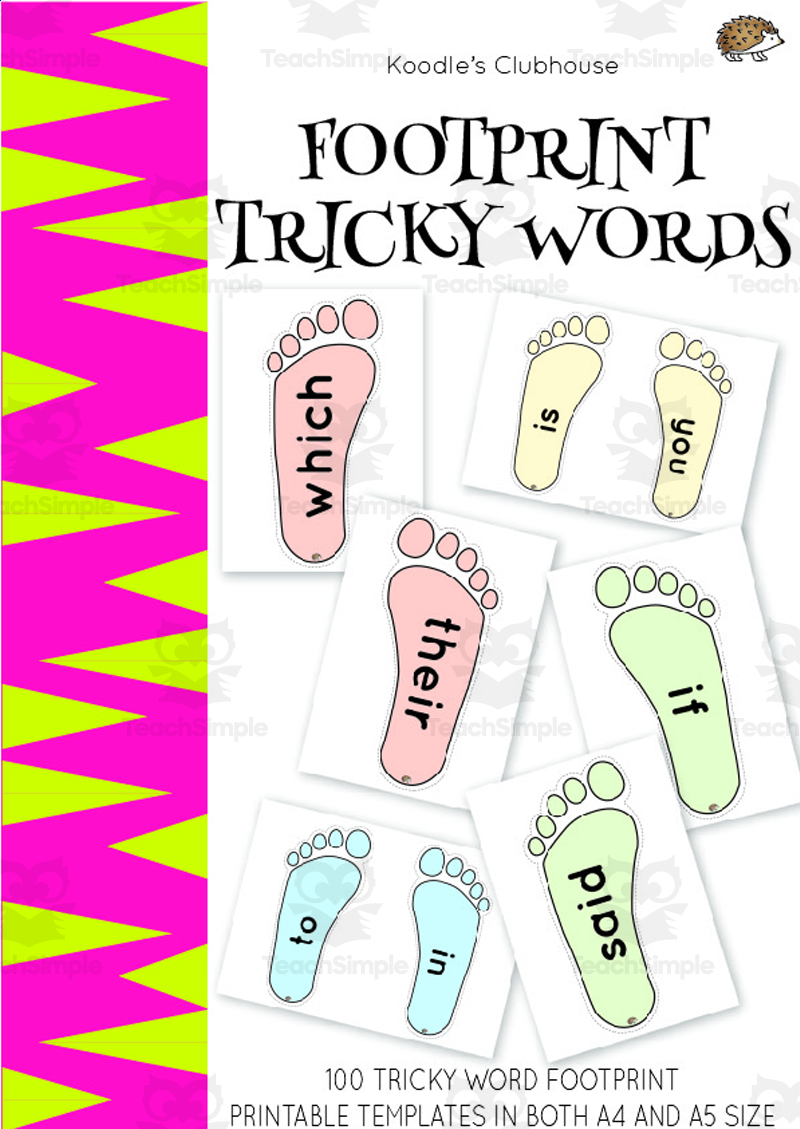
A gross-motor floor game using printable footprint templates to practice sight word / 'tricky word' (Dolch/high-frequency word) recognition.

A Snakes and Ladders board game adapted to practice phonics: orally segmenting and blending CVC words and digraphs.
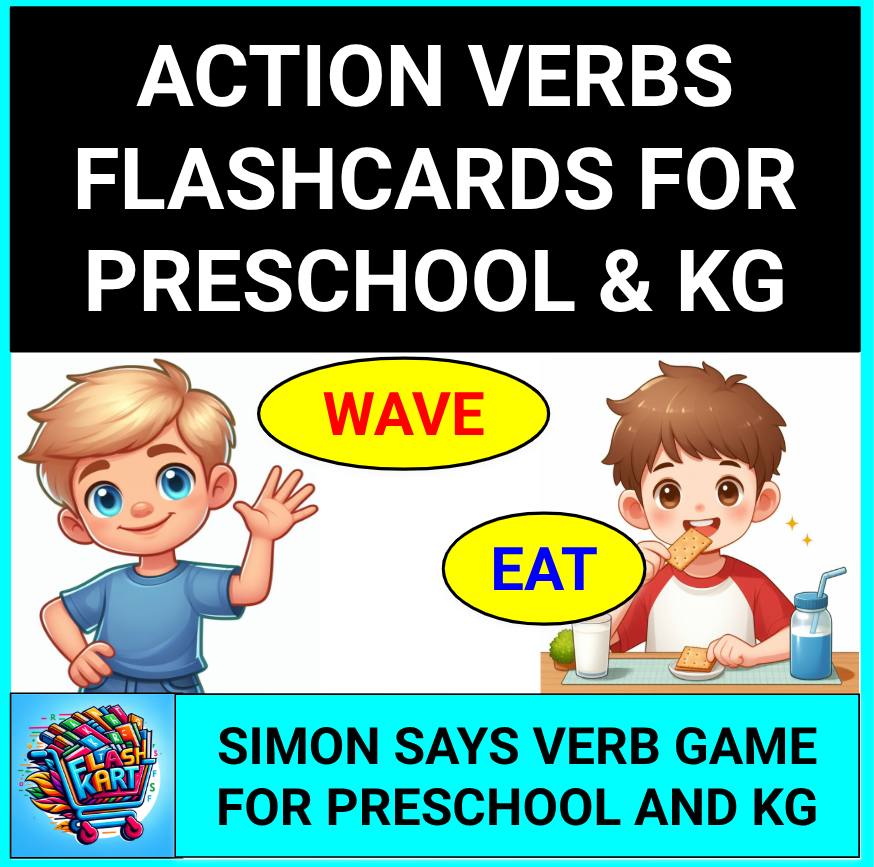
Introduce common action verbs to young learners and ESL/EFL students through flashcards and movement-based activities.
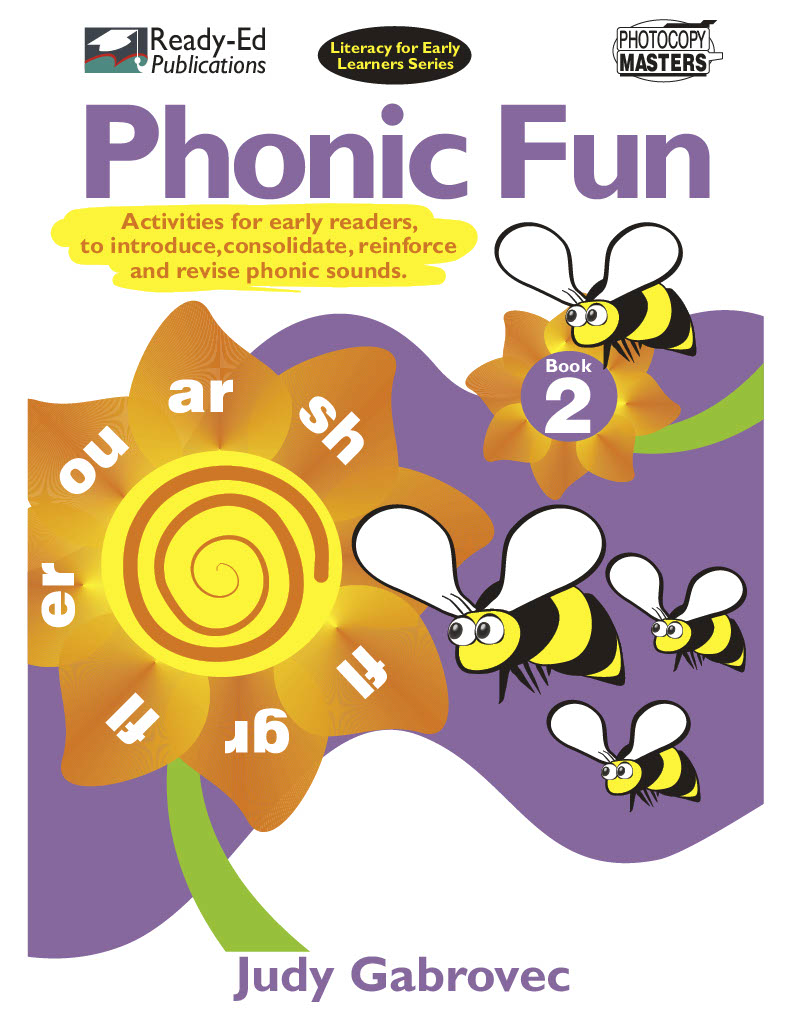
Book 2 of a phonics activity series (Ready-Ed Publications' 'Literacy for Early Learners') that introduces, practices, and reinforces phonic sounds/blends beyond Book 1 for early readers through varied worksheet activities.
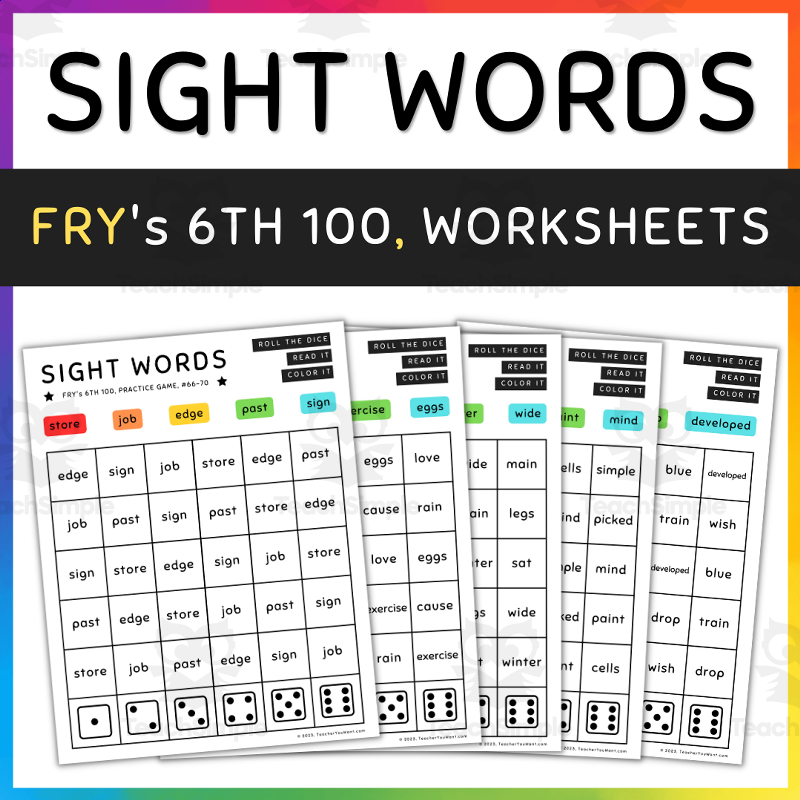
Practice reading and recognizing sight words from the Fry sixth 100 word list through a dice-based 'Roll the Dice, Read It, Color It' game.

Sight word recognition practice game combining dice rolling with a color-by-word grid, covering the 41 first-grade Dolch sight words in 8 groups of roughly 5 words each.

A set of dice-based phonics center games for practicing reading, writing, and spelling CVC (consonant-vowel-consonant) words in the 'an' word family (e.g., can, fan, man, pan, ran, tan, van).
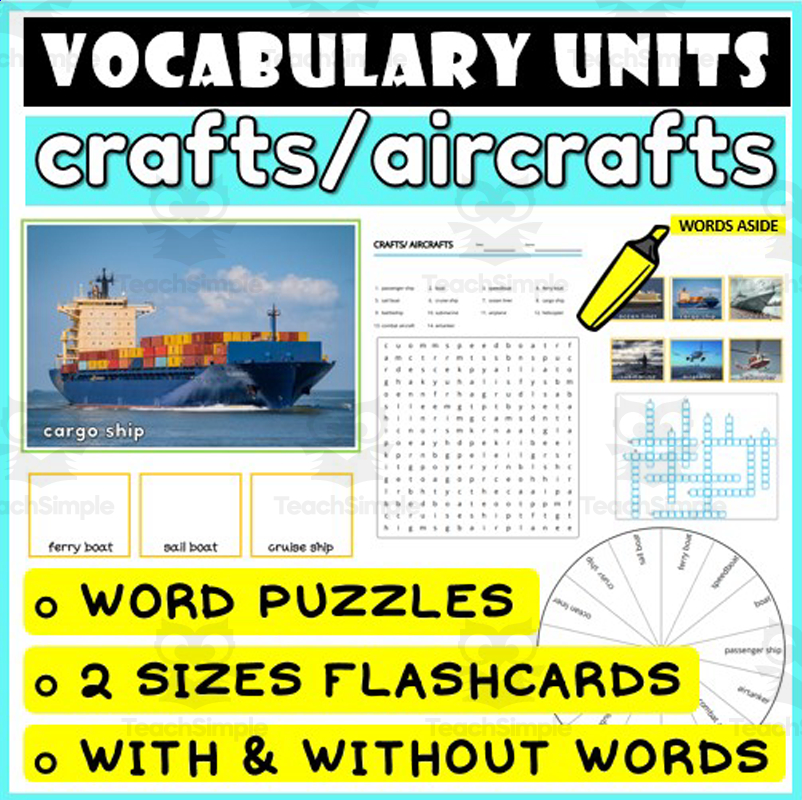
Practice ESL/EFL vocabulary for the theme "CRAFTS/AIRCRAFTS" through a set of word-game worksheets (anagram, crossword, matching, word search).
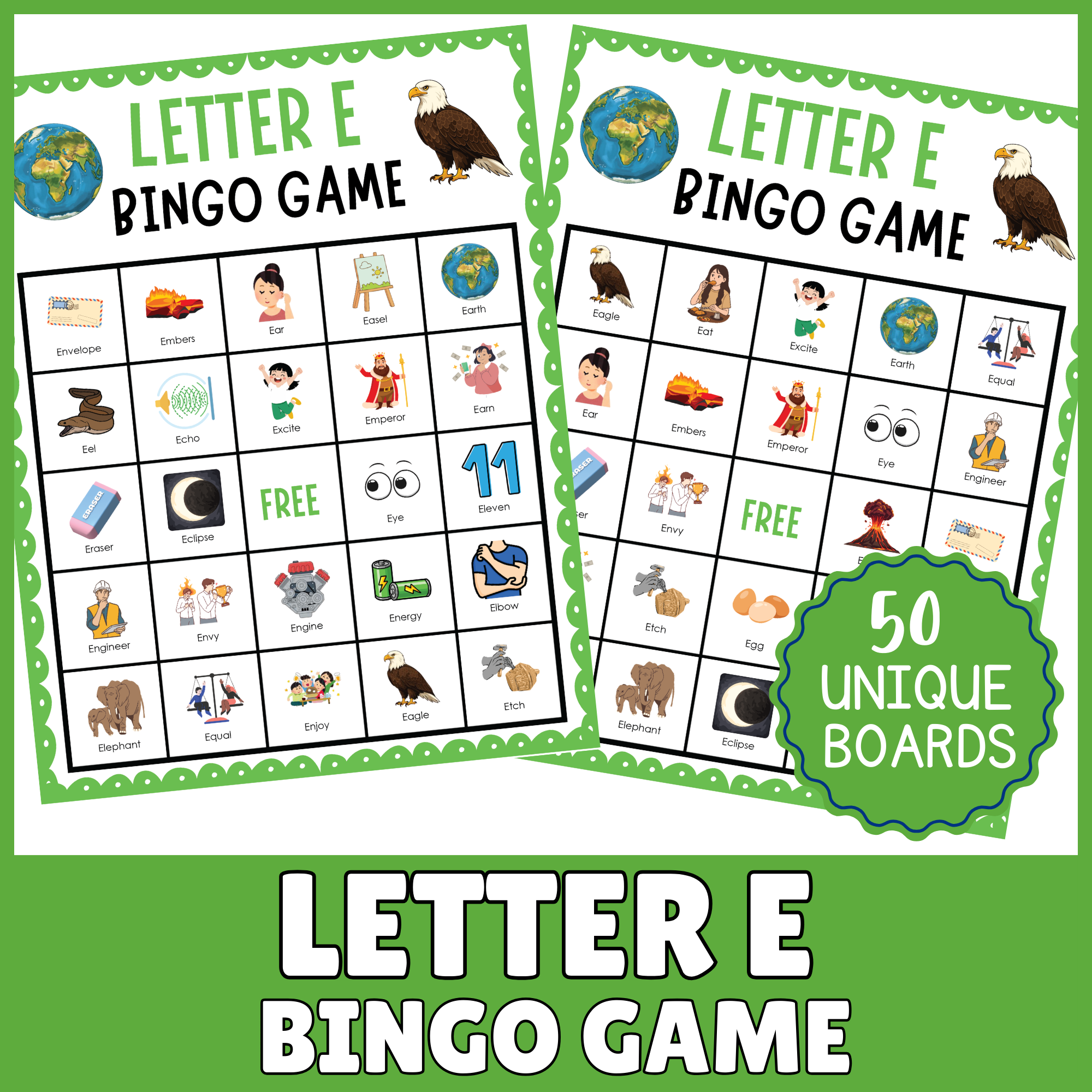
Letter E Bingo Game is a simple and fun activity to help kids learn the letter E and its beginning sounds. Since bingo is already a familiar game for most students, it’s an easy way to keep them interested while practicing phonics skills. I usually use this during our letter of the week or when I want to review letters in a more relaxed way. It doesn’t…
A PowerPoint-based classroom game/template for group vocabulary enrichment practice, where students research and present synonyms and antonyms for teacher-assigned words for classmates to guess.