



3,931 products added recently
Page 11 - ELA Lesson Plans
Elevate your ELA instruction with lesson plans that cover reading, writing, speaking, and listening skills. These resources provide diverse texts and engaging activities to improve literacy. Integrate these plans to enrich your language arts curriculum and support student achievement.

 Show filters


Work and Jobs Pre Intermediate ESL ELA ELL Lesson Plan
ELA, Language Development, ESL, Grade 7, 8, 9, 10, 11, 12, Teacher Tools, Lesson Plans
Work and Jobs Pre Intermediate ESL ELA ELL Lesson Plan. This pre-intermediate English lesson plan helps students learn vocabulary and grammar related to work and jobs. Students begin by reading informational passages to build background knowledge on various careers. Comprehension questions allow educators to check understanding. An audio activity then provides listening practice as students hear conversations about different jobs. Finally, targeted exercises reinforce key grammar principles. This well-rounded resource can be used flexibly for whole class instruction, small groups, or independent practice. Implemented thoughtfully, these materials will boost students’ language abilities. Provided in multiple formats, the lesson is accessible online or offline. An answer key supports instruction and remediation. This TEFL lesson plan includes: Flash cards A warm-up activity Main usage exploration Construction details Rules, along with any exceptions Illustrative examples Two closed exercises One open exercise Listening exercise Revision exercise Writing exercises Chatterbox, a recurring feature in our course books encouraging conversation Activity, such as a game, quiz, puzzle, etc., to conclude the class The lesson plan is available in PDF with 31 ready to print pages and one digital access file. One MP3 file included. A part of it is on Google Apps. The answer key is also included for reference.
Author TEAM TEFL
Tags Work, Jobs, ESL Lesson Plan, Vocabulary Words, Synonyms, Intermediate English Lesson Plans, Jobs Lesson Plans

Year 3 End-of-Term English Review Pack | Australian Curriculum
ELA, Grade 3, Assessments, Teacher Tools, Lesson Plans, Worksheets & Printables
Year 3 End-of-Term English Review Workbook Pack | Australian Curriculum Looking for a comprehensive Year 3 English review that builds reading, grammar, vocabulary, and writing skills in one easy-to-use resource? This Year 3 End-of-Term English Review Workbook gives students meaningful literacy practice while saving teachers valuable planning time. Aligned with Australian Curriculum v9.0, this engaging resource helps students strengthen comprehension, vocabulary, grammar, sentence structure, paragraph writing, and editing skills through structured activities and high-interest texts. Perfect for end-of-term review, intervention, homework, literacy rotations, or Year 4 readiness practice. ✅ What’s Included 70-page Year 3 English Workbook 14-page Answer Key 21-page Teacher’s Guide Australian Curriculum v9.0 alignment Reading comprehension across 4 text types Narrative, informative, persuasive, and poetry activities Main idea and supporting detail practice Inference and summarising tasks Vocabulary activities with prefixes, suffixes, roots, and figurative language Grammar review and sentence structure practice Direct speech and paragraph organisation Narrative and informative writing tasks TEEL paragraph framework activities Mixed review assessment section Writing rubrics and editing checklists Extension activities and differentiation support ✨ How It Works in the Classroom This Year 3 English Review resource is flexible and classroom-friendly: Use for end-of-term literacy review Perfect for literacy rotations and centers Great for homework and independent work Supports intervention and revision groups Excellent for relief teacher plans Works as a Year 4 readiness check Use across 3 weeks for manageable review sessions Students work through comprehension, vocabulary, grammar, writing, and mixed review sections while building confidence and independence. 🎯 Standards & Learning Goals Students will strengthen skills in: Reading comprehension and inference Main idea and supporting details Vocabulary development Prefixes, suffixes, and word roots Grammar and punctuation Direct speech Complex sentences TEEL paragraph writing Narrative and informative writing Editing and proofreading Aligned Australian Curriculum v9.0 codes include: AC9E3LA03 AC9E3LA05 AC9E3LA06 AC9E3LA08 AC9E3LA09 AC9E3LY03 AC9E3LY05 AC9E3LY06 AC9E3LY11 AC9E3LY12 💛 Why Teachers Love It Combines multiple Year 3 literacy skills in one resource Includes explicit comprehension strategy instruction Supports independent learning and confidence Low-prep and easy to print Includes answer keys, rubrics, and teacher support Strong focus on reading comprehension and writing growth Encourages higher-order thinking and inference Australian spelling and curriculum aligned Teachers especially love the TEEL paragraph and writing sections because they give students clear scaffolds for stronger written responses and Year 4 preparation. 📌 Perfect For Year 3 English review Australian Curriculum literacy practice End-of-term revision Reading comprehension practice Vocabulary and grammar review Writing intervention Homework and take-home learning Fast finisher literacy work Year 4 transition support ⭐ Skills Covered Main idea and supporting details Inference Summarising Vocabulary in context Prefixes and suffixes Word roots Figurative language Grammar and punctuation Direct speech TEEL paragraphs Narrative writing Informative writing Editing and proofreading
Author Bright Classroom Ideas Marketplace
Rating
Tags Australia, Review, Ela, English, End-of-term

Guided Reading Lesson Plan & Activities for Grade 2
Reading, ELA, Grade 2, Activities, Lesson Plans, Teacher Tools
Second Grade Reading Second graders keep enhancing their literacy abilities as they acquire more intricate vocabulary and engage with lengthier, more challenging texts across various genres, such as fiction, non-fiction, and poetry. Learners enhance their reading comprehension abilities while discussing their readings and cultivate more sophisticated concepts related to those subjects. As in prior years, second graders consistently engage in reading as they utilize texts for other subjects during the day. To develop reading abilities, a second grader: Reads more intricate words, like two-syllable terms. Recognizes words that have common prefixes and suffixes, such as: pre-, re-, un-, -able, -ad, and -er. Reads grade-level, irregularly spelled words (ask your child's teacher for an exact list of these words). Peruses a range of writings encompassing fiction, nonfiction, fables, and poetry. This ebooks features a guided reading lesson plan and activities, designed especially for Grade 2, that can last up to 40 minutes.
Author Bright Classroom Ideas Marketplace
Tags Guided, Reading, Grade 2, Language, Lesson, Plan, Activities

Past Perfect | Upper Intermediate Lesson Plan
ELA, Language Development, ESL, Grammar, Writing, Resources for Teachers, Not Grade Specific, Adult Education, High School, Middle School, Teacher Tools, Lesson Plans, Worksheets & Printables
Past Perfect Upper Intermediate English Lesson Plan This upper intermediate English lesson plan focuses on using the past perfect tense. Educators can use this resource to help students further develop their understanding and use of verb tenses. The lesson begins by introducing the form and function of the past perfect, providing clear explanations and examples. Students then practice using this tense through a series of exercises of increasing difficulty. These activities allow them to apply their knowledge in contextualized sentences and passages. Teachers may implement this resource in several ways. It can be used in whole group grammar instruction, as a small group remediation activity , or as an independent practice assignment. The material is well-suited for both classroom and homeschool settings. Answer keys are included, allowing educators to easily check students' work. This concise yet comprehensive lesson supports English language learners in improving their mastery of complex verb tenses. The ESL lesson plan includes flashcards, a warmer, grammar rules, exercises, role-play, conversation, writing drill, activity , answers and an extra study that would be good to set as homework. There are 30+ pages and there are teachers notes to guide the teacher.
Author TEAM TEFL
Tags Past Tense, Perfect Tense, ESL Lesson, Participles , Group Work
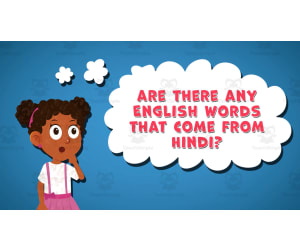
I WONDER - Are There Any English Words That Come From Hindi
Vocabulary, Language Development, ELA, Grade 3, 4, 5, 6, 7, 8, 9, Lesson Plans, Teacher Tools
Video Introduction An amazing video designed for the students to learn more about languages. I WONDER - Are There Any English Words That Come From Hindi | Animated Video Lesson Do you enjoy learning English? Which topic do you like the most Grammar, writing, reading, spelling, comprehension, vocabulary or phonics? Have you ever tried to learn any other language? If yes, tell us more about it? How many languages are spoken in the world? What do you think the most interesting one? Can you say Hello in Spanish, French or even Japanese? You can give it a try! Can you name the countries that speaks Portuguese? How many countries speaks Dutch? What is the less spoken language in the whole world? Would you like to learn a new language someday? If yes, which language will you choose? I WONDER - Are There Any English Words That Come From Hindi | Animated Video Lesson The video is perfect for encouraging the researching skills for the students, while learning more about world languages. I WONDER - Are There Any English Words That Come From Hindi | Animated Video Lesson This friendly designed video is suitable for students at school, homeschooling, and as a group activity. Format Available in MP4 format.
Author Educational Voice
Rating
Tags Are There Any English Words That Come From Hindi, Are There Any English Words That Come From Hindi Video, English Words, English Words Video, English Words Video For Kids, Hindi, Hindi Facts

Hurry Up | English Conversations Video Lesson
ELA, Language Development, ESL, Not Grade Specific, Lesson Plans, Teacher Tools
Product Description: The Hurry Up | English Conversations Video Lesson is an innovative educational tool specifically designed for educators enforcing prominent teaching methods that impart thorough Language Arts competencies. Designed towards assisting ESL learners, the product's applicability ranges across numerous age groups and language competency levels. Animated Video Format Advantage: The primary draw of this resource is its riveting animation format that illuminates the learning atmosphere, fostering enthusiasm and learner engagements. In this digital age, educational tools such as video content significantly supersize the learning experience. Content Overview: A 5-minute video focusing on common English conversations related to daily routines. The dialogue context mirrors real-life situations fostering comprehension and application of conversational skills learned in class. An interactive approach making ESL acquisition a delightful process rather than just an academic pursuit. Digital Compatibility & Usage: This lesson content comes in MP4 format ensuring easy access across multiple digital platforms - be it classroom projectors or individual devices. These video lessons can be utilized during standard classroom hours or prescribed as homework resources for further practice at home.(Optimized for both group classes as well as solo study sessions) In Conclusion: If you seek an ingenious teaching approach catering to both traditional classrooms and homeschooling alike - the Hurry Up | English Conversations Video Lesson ideally matches your needs! A mix of captivating animated sequences along with practical conversation drills makes it a key part of any Language Arts curriculum emphasizing on ESL students' skill enhancement.
Author Educational Voice
Tags English Conversations, ESL Learners, Language Arts Skills, Interactive Learning, Video Lesson
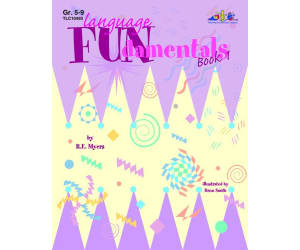
Language FUNdamentals Book 1
ELA, Strategies, Grade 5, 6, 7, 8, 9, Teacher Tools, Lesson Plans
Use the creative ideas in this book to put back the fun in language fundamentals! Your students will enjoy the humorous approach the author takes with topics such as: punctuation, nouns, homonyms, alliteration, sentences, vocabulary building and more. They'll learn how to put words and sentences in sequence in a variety of ways; follow directions; look for and correct mistakes in spelling, punctuation and word usage and they'll discover new words in which they can add to their expanding vocabulary! Every student will appreciate the somewhat offbeat style of each activity , and they'll enjoy the opportunity to come up with their own unique ideas and ways of expressing themselves. Clear instructions and a complete answer key are provided to make all the activities user friendly.
Author Classroom Complete Press
Tags PDF
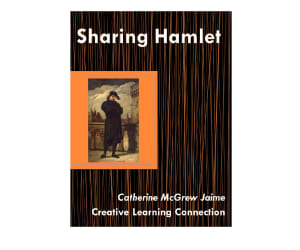
Shakespeare Unit Study: Hamlet - eBook
ELA, Literature, Grade 9, 10, 11, 12, Lesson Plans, Teacher Tools
Within this 17-page download, students will take a closer look at Shakespeare and his written work Hamlet. Students will examine a timeline, characters, notes and quotes from the play. At the end of this unit of study, students will be able to complete worksheets and a word search . Answer key for word search is included.
Author Creative Learning Connection
Tags Hamlet, Hamlet Ebook, Shakespeare Hamlet, Unit Study, Literature

Pronouns Supplementary Materials - Grammar Grades 1-2 (PDF)
ELA, Language Development, ESL, Grammar, Common Core, Resources for Teachers, Grade 1, 2, Teacher Tools, Lesson Plans, Assessments, Tests, Quizzes and Tests, Outlines, Quizzes, Worksheets & Printables
Pronouns Supplementary Materials Note: This download DOES NOT include the tests themselves. You can still make use of these materials without them but they are recommended. Download in a format of your choice in the "Links" section below. In the Supplementary Pack Interactive Ice Breakers: Fun, hands-on activities that get students thinking about adjectives right from the start. Guided Practice: Teacher-led exercises that reinforce the day’s lesson, ensuring students can confidently identify and use adjectives. Group and Partner Tasks: Collaborative activities that allow students to work together to solve problems, categorize adjectives, and create descriptive sentences. Independent Worksheets: Structured worksheets that provide individual practice and help solidify understanding of key concepts. Exit Tasks: Quick, reflective activities at the end of each lesson that assess understanding and encourage students to apply what they’ve learned. Pronouns Overview: Includes: Personal Pronouns Possessive Pronouns Indefinite Pronouns Additional Practice Google Docs Google Forms Google Slides PDF PPT Word FULL CATALOG OF DOWNLOAD LINKS HERE Grade 1/2 Links: Capitalization and Punctuation Google Docs Google Forms Google Slides PDF PPT Word Free Supplementary Materials Pack Adjectives Google Docs Google Forms Google Slides PDF PPT Word Free Supplementary Materials Pack Nouns Google Docs Google Forms Google Slides PDF PPT Word Free Supplementary Materials Pack Pronouns Google Docs Google Forms Google Slides PDF PPT Word Free Supplementary Materials Pack Verbs Google Docs Google Forms Google Slides PDF PPT Word Free Supplementary Materials Pack Prefixes & Suffixes Google Docs Google Forms Google Slides PDF PPT Word Free Supplementary Materials Pack Sentence Structure Google Docs Google Forms Google Slides PDF PPT Word Free Supplementary Materials Pack Subject-Verb Agreement Google Docs Google Forms Google Slides PDF PPT Word Free Supplementary Materials Pack ELA Review Questions Overview Questions have three answer choices. There are a handful of pictures on each test for aesthetic purposes, as well as a review sheet covering most of the topics covered in the product. Introduction or Example Sheet Each topic will include an introduction or example sheet to go through first with your students. Full Answer Keys Full answer keys and sample responses are provided so no matter how busy you are, you know you're covered! For similar downloads and other frees, do check out Cored Group on TeachSimple.
Author Cored Education
Tags Elementary, Reading, Comprehension, Vocabulary, Answers, Ccss, Common Core, Spelling, Writing, Passages
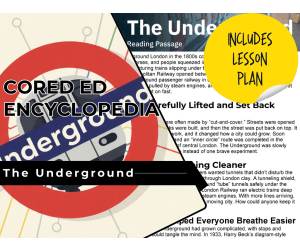
The Underground Reading Comprehension Passage - Cored Ed Encyclopedia
ELA, Language Development, Reading Comprehension, Reading, Science, Technology, Engineering, History, Social Studies, Geography, Grade 2, 3, 4, 5, Worksheets & Printables, Worksheets, Teacher Tools, Centers, Activities, Writing Prompts, Assessments, Quizzes and Tests, Quizzes, Lesson Plans
This Underground reading comprehension with lesson plan includes: Visualization (on the front cover) Start your lesson by taking a minute to think and share something about the topic. Read the script aloud (slowly), perhaps prepare some music or sound effects. Student close their eyes and let their imaginations wander. Students open their eyes, read the question aloud and give them a few minutes to complete. Ask a few students to share or keep answers until the end to compare with what they learn in the passage. Quick pause—thousands of Cored Education products are included with your TeachSimple membership. Download links and encyclopedia index available here. Pre-Reading Trivia Students will write down one thing they already know about the subject and then read five more facts and discuss. These facts are fun, and the students will enjoy learning about the subject before reading more. Give 1 minute for students to write what they already know (no pressure—best guess is fine). Read the five facts together. After each fact, do ask a student for their opinion, was it surprising? Set a purpose by asking students to highlight/underline one fact they want to learn more about during the reading. Reading Passage The text is a high-interest reading passage with set paragraphs, roughly three to four paragraphs long. It contains a variety of themes about the topic, anywhere from history to technology. The passage is between 250 and 350 words in length. First, ask students to look at the headings and see what they’ll learn about today. What do they know about the topic/heading? First read options: Teacher read-aloud (best for support). Partner reading (paragraph by paragraph). While reading, students underline important details, and vocabulary words they think may come up in the questions section. Mixed Questions The first question page contains four multiple-choice questions, each with a choice of four answers, and three written response questions that require a sentence or two from the student. Students complete the mcqs first independently, then review quickly as a class. For the 3 written responses, try to get students giving the answer with some form of evidence: “I think ___ because the text says ___.” If students get stuck, send them back to check the passage. Vocabulary Questions Practice seven key words from the text in this section across two activities. First section is scrambled words where students will unscramble three words given a clue for each. The second section is a word to meaning matching activity. Before starting, have some students read out words they underlined in the passage. Ask students to say the word and read aloud the sentence(s) around each word. Ask students to do scrambled words and the matching exercise in pairs then go through answers as a class. For the scrambled spelling task, get four pairs to come up to the board and write the words for extra practice with the other student reading out the clue. For the matching task, prompt students to give full sentences: “I matched ___ with ___ because ___.” Creative Writing In this question, the student will be required to write a five to eight sentence paragraph on a question related to the topic. Before starting, ask students write down 3 key ideas they are going to include in their piece. Ask students for ideas to share around the class to help those struggling. Pro writing expectations: 5–8 sentences At least 2 facts or details from the passage At least 2 vocabulary words from the previous page Students read their paragraphs while classmates listen for facts and vocabulary words. Extension Activities This page is optional for fast finishers or to take home. There are several activities, each one requiring a different skill. Do some, do none, do all, completely optional - but you will feel reassured knowing every possibility is planned for. Includes summary writting question. Answer Key There are answers for the multiple-choice questions, written response questions have sample answers, vocabulary answers and if there is a summary question then a sample summary will be provided as well. Lesson Plan Included Customized lesson plan for this lesson is included. Lesson Snapshot Title: The Underground Genre: Nonfiction (informational text) Subject: Social Studies (History) Primary Topic: How London built and improved the Underground Estimated Guided Reading Level (A–Z): R What This Lesson Teaches Best Explains why planners wanted trains under crowded London streets in the 1800s. Teaches key early-history facts, including the Metropolitan Railway opening on January 10, 1863, between Paddington and Farringdon. Describes the “cut-and-cover” method (opening streets like a trench, building tracks, then putting the street back). Shows how deeper “tube” tunnels and electric trains reduced street disruption and avoided steam smoke. Demonstrates how a clearer diagram-style map (Harry Beck, 1933) helped riders understand a complicated system. Learning Goals Students will explain why some planners imagined trains going under London in the 1800s. Students will identify what opened on January 10, 1863, and name the two stations connected in the text. Students will describe the steps of “cut-and-cover” tunnel building using details from the passage. Students will explain how digging deeper “tube” tunnels changed building the Underground and affected smoke underground. Students will explain how Harry Beck’s 1933 diagram-style map made the system easier to follow. Key Vocabulary From the Text Metropolitan — the name of an early London railway line. cut-and-cover — open a street, build tracks, rebuild street on top. tunneling — digging a passage underground. shield — a strong ring that helps bore tunnels safely. complicated — hard to understand because there are many parts. FULL CATALOG OF DOWNLOAD LINKS AND ENCYCLOPEDIA INDEX HERE
Author Cored Education
Rating
Tags Vocabulary, Reading Comprehension, Reading Passages, Lesson Plans, Ela Lesson Plans, Reading Comprehension Lesson Plans, Pre-reading, History, History Lesson Plans, Geography

Modal Verbs: Can - Could | Pre-Intermediate Lesson Plan
ELA, Grammar, Grade 5, 6, 7, 8, 9, 10, 11, 12, Teacher Tools, Lesson Plans
Modal Verbs: Can - Could | Pre-Intermediate Lesson Plan This effective Language Arts teaching resource designed for all older children and adults, specifically targets the Grammar subject area. It focuses on reinforcing the understanding of modal verbs, with emphasis on 'Can' and 'Could' for current and past abilities and possibilities. This TEFL resource is intended to be used with pre intermediate ESL students. Comprehensive Worksheet Set The lesson plan provides a comprehensive worksheet set that offers students an engaging learning environment. Students get to complete follow-up exercises testing their comprehension while improving their grammar skills. Flash cards , a writing exercise and extra study are now also included as part of this resource. This lesson plan includes: Cover page Flash cards A warm-up activity Main use Construction details Rules, along with any exceptions Illustrative examples Two closed exercises One open exercise Revision exercise Writing exercises Chatterbox, a recurring feature in our course books encouraging conversation Activity, such as a game, quiz, puzzle, etc., to conclude the class The lesson plan is available in PDF with 27 ready to print pages and one digital access file. A part of it is on Google Apps. The answer key is also included for reference.
Author TEAM TEFL
Tags Modal Verbs, Can, Could, Grammar Lesson, Language Arts

MLK Day Flip Book
ELA, Language Development, ESL, Reading Comprehension, Reading, Vocabulary, History, Social Studies, Kindergarten, Grade 1, 2, 3, 4, 5, Worksheets & Printables, Teacher Tools, Lesson Plans, Activities, Centers
Ready to make Martin Luther King Jr. Day memorable for your students? This MLK Day Flip Book is a hands-on, interactive way to explore Dr. King’s life, values, and lasting impact. With four thought-provoking questions, your students will reflect, learn, and even share their own dreams for a better world. Plus, it’s the perfect activity to keep little hands busy while big minds work. Ways to Use In-Class Activity: Dive into the four sections with guided discussions or independent work. Homework Assignment: A meaningful take-home task that sparks family conversations. Small Group Collaboration: Let students brainstorm and share ideas together. MLK Day Event: Create a classroom display with completed flip books! Advantages Interactive Learning: Students engage actively by writing, coloring, and flipping through the book. Age-Appropriate Insight: The questions are designed to be simple yet powerful, suitable for young learners. Encourages Critical Thinking: Students connect Dr. King’s legacy to their own lives and communities. No Prep, All Fun: Just print, assemble, and let the magic happen. Whether for MLK Day, Black History Month, or a powerful history lesson, this flip book transforms learning into something tangible and inspiring. It’s a classroom favorite that’ll have your students flipping , literally!
Author Ponder Palette Plazza
Tags Mlk Day, Mlk Jr Day, Martin Luther King Day, Martin Luther King Day Reading, Flipbook, Mlk Filpbook, Mlk Day Flip Book, Mlk Day Activities

Powered Neuro-Inclusive Micro-Learning Strategy Cards for Diverse
Science, Technology, Computer Science, Engineering, Special Resources, Social Emotional Learning (SEL), Special Education Needs (SEN), STEM, Life Skills, ELA, Grade 2, 3, 4, 5, 9, 10, 11, 12, Worksheets & Printables, Flashcards, Parts of and Anatomy of, Word Problems, Workbooks, Worksheets, Writing Prompts, Teacher Tools, Assessments, Lesson Plans
Unlocks the future of inclusive education with this 49-page ultimate resource: "AI-Powered Neuro-Inclusive Micro-Learning Strategy Cards for Diverse Classrooms (Ready!)" – an innovative and educator-recommended resource that disrupts and transforms K-12 educational strategies for the better. This downloadable pdf resource pushes the boundaries of neuro-inclusive education practices, micro-learning best practices, and responsible AI applications, covering all theoretical aspects of neuro-inclusive educational practices, micro-learning best practices, AI applications, and a lot more with its profound evidence-based resources on UDL, Cognitive Load Factors, and Constructivist concepts, with actual demonstration cases from elementary and high school levels, strategy card templates for creative development on worksheets and ethics of AI applications for educational environments, all crafted together for optimal cognitive engagement and minimizing educational barriers for effective personalized cognitive educational development. Perfect for special education resources, differentiated resources for personalized educational practices, and educational management tools, this SEO-optimized resource for educators helps and enables all educators for preparation of balanced cognitive educational morsels for enhanced cognitive engagements, motivation, and academic achievement for students across diverse K-12 educational environments. Keywords: Neuro-inclusive educational practices for classrooms, AI-based educational resources for classrooms, Micro-learning for neuro-diverse students, K-12 Neuro-inclusive educational practices, UDL resources for classrooms. Why Parents/Schools Love It: Personalized and Inclusive Strategy: Enables teachers to provide personalized education support for neurodiverse students, making them less frustrated and more confident using bite-sized and adjustable strategies such as tools for students with ADHD or autistic students. Time-Saving AI Integration: “Ethical AI capabilities offer real-time analytics, personalized content, and feedback loops that ease the instructor’s workload and help enhance outcomes in a K-12 classroom.” Results That Speak for Themselves: Proven on the evidence-based frameworks of UDL and Cognitive Load Theory, as well as illustrated cases of 20% or greater retention and engagement rates, there is no doubt that it helps students significantly. Versatile & Ready to Use: Comes with strategy cards, worksheets, & writing prompts that teachers can print out for instant use in their classrooms, thus being very useful in encouraging motivation, managing cognitive overload, & ensuring equitable education. Future-Proof Designs: equipped with ethical AI tools and frameworks that protect consumer and individual rights to privacy and mitigate biases, to ready and prepare learners for a technology-driven and worldwide environment while focusing on teaching and learning. Targeted Classes/Students : After thoroughly evaluating the entire 49-page PDF file, which contains information on foundational theory (Chapters 1-3), the design and execution of strategy cards (Chapter 4), worksheets for practice, ethical issues, case studies, and advanced topics, it is clear that the guide is designed for use in K-12 education environments. It applies to all grade levels, Kindergarten through 12th grade, with a focus on neurodiverse students. Specific suggestions are included for: Elementary School Students (Grades K-5): Underlying concepts may target fractions, reading comprehension, or social-emotional control, with examples such as Northwood Elementary focusing on ADHD, Dyslexia, and Autistic students during grades 3-5. Designed specifically for students who profit from visual supports and time-dosing assistance with their learning and attention. Middle School Students (6-8): Focuses on executive functioning assistance, multi-step task planning (ecosystems lesson for instance), AI-powered modifications for ESL, anxious, gifted students. Case examples, like Summit Ridge Middle School, discuss differentiating for students with learning disabilities. High School Students(9-12): Focuses on difficult topics in geometry proofs, formulas for volume, and abstract ideas, using micro-learning for dyscalculia, slow processing, and high-functioning autism. Examples include Emerald High School’s geometry in the 9th grade, which emphasize challenging concepts. Copyright/Terms of Use : This Book was copyrighted by Syed Hammad Rizvi. This document or textbook is exclusively for non-commercial personal and classroom use only. You are not allowed to copy, distribute, or sell any portion of this document or textbook through the Internet for public download. If you would like to share this resource with others in your workplace, please purchase additional licenses from Teachsimple. We appreciate your respect for these guidelines for use. This product is proudly brought to you by Syed Hammad Rizvi
Author Creative Book Store
Rating
Tags NeuroInclusiveEducation, AIPoweredLearning, MicroLearningStrategies, K12InclusivePedagogy, NeurodiversityInClassrooms, UDLPrinciples, CognitiveLoadTheory, EthicalAIInEducation, ADHDTeachingTools, DyslexiaSupportResources

2nd Grade Summer ELA Games Pack | No-Prep Printables
ELA, Grade 2, Games, Activities, Lesson Plans, Teacher Tools, Worksheets & Printables
2nd Grade Summer ELA Games Pack | No-Prep Printables Looking for a fun way to keep second graders learning all summer long? This Summer ELA Games Pack Grade 2 includes 57 engaging, no-prep literacy activities designed to strengthen reading, phonics, grammar, vocabulary, writing, and figurative language skills while preventing the summer slide. Perfect for summer school, end-of-year review, literacy centers, morning work, and take-home practice. What's Included 57 no-prep Grade 2 ELA activities 8 Reading Comprehension Stories 10 Phonics & Word Work Games 10 Grammar & Punctuation Activities 8 Vocabulary & Word Games 10 Summer Writing Prompts 6 Figurative Language Activities 5 Reading Response & Board Games Complete Answer Key Teacher Guide with standards alignment, differentiation strategies, and pacing suggestions How It Works in the Classroom This flexible summer literacy resource is ideal for: Summer school programs End-of-year review Literacy centers and rotations Morning work Early finisher activities Small-group instruction Tutoring sessions Homeschool learning Take-home summer packets Substitute teacher plans Simply print and go! Each activity is self-contained and designed to keep students actively engaged while reviewing important Grade 2 literacy skills. Standards & Learning Goals Students will practice: Reading comprehension and text-based questions Character analysis and story elements Vowel teams, r-controlled vowels, diphthongs, and silent letters Prefixes, suffixes, contractions, and compound words Grammar skills including verb tenses, adjectives, adverbs, dialogue, commas, and possessives Vocabulary development through homophones, synonyms, antonyms, context clues, and multiple-meaning words Opinion, narrative, procedural, persuasive, and compare/contrast writing Figurative language including similes, metaphors, idioms, alliteration, and personification Aligned with Grade 2 Common Core ELA standards including RL.2.1, RF.2.3, L.2.1, L.2.2, L.2.4, L.2.5, W.2.1, W.2.2, and W.2.3. Why Teachers Love It ✅ No-prep, print-and-go format ✅ Summer-themed activities students actually enjoy ✅ Reviews multiple literacy standards in one resource ✅ Supports independent practice and small-group learning ✅ Includes differentiation ideas for intervention and enrichment ✅ Works for summer school, tutoring, homeschool, and classroom review ✅ Provides approximately 14–18 hours of meaningful literacy practice ✅ Suitable for Grade 2 students, advanced Grade 1 learners, and struggling Grade 3 students needing review Ready for a Summer of Learning? Download this Summer ELA Games Pack Grade 2 today and give students engaging, standards-based literacy practice that keeps skills sharp all season long. Be sure to explore my other seasonal ELA resources for even more low-prep learning fun!
Author Bright Classroom Ideas Marketplace
Rating
Tags Games, Summer, Ela, Worksheet, End Of Year

A Wrinkle in Time: Exploring Literature Teaching Unit
ELA, Literature, Grade 4, 5, 6, 7, 8, 9, Teacher Tools, Lesson Plans
A Wrinkle in Time: Exploring Literature Teaching Unit This is a comprehensive resource designed to help educators enhance their Language Arts instruction. Tailored for grades 4 through 9, this teaching unit simplifies the task of teaching this iconic book. Inclusive Resources: Study Guide: Each chapter has its unique study guide aimed at promoting comprehension and active engagement with the material. Vocabulary List, Test and Answer Key: An extensive vocabulary list, test , and corresponding answer key optimised for each chapter are included. Clear Discussion Ideas: Captivating conversations regarding characters, plot development, themes, and symbolism can be enabled with the clear discussion ideas provided. Writing Prompts: Creativity among students is stimulated while providing practice on extrapolating lessons from the story. Implementation remains flexible; they can either be assigned during lesson progression or as homework assignments at completion . Brief Description: The beauty of this product lies in allowing teachers more time focused strictly on imparting knowledge rather than puzzling over designing structured lesson plans. Digital Delivery: The package is delivered in easily accessible PDF format as a single file product download making it easy for educators all over. Its simplicity benefits any learning medium including small group discussions or whole class sessions. The Takeaway The A Wrinkle in Time: Exploring Literature Teaching Unit inspires young minds towards a love of literature while reinforcing language arts learning outcomes.
Author Classroom Complete Press
Tags A Wrinkle In Time, Teaching Unit, Literature, Study Guide, Writing Prompts, A Wrinkle In Time Unit
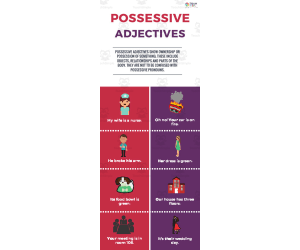
Possessive Adjectives | Beginner Lesson Plan
ELA, Grammar, Grade 9, 10, 11, 12, Teacher Tools, Lesson Plans
Possessive Adjectives Beginner Lesson Plan The Possessive Adjectives Beginner Lesson Plan is a comprehensive resource designed to aid educators in teaching and assessing students' understanding of possessive adjectives, an integral part of grammar studies in Language Arts. Suitable for grades 8 thru adults, the material is presented in a way that caters to different learning levels and needs. With this lesson plan, teachers have instant access to well-structured lessons comprising three PDFs of ready-to-print pages that effectively demonstrate how adjectives modify nouns to denote who has possessive of something. Students are provided with ample opportunities to not only learn but also apply their knowledge through its follow-up exercises aimed at appraising comprehension and practicing grammatical skills. In addition, the resource comes with one digital access file making it quite versatile. Whether you need resources for: Whole group instruction Small groups activities Homework assignments that reinforce classroom instruction In Conclusion If you're an educator looking for a straight-forward lesson plan covering grammar impartation specifically tied to possessive adjectives without needing additional prep time on your end – you've found your solution here. Well-crafted reliable tasks plus multiple modes of use ensure every teaching scenario possible is taken care of - whether it's supervised classroom discussion or self-paced home-based learning.
Author TEAM TEFL
Tags Possessive Adjectives, Grammar Studies, Lesson Plan, Teaching Resource, Comprehension Exercises
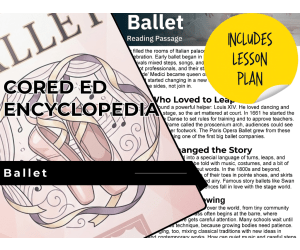
Ballet Reading Comprehension Passage - Cored Ed Encyclopedia
ELA, Language Development, Reading Comprehension, Reading, Social Studies, Writing, Vocabulary, History, Dance, Creative Arts, Grade 2, 3, 4, 5, Worksheets & Printables, Worksheets, Teacher Tools, Centers, Activities, Writing Prompts, Assessments, Quizzes and Tests, Quizzes, Lesson Plans
This ballet reading comprehension with lesson plan includes: Visualization (on the front cover) Start your lesson by taking a minute to think and share something about the topic. Read the script aloud (slowly), perhaps prepare some music or sound effects. Student close their eyes and let their imaginations wander. Students open their eyes, read the question aloud and give them a few minutes to complete. Ask a few students to share or keep answers until the end to compare with what they learn in the passage. COMPANION VIDEO NOW AVAILABLE (EMBEDDED AFTER PREVIEW PICTURES IN PRODUCT DESCRIPTION) Quick pause—thousands of Cored Education products are included with your TeachSimple membership. Download links and encyclopedia index available here. Pre-Reading Trivia Students will write down one thing they already know about the subject and then read five more facts and discuss. These facts are fun, and the students will enjoy learning about the subject before reading more. Give 1 minute for students to write what they already know (no pressure—best guess is fine). Read the five facts together. After each fact, do ask a student for their opinion, was it surprising? Set a purpose by asking students to highlight/underline one fact they want to learn more about during the reading. Reading Passage The text is a high-interest reading passage with set paragraphs, roughly three to four paragraphs long. It contains a variety of themes about the topic, anywhere from history to technology. The passage is between 250 and 350 words in length. First, ask students to look at the headings and see what they’ll learn about today. What do they know about the topic/heading? First read options: Teacher read-aloud (best for support). Partner reading (paragraph by paragraph). While reading, students underline important details, and vocabulary words they think may come up in the questions section. Mixed Questions The first question page contains four multiple-choice questions, each with a choice of four answers, and three written response questions that require a sentence or two from the student. Students complete the mcqs first independently, then review quickly as a class. For the 3 written responses, try to get students giving the answer with some form of evidence: “I think ___ because the text says ___.” If students get stuck, send them back to check the passage. Vocabulary Questions Practice seven key words from the text in this section across two activities. First section is scrambled words where students will unscramble three words given a clue for each. The second section is a word to meaning matching activity. Before starting, have some students read out words they underlined in the passage. Ask students to say the word and read aloud the sentence(s) around each word. Ask students to do scrambled words and the matching exercise in pairs then go through answers as a class. For the scrambled spelling task, get four pairs to come up to the board and write the words for extra practice with the other student reading out the clue. For the matching task, prompt students to give full sentences: “I matched ___ with ___ because ___.” Creative Writing In this question, the student will be required to write a five to eight sentence paragraph on a question related to the topic. Before starting, ask students write down 3 key ideas they are going to include in their piece. Ask students for ideas to share around the class to help those struggling. Pro writing expectations: 5–8 sentences At least 2 facts or details from the passage At least 2 vocabulary words from the previous page Students read their paragraphs while classmates listen for facts and vocabulary words. Extension Activities This page is optional for fast finishers or to take home. There are several activities, each one requiring a different skill. Do some, do none, do all, completely optional - but you will feel reassured knowing every possibility is planned for. Includes summary writting question and additional facts. Answer Key There are answers for the multiple-choice questions, written response questions have sample answers, vocabulary answers and if there is a summary question then a sample summary will be provided as well. Lesson Plan Included Customized lesson plan for this lesson is included. Lesson Snapshot Title: Ballet Genre: Nonfiction (informational passage) Subject: Arts (Dance) / Reading (Informational Text) Primary Topic: How ballet began, changed, and is practiced today Estimated Guided Reading Level (A–Z): S What This Lesson Teaches Best How ballet began in Renaissance palace courts, with dancing as part of celebrations. How ballet shifted from joining in to watching a performance “from the sides.” How ballet grew in France through royal support, including **Louis XIV starting a dance academy to set training rules and approve teachers. How stage design affected what audiences saw (the “proscenium arch” helped viewers see clearer lines and sharper footwork). How ballet tells stories without words using movement plus music, costumes, and a bit of mime, and how pointe shoes and lighter skirts changed the look. Learning Goals Describe where early ballet began and what events it was part of. Explain how ballet changed when people began watching instead of joining in. Identify what happened in 1661 and why it mattered for ballet training. Describe how the proscenium arch affected what audiences could see. Explain how ballet can show feelings and stories “without words,” using details from the text. Describe how ballet is practiced today (studios worldwide, barre work, and careful technique for growing bodies). Key Vocabulary From the Text Renaissance — a time in Europe with art, learning, and change. nobles — people from wealthy or high-ranking families. proscenium — a stage frame that shapes the audience’s view. pointe — dancing on the tips of the toes. barre — a rail dancers hold while practicing in class. FULL CATALOG OF DOWNLOAD LINKS AND ENCYCLOPEDIA INDEX HERE
Author Cored Education
Rating
Tags Vocabulary, Reading Comprehension, Reading Passages, Lesson Plans, Ela Lesson Plans, Reading Comprehension Lesson Plans, Pre-reading, History, Art, Dance Lesson Plans

I WONDER - What Is An Adverb | Animated Video Lesson
Formal Writing, Writing, ELA, Creative Writing, Grade 4, 5, 6, 7, 8, 9, 10, Lesson Plans, Teacher Tools
Video Introduction An amazing video designed for the students to learn more about languages. I WONDER - What Is An Adverb | Animated Video Lesson Do you enjoy learning English? Which topic do you like the most Grammar, writing, reading, spelling, comprehension, vocabulary or phonics? Have you ever tried to learn any other language? If yes, tell us more about it? How many languages are spoken in the world? What do you think the most interesting one? Can you say Hello in Spanish, French or even Japanese? You can give it a try! Can you name the countries that speaks Portuguese? How many countries speaks Dutch? What is the less spoken language in the whole world? Would you like to learn a new language someday? If yes, which language will you choose? I WONDER - What Is An Adverb | Animated Video Lesson The video is perfect for encouraging the researching skills for the students, while learning more about world languages. I WONDER - What Is An Adverb | Animated Video Lesson This friendly designed video is suitable for students at school, homeschooling, and as a group activity. Format Available in MP4 format.
Author Educational Voice
Rating
Tags What Is An Adverb, What Is An Adverb Video, Adverb, Adverb Facts, Adverb Video, Adverb Video For Kids, Adverb Facts For Kids, Adverbs, Adverbs Video, Adverbs Facts

SIXSPELL (JUNIOR) Gr. 4-6
ELA, Language Development, Spelling, Grade 4, 5, Teacher Tools, Lesson Plans
SIXSPELL (JUNIOR) Gr. 4-6 A comprehensive spelling program meticulously developed for students in Grade 4-6. A innovative fusion of pedagogical expertise and digital technology. User-Friendly Teaching Tools This product comprises 58 informative PDF pages. Each page represents an intricate understanding of modern educational research trends and time-tested practices. A Nuanced Approach to Education The main aspect separating Sixspell Junior from many typical resources is its adaptation to the student's world. It aligns words relevant to their interests, integrating learning outcomes— a nuanced approach toward language arts education! Fosters Integration Across Learning Areas Eases integration across subject areas without repeating word usage in different lessons or disciplines. Saves instructional time and promotes efficient education delivery - a tremendous value for educators planning curricula. Basis laid on sound-symbol relationships, holding relevance if students can read the prescribed words independently - personalized learning for each student's unique needs. Possibilities are Endless! No matter if you use it as part of your whole classroom instruction or in smaller focus groups, our solution adapts easily within your style. Effective even as homework assignments under some scenarios! Redefine traditional teaching methods with SIXSPELL (JUNIOR) Gr. 4-6 within your curriculum today! Encourage enthusiasm and proficiency among young learners through this intuitive design coupled with comprehensive content!
Author Classroom Complete Press
Tags Language Arts, Spelling Program, Spelling Words, Alphabetical Order, Spelling Activities
Word Fun!
ELA, Language Development, Vocabulary, Grade 5, 6, 7, 8, Teacher Tools, Lesson Plans
Explore Language with Word Fun! This specialized teaching resource intensifies vocabulary and reasoning skills for middle-grade students. Targeted at learners from grade five to eight, it's adaptable for different learning capabilities. Engaging and Interactive Techniques The playful approach engages learners with homonyms and clichés in an amusing interactive style. Moreover, multiple educational formats like: Word definitions Match-ups Creative writing tasks Mini-stories, puzzles & poems -- are utilized to cater diverse learning styles. A Globally Accepted Resource for Vocabulary Education This all-inclusive structure ensures a tailored language lesson plan that cultivates linguistic prowess. A standout feature of Word Fun! is its incorporation of various elements of language learning into exercises that enhance not just memory but also application. Main Focus Points: Vocabulary challenges; Honing reasoning skills; Reinforcement of spelling skills. This robust tool can be used in large class settings or smaller groups such as homeschooling setups. It even works well as homework assignments allowing independent linguistic engagement. Simplifying Access For Teachers: Focused on convenience - the entire lesson contents are organized into a single PDF file included within the product suite; eliminating loss or misplacement over time. In conclusion, "Word Fun! offers a refreshing take on conventional vocabulary building techniques. With its unique considerations for different learning styles and comprehensive scope, it's a great addition to any language arts curriculum. Whether in bustling schools or quiet homeschooling setups, Word Fun! commits to enhancing word skills syllable by syllable."
Author Classroom Complete Press
Tags PDF
Sarah, Plain & Tall: A Literature Resource Guide
ELA, Literature, Grade 1, 2, 3, 4, Teacher Tools, Lesson Plans
Sarah, Plain & Tall: A Literature Resource Guide As an educator, one constantly searches for resources that effectively communicate complex concepts to students, in a way they can understand and relate with. This literature resource guide proves incredibly useful in that regard. Focusing on Language Arts Designed for 1st to 4th graders focusing on Language Arts, this teaching unit offers a systematic approach to introducing fine literature to students across various reading abilities. It's tailored to promote both oral and written language proficiency through engaging discussions and insightful writing assignments. This helps develop critical comprehension skills alongside application, synthesis, and evaluation prowess necessary for academic growth. Lesson Structure Each lesson contained in the guide constitutes reproducible pages brimming with carefully selected activities. Lateral thinking reinforcement Promotion of robust class interactions centering around analytical thought processing; a quintessential skill required in literary studies. Dedicated Section for Teachers' Benefit (Background Information) The aim of this dedicated section within this resource guide is ensuring every teacher who uses it has a comprehensive understanding of what each lesson hopes to achieve before they engage their students. Educational Content Details: Students are introduced seamlessly into: The setting unraveling different geographical locations through narration; The characterization forming believable characters via description and development; The plot schematizing events logically; Tackling point-of-view by understanding narrative voices correctly: r Finding theme by explaining underlying messages or universal truths subtly conveyed by authors across diverse texts. Our versatile resource guide finds easy application within varied educational settings whether that be whole group sessions or smaller groups activities - even suiting homework assignments perfectly as well! What you're essentially investing into is more than just a PDF file containing detailed lesson plans targeting Literature sub-subject under Language Arts courses; it's an enriching journey exploring literacy whilst enhancing foundational thinking skills all at once!
Author Classroom Complete Press
Tags Sarah Plain And Tall, Literature, Resource Guide, Teacher Unit
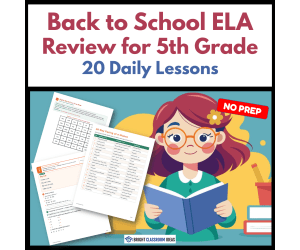
Back to School ELA Review for 5th Grade | 20 Daily Lessons
ELA, Grade 5, Assessments, Teacher Tools, Lesson Plans, Worksheets & Printables
Start the school year with a comprehensive 5th grade back to school ELA review designed to revisit essential Grade 4 reading, grammar, vocabulary, word study, and writing skills. With 20 daily lessons plus 16 print-and-play literacy games , this resource helps fifth graders refresh key skills, build confidence, and settle into a predictable beginning-of-year ELA routine. Each lesson follows the same four-part rhythm— Read & Think, Language & Grammar, Word Work, and Write About It —with skills spiraling across 20 days from focused review into more complex reading, language, vocabulary, editing, and reflection. A full lesson is designed for approximately 15–25 minutes . What’s Included This 5th grade ELA review includes: ✅ 20 daily ELA review lessons ✅ 40 pages of daily student lessons ✅ Short fiction, nonfiction, and persuasive passages ✅ Four comprehension questions per daily passage ✅ Inference and text evidence practice ✅ Grammar and language review ✅ Vocabulary and word study ✅ Advanced prefixes and suffixes ✅ Greek and Latin roots practice ✅ Daily writing prompts ✅ 16 print-and-play literacy games and activities ✅ Partner and small-group activities ✅ Literacy center options ✅ Complete answer key for all 20 days ✅ Teacher Guide ✅ 20-day pacing overview ✅ Four-week planning guide ✅ Differentiation suggestions ✅ Game preparation directions ✅ Game-to-skill quick-reference map ✅ Class progress record sheet ✅ Family letter for home-school connection ✅ Student reflection ✅ Reading Star Award The 70-page Student Workbook contains 20 daily lessons plus 16 print-and-play games for centers, partners, and small groups. The separate Answer Key provides responses for all 20 daily lessons, organized by section for faster checking, with reasonable student wording accepted for open writing and reflection tasks. How It Works in the Classroom Use this 5th grade back to school ELA review for morning work, whole-group warm-ups, independent practice, literacy centers, small groups, intervention, homework, early finishers, or beginning-of-year formative assessment. Each daily lesson follows a predictable structure: 📖 Read & Think — Students read a short fiction, nonfiction, or persuasive passage and answer four comprehension questions, including inference and text-evidence items ✏️ Language & Grammar — Students revisit a focused Grade 4 grammar or language skill 🔤 Word Work — Students practice advanced prefixes and suffixes, Greek and Latin roots, context clues, connotation, figurative language, shades of meaning, analogies, and academic vocabulary 📝 Write About It — Students complete a short writing task connected to the day’s passage and thinking The Teacher Guide recommends previewing the genre, encouraging students to identify evidence behind answers, modeling the first grammar item, and then releasing students to independent or partner work. The 20-Day Pacing at a Glance chart on page 6 of the Teacher Guide maps the full skill progression across reading, language, and word work. Students move from main idea and summary, theme, character analysis, setting and mood, and plot and conflict into inference, cause and effect, compare and contrast, author’s purpose and claim, point of view, text structure, claim and evidence, text features, summarizing, citing text evidence, drawing conclusions, making inferences, making connections, mixed review, and final reflection. For a four-week routine, teachers can use daily workbook lessons Monday through Thursday and reserve Friday for a literacy game, center rotation, or catch-up. Standards & Learning Goals This Grade 4 skills review for 5th grade revisits key learning across five major ELA strands: 📚 Reading Comprehension — main idea and summary, theme, character analysis, setting and mood, plot and conflict, inference, cause and effect, compare and contrast, author’s purpose and claim, point of view, text structure, claim and evidence, text features, summarizing, citing text evidence, drawing conclusions, making inferences, and making connections ✏️ Grammar & Language — simple, compound, and complex sentences; fragments and run-ons; subject-verb agreement; perfect verb tenses; pronoun-antecedent agreement; prepositional phrases; conjunctions; commas in compound sentences and after introductory elements; appositives; dialogue punctuation; relative pronouns; apostrophes; misplaced modifiers; capitalizing titles; combining sentences; editing; consistent verb tense; and precise word choice 🔤 Word Study — advanced prefixes, suffixes, affix meanings, root review, and Greek and Latin roots 💬 Vocabulary — synonyms and nuance, context clues, homographs, homophones, personification, hyperbole, idioms, connotation, shades of meaning, analogies, academic vocabulary, and mixed vocabulary review 📝 Writing — summary writing, character sketches, sensory description, problem-solution writing, cause-and-effect explanation, compare-and-contrast writing, persuasive paragraphs, first-person narrative, informational explanation, claim-and-evidence writing, text-based responses, mystery writing, narrative continuation, personal connections, and reflection The daily workbook intentionally pairs skills across strands. For example, Day 1 combines main idea and summary with simple, compound, and complex sentences plus prefixes ; Day 8 combines compare and contrast with comma practice and homophones ; Day 11 combines text structure with relative pronouns and roots such as therm, aqua, and chron ; and Day 17 combines making inferences with consistent verb tense and academic vocabulary . Why Teachers Love It ✨ Build a consistent first-month routine. The same four-part structure repeats across all 20 days, helping students know what to expect while building independence. ✨ Review multiple ELA strands in one resource. Reading comprehension, grammar, vocabulary, word study, and writing are integrated into manageable daily practice. ✨ Get 20 days of ready-to-use review. The pacing is already mapped, and the Teacher Guide includes a visual 20-day progression plus a suggested four-week schedule. ✨ Strengthen higher-level reading comprehension. Students practice theme, character analysis, mood, conflict, inference, author’s claim, point of view, text structure, evidence, drawing conclusions, and making connections. ✨ Revisit rigorous Grade 4 grammar skills. Practice includes sentence types, fragments and run-ons, agreement, perfect verb tenses, prepositional phrases, conjunctions, commas, appositives, dialogue punctuation, apostrophes, modifiers, editing, and consistent verb tense. ✨ Build stronger vocabulary and morphology skills. Students work with advanced prefixes and suffixes, Greek and Latin roots, context clues, homographs, homophones, connotation, nuance, figurative language, analogies, and academic vocabulary. ✨ Include meaningful writing every day. Students summarize, persuade, compare, explain, cite evidence, write from first-person point of view, create inference clues, describe settings with sensory details, continue narratives, and reflect on growth. ✨ Add hands-on practice with 16 literacy games and activities , including: Sentence Type Sort Root Word Match Synonym Match Roll-a-Root Word Academic Vocabulary BINGO Multisyllable Roll & Read Prefix Sort Antonym Match Reading Road Race Main Idea Baskets Connotation Sort Sentence Building Tiles Fix-It Cards Sequence Cards Homophone Match Figurative Language Sort The Game → Skill Quick Map on page 9 of the Teacher Guide pairs each game with its target skill, making it easier to choose activities for centers, partner practice, small groups, or targeted review. ✨ Prep once and reuse the games. Print game pages on cardstock, laminate boards and cards, cut apart reusable pieces, and store each game in a labeled bag. ✨ Differentiate without creating separate lessons. The Teacher Guide includes support ideas for below-level students, on-level learners, above-level students, and multilingual learners. ✨ Use daily work as low-stakes formative assessment. The Class Record Sheet on page 10 of the Teacher Guide includes Week 1 through Week 4 tracking columns plus notes, helping teachers monitor progress and identify skills to revisit. ✨ Save time checking student work. The included Answer Key covers all 20 days and organizes answers by day and section. ✨ Support home-school communication. A ready-to-send family letter explains the daily ELA review and gives caregivers simple ideas for supporting literacy at home. Give students a confident, structured start to fifth grade with this 5th grade back to school ELA review . Download it for 20 days of Grade 4 skills review, daily reading and writing practice, focused grammar and vocabulary work, plus 16 print-and-play literacy games that extend learning into centers, partner work, small groups, and early-finisher routines. Perfect for teachers searching for 5th grade morning work , Grade 4 skills review, beginning-of-year ELA activities, fifth grade literacy centers, reading comprehension practice, grammar review, vocabulary activities, Greek and Latin roots practice, first month of school activities, formative assessment, or a complete back-to-school literacy review.
Author Bright Classroom Ideas Marketplace
Rating
Tags Back To School, Assessment, Reading, Writing, Grammar, Ela, Daily, Lesson

Future Perfect Continuous ESL TEFL Upper Intermediate Lesson Plan Work
ELA, Language Development, ESL, Grammar, Vocabulary, Reading, Writing, Grade 6, 7, 8, Teacher Tools, Lesson Plans, Worksheets & Printables
Future Perfect Continuous | Upper Intermediate ESL Lesson Plan This upper intermediate English lesson plan helps students learn and practice using the future perfect continuous verb tense. Educators can use this resource to teach a 50-minute class or assign it as homework. The informative worksheet set explains how to form the future perfect continuous and provides examples of real-world usage. Students then apply what they have learned through targeted exercises assessing their comprehension and grammar skills. This versatile resource works for whole-class instruction, small groups, or independent practice. The engaging materials aim to boost students' confidence utilizing the future perfect continuous in speech and writing. Teachers appreciate the answer key included to easily review or grade student work. The ESL lesson plan includes flashcards , a warmer, grammar rules, exercises, role-play, conversation, writing drill, activity, answers and an extra study that would be good to set as homework. There are 30+ pages and there are teachers notes to guide the teacher.
Author TEAM TEFL
Tags Verbs, Grammar Worksheet, ESL, Perfect Tense, Asking Questions

Carnivals Reading Comprehension Passage - Cored Ed Encyclopedia
ELA, Language Development, Reading Comprehension, Reading, Writing, Pre-Reading, Vocabulary, Geography, Social Studies, History, Grade 2, 3, 4, 5, Worksheets & Printables, Worksheets, Teacher Tools, Centers, Activities, Writing Prompts, Assessments, Quizzes and Tests, Quizzes, Lesson Plans
This carnivals reading comprehension with lesson plan includes: Visualization (on the front cover) Start your lesson by taking a minute to think and share something about the topic. Read the script aloud (slowly), perhaps prepare some music or sound effects. Student close their eyes and let their imaginations wander. Students open their eyes, read the question aloud and give them a few minutes to complete. Ask a few students to share or keep answers until the end to compare with what they learn in the passage. Quick pause—thousands of Cored Education products are included with your TeachSimple membership. Download links and encyclopedia index available here. Pre-Reading Trivia Students will write down one thing they already know about the subject and then read five more facts and discuss. These facts are fun, and the students will enjoy learning about the subject before reading more. Give 1 minute for students to write what they already know (no pressure—best guess is fine). Read the five facts together. After each fact, do ask a student for their opinion, was it surprising? Set a purpose by asking students to highlight/underline one fact they want to learn more about during the reading. Reading Passage The text is a high-interest reading passage with set paragraphs, roughly three to four paragraphs long. It contains a variety of themes about the topic, anywhere from history to technology. The passage is between 250 and 350 words in length. First, ask students to look at the headings and see what they’ll learn about today. What do they know about the topic/heading? First read options: Teacher read-aloud (best for support). Partner reading (paragraph by paragraph). While reading, students underline important details, and vocabulary words they think may come up in the questions section. Mixed Questions The first question page contains four multiple-choice questions, each with a choice of four answers, and three written response questions that require a sentence or two from the student. Students complete the mcqs first independently, then review quickly as a class. For the 3 written responses, try to get students giving the answer with some form of evidence: “I think ___ because the text says ___.” If students get stuck, send them back to check the passage. Vocabulary Questions Practice seven key words from the text in this section across two activities. First section is scrambled words where students will unscramble three words given a clue for each. The second section is a word to meaning matching activity. Before starting, have some students read out words they underlined in the passage. Ask students to say the word and read aloud the sentence(s) around each word. Ask students to do scrambled words and the matching exercise in pairs then go through answers as a class. For the scrambled spelling task, get four pairs to come up to the board and write the words for extra practice with the other student reading out the clue. For the matching task, prompt students to give full sentences: “I matched ___ with ___ because ___.” Creative Writing In this question, the student will be required to write a five to eight sentence paragraph on a question related to the topic. Before starting, ask students write down 3 key ideas they are going to include in their piece. Ask students for ideas to share around the class to help those struggling. Pro writing expectations: 5–8 sentences At least 2 facts or details from the passage At least 2 vocabulary words from the previous page Students read their paragraphs while classmates listen for facts and vocabulary words. Extension Activities This page is optional for fast finishers or to take home. There are several activities, each one requiring a different skill. Do some, do none, do all, completely optional - but you will feel reassured knowing every possibility is planned for. Includes summary writting question and additional facts. Answer Key There are answers for the multiple-choice questions, written response questions have sample answers, vocabulary answers and if there is a summary question then a sample summary will be provided as well. Lesson Plan Included Customized lesson plan for this lesson is included. Lesson Snapshot Title: Carnivals Genre: Nonfiction (informational passage with headings) Subject: Reading (Informational Text) / Social Studies Primary Topic: What Carnival is and why it matters Estimated Guided Reading Level (A–Z): P What This Lesson Teaches Best Builds cultural background knowledge by explaining Carnival as a time right before Lent in many Christian communities. Shows how celebrations can look different in different places (Venice, France/Mardi Gras, Rio de Janeiro). Teaches multiple-meaning vocabulary by explaining that “carnival” can also mean a traveling fair with rides and games (especially in the United States). Supports comprehension of informational text structure by using headings to organize ideas (history/background, examples, traveling fairs, reasons people celebrate). Highlights theme/central message: carnivals help people “step out of ordinary life” and remember shared joy. Learning Goals Students will explain what Carnival is and when it happens, using details from the passage. Students will describe how Venice, France (Mardi Gras), and Rio de Janeiro shaped Carnival in different ways. Students will identify two meanings of the word carnival as used in the passage. Students will summarize why people “keep making carnivals,” based on the author’s explanation. Students will use headings to locate information and confirm key details in the text. Key Vocabulary From the Text fasting — not eating for a period of time. reflection — careful thinking about life. mingle — mix with other people in a group. floats — decorated platforms used in parades. routines — the usual things you do regularly. FULL CATALOG OF DOWNLOAD LINKS AND ENCYCLOPEDIA INDEX HERE
Author Cored Education
Rating
Tags Vocabulary, Reading Comprehension, Reading Passages, Lesson Plans, Ela Lesson Plans, Reading Comprehension Lesson Plans, Pre-reading, Social Studies Lesson Plans, Geography, History