
Proteins and Nucleic Acids - Senior High School Biology lesson
Teach senior high school biology students the structure and function of proteins and nucleic acids (amino acids, polypeptides, protein structure levels, denaturing, DNA vs RNA).




1,173 resources
Explore sub-categories
8 sub-categories · 1,173 resources
Teach senior high school biology students the structure and function of proteins and nucleic acids (amino acids, polypeptides, protein structure levels, denaturing, DNA vs RNA).
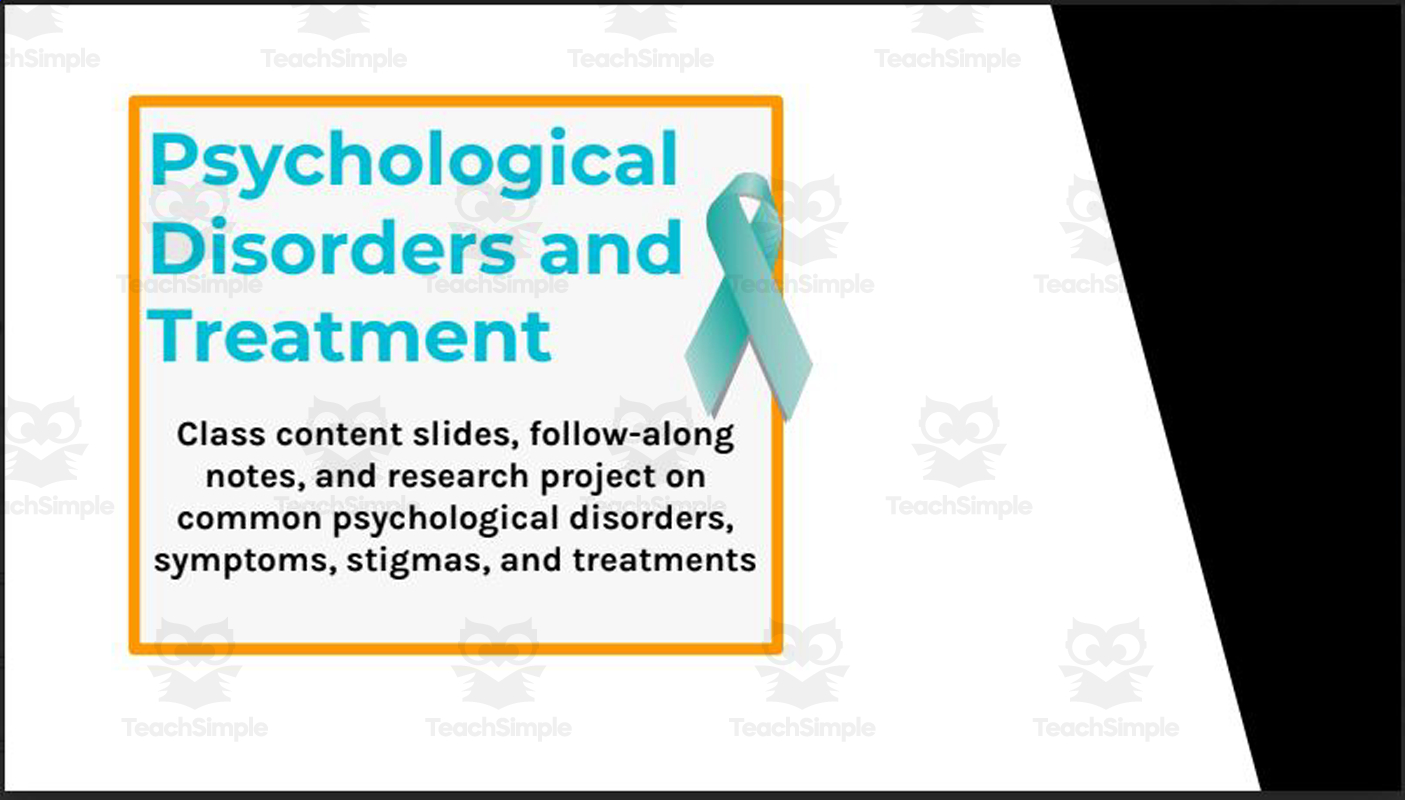
Teach students about psychological disorders and treatments, address common myths, and have them complete an independent research project on a chosen disorder.
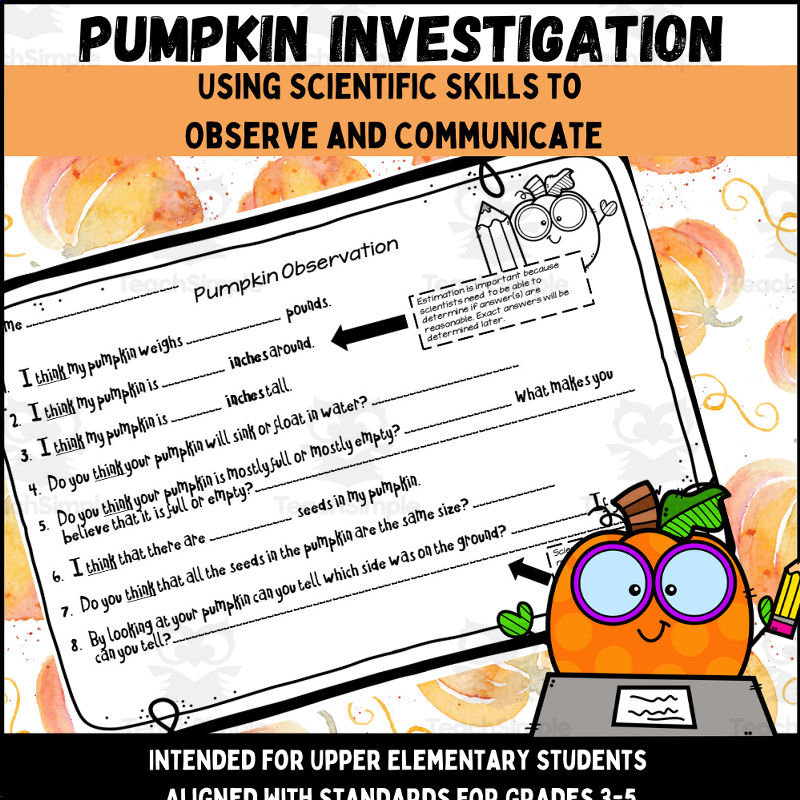
Pumpkin Investigation This pumpkin investigation aligns with science, math, and writing opportunities for grades three through five, if students are prepped accordingly.
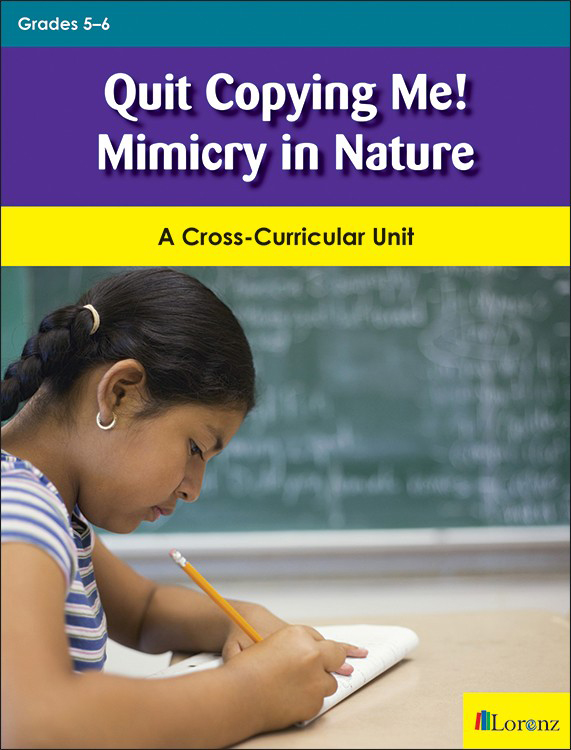
Quit Copying Me! Mimicry in Nature: A Cross-Curricular Unit This highly engaging teaching resource, designed specifically for 5th and 6th-grade educators, sheds light on the fascinating science of zoology.
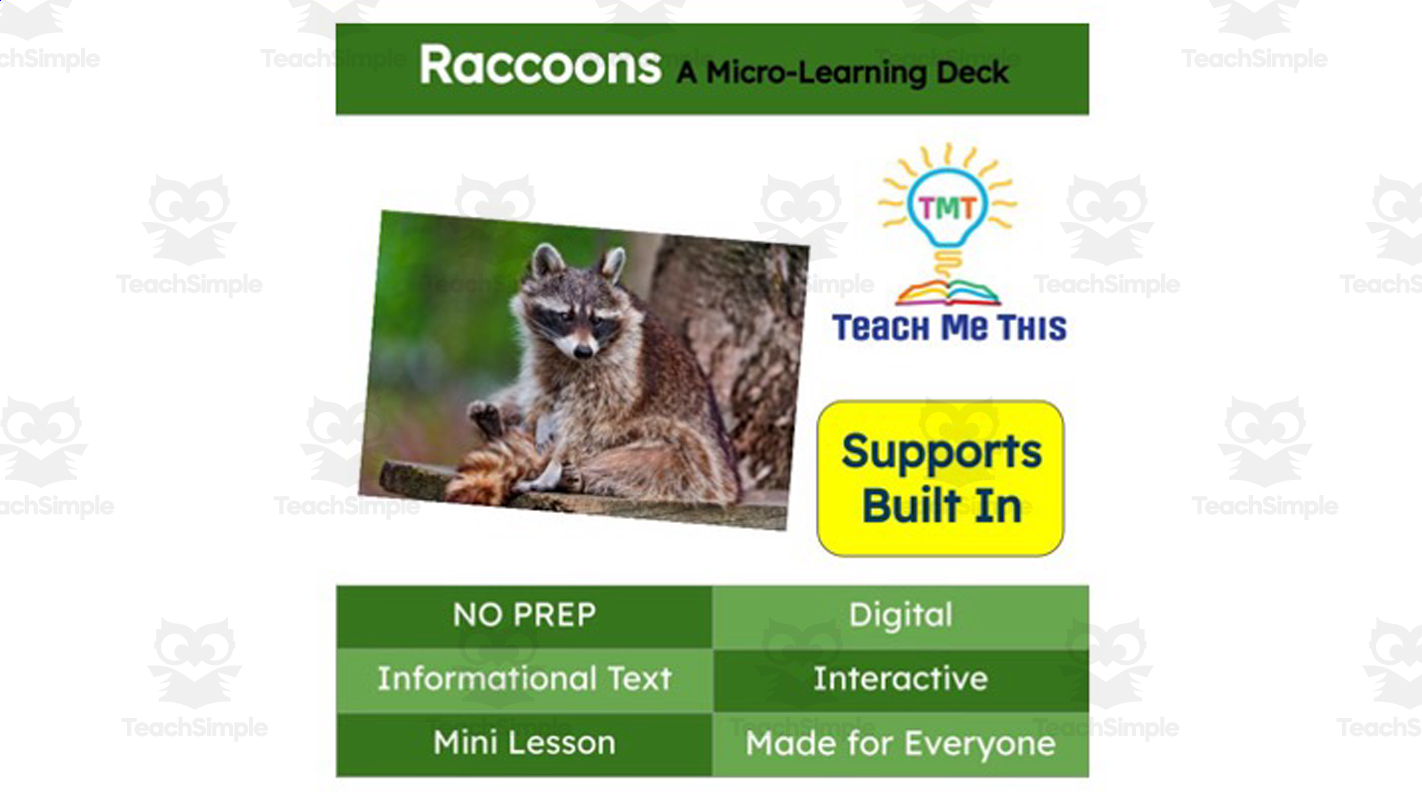
Deliver an interactive, no-prep digital science mini-lesson on raccoons (behavior, habitat, diet, nicknames, fact vs. fiction) via a PowerPoint 'micro-learning deck'.
Teach or review the scientific method process through a hands-on ramp/toy-car experiment testing which fabric surface makes a car travel fastest.
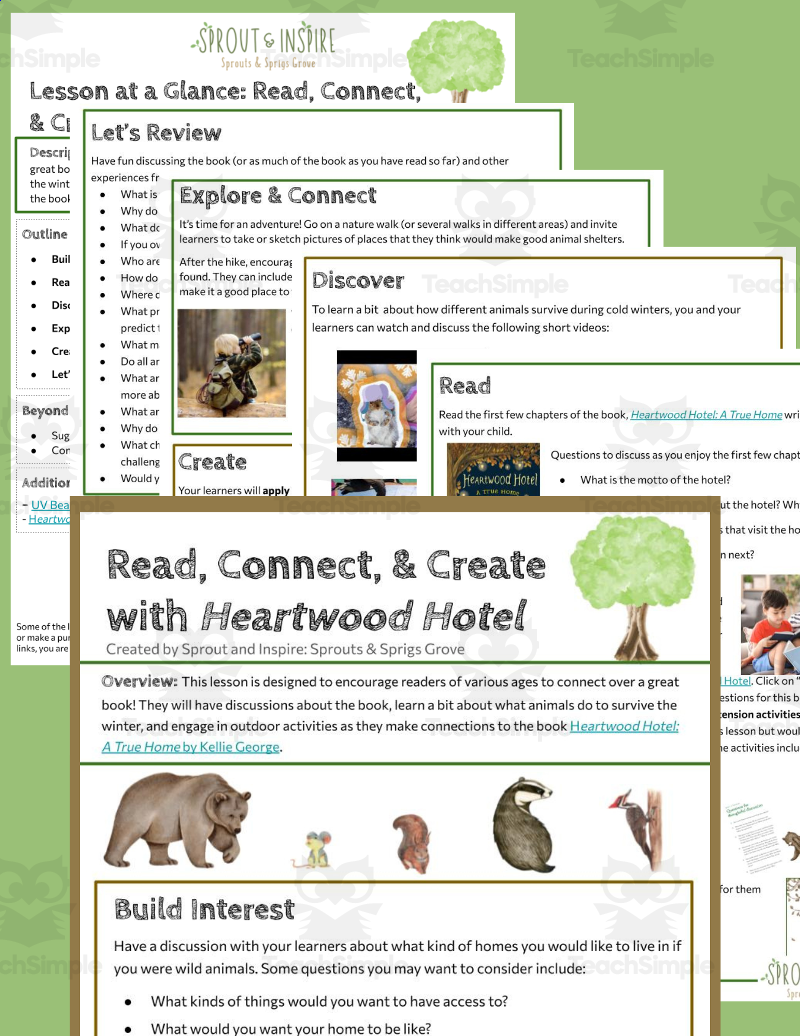
A family/classroom companion lesson to the book 'Heartwood Hotel: A True Home' by Kellie George, guiding discussion, a nature walk, and a S.T.E.M. shelter-building project connected to the story.
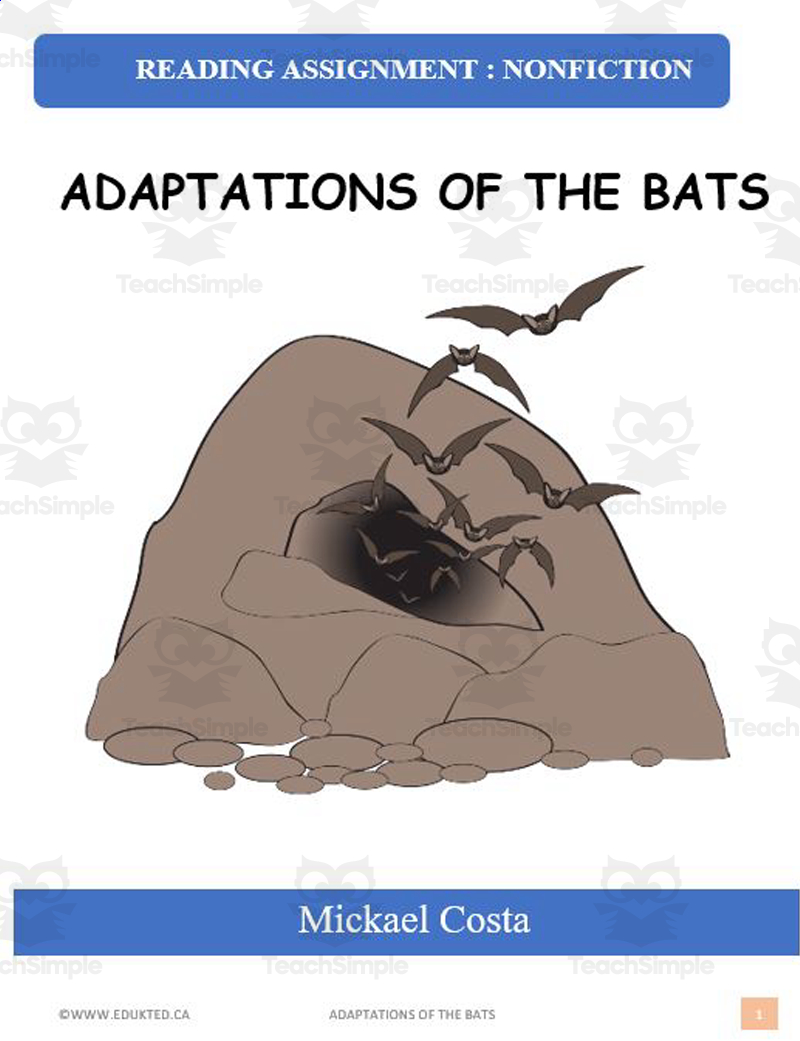
Nonfiction reading-comprehension packet teaching students about bat adaptations (feeding/echolocation, locomotion, protection, reproduction) through a structured pre/during/post-reading routine.
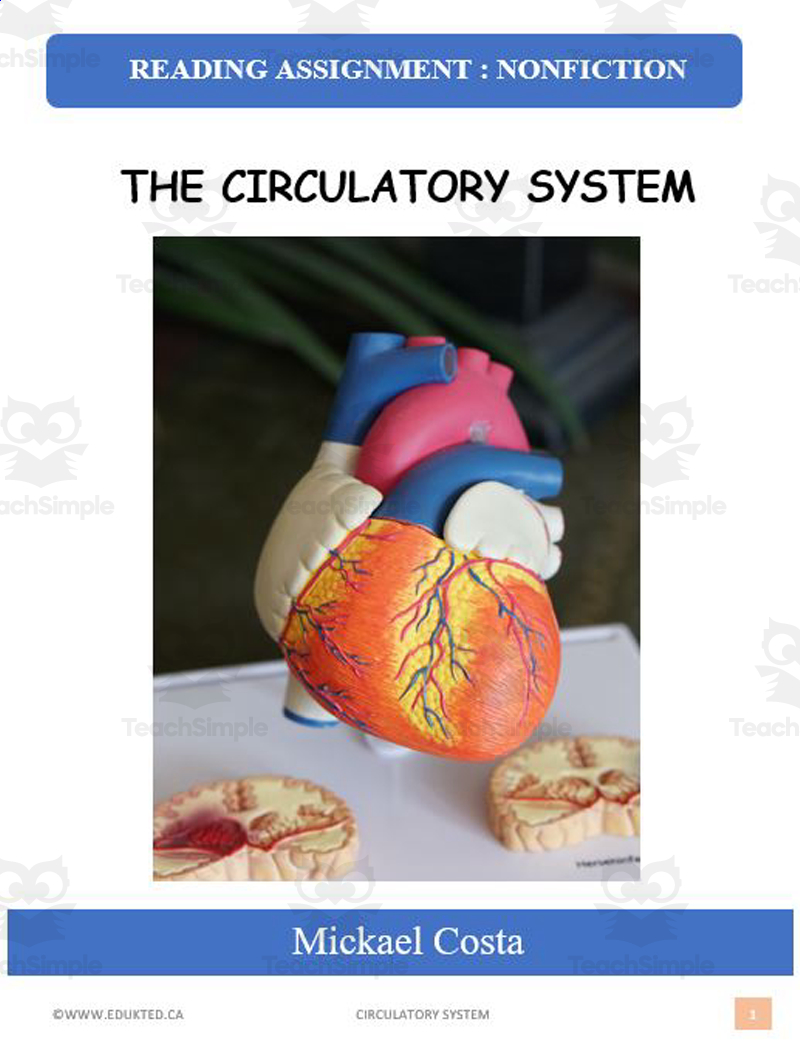
Nonfiction reading-comprehension packet teaching students about the circulatory system (heart, blood vessels, blood composition, circulation pathway) through a structured pre/during/post-reading routine.

Nonfiction reading-comprehension packet teaching students about the digestive system (14 stages of digestion from mouth to anus) through a structured pre/during/post-reading routine.
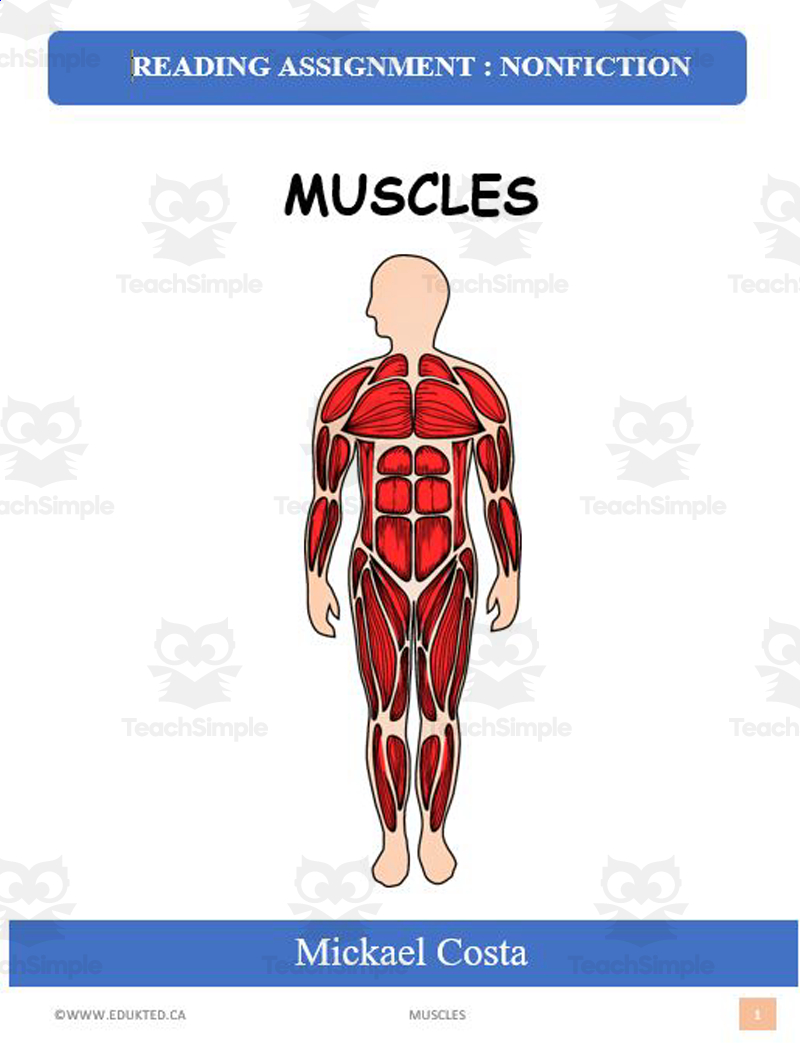
Nonfiction reading-comprehension packet teaching students about the three muscle types and voluntary/involuntary muscle function through a structured pre/during/post-reading routine.
Nonfiction reading-comprehension packet teaching students about the respiratory system (oxygen/carbon dioxide exchange, lungs, alveoli, stages of respiration) through a structured pre/during/post-reading routine.

Nonfiction reading-comprehension packet teaching students about the human skeleton (bone characteristics, roles of bones, joints, and fractures) through a structured pre/during/post-reading routine.
A 5-day critical-reading curriculum that teaches middle/high school students to analyze scientific articles for validity, bias, and logical coherence rather than passively accepting claims.
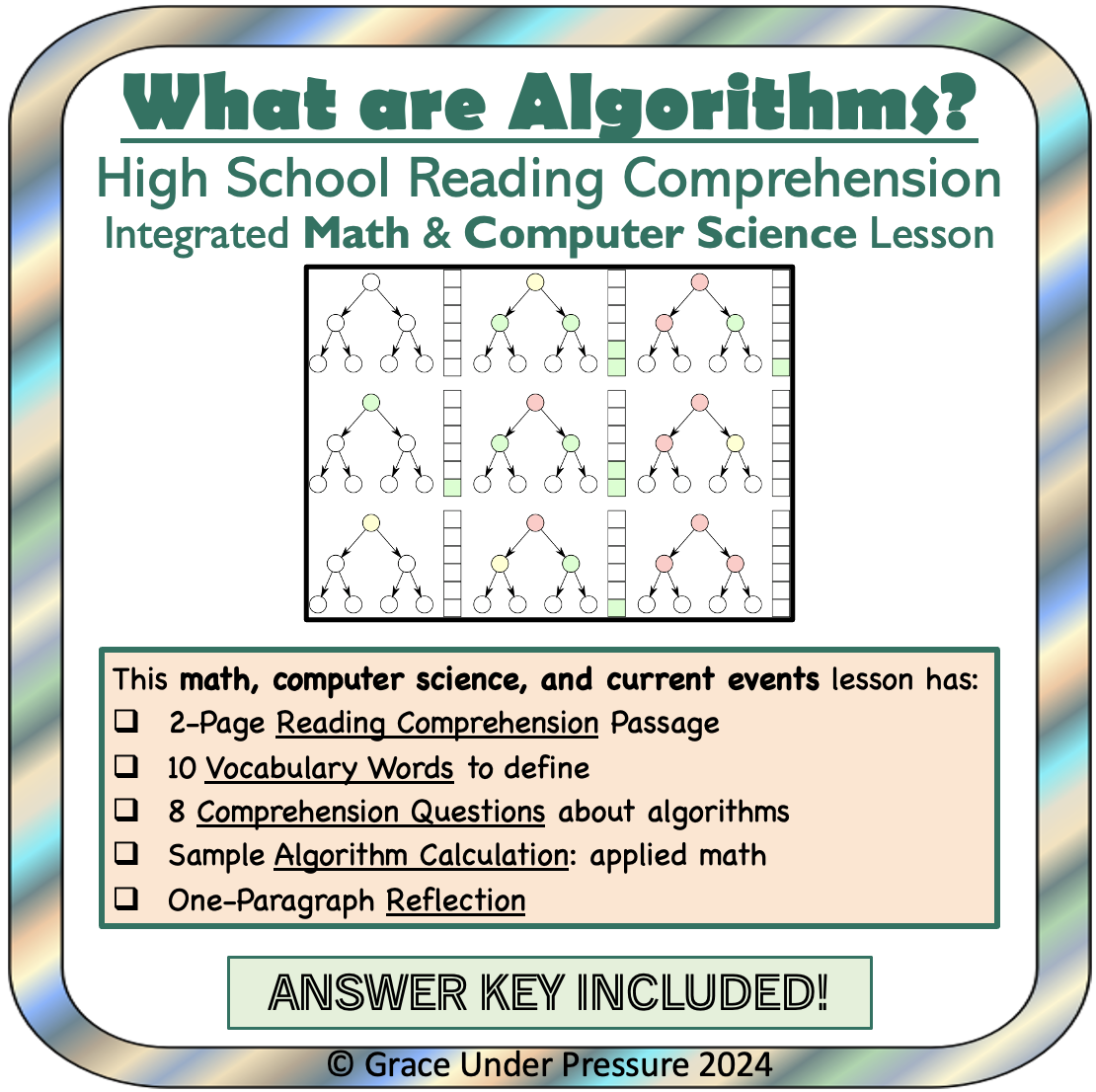
Are you trying to get your high school students interested in math, computer science, and current events while practicing reading comprehension and vocabulary? Why not give them a crash course on the concept of algorithms.
Teach middle/high-school students how plastic is recycled, using a video lesson, reading passage, vocabulary, and comprehension activities in a self-paced interactive slide deck.
Teach middle-school students about the scale and process of a large plastics-recycling plant (volume of material handled, baling, washing, flaking), using a video lesson, reading passage, vocabulary, and comprehension activities in a self-paced interactive slide deck.

Teach middle/high-school students how recycled plastic is reprocessed into new products (melting, molding, thermoforming), using a video lesson, reading passage, vocabulary, and comprehension activities in a self-paced interactive slide deck.

As springtime approaches and the school year approaches its end, we begin talking about a few important topics and celebrations with our students.
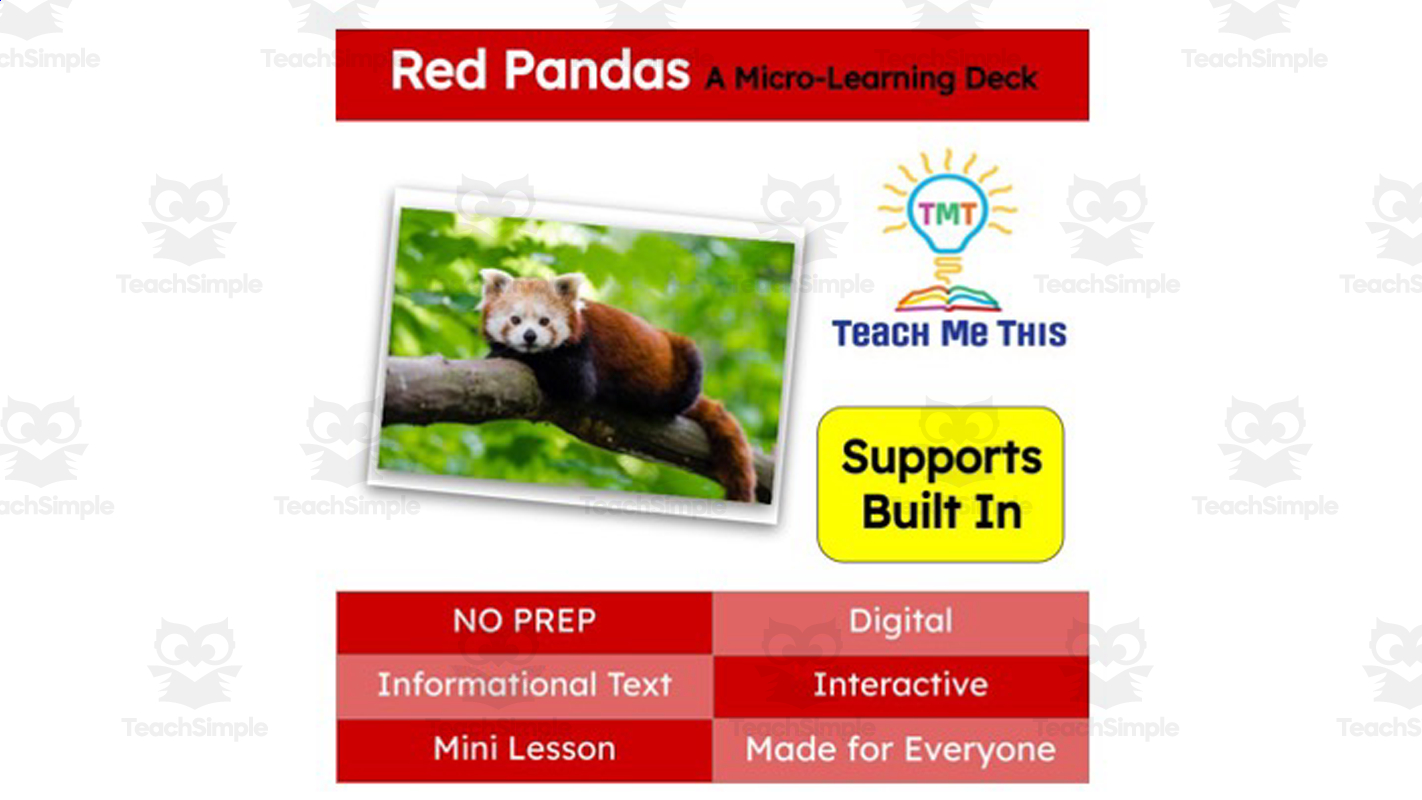
Build science knowledge about red pandas (habitat, defenses, diet, threats, conservation) through a self-paced interactive micro-learning slide deck combining video, a reading passage, vocabulary, comprehension, and writing activities.
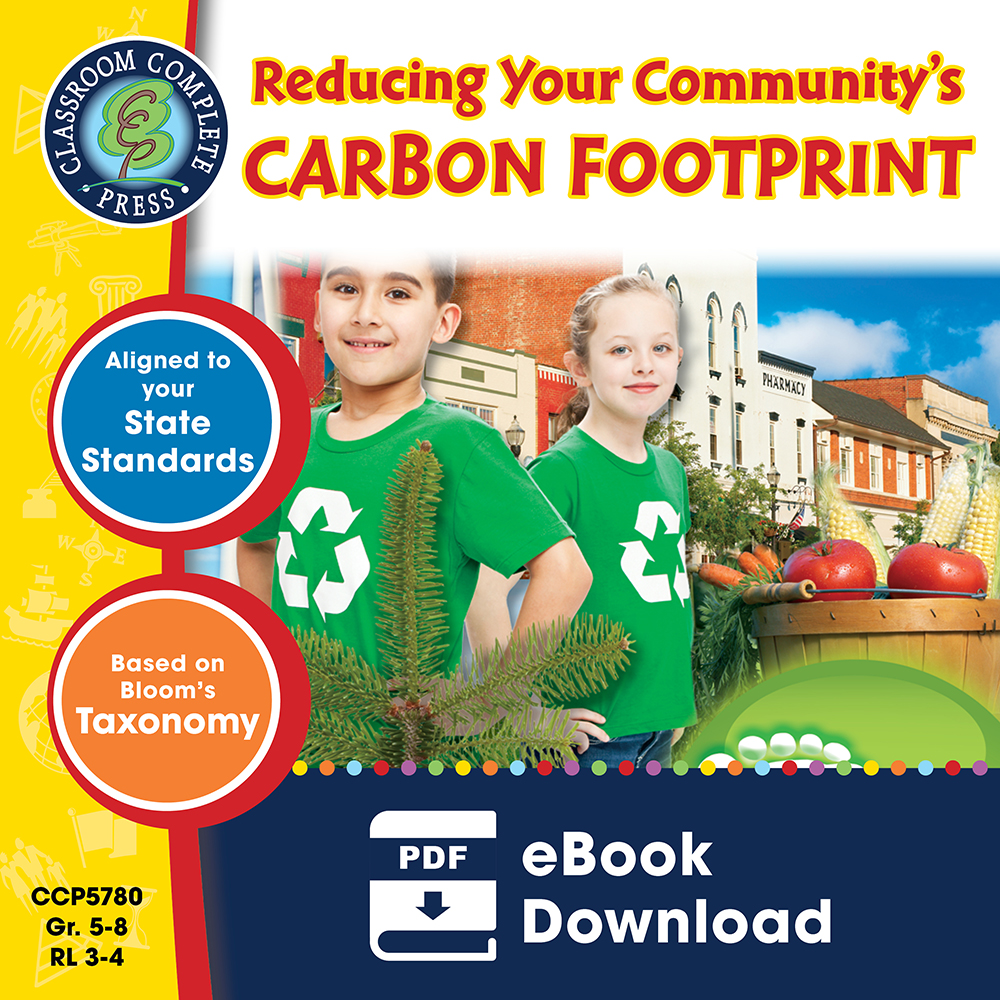
Provide a full-unit teaching resource on reducing a community's carbon footprint for grades 5-8, covering climate change causes, transportation, agriculture, housing, the 3 Rs, green towns/cities, and future outlook, through reading-comprehension chapters, a graphic organizer, a carbon-footprint calculator, and vocabulary puzzles.
Teach grade 5-8 students about the causes and community-level effects of climate change through a reading-comprehension chapter booklet built around Bloom's Taxonomy skill levels, drawn from a larger 'Reducing Your Community's Carbon Footprint' series.
Teach grade 5-8 students about sustainable/greener vegetable growing and its relationship to reducing a community's carbon footprint, through a reading-comprehension chapter booklet built around Bloom's Taxonomy skill levels, drawn from a larger 'Reducing Your Community's Carbon Footprint' series.
Have grade 5-8 students critically evaluate whether the future outlook for climate change is positive or negative ('green or grim'), through a reading-comprehension chapter booklet built around Bloom's Taxonomy skill levels, drawn from a larger 'Reducing Your Community's Carbon Footprint' series.