Health 1st Grade Unit 6: Prevention / Control of Disease
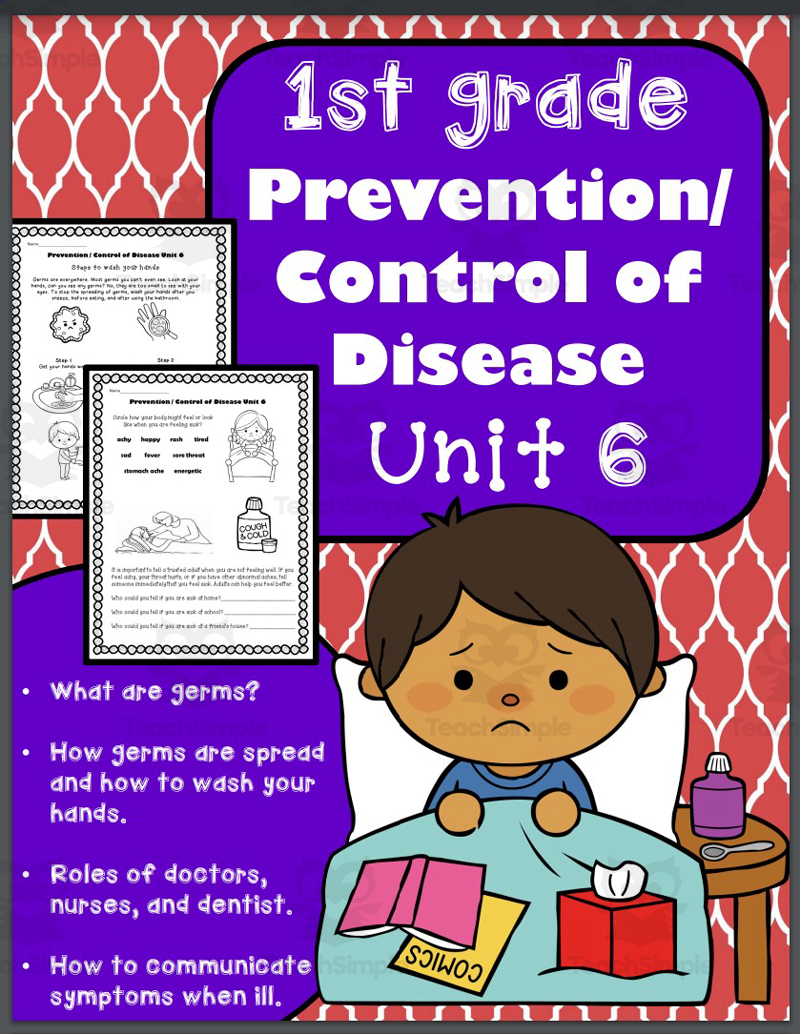
Teaches 1st-grade students about germs, how they spread, handwashing, and the roles of doctors, nurses, and dentists, as Unit 6 of a 7-unit Health curriculum series.
5,881 resources
Explore sub-categories
18 sub-categories · 5,881 resources
Teaches 1st-grade students about germs, how they spread, handwashing, and the roles of doctors, nurses, and dentists, as Unit 6 of a 7-unit Health curriculum series.
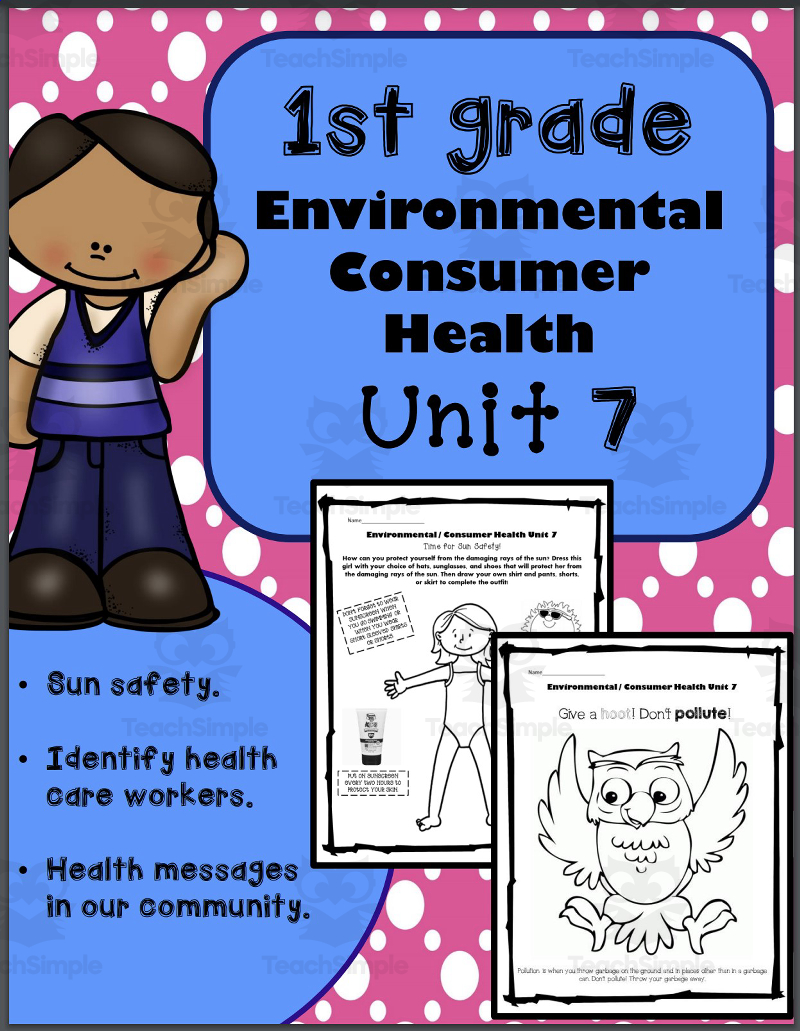
Teaches 1st-grade students sun safety, health care workers, and community health/environmental messages (littering, forest fire prevention), as Unit 7 of a 7-unit Health curriculum series.
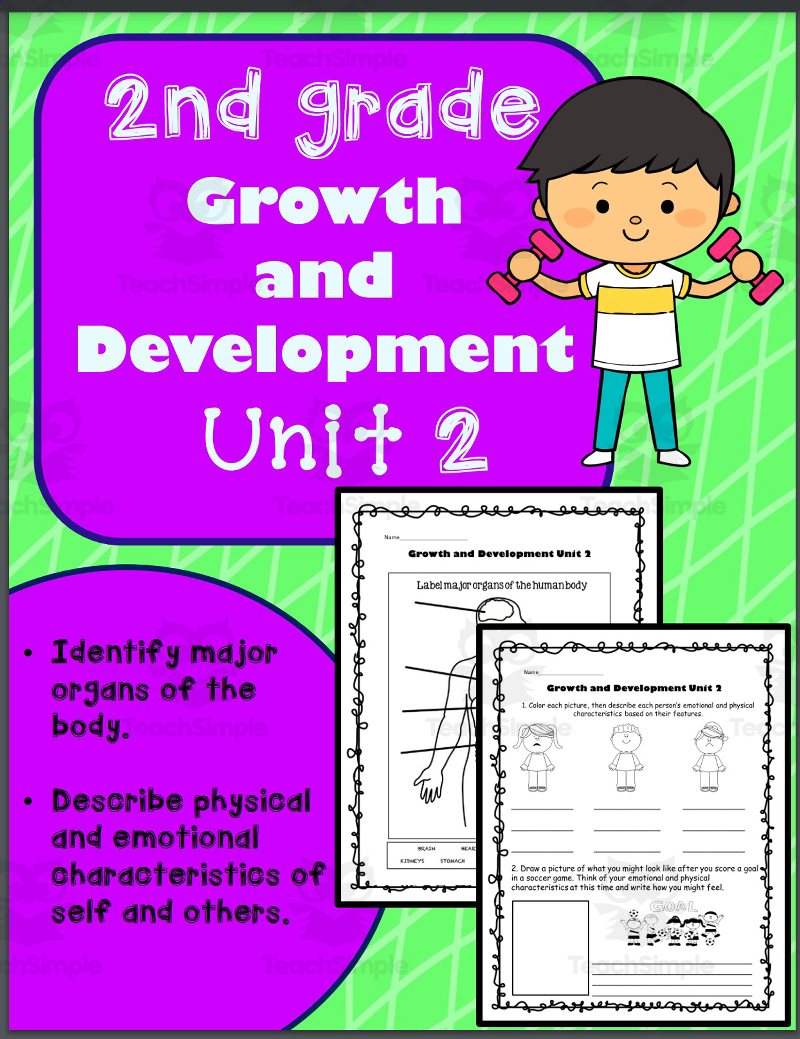
A labeled organ diagram supports a worksheet where students label the major organs of the human body, followed by a hands-on cut-and-assemble activity that builds a complete body from six grouped body-system pieces in order: skeletal and nervous, circulatory, digestive, respiratory, muscular, and skin and hair, with eyes, hair, and clothes added by drawing. A naming worksheet then has students identify the body-system groups shown on their own. The unit turns to emotional awareness with a worksheet where students color pictures of people and describe each one's emotional and physical characteristics, then draw and write about their own feelings after scoring a soccer goal. A follow-up worksheet has students draw a happy and an angry memory and consider why appearances alone don't always reveal how someone feels. An eight-point assessment closes the unit, covering major organs, body systems, and reading emotional cues, with a complete answer key provided. This is Unit 2 of a seven-unit 2nd grade health and wellness series.

Teaches 2nd-grade students the importance of healthy food choices and physical activity, as Unit 3 of a 7-unit Health curriculum series.
For 2nd Grade Health there are seven standards that need to be taught. Unit 1 Personal Health Unit 2 Growth and Development Unit 3 Nutrition and Physical Activity Unit 4 Substance Use and Abuse Unit 5 Injury/ Violence Prevention Control and Safety Unit 6 Prevention/Control of Disease Unit 7 Environmental Consumer Health These units can…
Teaches 2nd-grade students home/school/community safety, bike/playground/car/pedestrian safety judgment, community helpers, and recognizing bullying, as Unit 5 of a 7-unit Health curriculum series.
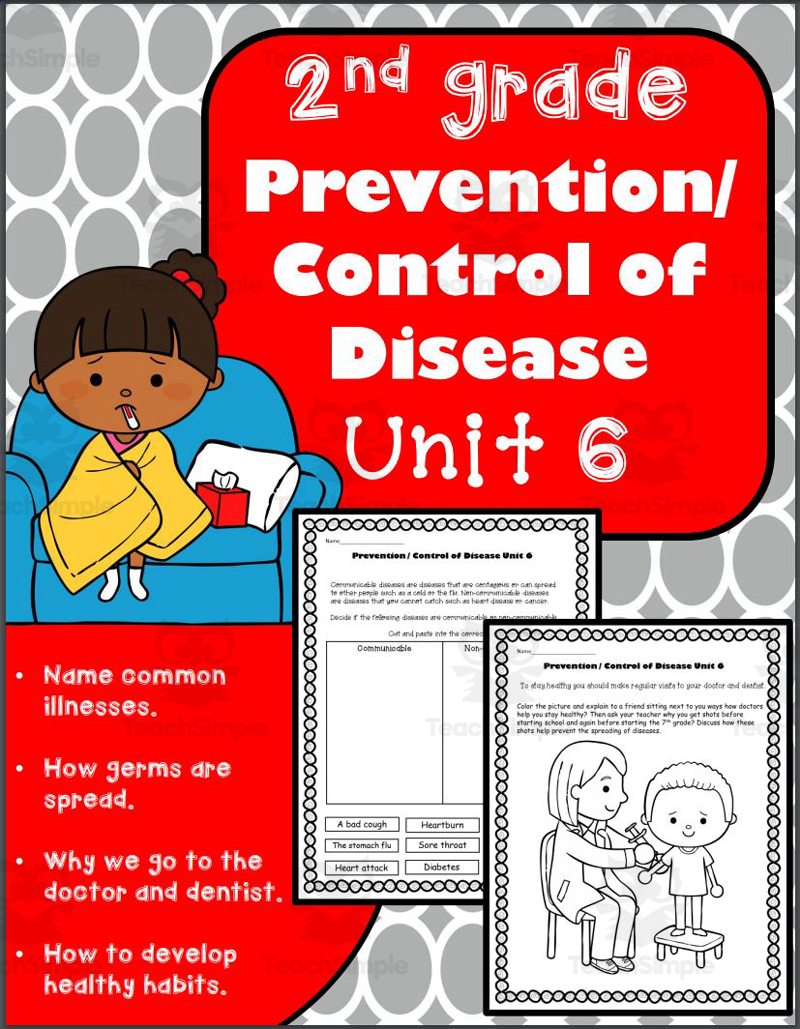
Teaches 2nd-grade students about communicable vs. non-communicable diseases, germ prevention (sneeze covering, handwashing), the role of doctors/dentists, personal-hygiene goal-setting, and Covid-19 facts, as Unit 6 of a 7-unit Health curriculum series.
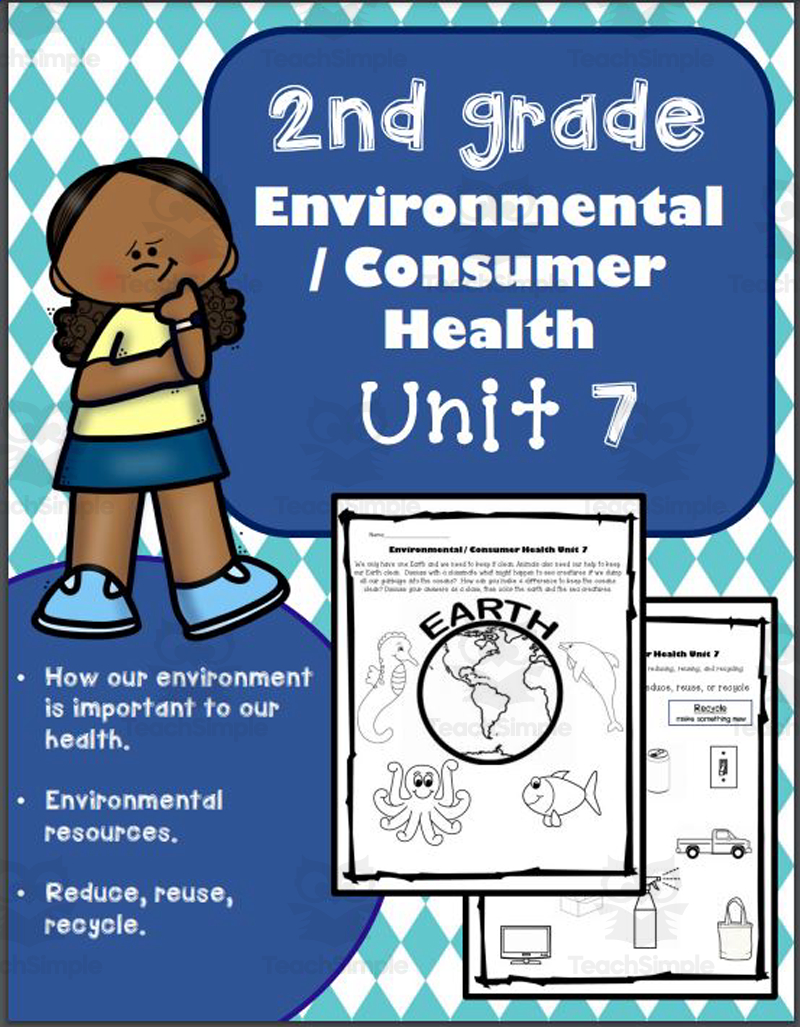
Teach 2nd graders about environmental and consumer health, including pollution and the three R's (reduce, reuse, recycle).
Teach students about illicit drugs, substance use and abuse, and related behaviours: what makes a drug illegal, categories of drugs and their effects, overdose signs, and how to respond to a drug emergency.
Teach Grade 6 students to identify people, resources and services that can support someone dealing with mental health or substance-use issues, and to understand how positive and negative thinking affects mental health, per Ontario Curriculum Health Education expectations D1.4 and D1.5.
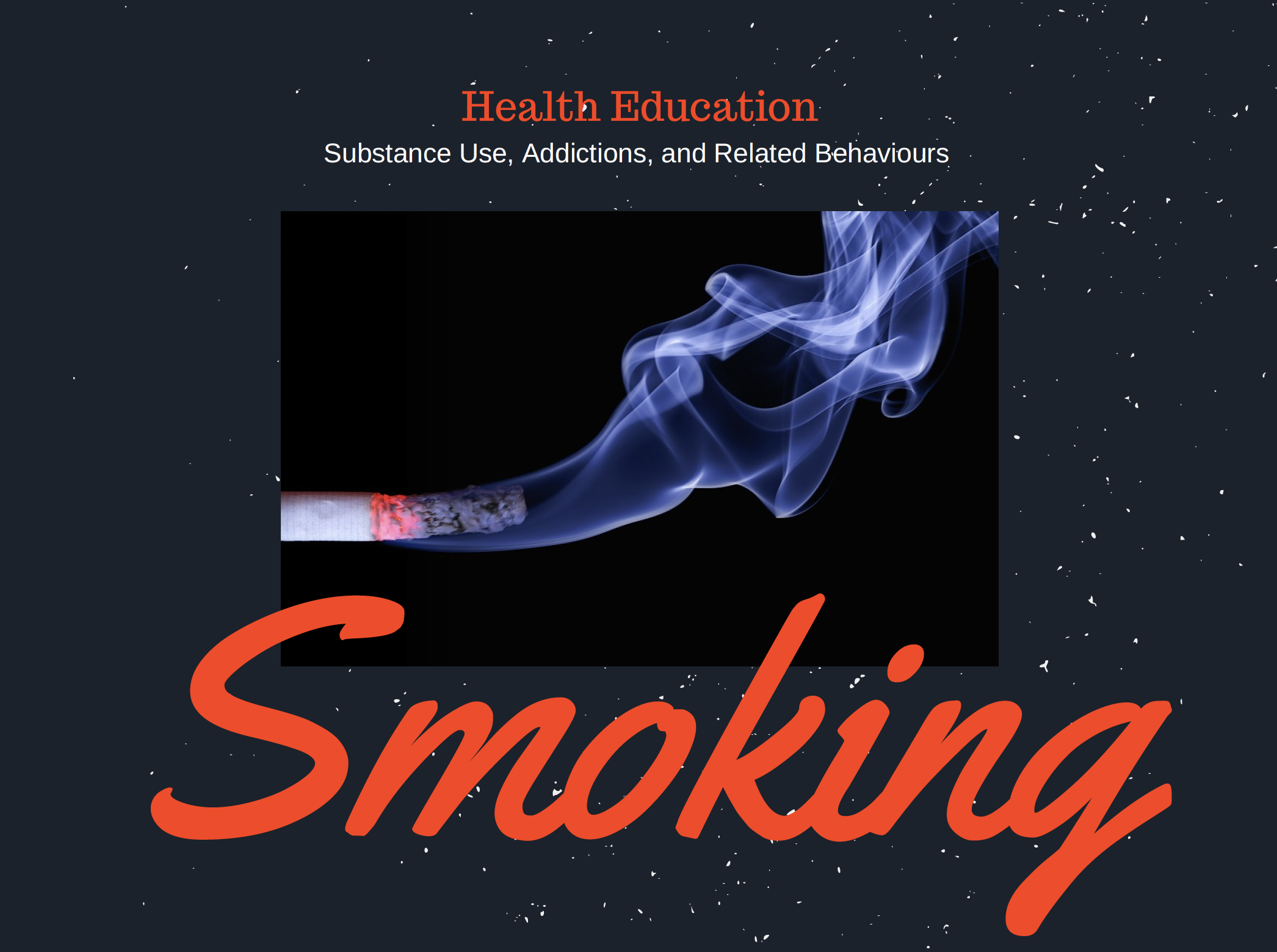
Teaches young students that smoking is harmful to health and to others (secondhand smoke), and where smoking is legally prohibited around children, per Ontario Curriculum C3.2.
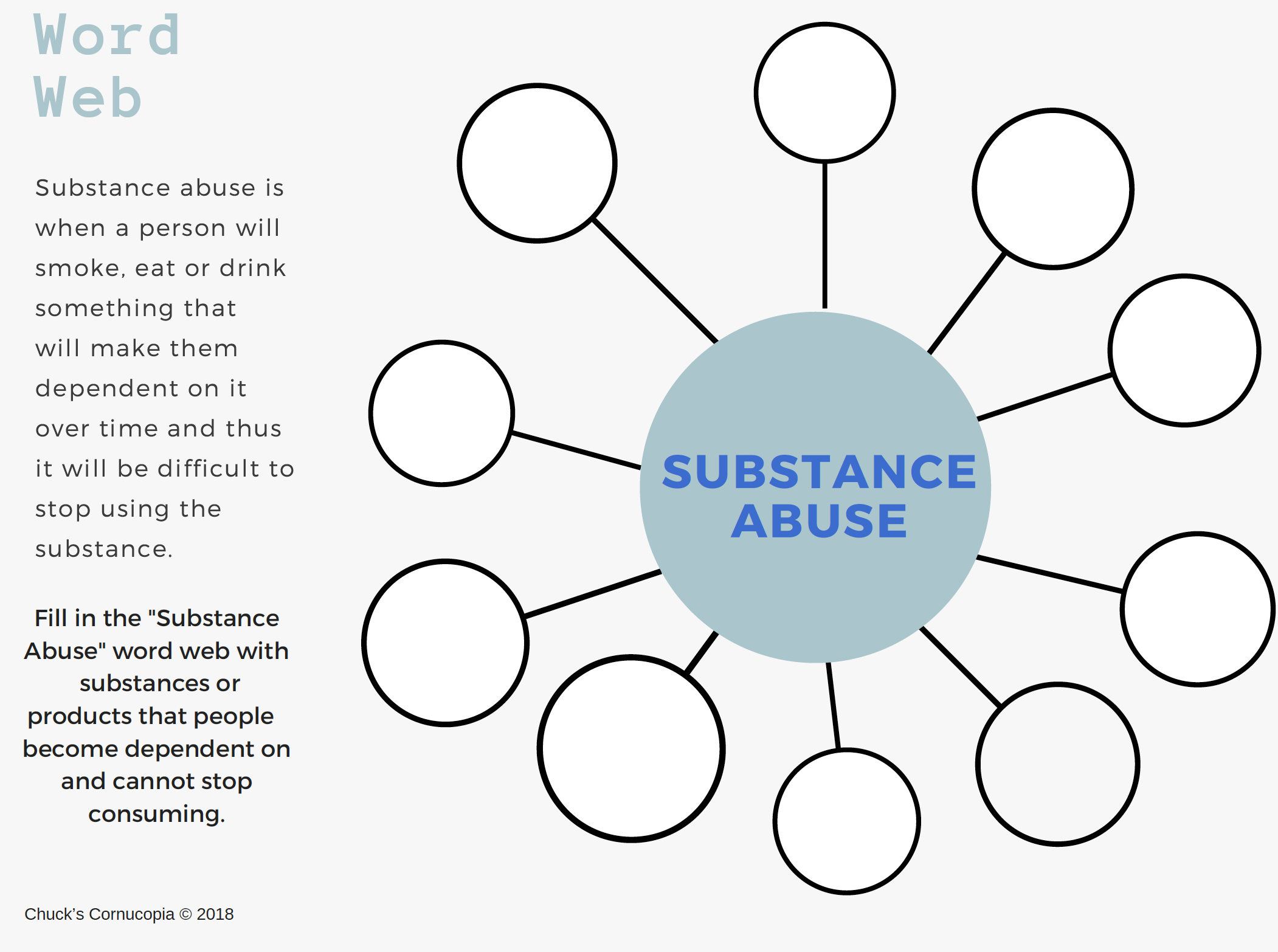
This PDF will demonstrate an understanding of different types of legal and illegal substance abuse and the impacts of abusing these substances on themselves and others.
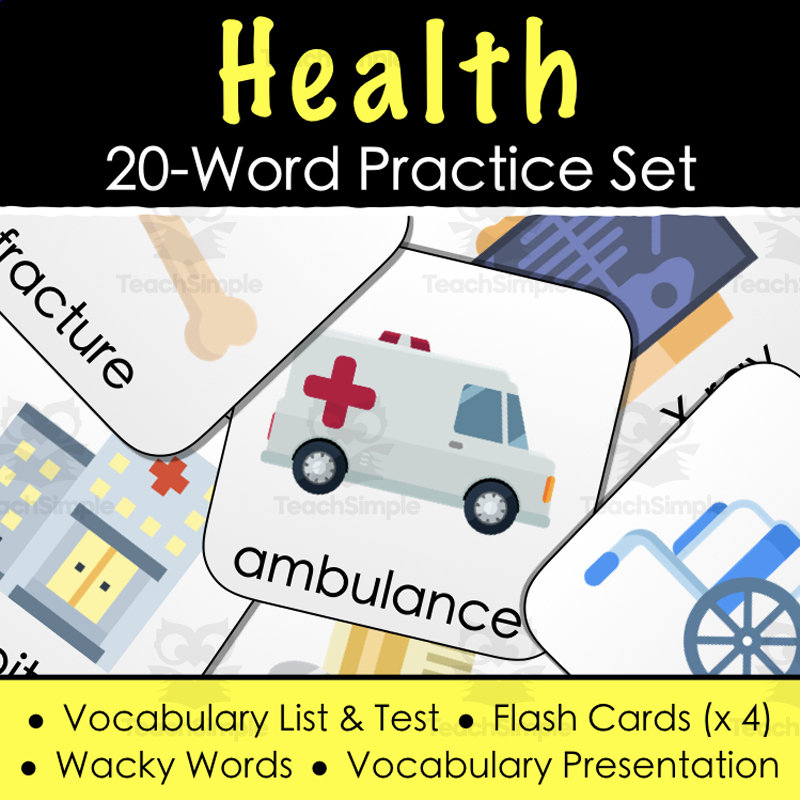
Introduce, practice, and test 20 health-related vocabulary words (illness/first-aid terms) through a slide presentation, printable vocabulary list, a test, and flashcard sets.
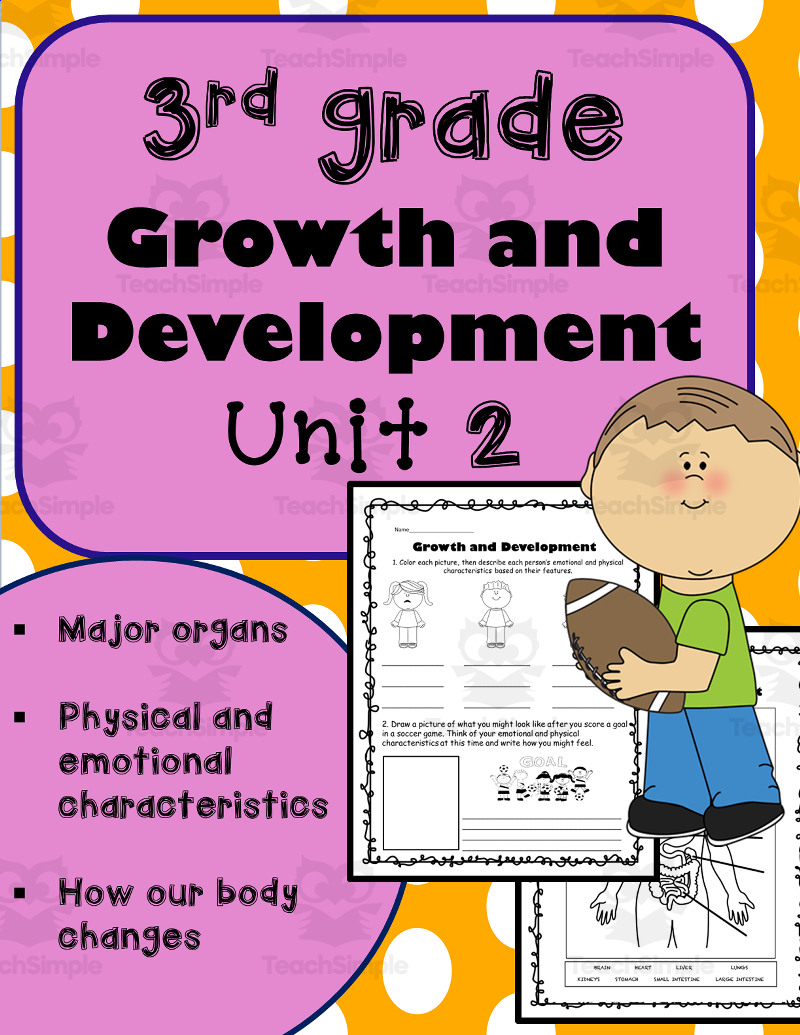
Teach 3rd graders about growth and development: major body organs and systems, and physical/emotional characteristics that change as the body grows.
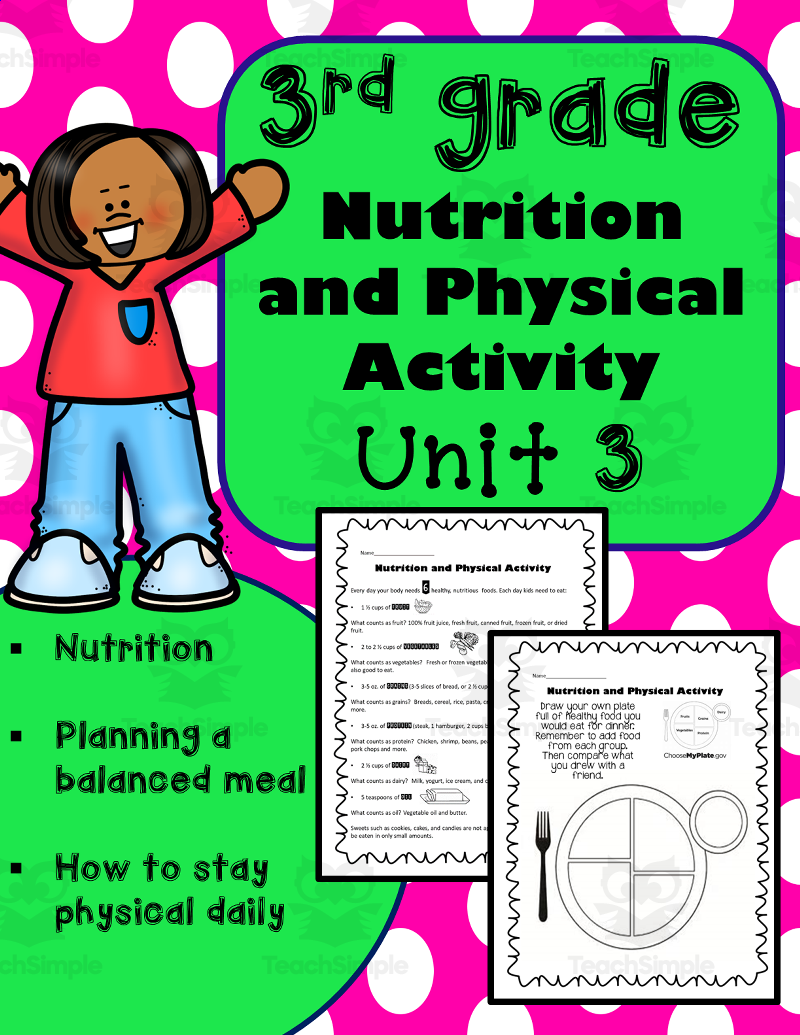
3rd-grade health unit covering nutrition (basic nutrients, food groups, balanced meals) and physical activity, part of a 7-unit health curriculum.
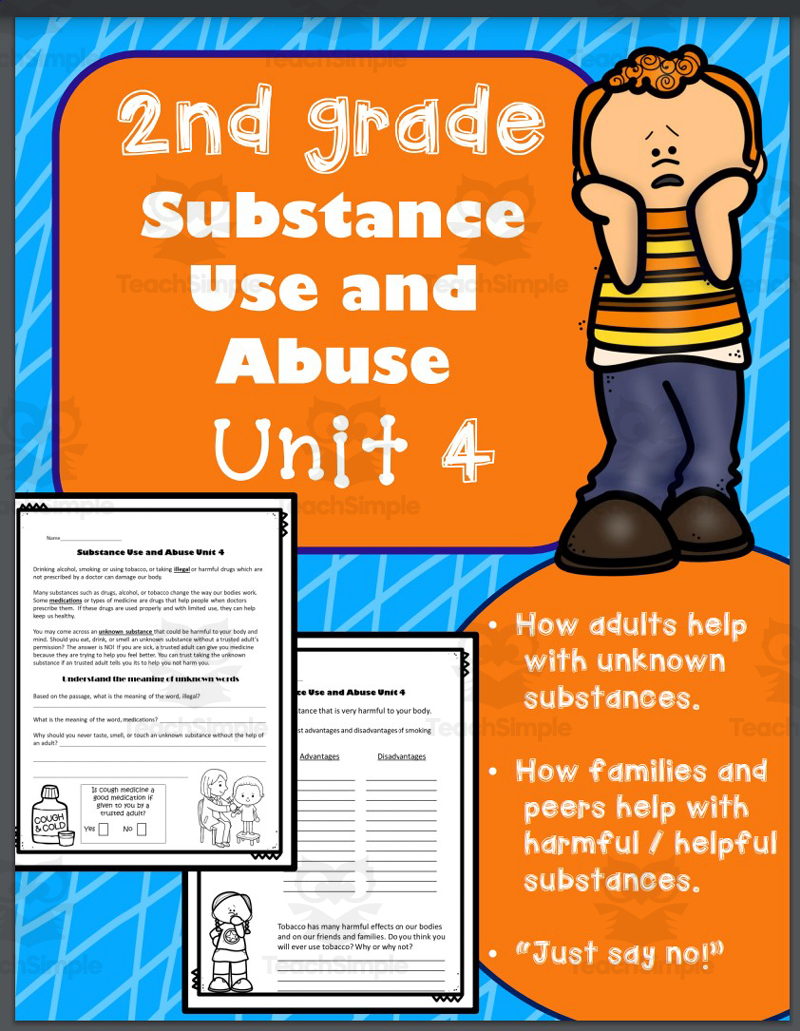
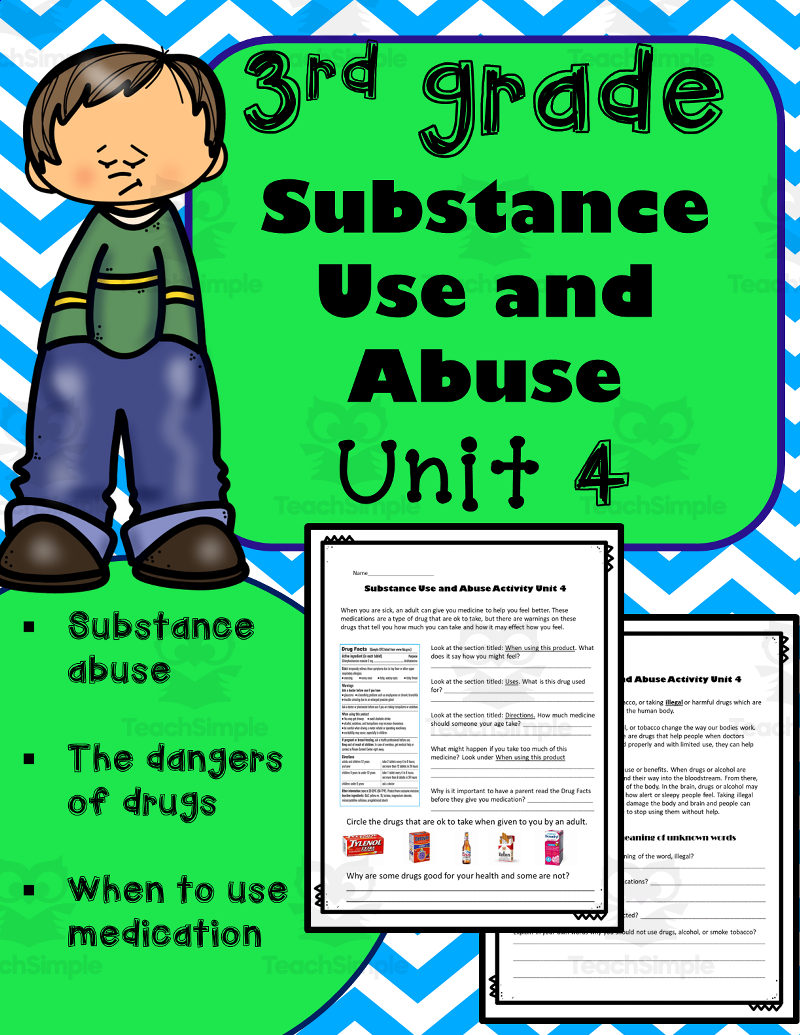
Teach 3rd graders about substance use and abuse: the dangers of drugs, alcohol and tobacco, and when medication use is appropriate.
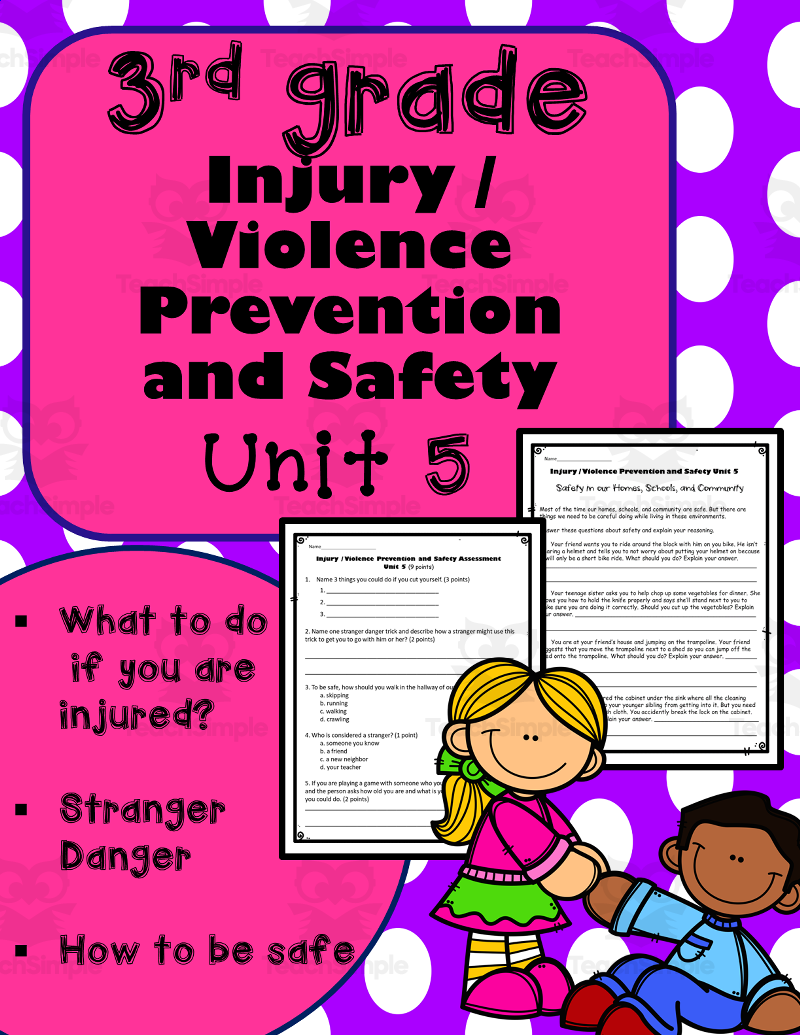
Teach 3rd graders how to respond to minor injuries, recognize and avoid stranger-danger tricks, and make safe decisions at home, school and in the community.
Teach 3rd graders about disease prevention and control: communicable vs. non-communicable disease, personal hygiene, and how viruses (including coronavirus/COVID-19) spread.
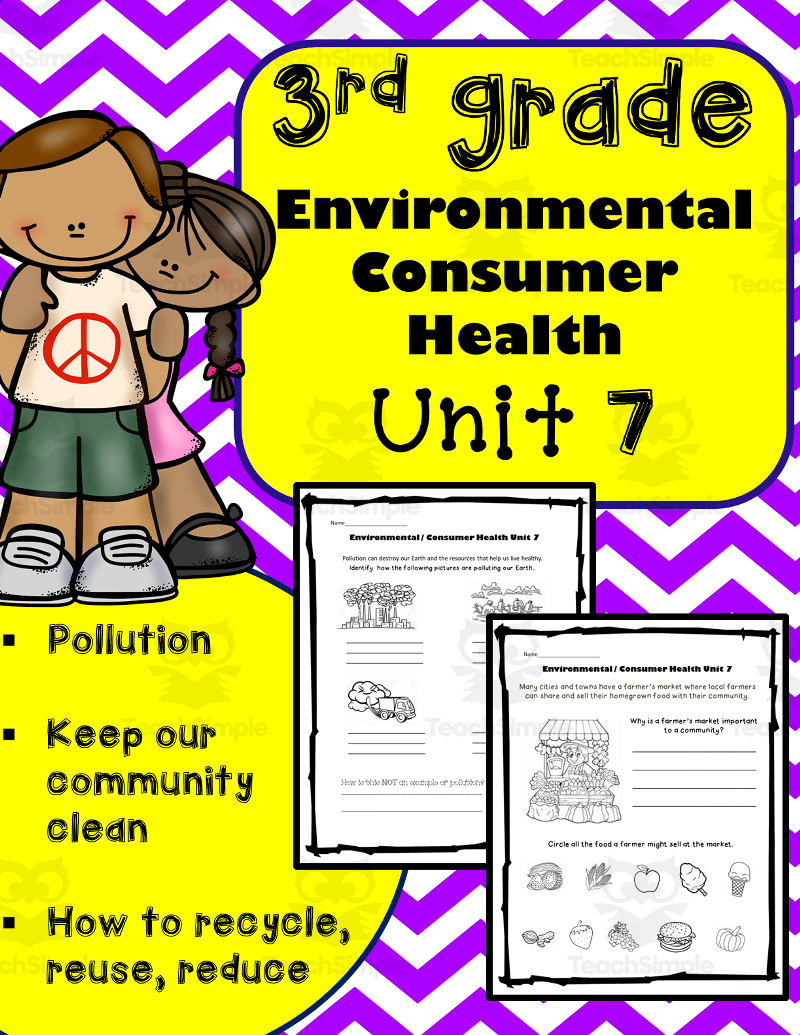
Teach 3rd graders about environmental and consumer health: pollution, keeping the community clean, the three R's (reduce, reuse, recycle), screen time vs. outdoor activity, and farmer's markets.
Teaches Grade 5 students to critically evaluate how advertising and media (celebrity endorsements, product placement, packaging, idealized body images, fad diets) influence food choices, and how to make healthier choices, aligned to Ontario Curriculum C3.1.
Explores the medical, physical, cultural, emotional, and societal factors that shape a Grade 6 student's eating habits and food choices, including allergies/intolerances, disease-related diets, taste, busy lifestyles, culture, and school influences, ending with the link between healthy eating, active living, and wellbeing.
Teach students how to read and interpret food labels, nutrition facts tables, ingredient lists, and nutrient content/allergy claims as part of a healthy eating unit.
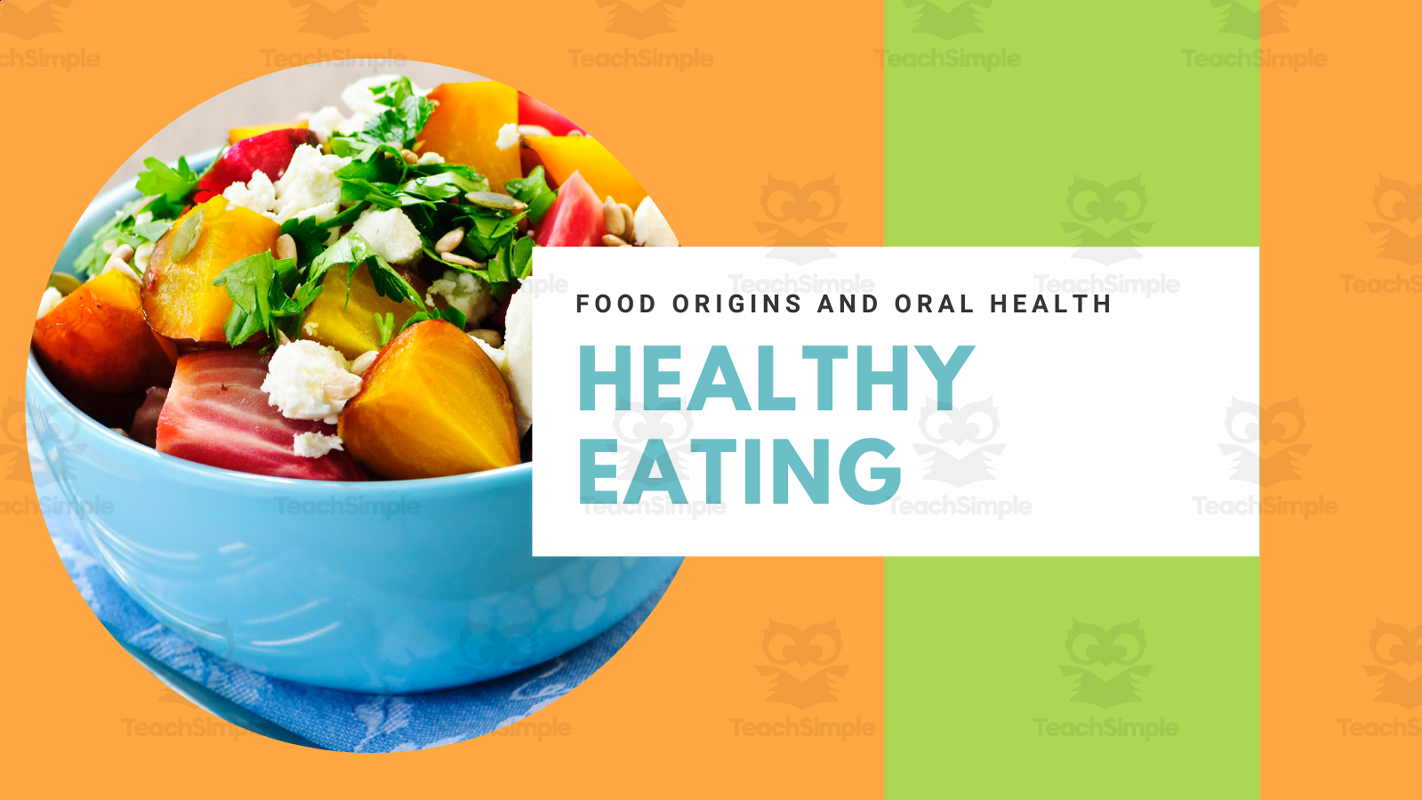
Teaches Grade 3 students where food comes from (processed vs. unprocessed) and how food choices affect oral health.
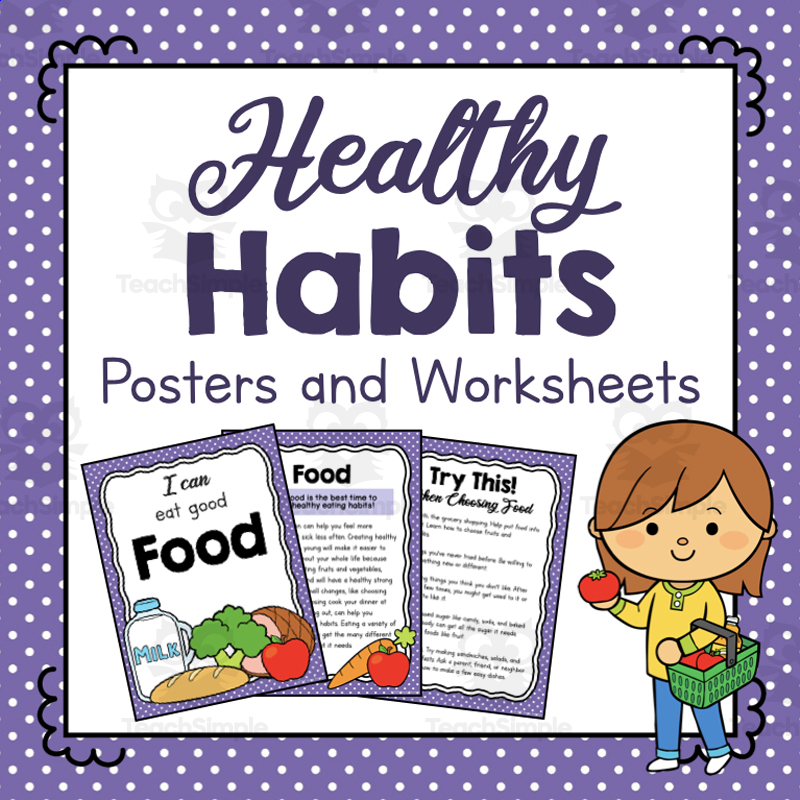
A health education resource teaching elementary students healthy habits across multiple topics (sleep, nutrition, hydration, hygiene, clean clothing, clean home, and more) through informational reading passages, 'I can' statement worksheets, and 'Try This!' actionable tip lists.