Reading & writing
April Read and Draw - No Prep Activity
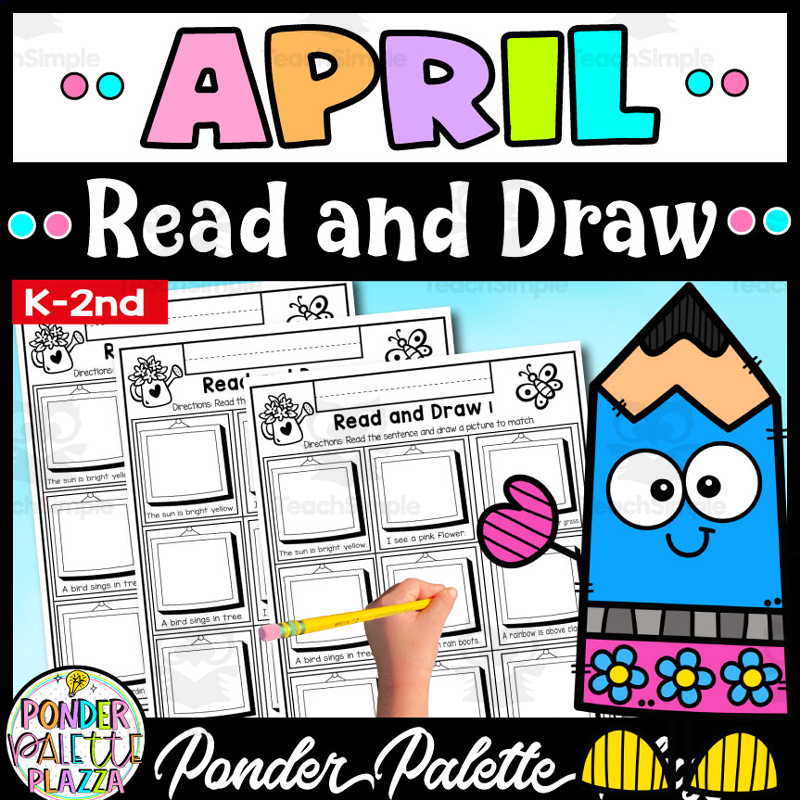
A no-prep April/spring-themed 'read and draw' worksheet set with simple sentences for early readers, combining basic reading comprehension with drawing practice.


Classroom resources
Browse by lesson focus
Choose the topic or kind of practice you need.
Showing 2257–2280 of 9958 resources

 Show filters
A no-prep April/spring-themed 'read and draw' worksheet set with simple sentences for early readers, combining basic reading comprehension with drawing practice.

A set of daily no-prep morning-work worksheets for January, giving 2nd/3rd graders 10-15 minutes of mixed math and language-arts review as they settle into the classroom.
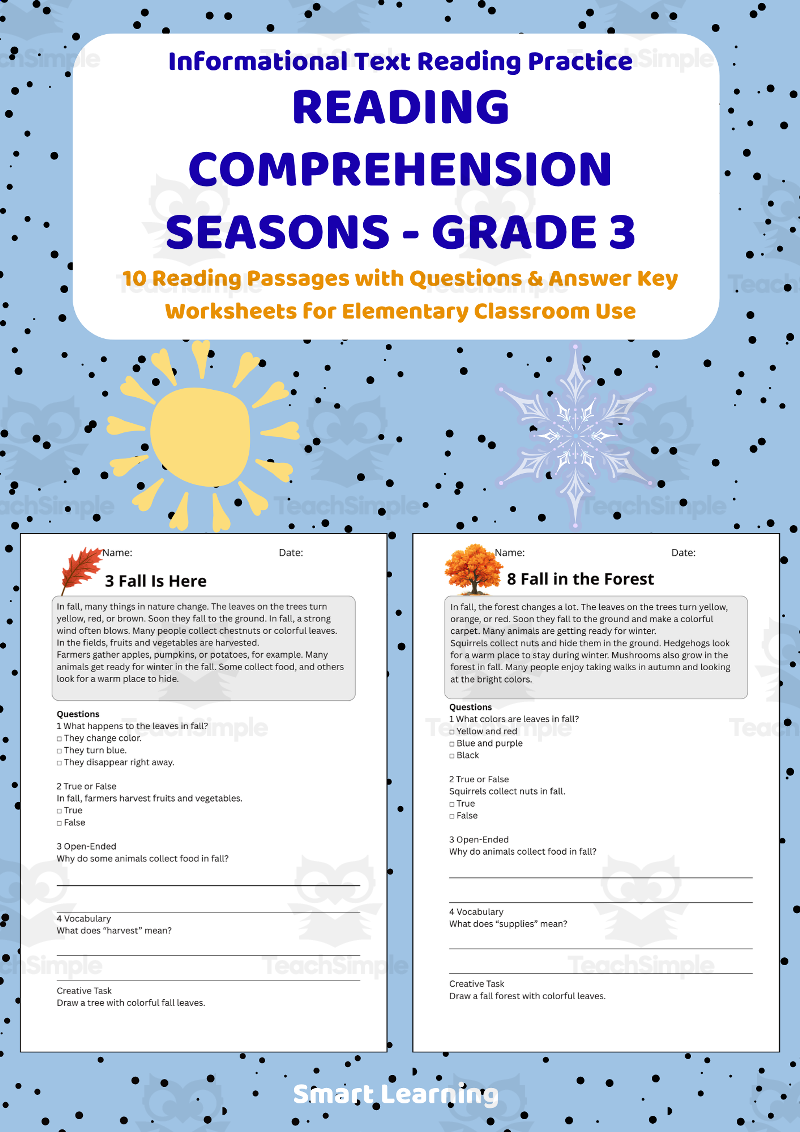
Grade 3 informational-text reading comprehension worksheet set on the topic of the four seasons, covering 10 season-related subtopics to build comprehension, vocabulary, and general knowledge.

A complete full-day set of substitute-teacher lesson plans for a K-1 classroom built around a bugs theme, covering morning/afternoon meeting messages, independent reading with reader-response, math, science reading comprehension, and writing activities, with a Common Core standards-aligned activities grid for the substitute teacher.
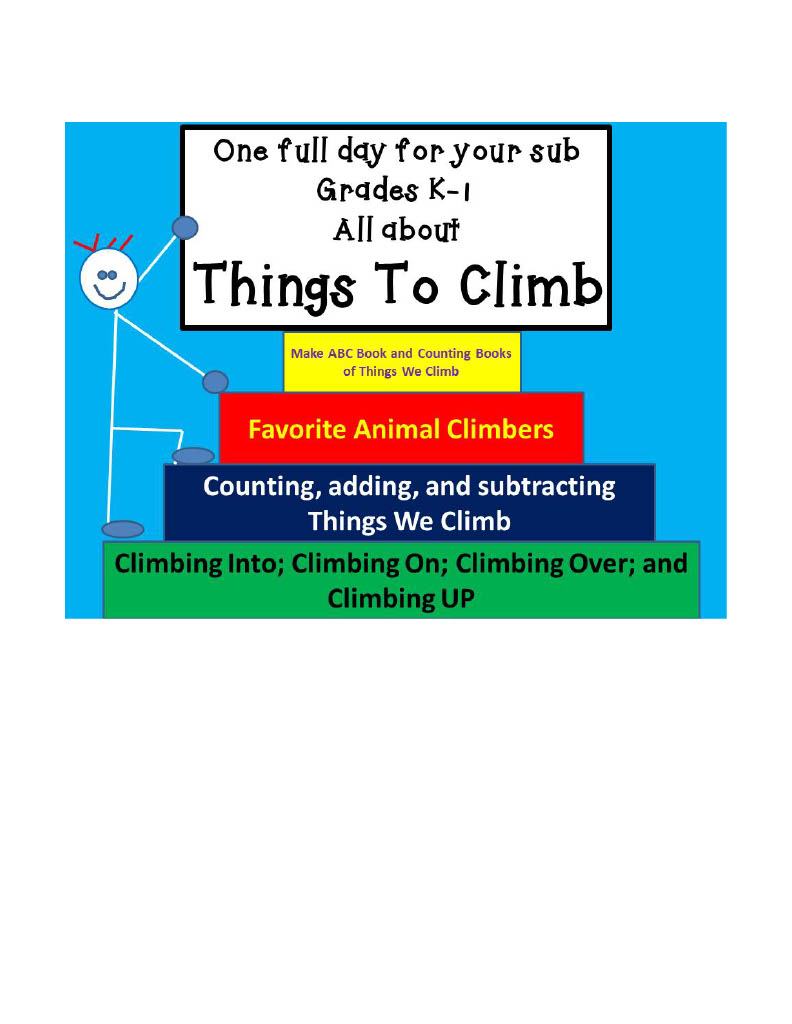
Full-day substitute teacher lesson plan for K-1 classrooms built around a 'climbing' theme, covering reading, writing, math, and social-studies-style activities aligned to Common Core.

A set of daily no-prep morning-work worksheets for June, giving 2nd/3rd graders 10-15 minutes of mixed math and language-arts review as they settle into the classroom.

A set of printable 100th-day-of-school activities that combine counting/number practice with celebratory craft elements (crown, bracelets) for a class 100th-day celebration.

Practice applying title capitalization rules by correcting lowercase book/story titles on task cards.
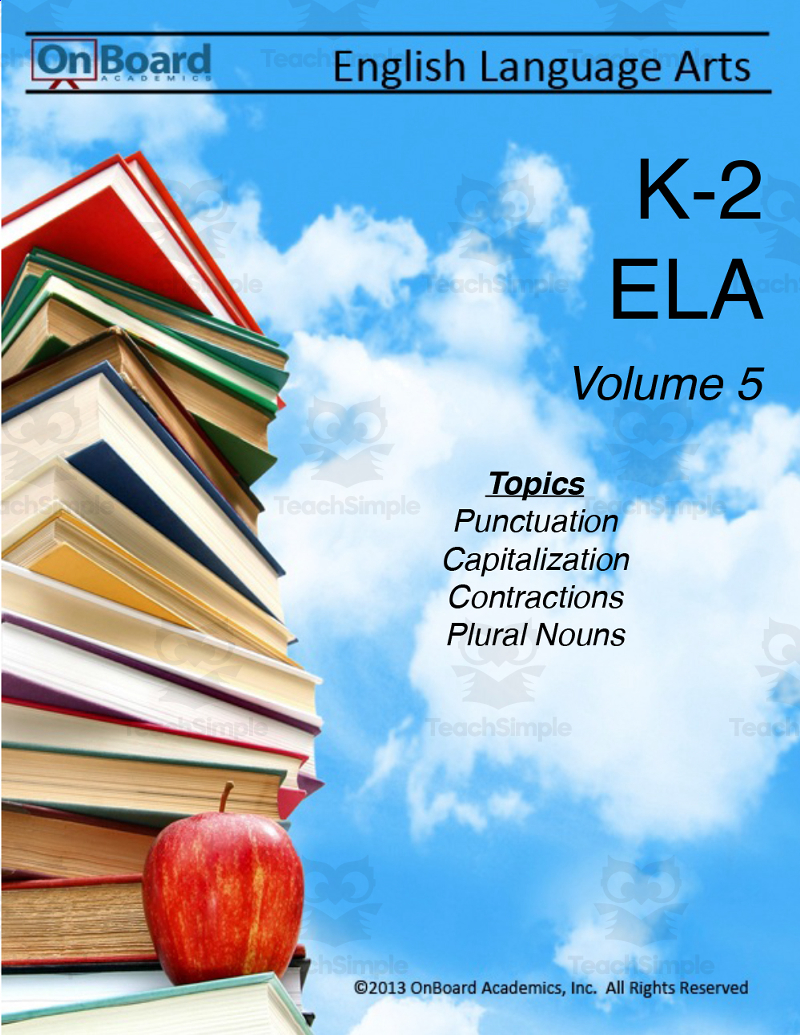
A K-2 workbook of guided practice pages teaching punctuation, capitalization, contractions, plural nouns.

A set of daily no-prep morning-work worksheets for April, giving 2nd/3rd graders 10-15 minutes of mixed math and language-arts review as they settle into the classroom.

A comprehensive picture-book study companion for 'How Many Seeds In A Pumpkin?' covering reading comprehension, story elements, and counting/math tie-ins.

A week's worth of Grade 2 ELA morning-work and grammar/reading practice themed around insects, aligned to Common Core standards, usable alongside any insect-themed book.

A grammar workbook for early elementary students covering common and proper nouns, plural nouns (including es and y-to-ies rules), action verbs, the verbs am/is/are and has/have and does/do, and subject-verb agreement.

Six short practice pages build the odd-and-even-numbers concept through tracing, circling, and sorting tasks. Students first trace a printed row of even numbers (2 through 20) and then a row of odd numbers (1 through 19), reinforcing numeral formation alongside the odd/even label. Two follow-up pages present a 1-20 number grid and ask students to circle only the odd numbers on one page and only the even numbers on the other. A final pair of pages shows groups of dots that students must label as 'Odd' or 'Even' by writing the word underneath, moving the skill from tracing numerals to classifying quantities.
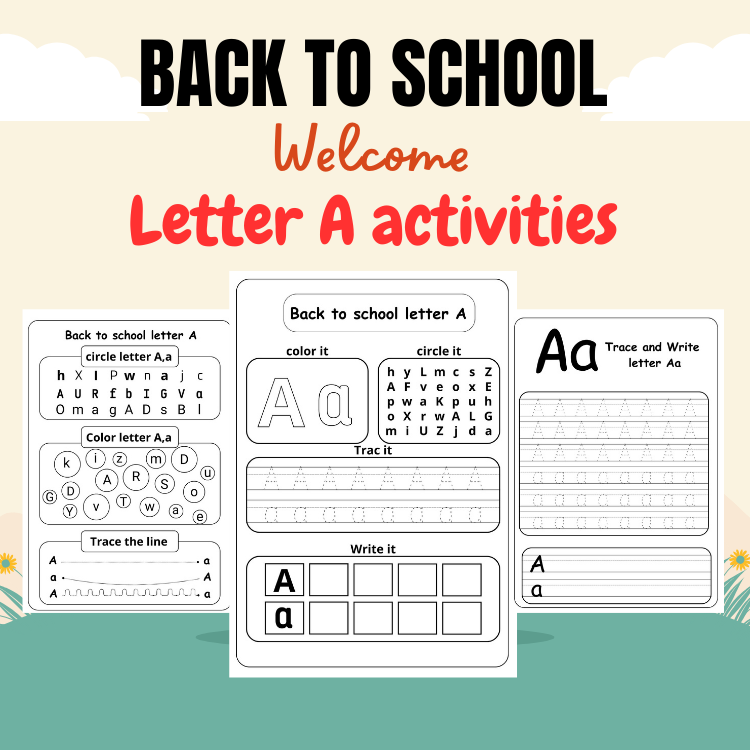
Provide a back-to-school themed letter A worksheet set with letter-search, tracing, and writing practice activities to review the alphabet and build early writing skills.
 Free download
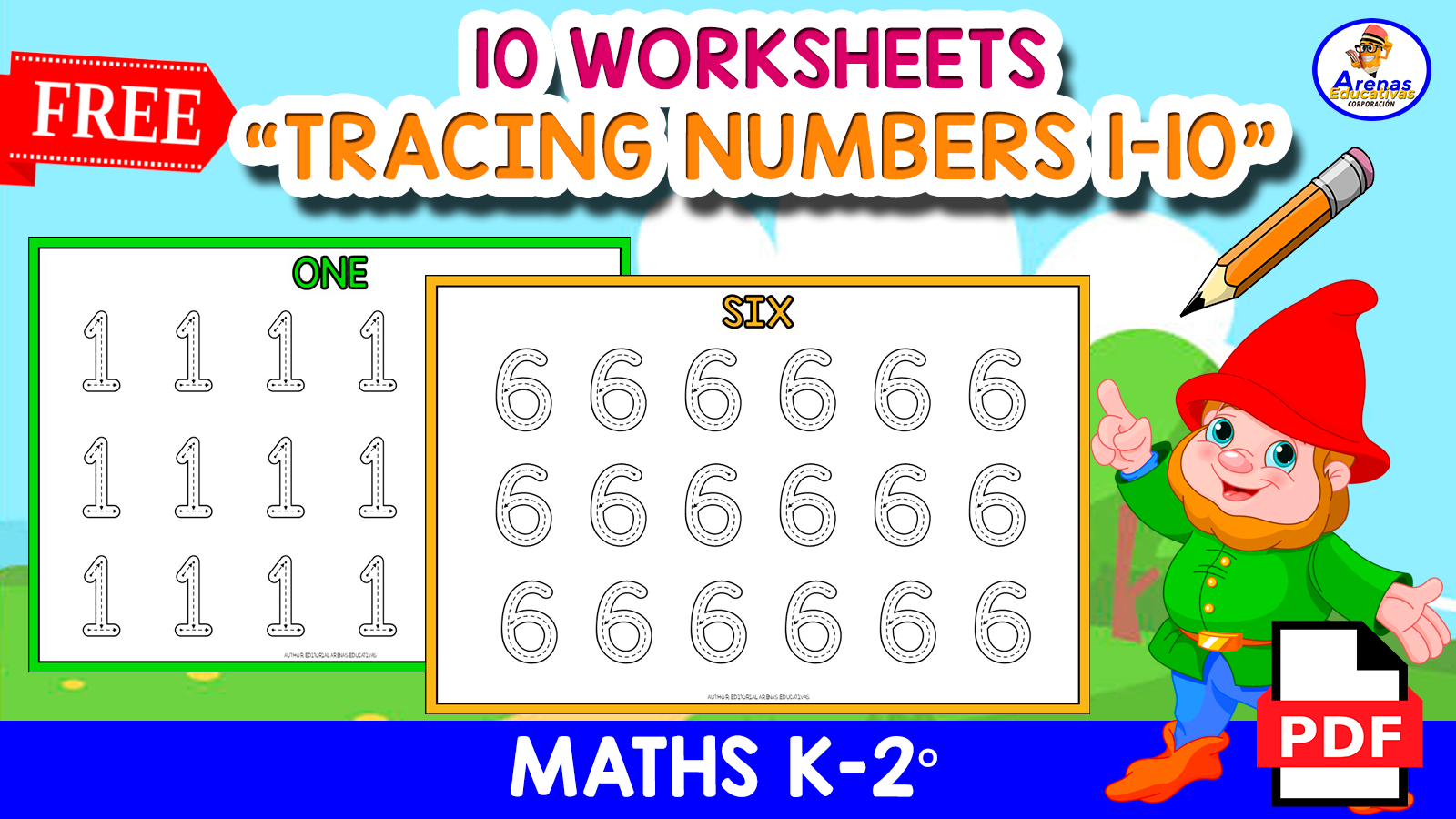
Ten single-number tracing worksheets present the numbers 1 through 10, one per page, each printed several times across rows so a child can trace the numeral repeatedly with a pencil or crayon. The worksheets are ordered sequentially by number, dedicating a full page to one number at a time before moving to the next, which builds repetition of the same numeral shape ahead of introducing a new one.
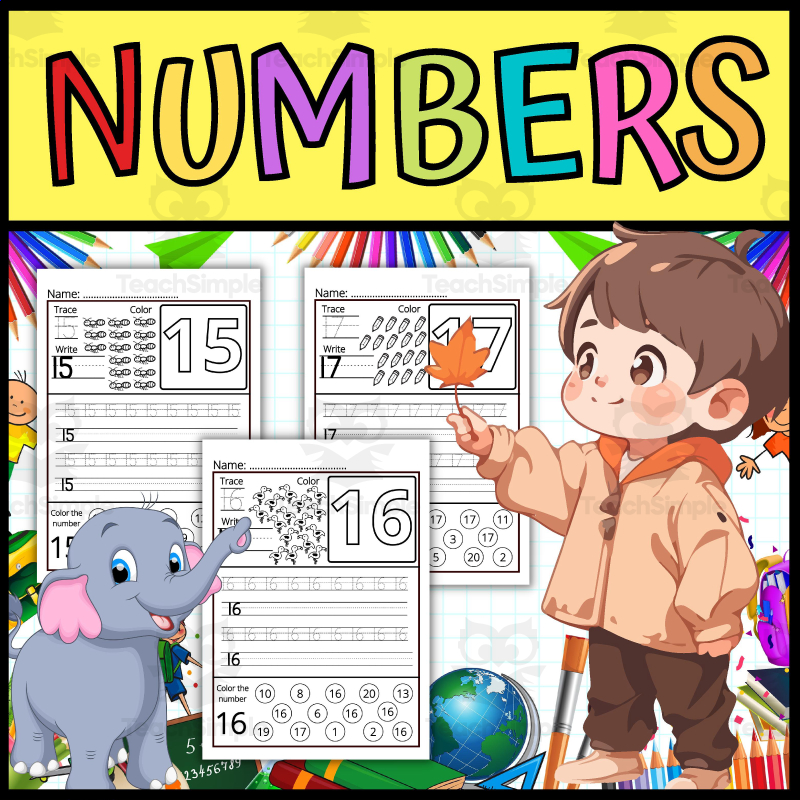
Build number recognition and number-writing skills for teen numbers (11 through 20) through repeated tracing, writing, and 'find the number' practice.
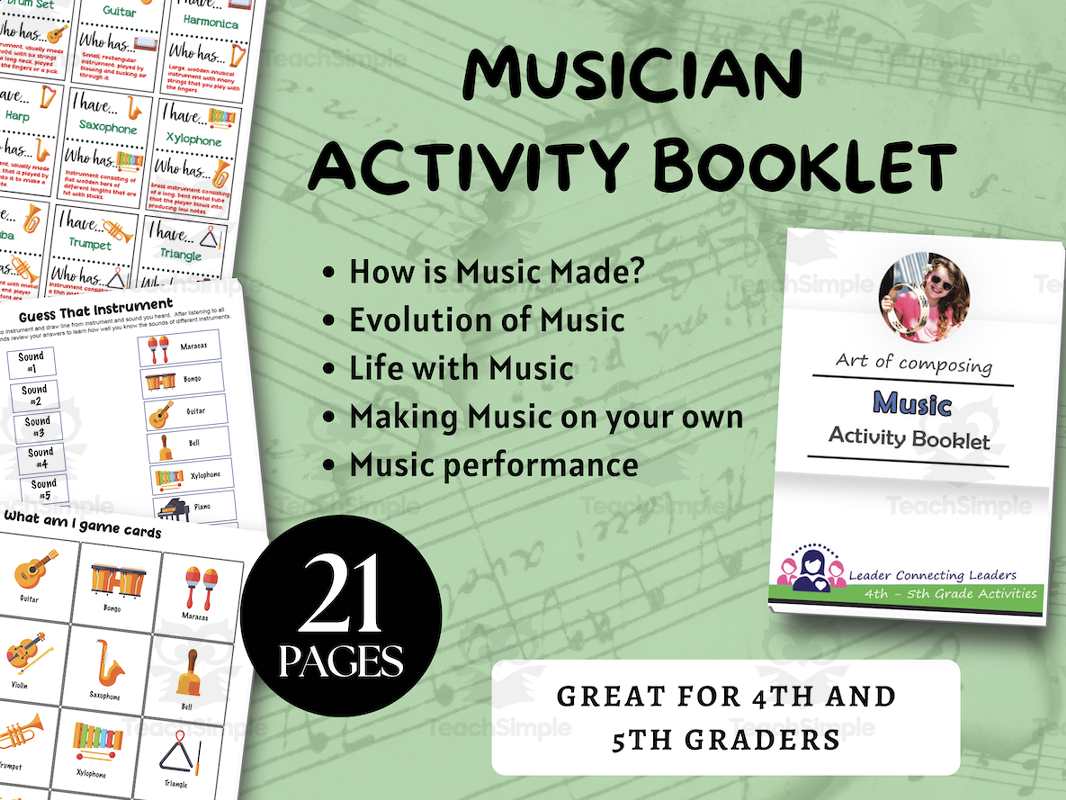
Provide a multi-activity booklet exploring how music is made, the evolution of music through the decades, the role of music in life, and making music independently, through hands-on games and worksheets (originally designed for a group/troop setting).

Eight tracing pages split the numbers 1-10 into a 1-5 set and a 6-10 set, with each set repeated across four picture contexts: drawing apples on a tree, drawing dots on a die, drawing spots on a ladybird, and drawing a line to the matching number of fingers. Every page follows the same format — large numerals to trace followed by a hands-on quantity task — so students practice numeral formation and one-to-one counting correspondence together rather than as separate skills. The repetition across four picture themes for each number range is meant to reinforce the same counting skill in slightly different visual contexts rather than introduce new content on each page. For students who need more explicit stroke-by-stroke guidance before combining number formation with counting, number writing practice isolates the pencil path for each numeral.
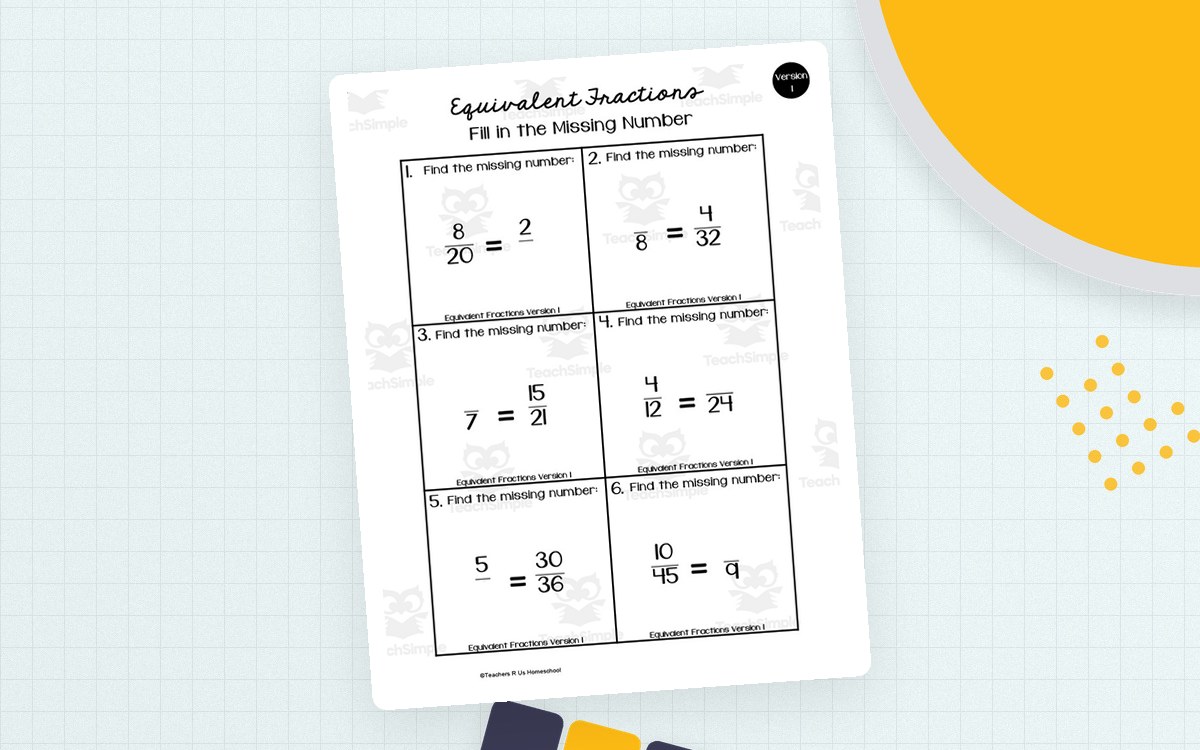
Two-version worksheet set giving quick practice finding equivalent fractions, one version using missing-number equations and the other using visual fraction models.
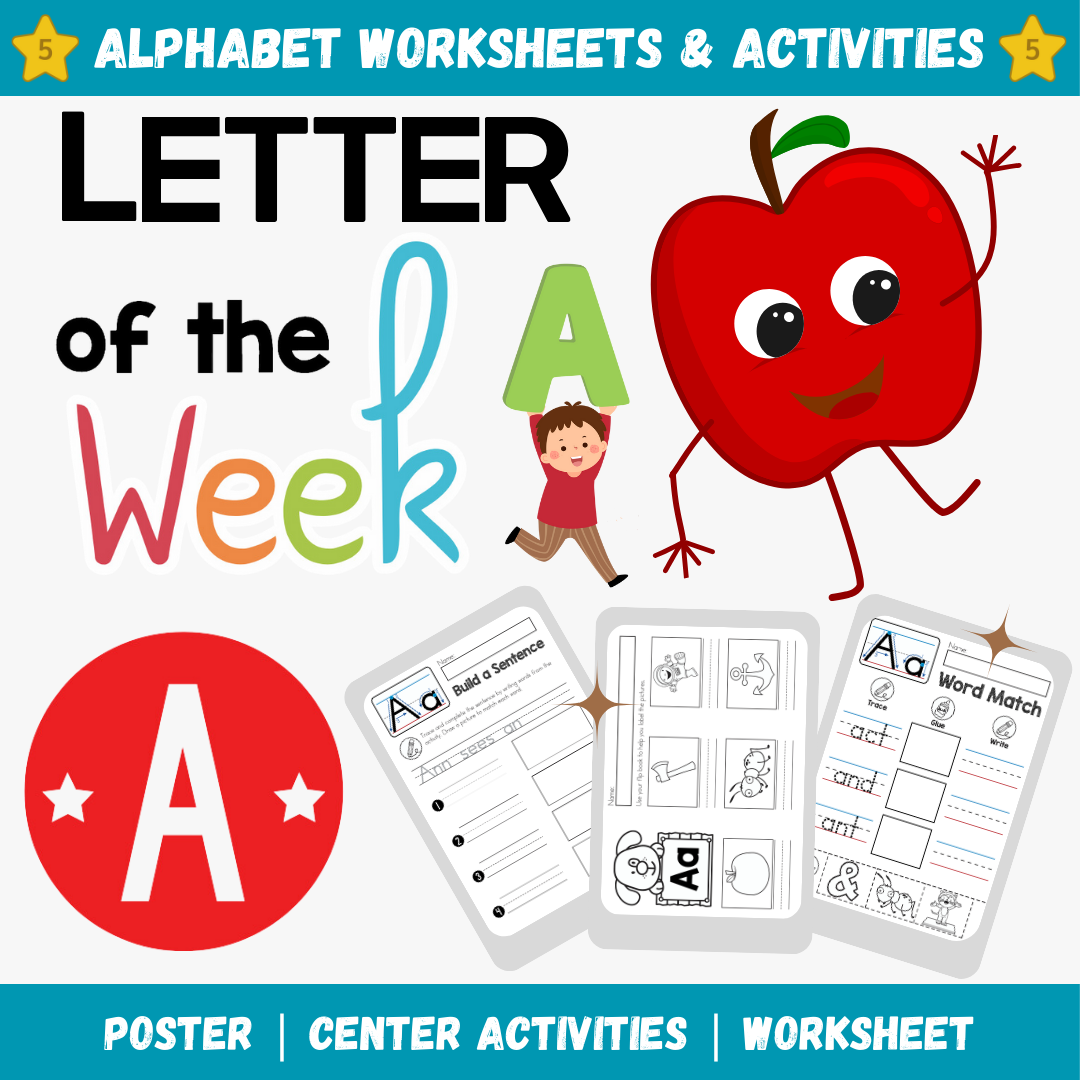
A Kindergarten (Prep) 'Letter of the Week' unit focused entirely on the letter A, teaching correct letter formation, letter identification, and recognition of the letter's sound through a large variety of games, activities and worksheets.
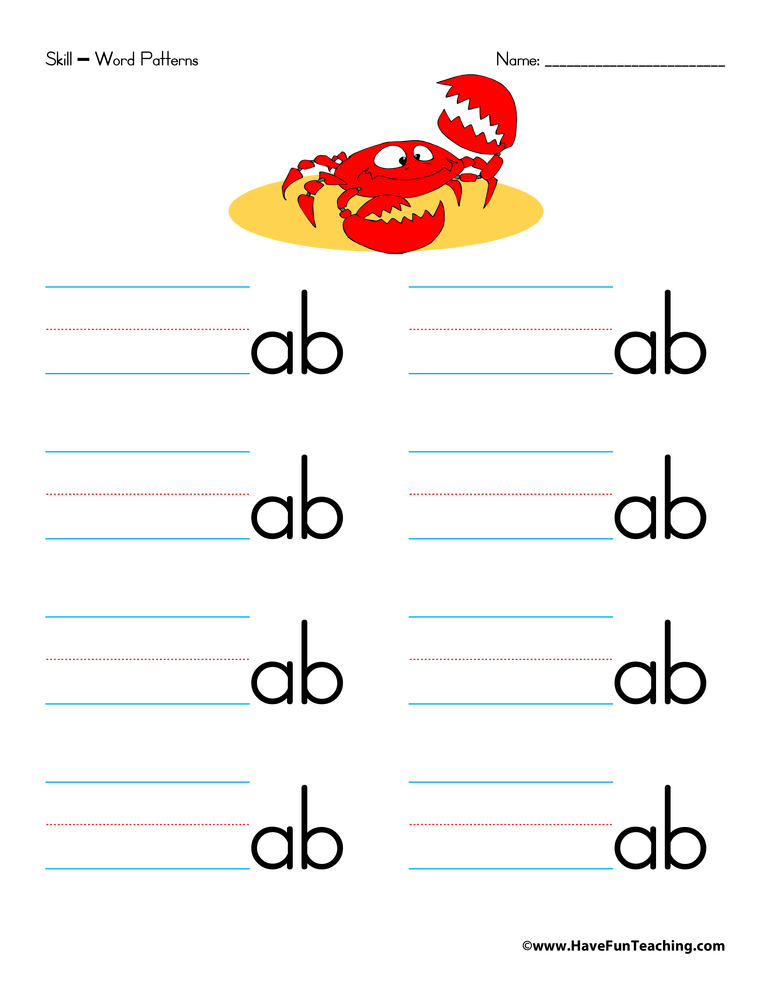
Worksheet for practicing letter-A word-family endings (e.g. -ab, -ack, -ad, -ake, -am, -and, -ape, -are, -ate, -ay) by tracing/writing the repeated pattern.

A structured 9-worksheet series teaching students to build equivalent fractions numerically by multiplying or dividing the numerator and denominator by the same whole number, at increasing levels of challenge.
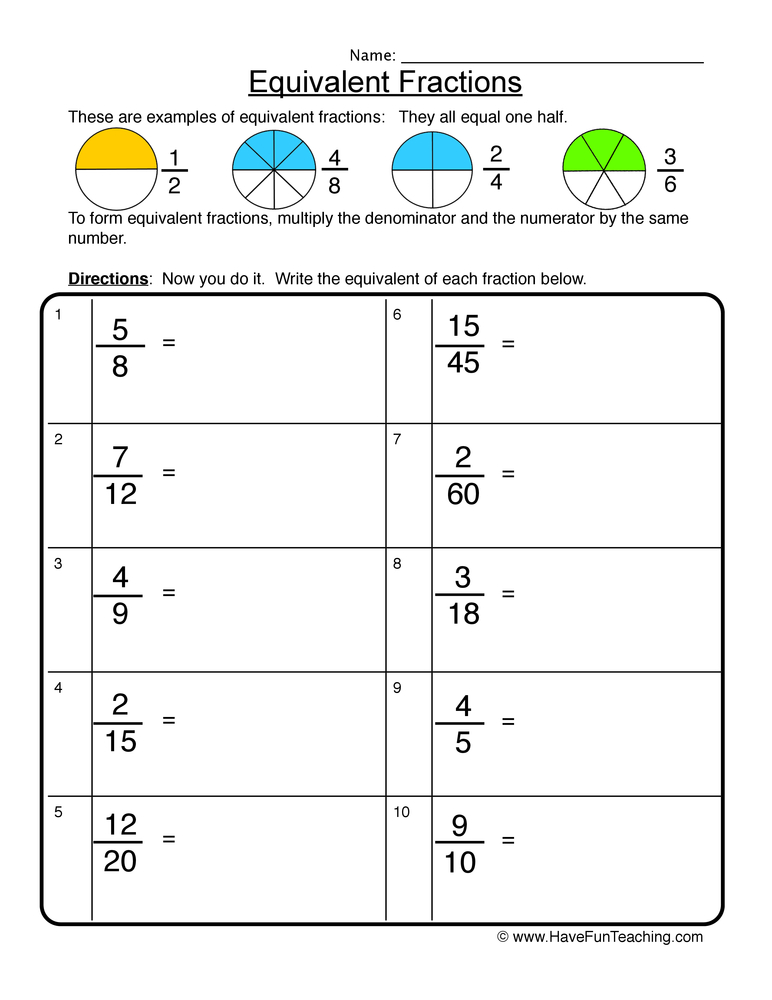
Math worksheet for practicing writing equivalent fractions by multiplying or dividing the numerator and denominator.