
Acorn Find a Letter Alphabet Worksheets for Lowercase Letters
Help students recognize a target lowercase letter among a field of similar lowercase letters.


14,599 resources
Explore sub-categories
19 sub-categories · 14,599 resources
Help students recognize a target lowercase letter among a field of similar lowercase letters.
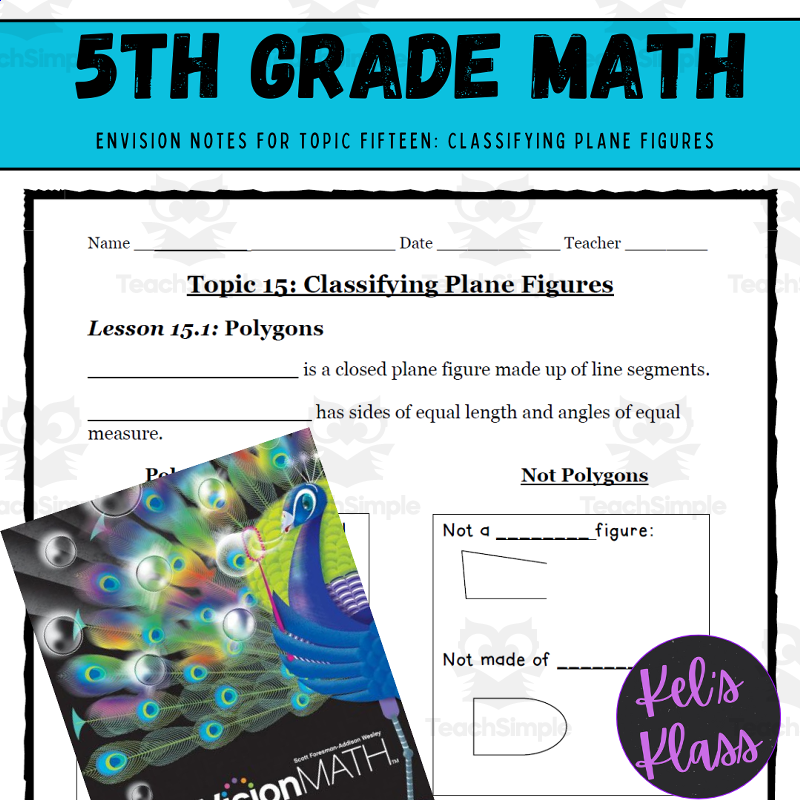
Complete guided-notes and quiz packet for Grade 5 Envision Math Topic 15, teaching classification of polygons, triangles, and quadrilaterals.

Post-reading novel-study worksheet for "The Sign of the Four": has students record the novel's author, genre, and publishing date, build a 10-word vocabulary/definitions list, reflect on a favourite chapter, rate and review the novel, and write a three-part diary entry from a character's point of view.

Students can practice using the correct spelling of homophone words with this worksheet packet. This packet focuses on the homophones: tail and tale. What are homophones? Homophones are a pair of words that sound the same but are spelled differently. Words that are homophones can often be tricky for students to spell correctly since the…
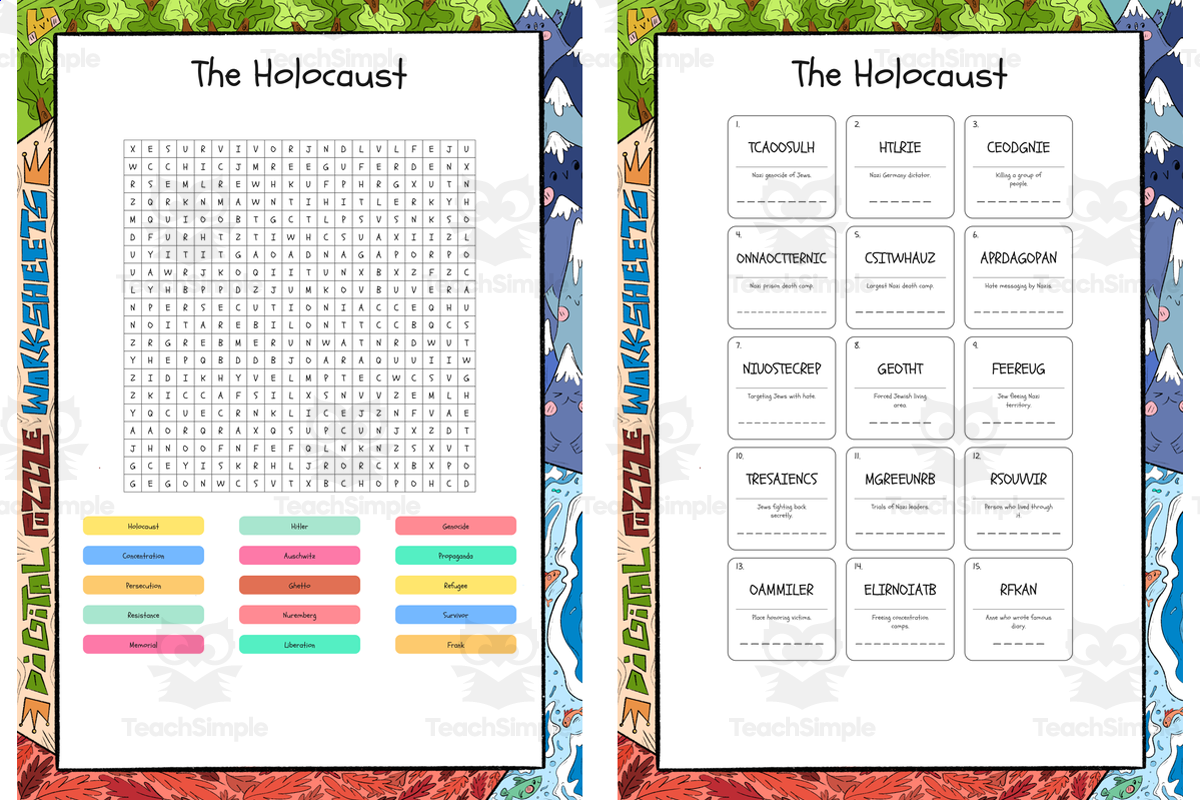
A set of three puzzle worksheets (crossword, word scramble, word search) building vocabulary related to the Holocaust, for use during a World War II unit.
Better Description: The Writing Words Worksheets help students write words that start with each letter of the alphabet.

A post-viewing ESL/EFL worksheet packet for the film "Indiana Jones and the Last Crusade", combining vocabulary building, character study and personal/creative response writing.
Description: This Writing a Letter Worksheet Collection helps students write a letter using a blank friendly letter template with some simple graphics.

The homophone pair know and no is introduced on a reference page that labels know as a verb and no as an adjective, each shown in a sample sentence, before three practice worksheets put the distinction to work. The first worksheet is ten standalone fill-in-the-blank sentences; the second embeds the same choice inside a short narrative about a child asking a stranger for directions home; the third pairs each blank with a color-by-code grid so a correct word choice also produces a colored picture. A completed answer-key copy of all three worksheets follows the practice pages, letting a teacher check work at a glance rather than re-solving each blank. Every task isolates the same two words, so the set works as focused, repeated practice on one confusable pair rather than a broader homophone survey.

A math review worksheet covering estimation, mental math strategies, prime/composite numbers, factors and multiples (GCF/LCM), square roots, and exponents/cube numbers for grade 6-7 students.
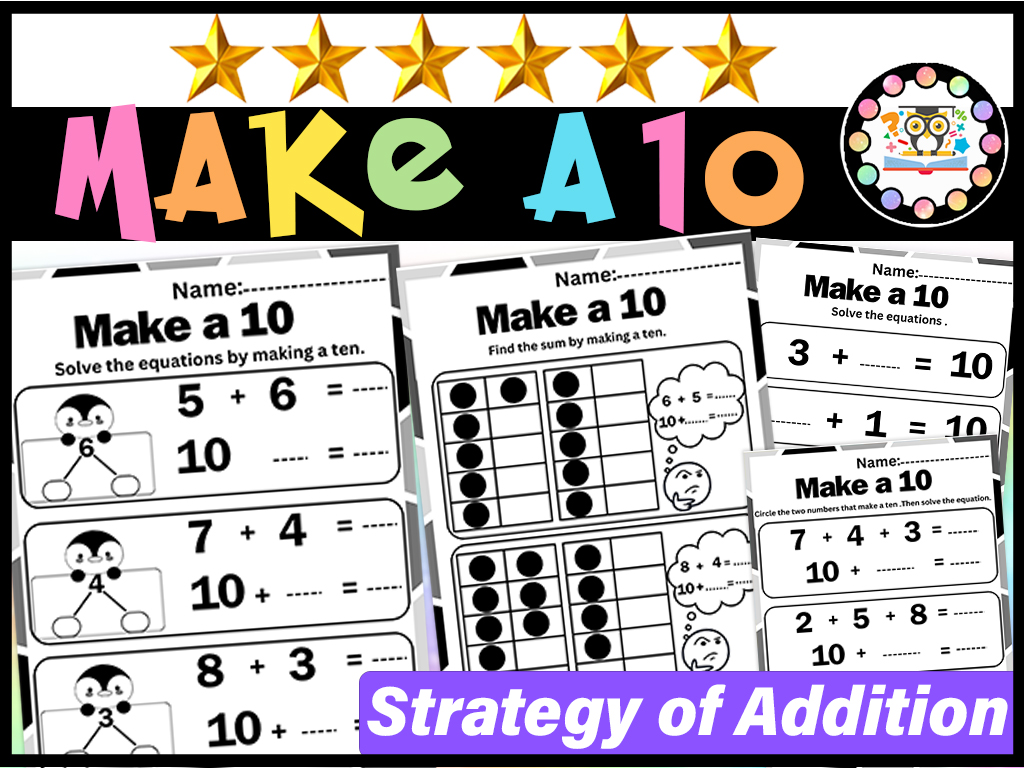
The pages develop making ten through two-addend equations, ten-frame representations, three-addend problems and missing-number combinations. Model how an addend can be split to complete ten, then let students explain the equivalent addition. Select the format that matches their current understanding.
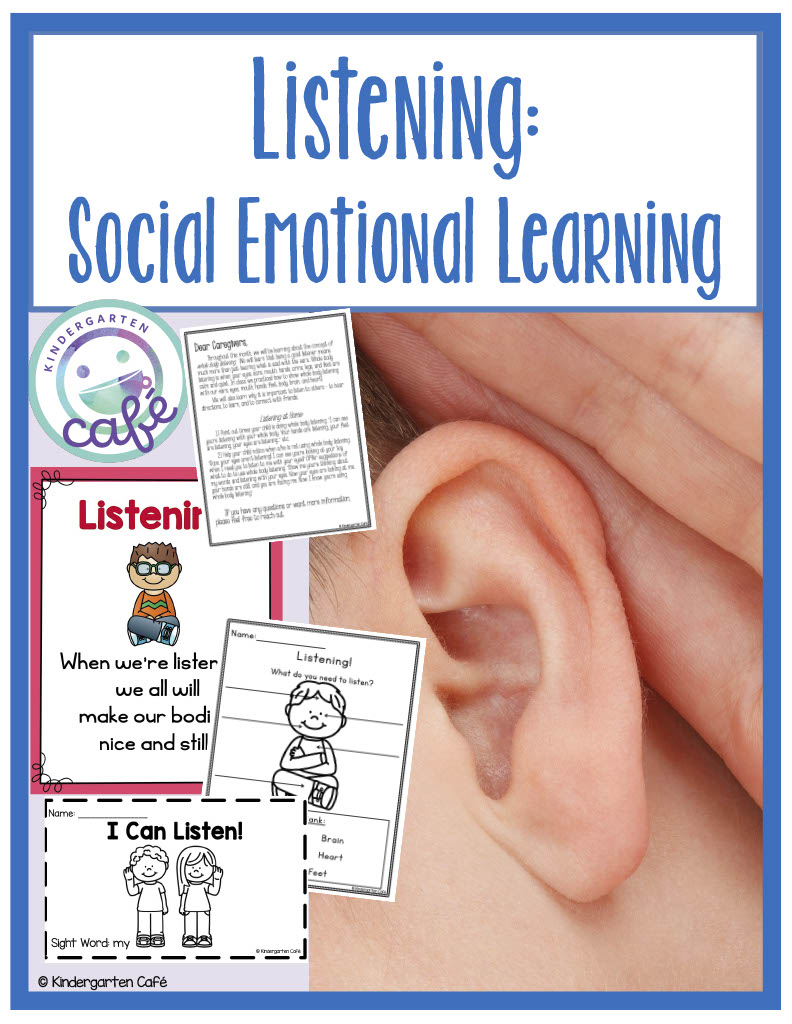
A social-emotional learning unit teaching 'whole body listening' (eyes, ears, mouth, hands, feet, brain, heart all engaged), combined with listening games, a mindfulness listening walk, worksheets, and an emergent reader.

A post-viewing ESL/EFL worksheet built around the film "Sonic the Hedgehog 3", combining film-info recall, vocabulary logging, character description, and reflective/creative writing tasks.
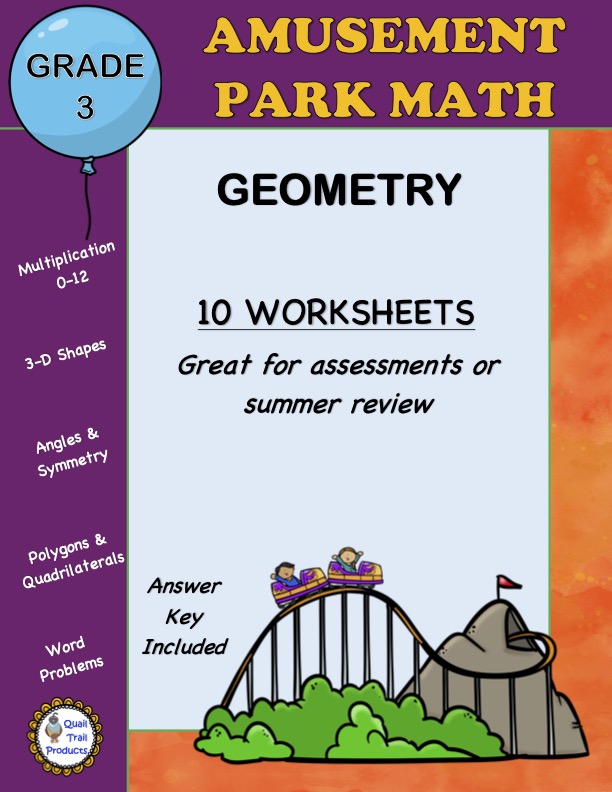
An amusement-park-themed set of 10 grade 3 worksheets, alternating 5 geometry worksheets (3-D shapes, angles, symmetry, polygons, quadrilaterals) with 5 multiplication fact-practice worksheets (facts 0-12), plus 5 vocabulary term pages, for practice/review or assessment.

Introduce knows and nose with the picture-supported reference pages, which distinguish the verb from the body-part noun. Students then complete sentences, a short story and a color-by-code task using the correct word. Encourage them to explain the meaning of a sentence before choosing the spelling.

Post-reading ESL/EFL novel-study worksheet for "Blizzard of the Blue Moon" by Mary Pope Osborne, combining a vocabulary exercise, reflection/comprehension prompts and creative-writing tasks.
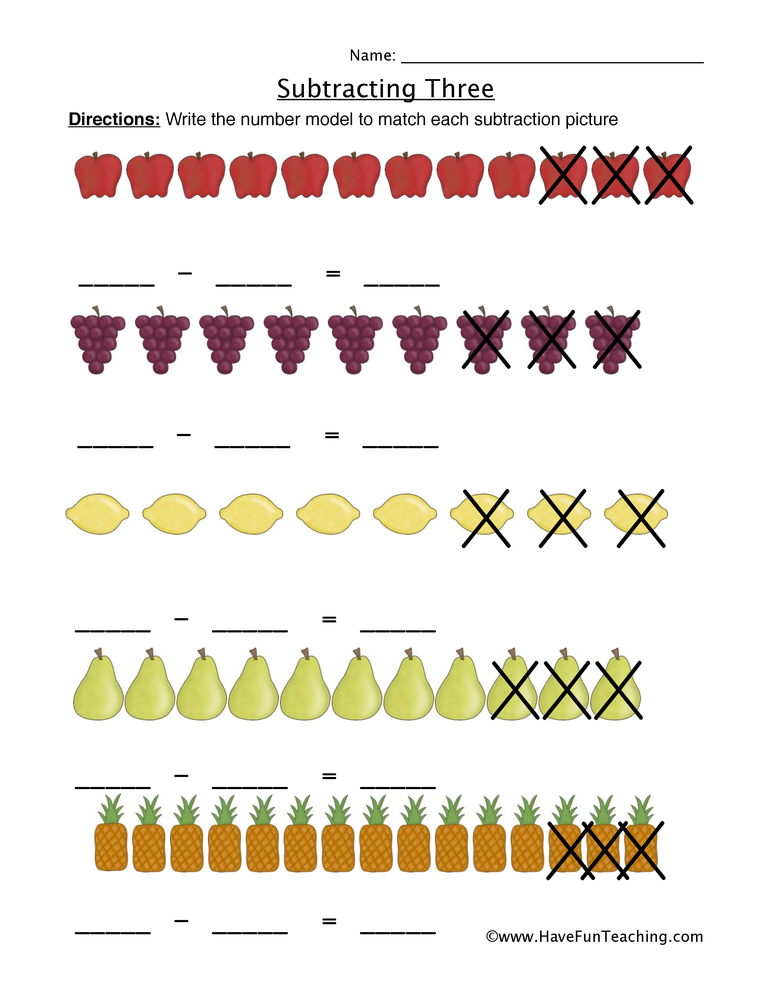
This Subtracting Three Writing Equations Worksheet is a great resource for teachers who want to help their students subtract three from a given number. This worksheet uses pictures and equations to help students understand the concept.

Naruto's path from a 1999 Weekly Shonen Jump manga to a global anime franchise carries a two-page English reading passage covering Masashi Kishimoto's ninja-lore influences, Naruto Uzumaki's ambition to become Hokage of Konohagakure, the Nine-Tails Fox sealed inside him, and figures such as Sasuke, Sakura, Kakashi and Jiraiya. Thirteen questions with ruled answer lines follow, mixing recall (who wrote it, when it was published and adapted), vocabulary work on "resonate" and "straightforward", and text-based argument on whether the characters are drawn as ideal models. Two essay prompts close the set: an opinion piece on the series and a letter of advice addressed to its creator.

A reference page contrasts 'one' as an adjective ('I have one crayon') with 'won' as a verb ('We won the game'), giving students a model to check against before practice begins. A ten-sentence worksheet has students choose the correct spelling in stand-alone sentences such as 'The red car ___ the big race,' while a second worksheet asks for the same choice across nine blanks inside a connected short story about a family member's race. A third worksheet pairs five fill-in sentences with a color-by-code picture, so students use their word choices to follow the colour code. Answer keys for all three worksheets are included, with the correct word underlined in each sentence.

Turn a Matilda viewing into several kinds of English writing: vocabulary definitions, notes on nine characters, an event timeline and a film review. The three-page worksheet also asks learners to describe and explain their favorite scene. A longer diary task invites them to imagine one character’s experiences across three scenes. The movie and paper for those three diary pages are supplied separately.

Practice identifying the beginning sound of pictured animals.

An ESL/EFL nonfiction reading passage and writing worksheet about the film Billy Elliot (2000), used to build reading comprehension, vocabulary and personal-opinion/comparative essay-writing skills for teen or adult English learners.
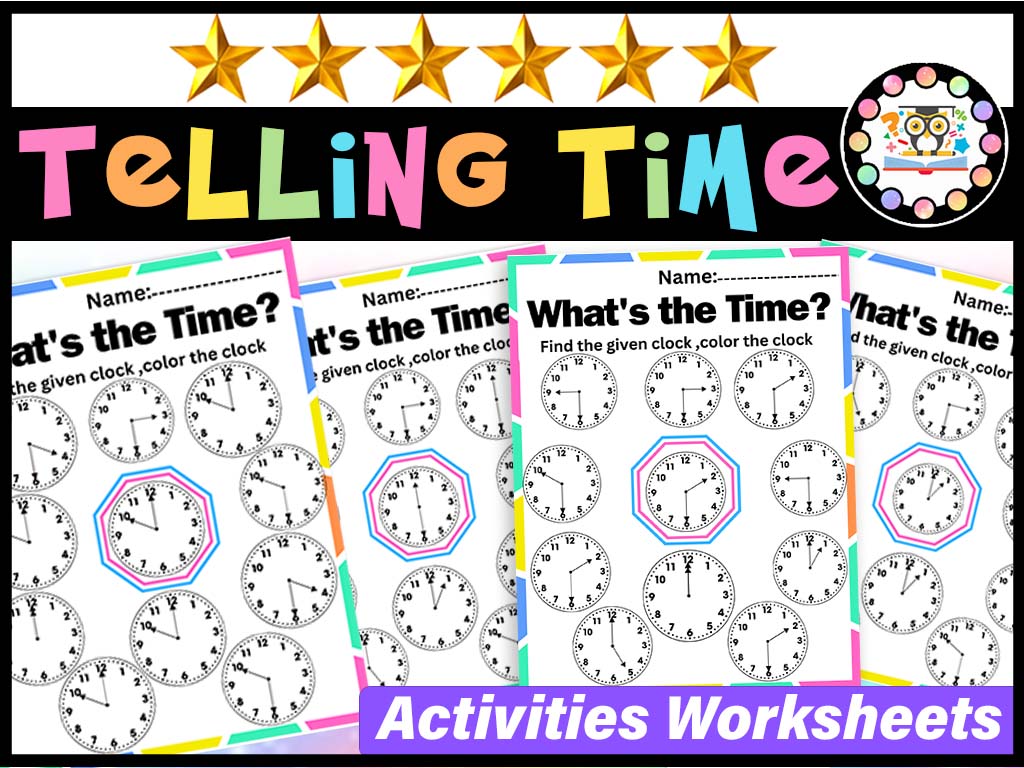
A set of clock-identification worksheets where students find and color the clock matching a given time.

Use the mail and male reference page to discuss how the same sound can have different meanings and spellings. Students apply the distinction in individual sentences, connected text, and a color-by-code task. Ask students to explain which meaning fits each blank before choosing a spelling, then compare their responses with the supplied answer material.