Discover! Classification
Discover! Classification Discover! Classification is an engaging teaching resource, aimed towards students within fourth to sixth grades, introducing them to the concept of classification.




5,881 resources
Explore sub-categories
18 sub-categories · 5,881 resources
Discover! Classification Discover! Classification is an engaging teaching resource, aimed towards students within fourth to sixth grades, introducing them to the concept of classification.
Reinforce basic ecology concepts (water cycle, energy flow, photosynthesis, decomposition, carbon/nitrogen cycles, food chains/webs, and biomes) through background readings and worksheet activities.
Reinforce elementary/upper-elementary science concepts in light and sound (nature of light, reflection, refraction, transparency/opacity, color/spectrum) (grades 4-6) through reproducible worksheets, hands-on activities, and teacher background material.
Reinforce elementary/upper-elementary science concepts in nutrition and health (food groups, recommended daily amounts, protein/carbohydrates/fats/vitamins/minerals, calories, water, food labels) (grades 4-6) through reproducible worksheets, hands-on activities, and teacher background material.
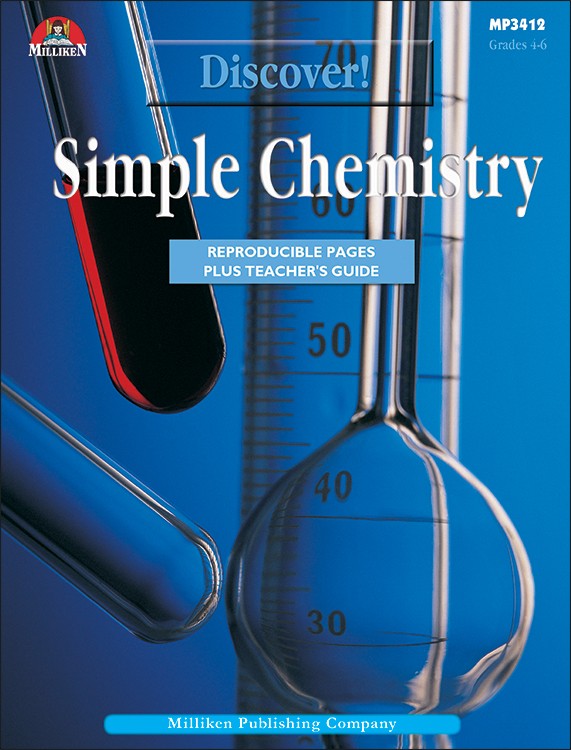
Reinforce elementary/upper-elementary science concepts in simple chemistry (atomic symbols/structure, periodic table, matter, elements/compounds/mixtures, acids/bases, solvents/solutions, oxidation, gases) (grades 4-6) through reproducible worksheets, hands-on activities, and teacher background material.
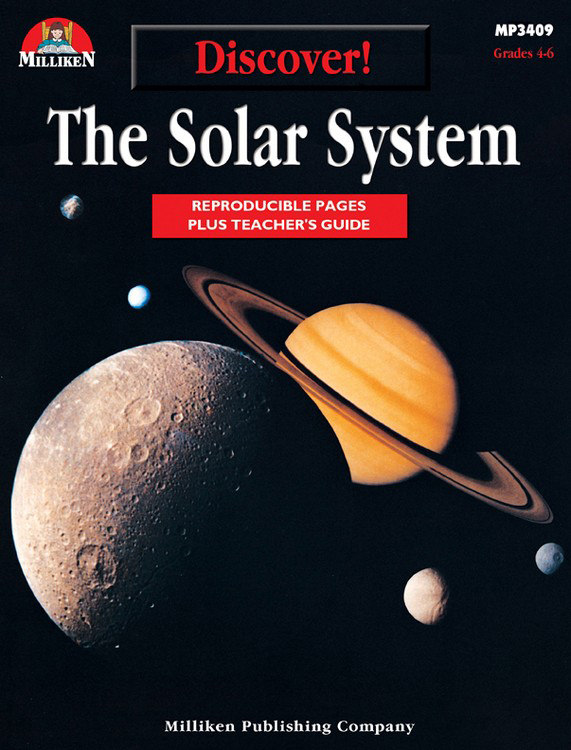
Reinforce elementary/upper-elementary science concepts in the solar system (orbits, the sun, the moon and its phases, inner and outer planets, seasons, day and night) (grades 4-6) through reproducible worksheets, hands-on activities, and teacher background material.
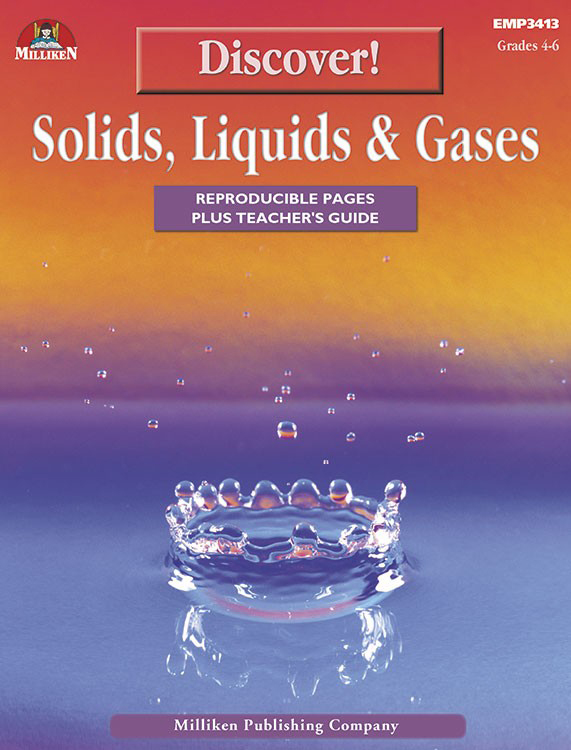
Reinforce elementary/upper-elementary science concepts in solids, liquids and gases (matter, atoms, molecules, physical properties, states of matter and their changes) (grades 4-6) through reproducible worksheets, hands-on activities, and teacher background material.

Reinforce elementary/upper-elementary science concepts in weather (Earth's uneven heating, water cycle, humidity, weather maps, wind, day/night) (grades 4-6) through reproducible worksheets, hands-on activities, and teacher background material.

Reinforce elementary/upper-elementary science concepts in work and machines (simple machines, levers, inclined planes, pulleys, wheel and axle, wedge, screw, force, friction, gravity, inertia) (grades 4-6) through reproducible worksheets, hands-on activities, and teacher background material.
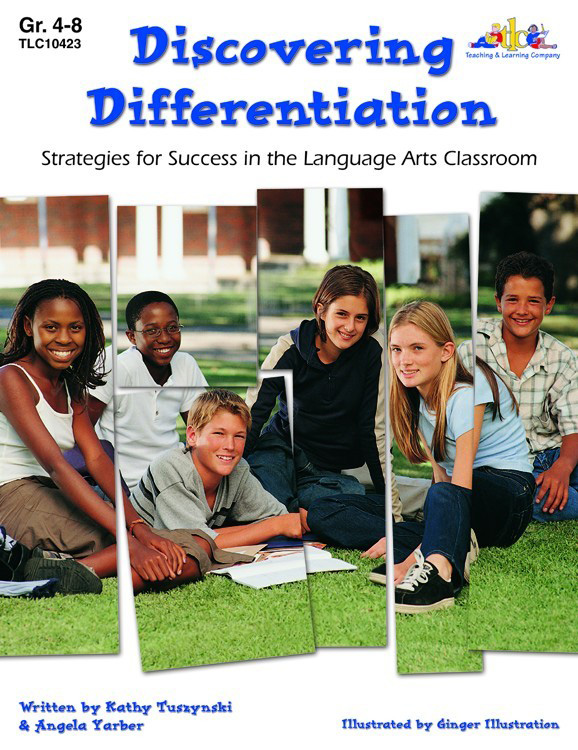
Give middle-school language arts teachers a large bank of differentiated, choice-based activities (menus, contracts, task sheets, activity boards, book-response formats) to accommodate varied student abilities and interests.
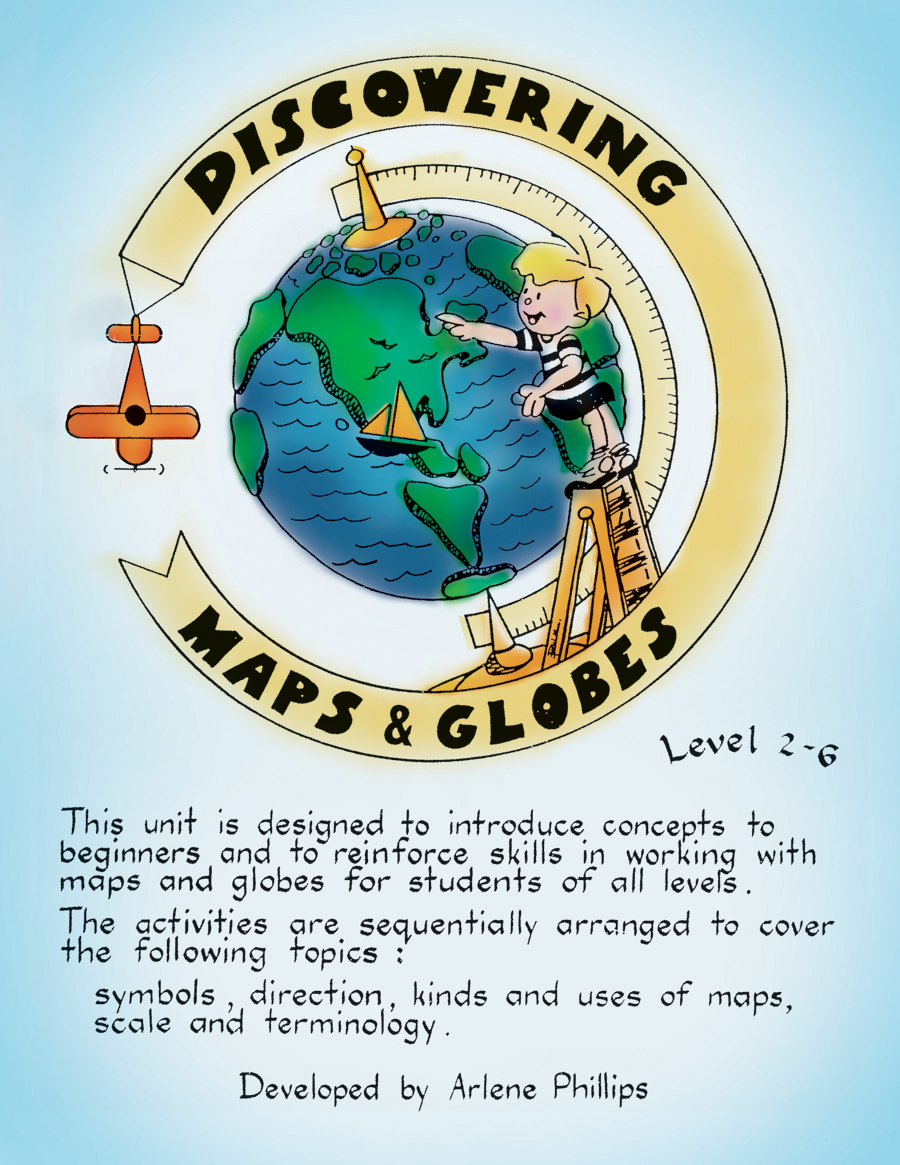
DISCOVERING MAPS & GLOBES Gr. 2-6 presents an enjoyable and effective approach to introducing fundamental map and globe skills to students from grade 2 through to grade 6.

Engage your Year 2-4 students in an immersive learning experience about the Great Plague of 1665 With this comprehensive unit plan and accompanying 30-slide PowerPoint presentation .
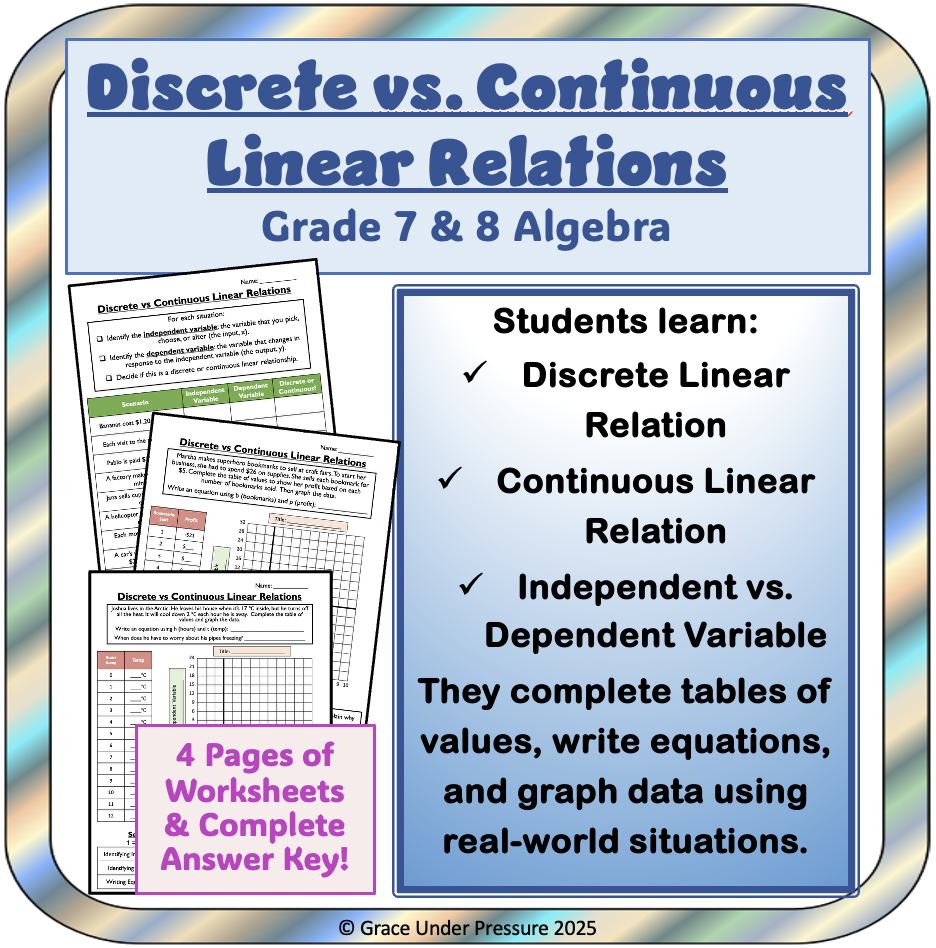
A lesson/worksheet set teaching students to distinguish discrete versus continuous linear relationships, identify independent and dependent variables, and model real-world scenarios with tables, equations, and graphs.

Dislike vs. Unlike Pre-Intermediate Lesson Plan This pre-intermediate English grammar lesson plan helps students learn the difference between "dislike" and "unlike" and when to use each word appropriately.

Distributive Property with Rational Numbers NOTES & PRACTICE A comprehensive teaching resource designed to assist in the effective teaching of the 7th Grade Number Systems Standards, chiefly focusing on multiplication and how it extends…
A novel-study literature kit for Veronica Roth's 'Divergent' that guides teacher-led reading comprehension instruction and independent student work across the whole novel.
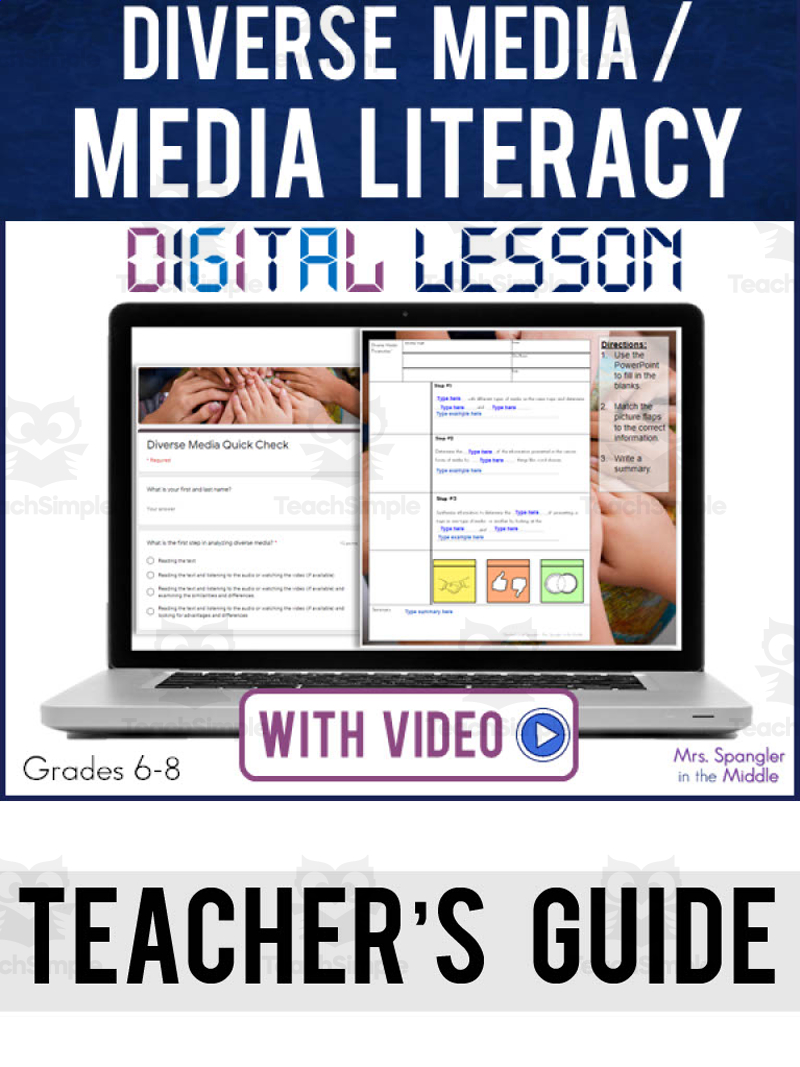
This is a Diverse Media Digital Lesson. These notes are scaffolded interactive notes accessed through Google. There are 4 notes to choose from allowing for differentiation for your students.
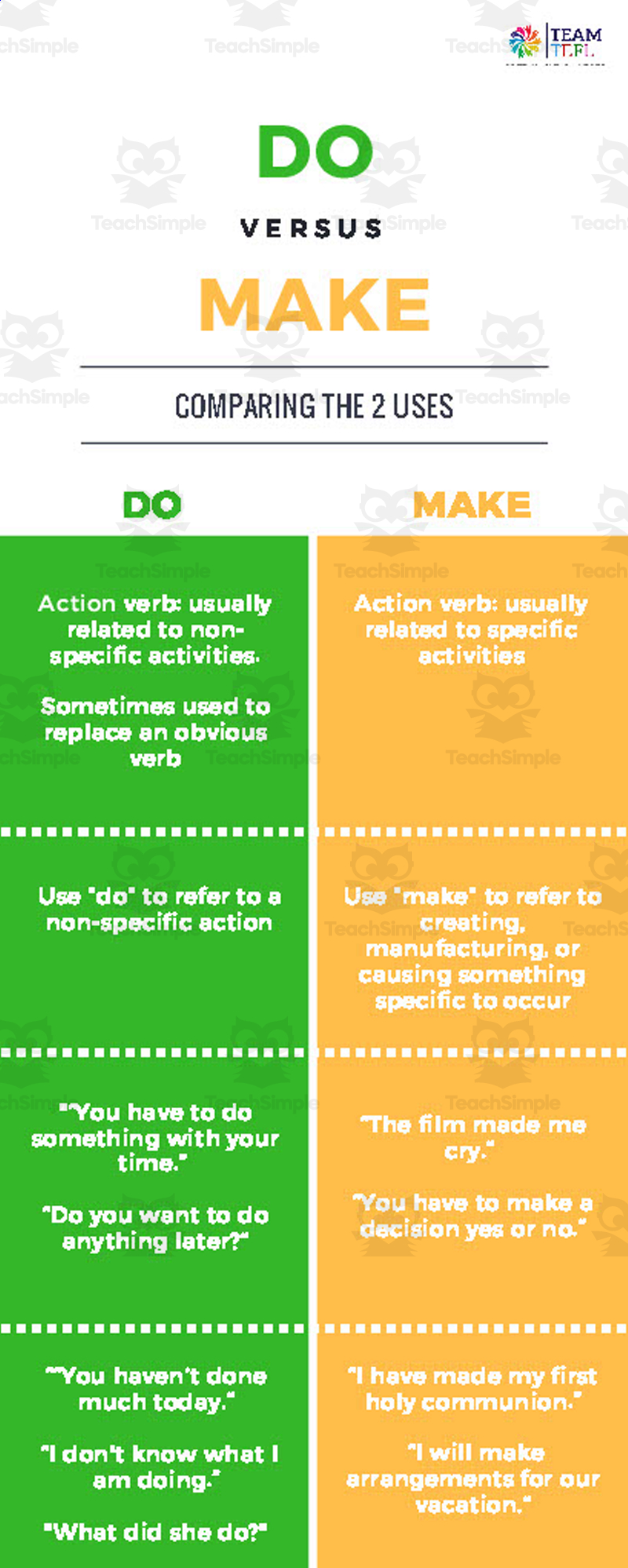
This is a pre-intermediate lesson plan worksheet set for Do vs. Make. Students will learn more about these and then complete the exercises to follow, which will assess their comprehension and implement grammar skills.
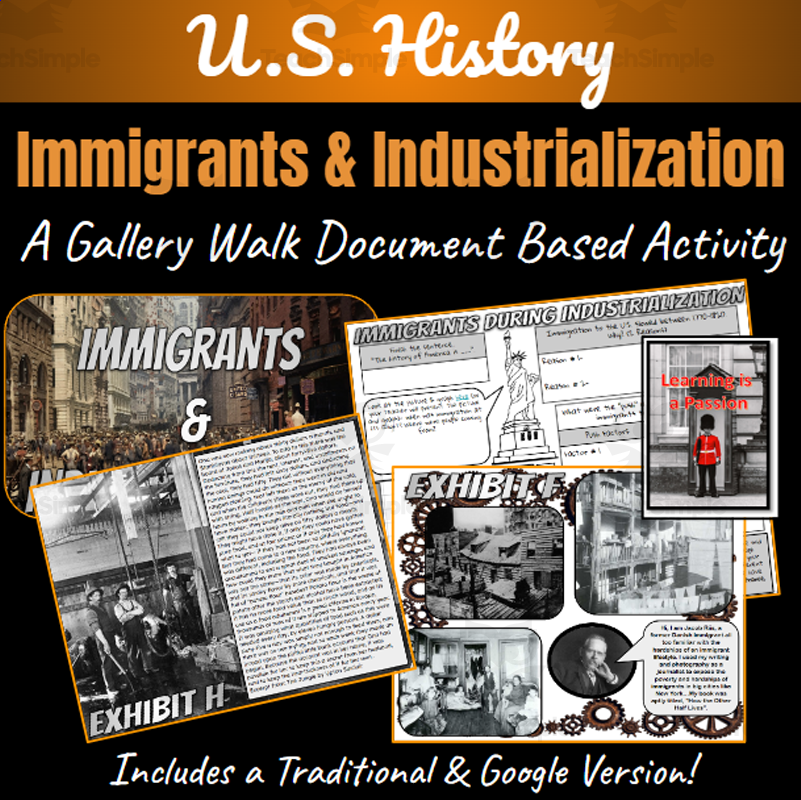
Dive into U.S. History with this engaging activity focused on Immigration & Industrialization during America's Industrial Era from 1850-1910.
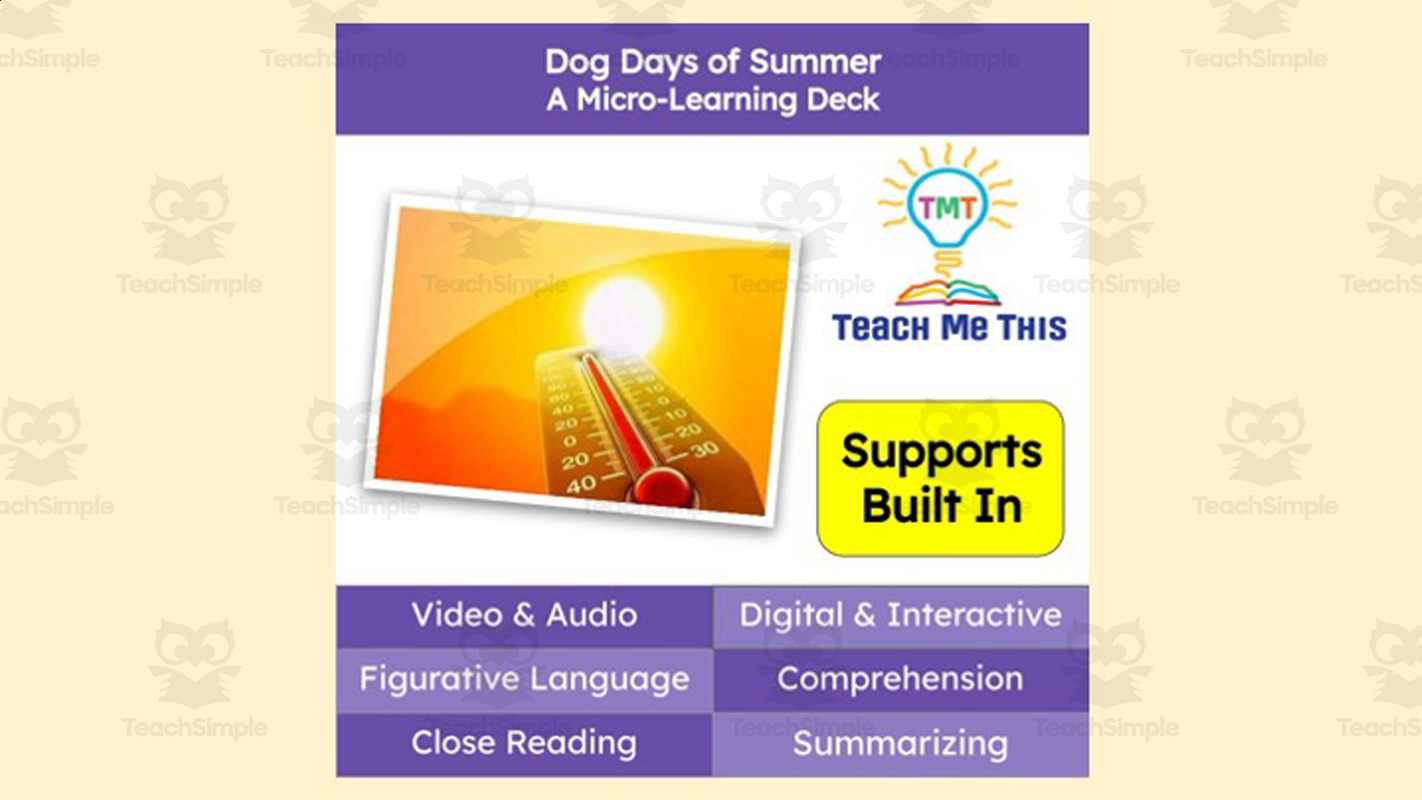
Teach the figurative-language expression 'dog days of summer' through a video lesson, an audio-supported reading passage, and follow-up comprehension activities.
A comprehensive literature lesson plan bundle built around the short story 'Dog Star' by Arthur C. Clarke, teaching plot structure and characterization (adaptable to other literary elements), with an extensive library of supporting PowerPoints, graphic organizers, and classroom-routine bonus materials.
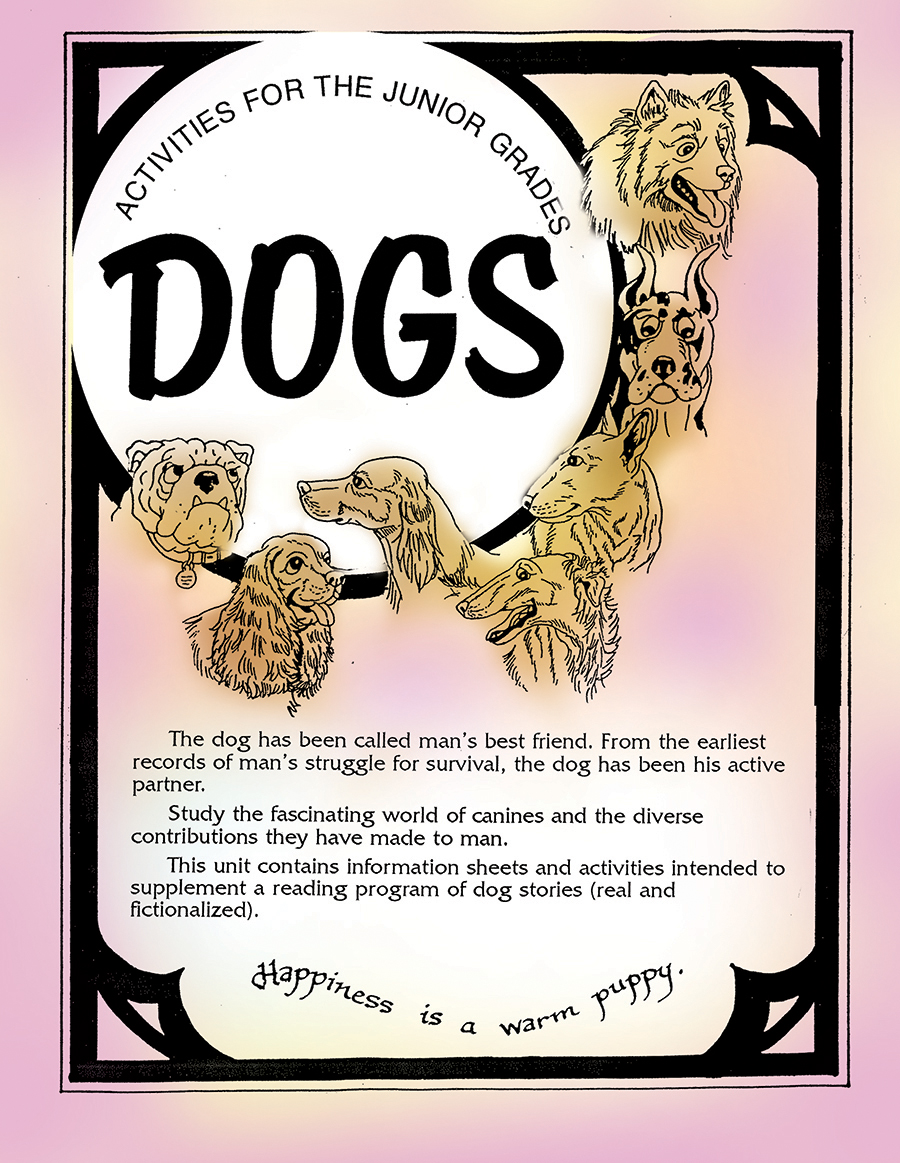
DOGS Gr. 4-6: A Comprehensive Teaching Resource A vital instructional tool created to enrich our understanding of man's best friend - the dog.
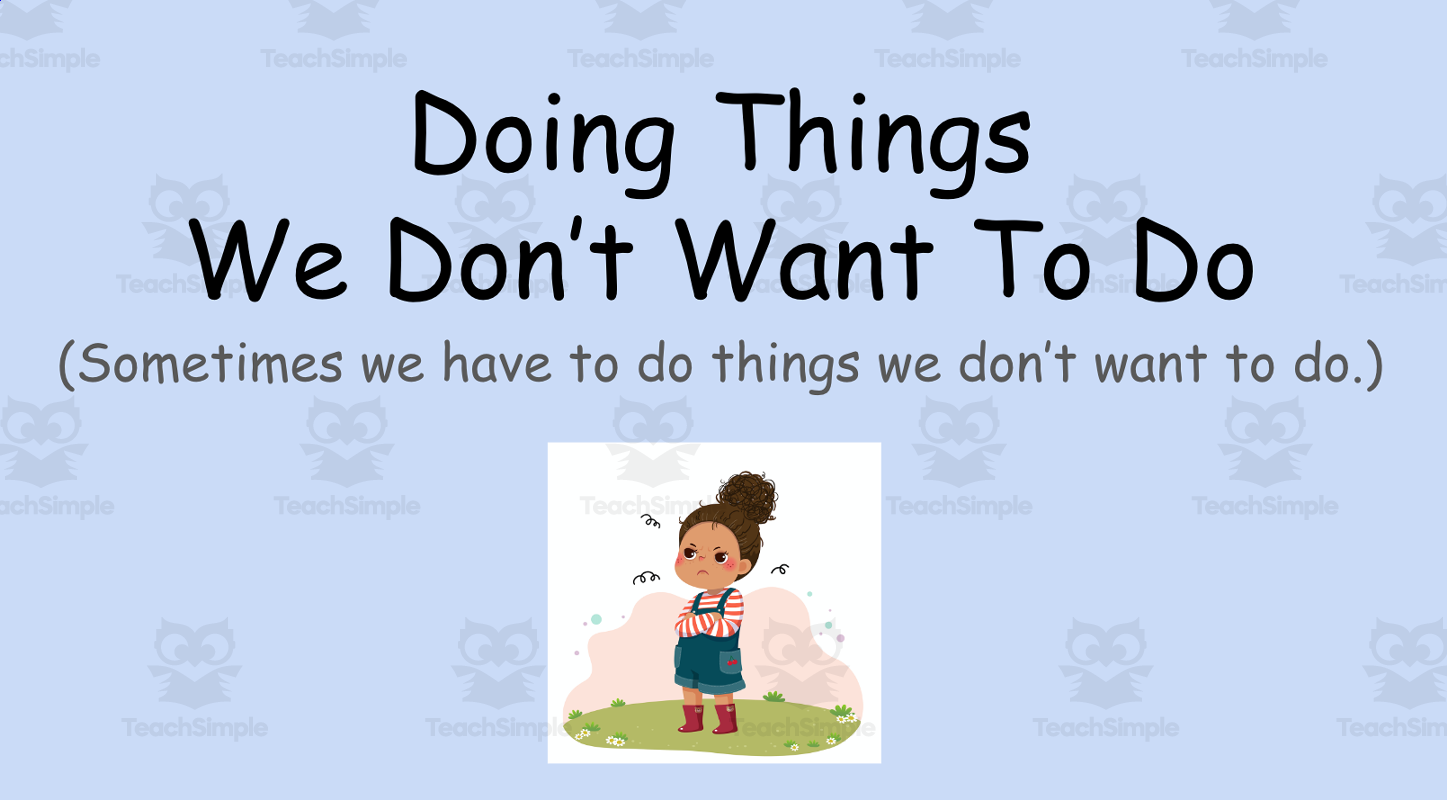
An SEL lesson teaching coping strategies for doing required but unwanted tasks and following directions.

Two editable Word documents extend two global-awareness video tools into classroom discussion activities. In "Dollar Street Analysis," students first watch a video explaining Gapminder's Dollar Street tool, which lines up homes from poorest to richest as if they lived on the same street. They then compare the United States with another country of their choice, filling in a chart describing lower- and higher-income homes shown in the tool, comparing similar-income families' dreams and most-loved items, and searching for a specific household item (such as a toilet, bed, pet, or toothbrush) across both countries. In "If the World Were 100 People," students watch a population-scaling video, record facts they knew, facts that surprised them, and questions they still have, then apply the same 100-person model to their own school's community (editable placeholders default to Seattle and St. Joseph School) before comparing the results to the world and to each other.