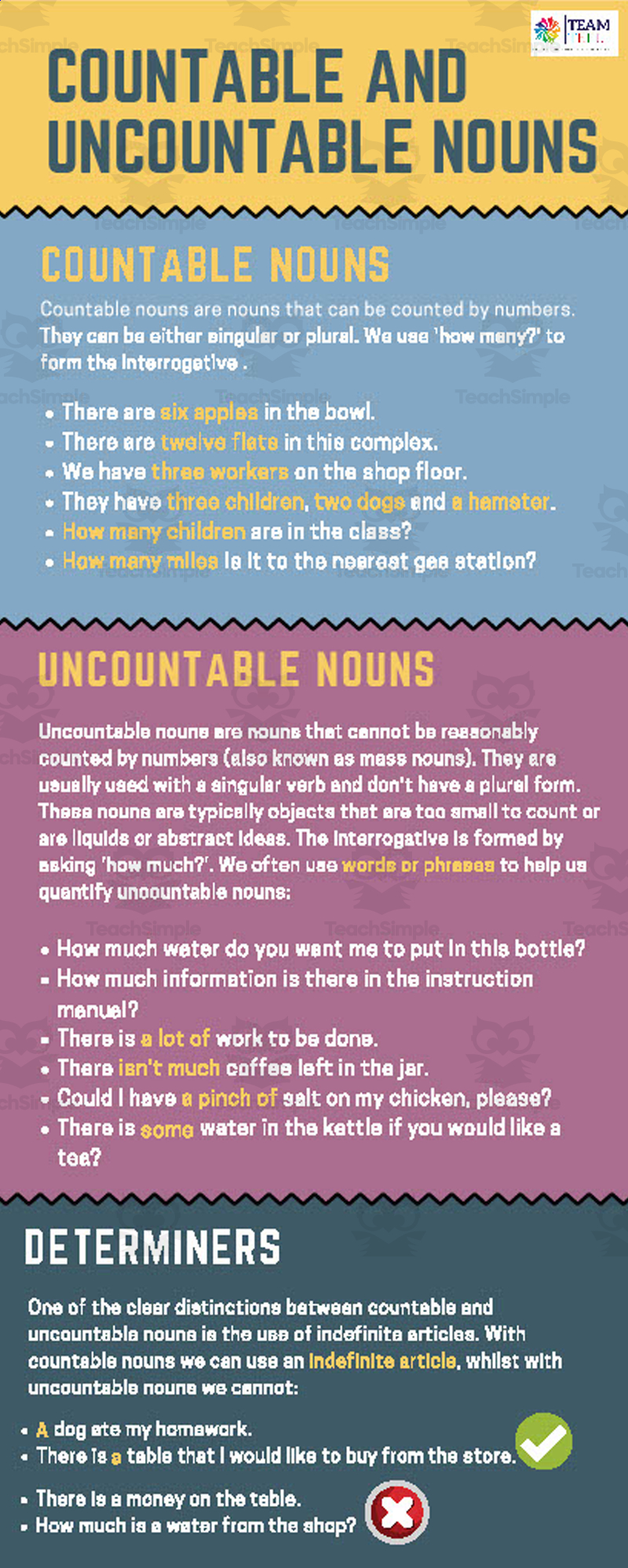
Countable and Uncountable Nouns Pre-Intermediate ESL ELA Lesson Plan
Teach the distinction between countable and uncountable nouns to pre-intermediate (CEFR A2) ESL/ELA students via flash cards, a lesson plan, and extra-study exercises.
2,923 resources
Explore sub-categories
12 sub-categories · 2,923 resources
Teach the distinction between countable and uncountable nouns to pre-intermediate (CEFR A2) ESL/ELA students via flash cards, a lesson plan, and extra-study exercises.
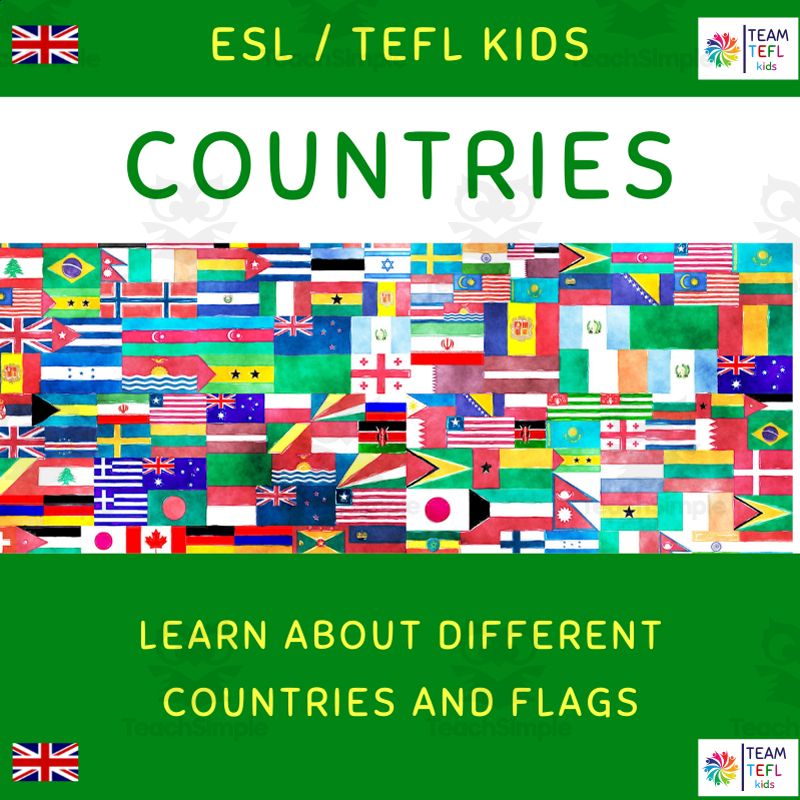
Teach beginner (CEFR A1) ESL/EFL vocabulary for countries and nationalities (e.g., France->French, Canada->Canadian) through flashcards, matching/true-false exercises, and a country-facts quiz.
ESL lesson plan teaching young/beginner learners country names, flags, and the language pattern for saying where someone is from.
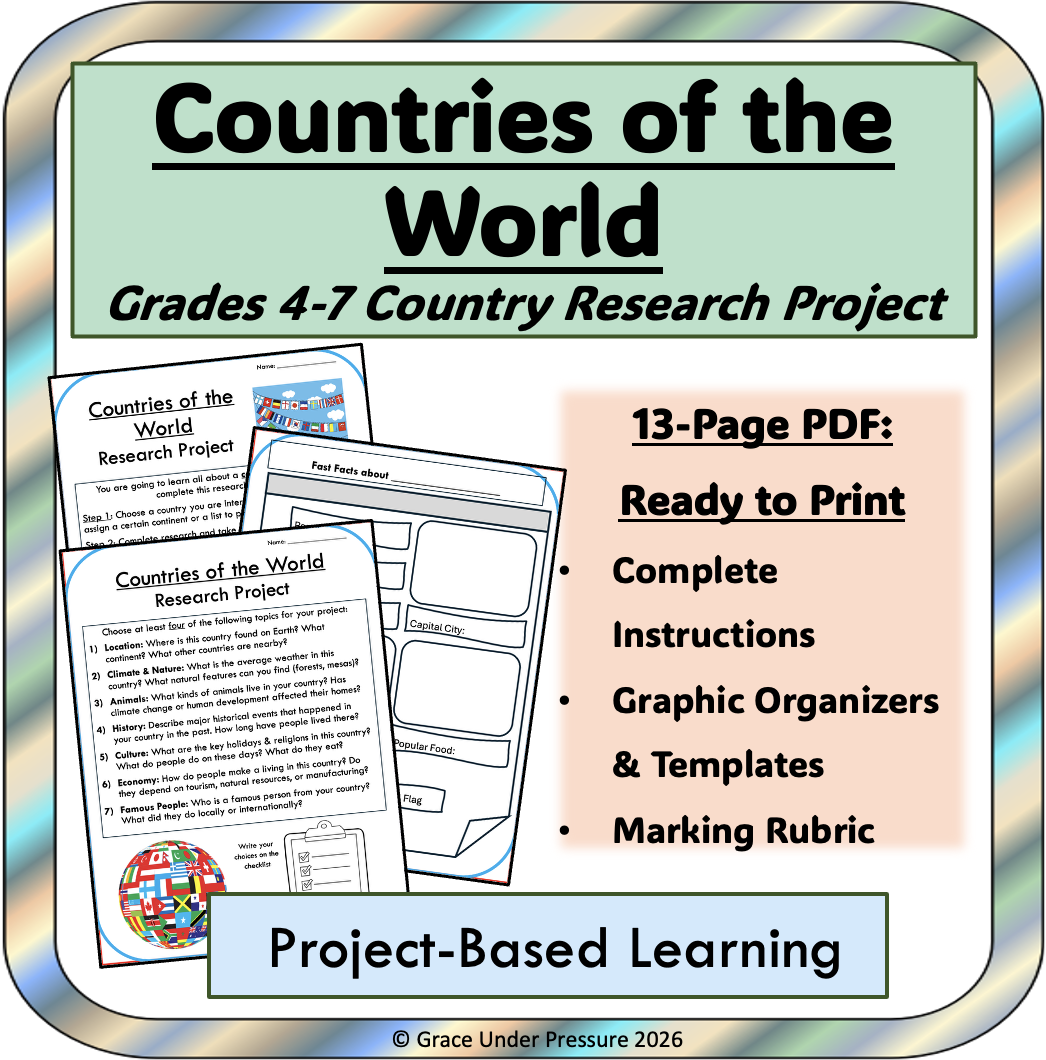
Organize a country project with a checklist, research prompts and note-taking pages that keep sources alongside students’ findings. Learners choose at least four of seven topics and develop at least four paragraphs, then add illustrated fast facts and five attractions. Writing templates and a rubric make expectations visible from the start, while optional pages allow students to extend their reports.
Guide students through writing a formal 5-paragraph reflective essay on their personal experience of the COVID-19 pandemic.
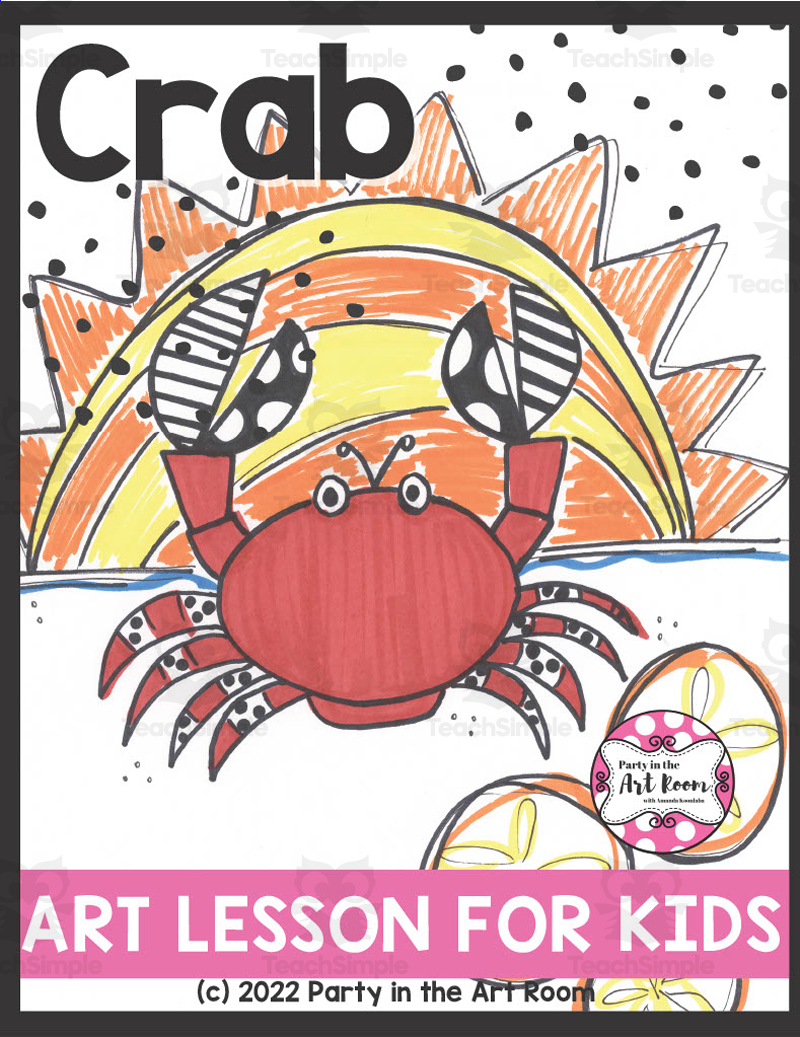
An art lesson using a dice-based drawing game to guide students through creating a crab illustration, paired with literacy and reflective writing tasks.
Full multi-component reading lesson plan for teaching the short story 'Cranes' by Hwang Sunwon, covering plot, characterization, and literary analysis.
A multi-part poetry unit combining a presentation on poetry concepts/types with an independent note-taking and poem-writing/sharing project for secondary ELA students.
Empower your students with the skills to analyze literature through engaging song analysis discussions, student activities, and presentations!
Creating and Managing a Writing Workshop: A Digital Guide for Dynamic Educators Creating and Managing a Writing Workshop is an innovative teaching resource catered to the needs of dynamic educators keen on refining their students' writing…
A mini-lesson/workshop teaching secondary students the 'show, don't tell' writing principle, using a slideshow contrasting telling sentences with showing paragraphs, then having students turn a randomly-drawn telling sentence into a descriptive showing paragraph.
A mini-lesson/workshop teaching secondary students how to write and punctuate dialogue effectively in narrative writing, using a slideshow, a topic-strip speaking activity, and a punctuation practice worksheet with answer key.
A mini-lesson/workshop teaching secondary students to identify and create literary 'voice' (diction, syntax, tone) through a poem-reconstruction group activity and an original-writing exercise.
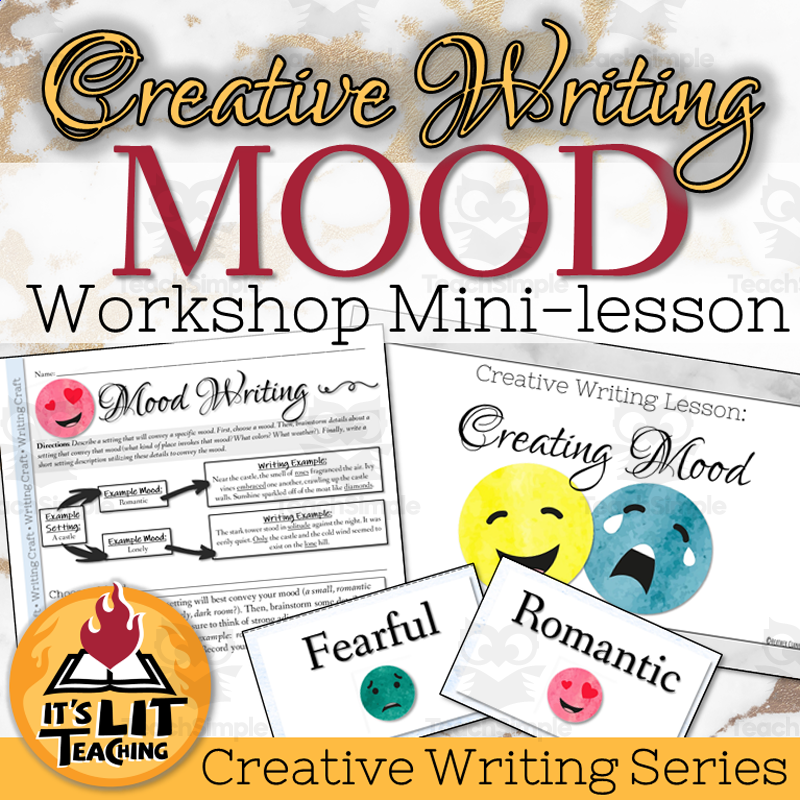
A mini-lesson/workshop teaching secondary students to identify and create mood in writing, using famous paintings as mood-analysis examples (as a whole-class lesson or gallery walk) and a setting-description writing activity.
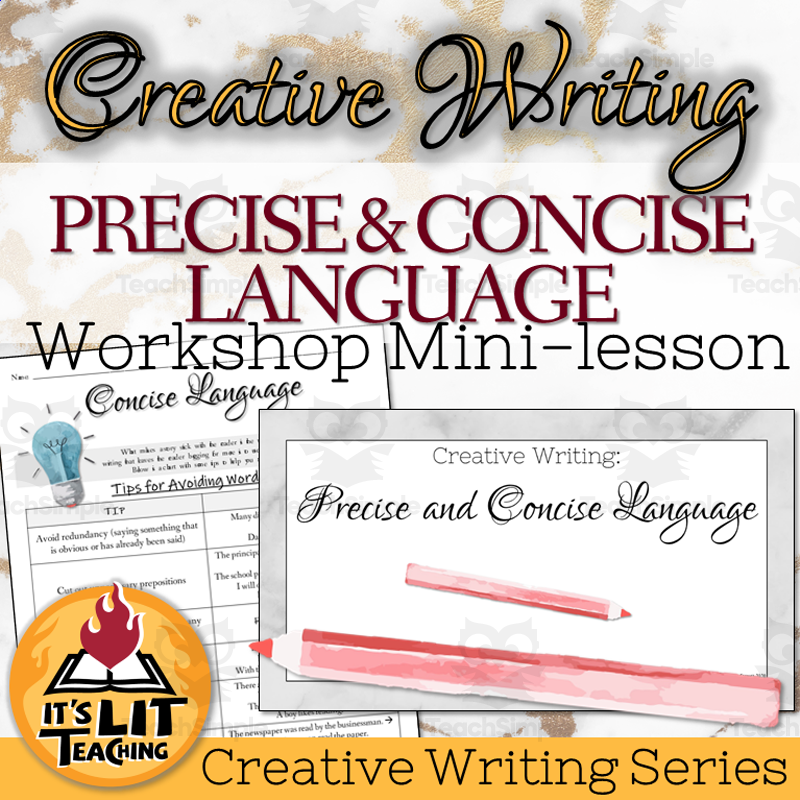
A mini-lesson/workshop teaching secondary students to write with more precise and concise language, using a slideshow of weak-vs-strong sentence examples, a reference handout, and a two-part worksheet with answer key.
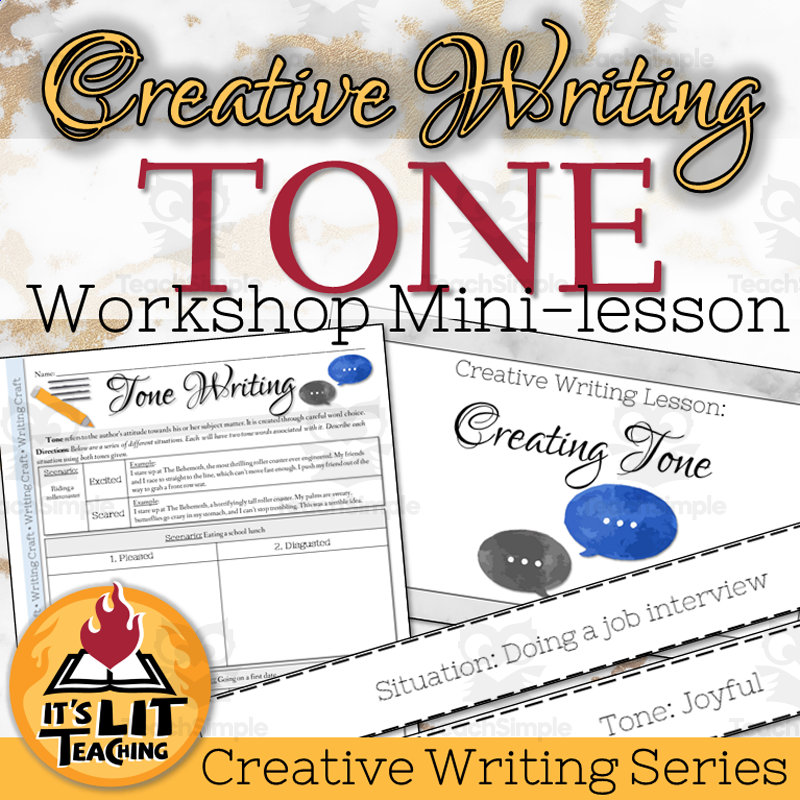
A mini-lesson/workshop teaching secondary students to identify, analyze, and create tone in writing, using a slideshow, guided practice with poems and Shakespearean sonnets, and a situation/tone-strip writing activity distinguishing tone from mood.
A digital PowerPoint book-study deck for a whole-class read-aloud of 'Creepy Carrots' by Aaron Reynolds, building reading comprehension and story-element skills.
A language-literacy book companion for 'Creepy Carrots' (Halloween/carrots theme), designed for speech therapy and emergent-literacy/AAC support during early elementary or special-education instruction.
A language-literacy book companion for 'Creepy Pair of Underwear!' (Halloween theme), designed for speech therapy and emergent-literacy/AAC support during early elementary or special-education instruction.
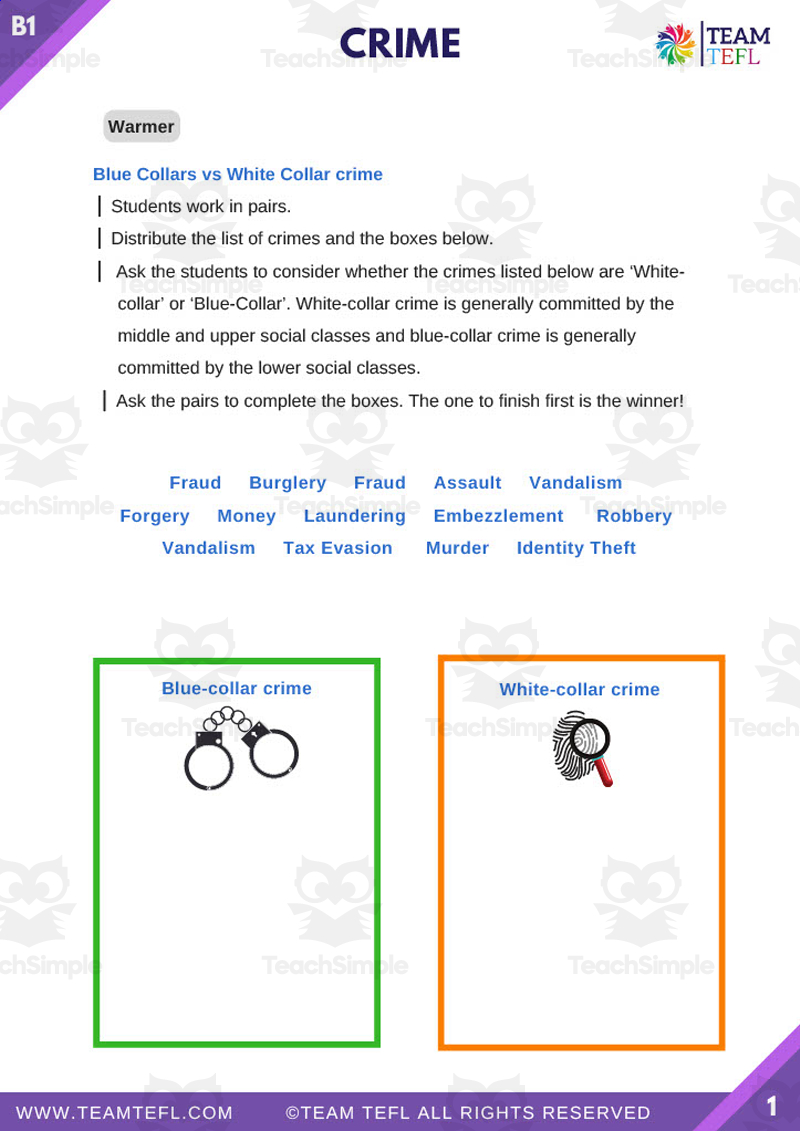
An intermediate (CEFR B1) ESL/EFL lesson plan teaching vocabulary and skills related to the topic of crime, through reading, listening, vocabulary, and speaking/roleplay activities.
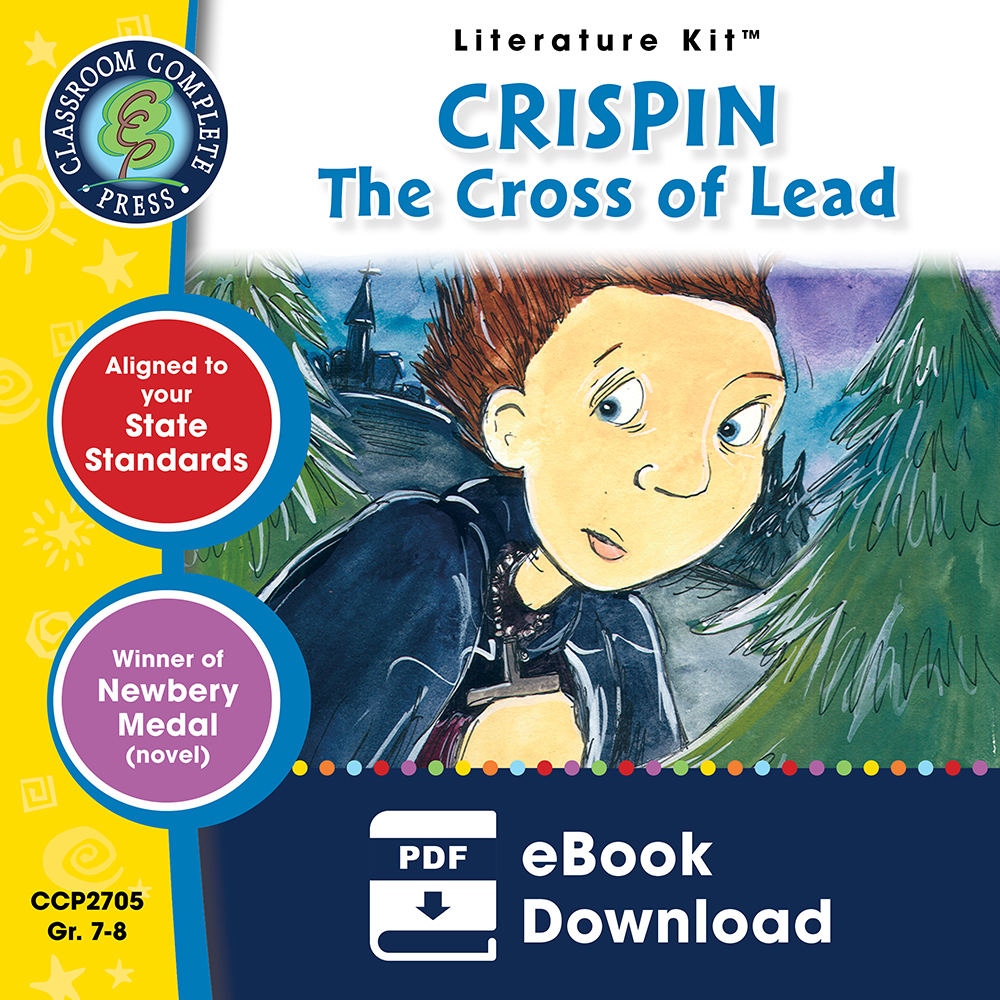
A comprehensive literature kit for teaching the novel 'Crispin: The Cross of Lead' by Avi, covering chapter comprehension, critical thinking, and writing skills.
Critical Thinking - Digital Lesson Plan Gr. 5-8 | PC Software This interactive software provides a comprehensive approach to enhance the critical thinking abilities of students in grade levels 5 through 8, guiding them on an enlightening…
A single-chapter 'slice' from the Classroom Complete Press book 'Critical Thinking' (CCP1118), focused on anticipating the consequences of actions or decisions, combining a reading passage, reproducible worksheets, and an answer key built around Bloom's Taxonomy.
Critical Thinking: Keys to Anticipating Consequences - FLASH-PC This program is a comprehensive teaching resource particularly tailored for educators working with students in grades 5 through 8.