



3,931 products added recently
Page 52 - ELA Lesson Plans
Elevate your ELA instruction with lesson plans that cover reading, writing, speaking, and listening skills. These resources provide diverse texts and engaging activities to improve literacy. Integrate these plans to enrich your language arts curriculum and support student achievement.

 Show filters


Guided Reading Level M - Shanghai (with Lesson Plan)
ELA, Resources for Teachers, Reading Comprehension, Reading, Science, Earth and Environmental Sciences, Economics, Social Studies, Geography, Language Development, Grade 2, 3, 4, Worksheets & Printables, Worksheets, Teacher Tools, Centers, Activities, Literacy Readers, Quizzes, Quizzes and Tests, Assessments, Lesson Plans
This Guided Reading Book - Shanghai (Level M) with lesson plan includes: Guided Reading Color Label (front cover x1) This is a quick way to match the book’s demands to what students can generally handle.. The overall goal is to use the level/color to pick books for several smaller groups. To qualify for a certain level, a student is expected to read a book from that level with about 90–94% accuracy. If a student is consistently accurate and understands, move up a level. If the student is struggling at that level, drop down and add more support. Each student will improve at completely different rates, but it is generally one of the best ways to check progress across the class. DOWNLOAD THE CATALOG TO VIEW ALL GUIDED READING BOOKS AVAILABLE (SORTED LEVELS A-Z) Pre-Reading Question (x1) Teacher asks the prompt aloud, can be while showing the cover or first page. Students share what they already know, or make educated guesses from the cover. Prompt them to use the target vocabulary. Write some of their responses on the board to look back at during the reading. Vocabulary Words (x5) Introduce the five words, best doing it one at a time. Start by saying it, while students repeat and then see if anyone knows what it means before reading further. Read through the meaning and try to briefly connect each word to a picture or gesture so it’s meaningful. Ask students to flip through the book pages and point to where they see each of the vocabulary words. While reading the book pause upon coming across one of the vocab words or read the sentence twice to make sure students understand the word has appeared. Optional: Ask students to raise hands whenever they see/hear one of the new words. Guided Reading Pages (x10) Check the book snapshot (below) for: primary topic - do you need to prep extra reading or intro materials on this? what is taught best - decide on 1-2 bullets to focus on, use the prompt or words provided here for best results. learning goals - what you are checking for students to be able to do after the session, elicit answers using prompts or words provided. key vocabulary (see section above). questions overview - so you know what is coming up and if you need to prep extra materials to assist understanding. Run the lesson You may have already looked at a few of the pages together, but you can show them some of the pictures again first to set meaning. Depending on how much time you have and how familiar your students are with guided reading class, you may want to read the book aloud first with the group first. Students whisper or partner read, while you listen in. If time, do it as a group, one student reading a page each. Use the guided page’s prompts to coach: “Check the picture / does it make sense?” “Point under the words / try the first sound” “Reread the sentence smoothly”. Try to focus more on one student per session (rotating every time), so you can work out if they are ready to move up or need to move down a level. Comprehension Questions (back cover x3) This is your way to check that students didn’t just say the words, but actually understood the text. First, let students answer by pointing to the page/picture and saying a short sentence. After any answer, follow with: “Show me where you found that in the text.” In bigger groups, have partners answer first (10–20 seconds), then call on 2–3 students to share. Differentiation tips: Emerging speakers/struggling readers: oral + pointing On-level: oral in a full sentence Higher: one written sentence or draw + label Book Snapshot Title: World Cities: Shanghai Genre: Nonfiction (informational text) Subject: Social Studies (Geography) Primary Topic: Shanghai’s location, waterways, and key city features Estimated Guided Reading Level (A–Z): M What This Book Teaches Best Explains where Shanghai is located and why its place near the Yangtze River Delta and the East China Sea matters. Describes how the Huangpu River functions as a major waterway and supports large ships year-round because the water never freezes. Compares two parts of the city along the river—Pudong’s modern skyline and Puxi’s historic area, including the Bund. Connects landforms to city development by explaining Shanghai’s flat, alluvial plain and limited land. Highlights how waterways and islands shape life and trade, including Suzhou Creek, Chongming Island habitats, and a deep-water port for global shipping. Learning Goals Identify Shanghai’s location on the eastern coast of China using details from the text. Explain why the Huangpu River is important for ships, based on the book’s description. Describe how Pudong and Puxi are different, using evidence from the text. Describe Shanghai’s landform (an alluvial plain) and tell what that means for mountains or hills in the main city area. Explain how islands and waterways support wildlife, neighborhoods, and trade in and around Shanghai. Describe Shanghai’s climate and seasons as stated in the book. Key Vocabulary From the Text vital — very important. waterway — a river or channel ships can travel on. district — a part of a city. alluvial — made from soil rivers leave behind over time. tributary — a smaller river or stream that flows into a larger river. Discussion Prompts Pre-reading question: What places in a city might be built near water, and why? Comprehension questions: Where does the text say Shanghai is located? Comprehension questions: What does the text say makes the Huangpu River important for large ships? Comprehension questions: What details does the book give about Shanghai’s climate and seasons? Printing Tips 1. Best Printing Method (Recommended) “Booklet” Printing (Best if Available) If your printer or PDF viewer supports Booklet Printing , use this. Settings to use: Print mode: Booklet Paper size: Letter or A4 (either works) Orientation: Landscape Print on both sides: Yes Flip on: Short edge Scaling: Fit to printable area Booklet subset: First test: Front sides only Then: Back sides only This will automatically: Pair pages correctly Put the cover on the outside Align everything for folding After printing, fold in half and staple along the spine . 2. If “Booklet” Printing Is NOT Available You can still print this correctly with manual duplex printing . Step-by-step: Open the PDF. Choose Print . Set: Orientation: Landscape Pages per sheet: 1 Print on both sides: Yes Flip on: Short edge Print all pages . Because each PDF page already contains two facing book pages, the result will still fold cleanly into a book. Thousands of Cored Education products are included with your TeachSimple membership. Download links and encyclopedia index available here.
Author Cored Education
Rating
Tags Reading Comprehension, Reading Passages, Reading, Guided Reading, Guided Reading Lesson Plan, Guided Reading Activity, Pre-reading, Social Studies Lesson Plans, Geography, Economics
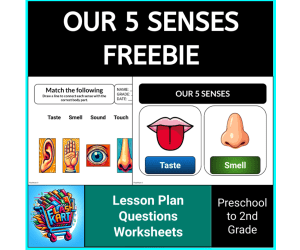
FREE: Our 5 Senses Lesson Plan & Conversation For Kindergarten & 1st
Montessori, Science, ESL, Language Development, ELA, Kindergarten, Grade 1, 2, Centers, Activities, Lesson Plans, Teacher Tools
Exploring Our Five Senses No-Prep Lesson Plan, Worksheets, Anchor Charts, & Conversation Cards Kindergarten to Grade 2 Make learning about the five senses simple, engaging, and stress-free with this no-prep Five Senses resource designed for Kindergarten to Grade 2 learners. Everything inside is ready to use - just print and teach. I created this resource to help young students explore how they use their senses to understand the world around them, while also encouraging discussion, observation, and language development. What’s inside? This Five Senses pack includes: A clear and easy to follow Five Senses lesson plan Printable worksheets for hands-on practice Anchor charts to support visual learning Conversation starter cards to encourage speaking and sharing ideas I have designed all the activities with young learners in mind and they work well for whole-group lessons, small groups, or independent practice. Resource features: No Prep - Print and use right away Visual & Interactive - Anchor charts, cards, and kid-friendly visuals may keep your students engaged for a long time Skill-Building - This resource supports observation skills, vocabulary, and oral language development Flexible - This resource is a great tool for classrooms, homeschool settings, or at-home practice How to use it? Introduce the Five Senses Start with the anchor charts and poem to help students understand each sense in a simple yet memorable way. Build Conversation Skills Use the conversation cards to encourage students to talk about their own experiences. The prompts inside help children express ideas, listen to others, and build confidence in English. This Five Senses resource is ideal for preschool, Montessori, kindergarten, first grade, and second grade classrooms. It’s a great addition to early science lessons, language development activities, and seasonal or thematic units. It is perfect for teachers and parents looking for an engaging, low-stress way to teach the five senses while encouraging curiosity, discussion, and real-world connections.
Author FlashKart
Rating
Tags Our 5 Senses, Sense Organs, Kindergarten, 1st Grade, 2nd Grade, Conversation, Esl, Efl, Science Lesson Plan, Centers

'Orion and the Dark' Lesson Plan & Worksheets | KG - Grade 8
ELA, Social Emotional Learning (SEL), Special Resources, Kindergarten, Grade 1, 2, 3, 4, 5, Lesson Plans, Teacher Tools, Worksheets & Printables
Orion and the Dark Movie Study | SEL, Emotional Learning, ELA, Science & Critical Thinking Activities | Grades K–8 Help students build confidence, understand emotions, and face fears with this engaging Orion and the Dark Movie Study ! Based on the heartwarming 2024 film, this resource combines social-emotional learning, literacy, science, math, and creativity into one meaningful learning experience. Students explore themes of courage, friendship, self-confidence, emotions, and resilience while completing 30 engaging activities that encourage reflection, discussion, and critical thinking. What's Included 30 student activities Printable student workbook Comprehensive teacher guide Complete answer key Reading comprehension questions Vocabulary development activities Character analysis tasks Feelings and emotions activities Social-emotional learning (SEL) lessons Day vs. night comparison activity Orion constellation activity Science of day and night lesson Data graphing and math activities Sleep and health connections Creative writing prompts Reflection and discussion activities Art and drawing projects Acrostic poetry activity Fear-management and coping strategy lessons Students will explore: Courage and bravery Facing fears Emotional awareness Friendship and empathy Self-confidence and resilience Healthy coping strategies Day and night science concepts Sleep and wellbeing Growth mindset Personal reflection and self-awareness How It Works in the Classroom This Orion and the Dark movie guide is designed for flexible classroom use and works well for: Social-Emotional Learning (SEL) lessons English Language Arts instruction Character education units School counseling activities Science lessons about day and night Independent work Homeschool learning Substitute plans Small-group discussions Cross-curricular learning Students complete activities before, during, and after viewing the film. Lessons include comprehension checks, character studies, feelings exploration, science connections, graphing activities, creative writing, discussion prompts, and reflection opportunities. The included teacher guide provides a complete 90-minute lesson plan with differentiation strategies for Kindergarten through Grade 8 learners. Standards & Learning Goals Students will: Recall and sequence key events from the film Analyze how Orion’s feelings change throughout the story Explore healthy ways to manage fears and worries Develop emotional awareness and self-reflection skills Strengthen reading comprehension and vocabulary Explain why we have day and night Interpret and create simple graphs Practice creative writing and artistic expression Identify positive coping strategies Build confidence and resilience through reflection Supports instruction in: Social-Emotional Learning (SEL) English Language Arts Science Mathematics Character Education Health & Wellbeing Creative Arts Critical Thinking Skills Why Teachers Love It ✅ No-prep printable resource ✅ Includes teacher guide and complete answer key ✅ Perfect blend of SEL and academic learning ✅ Encourages healthy conversations about fears and emotions ✅ Supports emotional regulation and confidence-building ✅ Integrates literacy, science, math, and creativity ✅ Flexible for multiple grade levels (K–8) ✅ Includes engaging hands-on and visual activities ✅ Encourages empathy, resilience, and self-awareness ✅ Makes movie-based learning meaningful and purposeful Teachers love how this resource transforms a popular family film into a powerful learning experience that helps students understand emotions, develop coping strategies, and build confidence. The combination of SEL, literacy, science, and creative activities makes it an excellent choice for classrooms, counseling programs, and homeschool settings. Add this Orion and the Dark Movie Study to your classroom today and help students build courage, resilience, emotional awareness, and confidence through engaging activities that turn movie day into a meaningful learning experience.
Author Bright Classroom Ideas Marketplace
Rating
Tags Orion And The Dark, Film, Movie, Guide, Lesson, Plan, Worksheet, Ela
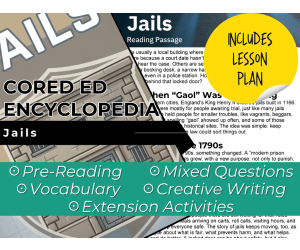
Jails Reading Comprehension Passage - Cored Ed Encyclopedia
ELA, Reading Comprehension, Reading, Pre-Reading, Language Development, Vocabulary, History, Social Studies, Law, Spelling, Grade 2, 3, 4, 5, Worksheets & Printables, Worksheets, Teacher Tools, Centers, Activities, Writing Prompts, Assessments, Quizzes and Tests, Quizzes, Lesson Plans
This Jails reading comprehension with lesson plan includes: Visualization (on the front cover) Start your lesson by taking a minute to think and share something about the topic. Read the script aloud (slowly), perhaps prepare some music or sound effects. Student close their eyes and let their imaginations wander. Students open their eyes, read the question aloud and give them a few minutes to complete. Ask a few students to share or keep answers until the end to compare with what they learn in the passage. Quick pause—thousands of Cored Education products are included with your TeachSimple membership. Download links and encyclopedia index available here. Pre-Reading Trivia Students will write down one thing they already know about the subject and then read five more facts and discuss. These facts are fun, and the students will enjoy learning about the subject before reading more. Give 1 minute for students to write what they already know (no pressure—best guess is fine). Read the five facts together. After each fact, do ask a student for their opinion, was it surprising? Set a purpose by asking students to highlight/underline one fact they want to learn more about during the reading. Reading Passage The text is a high-interest reading passage with set paragraphs, roughly three to four paragraphs long. It contains a variety of themes about the topic, anywhere from history to technology. The passage is between 250 and 350 words in length. First, ask students to look at the headings and see what they’ll learn about today. What do they know about the topic/heading? First read options: Teacher read-aloud (best for support). Partner reading (paragraph by paragraph). While reading, students underline important details, and vocabulary words they think may come up in the questions section. Mixed Questions The first question page contains four multiple-choice questions, each with a choice of four answers, and three written response questions that require a sentence or two from the student. Students complete the mcqs first independently, then review quickly as a class. For the 3 written responses, try to get students giving the answer with some form of evidence: “I think ___ because the text says ___.” If students get stuck, send them back to check the passage. Vocabulary Questions Practice seven key words from the text in this section across two activities. First section is scrambled words where students will unscramble three words given a clue for each. The second section is a word to meaning matching activity. Before starting, have some students read out words they underlined in the passage. Ask students to say the word and read aloud the sentence(s) around each word. Ask students to do scrambled words and the matching exercise in pairs then go through answers as a class. For the scrambled spelling task, get four pairs to come up to the board and write the words for extra practice with the other student reading out the clue. For the matching task, prompt students to give full sentences: “I matched ___ with ___ because ___.” Creative Writing In this question, the student will be required to write a five to eight sentence paragraph on a question related to the topic. Before starting, ask students write down 3 key ideas they are going to include in their piece. Ask students for ideas to share around the class to help those struggling. Pro writing expectations: 5–8 sentences At least 2 facts or details from the passage At least 2 vocabulary words from the previous page Students read their paragraphs while classmates listen for facts and vocabulary words. Extension Activities This page is optional for fast finishers or to take home. There are several activities, each one requiring a different skill. Do some, do none, do all, completely optional - but you will feel reassured knowing every possibility is planned for. Includes summary writting question and additional facts. Answer Key There are answers for the multiple-choice questions, written response questions have sample answers, vocabulary answers and if there is a summary question then a sample summary will be provided as well. Lesson Plan Included Customized lesson plan for this lesson is included. Lesson Snapshot Title: Jails Genre: Nonfiction (informational text) Subject: Social Studies (Civics) / Reading (Informational Text) Primary Topic: What jails are and how they differ from prisons Estimated Guided Reading Level (A–Z): S What This Lesson Teaches Best Explains what a jail is and why people may be there for a short time (waiting for a court date or serving short sentences). Uses history to show how jails were used long ago (England, 1166) and why the spelling “gaol” appeared. Clarifies the difference between “jail” and “prison” in formal American and Canadian English (pretrial custody/shorter sentences vs. longer sentences). Connects jails to community routines and civic values (rules, safety checks, fairness, harm prevention, justice). Builds understanding of how word choice and definitions matter when discussing systems and government roles (counties vs. state/federal). Learning Goals Describe what a jail is and give two reasons people may be held there. Explain how early jails in England were used and what “gaol” means in the passage. Explain what changed in the 1790s in the United States, according to the text. Compare a jail and a prison using details from the passage. Identify examples of routines and rules in jails and explain why they matter. Key Vocabulary From the Text booking — recording a new person in jail. cells — small rooms where people are held. trial — a court process to decide a case. convicted — found guilty of a crime. reform — help someone change for the better. FULL CATALOG OF DOWNLOAD LINKS AND ENCYCLOPEDIA INDEX HERE
Author Cored Education
Rating
Tags Vocabulary, Reading Comprehension, Reading Passages, Lesson Plans, Ela Lesson Plans, Reading Comprehension Lesson Plans, Pre-reading, Social Studies Lesson Plans, History, Jails

Indiana State Unit Study (Capital, Bird, Flower, Flag, Animal)
ELA, Social Studies, Reading, Reading Comprehension, Grammar, Language Development, Spelling, Writing, Research, Grade 2, 3, 4, Lesson Plans, Teacher Tools
Indiana State Unit Study An exceptional teaching resource designed for educators seeking a comprehensive yet relaxing introduction to the elements that make up the state of Indiana. This unit study is ideal for public school teachers and homeschoolers of grades 2 through 4 and is easily manageable over five days. Key Features Based around Five Major Symbols: Capital, Bird, Flower, Flag and Animal Diverse Learning Modes: Includes curated videos, reading passages, and research report pages Cross-curricular Activities: Integrated into daily lessons Literacy Skill Development: Focus on reading comprehension and writing skills Art Exploration: Drawing & crafts related to Indiana’s symbols. The unit study not only fosters understanding about geography by examining Indiana's unique place within America's Midwest region, but it also incorporates elements of social studies through historical lessons. Ease-of-Use Enhancements: Inclusive Teacher Instructions: Easily implemented as a full class project or in smaller groups also adaptable for rigorous homework assignments. Included Discussion Guides: Furnished with interactive notebook pieces related to each symbol being studied plus six information-rich symbol cards available in colordagger/black & white formats.p *Bonus* Mix-and-Match Research Report Pages : A set that helps students engage deeply with each topic similarly supplemented by coloring pages adding creativity within daily tasks balancing between critical thinking skills development alongside free-form design work. Your students will be fascinated as they traverse the engaging activities built around artistry crafts bolstering English language arts alongside social studies - making this unit study an indispensable teaching resource year-round or just for quick educational fun.
Author Heather Huhman
Tags Indiana State, Unit Study, Symbols, Cross-curricular, Art Activities, Indiana State Flower Coloring Page, What's Indiana's State Animal, Indianas State Animal, State Animal For Indiana, Indiana State Bird Coloring Page, Indianas State Bird, Indiana's State Bird, What Is Indiana State Animal, Indiana's State Animal
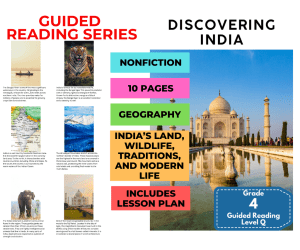
Discovering India: Guided Reading Level Q with Lesson Plan
ELA, Resources for Teachers, Reading Comprehension, Reading, Science, Geography, Social Studies, Technology, History, Life Sciences, Grade 3, 4, 5, Worksheets & Printables, Worksheets, Teacher Tools, Centers, Activities, Literacy Readers, Quizzes, Quizzes and Tests, Assessments, Lesson Plans
This Discovering India (level q) guided reading book with lesson plan includes: Guided Reading Color Label (front cover x1) This is a quick way to match the book’s demands to what students can generally handle.. The overall goal is to use the level/color to pick books for several smaller groups. To qualify for a certain level, a student is expected to read a book from that level with about 90–94% accuracy. If a student is consistently accurate and understands, move up a level. If the student is struggling at that level, drop down and add more support. Each student will improve at completely different rates, but it is generally one of the best ways to check progress across the class. DOWNLOAD THE CATALOG TO VIEW ALL GUIDED READING BOOKS AVAILABLE (SORTED LEVELS A-Z) Pre-Reading Question (x1) Teacher asks the prompt aloud, can be while showing the cover or first page. Students share what they already know, or make educated guesses from the cover. Prompt them to use the target vocabulary. Write some of their responses on the board to look back at during the reading. Vocabulary Words (x5) Introduce the five words, best doing it one at a time. Start by saying it, while students repeat and then see if anyone knows what it means before reading further. Read through the meaning and try to briefly connect each word to a picture or gesture so it’s meaningful. Ask students to flip through the book pages and point to where they see each of the vocabulary words. While reading the book pause upon coming across one of the vocab words or read the sentence twice to make sure students understand the word has appeared. Optional: Ask students to raise hands whenever they see/hear one of the new words. Guided Reading Pages (x10) Check the book snapshot (below) for: primary topic - do you need to prep extra reading or intro materials on this? what is taught best - decide on 1-2 bullets to focus on, use the prompt or words provided here for best results. learning goals - what you are checking for students to be able to do after the session, elicit answers using prompts or words provided. key vocabulary (see section above). questions overview - so you know what is coming up and if you need to prep extra materials to assist understanding. Run the lesson You may have already looked at a few of the pages together, but you can show them some of the pictures again first to set meaning. Depending on how much time you have and how familiar your students are with guided reading class, you may want to read the book aloud first with the group first. Students whisper or partner read, while you listen in. If time, do it as a group, one student reading a page each. Use the guided page’s prompts to coach: “Check the picture / does it make sense?” “Point under the words / try the first sound” “Reread the sentence smoothly”. Try to focus more on one student per session (rotating every time), so you can work out if they are ready to move up or need to move down a level. Comprehension Questions (back cover x3) This is your way to check that students didn’t just say the words, but actually understood the text. First, let students answer by pointing to the page/picture and saying a short sentence. After any answer, follow with: “Show me where you found that in the text.” In bigger groups, have partners answer first (10–20 seconds), then call on 2–3 students to share. Differentiation tips: Emerging speakers/struggling readers: oral + pointing On-level: oral in a full sentence Higher: one written sentence or draw + label Book Snapshot Title: Discovering India Genre: Nonfiction Subject: Social Studies (Geography/Culture) Primary Topic: India’s land, wildlife, traditions, and modern life Estimated Guided Reading Level (A–Z): Q What This Book Teaches Best Key geography facts about India’s location in Southern Asia, nearby borders, and surrounding waters. How landforms shape life in India, including the Himalayan Mountains and the Ganges River. Notable wildlife of India through examples like the Bengal tiger and the Indian elephant. Cultural traditions and everyday life, including spices used in meals and the celebration of Diwali. Modern India today, including transportation (auto-rickshaws) and major cities connected to technology and innovation. Learning Goals Students will describe where India is located and name details about its borders and southern waters. Students will explain how the Himalayan Mountains are described as protecting the inner plains. Students will explain why the Ganges River is important to people and farming in northern India. Students will describe key traits of the Bengal tiger and the Indian elephant using details from the text. Students will identify facts about the Taj Mahal, including where it is and features described in the book. Students will describe examples of Indian culture and modern life mentioned in the text (foods/spices, Diwali, transportation, cities). Key Vocabulary From the Text vast — very large in size. significant — very important. distinctive — easy to notice because it looks different. minarets — tall towers on a monument. diyas — small clay lamps used during Diwali. Discussion Prompts Pre-reading question: What are you hoping to learn about India as you read? Comprehension questions: What warm waters does the text say surround India to the south? Comprehension questions: According to the text, why is the Ganges River essential? Comprehension questions: What does the text say diyas symbolize during Diwali? Printing Tips 1. Best Printing Method (Recommended) “Booklet” Printing (Best if Available) If your printer or PDF viewer supports Booklet Printing , use this. Settings to use: Print mode: Booklet Paper size: Letter or A4 (either works) Orientation: Landscape Print on both sides: Yes Flip on: Short edge Scaling: Fit to printable area Booklet subset: First test: Front sides only Then: Back sides only This will automatically: Pair pages correctly Put the cover on the outside Align everything for folding After printing, fold in half and staple along the spine . 2. If “Booklet” Printing Is NOT Available You can still print this correctly with manual duplex printing . Step-by-step: Open the PDF. Choose Print . Set: Orientation: Landscape Pages per sheet: 1 Print on both sides: Yes Flip on: Short edge Print all pages . Because each PDF page already contains two facing book pages, the result will still fold cleanly into a book. Thousands of Cored Education products are included with your TeachSimple membership. Download links and encyclopedia index available here.
Author Cored Education
Rating
Tags Reading Comprehension, Reading Passages, Reading, Guided Reading, Guided Reading Lesson Plan, Guided Reading Activity, Pre-reading, Social Studies, Geography, History
Fiction Adventure Story Unit: Churchill Downs in Kentucky
ELA, Reading, Grade 5, 6, 7, Lesson Plans, Teacher Tools
This is a Fiction Adventure Story Unit : Churchill Downs in Kentucky. It is #3 of 50 in the Mission X series. This is the perfect cross-curricular resource that allows students to explore reading, vocabulary, social studies, and science all at once. This bundle is packed with worksheets and activities that could be developed into a 2 or 3 week long unit . Directions are included for preparation and implementation.
Author TrilogyTeacher
Tags Fiction Story, Short Stories, Churchill Downs, Kentucky, Vocabulary
What do Fish Have to do With Anything?: Full Lesson Plan w/ PowerPoints & Graphic Organizers
ELA, Literature, Grade 9, 10, 11, 12, Lesson Plans, Teacher Tools
What do Fish Have to do With Anything?: A Comprehensive High School ELA Lesson This 145-page teaching resource provides a complete lesson plan for the novel What do Fish Have to do With Anything? by Avi, allowing educators to immerse students in analyzing this literary work. Includes a 57-page lesson plan, worksheet, answer key, 15 graphic organizers, and 8 PowerPoints spanning topics like characterization, plot structure, theme interpretation, narrator and voice, symbolism and allegory. With various formats like PDFs and Word docs, this resource can be utilized for whole class instruction, small groups, independent practice and more to elevate high schoolers' critical thinking and literacy skills. The supplemental materials allow teachers to facilitate engaging discussion and activities to unlock the meaning and craft behind Avi’s book.
Author Quality Teaching Products
Tags Reading Lesson Plan, Short Story, Fiction, Text, Narrator Voice

2nd Grade Unit 3 Reading Street Stories Set
ELA, Reading, Grade 2, Lesson Plans, Teacher Tools
This resource is a 2nd Grade Unit 2 Reading Street Stories Set. The 5 stories are included - 3-4 pages long per story - for each week. All you have to do is print and go. High-frequency words are included at the bottom. You can print these and place them in students' homework folders.
Author Sarah Sorensen
Tags Reading Street, Short Stories, Curriculum, Literacy Centers, George Washington Carver, Reading Street 2nd Grade

Civics and Government 4th Grade (15 Day) Unit
Social Studies, ELA, Government, Reading, Writing, Common Core, Grade 3, Lesson Plans, Teacher Tools
Are you introducing 4th graders to the concept of government and its role in our states? Through engaging activities, students will explore the differences among national, state, and local and state governments, understand the importance of laws and justice, and learn how governments function to serve the people. This 15 day unit includes day by day planning with suggested activities for differentiation. Typically used in a high ability classroom, it is appropriate for all students. Teaching methods used: Simulation, foldables, Nonfiction research, graphic organizers, group work, individual work, (suggested) guest speakers, and traditional assessment Unit includes: Alignment page showing 4th grade social studies state standards, Common Core Reading and Writing standards, and National Council of Social Studies Themes 15 day lesson plan broken into standard, reading/information source, and activities Vocabulary journal + answer key Foldable activity for three branches of government Individual Rights in Action choice project Mock election simulation Sequencing activity for election process 6 nonfiction reading passages (+ answer keys) How a Bill Becomes a Law Simulation (all three branches of government represented, based off of picture book Click, Clack, Moo by Doreen Cronin) Rubrics for all projects and answer keys where applicable Traditional vocabulary quiz List of possible guest speakers Government focus: Since fourth grade is more state based, the content and projects focus mainly on state government. The branches of government and responsibilities of important people within the government include national organizations and expectations (i.e.: President, Congress, and Supreme Court). If it is an election year, the election activity can easily be adjusted to "Elect a President" instead of making a decision about what to vote about within their school. I also recommend extending this simulation, instead of passing a bill into a law. You will want to look up a kid/student friendly version of your state's constitution to help you in some activities, or transition to U.S. Constitution Bill of Rights. Tags: government, elections, legislative, executive, judicial, state and local government, citizen, how a bill becomes a law, national government, governor File Type: PDF (not editable) Number of Pages: 65 (including curriculum plan and answer keys) Grade: 4 - depending on state standards, may overlap with second or fourth grade government content
Author Kel's Klass
Tags Government, Elections, Legislative, Executive, Judicial, State And Local Government, Citizen, How A Bill Becomes A Law, National Government, Governor
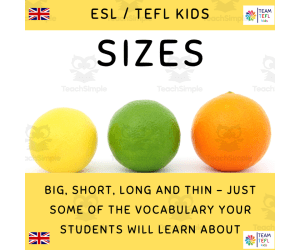
Sizes ESL Lesson Plan For Kids and Early Learners
ELA, Language Development, ESL, Not Grade Specific, Teacher Tools, Lesson Plans
Kids ESL lesson plan about Sizes. In this unit we learn to describe and compare the different sizes of certain objects and animals. Your beginner and early level students will love this creative and fun resource. This lesson plan is no.18 of the TEAM TEFL First 25 ESL Lesson Plans For Kids. This lesson plan is available in PDF. The PDF is separated into two parts - teachers notes and worksheets. Your students only require a copy of the worksheets. The teachers notes include the answers. This lesson plan is suitable for ESL students from 3 to 14 years and should take around 1 hour.
Author TEAM TEFL
Tags Esl, Esl Kids, Esl Lesson Plans, Tefl Kids, Sizes Vocabulary, Plan Sizes
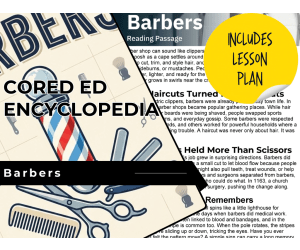
Barbers Reading Comprehension Passage - Cored Ed Encyclopedia
ELA, Language Development, Reading Comprehension, Reading, Social Studies, Writing, Vocabulary, History, Pre-Reading, Spelling, Grade 2, 3, 4, 5, Worksheets & Printables, Worksheets, Teacher Tools, Centers, Activities, Writing Prompts, Assessments, Quizzes and Tests, Quizzes, Lesson Plans
This barbers reading comprehension with lesson plan includes: Visualization (on the front cover) Start your lesson by taking a minute to think and share something about the topic. Read the script aloud (slowly), perhaps prepare some music or sound effects. Student close their eyes and let their imaginations wander. Students open their eyes, read the question aloud and give them a few minutes to complete. Ask a few students to share or keep answers until the end to compare with what they learn in the passage. Quick pause—thousands of Cored Education products are included with your TeachSimple membership. Download links and encyclopedia index available here. Pre-Reading Trivia Students will write down one thing they already know about the subject and then read five more facts and discuss. These facts are fun, and the students will enjoy learning about the subject before reading more. Give 1 minute for students to write what they already know (no pressure—best guess is fine). Read the five facts together. After each fact, do ask a student for their opinion, was it surprising? Set a purpose by asking students to highlight/underline one fact they want to learn more about during the reading. Reading Passage The text is a high-interest reading passage with set paragraphs, roughly three to four paragraphs long. It contains a variety of themes about the topic, anywhere from history to technology. The passage is between 250 and 350 words in length. First, ask students to look at the headings and see what they’ll learn about today. What do they know about the topic/heading? First read options: Teacher read-aloud (best for support). Partner reading (paragraph by paragraph). While reading, students underline important details, and vocabulary words they think may come up in the questions section. Mixed Questions The first question page contains four multiple-choice questions, each with a choice of four answers, and three written response questions that require a sentence or two from the student. Students complete the mcqs first independently, then review quickly as a class. For the 3 written responses, try to get students giving the answer with some form of evidence: “I think ___ because the text says ___.” If students get stuck, send them back to check the passage. Vocabulary Questions Practice seven key words from the text in this section across two activities. First section is scrambled words where students will unscramble three words given a clue for each. The second section is a word to meaning matching activity. Before starting, have some students read out words they underlined in the passage. Ask students to say the word and read aloud the sentence(s) around each word. Ask students to do scrambled words and the matching exercise in pairs then go through answers as a class. For the scrambled spelling task, get four pairs to come up to the board and write the words for extra practice with the other student reading out the clue. For the matching task, prompt students to give full sentences: “I matched ___ with ___ because ___.” Creative Writing In this question, the student will be required to write a five to eight sentence paragraph on a question related to the topic. Before starting, ask students write down 3 key ideas they are going to include in their piece. Ask students for ideas to share around the class to help those struggling. Pro writing expectations: 5–8 sentences At least 2 facts or details from the passage At least 2 vocabulary words from the previous page Students read their paragraphs while classmates listen for facts and vocabulary words. Extension Activities This page is optional for fast finishers or to take home. There are several activities, each one requiring a different skill. Do some, do none, do all, completely optional - but you will feel reassured knowing every possibility is planned for. Includes summary writting question and additional facts. Answer Key There are answers for the multiple-choice questions, written response questions have sample answers, vocabulary answers and if there is a summary question then a sample summary will be provided as well. Lesson Plan Included Customized lesson plan for this lesson is included. Lesson Snapshot Title: Barbers Genre: Nonfiction (informational passage) Subject: Social Studies / Careers & Community Primary Topic: What barbers do and how barbering changed over time Estimated Guided Reading Level (A–Z): S Support pages noted in the PDF: visualize prompt, pre-reading trivia, mixed questions, vocabulary activity, creative writing prompt, extension activities + “final facts,” and an answer key. What This Lesson Teaches Best What barbers do: cut, trim, and style hair, and often shave or shape facial hair. How places like barber shops can be about community (talking and sharing news) as well as haircuts. How a job can change over time, including barbers doing medical tasks in the Middle Ages and later separating from doctors and surgeons. How symbols communicate meaning: the spinning striped barber pole connects to earlier work (red/white linked to blood and bandages; a blue stripe is common in the United States). Reading for precise details (e.g., hair “swirls” near the crown; how rotating stripes create an illusion). Learning Goals Students will identify at least two services the passage says many barbers provide. Students will explain why barber shops became popular gathering places in Greece, using details from the text. Students will describe how the barber’s job “grew in surprising directions” during the Middle Ages, based on the passage. Students will describe what “bloodletting” means in the passage. Students will explain what the red and white stripes on a barber pole are often linked to and how the spinning pole can trick the eyes. Students will describe how the passage connects a simple shop sign to a long history (“a simple sign can carry a long memory”). Key Vocabulary From the Text clippers — electric tools that cut hair. mustaches — hair above the upper lip. swirls — curved patterns that twist around. bloodletting — making a small cut to let blood flow. bandages — cloth used to cover a wound. FULL CATALOG OF DOWNLOAD LINKS AND ENCYCLOPEDIA INDEX HERE
Author Cored Education
Rating
Tags Vocabulary, Reading Comprehension, Reading Passages, Lesson Plans, Ela Lesson Plans, Reading Comprehension Lesson Plans, Pre-reading, History, History Lesson Plans, Social Studies Lesson Plans

How to Write a Paragraph: Proofreading Practice
ELA, Writing, Common Core, Grade 5, 6, 7, 8, Teacher Tools, Lesson Plans
How to Write a Paragraph: Proofreading Practice This valuable teaching resource is perfect for improving your students' paragraph writing skills. It's designed specifically for grades 5-8, focusing particularly on language arts and, more specifically, writing. Navigating Writing Writing structured sentences and paragraphs can be tricky. This workbook simplifies the process by logically guiding students through prewriting activities using various graphic organizers. Unique Features: The book thoroughly discusses four basic types of paragraph forms, offering an advanced learning experience. The learning objectives are created based on Bloom’s Taxonomy framework - aligning with high educational standards. This book can be incorporated into your current reading curriculum or used as a standalone educational activity . Different Implementation Methods: Incorporation in whole classroom instruction Distribution during small group discussions Included Extras: Student assessment rubrics Cognitive stimulating word puzzles These additional materials help assess progress and keep activities fun and engaging! A Highlight to Remember The significant feature of this toolkit is its six vibrant graphic organizers. These visuals make concepts easier to understand before transitioning into the writing practice module - proofreading practice chapter! Much More than Common Core... All elements contribute to a seamless pedagogical landscape that not only corresponds with Common Core State Standards but also proficiently incorporates Bloom's Taxonomy! This tool surpasses conventional expectations in education. Designed thoughtfully, it illustrates every young learner's inherent potential as they embark on their literary journey. With this toolkit in your teaching arsenal, you open a world of possibility in the classroom. So gear up and watch as your students begin to master paragraph writing through proofreading practice!
Author Classroom Complete Press
Tags PDF

A Weekend in Paris Short Story | Advanced Lesson Plan
ELA, Reading, Not Grade Specific, Teacher Tools, Lesson Plans
This is an advanced lesson plan worksheet set for A Weekend in Paris short story. Students will read the passage and then complete the exercises to follow, which will assess their comprehension and implement grammar skills. This resource can also be accessed through Google Apps. Answer key included.
Author TEAM TEFL
Tags True Or False, Travel, Paris, Comprehension, ESL
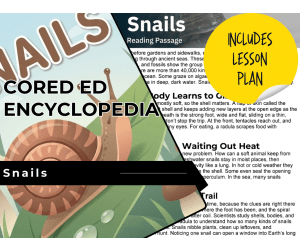
Snails Reading Comprehension Passage - Cored Ed Encyclopedia
ELA, Language Development, Reading Comprehension, Reading, Pre-Reading, Writing, Science, Animals, Life Sciences, Strategies, Grade 2, 3, 4, 5, Worksheets & Printables, Worksheets, Teacher Tools, Centers, Activities, Writing Prompts, Assessments, Quizzes and Tests, Quizzes, Lesson Plans
This snails reading comprehension includes: Visualization (on the front cover) Start your lesson by taking a minute to think and share something about the topic. Read the script aloud (slowly), perhaps prepare some music or sound effects. Student close their eyes and let their imaginations wander. Students open their eyes, read the question aloud and give them a few minutes to complete. Ask a few students to share or keep answers until the end to compare with what they learn in the passage. Quick pause—thousands of Cored Education products are included with your TeachSimple membership. Download links and encyclopedia index available here. Pre-Reading Trivia Students will write down one thing they already know about the subject and then read five more facts and discuss. These facts are fun, and the students will enjoy learning about the subject before reading more. Give 1 minute for students to write what they already know (no pressure—best guess is fine). Read the five facts together. After each fact, do ask a student for their opinion, was it surprising? Set a purpose by asking students to highlight/underline one fact they want to learn more about during the reading. Reading Passage The text is a high-interest reading passage with set paragraphs, roughly three to four paragraphs long. It contains a variety of themes about the topic, anywhere from history to technology. The passage is between 250 and 350 words in length. First, ask students to look at the headings and see what they’ll learn about today. What do they know about the topic/heading? First read options: Teacher read-aloud (best for support). Partner reading (paragraph by paragraph). While reading, students underline important details, and vocabulary words they think may come up in the questions section. Mixed Questions The first question page contains four multiple-choice questions, each with a choice of four answers, and three written response questions that require a sentence or two from the student. Students complete the mcqs first independently, then review quickly as a class. For the 3 written responses, try to get students giving the answer with some form of evidence: “I think ___ because the text says ___.” If students get stuck, send them back to check the passage. Vocabulary Questions Practice seven key words from the text in this section across two activities. First section is scrambled words where students will unscramble three words given a clue for each. The second section is a word to meaning matching activity. Before starting, have some students read out words they underlined in the passage. Ask students to say the word and read aloud the sentence(s) around each word. Ask students to do scrambled words and the matching exercise in pairs then go through answers as a class. For the scrambled spelling task, get four pairs to come up to the board and write the words for extra practice with the other student reading out the clue. For the matching task, prompt students to give full sentences: “I matched ___ with ___ because ___.” Creative Writing In this question, the student will be required to write a five to eight sentence paragraph on a question related to the topic. Before starting, ask students write down 3 key ideas they are going to include in their piece. Ask students for ideas to share around the class to help those struggling. Pro writing expectations: 5–8 sentences At least 2 facts or details from the passage At least 2 vocabulary words from the previous page Students read their paragraphs while classmates listen for facts and vocabulary words. Extension Activities This page is optional for fast finishers or to take home. There are several activities, each one requiring a different skill. Do some, do none, do all, completely optional - but you will feel reassured knowing every possibility is planned for. Includes summary writting question. Answer Key There are answers for the multiple-choice questions, written response questions have sample answers, vocabulary answers and if there is a summary question then a sample summary will be provided as well. Lesson Plan Included Customized lesson plan for this lesson is included. Lesson Snapshot Title: Snails Genre: Nonfiction (informational text with support pages) Subject: Science (Life Science) Primary Topic: Snail traits, habitats, and how they survive Estimated Guided Reading Level (A–Z): S What This Lesson Teaches Best What snails are (gastropods, “belly-footed” mollusks) and how they move using a strong foot on the bottom of their bodies. How snail body parts work, including the mantle making the shell, tentacles with tiny eyes, and a radula that scrapes food with many tiny teeth. How snails live in many habitats (mostly ocean; also land and freshwater), including near shore, on reefs, and in deep, dark water. How snails stay safe and survive tough conditions by pulling into their shell, becoming dormant, and sometimes sealing the opening with mucus or an operculum. How scientists use evidence (shell growth spirals and silvery trails) to study snails and understand how they live in so many places. Learning Goals Explain what “gastropods” means and how snails move using a strong foot. Describe how a snail’s mantle helps make and grow its shell. Identify what a radula is and how it helps a snail eat. Describe how land and freshwater snails avoid drying out and handle hot or cold weather. Use details from the passage to describe where snails live (near shore, reefs, deep water, and moist land places). Key Vocabulary From the Text gastropods — “belly-footed” animals that move using a strong foot. mantle — a flap of skin that makes the shell. radula — a scraper with many tiny teeth for eating. dormant — resting and not active for a while. operculum — a little door that can seal a shell opening. FULL CATALOG OF DOWNLOAD LINKS AND ENCYCLOPEDIA INDEX HERE
Author Cored Education
Rating
Tags Vocabulary, Reading Comprehension, Reading Passages, Reading, Creative Writing, Reading Strategies, Writing Prompts, Lesson Plans, Snails, Life Science
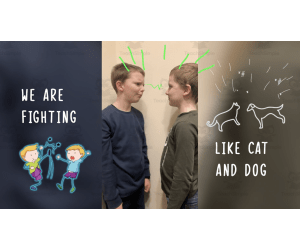
Friends | English Conversations Video Lesson
ELA, Language Development, ESL, Not Grade Specific, Lesson Plans, Teacher Tools
Friends | English Conversations Video Lesson The Friends | English Conversations Video Lesson is an engaging teaching resource offered in a multi-device compatible MP4 file. It primarily focuses on the subject of Language Arts, with specific emphasis on teaching English as a Second Language (ESL). The lesson has been designed to cater to students of varied grade levels and learning capabilities, with its chief theme being friends. This 6-minute animated video lesson enhances students' awareness and comprehension of English conversations pertaining to friendship. Through numerous dialogue scenarios involving friends, the video encourages student interaction while elucidating various aspects associated with friendships. Ideal for Multiple Learning Contexts: Despite its short duration, this dynamic resource can be employed in diverse educational contexts - be it for concerted whole-group learning or smaller study groups that foster discussions or even individual assignments ideal for remote learning frameworks. Cultural Bridge: This innovative teaching aid also assists in bridging cultural gaps by delivering resources specifically curated for ESL learners aiming at enhancing their spoken language performance within real-life contexts like friendship networks. Fosters Daily Application: Incorporating such animated video lessons not only educate about friends but also transforms students into proficient speakers by equipping them with useful vocabulary and sentence structures applicable both in school surroundings as well as within their local communities. In conclusion, the Friends | English Conversations Video Lesson offers effective and substantial content revolving around layered curricular activities particularly planned towards carving out an improved language development journey exclusively designed keeping ESL learners across all grades in mind.
Author Educational Voice
Tags English Conversations, ESL, Friendship, Vocabulary, Speaking Skills

"Flat Stanley: The Great Egyptian Grave Robbery" Book Unit
ELA, Literature, Grade 2, 3, 4, Lesson Plans, Teacher Tools
This is a novel study unit for Flat Stanley’s Worldwide Adventures. It is for Book #2: The Great Egyptian Grave Robbery. This Book Unit Includes: 9 Chapters: 1-15 Comprehension and Vocabulary Items Work Sheets! 9 Spelling Pattern Word Activity Pages! 9 Mystery Match Context Clues Vocabulary Practice Cards Activities! 9 Context Clues Fill-In-The Blank Vocabulary Tests! 9 Drawing/Coloring Theme Poster Pages! 7 Five Point Multiple Choice CCSS Exit Quizzes (1 for each chapter except chapters 2 & 7)! A Final 20 Multiple Choice Test! Answer Keys to ALL Assessments! 1 Engaging Writing Prompt to End Unit! A Student Reading Reference Page! A Fun 10-Point Egyptologist Historical Scavenger Hunt! The key standards that are covered include: Central Message or Theme; Engaged Discussions; Main or Central Idea; Meanings of Unknown Words Using Context Clues; Figurative Language using similar words; Finding Evidence; comprehension; using illustrations for context; Spelling; Compound Words; Homophones; Infer; And More! There is a comprehensive set of teacher instructions that will serve as a great guide to you. The teacher instructions will tell you more about the “Souvenir Walking Tour.” It is an engaged activity that works well in my teaching to get them up and moving and motivated to begin the lesson or anytime during the lesson or day. Once the kids have answered any of the discussion questions, one or the whole worksheet, you will announce “Souvenir Walking Tour.” It will also provide you with different ways to utilize my assessment unit and a breakdown of the chapter quizzes. There will also be a reading reference page just for students!
Author TrilogyTeacher
Tags Book Companion, Flat Stanley, Compound Words, Reading Comprehension, Chapter Quiz, Main Idea, Vocabulary, Literary Devices, Spelling Patterns

"The Lord of the Rings" and J.R.R Tolkien Activity for ESL-EFL-TESOL
ELA, Language Development, ESL, Writing, Creative Writing, Vocabulary, Grade 8, 9, 10, 11, 12, Teacher Tools, Lesson Plans
Brand New ESL EFL TESOL TEFL Intermediate Advanced Activity Lesson Plan on "The Lord of the Rings" and J.R.R Tolkien This Amazing Nerdy ESL EFL TESOL, TEFL PDF Lord of the Rings Activity is Great to stimulate English Learning within English Second Language Students. Potential Learners for this English as a Second Language Activity are High Schoolers (teens) and Higher Education students too. This ESL, EFL, TESOL, TEFL Teaching Product can also be nice for ESL Centers Around the world and Nerdy ESL, EFL, TESOL, TEFL Tutors or private teachers Abroad (be it online and be it offline). This Nerdy Stimulating PDF ESL, EFL, TESOL, TEFL Lesson Plan (16 pages/slides) includes: a brief Introduction to the Lord of the Rings and Tolkien one Listening activity (with answer Keys, last slide) with QR Code-Linked YouTube Video on J.R.R Tolkien's Life 5 Lord of the Rings and The Hobbit Film adaptation Scenes for ESL, EFL Picture Description one Writing Activity: Description of a personalized Lotr Character PS: some knowledge on the "Lord of the Rings" Universe could be helpful but is not fully necessary This ESL, EFL, TESOL Teaching Resource (lesson plan) is great for Intermediate Advanced English as a second language learners. It aims to make students improve their Description Skills ESL with Alan is a Brand New ESL, EFL, TESOL Store that aims to help English as a Second Language Teachers, Educators and Tutors (be it online or offline) to achieve their teaching objectives while creating a fun and stimulating environment. Never Forget! Learning is fun, So should English! If you want to browse more of my PDF ESL, EFL, TESOL Teaching Resources, click here ESL with Alan! This PDF Resource can also be great for adult and Higher education ESL, EFL, TESOL Classes!
Author Learning with Alan
Tags ESL, EFL, TESOL, TEFL, Lord Of The Rings, Nerd, Teens, Writing, Picture Description, Lesson Plan

Phonic Worksheets for Early Years/Intervention - Growing Bundle
Special Resources, ELA, Special Education Needs (SEN), Language Development, Pre-Reading, Phonics, Reading, Spelling, Kindergarten, Preschool, Grade 1, 2, Teacher Tools, Lesson Plans, Worksheets & Printables, Worksheets, Activities, Games
This is a pack of Bumper Pack of 14 (to date) books of phonic worksheets for the digraphs: L blends, CK, SH, CH, TH, OO, EE, OR, AR, A-E, I-E, O-E, U-E, AI and EA especially designed for those with special needs, including those with dyslexia or who may be suspected of being dyslexic but will work equally well with young learners in Kindergarten/EYFS/Y1. These sheets are LETRS and UK GOV requirements aligned. These worksheets also align with the most popular phonic programmes, including RWI and Letters and Sounds. What is included? PDF's of worksheets each covering the sounds: L Blends. CK, SH, CH, TH, OO, EE, OR, AR, A-E, I-E, O-E, U-E, AI and EA, all following my special method devised as I privately tutor children of all ages with profound special needs. Over 180+ Worksheets: Your phonics lessons covered! Tracking, fluency triangles, spelling, reading, games, comprehension exercises....and more! Some sounds contain print-and-go games to make learning fun. AR and A-E each contain a board game. Who are these worksheets for? I have written them for pupils who struggle with processing information - especially sounds. This includes children who are DYSLEXIC or have ANY other kind of processing disorder. Such children may have failed with other methods of teaching phonics. Such pupils need activities that: ·are highly structured - one tiny step at a time building on the one before using only a limited number of words to start with and only using words that the child has already learnt to sound out, with no nasty surprises. ·Have only a little on each pageas these pupils tire easily. What makes these worksheets special? I have a powerful three-step process which I use with my special needs pupils, which is worked out over the course of the 12 worksheets: 1. See it!where we focus on becoming aware of the new sound in words. This involves first hearing the new sound in words and then seeing it in words (tracking). 2. Sound-it-out!Having learnt to see the new sound in words, we learn to sound out these words to read and write them. We begin by usingsound-it-out boxesfor reading and spelling which help the child to segment the word prior to blending the sounds together. Once the child can read and write individual words, we work on fluency by building familiarity with the common words in the new sound family. Once the child can sound the words out to read and spell confidently, we move on to recognising them/using them in longer reading and dictation passages, as soon as the child is able. I provide 2 reading passages with comprehension exercises and one dictation passage, with a page in the workbook dedicated to it, with room for a picture, which again cements understanding. 3. Write it! Incorporated into the above two steps, we constantly write the new sound. This adds a multi-sensory dimension to our work - we see with our eyes, we sound it with our mouth parts and voice, and then we move by writing. All three steps work together to help the child feel in control of his/her learning and to become a successful, confident learner. We finish each sound (except the Consonant L-Blends) with a dictation which culminates our work before we move on to the next sound. I try to give this a week after we finish the book, to act as revision. The dictation: Read this passage to your pupil, who should write it. Have the child read his/her work and check for errors. Make sure the writing is completely accurate before saying the child has finished, including full stops and capital letters correctly used. Flashcards are included in most books. Phonic Games are also included for AR and A-E to make learning more fun! What is included? 10 PDFs totalling 150 + worksheets each covering the sounds: CK, SH, CH, TH, OO, EE, OR, AR, A-E, I-E, O-E, U-E, AI and EA, 2 PDF games for AR and A-E in full colour and black and white
Author Lilibette's Resources
Tags Phonic Worksheets, Phonic Games, Speical Needs, Special Needs, Ee Phonics, Or Phonics, Ar Phonics, A-e Phonics, Split Digraph Phonics

Animals at Work: Emergency Lesson Plan
ELA, Reading, Grade 3, 4, Teacher Tools, Lesson Plans
Animals at Work: Emergency Lesson Plan An invaluable teaching resource designed specifically to intrigue young learners in third and fourth grades. With primary focus on the Language Arts curriculum, notably reading, this lesson plan stylishly integrates stories of animals assisting humans. Nonfiction Articles The package comprises of comprehensive nonfiction articles presenting fascinating instances such as: Teams involving humans and monkeys The critical service guide dogs provide to their human partners Educational Worksheets Incorporating what they've learned through reading, students can work on thoughtfully prepared worksheets offering an opportunity for formative assessment . These tools could be integrated conveniently into whole group instruction or small group activities depending on classroom dynamics. "In case Of Emergency" Extension Activities Included within the package are extension activities that serve as reliable standbys during unexpected moments like last-minute schedule changes. Whether it's a sudden school assembly or health emergencies that prevent you from thorough lesson planning - these resources got you covered! Note: This comprehensive lesson plan is available in an easily accessible PDF format. Closing Remarks..... Seamlessly fitting into any existing curriculum structure, -Animal at Work: Emergency Lesson Plan' comes across as a top-notch educational tool reinforcing student understanding of human-animal symbiotic relationships driving conservation efforts further. Irrespective if it's serving as a standby plan due to unforeseen situations or supplementing regular programming, An Animal at Work: Emergency Lesson Plan guarantees full student engagement optimizing success in tackling Language Art objectives innovatively.
Author Classroom Complete Press
Tags PDF

Paws, Claws, and Whiskers: All About Conservation (Essay Writing)
ELA, Writing, Common Core, Grade 6, 7, 8, Teacher Tools, Lesson Plans
Paws, Claws, and Whiskers: All About Conservation (Essay Writing) Grade: 6-8 Format: PDF Lesson Plan Title: Paws, Claws, and Whiskers - All About Conservation A 36-page teaching resource designed for guiding middle school students in language arts with Emphasis on essay writing. The activity focuses on the environment and conservation awareness. Main Features The educational content aligns with the2014 National Curriculum of England Suitability for Common Core State Standards(American curriculum) is highlighted where applicable. This resource comes packed with many supportive elements such as: Graphic Organizers:To simplify information processing. Inclusive Resources: Crafted specifically to aid lower ability levels ensuring no student is left behind. The package further includes: Evaluation tools like lesson plans and rubrics to easily keep track of students' progress. Lastly the deal doesn't end here! Add-on feature : Digital file links which allow users to edit before employing files further. This also eases sharing across digital platforms facilitating distant learning significantly in hybrid education scenarios of today's times. The comprehensive multi-purpose tool can be used for a variety of tasks including: -Whole group activities -Small group tasks -Intriguing Homework assignments amid regular coursework Foster eloquence among your budding writers while contributing thoughtfully towards pressing environmental issues via this elaborate teaching tool!
Author Connecting Curriculum
Tags Conservation Education, Essay Writing, Environment Awareness, Graphic Organizers, Evaluation

Horses Reading Comprehension Passage - Cored Ed Encyclopedia
ELA, Reading Comprehension, Reading, Pre-Reading, Language Development, History, Social Studies, Geography, Life Sciences, Science, Grade 2, 3, 4, 5, Worksheets & Printables, Worksheets, Teacher Tools, Centers, Activities, Writing Prompts, Assessments, Quizzes and Tests, Quizzes, Lesson Plans
This horses reading comprehension with lesson plan includes: Visualization (on the front cover) Start your lesson by taking a minute to think and share something about the topic. Read the script aloud (slowly), perhaps prepare some music or sound effects. Student close their eyes and let their imaginations wander. Students open their eyes, read the question aloud and give them a few minutes to complete. Ask a few students to share or keep answers until the end to compare with what they learn in the passage. Quick pause—thousands of Cored Education products are included with your TeachSimple membership. Download links and encyclopedia index available here. Pre-Reading Trivia Students will write down one thing they already know about the subject and then read five more facts and discuss. These facts are fun, and the students will enjoy learning about the subject before reading more. Give 1 minute for students to write what they already know (no pressure—best guess is fine). Read the five facts together. After each fact, do ask a student for their opinion, was it surprising? Set a purpose by asking students to highlight/underline one fact they want to learn more about during the reading. Reading Passage The text is a high-interest reading passage with set paragraphs, roughly three to four paragraphs long. It contains a variety of themes about the topic, anywhere from history to technology. The passage is between 250 and 350 words in length. First, ask students to look at the headings and see what they’ll learn about today. What do they know about the topic/heading? First read options: Teacher read-aloud (best for support). Partner reading (paragraph by paragraph). While reading, students underline important details, and vocabulary words they think may come up in the questions section. Mixed Questions The first question page contains four multiple-choice questions, each with a choice of four answers, and three written response questions that require a sentence or two from the student. Students complete the mcqs first independently, then review quickly as a class. For the 3 written responses, try to get students giving the answer with some form of evidence: “I think ___ because the text says ___.” If students get stuck, send them back to check the passage. Vocabulary Questions Practice seven key words from the text in this section across two activities. First section is scrambled words where students will unscramble three words given a clue for each. The second section is a word to meaning matching activity. Before starting, have some students read out words they underlined in the passage. Ask students to say the word and read aloud the sentence(s) around each word. Ask students to do scrambled words and the matching exercise in pairs then go through answers as a class. For the scrambled spelling task, get four pairs to come up to the board and write the words for extra practice with the other student reading out the clue. For the matching task, prompt students to give full sentences: “I matched ___ with ___ because ___.” Creative Writing In this question, the student will be required to write a five to eight sentence paragraph on a question related to the topic. Before starting, ask students write down 3 key ideas they are going to include in their piece. Ask students for ideas to share around the class to help those struggling. Pro writing expectations: 5–8 sentences At least 2 facts or details from the passage At least 2 vocabulary words from the previous page Students read their paragraphs while classmates listen for facts and vocabulary words. Extension Activities This page is optional for fast finishers or to take home. There are several activities, each one requiring a different skill. Do some, do none, do all, completely optional - but you will feel reassured knowing every possibility is planned for. Includes summary writting question and additional facts. Answer Key There are answers for the multiple-choice questions, written response questions have sample answers, vocabulary answers and if there is a summary question then a sample summary will be provided as well. Lesson Plan Included Customized lesson plan for this lesson is included. Lesson Snapshot Title: Horses Genre: Nonfiction (informational text) Subject: Life Science / Social Studies (human–animal history) Primary Topic: Horse features, domestication, and partnership with people Estimated Guided Reading Level (A–Z): R What This Lesson Teaches Best Describes horses as domesticated equines (Equus ferus caballus) with single hard hooves. Explains how horse ancestors changed over millions of years from many-toed to one-toed runners. Uses archaeology clues (tooth wear from a bit; Botai culture evidence) to explain early domestication. Shows how trained horses affected human travel and power, including chariots and the development of different breeds. Highlights horse social behavior and communication (ear turns, tail swishes, shifts of weight) as part of partnership. Learning Goals Identify key physical features of horses described in the passage (hoof, muscle, equine). Describe how horse ancestors changed over time, using details from the text. Explain what clues archaeologists found that suggest humans guided horses with a bit. Describe how horses helped people with travel and power long ago (such as chariots). Explain how people created different breeds by choosing traits like strength, speed, or calm temperaments. Describe how horses communicate and stay watchful using body signals mentioned in the passage. Key Vocabulary From the Text domesticated — tamed to live and work with people. equine — related to horses. ancestors — family members from long ago. archaeologists — scientists who study the past using evidence. temperaments — typical behaviors, like calmness or energy. FULL CATALOG OF DOWNLOAD LINKS AND ENCYCLOPEDIA INDEX HERE
Author Cored Education
Rating
Tags Vocabulary, Reading Comprehension, Reading Passages, Lesson Plans, Ela Lesson Plans, Reading Comprehension Lesson Plans, Pre-reading, Social Studies Lesson Plans, Life Science, Science Lesson Plans

5th Grade Morning Work | 180 Days Review | Math & ELA | 1st Quarter
ELA, Math, Grade 5, Centers, Activities, Lesson Plans, Teacher Tools, Worksheets & Printables
Grade 5 Morning Work | 1st Quarter Student Pages + Full-Year Teacher Resources Make fifth grade mornings easier with 45 days of Grade 5 morning work for Quarter 1 . This resource includes ALL teacher resources for the complete 180-day program , while the student practice pages in this pack are specifically for 1st Quarter: Days 1–45 . What’s Included ⭐ FULL-YEAR TEACHER RESOURCES You receive the complete teacher toolkit for planning, organizing, differentiating, and assessing the entire 180-day Grade 5 morning work program : Teacher Guide Full 36-week Pacing Guide Skills Checklist for tracking student progress Fully Editable Morning Work Schedule Weekly planning support Year-at-a-Glance planning Differentiation strategies Complete Answer Key for Days 1–180 Printing and classroom organization guidance 📚 STUDENT PAGES INCLUDED: 1ST QUARTER The student portion of this product includes Days 1–45 , providing 45 days of ready-to-use Grade 5 morning work . Each day includes 24 consistent sections across Language Arts and Math & Think. 📖 LANGUAGE ARTS Students practice: Grammar Vocabulary Reading skills Reading comprehension Writing Vocabulary Word of the Day Writing prompts Reading challenges SEL check-ins Jokes Brain teasers Growth mindset Would You Rather questions 🔢 MATH & THINK Students practice: Number sense Mental math and fact fluency Multi-digit multiplication Long division Order of operations Fractions Decimals Measurement Geometry Data and graphs Multi-step word problems Math challenges Daily enrichment Fun facts Important: The student practice pages included in this product are Days 1–45 only . The teacher resources and complete Answer Key cover all 180 days . How It Works in the Classroom Use this Grade 5 morning work as a daily bell ringer, morning routine, independent practice, homework, or spiral review. Each two-page daily set takes approximately 10–15 minutes . Students work through Language Arts and Math & Think while you circulate, confer, pull small groups, or prepare for the day. The resource also has a helpful daily spotlight : Monday: Grammar, place value, multiplication, and editing Tuesday: Reading passage, theme, fractions, and vocabulary Wednesday: Grammar, long division, and decimals Thursday: Reading, inference, and geometry Friday: Spiral review, multi-step problems, and writing response The enrichment rotation keeps the routine fresh: 🧠 Monday — Brain Teaser 🧩 Tuesday — Logic Puzzle 🔬 Wednesday — STEM Challenge 📚 Thursday — Vocabulary Challenge 🌎 Friday — Trivia Use the pages for: Morning work Bell ringers Homework Early finishers Sub plans Small-group warm-ups Intervention practice Spiral review Test preparation Independent practice Print the pages two-sided, flipping on the long edge , for one sheet per student per day. Standards & Learning Goals This Grade 5 morning work resource provides daily spiral review across essential fifth grade ELA and math skills. 📖 ELA Skills Students practice: Grammar and language conventions Context clues Academic vocabulary Greek and Latin roots Prefixes and suffixes Figurative language Reading comprehension Main idea Theme Inference Author's purpose Text structure Writing and editing Opinion writing Informative writing Narrative writing Constructed responses Quarter 1 builds a strong foundation with increasingly sophisticated reading, vocabulary, grammar, and writing tasks. Students encounter authentic passages and questions requiring them to identify main ideas, themes, author's purpose, and supporting evidence. The writing tasks include editing, revising, opinion writing, narrative writing, and informative responses. 🔢 Math Skills Students practice: Place value Number sense Mental math Multi-digit multiplication Long division Order of operations Fractions Decimals Measurement Geometry Data interpretation Multi-step word problems Mathematical reasoning Quarter 1 gives students consistent practice with grade-level computation and problem solving while building fluency and accuracy. The pages include visual math models, real data displays, geometry figures, measurement tasks, and multi-step challenges. Why Teachers Love It ✨ You get ALL the teacher resources for the entire year. The teacher materials support the complete 180-day program , not just Quarter 1. ✨ Students get exactly what they need for Quarter 1. Days 1–45 provide a complete 45-day student set. ✨ Save valuable planning time. The daily routine is already organized across ELA, math, enrichment, and engaging thinking activities. ✨ Build student independence. The same 24 sections appear every day, helping fifth graders quickly learn the routine. ✨ True spiral review. Skills return throughout the 180-day program while the difficulty increases. No content repeats across the 180 days. ✨ A built-in daily focus. Each weekday has its own academic spotlight, helping students practice specific skills while still receiving broad spiral review. ✨ Challenge fifth graders appropriately. The work includes multi-step problems, higher-level reading questions, academic vocabulary, order of operations, long division, and increasingly complex writing. ✨ Differentiate with ease. The teacher resources allow you to adjust the workload, provide additional support, or extend learning for students ready for more. ✨ Keep mornings engaging. Logic puzzles, STEM challenges, trivia, brain teasers, jokes, growth mindset prompts, and Would You Rather questions make the routine more than another worksheet. ✨ Use it beyond morning work. These pages are flexible enough for homework, early finishers, intervention warm-ups, sub plans, and spiral review. ✨ Have answers for the entire year. The Answer Key provides answers for all 180 days , including reading, vocabulary, writing, math, data, and enrichment sections. Looking for Grade 5 morning work for Quarter 1 that saves planning time and keeps students practicing essential skills every day? This pack includes 45 days of student practice (Days 1–45) PLUS ALL teacher resources for the full 180-day program . Give your fifth graders a purposeful morning routine that strengthens ELA and math skills while preparing them for the demands of upper elementary learning! Print it, prep it, and make your fifth grade mornings easier! 💛
Author Bright Classroom Ideas Marketplace
Rating
Tags Math, Ela, Morning Work, Back To School

Charles: Full Lesson Plan w/ PowerPoints & Graphic Organizers
ELA, Reading, Grade 5, 6, 7, 8, 9, 10, Lesson Plans, Teacher Tools
Charles: Full Lesson Plan w/ PowerPoints & Graphic Organizers This all-inclusive resource, designed specifically for educators teaching middle and high school level Language Arts, provides comprehensive lesson plans , worksheets, answer keys and more! What it Includes: Comprehensive lesson plans in both PDFs and Word documents. Worksheets complete with answer keys. A variety of graphic organizers to assist students in analysis skills. Covers themes like author's purpose, characterization charting, figurative language identification and historical analysis. Eight detailed PowerPoint presentations to engage visual leaners. Covers topics such as imagery voice & persona; irony & ambiguity; narrator & voice; plot structure; symbolism & allegory as well as theme interpretation techniques. Potential Uses: This resource allows for a great deal of creative flexibility. Potential uses include: Lively classroom debates Homework assignments Self-study material for fast-trackers aiming ahead at new content Ideal For: Catered towards Grades 5 through 10 students studying Reading under Language Arts scope learning objectives has never been so efficiently organized! It's an valuable aid for any educator looking to expand upon their existing materials without committing extra time creating supplemental stuff from scratch!
Author Quality Teaching Products
Tags Lesson Plans, Graphic Organizers, Shirley Jackson, Language Arts, PowerPoint Presentations