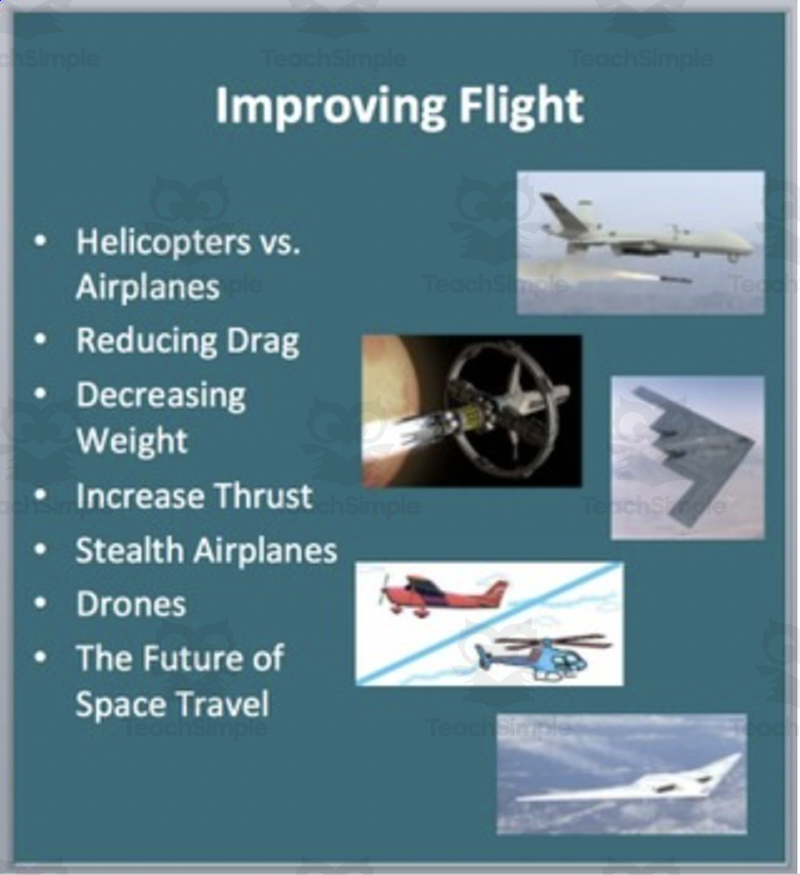
How Flight Can Be Improved - Google Slides and PowerPoint Lesson
How Flight Can Be Improved - Google Slides and PowerPoint Lesson An informative teaching resource designed specifically for grades 7 through 10.




1,173 resources
Explore sub-categories
8 sub-categories · 1,173 resources
How Flight Can Be Improved - Google Slides and PowerPoint Lesson An informative teaching resource designed specifically for grades 7 through 10.
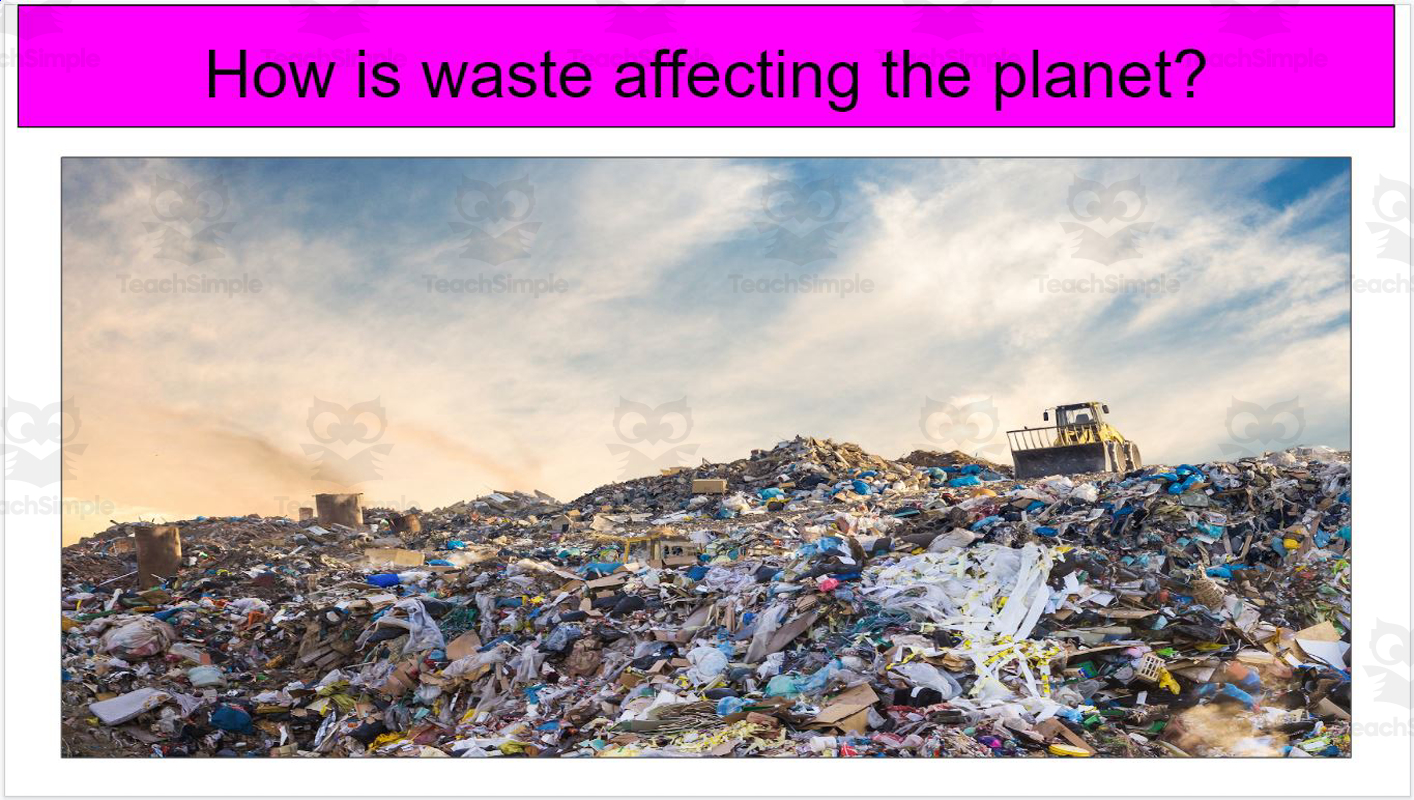
A UK-curriculum geography/environmental unit (Year 7, Spring term) teaching how society processes waste, its impact on land and oceans, and how to reduce it, using a knowledge organiser, scheme of work, homework menu, and an upcycling project.
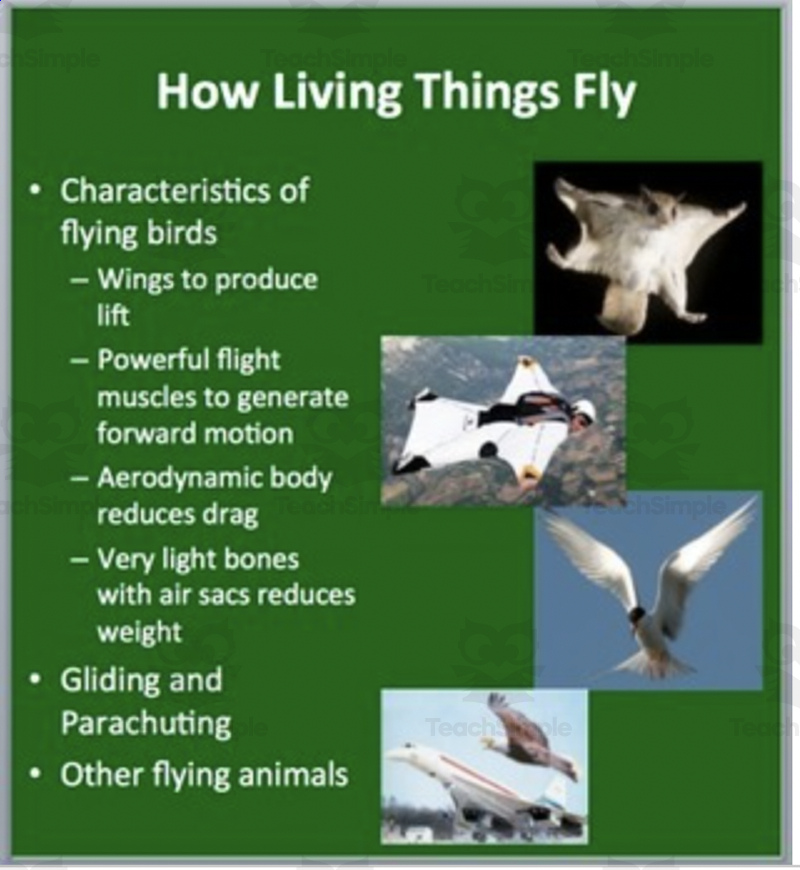
Lesson explaining how living things (primarily birds, plus gliding/parachuting animals) achieve flight through aerodynamic adaptations.
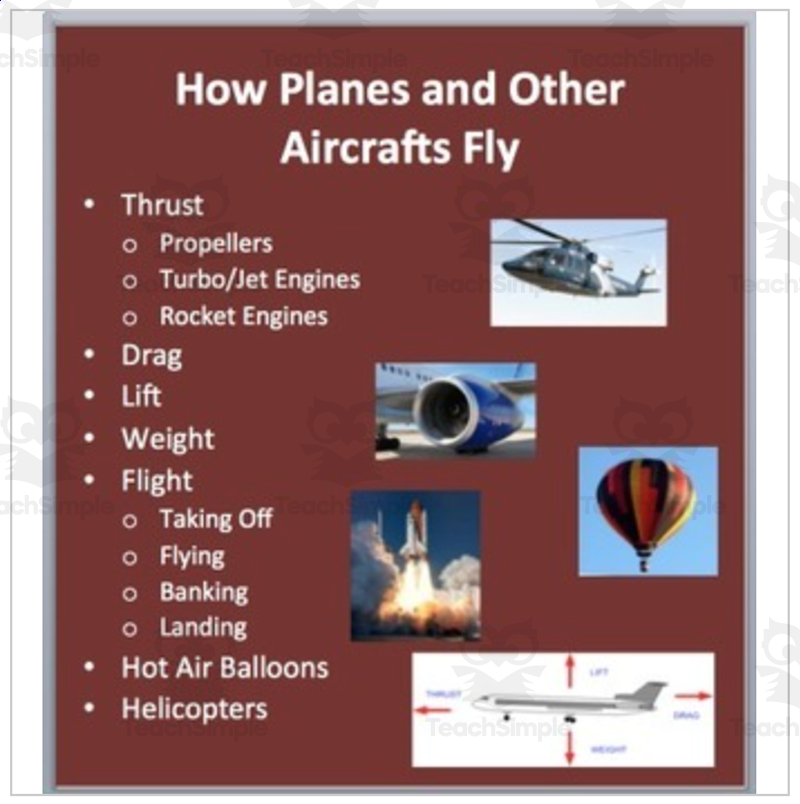
This 2-DAY lesson and lab package on How Planes and Other Aircraft Fly begins with a look at the aerodynamic forces which affect flight - Thrust, Drag, Lift and Weight. It then looks at takeoffs, level flight, banking, and landings.

A complete human-body lesson plan bundling multiple activities, worksheets, and a flashcard set to teach students to identify and name external and internal body parts.
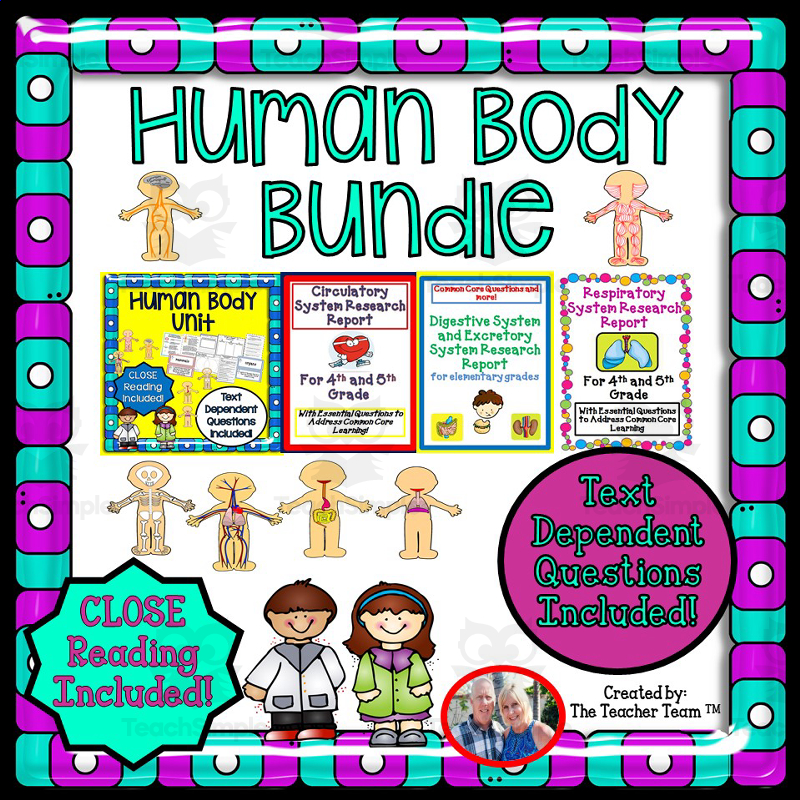
A multi-part CLOSE-reading unit teaching human body systems through nonfiction passages, vocabulary work, and graphic organizers.

Deliver a multi-day slide-based lesson on the human digestive system, covering why the body needs digestion, digestive organs, digestive enzymes, and mechanical vs. chemical digestion.
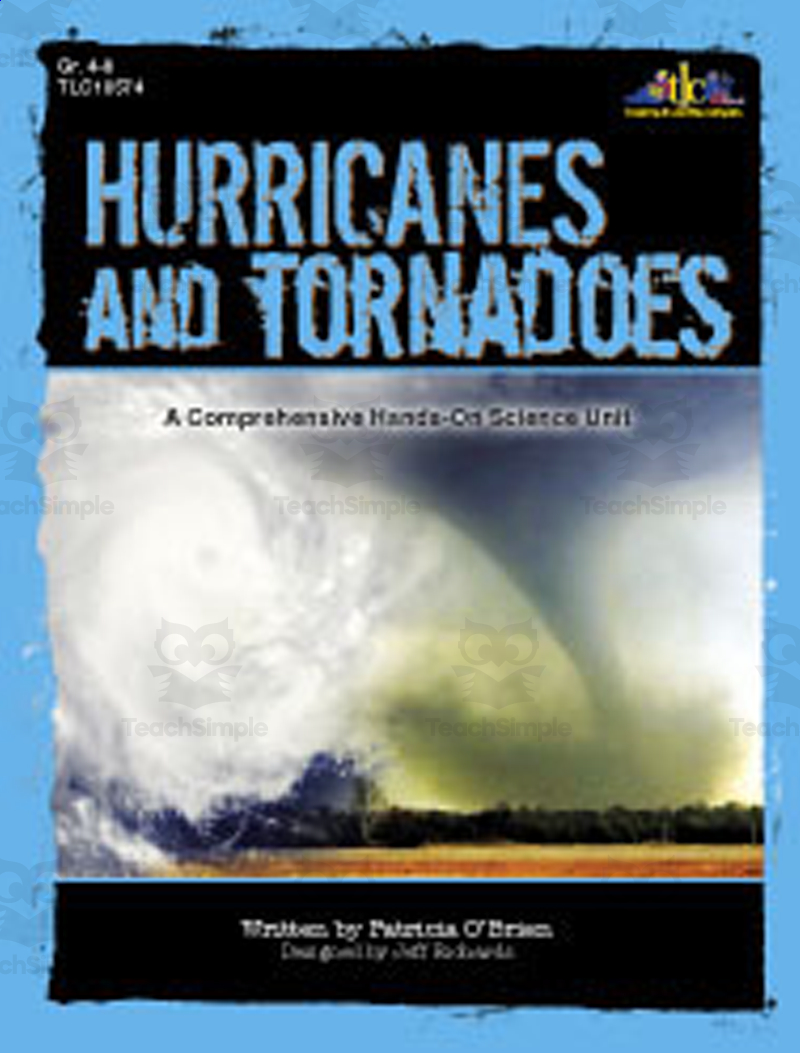
A published earth-science unit book teaching the causes, characteristics, and effects of hurricanes and tornadoes through informational readings, diagrams, hands-on experiments, and vocabulary/research activities.

An IB Primary Years Programme (PYP) unit planner and resource set for the 'How the World Works' transdisciplinary theme, built around the central idea that curiosity about nature leads to discoveries, focused on weather and seasons.

Sharing the Planet - Animals is a comprehensive unit plan and resource collection for teaching about animals in grades 1-6. Created specifically for the IB Primary Years Programme, this 131-page PDF includes a fully planned PYP planner…
 Free download
 IB PYP - Who We Are - Systems Keep Us Moving - Planner & Resources is an exceptional teaching tool dedicated to assisting educators integrate the transdisciplinary theme of the IB Primary Years Programme (PYP) into their curriculum.

A senior chemistry lesson teaching the Ideal Gas Law (PV = nRT), covering gas properties, kinetic theory, deriving and applying the law, and standard conditions (STP/SATP).
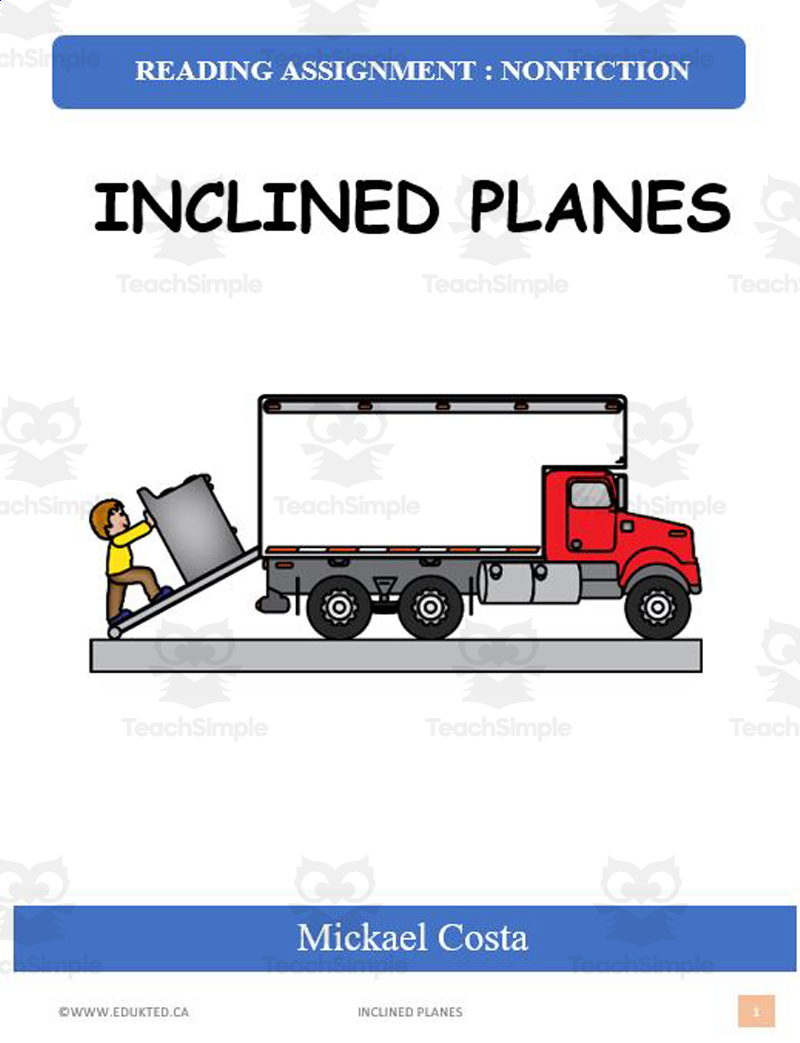
Teach the science concept of inclined planes as a nonfiction reading comprehension resource, covering examples (ramps, stairs, zigzag roads, slides, funnels) and their mechanical benefit.

Teach the informative-writing process (research/brainstorming, main points and support, introduction and conclusion, draft/edit/revise, final draft) through a space-themed set of topic cards and differentiated writing prompts.

Our Integumentary System Unit (Skin Unit) for Anatomy and Physiology as well as Biology includes PowerPoints, Cornell-style editable note taking system ( great for AVID schools!), labs, writing assignment, test with answers, crossword…
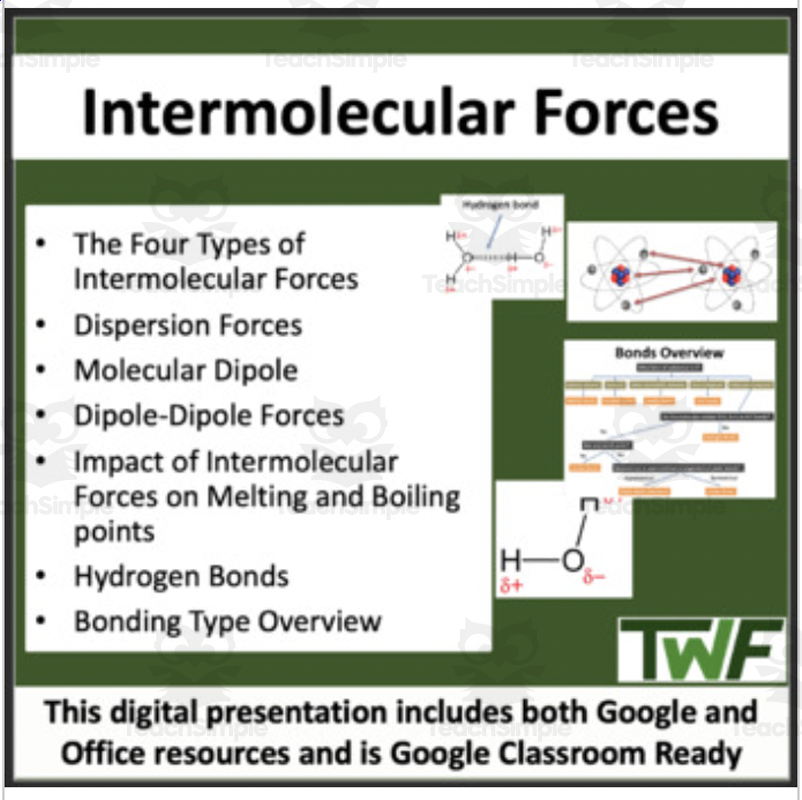
High school chemistry lesson teaching the four types of intermolecular forces (dispersion, dipole-dipole, hydrogen bonding, ion-dipole) and how they affect melting and boiling points.
Teach the four types of intermolecular forces (dispersion, molecular dipole, dipole-dipole, hydrogen bonding) and how they affect melting and boiling points, for senior-level chemistry.
A multi-part lesson packet teaching the history and technical structure of the Internet (from 1961 packet-switching theory through ARPANET, TCP/IP, domain names, and network topology) via a slide-deck timeline, a second slide deck on Internet structure, research/worksheet questions, and teacher notes.
Introduction to Classification and Physical Properties Guide: An invaluable resource for Grade 5 Basic Science teachers. This comprehensive tool provides a thorough exploration of two core scientific principles — classification and…
"AI Agents: An Introduction to Simple Automated Task Worksheets for Middle-Grade Students" consists of a total of 34 pages in one downloadable PDF file.
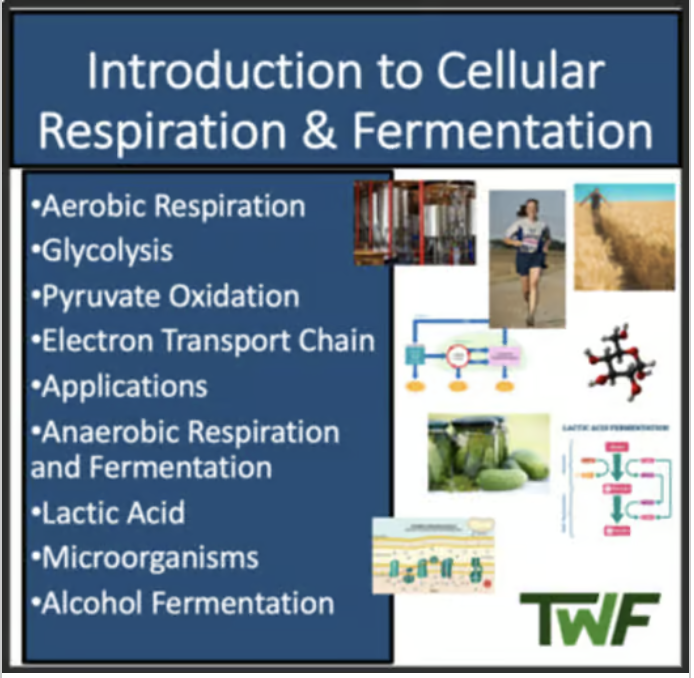
A multi-file high-school biology lesson bundle teaching aerobic cellular respiration, focused in the reviewed evidence on glycolysis and pyruvate oxidation: the goal of cellular respiration, the 10 enzyme-catalyzed steps of glycolysis, its net reaction and energy conversion efficiency, and the transition into pyruvate oxidation in the…
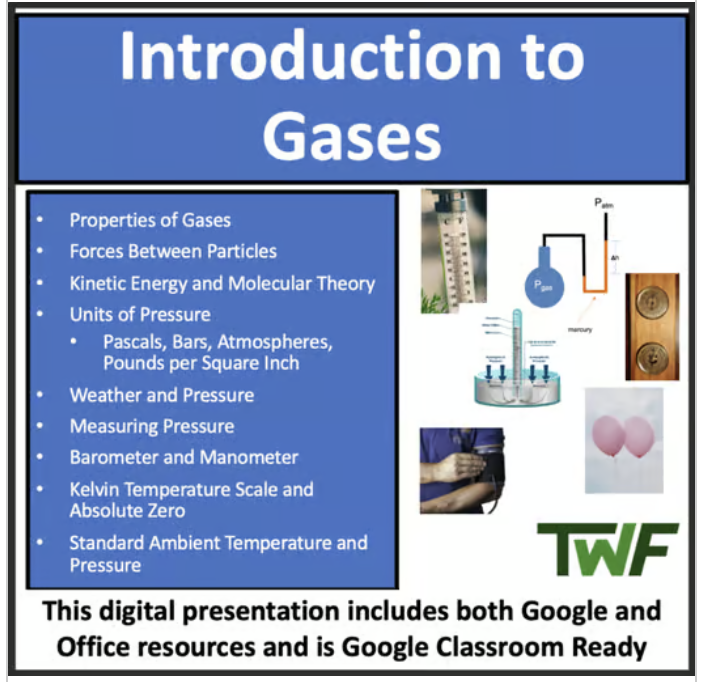
A senior high school chemistry lesson introducing the properties and behavior of gases, kinetic molecular theory, pressure units, and temperature scales.
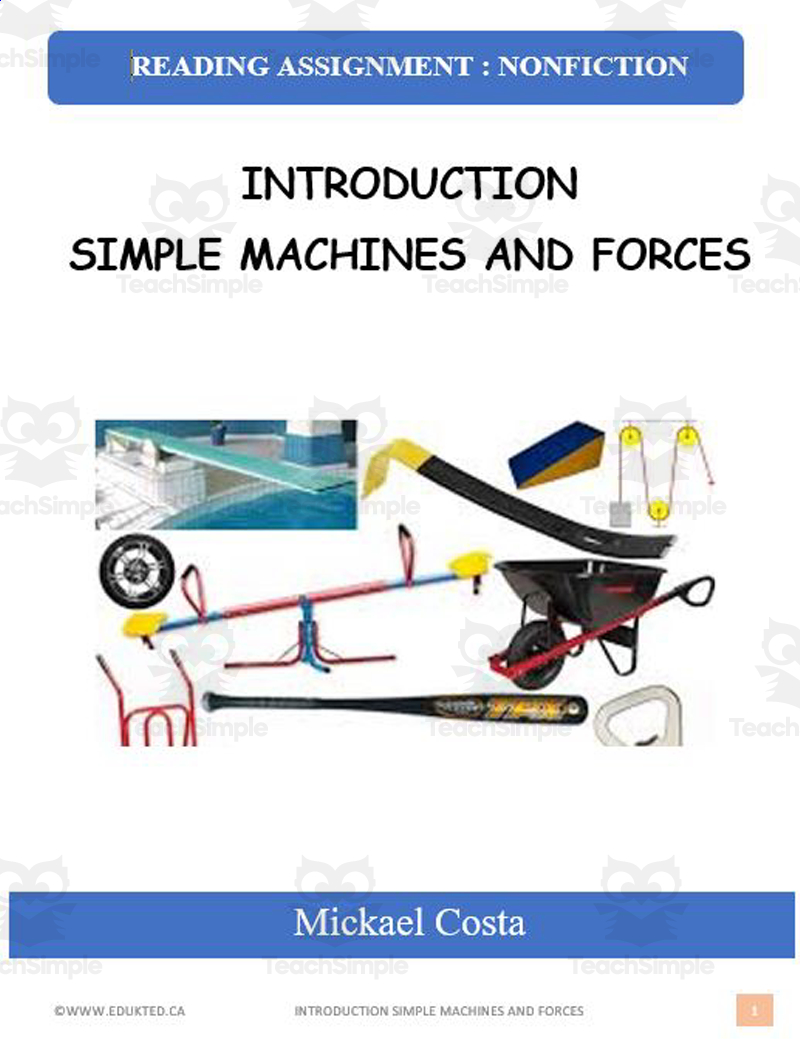
Nonfiction reading assignment introducing students to simple machines and forces through a structured before/during/after-reading process.

A multi-part science lesson on invasive species covering the difference between native and invasive species, the ecological effects of invasive species, methods of control (chemical, mechanical, biological), and a case study of the Small Asian Mongoose in Hawaii, designed as a video-supported, fill-in-the-blank guided-notes lesson with…