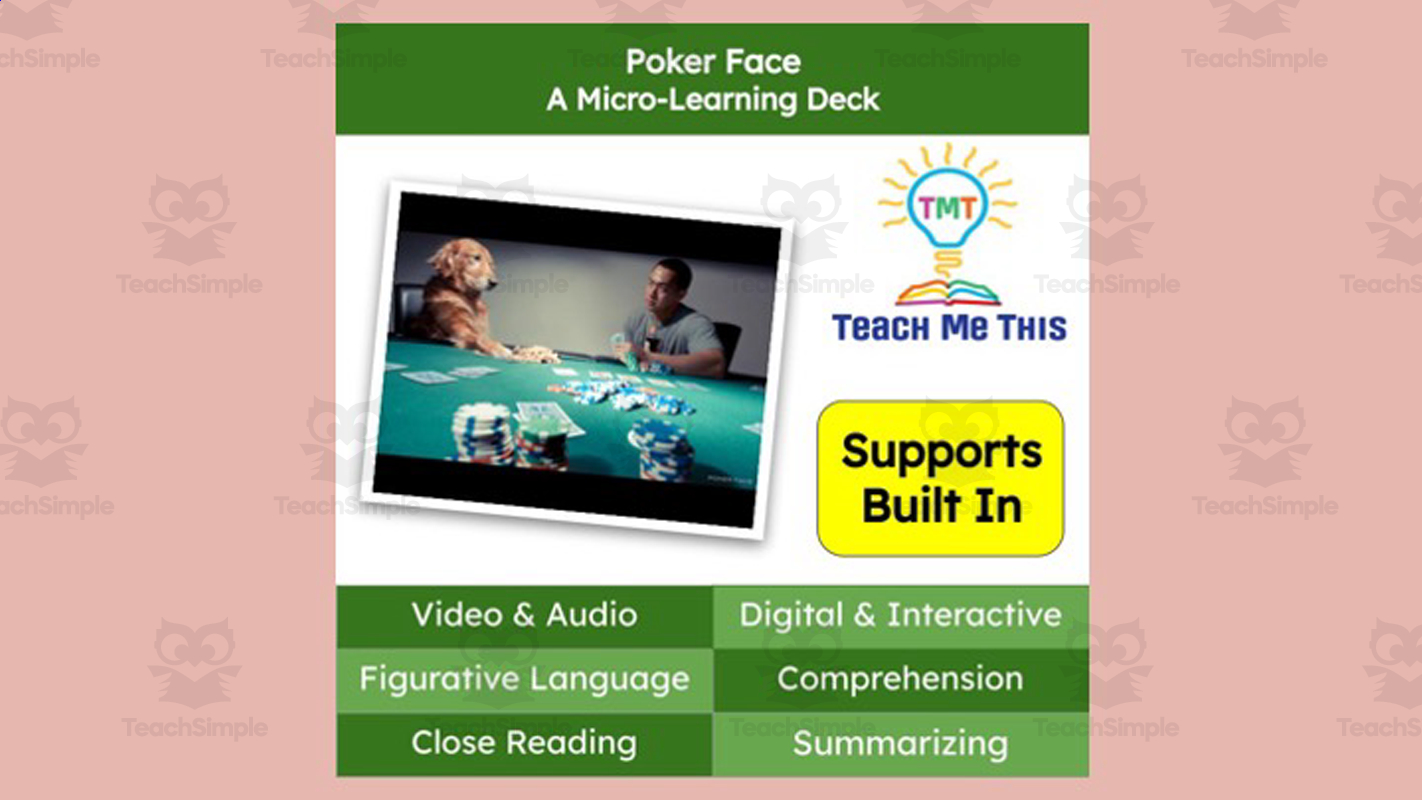
Poker Face | Figurative Language Activity | Micro-Learning Deck
Teach the figurative language idiom "poker face" through a short interactive slide-deck lesson combining a reading passage, comprehension activities, and a summary writing task.
5,881 resources
Explore sub-categories
18 sub-categories · 5,881 resources
Teach the figurative language idiom "poker face" through a short interactive slide-deck lesson combining a reading passage, comprehension activities, and a summary writing task.
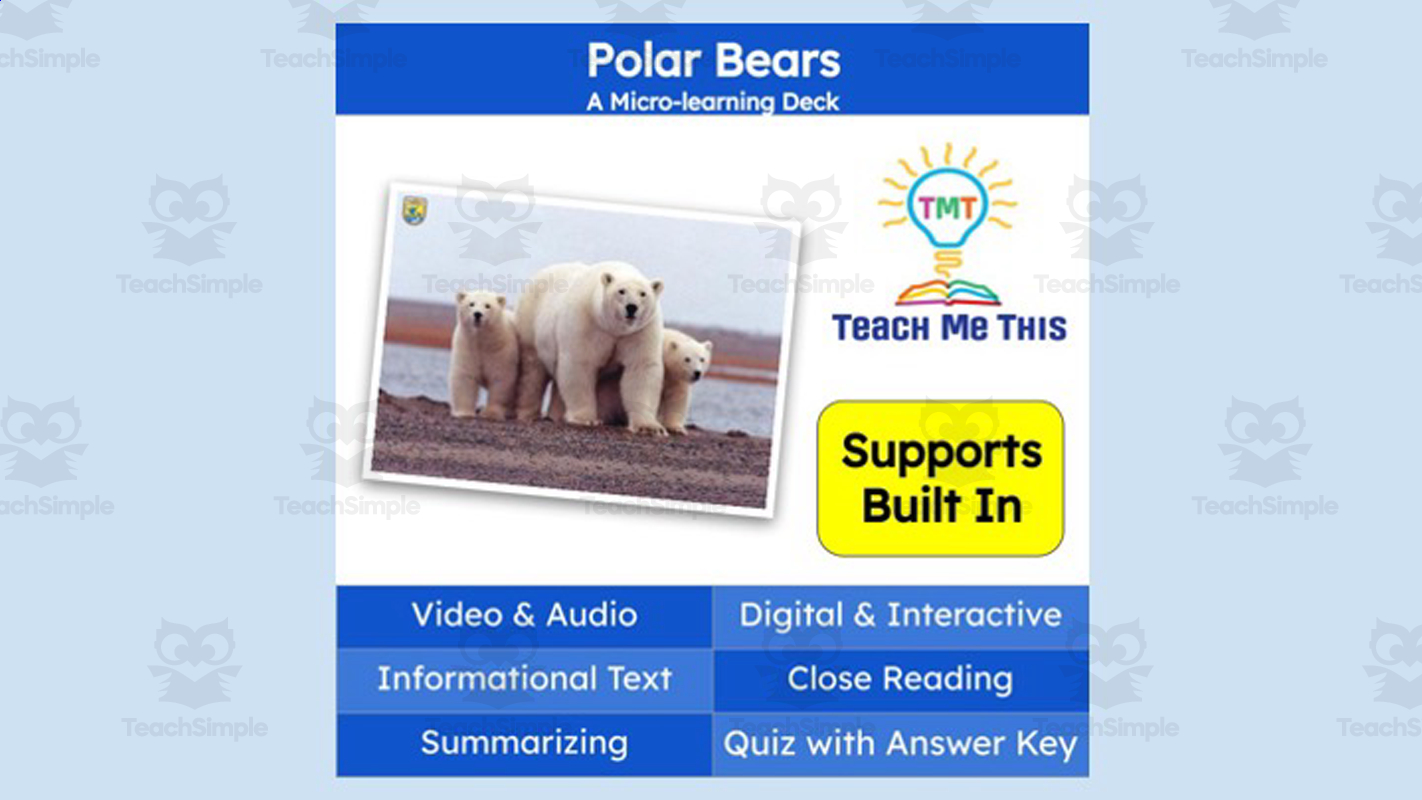
Teach students facts about polar bears (habitat, behavior, physical traits) through an interactive multimedia slide deck combining a reading passage, vocabulary, and comprehension activities.
Polar Bears Gr. 1-2 Target Audience: This product is specifically designed for Grade One or Two students who have gained some independent reading and writing abilities.
Whether you are planning a small class presentation or play for parents, or a school wide concert or musical, it is the small finishing touches and theatre knowledge that can turn an amateur show into one with a WOW factor -- one that will…
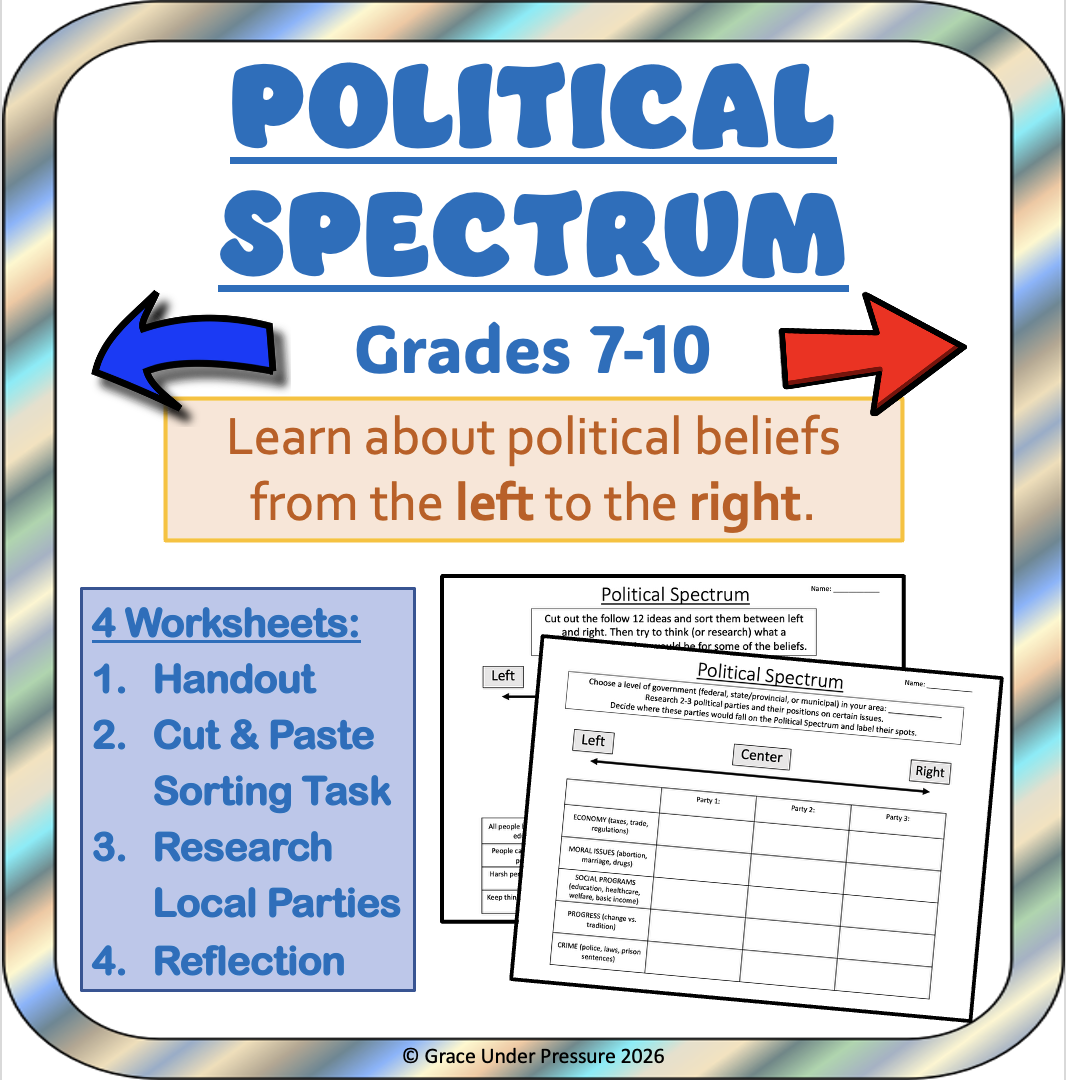
Students test a left-to-right political spectrum by sorting twelve belief statements, then researching parties at a selected level of government. A category handout and mapping page organize the comparison across issues such as the economy and social programs. Four reflection questions invite learners to examine disagreements and the limits of the model instead of assuming every real party fits neatly in one position.
Teach the definitions of polygon, non-polygon, regular polygon, and congruent polygon through a combined notes-and-art classification lesson.
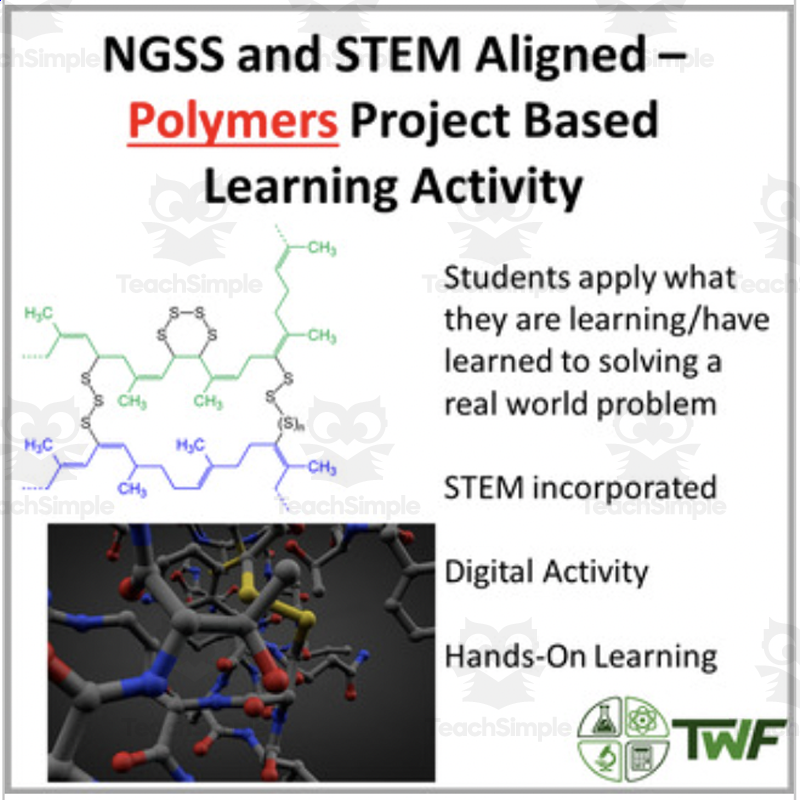
This is an engaging, problem-based inquiry activity that gets your students to examine Polymers to solve a real-life problem and learn to think critically.
An art lesson teaching pop-art concepts through an Andy Warhol-inspired dice game where students build a grid artwork, plus writing and reflection activities.
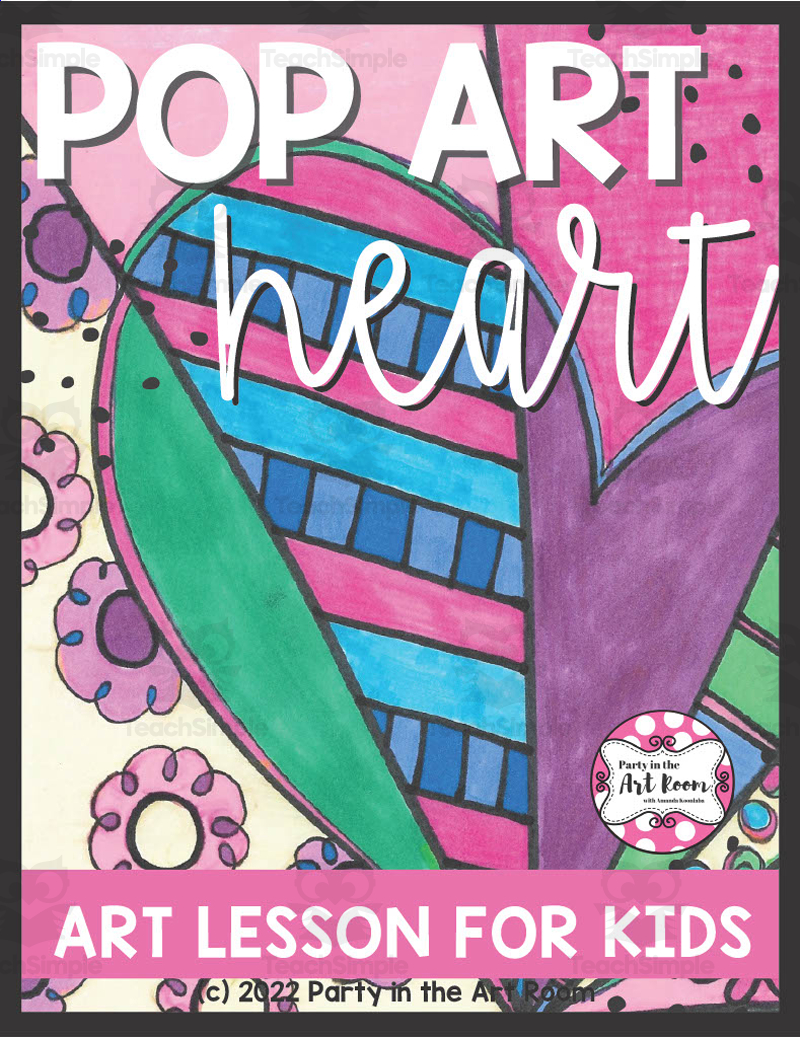
An art lesson teaching pop-art concepts through a dice-game drawing activity centered on a heart shape, in the style of Andy Warhol, plus reflective writing.
This Pop Art Shoes project uses a familiar object as the subject for observational drawing and color exploration. Introduce the activity with the Andy Warhol-themed presentation, then have students draw from a shoe reference using the supplied worksheet. Pencils, paper and crayons or colored pencils are teacher-provided materials for developing the final artwork.
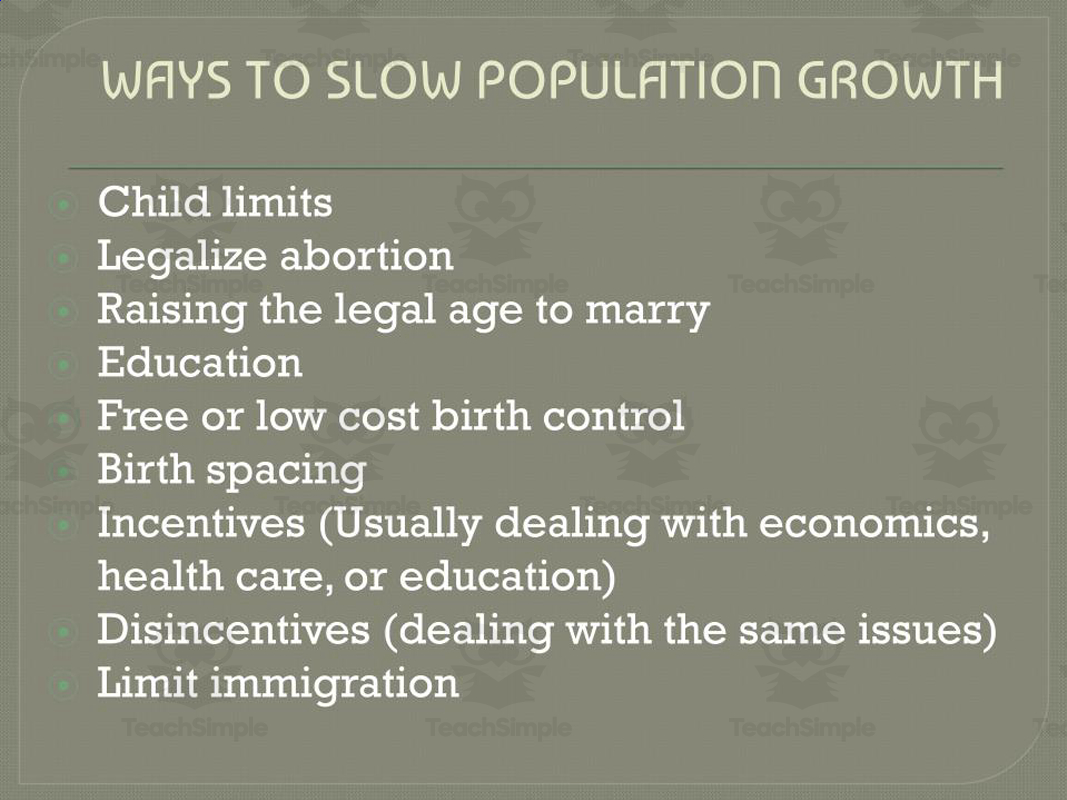
A high-school social studies unit teaching population policies (China, India, Singapore, Japan) via a lesson plan, slide presentation, and skeleton outline for student note-taking.
An art lesson teaching positive and negative space concepts through a bird silhouette / birdcage drawing project.
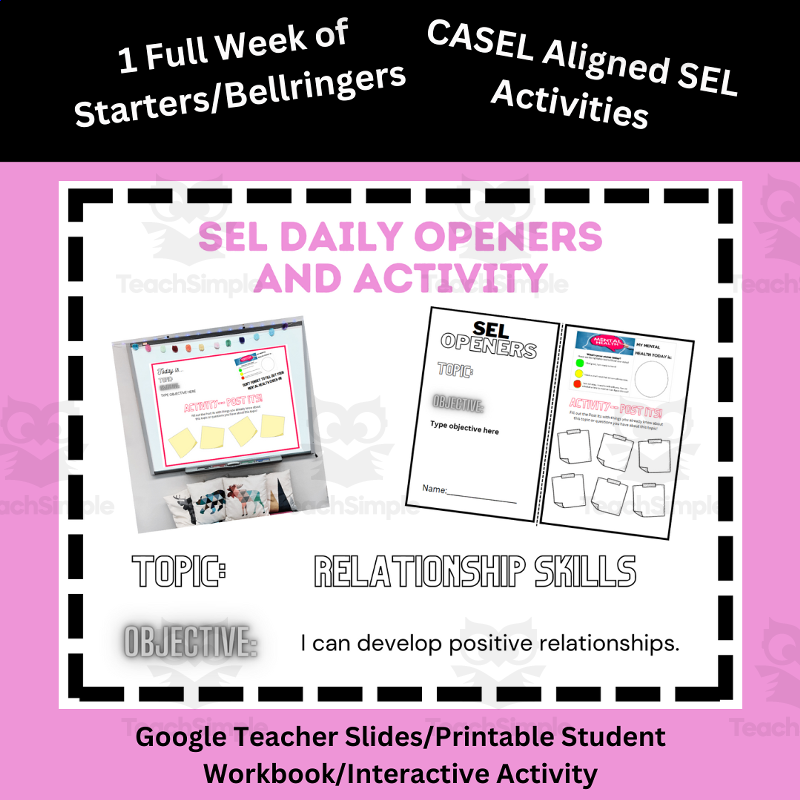
A CASEL-aligned daily-opener/bellringer SEL resource on the topic 'Relationship Skills: I can develop positive relationships,' giving teachers a structured daily routine plus a related social story on making friends.
Being able to build a positive classroom community is critical for teachers. A part of that positive classroom community is making sure all students feel supported and included as best as possible.
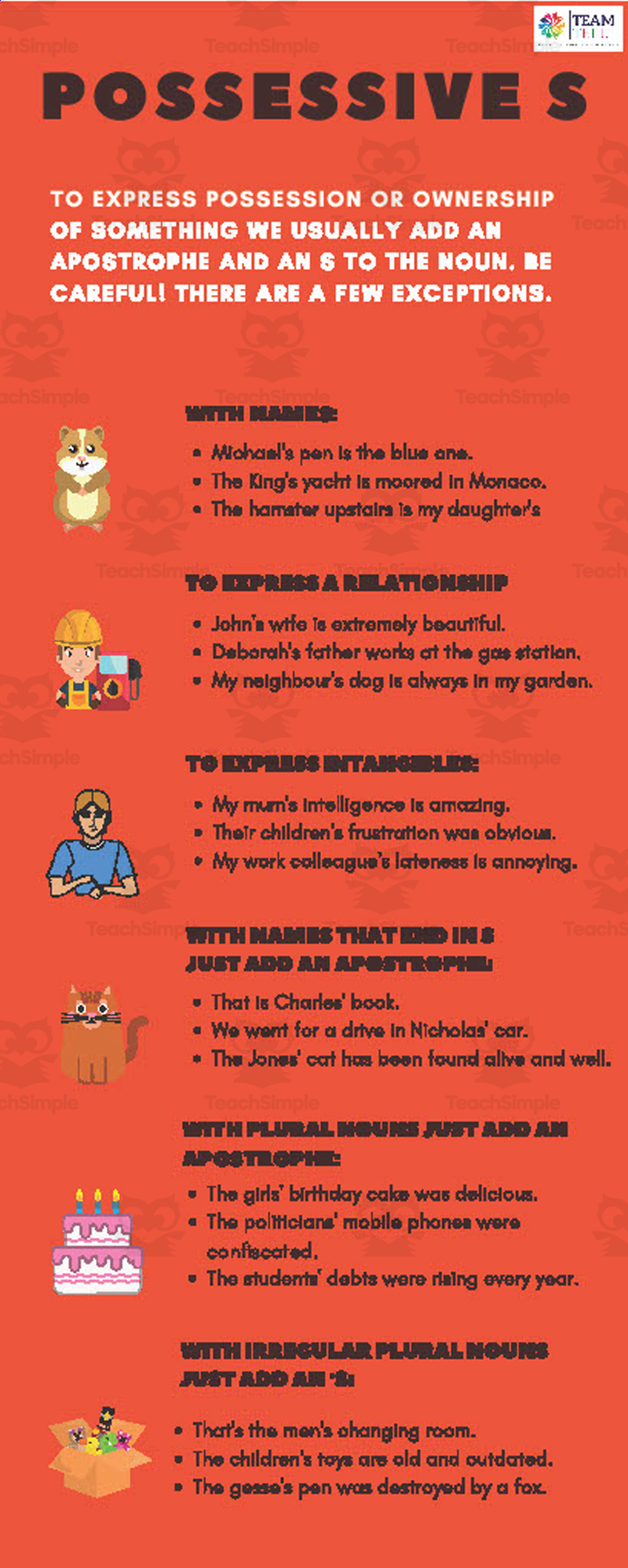
ESL/EFL lesson teaching possessive noun formation ('s vs s') for singular, plural, and irregular plural nouns, and distinguishing possessives from contractions.
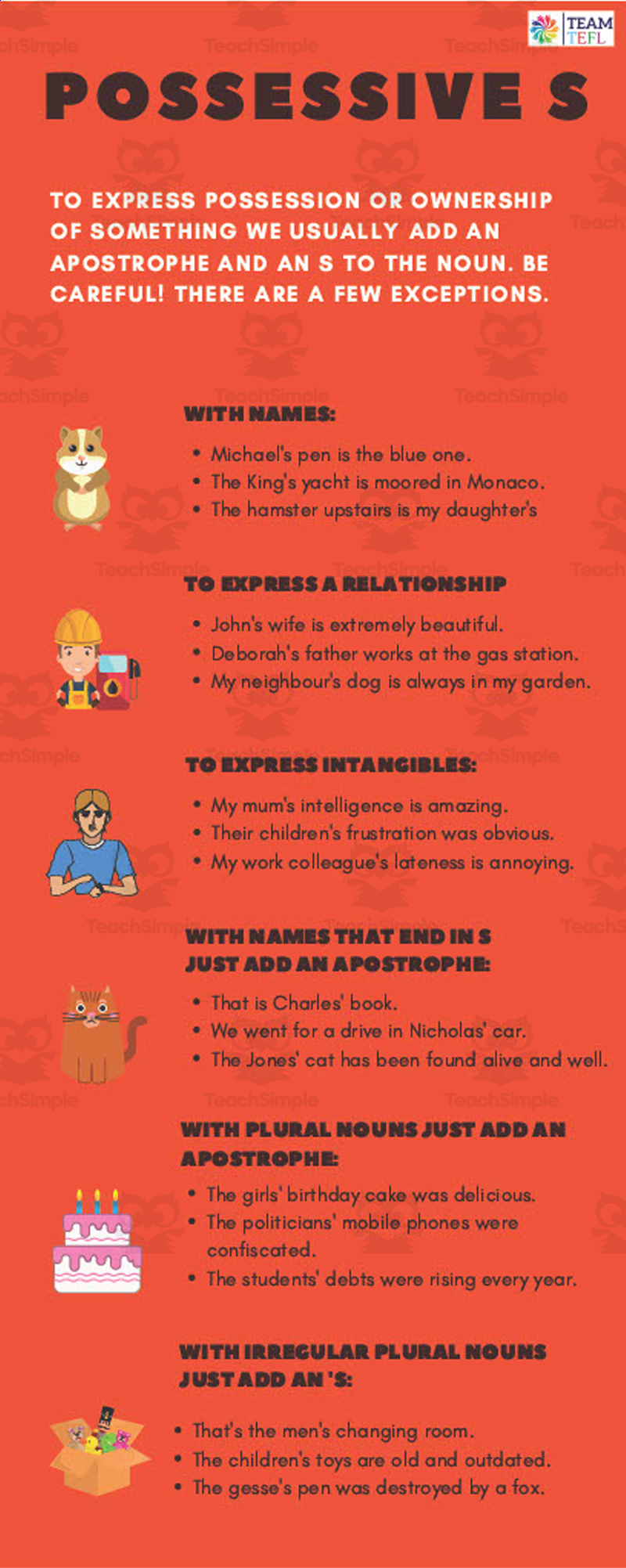
ESL/EFL lesson teaching possessive 's (apostrophe + s), possessive adjectives vs possessive pronouns, plural/irregular-plural possessives, and the it's/its distinction.
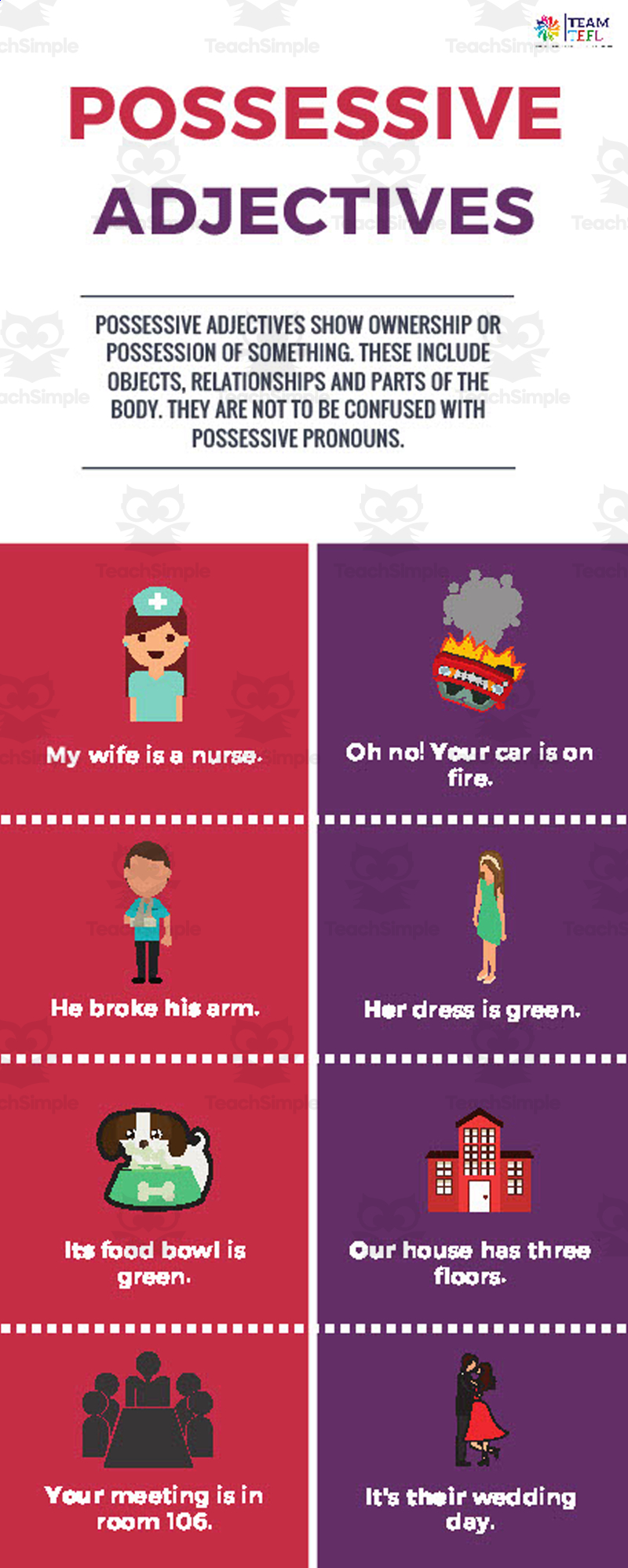
Possessive Adjectives Beginner Lesson Plan The Possessive Adjectives Beginner Lesson Plan is a comprehensive resource designed to aid educators in teaching and assessing students' understanding of possessive adjectives, an integral part of grammar studies in Language Arts. Suitable for grades 8 thru adults, the material is presented in…
A digital slide-deck book study/companion for the picture book 'Pout Pout Fish Goes to School', building reading comprehension and story-elements skills.
Guided-notes lesson (Lesson 5 of a Laws of Exponents video series) teaching the power rule applied to fractions/quotients raised to a power.
A textbook-style curriculum ('Power Skills: The Architecture of Collaboration and Problem-Solving') that teaches collaboration and problem-solving as rigorous, teachable disciplines through theoretical frameworks, real-world case studies, and embedded reflection prompts.
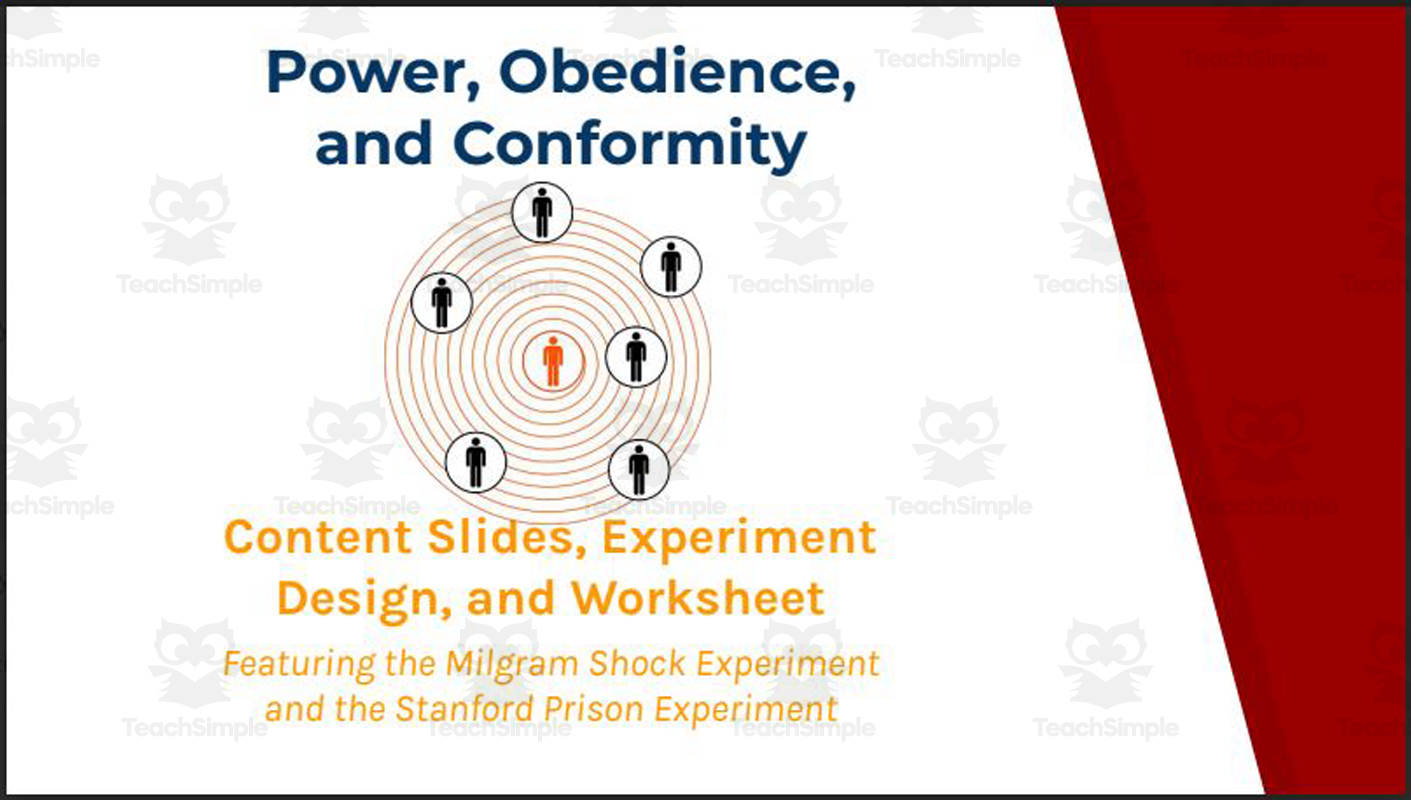
A sociology/psychology lesson (slides plus a worksheet) exploring power, obedience, and conformity through classic social psychology experiments: the Stanford Prison Experiment, the Milgram Shock Experiment, and the Asch Line/Conformity Study, plus the concept of fundamental attribution error.
Unlocks the future of inclusive education with this 49-page ultimate resource: "AI-Powered Neuro-Inclusive Micro-Learning Strategy Cards for Diverse Classrooms (Ready!)" – an innovative and educator-recommended resource that disrupts and…
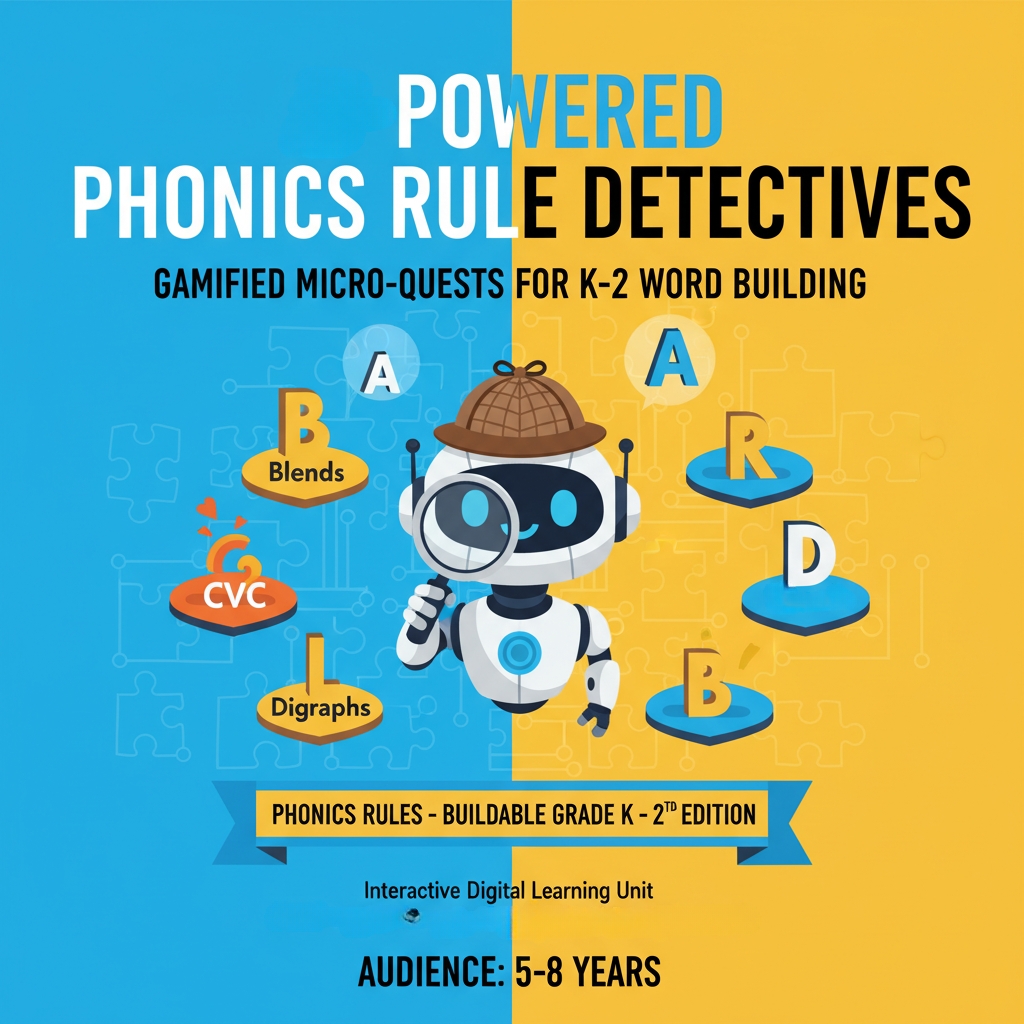
A 47-page teacher guide presenting a 'gamified micro-quest' phonics curriculum framework for K-2, using a detective/mystery theme to teach phonics rules from CVC words through r-controlled vowels, with theory, developmental progression, and AI-assisted lesson-prompt guidance for teachers.
A published life-skills workbook (Classroom Complete Press 'Practical Life Skills' series, CC5808) teaching high schoolers how to prepare for and succeed in employment and volunteer work, through reading-comprehension passages, vocabulary, and hands-on activities.