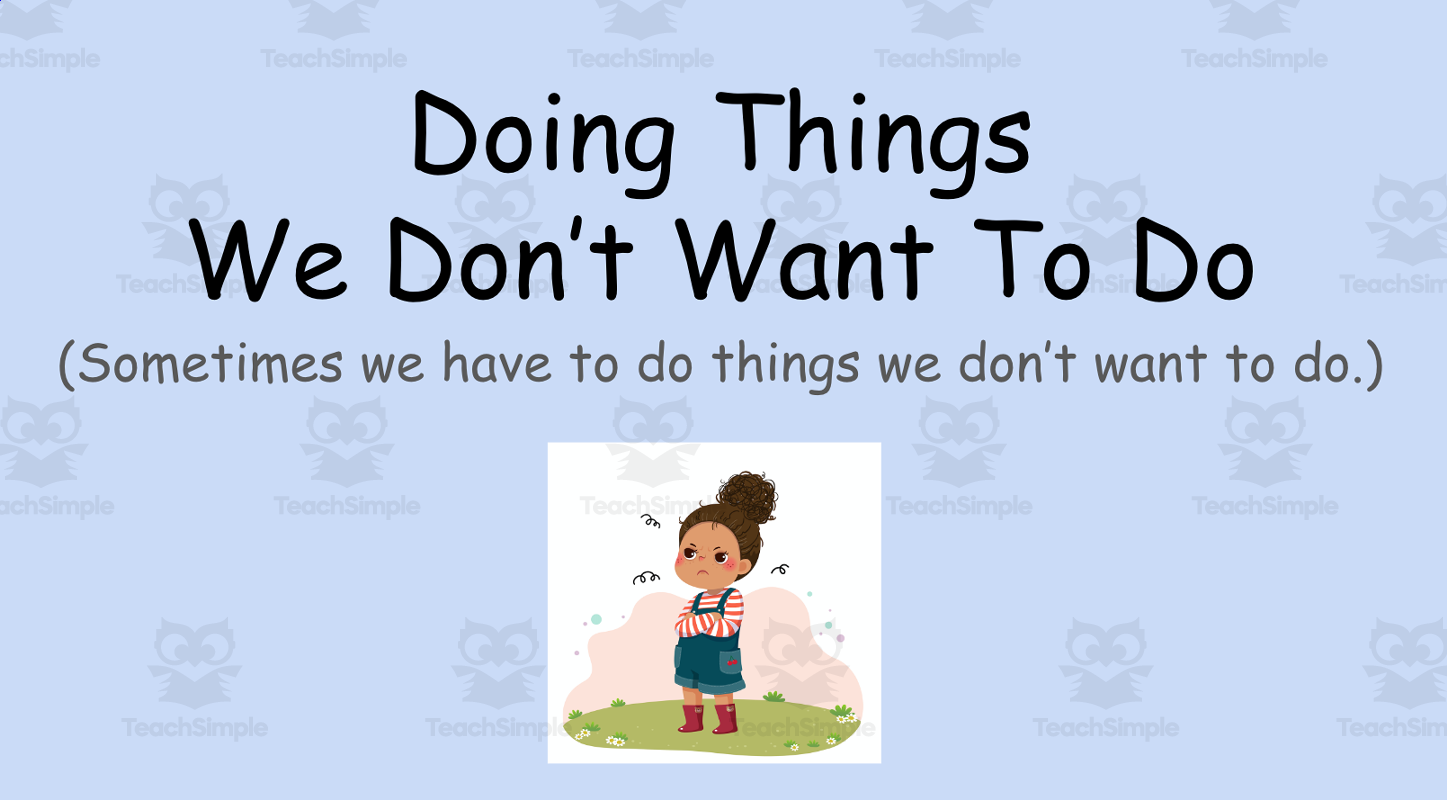
Coping & self-regulation
Doing Things We Don't Want To Do- An SEL Lesson and activities
An SEL lesson teaching coping strategies for doing required but unwanted tasks and following directions.
Editable


Classroom resources
Browse by lesson focus
Choose the topic or kind of practice you need.
Showing 25–48 of 432 resources

 Show filters
An SEL lesson teaching coping strategies for doing required but unwanted tasks and following directions.
A worksheet-based resource teaching students to recognize physical, mental, and behavioral symptoms of stress and apply coping strategies (deep breathing, journaling, exercise, mindfulness, SMART goals, conflict resolution).

A four-week classroom mindfulness workbook (Mindful Kids in 10 Minutes a Day: 3rd-5th Grade, by Giselle Shardlow of Kids Yoga Stories) providing daily five-to-ten-minute sensory-themed mindfulness activities for teachers to add to their school curriculum.

A social-emotional-learning worksheet that helps students identify things that bother them and pair each with a helpful reframing thought.

A one-page self-assessment worksheet that has students rate a list of calming strategies for how well each works for them when they are angry, supporting self-regulation and emotional awareness.
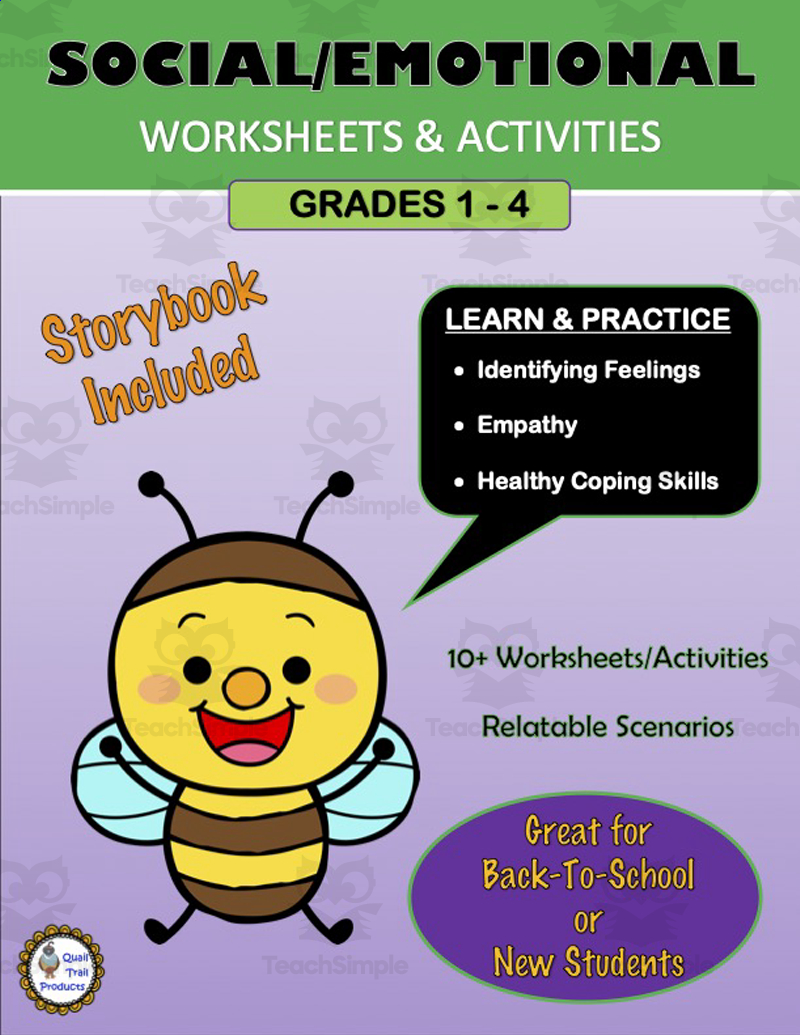
A social-emotional learning resource using a story about a honeybee character (Betty) starting a new school to teach students about identifying feelings, empathy, and healthy coping skills for school-related anxiety.
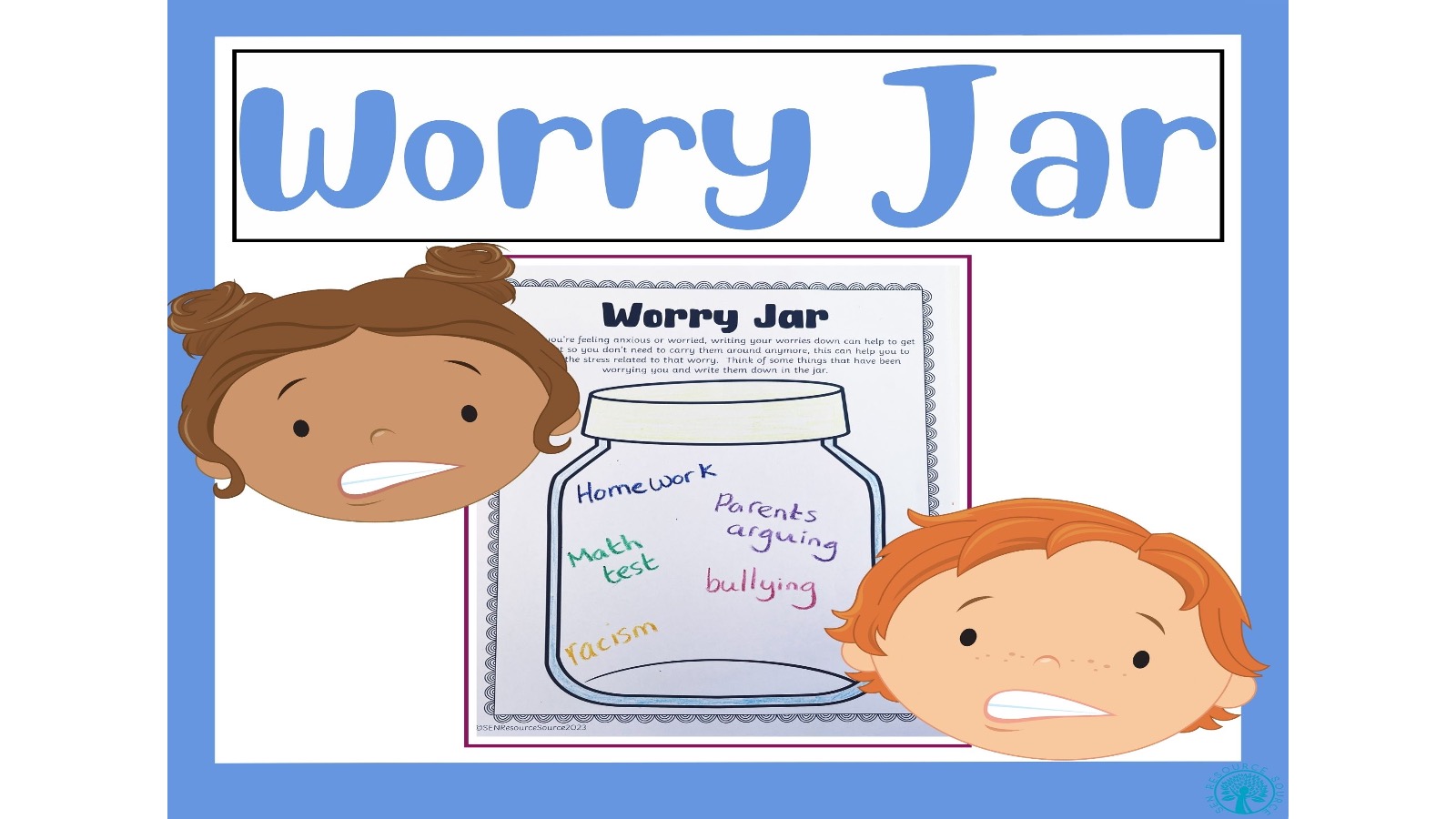
A single-page SEL worksheet that gives students a structured way to write down worries as a coping/mindfulness activity.

Help students reflect on unhealthy anger responses and identify better alternative reactions (social-emotional learning).

A worksheet that helps students identify personal social-anxiety triggers and think through calming/coping strategies.
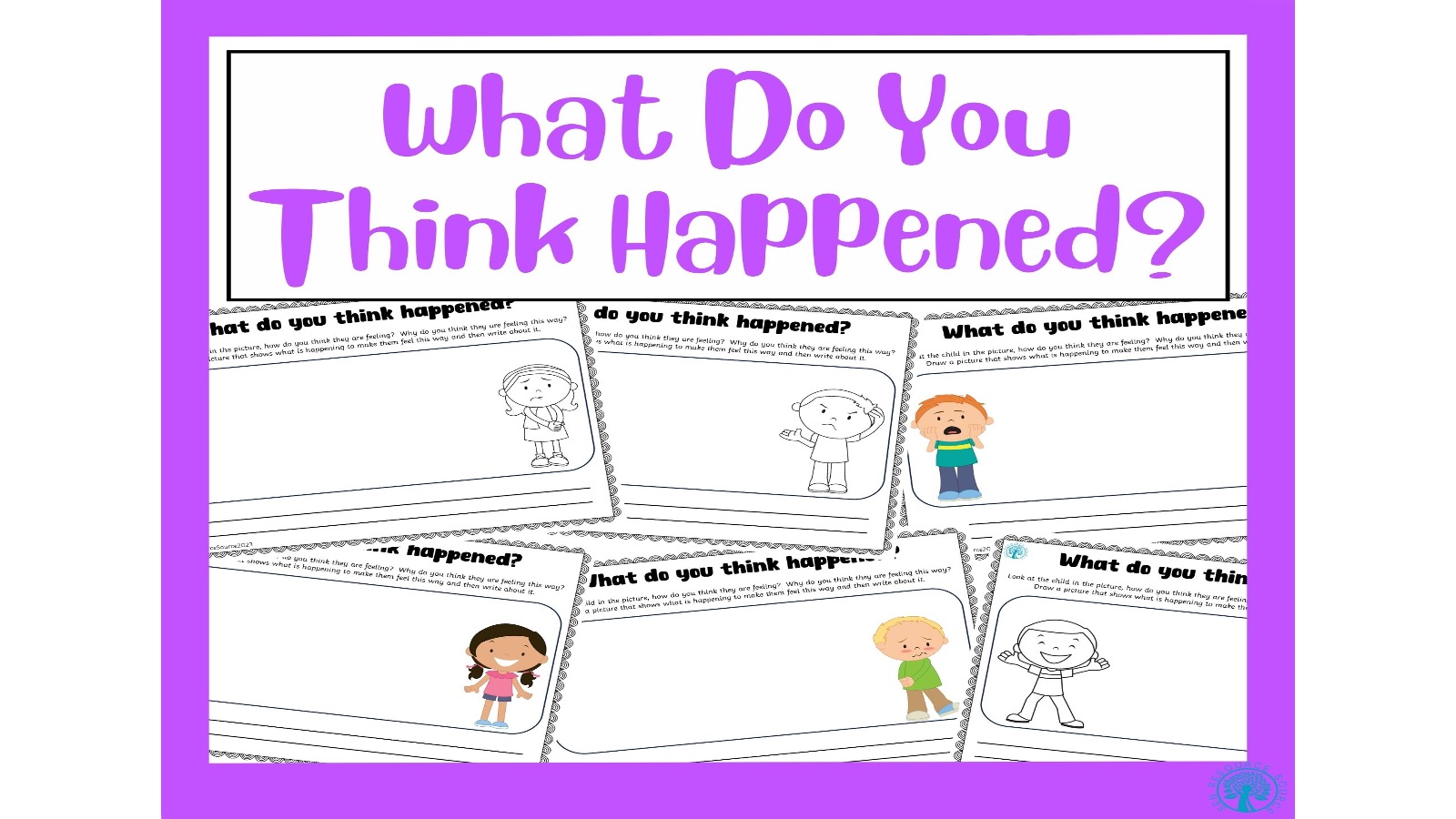
A repeatable social-emotional-learning worksheet template that has children infer a pictured child's feelings and invent a plausible cause, to build empathy and emotional literacy.

A single-page SEL worksheet that guides students to visualize and draw a place that makes them feel happy and calm, as a coping technique for anxiety.

Help students identify and externalize sources of worry, and identify coping strategies that help them feel better, using a bucket metaphor.

A poster and worksheet set teaching the benefits of positive self-talk and helping students practice generating their own positive self-talk statements.

Help students develop emotional intelligence by identifying feelings, triggers, and associated thoughts.

A social-emotional learning (SEL) worksheet helping students reflect on and identify their personal anger triggers, physical cues, thoughts, and emotions.
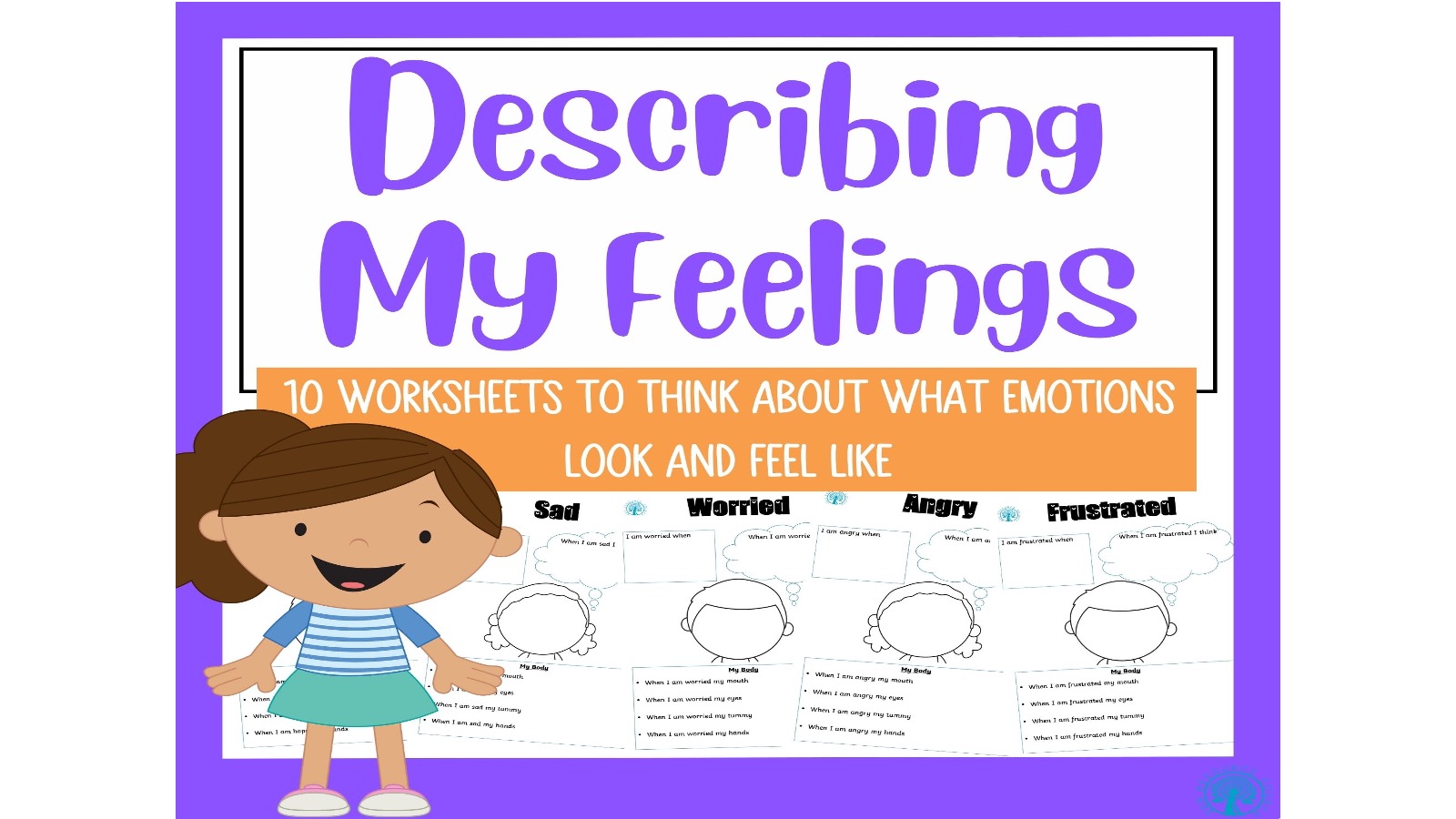
Identifying and verbalizing emotions is essential yet challenging for young children’s healthy development. This set of 20 illustrated printable worksheets helps students advance self-awareness by examining common feelings in depth one by one.

A one-page cut-sort-and-glue worksheet that has students sort short scenario phrases or pictures into two contrasting categories (sweet (healthy) vs. sour (unhealthy) friendship behaviors) as social-emotional-learning (SEL) practice.

One-page worksheet for students to draw or write about times during the week they felt four specific emotions.
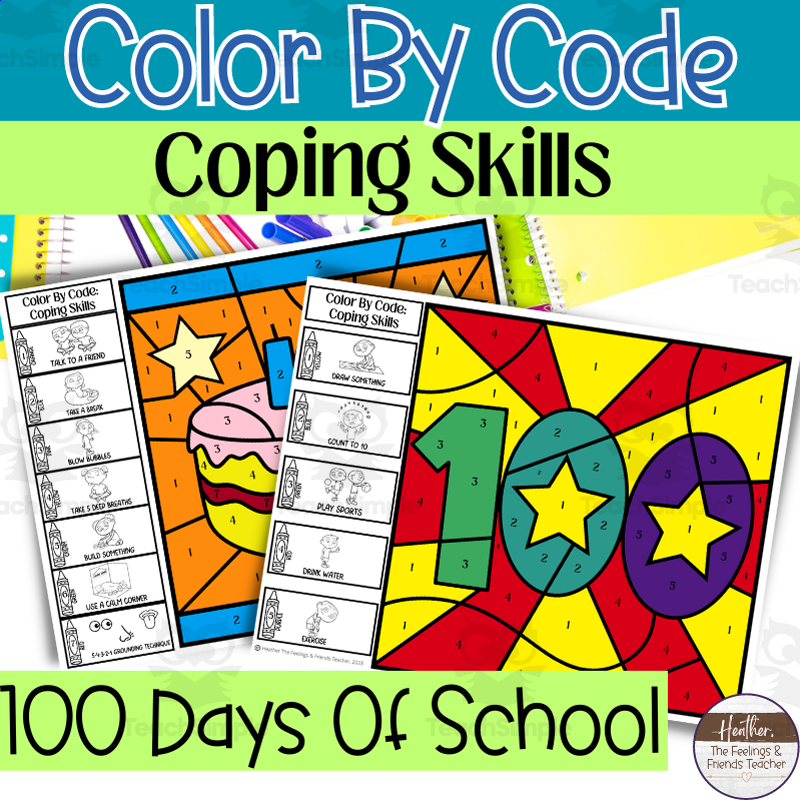
This color by number activity is a great way to review coping skills with your students all while coloring 100 Days Of School inspired pictures! If you’re looking for engaging ways to teach coping skills in your counseling lessons, then these worksheets are for you! The purpose of these color by code worksheets to help teach students…
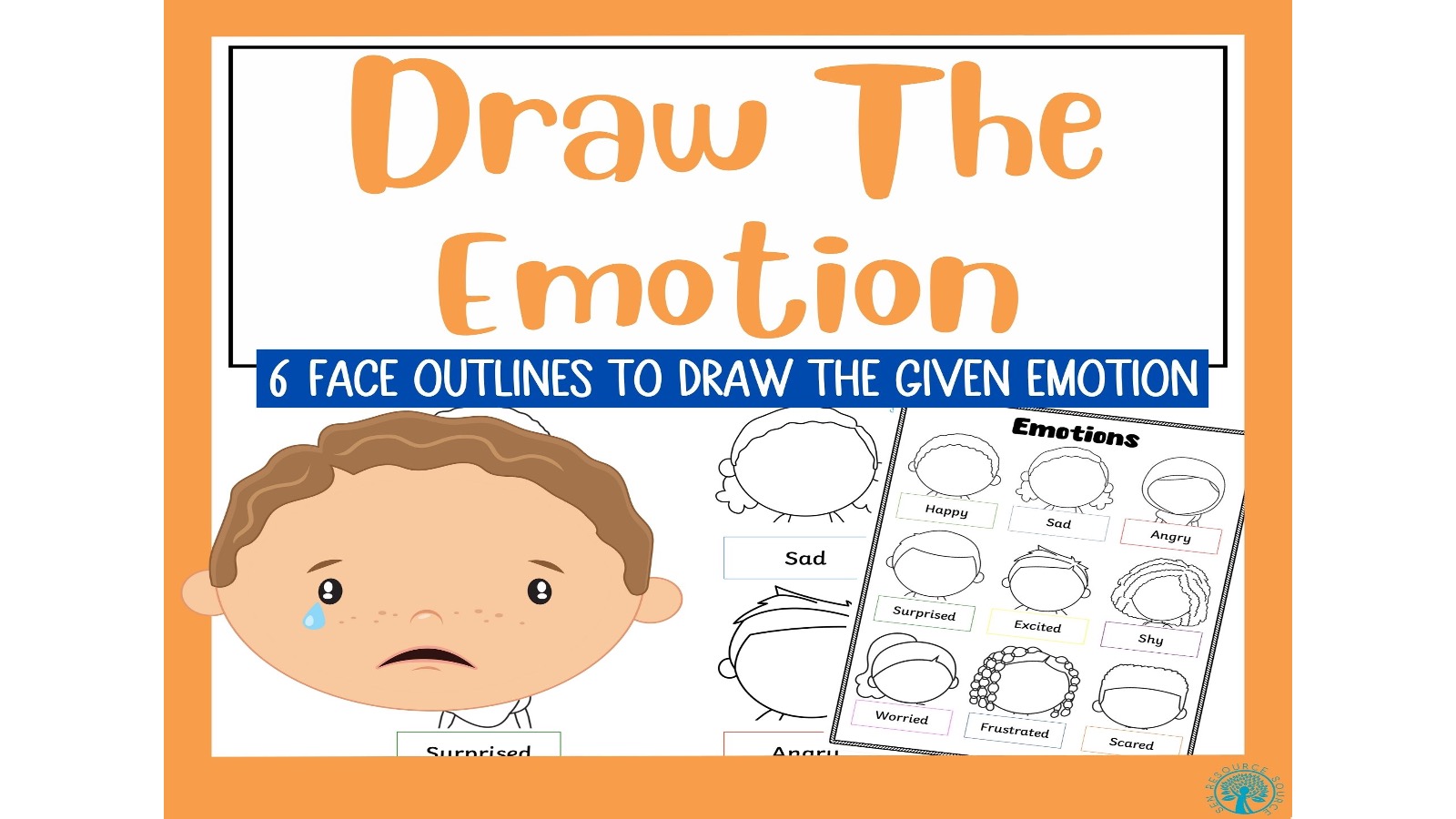
Nine emotion words — happy, sad, angry, surprised, excited, shy, worried, frustrated, and scared — are printed in a grid, each paired with a blank face outline for students to draw the matching facial expression. The two-page file favors breadth of vocabulary over depth, naming nine distinct emotions rather than grouping related feelings, which suits a quick SEL warm-up or check-in activity. A closing credits page thanks the clip-art illustrator and includes a social-media prompt rather than additional content. The same emotion vocabulary can be practiced as a whole-class activity with an emoji bingo game that has students recognize feelings rather than draw them.
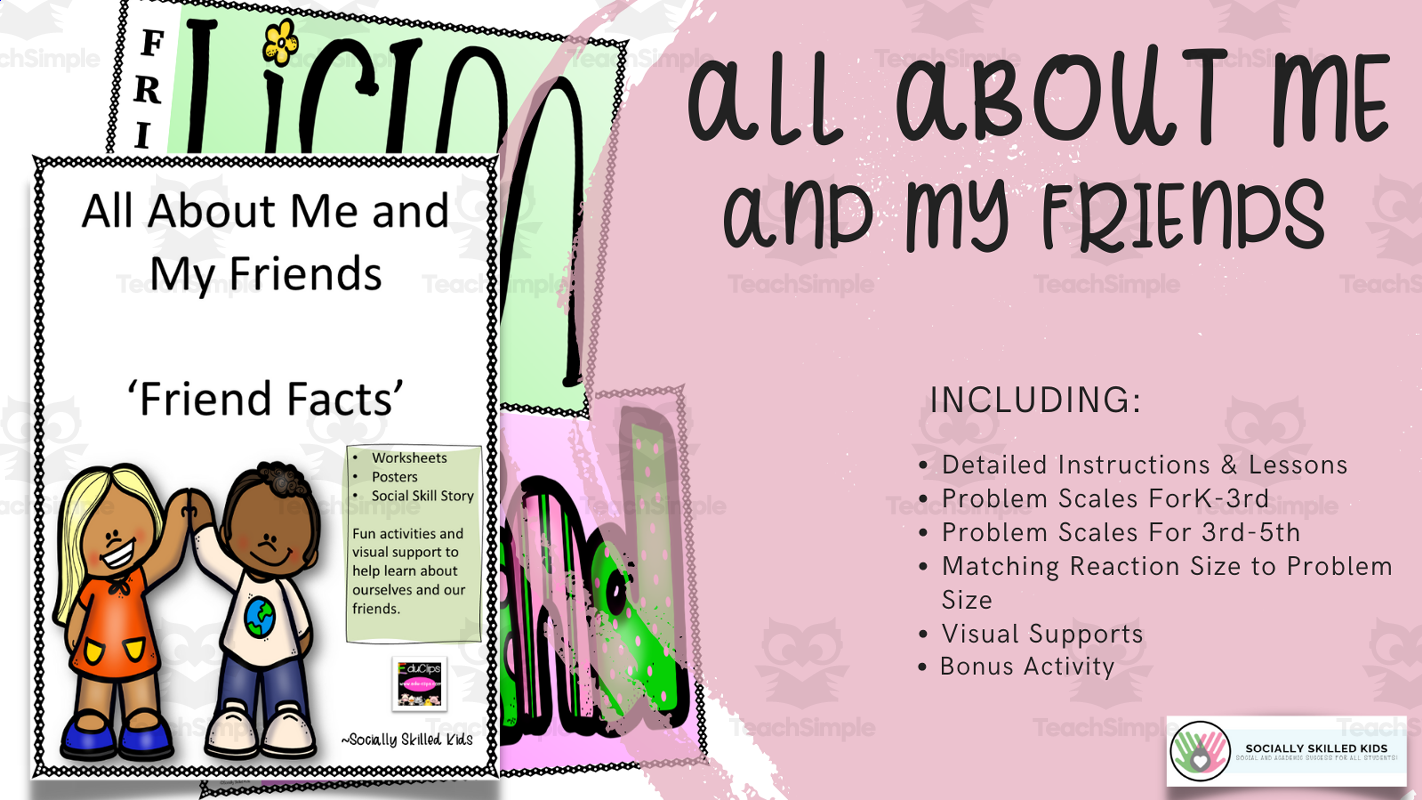
Teaches social skills and friendship behaviors through an animated story and companion worksheets/activities that help children remember and share information about themselves and their friends.

A creative-writing worksheet set where students write lyrics or a poem describing what it feels like to experience each of 11 specific emotions.

A one-page cut-sort-and-glue worksheet that has students sort short scenario phrases or pictures into two contrasting categories (raise hand vs. OK to blurt) as social-emotional-learning (SEL) practice.
 Free download
In this worksheet children can brainstorm the things in their life that make them feel different emotions: angry, sad, happy, stressed, frustrated or anxious. Brainstorming things that make a child feel different emotions is useful for several reasons: * Identifying triggers: By listing out specific situations or events that cause…