



3,931 products added recently
Page 18 - ELA Lesson Plans
Elevate your ELA instruction with lesson plans that cover reading, writing, speaking, and listening skills. These resources provide diverse texts and engaging activities to improve literacy. Integrate these plans to enrich your language arts curriculum and support student achievement.

 Show filters

Seventh Grade: Full Lesson Plan w/ PowerPoints & Graphic Organizers
ELA, Reading, Grade 6, 7, 8, 9, Lesson Plans, Teacher Tools
Seventh Grade Full Lesson Plan Bundle This comprehensive reading lesson plan bundle for the short story "Seventh Grade" by Gary Soto provides educators with everything needed to dive deep into the text. Includes a complete lesson plan, worksheet, answer key, 15 graphic organizers , and 8 PowerPoint presentations covering topics like theme, plot, characterization, figurative language, narrator and more. With multiple file types offered, this resource easily adapts for whole class instruction, small groups, or independent assignments. The materials facilitate rich discussion and analysis of literary elements using a variety of methods to reach all types of learners. This practical, standards-aligned teaching resource allows seventh grade and middle school English language arts teachers to save prep time while enhancing critical thinking skills.
Author Quality Teaching Products
Tags Reading Lesson Plan, Gary Soto, Graphic Organizers, Characterization, Imagery, Seventh Grade By Gary Soto Worksheet, 7th Grade Reading Lesson Plans

Waist vs. Waste | Upper Intermediate Lesson Plan
ELA, Language Development, ESL, Grammar, Not Grade Specific, Adult Education, High School, Middle School, Teacher Tools, Lesson Plans, Worksheets & Printables
Waist vs Waste Upper Intermediate ESL Lesson Plan. This upper intermediate English lesson plan helps students learn the difference between "waist" and "waste" through informative exercises. Educators can implement this engaging resource in multiple settings like whole group instruction, small group practice, or as a homework assignment. The lesson plan first explains the definitions and usage of "waist" and "waste" then assess comprehension through fill-in-the-blanks, matching, and short answer questions. This practical ESL resource develops vocabulary and grammar skills. Answer key included for teacher convenience. Accessible via Google Apps or PDF download. This lesson will show us how to use waist as a part of the body and waste to discuss trash or careless expenditure. 3 PDFs with 3 ready to print pages and one digital access file A noteworthy feature is its integration with Google Apps that injects digital vibrance into traditional classroom practices. Additionally, keeping the importance of feedback in mind during learning progressions - an answer key provision allows immediate reflection.
Author TEAM TEFL
Tags ESL Lesson, Grammar Worksheets, Nouns, Verbs, Waist Vs Waste

Four Square: Writing Method for Grades 1-3: A Unique Approach to Teaching Basic Writing Skills
ELA, Writing, Grade 1, 2, 3, Teacher Tools, Lesson Plans
Four Square: Writing Method for Grades 1-3 – A Unique Approach to Teaching Basic Writing Skills Sharpen your students' writing skills with the unique Four Square method. Designed for grades 1 through 3, this teaching resource provides an efficient approach to mastering the essentials of writing. Versatile and easily integrated into any language arts curriculum, this innovative method is equally appropriate for all forms of writing, making it a must-have tool in your educational arsenal. The Four Square Method The Four Square method employs a user-friendly graphical organizer that encourages students to gather their thoughts before transforming them into fluent prose. It simplifies the process of idea collection and usage by visual arrangement which enhances clarity in thought expression. This method significantly aids in streamlining chaos of thoughts into coherent sentences, creating not just better writers but confident communicators too. Suitable Across Ability Levels This methodology is suitable for different ability levels; rest assured knowing that it's versatile enough to cater various learning styles or academic proficiency. The open-ended reproducibles add another layer of accessibility—extending its usage beyond normal classroom instruction and allowing independent practice at home. It expands planning potential whether you are catering whole group classroom instruction, small cooperative learning groups or even one-on-one tutoring sessions—a valuable feature when designing inclusive lesson plans . Digital Access & Printing Options Included! To make things even easier for educators like you, each purchase comes with one PDF product file; providing convenient digital access at any time on top of easy printing options whenever necessary. Ideal not only during language arts lessons but also widely applicable in content area writing tasks across other subject areas by teaching how ideas can be structured effectively for clear communication—making it a versatile instructional asset worth having. Enhance Writing Skills with the Four Square Approach Enhance your student's mastery level with key basic writing skills using the distinct yet effective four square approach—a catalyst towards achieving success in literacy development while inspiring creativity within young minds.
Author Classroom Complete Press
Tags PDF
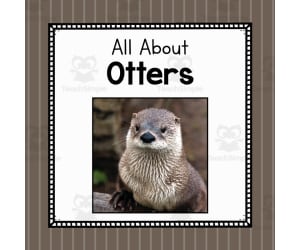
All About Otters, Animal Writing Report, Animal Unit of Study
ELA, Writing, Creative Writing, Reading, Science, Life Sciences, Animals, Kindergarten, Grade 1, 2, Teacher Tools, Lesson Plans
All About Otters, Animal Writing Report, Animal Unit of Study, Preschool Writing Packet, Otter Life Cycle This is a comprehensive collection designed to engage young learners in a detailed study about otters. The expansive resource encompasses literacy skills and scientific concepts. From real photos to non-fiction articles and other reading material, every child from preschool to 2nd grade can find suitable learning material. Features: The package contains questions to promote critical thinking. Incorporates project ideas for hands-on approach to learning. Includes a book list for additional exploration. List of links leading young learners to related videos. Interactive Learning Materials: The unit provides printables with collectible animal cards, vocabulary strips with definitions, and worksheets focusing on animal adaptations and habitats. Reading content consists of nonfiction articles, provided in two differentiated levels that can accommodate varied reading abilities within the class. Students can also enjoy fictions narratives. Synchronization of Literacy Skills with Gained Knowledge: To ensure that the children's writing skills keep pace with their newfound knowledge about otters; the resource offers many writing templates suited for different skill levels among pupils. This extends into creative endeavours too; there are crafts like paper animal cut-outs included as well. Educational Games: The unit has memory matching exercises allowing students revise acquired knowledge on otters' behaviours or characteristics reinforcing their memory further. Can be used whole group instruction or divided into smaller groups depending on classroom situations stretching across homework assignments. The product comes with 1 PDF file consisting of 147 usable pages, primarily tailored towards facilitating language arts and science learning in preschool to grade 2 students.
Author Simply Schoolgirl
Tags Otters, Animal Study, Life Cycle, Nonfiction Reading, Writing Activities, Words Aside
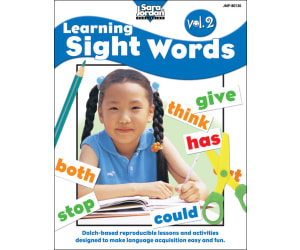
Learning Sight Words, vol. 2 Gr. K-3
ELA, Language Development, Vocabulary, Grade 1, Teacher Tools, Lesson Plans
Learning Sight Words, vol. 2 Gr. K-3 Learning Sight Words, vol. 2 Gr. K-3 is a teaching resource tailored for students in grade 1, focusing primarily on enhancing language arts skills and vocabulary development. A highlight of this resource is its concentration on the Dolch Basic Sight Vocabulary, a globally recognized tool for effective vocabulary building in classrooms. This black-line thematic lesson resource presents valuable features: Carefully designed lessons and exercises. A license for reproducibility that allows duplication of worksheets whenever necessary. An efficient system that reinforces learning with the review of vocabulary from volume 1. A flexible implementation strategy fit both for group activities and as homework assignment enhancers. Digital Compatibility & Resource Flexibility The easily accessible PDF format widens possibilities towards reaching each student effectively irrespective of their circumstance, promoting sharing across different platforms both digital or print. Singing Sight Words Complementarity This teaching tool optimizes its effectiveness when used simultaneously with "Singing Sight Words," a sister product utilizing similar objectives through a different medium fostering parallel growth along multiple channels. In conclusion, The incorporation of Learning Sight Words vol. 2 Gr.K-3 not only accelerates but also consolidates holistic vocabulary expansion and mastery, proving to be an irreplaceable component towards any first-grade language art curriculum .
Author Classroom Complete Press
Tags PDF
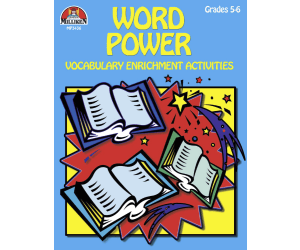
Word Power Gr 5-6
ELA, Language Development, Vocabulary, Grade 5, 6, Teacher Tools, Lesson Plans
Word Power Gr 5-6: An Interactive Language Arts Learning Tool The Word Power Gr 5-6 is a learning resource designed specifically for strengthening the language arts skills of Grade 5 and Grade 6 students. Remarkably, this tool is not a standard vocabulary builder, but one that utilizes words taken directly from popular literature relevant for these grade levels - leading to more natural and practical word-learning scenarios. Vibrant Variety of Activities This versatile educational device offers a sum total of 22 interactive activities, each introducing over 60 new challenge words in context. These differentiated exercises span various learner needs - from pairing words with their meanings to organizing words alphabetically, interacting with antonyms, and solving puzzles. Anchors vocabulary enhancement Promotes critical thinking skills through interactive engagement with fresh vocabularies Ample reinforcement on each page via engaging tasks designed by experienced educators for maximum recall. Innovative Review Systems & Comprehensive Guides In addition, three two-page reviews are sprinkled judiciously throughout the Word Power Gr 5-6 to ensure a firm understanding of word usage before moving onto newer concepts. This fosters gradual scaffolded growth. A companion teacher's guide includes an extensive list of source books at every level – making it an ideal fit into any structured Language Arts curriculum or enriching support for homeschoolers looking forward to enhancing vocabulary development at home. Easily Adoptable Format All resources come in a user-friendly PDF file format that can be effortlessly integrated into any Learning Management System (LMS) or printed out directly – catering inexhaustibly to all teaching environments. Builds Robust Linguistic Foundations Focusing on real-world word usage and comprehension-focused exercises, Word Power Gr 5-6 is a vital asset for enabling efficient vocabulary instruction.
Author Classroom Complete Press
Tags PDF

Civics and Government 3rd Grade (15 Day) Unit
Social Studies, ELA, Government, Reading, Writing, Common Core, Grade 3, Lesson Plans, Teacher Tools
Are you introducing 3rd graders to the concept of government and its role in our communities? Through engaging activities, students will explore the differences among national, state, and local and state governments, understand the importance of laws and justice, and learn how governments function to serve the people. This 15 day mini unit includes day by day planning with suggested activities for differentiation. Typically used in a high ability classroom, it is appropriate for all students. Teaching methods used: Jigsaw learning, foldables, Nonfiction research, doodle notes, graphic organizers, group work, individual work, (suggested) guest speakers, and traditional assessment. Unit includes: Alignment page showing 3rd grade social studies state standards, Common Core Reading and Writing standards, and National Council of Social Studies Themes 15 day lesson plan broken into standard, reading/information source, and activities Vocabulary journal + answer key Jigsaw activity for three branches of government Foldable activity for civic virtues Sequencing activity for election process 7 nonfiction reading passages (+ answer keys) 2 Project Based Learning projects - Elect a Mayor and Design a City Rubrics for all projects and answer keys where applicable Traditional vocabulary quiz List of possible guest speakers Government focus: Since third grade is more community based, the content and projects focus mainly on state and local government. The branches of government and responsibilities of important people within the government include national organizations and expectations (i.e.: President, Congress, and Supreme Court). If it is an election year, the election activity can easily be adjusted to "Elect a President" instead of "Electing a Mayor." Tags: government, elections, legislative, executive, judicial, state and local government, city planning, citizen, civic duty, mayor File Type: PDF (not editable) Number of Pages: 53 (including curriculum plan and answer keys) Grade: 3 - depending on state standards, may overlap with second or fourth grade government content
Author Kel's Klass
Tags Government, Elections, Legislative, Executive, Judicial, State And Local Government, City Planning, Citizen, Civic Duty, Mayor

The Outsiders Complete Teacher's Unit
ELA, Literature, Grade 4, 5, 6, 7, 8, Lesson Plans, Teacher Tools
The Outsiders Complete Teacher's Unit An exceptional teaching resource that’s perfect for both public school and homeschooling educators, focusing on students in Grades 4-8. It provides a comprehensive framework to approach a novel unit on 'The Outsiders', dividing reading comprehension tasks into digestible units, complete with guides. A Seamless Fit For Your Curriculum Adapts effortlessly into any Language Arts curriculum - especially Literature. It simplifies complex literary concepts, boosting pupils' understanding of the text while fostering a deeper appreciation of literature. Meticulous Structure: An Introduction Power Point strives to boost the initial understanding of 'the outsiders.' The Study Guide deepens this knowledge by offering nuanced insights into each chapter. The Characterization flip book enhances imagination and text comprehension while helping learners develop empathy for fictional characters. Innovative Approach to Teaching Methodologies: A variety of Graphic Organizers promote active learning by enabling students organize their thoughts more efficiently. Moreover, the Project Choice Board included in the package facilitates creativity by allowing students to choose from various project options according to their personal preferences or strengths—thereby enabling differentiated instruction with respect for individual learner profiles. Finally, The Outsider Complete Teacher's Unit can be used in classrooms as part of group lessons or home-schools within small guided reading groups and even adapted as tailored homework tasks. Conclusion: This digital resource saves crucial preparation time while ensuring inclusive education that addresses different learning styles -- demonstrating the capabilities modern-day teaching resources possess.
Author Educate and Create
Tags Outsiders, Teacher's Unit, Literature, Comprehension, Graphic Organizers
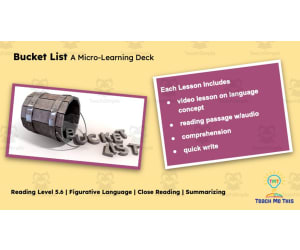
Bucket List | Figurative Language Activity | Micro-Learning Deck
ELA, Reading, Reading Comprehension, Grade 4, 5, 6, 7, Teacher Tools, Lesson Plans
This resource allows students to explore figurative learning in a fun way. The figurative language term for this learning deck is "Bucket List." Through close reading and a reading passage with audio, your students will better comprehend figurative language! Included: -Video lesson on language concept -Reading passage w/ audio Comprehension -Quick write
Author Teach Me This
Tags Bucket List, Figurative Language, Learning Deck, Digital Lesson, Comprehension Activity

5th Grade Morning Work | 180 Days of Daily Spiral Review | Math & ELA
ELA, Math, Grade 5, Assessments, Teacher Tools, Lesson Plans, Worksheets & Printables
Grade 5 Morning Work | 180 Days of Common Core Spiral Review | Math & ELA Bell Ringers | Print & Go Start every school day with meaningful, standards-based practice using this Grade 5 Morning Work resource! With 180 days of Common Core spiral review , students strengthen essential fifth-grade math and ELA skills through engaging daily activities that reinforce previously taught concepts all year long. This no-prep resource builds independence, improves long-term retention, and helps students begin each day focused, confident, and ready to learn. What's Included 180 days of printable morning work Two-page daily format (360 student pages) Daily Language Arts practice: Grammar Vocabulary Greek & Latin roots Figurative language Reading comprehension passages Reading skills with text evidence Writing activities Vocabulary Word of the Day Writing prompts Reading challenges SEL check-ins Jokes Brain teasers Growth mindset quotes Would You Rather questions Daily Math & Think practice: Decimal place value Multi-digit multiplication Long division Order of operations Fractions Decimals Coordinate plane Volume Geometry Area and perimeter Measurement conversions Data analysis with graphs and tables Multi-step word problems Math challenges Daily enrichment rotation Fun facts Teacher Guide 36-week Pacing Guide Skills Checklist Editable Morning Work Schedule (Word & PDF) Complete Answer Key for every day of the school year How It Works in the Classroom This Grade 5 Morning Work resource is designed for a consistent 10–15 minute daily routine while remaining flexible for a variety of classroom settings. Perfect for: Morning work Bell ringers Daily spiral review Independent practice Homework Early finisher activities Math warm-ups Reading review RTI and intervention Test preparation Substitute plans Students complete predictable daily routines while teachers greet students, take attendance, conference with individuals, or work with small groups. A weekly enrichment rotation keeps learning fresh with brain teasers, logic puzzles, STEM challenges, vocabulary activities, and trivia. Standards & Learning Goals This comprehensive Grade 5 Morning Work resource reinforces essential Common Core skills throughout the entire school year. Language Arts Grammar and language conventions Vocabulary development Academic vocabulary Greek & Latin roots Figurative language Reading comprehension Main idea Theme Author's purpose Point of view Text structure Using text evidence Opinion, narrative, and informative writing Sentence revision and editing Math Decimal place value Multi-digit multiplication Long division Order of operations Fractions (adding, subtracting, multiplying, and dividing) Decimals Coordinate plane Volume Geometry Area and perimeter Measurement conversions Multi-step word problems Mathematical reasoning Students also strengthen: Critical thinking Reading stamina Problem-solving skills Growth mindset Social-emotional learning Independent work habits Long-term retention through daily spiral review Why Teachers Love It ❤️ Zero prep—just print and teach ❤️ Covers all 180 instructional days ❤️ True spiral review reinforces essential Grade 5 skills throughout the year ❤️ Combines math and ELA in one easy-to-manage daily routine ❤️ Skills increase in complexity as the year progresses ❤️ Includes engaging reading passages, real-world math applications, coordinate grids, volume models, and higher-order thinking activities ❤️ Weekly enrichment rotation includes STEM challenges, logic puzzles, vocabulary challenges, and brain teasers ❤️ Supports classroom management with a consistent, predictable routine ❤️ Includes pacing guides, assessment checklists, editable schedules, teacher guidance, and a complete answer key ❤️ Perfect for classrooms, homeschool, intervention groups, and substitute teachers Perfect For Grade 5 Classrooms Morning Work Bell Ringers Daily Spiral Review Common Core Review Math Review Reading Review Independent Practice Early Finishers Homework RTI & MTSS Test Prep If you're looking for a comprehensive Grade 5 Morning Work resource that combines engaging literacy instruction with rigorous math practice, this complete 180-day Common Core spiral review provides everything you need to establish a productive morning routine while reinforcing essential fifth-grade skills every day of the school year. Download today and make mornings organized, engaging, and stress-free while helping students build lasting academic confidence!
Author Bright Classroom Ideas Marketplace
Rating
Tags Ela, Math, Spiral, Review, Morning Work, Yearlong, Full Year

Phonics / Digraphs for 1st -2nd: Ending Sounds: CK, NG, SH, TH, and NK
ELA, Reading, Reading Comprehension, Grammar, Language Development, Phonics, Grade 1, 2, Teacher Tools, Lesson Plans, Activities, Worksheets & Printables, Worksheets
Reading can be made easier with these phonic helps that repeatedly encourage students to practice these Ending Digraph sounds. Learning how to read can be the most challenging activity for many students and for a teacher. A digraph in the English language are two letters put together that represents a single sound or phoneme. Understanding that the combination of letters can make one sound can be difficult to master and requires repetitive practice of reading and writing these words with these sounds. This unit focuses only on the Ending Digraph sounds. There are other phonics units that I sell that focuses on the Beginning Digraph sounds, and one that focuses on all three digraph sounds in the Beginning, Middle and End. Activities include reading comprehension and identifying the digraphs in their reading, writing their answers to questions regarding the paragraph, identifying additional ending digraph words in sentences using a word bank, matching words with pictures, spinning a paperclip activity where students will write the word with the digraph sound, and lastly a fun wordsearch with the ending digraph words. These activities are for each digraph so there is plenty of opportunities for students to practice their comprehension reading skills and phonic sounds. Students will practice the following Ending Digraph sounds: ck, ng, sh, th, and nk. Teachers can use this resource in whole group, individually with students, students can practice with each other in centers, or they can be assigned as homework. Worksheets are also differentiated for each Ending Digraph sound for all young learners which makes it perfect for all 1st - 2nd graders. A total of 33 pages full of reading and phonic activities. Along with reading and writing, there are matching, cutting, and pasting activities. Word searches and spin and make a word activity are also a part of this packet which make learning to read these phonic sounds entertaining for young learners. For a list of other phonics and grammar activities, click on the following links: CVC Word Families for Beginning Readers: Stamp it, Make it, Trace it, and Write it CVC Words | Short Vowel Phonics | Word Families for K- 2nd Grade Phonics for 1st and 2nd Grade: Help Students Learn Long A Words: AY, AI, A_E, EIGH, EY, and EA Phonics for 1st and 2nd Grade: Help Students Learn Long E Words: EE, EA, E_E, and Y Phonics for 1st and 2nd Grade: Help Students Learn Long I Words: I_E, IE, IGH, and Y Phonics for 1st and 2nd Grade: Help Students Learn Long O Words: O_E, OA, OW, OE, and OUGH Phonics for 1st and 2nd Grade: Help Students Learn Long U Words: U_E, EW, OO, UE, UI and OU Phonics / Digraphs for 1st and 2nd Grade: Beginning, Middle, and Ending Sounds Phonics / Digraphs for 1st -2nd: Ending Sounds: CK, NG, SH, TH, and NK Phonics / Digraphs for 1st and 2nd Grade: Beginning Sounds: SH, TH, WH and PH Phonics: R-Controlled Words for 1st and 2nd Grade and Early Readers
Author K-5 Treasures
Tags Ending Sounds, Phonics, Reading, Sh Words, Th Words, Ck Words, Nk Words, Digraphs, Digraph Words, First Grade Phonics
How to Write An Essay: What Is an Informative Essay? - FLASH-MAC
ELA, Writing, Common Core, Grade 5, 6, 7, 8, Teacher Tools, Lesson Plans
Teaching Resource Overview: "How to Write An Essay: What Is an Informative Essay? - FLASH-MAC" This teaching resource is aimed at aiding educators in their mission of imparting crucial essay-writing skills, with a focus on informative essays which are significant parts of Language Arts. Content and Features The courseware includes a chapter mini that provides curriculum -based content. It offers: Reading passages 'Before you read' and 'after you read' questions that foster critical thinking Numerous supporting documents for further reinforcement: Vocabulary flashcards: Excellent recapitulation resources inducing vocabulary retention among learners. Interactive activities:Aimed at solidifying learned concepts through practice while also bringing fun into learning. Puffprintables: These facilitate convenience by allowing printing only when necessary. A well-structured graphic organizer: Helps understand how arguments flow seamlessly from introduction through body paragraphs to conclusion. Suitability for various learning scenarios including: - Whole group sessions for collaborative learning - Small group activities according individual learner attention - Homework assignment providing individual practice opportunity. Synchronisation with Common Core State Standards ensuring alignment with recognised educational objectives across various states and regions. Posting this will assist any instructor who aims to enhance writing skills within their students, specifically in Grade 5, Grade 6, or upper middle school grades like Grade 7 and Grade 8. The focus of this F.L.A.S.H-MAC tool is on informative essays. Please ensure that your device is suitable for a MAC compatible product file before fully accessing its features and benefits!
Author Classroom Complete Press
Tags Software (Mac)
How to Write An Essay: What Is an Essay? - FLASH-MAC
ELA, Writing, Common Core, Grade 5, 6, 7, 8, Teacher Tools, Lesson Plans
How to Write an Essay: What is an Essay? - FLASH-MAC The resource titled 'How to Write An Essay: What Is An Essay?' is a comprehensive teaching tool targeted particularly at educators of Grade 5, 6, 7, and 8 students. This easy-to-use software for Mac system reveals concrete insights on essay writing and breaks down complex processes into manageable chunks. This utility enables teachers to effectively instruct students on what exactly constitutes an essay while delivering curriculum-based content. Reading Passages: This resource provides reading passages which serve as foundational tools for understanding the art of essay writing. It also comes with useful preparatory material in the form of 'before you read' questions that prompt students to consider certain key points prior to reading. Post-reading Questions: Post-reading questions also feature prominently in this product in a bid to reinforce comprehension and retention while promoting scholarly discussion. It stands out as a versatile tool that can be employed during whole group discussions, small group activities or even as homework assignments meant for individual study. Supplementary Materials: To further enrich the teaching experience, supplementary materials are included in the software package. Printable materials provide ample practice opportunities for students outside classroom sessions when they can introspectively consolidate their learning. Vocabulary Flash Cards & Graphic Organizers: Vocabulary flash cards offer exposure to new words associated with essay writing besides giving spelling practice all rolled into one engaging activity . Graphic organizers available within this software foster visual learning by assisting young learners with organising their thoughts more efficiently prior than penning them down - thereby adopting a systematic approach towards brainstorming ideas and planning their essays. Interactive Activities: Interactive activities cap off these features thus making lessons simultaneously enjoyable whilst providing scholarly engagement within interactive forums thereby sustaining student interest throughout instruction periods. Altogether, not only does this product appropriately align with Common Core State Standards but it has been designed keeping Bloom's Taxonomy principle front and center- hence upholding high standards of education. 'How To Write An Essay: What Is An Essay?' FLASH-MAC for Effective Learning! The 'How To Write An Essay: What Is An Essay?' FLASH-MAC finally deciphers the art of essay writing to young learners in an appealing yet effective manner. Consequently, it marks itself as a must-have resource every Language Arts teacher should consider incorporating into their study plan curriculum without fail.
Author Classroom Complete Press
Tags Software (Mac)

Critical Thinking: Keys to Organization - FLASH-MAC
ELA, Strategies, Grade 5, 6, 7, 8, Teacher Tools, Lesson Plans
Critical Thinking: Keys to Organization - FLASH-MAC An educational resource designed for Grade 5, 6, 7, and 8 teachers aiming to enhance their students' critical thinking skills. It focuses especially on organzation of thinking process providing curriculum -aligned content in an easy-to-understand format. Software Features Interactive Activities: The software includes numerous engaging assignments that are suitable for different learning environments – large groups within the classroom to small study sessions and individual homework. Literacy Resources: Reading materials included have been selected with care offering supplementary "Before You Read" and "After You Read" questions that go beyond mere retention testing to encourage deeper understanding. Vocabulary Flashcards: Printable vocabulary cards provided will help students strengthen language arts foundations – a key aspect of improving communication and comprehension skills across disciplines. The software incorporates various organizers which serve as visual thought maps enabling students grasp complex notions easily while catering to diverse learning styles. User guide: Upon purchase, a zip file compatible with MAC devices is made available. This makes it easy for teachers use alongside existing tech-tools in conventional classrooms or homeschooling scenarios. Making Critical Thinking: Keys to Organization - FLASH-MAC an essential part every language art teacher’s toolkit towards enhancing their pupil's cognitive abilities even more.
Author Classroom Complete Press
Tags Vocabulary, Flash Cards, Organization, Life Skills, Reading Comprehension

MOOSE ON THE LOOSE Gr. 2-4
ELA, Reading, Grade 2, 3, Teacher Tools, Lesson Plans
Moose on the Loose Gr. 2-4 Looking for an extensive teaching resource that encompasses key skills and introduces students to a fascinating subject? Look no further than Moose on the Loose, designed expressly for learners in Grades 2 through 4. About Moose on the Loose Moose on the Loose is a comprehensive, 67-page PDF teeming with activities all geared towards furthering your students' knowledge about one of nature's gentle giants: the moose, also known lovingly as 'the Giant of the Woods'. This guide encourages creativity, fosters critical thinking and promotes exploration making each lesson interactive and engrossing. Aiming Beyond Facts Rather than merely dispensing facts, this resource utilizes a proactive approach. Students are encouraged to perform their own research about this amazing mammal; exploring their curiosity through in-depth fact-finding missions. Educational Games & Exercises – Math Can Be Fun! Educational games allow students to engage with complex mathematical problems under disguise of fun-filled activity . Creative writing exercises intertwined with word studies help facilitate proficiency in language arts while cultivating reading habits among young learners. The carefully crafted phonics-based tasks support budding readers as they strive toward fluency. Last but absolutely not least, sprinkling some creative flair into academics are art assignments based around our central theme: The Moose! The multi-faceted structure of Moose On The Loose has been strategically conceived to cater to almost every learning style preference - suiting whole class lessons, small group instructions or even individual homework assignments perfectly. In Conclusion... So be it the fun-disguised math workbooks, language art sessions that take exciting turns with stories revolving around moose, exploratory research journey across the knowledge terrain or creative expressions in art - Moose On The Loose provides a wholesome package that transcends standard learning. Enjoy accompanying your students through this enchanting journey and witness the effectiveness of this comprehensive teaching guide.
Author Classroom Complete Press
Tags Research Skills, Moose On The Loose, Creative Arts, Phonics, Reading Activity, Moose On The Loose Clip Art

The Sniper: Full Lesson Plan w/ PowerPoints & Graphic Organizers
ELA, Literature, Grade 8, 9, 10, 11, Lesson Plans, Teacher Tools
The Sniper Full Lesson Plan Bundle for Secondary ELA This comprehensive bundle provides educators with everything needed to teach a complete lesson on the short story "The Sniper" by Liam O'Flaherty. The resource includes a full lesson plan, student handout, answer key, 15 graphic organizers, and 8 PowerPoint presentations covering key literary elements such as theme, characterization, plot, figurative language, and more. Ideal for whole-class instruction, small group discussion, or independent analysis, this bundle offers a variety of tools to analyze the story, stimulate critical thinking, and assess student understanding. With multiple file formats provided, educators can easily customize this standards-aligned curriculum resource to best suit their grade 8-11 students' needs for studying this impactful work of historical fiction.
Author Quality Teaching Products
Tags Reading Lesson Plan, Reading Powerpoint, The Sniper Text, Graphic Organizers, Short Story, The Sniper Text, The Sniper By Liam O Flaherty Full Text
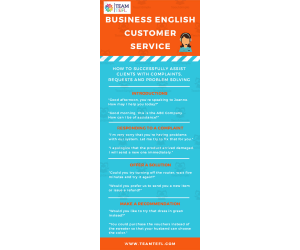
Customer Service Lesson Plan | Business English Level 1
ELA, Language Development, ESL, Grade 10, 11, 12, Teacher Tools, Lesson Plans
Business English ESL EFL ELL TEFL lesson plan about Customer service. It is ideal for older students and adult education. Students will learn how to deal with customer concerns and complaints. They will learn vital vocabulary and gain confidence on their English speaking journey. This business English lesson plan includes: A warmer Closed exercises Open exercise Group activity Revision Role-play Conversation topics This lesson can also be accessed through Google Apps. There are exercises for students to complete in this lesson. Answer key included. This resource is a part of our level 1 series for pre-intermediate and above ESL students. All of the TEAM TEFL Business English lessons are available on Teach Simple. You can see the table of contents for all three levels below: Business English Level 1 contents TELEPHONE SKILLS LETTERS & EMAILS CUSTOMER SERVICE SOCIAL MEDIA BRANDING SETTING TARGETS WORK ENVIRONMENT SALES PRESENTATIONS MEETINGS Business English Level 2 contents LETTERS & EMAILS CUSTOMER SERVICE ADVERTISING NEGOTIATIONS SOCIAL MEDIA SETTING TARGETS MARKETING LEADERSHIP MARKET RESEARCH WORK ENVIRONMENT HOW TO WRITE A C.V ENVIRONMENTAL ISSUES BUSINESS IDIOMS Business English Level 3 contents ADVERTISING SALES MEETINGS COMPUTERS & TECHNOLOGY CULTURAL DIFFERENCES INTERVIEWS MONEY & FINANCE PRESENTATIONS MEDIA IMPACT BUSINESS IDIOMS NEGOTIATIONS LEADERSHIP INVESTMENTS
Author TEAM TEFL
Tags Customer Service, English Lesson, EFL, ESL, Business

Non-Fiction Early Reader: Penguins Unit
ELA, Reading, Grade 1, 2, 3, 4, Lesson Plans, Teacher Tools
Sure, please find below the reformatted text according to your instructions: Non-Fiction Early Reader: Penguins Unit The Non-Fiction Early Reader: Penguins Unit is an educational resource that provides a delightful balance between improving reading skills and immersing students in a world of non-fiction. This unit is best suited for grade 1 to grade 4 educators. Main Features: A meticulously designed nonfiction book about penguins with real photographs. Two versions of the main book catering to different reading levels. Inclusion of supplementary materials like posters and worksheets for reinforced learning. Penguin themed word strips for comprehension improvement. A provision for tracking progress via dedicated reading charts which highlight individual accomplishments in non-fiction reading. This teaching resource provides flexibility towards collective or individual learning routines. It may be used as homework material or during interactive group readings. Note on Independent Research Skills: To promote independent research skills among learners, it contains half-page blank booklets enabling them to pen down their own versions based on discoveries they make during primary-level research activities. Aid For Parents: An 'ABC's guide' is included providing tips on assisting children read non-fiction at home effortlessly. This package offers layered benefits across 87 pages packed full of pedagogical support including informative text feature posters guiding through foundational aspects like tables of content or index usage along differentiated articles about penguins. For Language Arts instructors within Grades I-IV, this PDF will be a hands-on tool to cultivate reading skills while delving into fascinating non-fiction. Let's together take our young readers on this journey to broaden their horizons!
Author Simply Schoolgirl
Tags Early Reader, Penguins, Non-fiction, Reading Skills, Differentiated Instruction
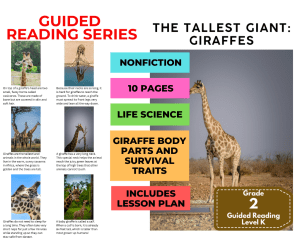
Guided Reading Level K - Tallest Giant Giraffes (with Lesson Plan)
ELA, Resources for Teachers, Reading Comprehension, Reading, Science, Language Development, Life Sciences, Animals, Pre-Reading, Vocabulary, Grade 2, 3, 4, Worksheets & Printables, Worksheets, Teacher Tools, Centers, Activities, Literacy Readers, Quizzes, Quizzes and Tests, Assessments, Lesson Plans
This Guided Reading Book - Tallest Giant Giraffes (Level K) with lesson plan includes: Guided Reading Color Label (front cover x1) This is a quick way to match the book’s demands to what students can generally handle.. The overall goal is to use the level/color to pick books for several smaller groups. To qualify for a certain level, a student is expected to read a book from that level with about 90–94% accuracy. If a student is consistently accurate and understands, move up a level. If the student is struggling at that level, drop down and add more support. Each student will improve at completely different rates, but it is generally one of the best ways to check progress across the class. DOWNLOAD THE CATALOG TO VIEW ALL GUIDED READING BOOKS AVAILABLE (SORTED LEVELS A-Z) Pre-Reading Question (x1) Teacher asks the prompt aloud, can be while showing the cover or first page. Students share what they already know, or make educated guesses from the cover. Prompt them to use the target vocabulary. Write some of their responses on the board to look back at during the reading. Vocabulary Words (x5) Introduce the five words, best doing it one at a time. Start by saying it, while students repeat and then see if anyone knows what it means before reading further. Read through the meaning and try to briefly connect each word to a picture or gesture so it’s meaningful. Ask students to flip through the book pages and point to where they see each of the vocabulary words. While reading the book pause upon coming across one of the vocab words or read the sentence twice to make sure students understand the word has appeared. Optional: Ask students to raise hands whenever they see/hear one of the new words. Guided Reading Pages (x10) Check the book snapshot (below) for: primary topic - do you need to prep extra reading or intro materials on this? what is taught best - decide on 1-2 bullets to focus on, use the prompt or words provided here for best results. learning goals - what you are checking for students to be able to do after the session, elicit answers using prompts or words provided. key vocabulary (see section above). questions overview - so you know what is coming up and if you need to prep extra materials to assist understanding. Run the lesson You may have already looked at a few of the pages together, but you can show them some of the pictures again first to set meaning. Depending on how much time you have and how familiar your students are with guided reading class, you may want to read the book aloud first with the group first. Students whisper or partner read, while you listen in. If time, do it as a group, one student reading a page each. Use the guided page’s prompts to coach: “Check the picture / does it make sense?” “Point under the words / try the first sound” “Reread the sentence smoothly”. Try to focus more on one student per session (rotating every time), so you can work out if they are ready to move up or need to move down a level. Comprehension Questions (back cover x3) This is your way to check that students didn’t just say the words, but actually understood the text. First, let students answer by pointing to the page/picture and saying a short sentence. After any answer, follow with: “Show me where you found that in the text.” In bigger groups, have partners answer first (10–20 seconds), then call on 2–3 students to share. Differentiation tips: Emerging speakers/struggling readers: oral + pointing On-level: oral in a full sentence Higher: one written sentence or draw + label Book Snapshot Title: The Tallest Giant: Giraffes Genre: Nonfiction (informational) Subject: Life Science + Reading (Informational Text) Primary Topic: Giraffe body parts and survival traits Estimated Guided Reading Level (A–Z): K What This Book Teaches Best Giraffes are the tallest land animals and live in the warm, sunny savanna in Africa. A giraffe’s long neck helps it reach “juicy green leaves” on tall trees that other animals cannot touch. Giraffes use a long, strong, dark tongue to wrap around branches and pull off leaves, even with sharp thorns. Each giraffe has a unique pattern of spots; no two have the exact same shapes or colors on their fur. The text highlights survival behaviors and features (drinking stance, short standing naps for safety, fast running, and newborn calf size). Learning Goals Students will describe where giraffes live using details from the text. Students will explain how a giraffe’s long neck helps it get food. Students will describe how a giraffe uses its tongue to pull off leaves, even when there are thorns. Students will explain what is unique about each giraffe’s spots. Students will describe what a giraffe must do to drink water and why it is hard to reach the ground. Students will identify two facts about how giraffes stay safe or move (short naps standing up; running up to thirty-five miles per hour; traveling long distances). Key Vocabulary From the Text savanna — a warm, sunny place with grass and tall trees. juicy — full of liquid; wet and tasty. thorns — sharp points on a plant that can poke you. unique — one of a kind; not the same as others. ossicones — small, fuzzy horns on top of a giraffe’s head. Discussion Prompts Pre-reading question: What body parts might help a giraffe get food and stay safe? Comprehension questions: How does a giraffe’s long neck help it reach food that other animals cannot touch? Comprehension questions: What does the book say a giraffe must do to drink water? Comprehension questions: What is special about each giraffe’s pattern of spots? Printing Tips 1. Best Printing Method (Recommended) “Booklet” Printing (Best if Available) If your printer or PDF viewer supports Booklet Printing , use this. Settings to use: Print mode: Booklet Paper size: Letter or A4 (either works) Orientation: Landscape Print on both sides: Yes Flip on: Short edge Scaling: Fit to printable area Booklet subset: First test: Front sides only Then: Back sides only This will automatically: Pair pages correctly Put the cover on the outside Align everything for folding After printing, fold in half and staple along the spine . 2. If “Booklet” Printing Is NOT Available You can still print this correctly with manual duplex printing . Step-by-step: Open the PDF. Choose Print . Set: Orientation: Landscape Pages per sheet: 1 Print on both sides: Yes Flip on: Short edge Print all pages . Because each PDF page already contains two facing book pages, the result will still fold cleanly into a book. Thousands of Cored Education products are included with your TeachSimple membership. Download links and encyclopedia index available here.
Author Cored Education
Rating
Tags Reading Comprehension, Reading Passages, Reading, Guided Reading, Guided Reading Lesson Plan, Guided Reading Activity, Pre-reading, Science Lesson Plans, Life Science, Animals
Big Book: There Was An Old Lady Gr. K-3
ELA, Reading, Grade 1, Teacher Tools, Lesson Plans
Big Book: There Was An Old Lady Gr. K-3 Big Book: There Was An Old Lady Gr. K-3 infuses an interactive dimension in teaching language arts and reading for students from Kindergarten to Grade 3. It utilizes the all-time favorite big book stories, "There Was An Old Lady", inducing creativity, comprehension, and fun into any teaching setting. Rhythm and Rhyme Activities Oodles of activities focused on rhythm and rhyme for enhancing learners’ oral skills. Specially designed modules that encourage active participation in class while refining spoken English abilities. Narrative Comprehension Features This resource aids learners to grasp the art of recognizing different narrative point-of-views within the story. It is packed with engaging yet instructional content that fulfills curriculum requirements without risking student engagement. Versatility in Classroom Setups This versatile resource can be adjusted for whole group instruction or small group activities. This can also be used to reinforce English language literacy at home through homework assignments or independent study. Included Teaching Aids A neatly packaged PDF file containing a wealth of teaching aids like Big Book and Little Book versions along with storytelling instructions — a perfect harmony for stimulating an immersive reading atmosphere. Inspired flannelboard patterns from ‘There Was An Old Lady’ supplemented by unique storytelling props add flair during storytelling sessions. Evaluation Mechanisms The included interactive exercises serve as reinforcement methods after using specified learning materials enabling teachers to gauge how well students have acquired certain skills or knowledge introduced via 'There Was An Old Lady'.' In sum, Big Book: There Was An Old Lady Gr. K-3 is an empowering tool for educators striving to evoke a passion for reading among young learners while simultaneously meeting instructional goals.
Author Classroom Complete Press
Tags PDF

My Emotions Explorer: SEL Activity Book
ELA, Language Development, ESL, Grammar, Social Emotional Learning (SEL), Special Resources, Life Skills, Social Skills, Special Education Needs (SEN), Speech Therapy, Homeschool Curriculum, Kindergarten, Grade 1, 2, 3, 4, 5, Assessments, Teacher Tools, Graphic Organizers, Lesson Plans, Worksheets & Printables, Drawing Templates & Outlines, Workbooks, Writing Prompts, Task Cards, Word Problems
Find "My Emotions Explorer: SEL Activity Book Professional Edition," the best social emotional learning activity book for kids aged 6-9 years old. This exciting kids' emotional intelligence book helps kids, parents, and teachers with various social and emotional learning activities. With numerous tools like the Wheel of Feelings, Body Scan, Anger Volcano, Breathing Bubbles, Worry Jar, Empathy Scenarios, Positive Self Talk, Gratitude Garden, Weekly Mood Tracker, and many more, this 43-page downloadable PDF helps kids manage overwhelming emotions with ease. It is an amazing tool for homeschool social and emotional learning, classroom activities, and even family bonding. It also includes an adult facilitation guide to provide psychological safety. Give your kids the gift of higher emotional intelligence with this top-rated kids' emotions book, great for kids' social and emotional learning activities, elementary SEL, and child development tools. Get your copy now and start enjoying instant access to fun and therapeutic exercises! Why Parents/Schools Love It: Research-Backed SEL Tools: Informed by affective science and positive psychology, it develops emotional granularity, strength, and co-regulation skills, resulting in improved mental health and fewer behavioral problems. Engaging, Interactive Activities: Fun activities like drawing faces, building anger volcanoes, and developing gratitude gardens keep kids engaged while learning practical coping skills. Adult Facilitation Guide: Offers parents and educators professional guidelines on how to create a psychologically safe environment, ask open-ended questions, and incorporate SEL into daily routines. Customizable and Printable: Offers 43 pages of printable and editable PDFs, including trackers and certificates, for personalized learning without the need for additional materials. Promotes Long-Term Growth: Assists children in moving from reactive emotions to proactive self-awareness, developing empathy, emotional intelligence, and family/school relationships. Target Classes/Students : Upon a thorough analysis of the 43-page PDF, which includes the adult guide, modules on emotional identification (e.g., Wheel of Feelings, Draw Your Face), emotion regulation skills (e.g., Body Scan, Anger Volcano, Breathing Bubbles, 5-4-3-2-1 Grounding, Worry Jar, Positive Self-Talk), empathy skills (e.g., Empathy Scenarios), gratitude skills (e.g., Gratitude Garden), tracking skills (e.g., Weekly Mood Tracker), and the completion certificate, the content is geared towards children in the age range of 6 to 9 years. This age range corresponds to the early elementary school students. The age range of 6 to 9 years corresponds to the following grades: Kindergarten (5 to 6 years, but this age range can be adapted for 6-year-olds to be introduced to SEL). 1st Grade (6 to 7 years, focusing on basic emotion identification skills). 2nd Grade (7 to 8 years, focusing on emotion regulation skills). 3rd Grade (8 to 9 years, focusing on advanced skills such as gratitude skills and analysis of mood patterns). This PDF is not adapted for children younger than 6 years, i.e., for preschoolers, nor for children above 9 years. Copyright/Terms of Use: This Book was copyrighted by Syed Hammad Rizvi. This resource may be used for personal and single classroom use. You may not change, distribute, or sell any part of this resource. In other words, you may not put this resource on the Internet, so that it could be found and downloaded by others. If you wish to share this resource with others, you may purchase additional licenses from Teachsimple. I appreciate your understanding of these terms of use. This product is happily brought to you by Syed Hammad Rizvi
Author Creative Book Store
Rating
Tags SELAactivities, SocialEmotionalLearning, EmotionalIntelligenceForKids, KidsEmotionsWorkbook, SELWorkbook, ChildrensMentalHealth, EmotionalLiteracy, ResilienceBuildingForKids, HomeschoolSEL, ClassroomActivities
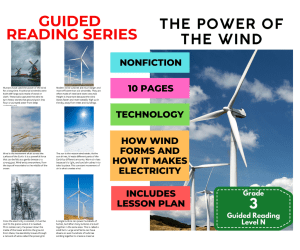
Guided Reading Level N - The Power of the Wind (with Lesson Plan)
ELA, Resources for Teachers, Reading Comprehension, Reading, Social Studies, Geography, Earth and Environmental Sciences, Science, Physics, Technology, Grade 2, 3, 4, Worksheets & Printables, Worksheets, Teacher Tools, Centers, Activities, Literacy Readers, Quizzes, Quizzes and Tests, Assessments, Lesson Plans
This Guided Reading Book - The Power of the Wind (Level N) with lesson plan includes: Guided Reading Color Label (front cover x1) This is a quick way to match the book’s demands to what students can generally handle.. The overall goal is to use the level/color to pick books for several smaller groups. To qualify for a certain level, a student is expected to read a book from that level with about 90–94% accuracy. If a student is consistently accurate and understands, move up a level. If the student is struggling at that level, drop down and add more support. Each student will improve at completely different rates, but it is generally one of the best ways to check progress across the class. DOWNLOAD THE CATALOG TO VIEW ALL GUIDED READING BOOKS AVAILABLE (SORTED LEVELS A-Z) Pre-Reading Question (x1) Teacher asks the prompt aloud, can be while showing the cover or first page. Students share what they already know, or make educated guesses from the cover. Prompt them to use the target vocabulary. Write some of their responses on the board to look back at during the reading. Vocabulary Words (x5) Introduce the five words, best doing it one at a time. Start by saying it, while students repeat and then see if anyone knows what it means before reading further. Read through the meaning and try to briefly connect each word to a picture or gesture so it’s meaningful. Ask students to flip through the book pages and point to where they see each of the vocabulary words. While reading the book pause upon coming across one of the vocab words or read the sentence twice to make sure students understand the word has appeared. Optional: Ask students to raise hands whenever they see/hear one of the new words. Guided Reading Pages (x10) Check the book snapshot (below) for: primary topic - do you need to prep extra reading or intro materials on this? what is taught best - decide on 1-2 bullets to focus on, use the prompt or words provided here for best results. learning goals - what you are checking for students to be able to do after the session, elicit answers using prompts or words provided. key vocabulary (see section above). questions overview - so you know what is coming up and if you need to prep extra materials to assist understanding. Run the lesson You may have already looked at a few of the pages together, but you can show them some of the pictures again first to set meaning. Depending on how much time you have and how familiar your students are with guided reading class, you may want to read the book aloud first with the group first. Students whisper or partner read, while you listen in. If time, do it as a group, one student reading a page each. Use the guided page’s prompts to coach: “Check the picture / does it make sense?” “Point under the words / try the first sound” “Reread the sentence smoothly”. Try to focus more on one student per session (rotating every time), so you can work out if they are ready to move up or need to move down a level. Comprehension Questions (back cover x3) This is your way to check that students didn’t just say the words, but actually understood the text. First, let students answer by pointing to the page/picture and saying a short sentence. After any answer, follow with: “Show me where you found that in the text.” In bigger groups, have partners answer first (10–20 seconds), then call on 2–3 students to share. Differentiation tips: Emerging speakers/struggling readers: oral + pointing On-level: oral in a full sentence Higher: one written sentence or draw + label Book Snapshot Title: The Power of the Wind Genre: Nonfiction (informational science text) Subject: Science (Energy/Earth Science) Primary Topic: How wind forms and how it makes electricity Estimated Guided Reading Level (A–Z): N What This Book Teaches Best Defines wind as the movement of air across Earth’s surface and describes wind as a breeze or a strong gust. Explains the cause of wind : the sun heats Earth unevenly, warm air rises, and cool air moves in to replace it. Shows how people have used wind over time, comparing traditional windmills (grinding grain, pumping water) to modern wind turbines. Describes how a wind turbine works, including blades spinning a shaft connected to a generator that makes electricity. Connects wind energy to sustainability by explaining wind farms , offshore wind farms , and wind energy as a clean, renewable resource. Learning Goals Students will explain what wind is using details from the text. Students will describe how the sun’s heating of Earth helps create wind. Students will describe how traditional windmills used wind to help people. Students will explain how wind turbines change wind’s motion into electricity. Students will describe what a wind farm is and why offshore wind farms can capture strong winds. Students will explain why wind energy is described as renewable and clean in the text. Key Vocabulary From the Text movement — going from one place to another. gust — a short, strong burst of wind. turbines — big machines with blades that spin in wind. generator — a machine that makes electricity. renewable — can be used again and won’t run out. Discussion Prompts Pre-reading question: Where have you seen wind do work, like moving something or making power? Comprehension questions: What does the text say creates wind? Comprehension questions: How did traditional windmills use wind to help people? Comprehension questions: How does a wind turbine turn wind into electricity, according to the text? Printing Tips 1. Best Printing Method (Recommended) “Booklet” Printing (Best if Available) If your printer or PDF viewer supports Booklet Printing , use this. Settings to use: Print mode: Booklet Paper size: Letter or A4 (either works) Orientation: Landscape Print on both sides: Yes Flip on: Short edge Scaling: Fit to printable area Booklet subset: First test: Front sides only Then: Back sides only This will automatically: Pair pages correctly Put the cover on the outside Align everything for folding After printing, fold in half and staple along the spine . 2. If “Booklet” Printing Is NOT Available You can still print this correctly with manual duplex printing . Step-by-step: Open the PDF. Choose Print . Set: Orientation: Landscape Pages per sheet: 1 Print on both sides: Yes Flip on: Short edge Print all pages . Because each PDF page already contains two facing book pages, the result will still fold cleanly into a book. Thousands of Cored Education products are included with your TeachSimple membership. Download links and encyclopedia index available here.
Author Cored Education
Rating
Tags Reading Comprehension, Reading Passages, Reading, Guided Reading, Guided Reading Lesson Plan, Guided Reading Activity, Pre-reading, Geography, Science Lesson Plans, Technology

Lob’s Girl: Full Lesson Plan w/ PowerPoints & Graphic Organizers
ELA, Reading, Grade 7, 8, 9, 10, 11, 12, Lesson Plans, Teacher Tools
This resource will give you everything you need to complete a full, comprehensive reading lesson plan for Lob’s Girl text by Joan Aiken. Files are offered as PDFs and Word documents. Included: -Lob’s Girl Lesson Plan -Lob’s Girl Worksheet -Lob’s Girl Answer Key Graphic Organizers: Author’s Purpose Characterization Chart Figurative Language Chart Historical Analysis Chart Imagery Chart Peer Evaluation Sheet Plot Diagram Read for Detail Setting Style Chart Symbol Chart Symbolism Chart Theme Diagram Tone and Mood Diagram Universal Plot Diagram Venn Diagram PowerPoints: Characterization Imagery, Voice, and Persona Irony and Ambiguity Narrator and Voice Plot Structure Symbolism and Allegory Theme - How to Interpret Theme Thank You Bonus Stuff!
Author Quality Teaching Products
Tags Lob's Girl, Reading Lesson Plan, Reading Powerpoint, Graphic Organizers, Readers Bookmarks

Nonfiction Text Features: Index Lesson
ELA, Reading, Grade 1, 2, 3, 4, Teacher Tools, Lesson Plans
Introducing a Nonfiction Text Features: Index Lesson Engage your students with an interactive lesson that teaches them about indexes, an important nonfiction text feature. This resource aims to create concrete understanding through class discussions and hands-on practice. Over the course of the lesson, students will learn what an index is, why it is useful, and how to identify it within nonfiction texts. The slides incorporate discussions, think-pair-share opportunities, and activities that allow students to apply their new knowledge. Whether using this as an introduction or a review, the lesson is sure to reinforce this key concept. With customizable Google Slides, speaker notes, and ready-to-go student handouts, integrating this resource into your language arts or reading curriculum is seamless. Use it for whole-group teaching, small groups, or even independent practice. Suitable for grades 1-4. Expand your nonfiction text feature instruction with companion resources on captions, glossaries, tables of contents, titles, title pages, and more. Discover engaging interactive lessons that are teacher-created and classroom-tested.
Author Ezee 101
Tags Index, Vocabulary, Nonfiction, Text Features, Concept Development, Student Engagment, Interactive, Nonfiction Text Feature