
Counting Objects Activity
Practice counting objects up to six, for students learning to count or needing to build counting fluency.


5,599 resources
Explore sub-categories
27 sub-categories · 5,599 resources
Practice counting objects up to six, for students learning to count or needing to build counting fluency.
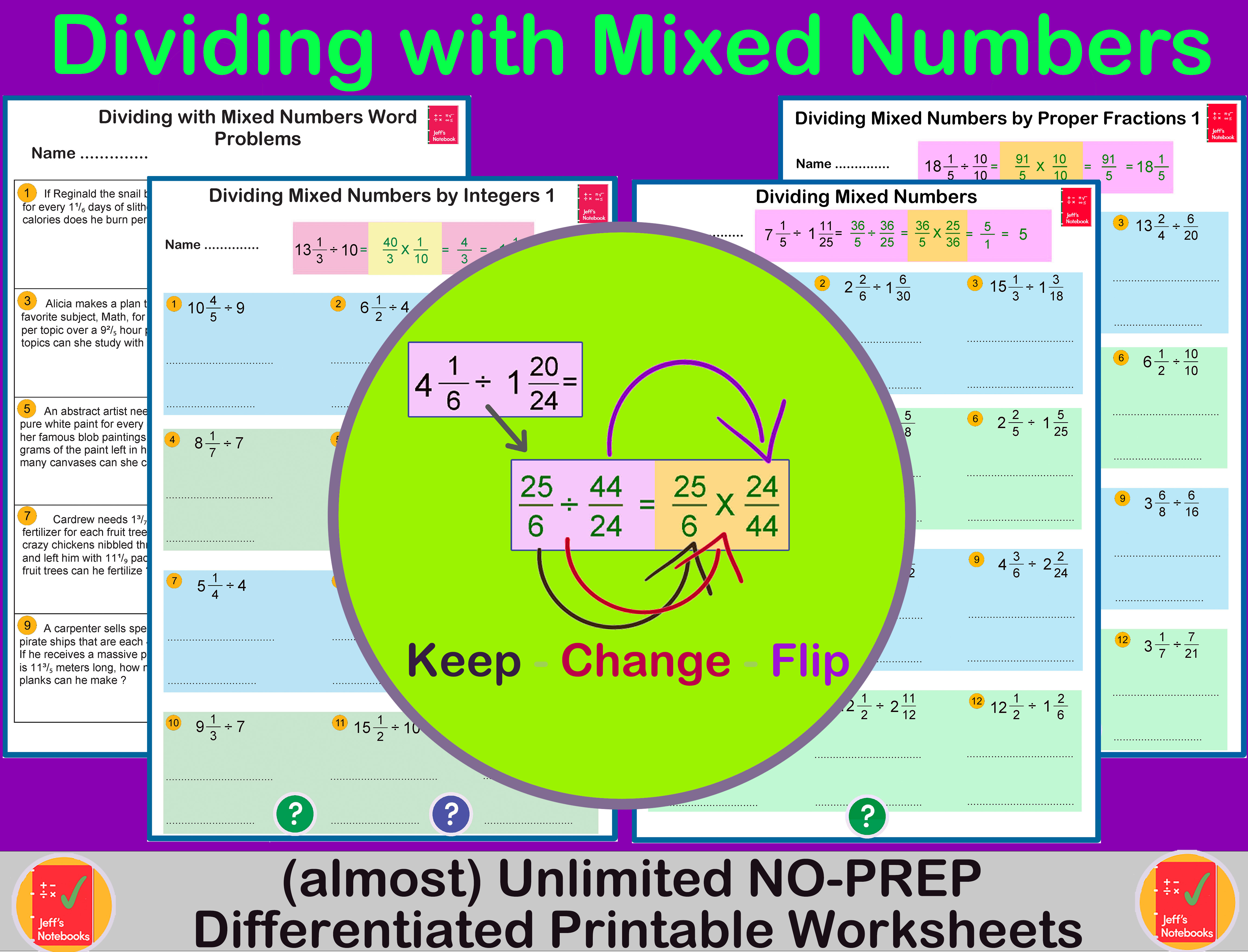
A staged, self-checking practice resource teaching students to divide mixed numbers by converting to improper fractions and applying keep-change-flip.
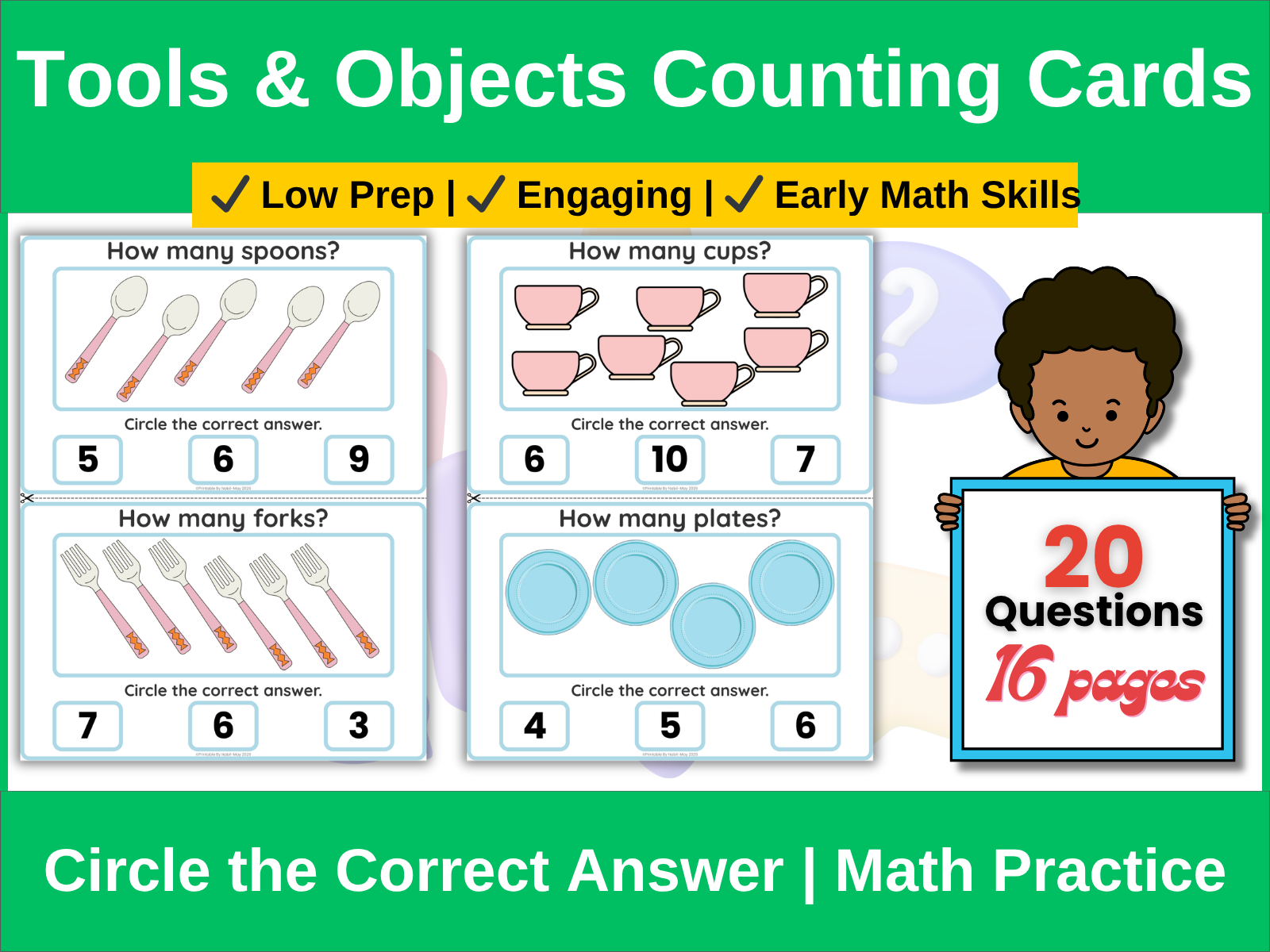
Early number recognition and counting practice using pictures of tools and everyday objects.
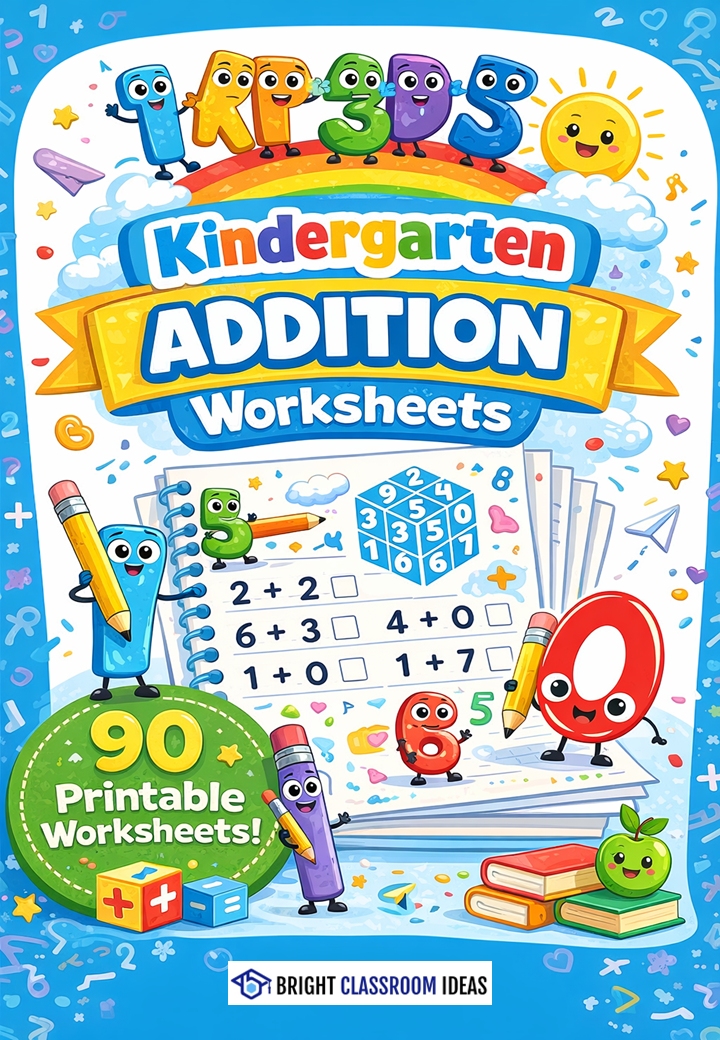
A 90-page kindergarten math worksheet pack combining number recognition/tracing (0-100), simple addition and subtraction, and math games (mazes, sudoku, more/less/equal, matching) for early numeracy practice.
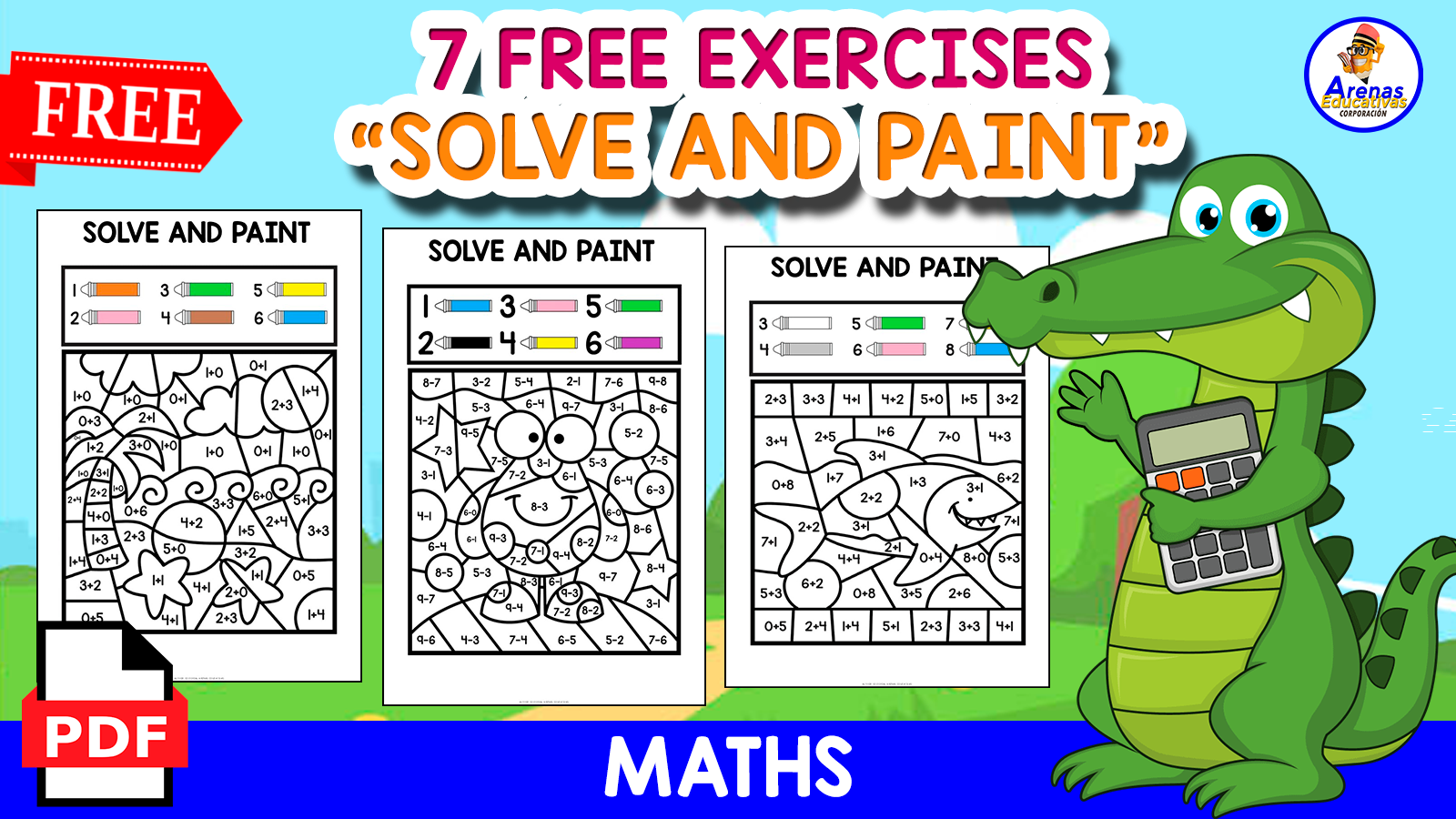 Free download
7 EXERCISES | SOLVE AND PAINT INTRODUCTION: THANK YOU FOR BEING PART OF EDITORIAL ARENAS EDUCATIVAS We are an educational corporation that is dedicated to the development of fabulous resources for mathematics, literacy, as well as resources for teaching Spanish and brain exercises. MAIN INFORMATION: 1. Product name: You can use this…

Introduce an element of fun to your 2nd grade math curriculum with these 12 ready-to-use Math Worksheets: Carnival Games for Grade 2, which are themed around a carnival. The worksheets will engage your 2nd grade students in a range of skills, as per the state mathematics standards. The Math Worksheets: Carnival Games for Grade 2 cover a…

Number flash/task cards for building basic numeral recognition (1-10).
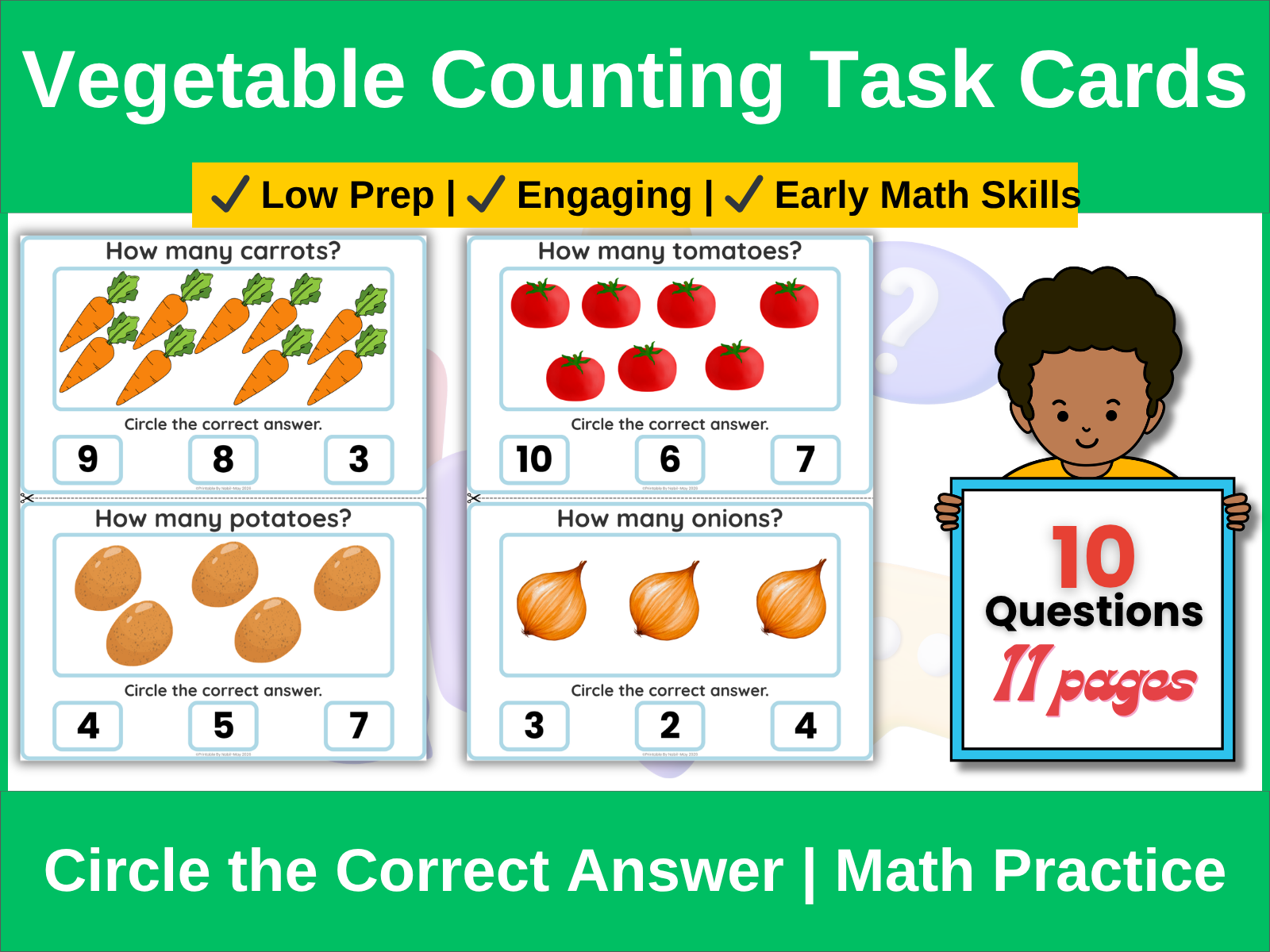
Help young learners practice counting and number recognition using vegetable-themed picture task cards.
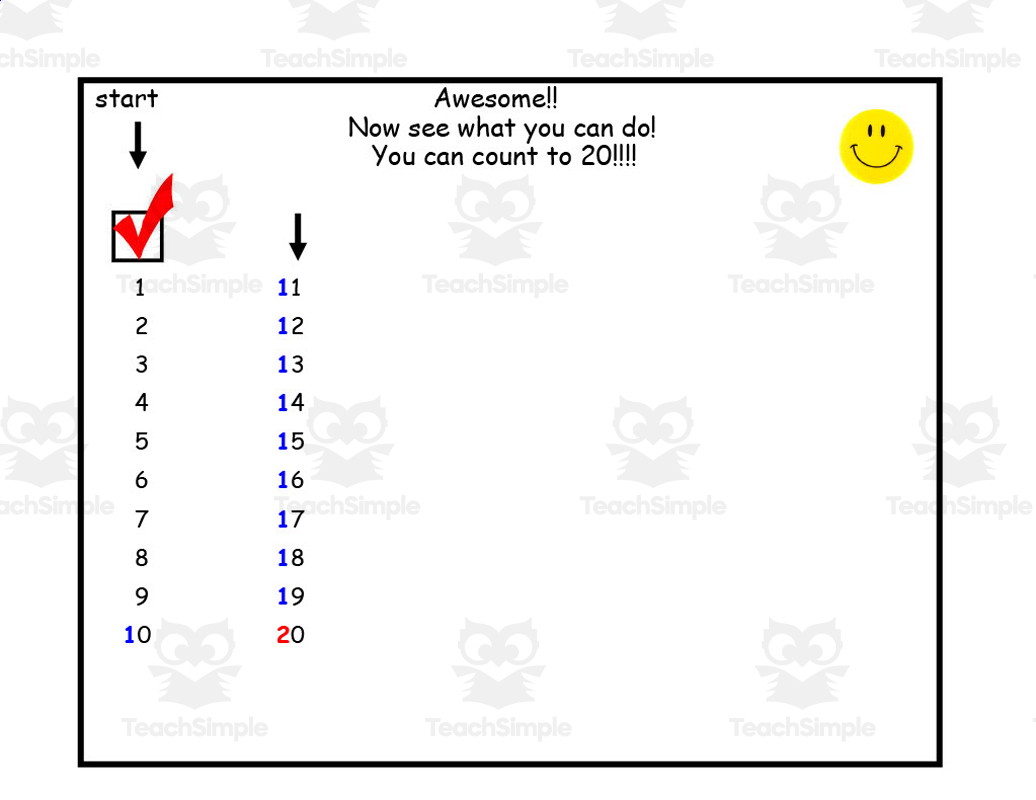
A counting reference/display chart that walks students from counting to 20 up through counting to 100, highlighting the repeating ones-digit pattern across rows of ten.
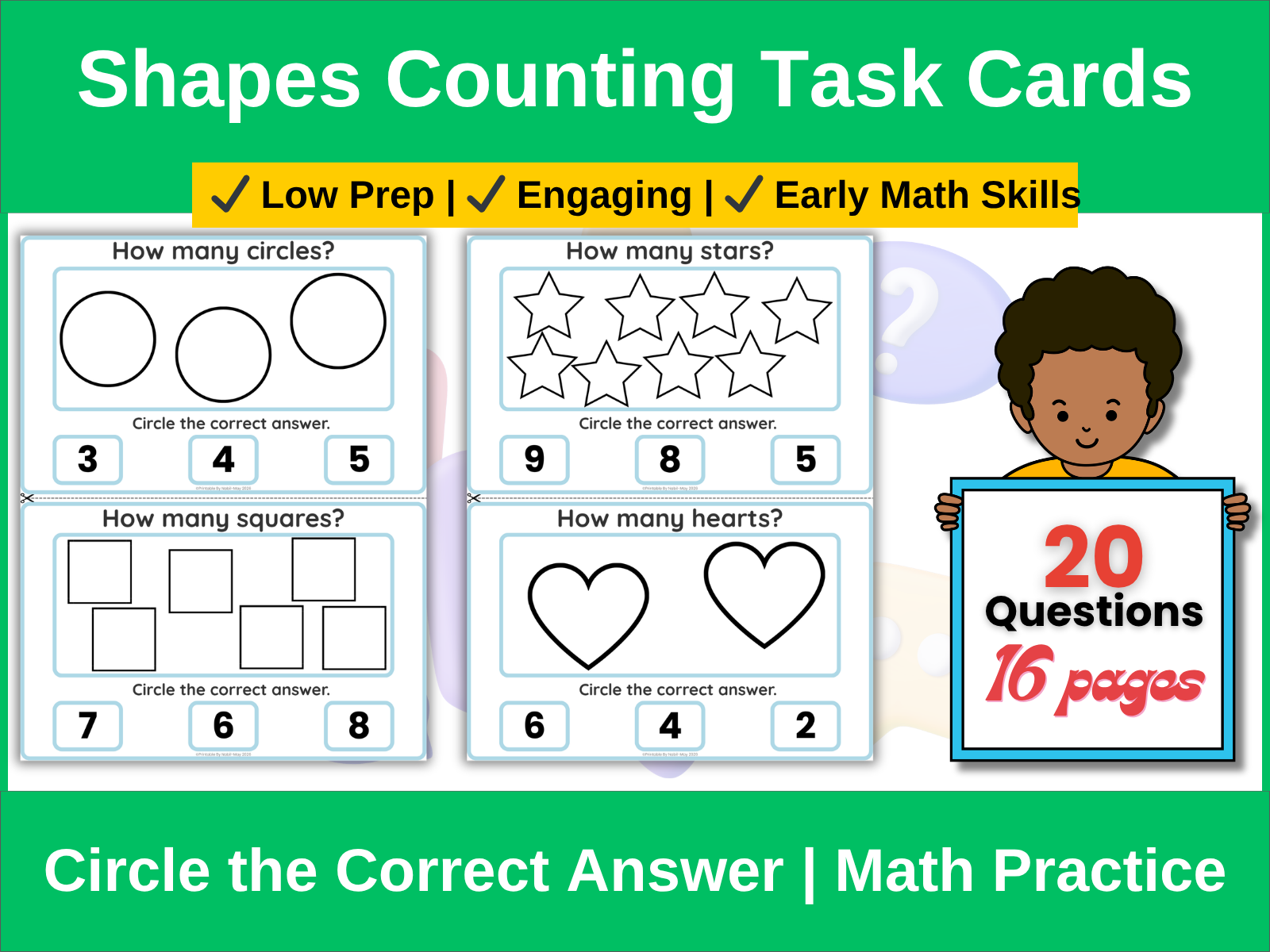
Task-card set combining shape recognition with counting practice for early learners.
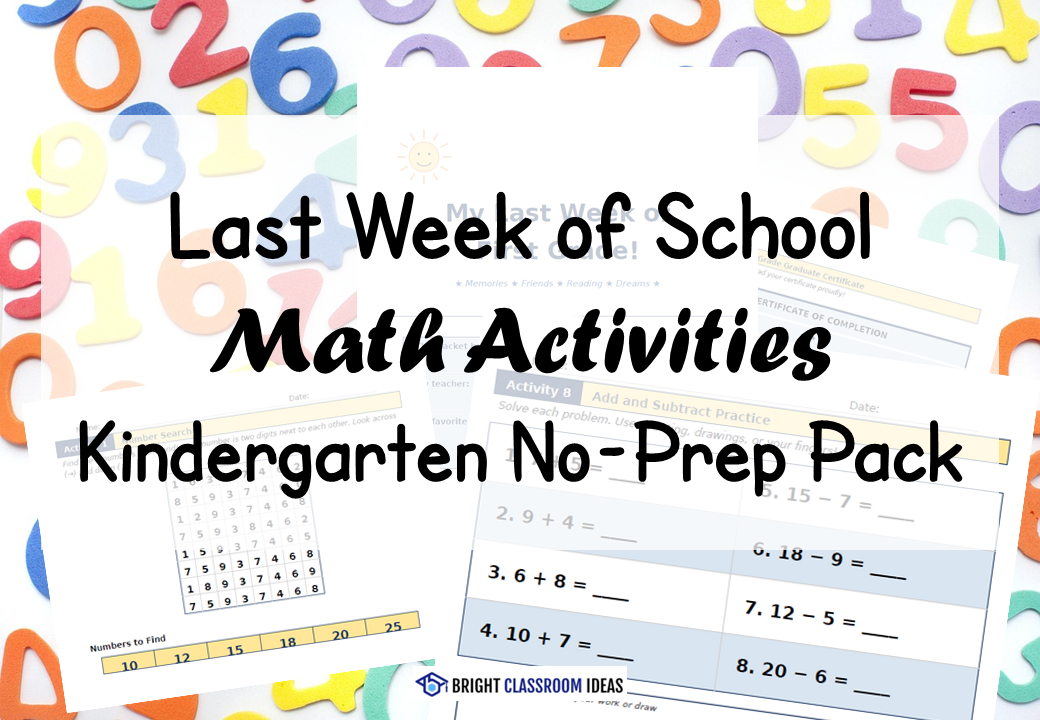
A five-day, no-prep end-of-year math packet for Kindergarten that reviews Common Core counting, addition, and shape skills through scripted lessons, picture-based worksheets, and a read-aloud math story.
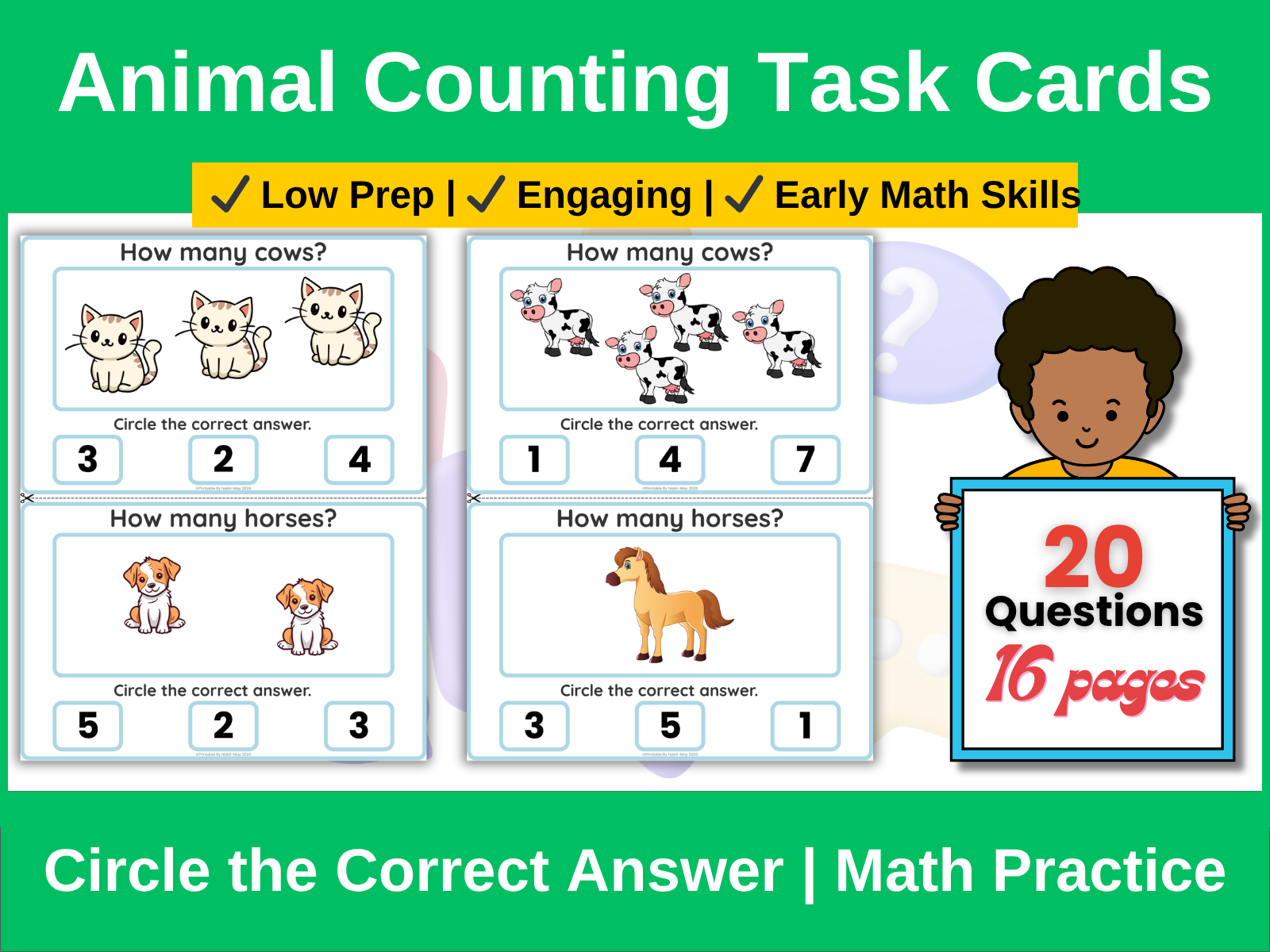
Builds early math counting and number-recognition skills using animal-picture task cards, designed to be accessible for early learners including special education/autism support.
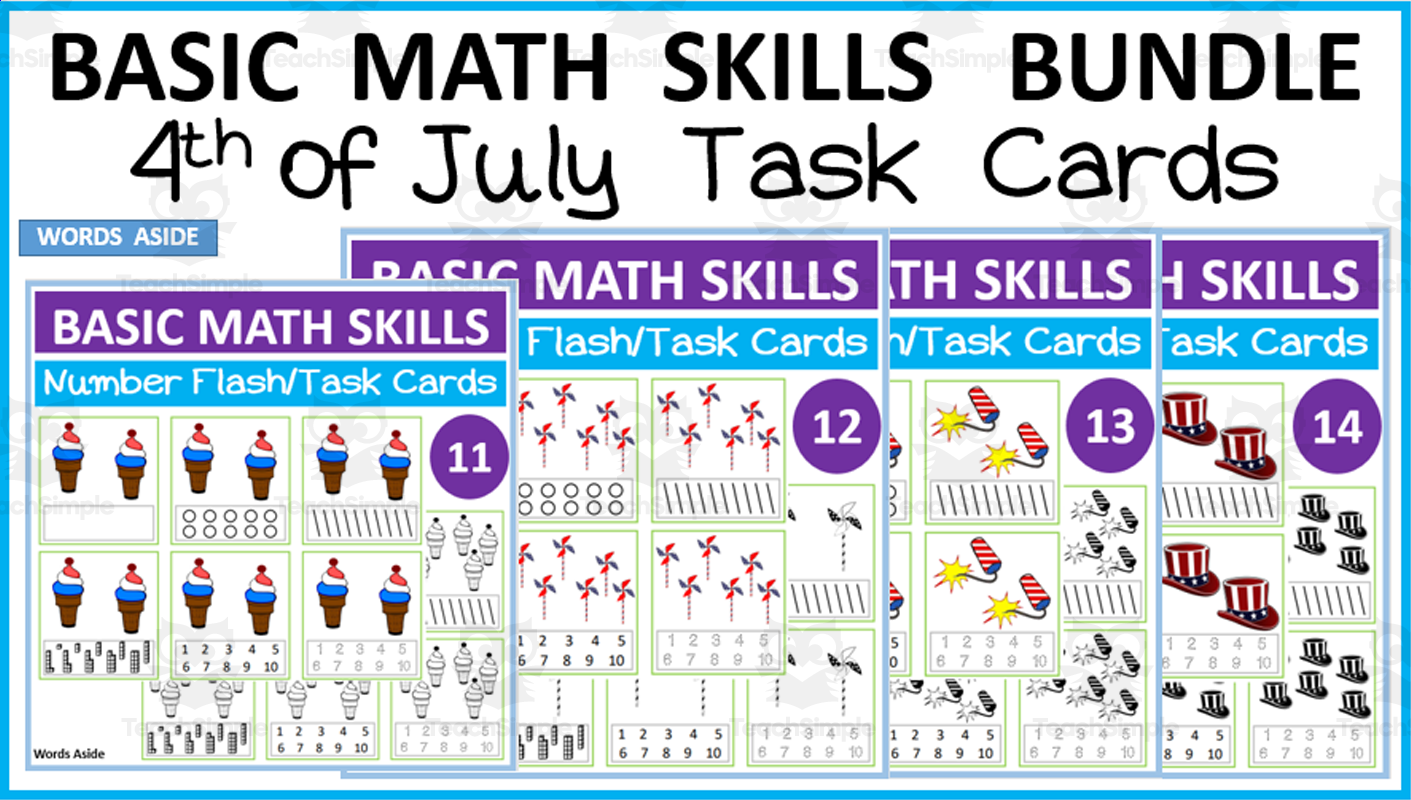
Number flash/task cards for building basic numeral recognition (1-10).
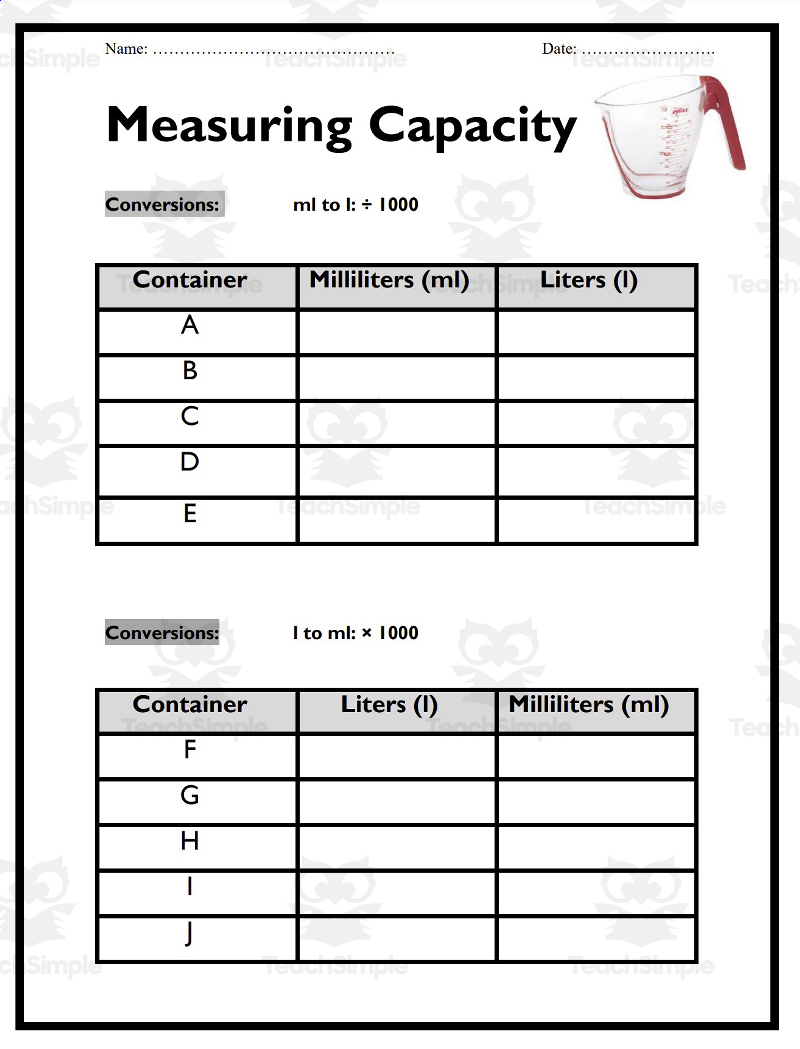
A short worksheet giving students practice converting between milliliters and liters using a fill-in table.
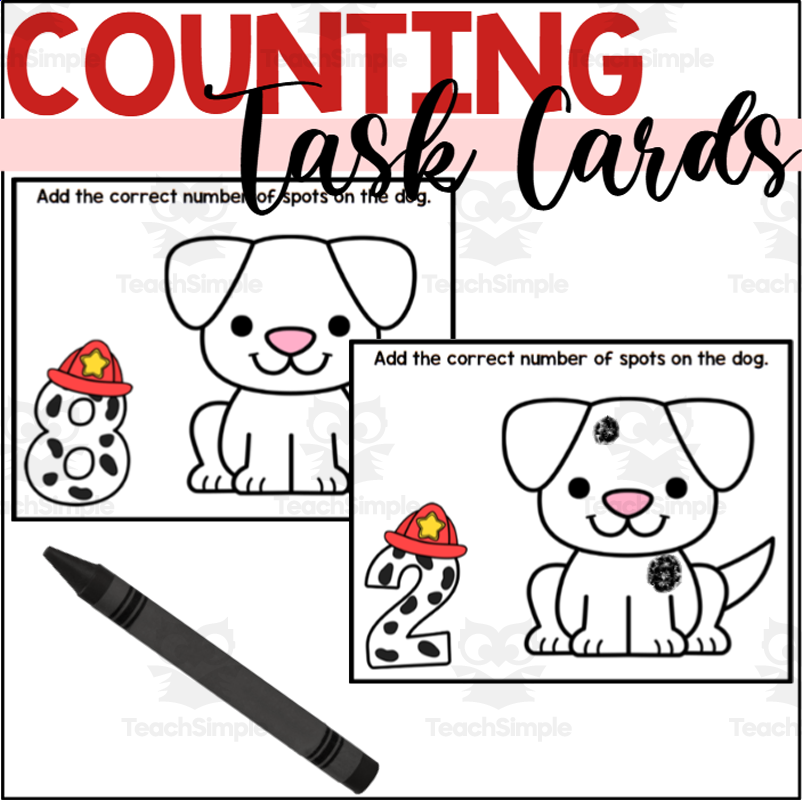
Practice counting and one-to-one correspondence up to 10 while building fine motor skills.
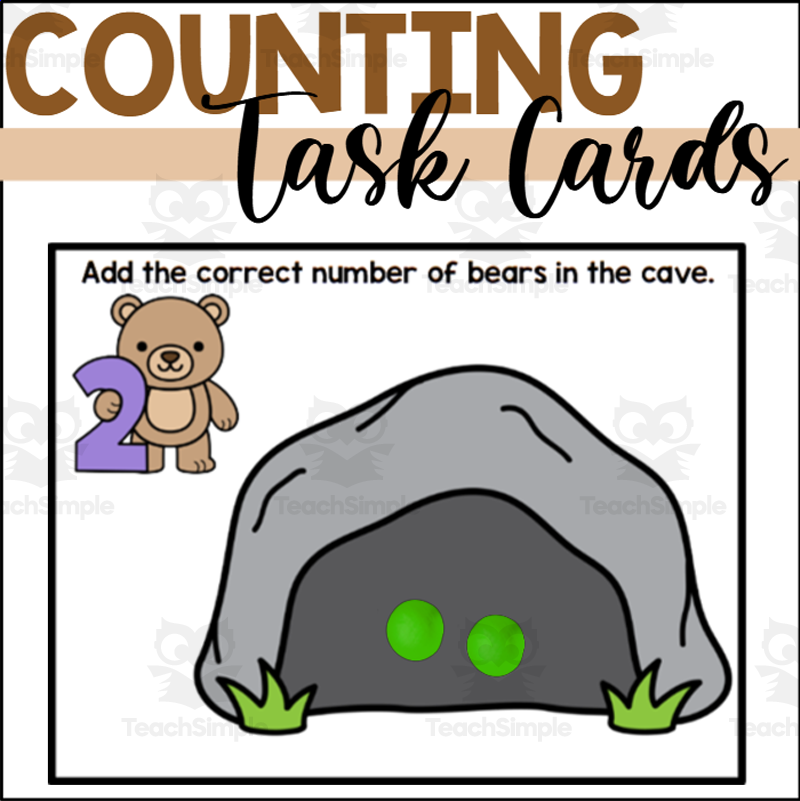
Fine-motor counting task cards where students add the correct number of bear counters into a cave to match a target number.
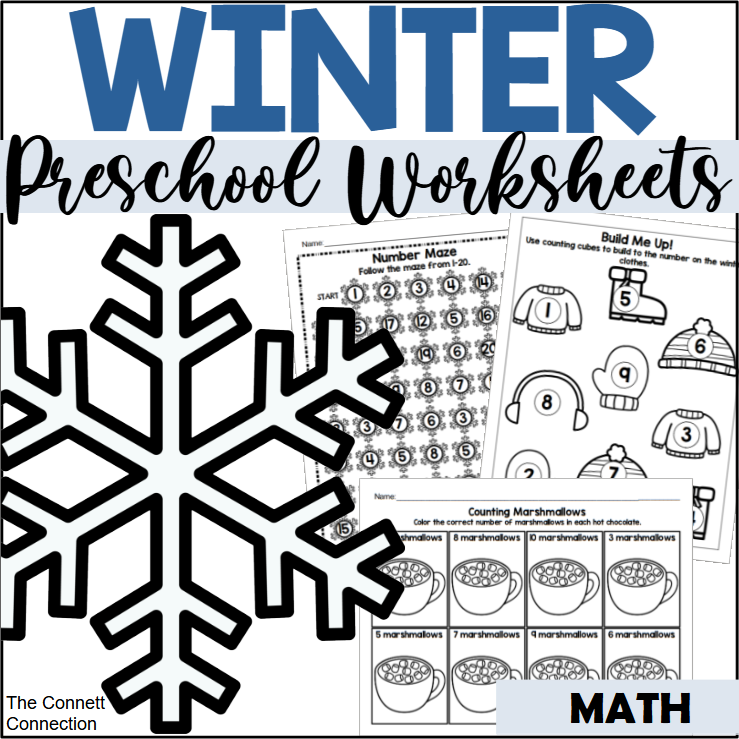
Practice preschool/kindergarten math skills - number recognition, counting, number formation, comparing numbers, and simple addition - through winter-themed worksheets.
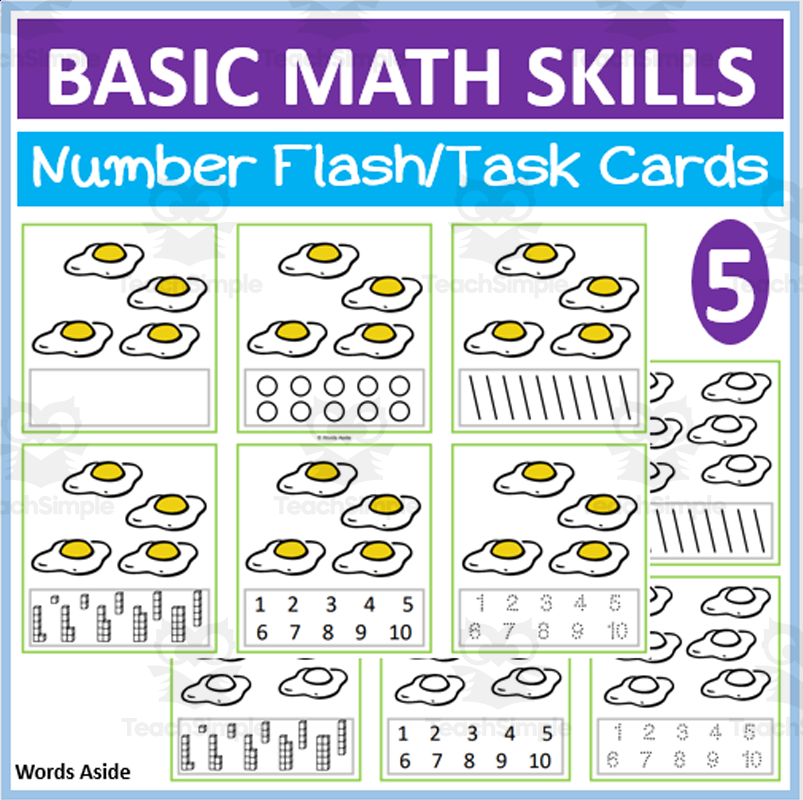
Number flash/task cards for building basic numeral recognition (1-10).

Early math skills like rote counting and number recognition pave the way for future math achievement. These simple worksheets provide engaging practice counting objects and writing numbers 1-10 .
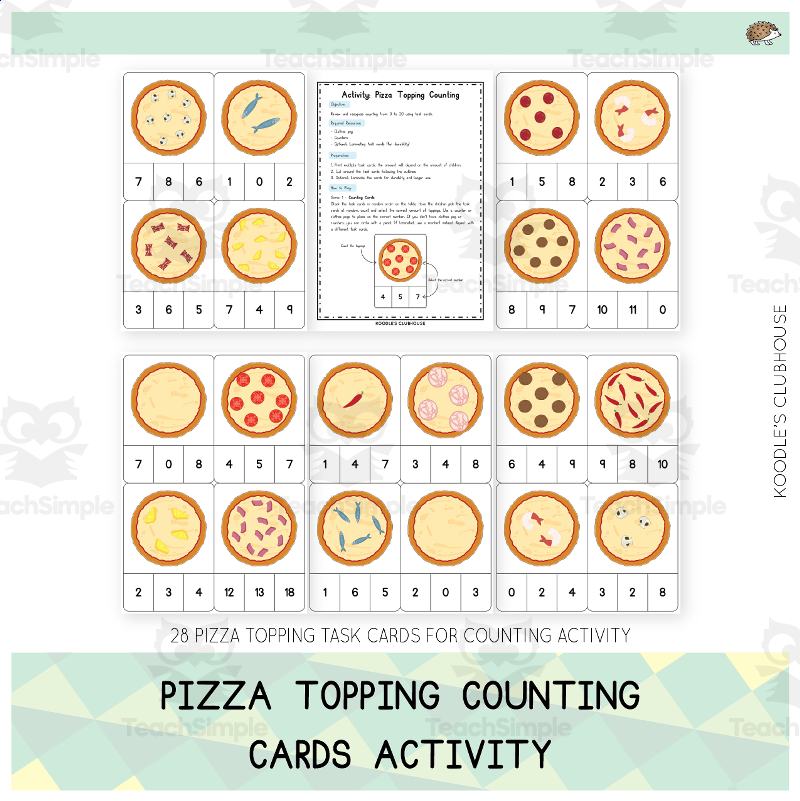
A pizza-themed counting task-card activity to review number recognition and counting from 0 to 20.
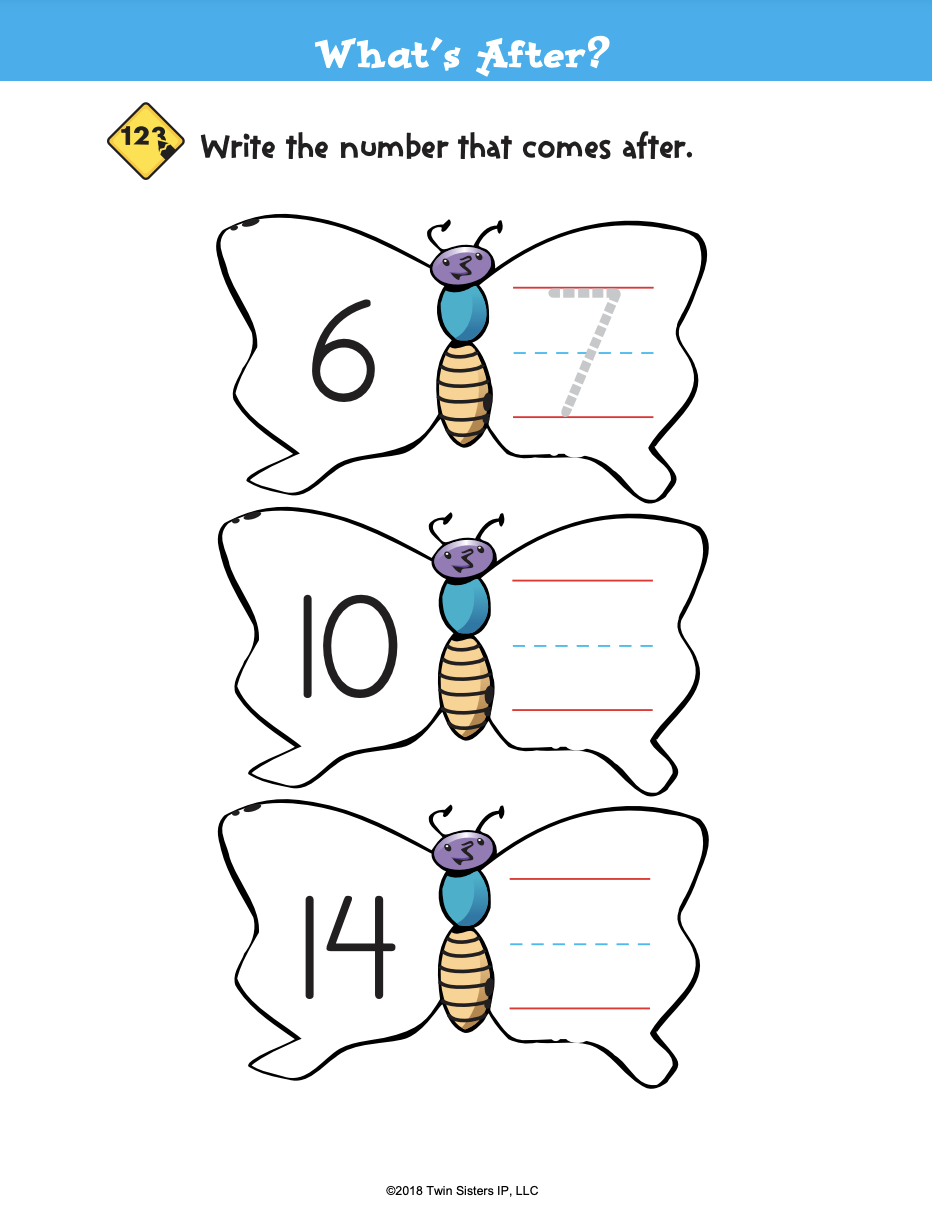
An early-math review printable workbook building on number sequencing (1-20) and extending into comparison, basic shapes, telling time, measurement comparison, equal parts/halves, and counting pennies.
Vikings - This " Viking Literacy and Math Activity Packet " is no prep required - so the packet is great as printable worksheets for a history unit or extra work or sub plans or to enhance a literacy or math unit. Many of these activities are differentiated so there are options for kids at all levels between Grades 2 and 5. Please note that not all…
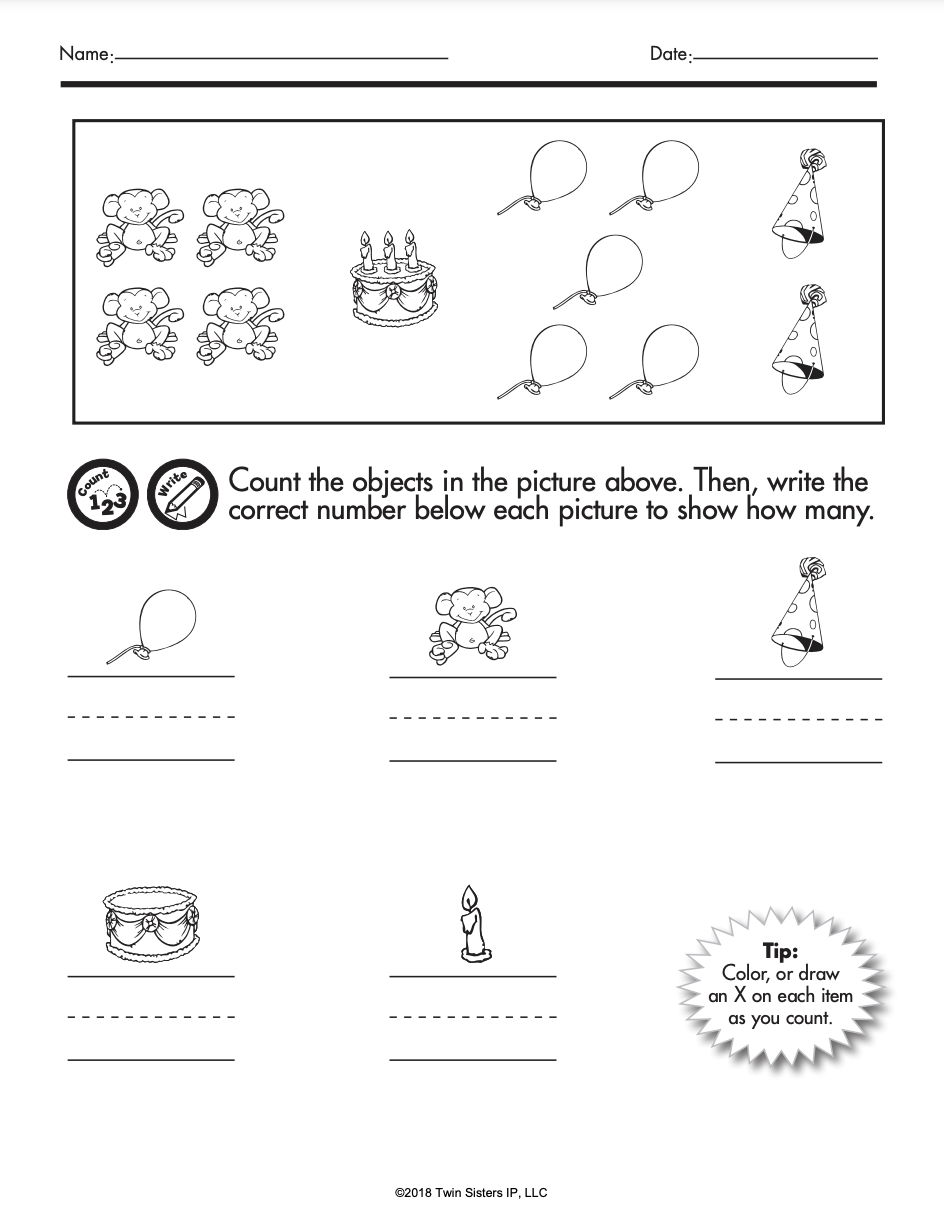
Reviewed, evaluated, edited, and creatively written by teaching professionals, this Numbers & Early Math workbook implements current teaching strategies and aligns with grade-level standards. Developing essential skills in mathematics is important for ensuring academic success.
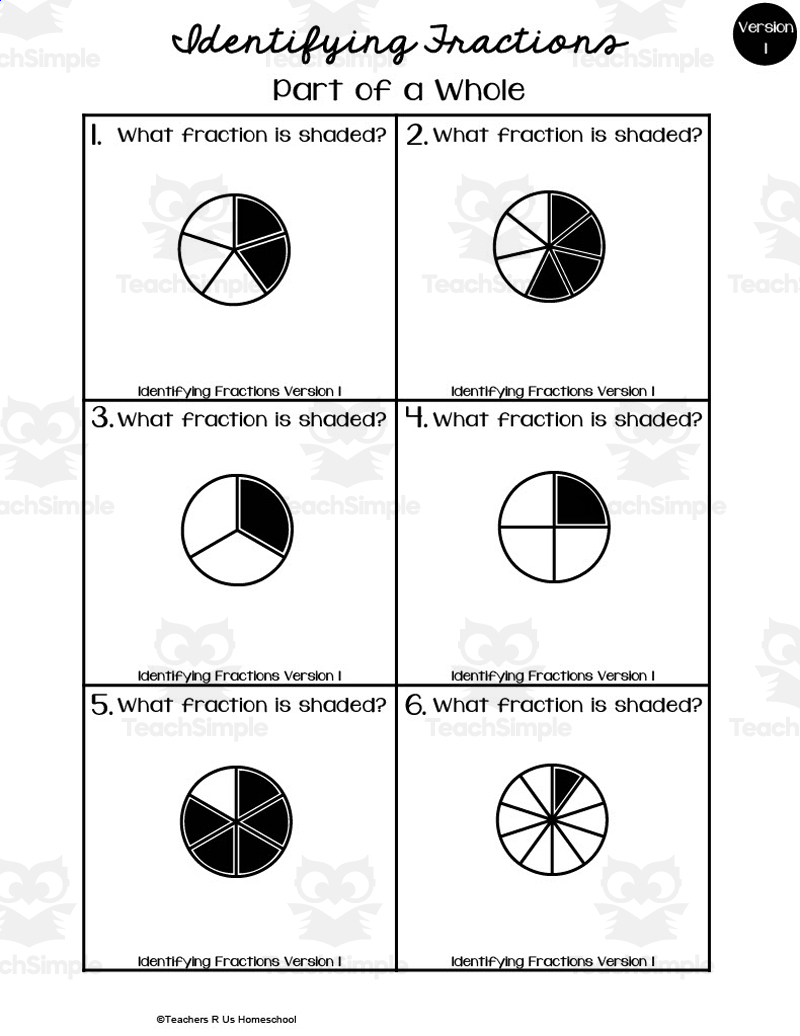
Two versions ask students to name shaded fractions of a whole; the third asks for a fraction of a set. Each version contains six questions and has a marked copy. Comparing the formats helps learners distinguish the number of selected parts or objects from the total that forms the denominator.