
Construct Functions Worksheet for 8th Grade Course 8.F.B.4
Practice constructing linear functions in the form y=mx+b from graphs and from tables of values.
Answers included


5,599 resources
Explore sub-categories
27 sub-categories · 5,599 resources
Practice constructing linear functions in the form y=mx+b from graphs and from tables of values.
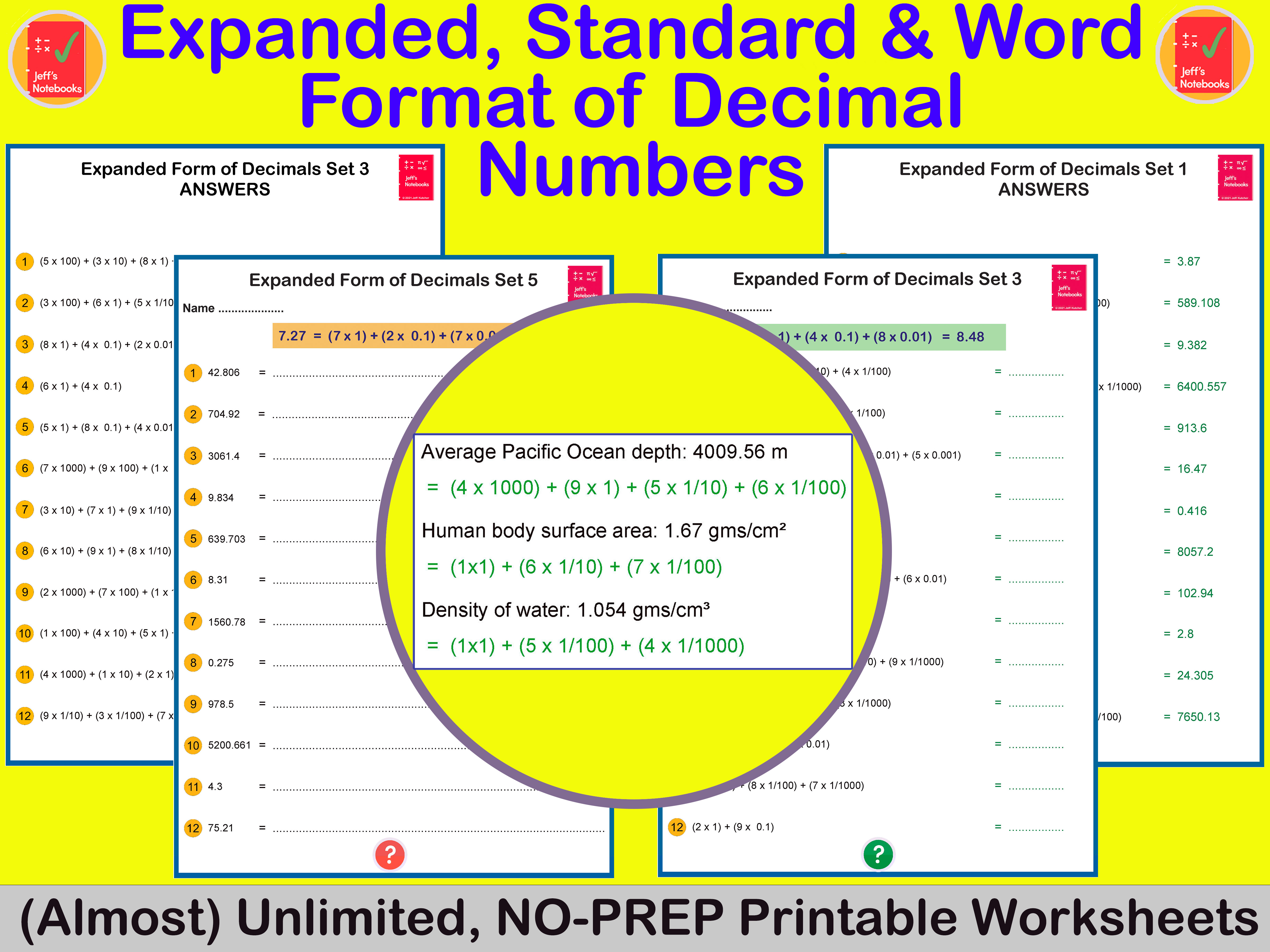
Understanding the base-ten number system and the concept of place value is strengthened by practicing conversions between different number formats, such as standard, expanded, and word forms.

This worksheet is a great way for students to practice converting mixed numbers to decimals. It is a simple and straightforward way to help students understand the relationship between the two numbers.

This worksheet can help students understand how to convert fractions to decimals, and vice versa. It's a great resource for teachers who want to help their students understand this important concept.

Enhance your math curriculum with engaging and educational activities that promote a solid grasp of Degrees and Radians conversion. These enjoyable mazes provide the perfect opportunity for your ninth, tenth, and eleventh-grade students to…

Worksheets practicing converting fractions to terminating and repeating decimals, supplementing CCSS 7.NS.A.2d.

This worksheet gives students a set of improper fractions to convert into mixed numbers. The varied numerators and denominators provide practice interpreting both the quotient and the remainder. Model one conversion with a division statement, then ask students to check an answer by converting it back to an improper fraction.
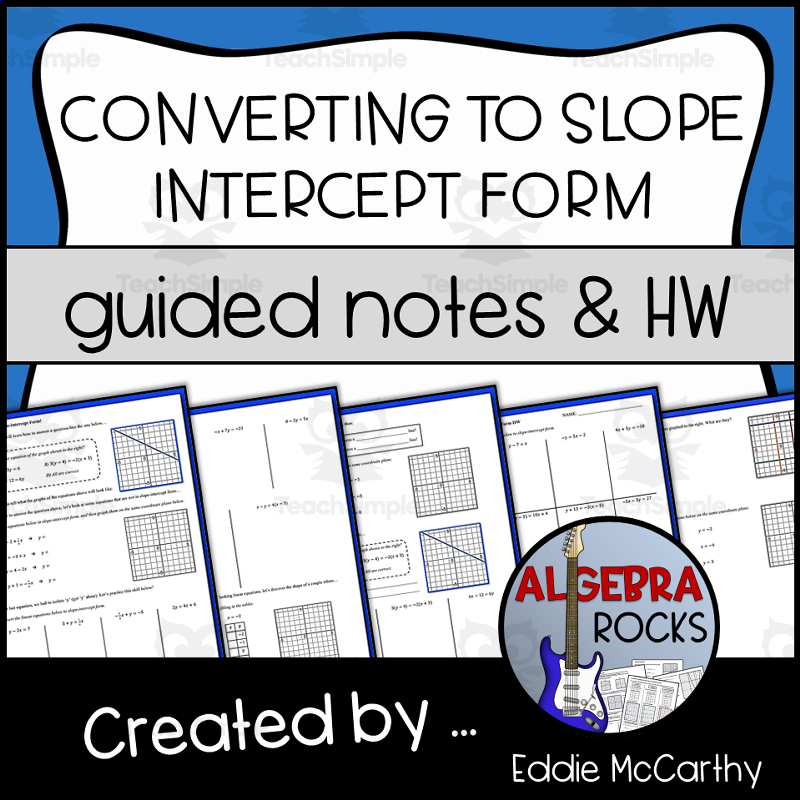
Converting to Slope-Intercept Form Guided Notes and Homework This 9-12th grade PreCalculus resource teaches students how to convert equations to slope-intercept form.

Students can add locations to this blank map grid and describe them using its letter and number labels. The page includes name and title spaces. Supply the map-making directions and model how your class will use the grid references before partners exchange location clues.

Give students practice applying geometric transformation rules (reflection, rotation, translation, dilation) to coordinate points in a self-checking maze format.
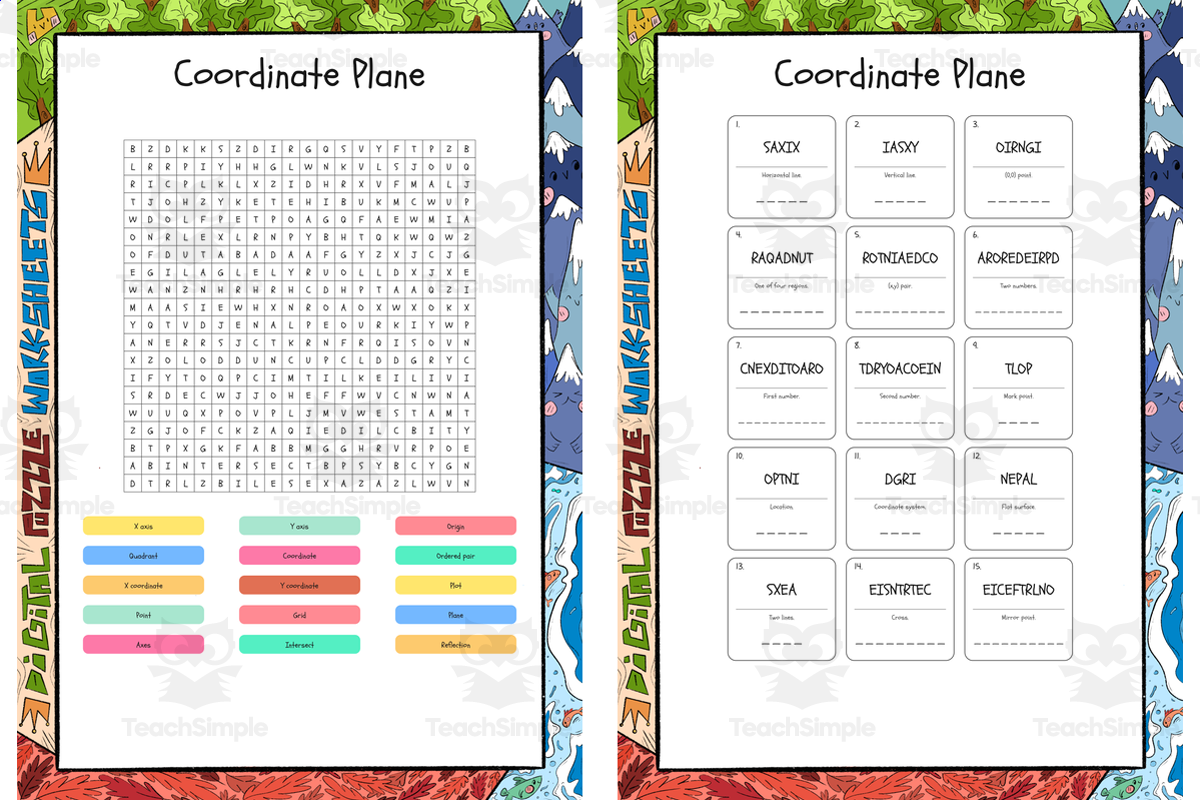
Build coordinate plane vocabulary through three word puzzles (word search, scramble, crossword).

This PDF set practices reading and plotting coordinates in all four quadrants through leaves, astronomy icons, shapes and letters. Five two-page worksheet files provide question and answer pages, with two blank quiz templates and a six-page guide. The guide describes buttons that randomize coordinates or point locations and update the answers. These controls require a compatible PDF viewer; test a generated question and answer page before printing. Use the blank templates for student quizzes or teacher-added shape investigations. This extends coordinate-system work into negative coordinates; it supports practice locating points on a coordinate plane with positive and negative coordinates. You may also like Coordinates in the first Quadrant. Plotting and Locating Points

Build first-quadrant coordinate practice from locating pictured objects to reading and plotting formal lettered points. The worksheet files use leaves, astronomy icons, shapes and letters, with associated answers and a guide explaining controls and extensions. Once students are comfortable with ordered pairs, two blank templates let them create a coordinate quiz and answer record for a partner.

Coordinate practice uses first-quadrant grids to connect ordered pairs with positions. Students identify objects at given coordinates, plot points and work with missing coordinates across the worksheet set. The pictured tasks make the order of the two coordinates concrete: move across the horizontal axis, then up the vertical axis. Answer pages support checking after students have attempted the tasks.
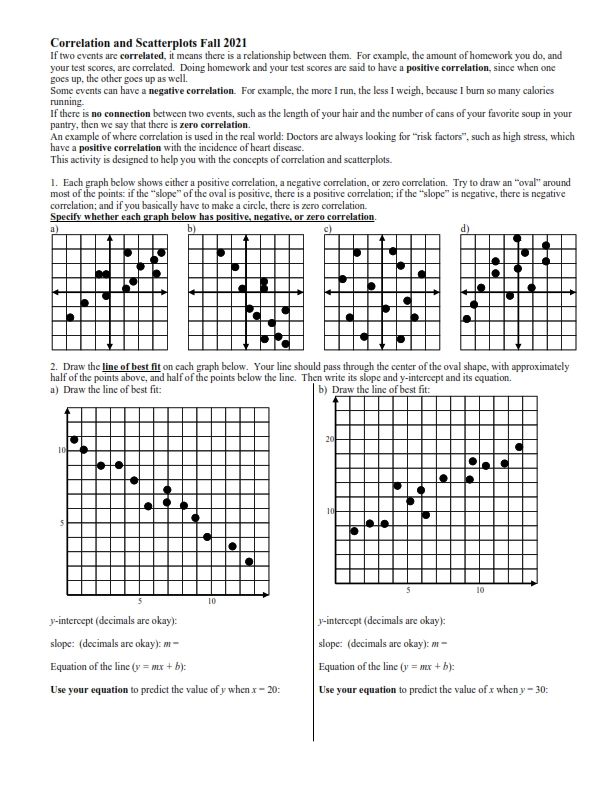
This study guide comes with answer key!
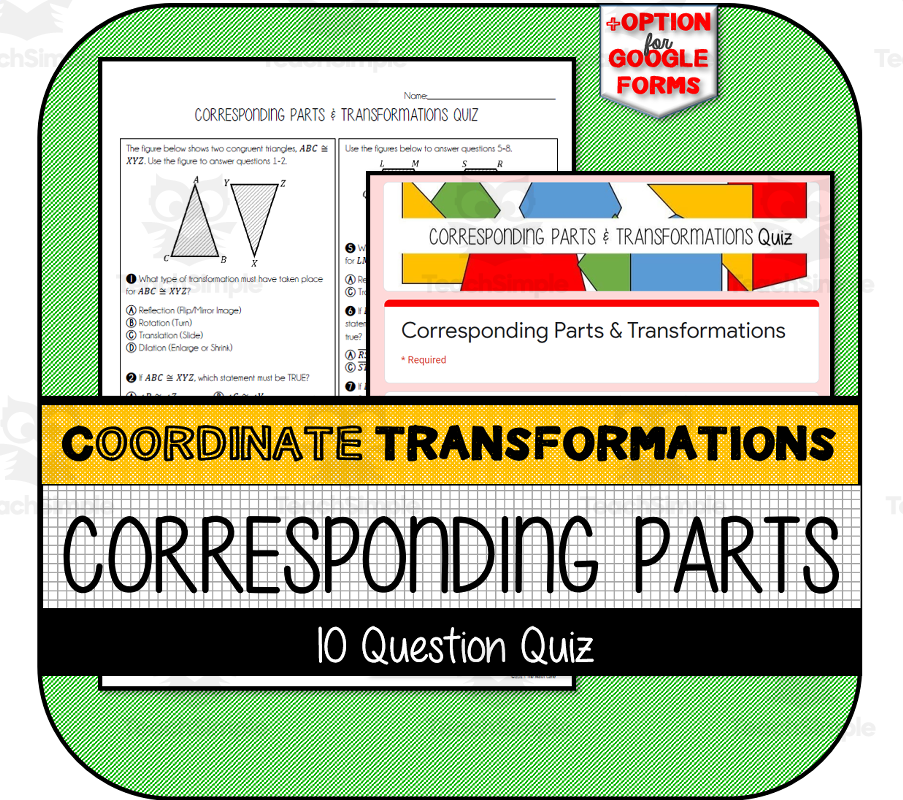
Corresponding Parts and Transformations NOTES & PRACTICE This top-notch teaching resource, aptly designed for eighth-grade educators, aligns perfectly with the 8th Grade Geometry Standard CCSS.MATH.CONTENT.8.G.A.1.

Connect counted quantities with numerals before practicing number formation. Four count-and-circle pages include a worked example and unanswered picture rows, followed by tracing pages from one to twenty and back again. Choose the counting or tracing task separately when students need practice with one part of the skill.
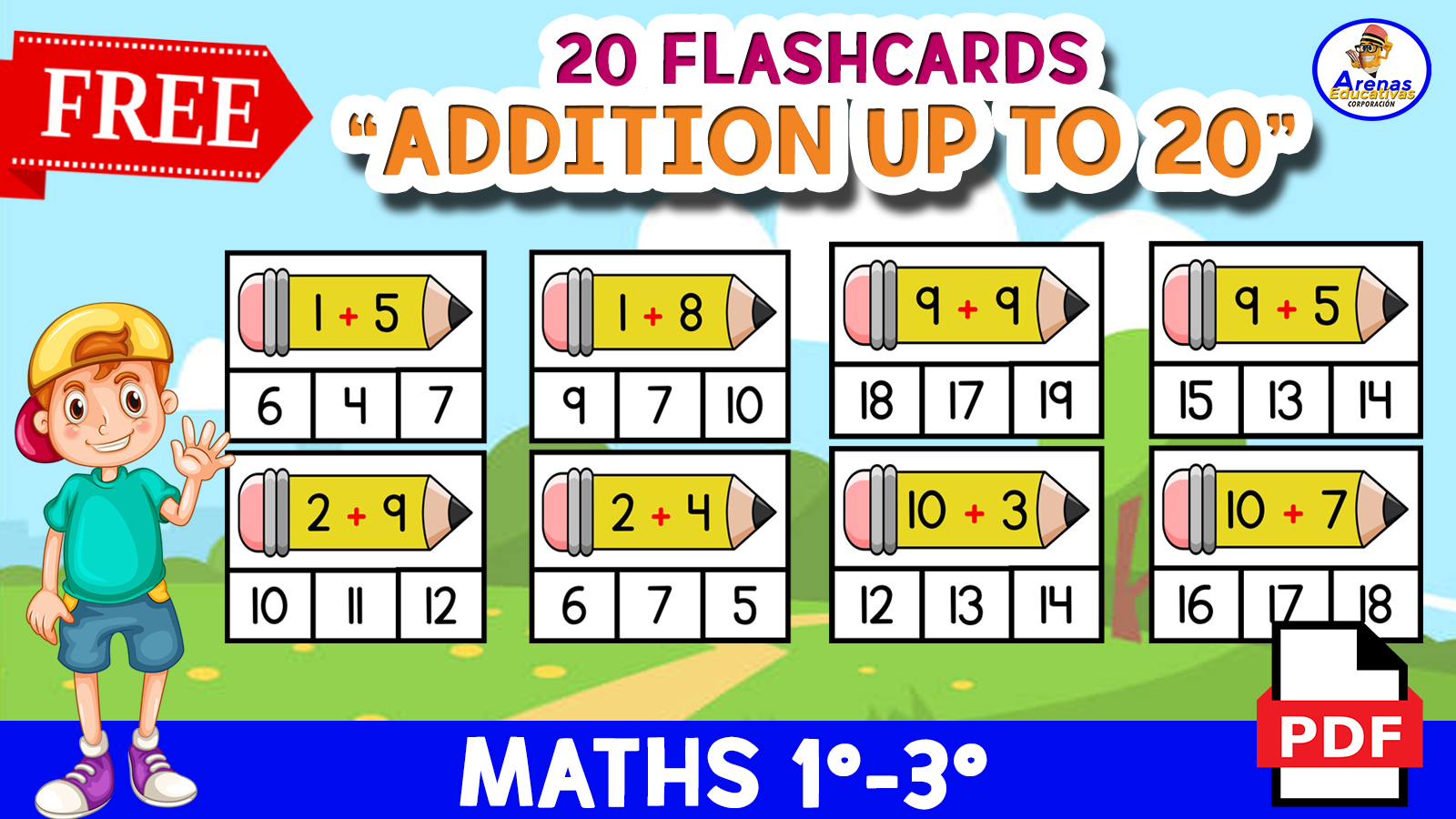 Free download
Mathematics is essential in our lives because it allows us to perform multiple daily calculations, while we shop, while we walk on the street, the numbers are always present.
 Free download
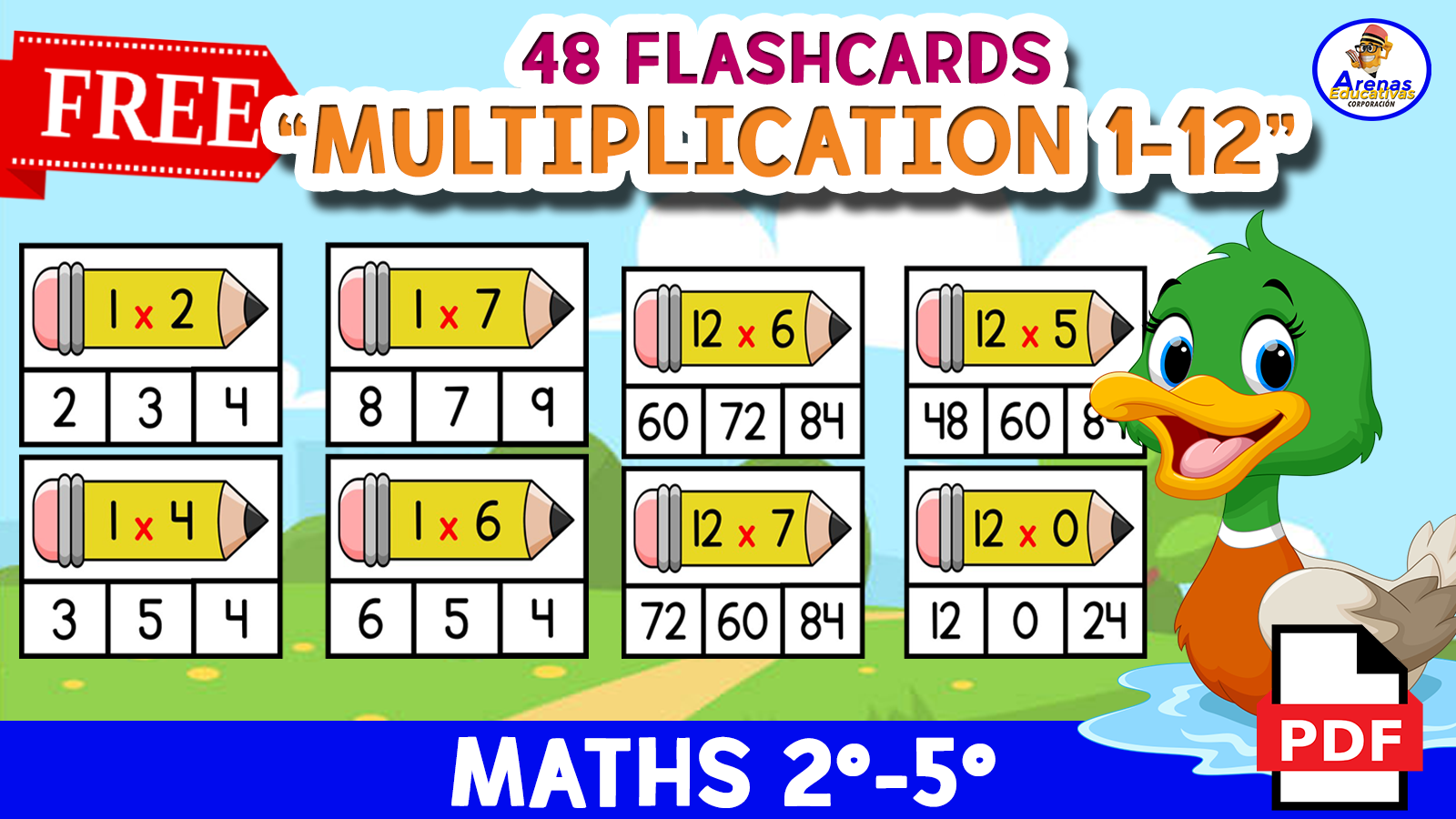
A pencil-themed 'count and clip' multiplication facts activity covering multiplication tables 1 through 12.
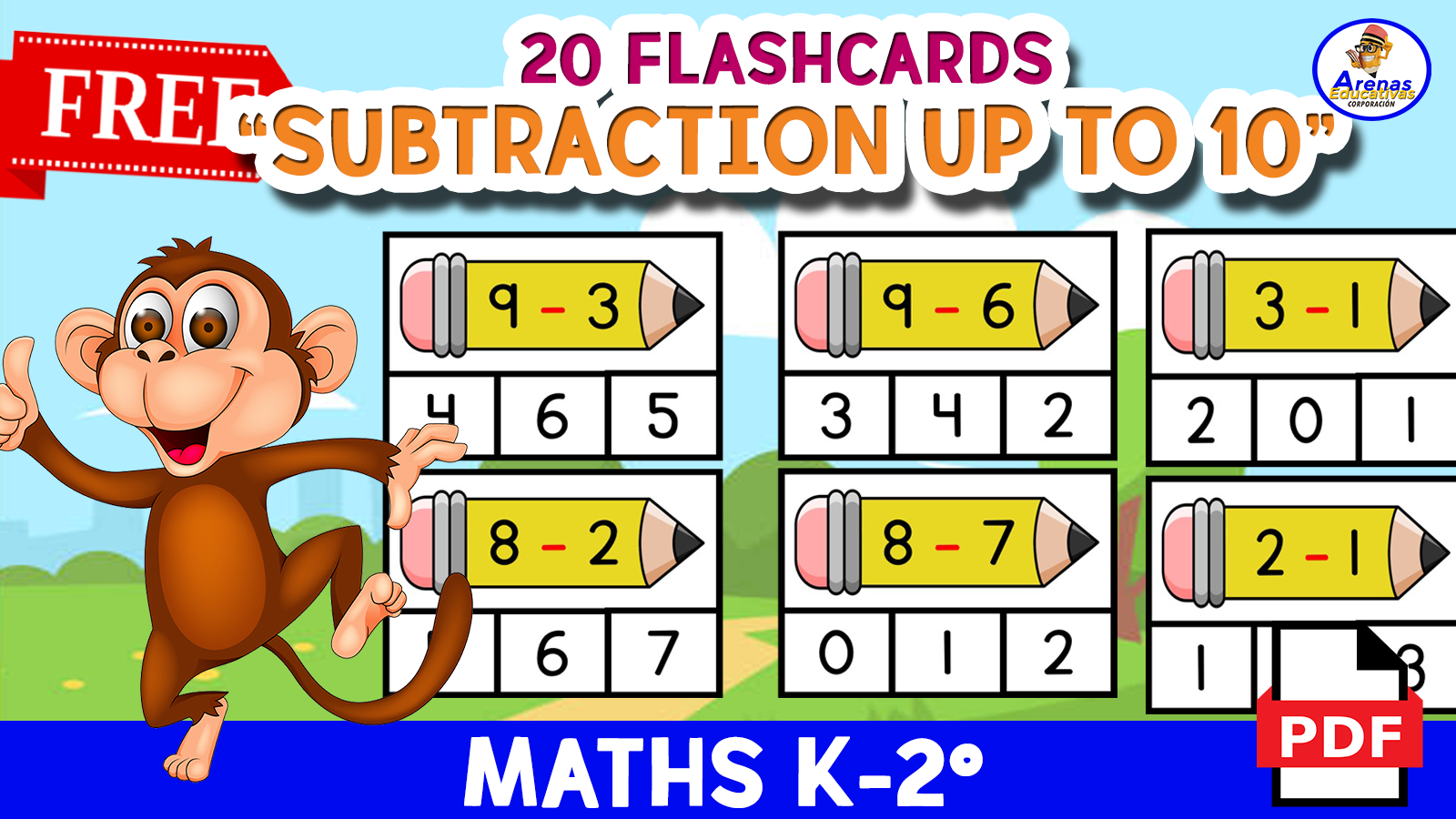 Free download
INTRODUCTION: Learning mathematics should be one of the most fun and amazing subjects and paths that every child has the right to take during their childhood, for this reason our editorial is dedicated to developing this type of fun…
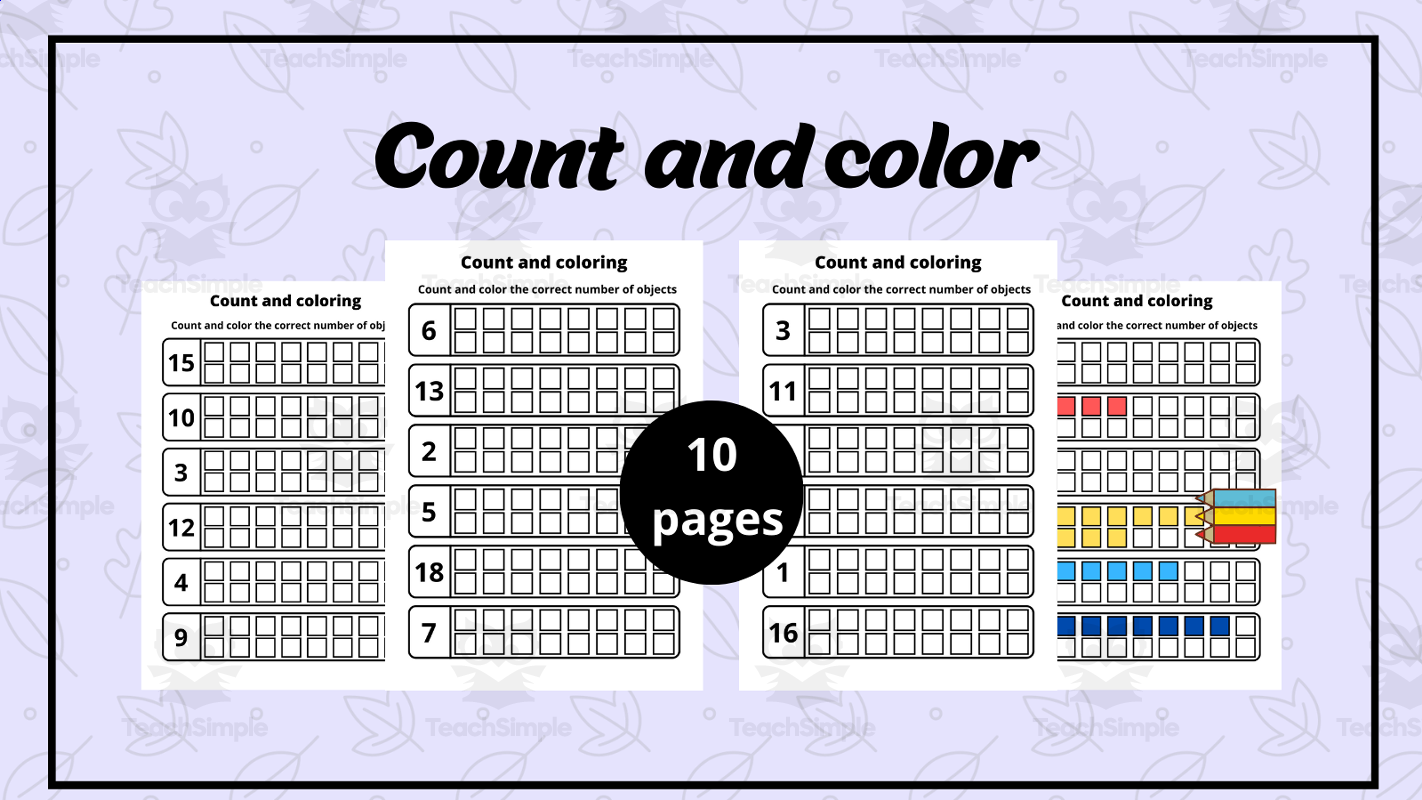
Ten worksheets repeat the same task: count a set of objects and color the number of them that matches a printed target number. Each page presents six target numbers, for sixty counting prompts in total across the set, drawn from the range 1 through 18. The consistent one-instruction, one-task format lets students move through pages independently once the pattern is established, with printed numerals and one repeated instruction line.

The worksheet connects school-supply pictures with counting and recording quantities. Model keeping track of each item once before children write the total. Coloring can help them mark what they have counted.
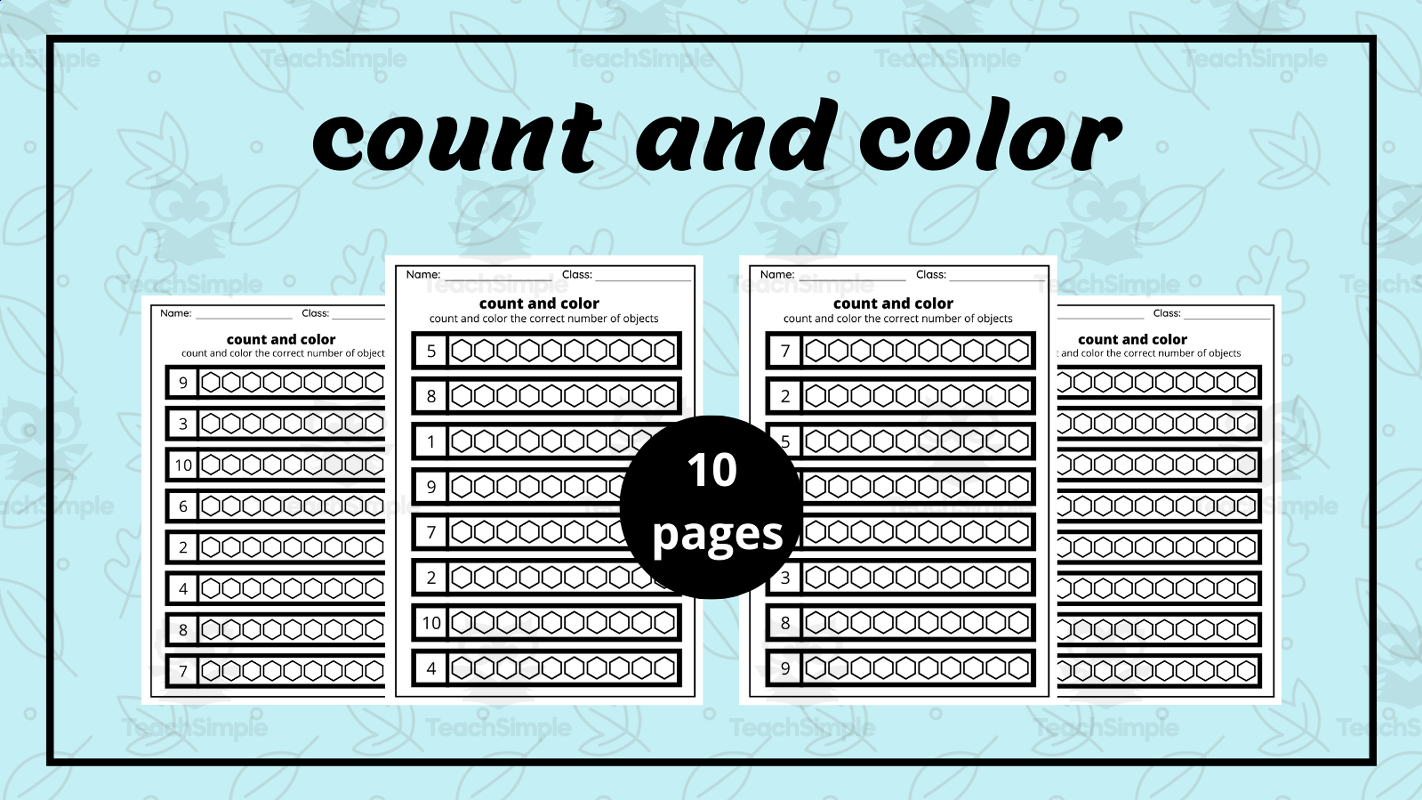
Children read a numeral from one through ten and color exactly that many hexagons in its row. The repeated format keeps attention on matching the written number to a counted quantity. After modeling one row, invite children to count their colored shapes again and stop when the target number has been reached.

Ten pages move from one to ten hats to color. Learners connect the printed number label with a quantity by counting and coloring the required set, then recounting the colored hats.