
Middle School Math Stations or Centers: Triangles, Area, Angles
A set of 5 rotating math stations that supplement a geometry unit on triangles: classification, interior angles, area formula, and volume of triangular prisms.


5,599 resources
Explore sub-categories
27 sub-categories · 5,599 resources
A set of 5 rotating math stations that supplement a geometry unit on triangles: classification, interior angles, area formula, and volume of triangular prisms.
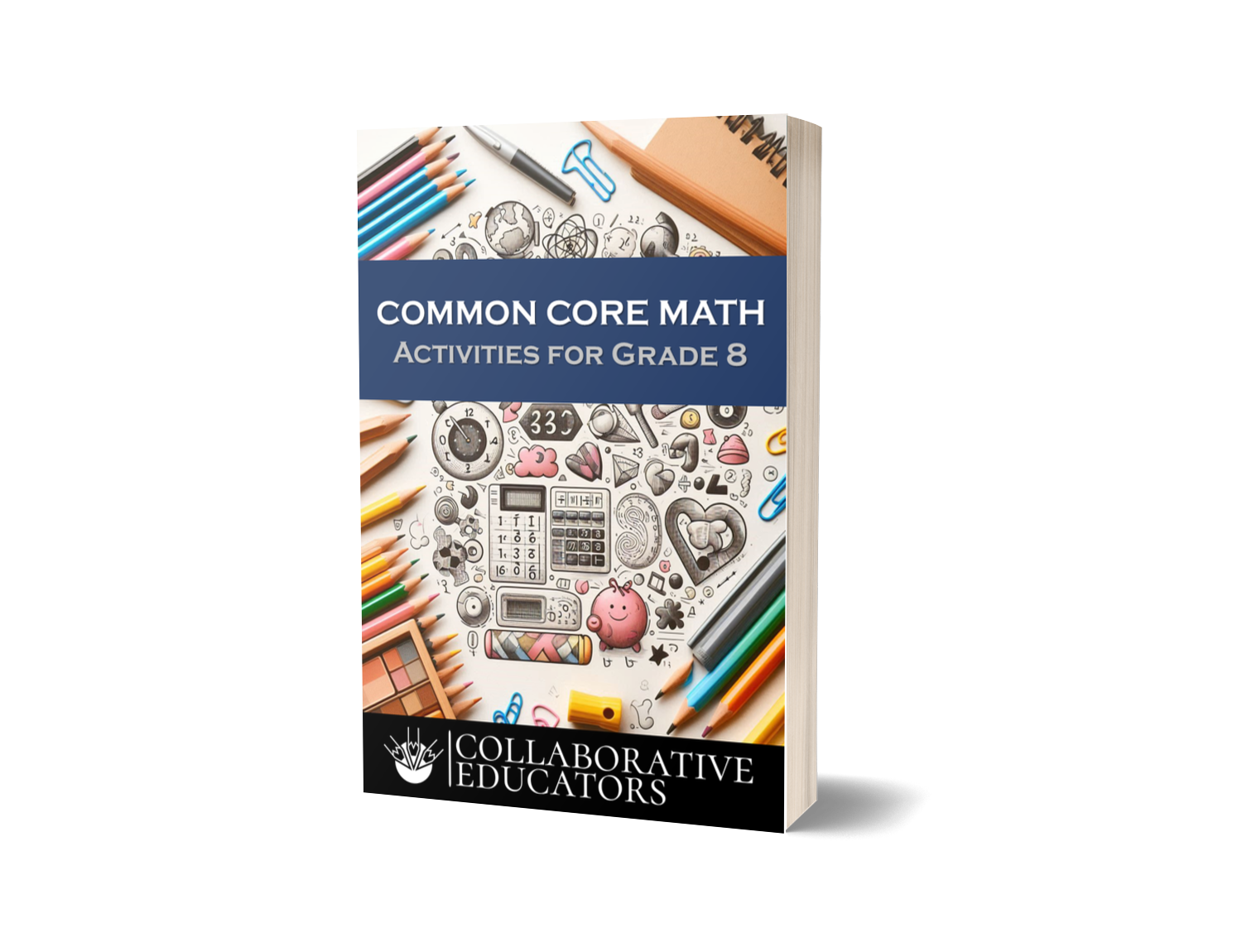
Standards-aligned Grade 8 math practice worksheet ('30 Activities') covering expressions and equations, linear equations, functions, geometry (including the Pythagorean theorem), statistics/probability, and the number system.
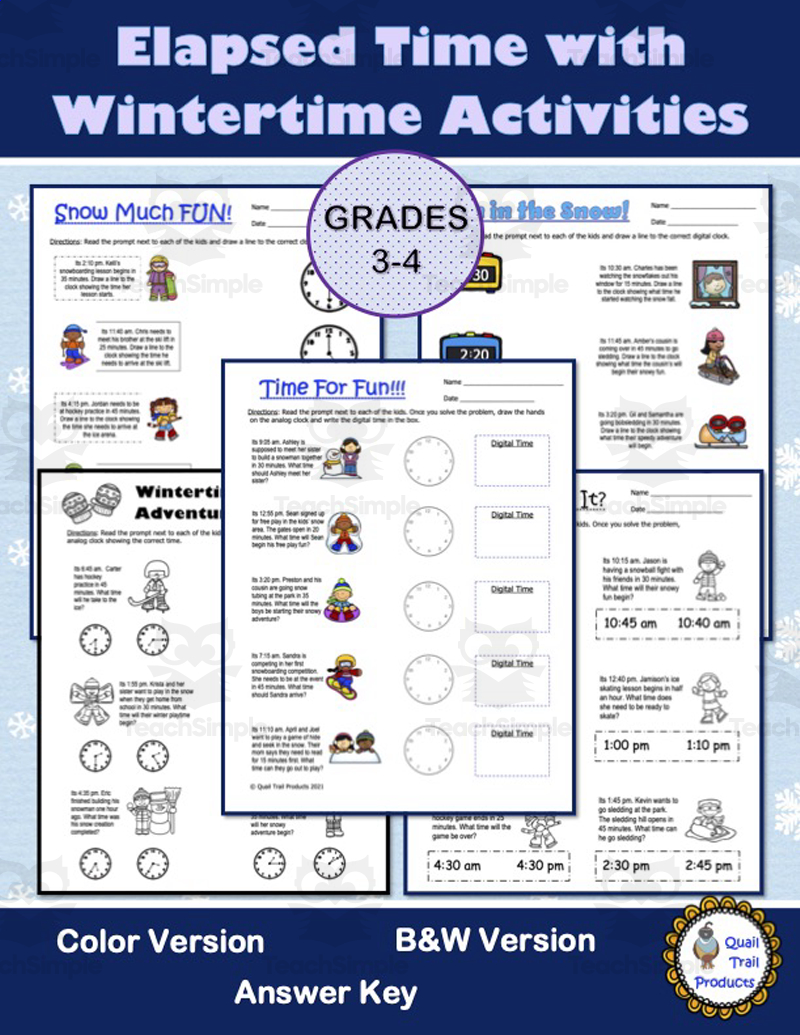
Practice telling time and calculating elapsed time in 5-minute intervals using a winter/snow theme, with both analog and digital clocks and AM/PM times.

Reinforce subtraction and odd-and-even recognition through twenty single-digit equations. After finding each difference, students color odd answers pink and even answers green. Separating the calculation and coloring steps can help students check their subtraction before applying the classification rule.
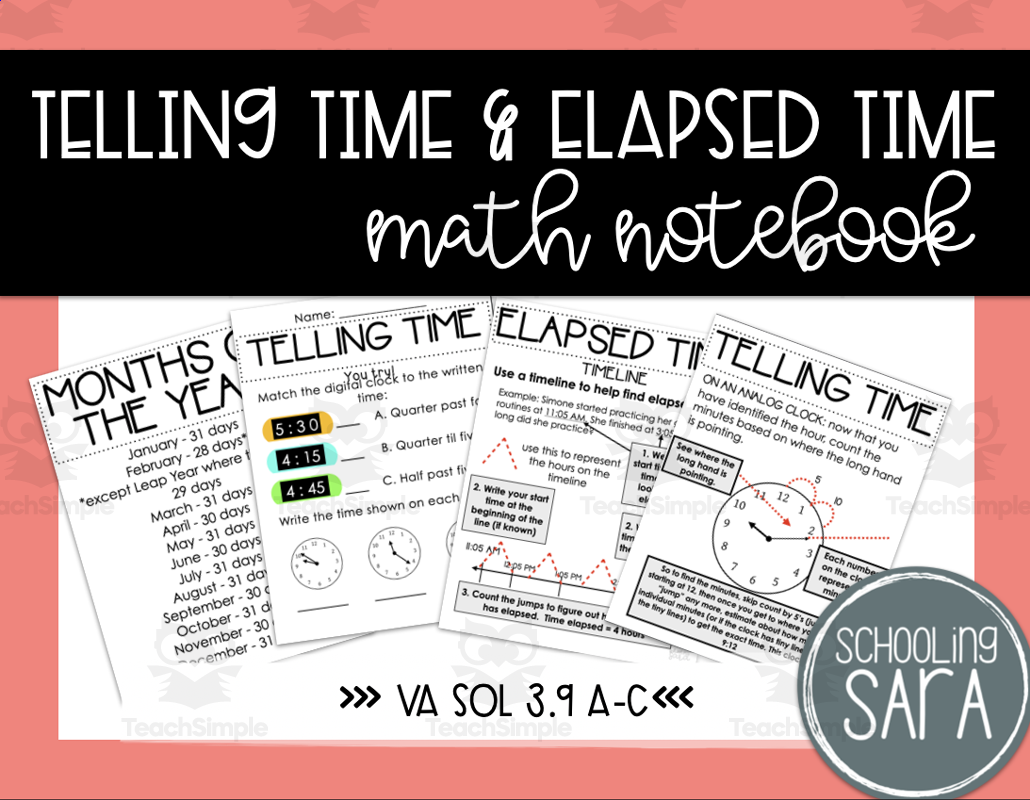
An interactive math notebook covering telling time (analog and digital), elapsed time, and equivalent time periods, aligned to Virginia SOL 3.9.
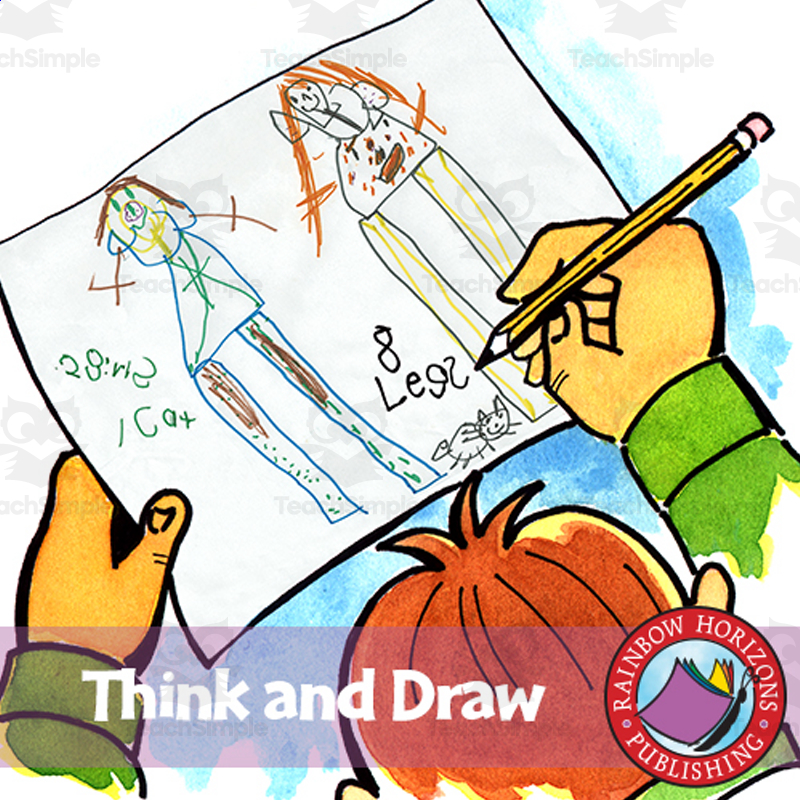
A 90-exercise primary-grades math workbook where students draw their solution process for each problem, letting teachers see the reasoning (not just the final answer) behind a child's math thinking.
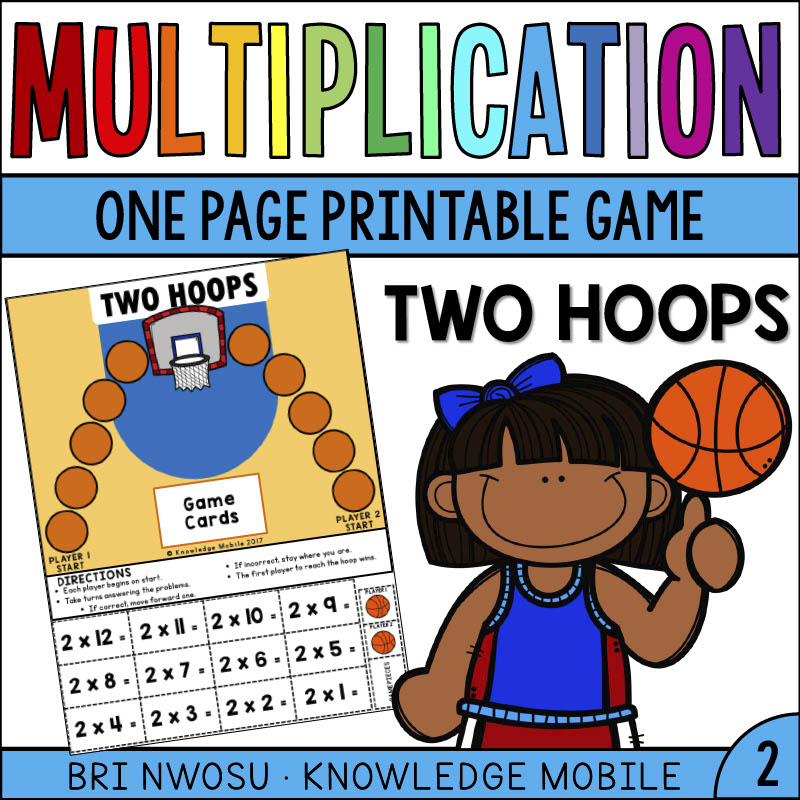
A one-page, self-checking printable game ("Two Hoops") giving students repeated, timed practice with multiplication facts for the 2s (x2), to build recall fluency.
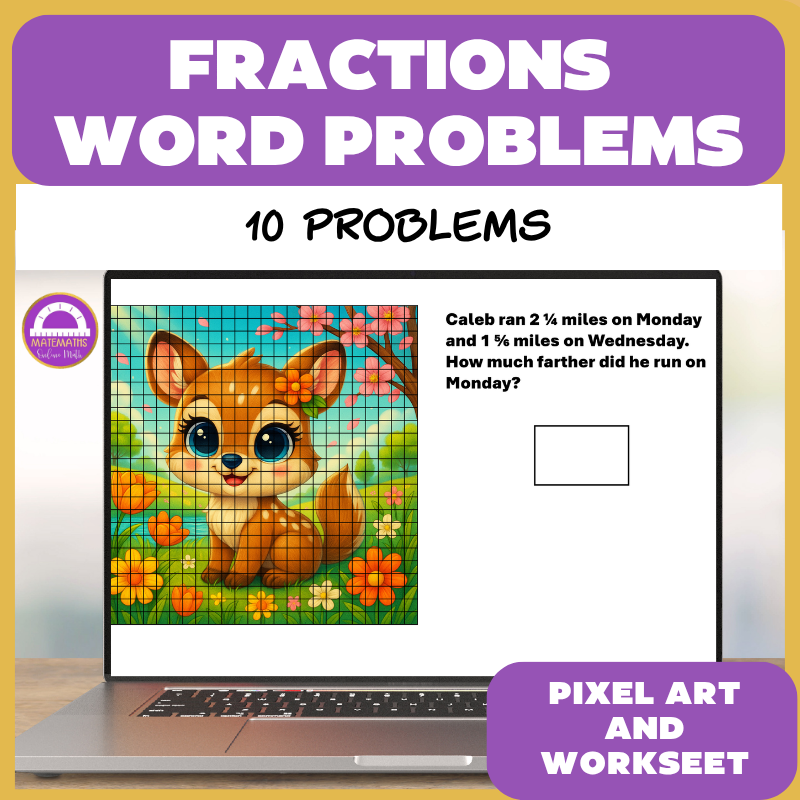
Digital pixel-art activity (accessed via an external Genially link) paired with a printable worksheet of linear equations with decimal coefficients, solved for x.

A math practice workbook (Set #1) for using an abacus to solve simple addition equations.
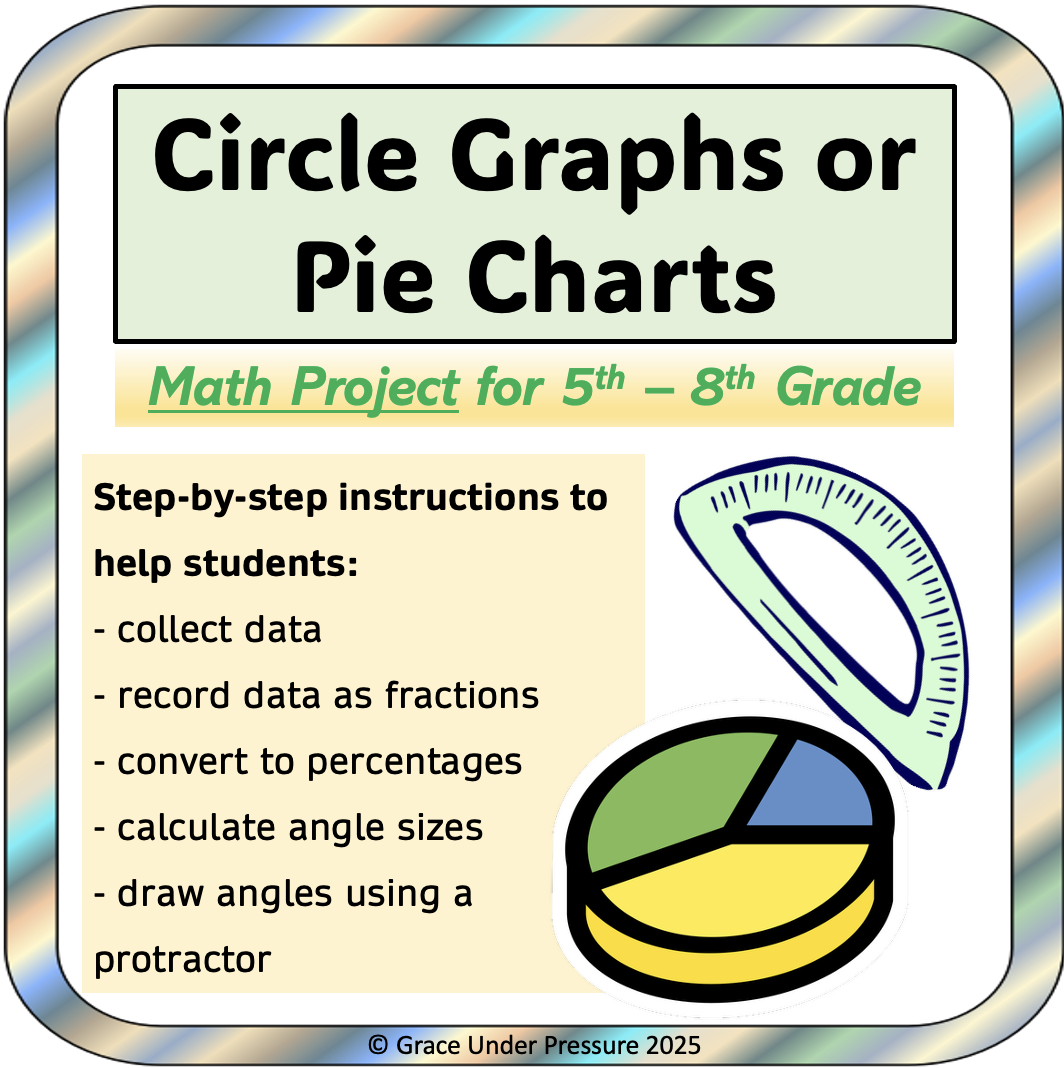
A six-answer survey question anchors this integrated math project, which has students poll exactly 25 people and tally the responses by hand. From there they convert each answer's tally into a fraction out of 25, an equivalent fraction out of 100, and a percent written as a decimal, following a worked example (4/25 = 16/100 = 16% = 0.16). The next step converts each decimal to a number of degrees by multiplying by 360, with a reminder that all six values must sum to 360 degrees before drawing begins. In the final step, students use a protractor aligned to the circle's center to plot each angle in turn, then add a title, color, and labels to complete their own hand-drawn circle graph.
A hands-on graphing activity where students graph classmates' favorite apple-themed food choices using picture, tally, and bar graphs

Review multiplication and division through fifteen multiple-choice questions that combine calculations with word problems. Students work with equal groups, remainders, estimation, and more than two factors. The labeled answer page supports checking; asking students to explain a calculation before choosing an option can reveal how they approached it.

Engaging Division Math Worksheets for 3rd and 4th Graders This math color by code worksheet helps students practice division skills in an engaging way. After solving each basic division problem, students use the answer to color in the corresponding section of the image. For example, students color any section marked 3, 6 or 9 if their…
A daily morning-work / bell-ringer packet for November, combining short math and language-arts review tasks to start the school day.

A ready-to-use set of 5 rotating math stations supplementing a middle school unit on factors, multiples, prime, and composite numbers.

Compare the two ends of each exponential function. Students evaluate a limit as x approaches negative infinity and another as x approaches positive infinity for each of ten problems. The expressions include individual exponential terms, sums and differences, and quotients. An answer page lists the two results for each function, making it useful for checking practice after a lesson on exponential end behavior.
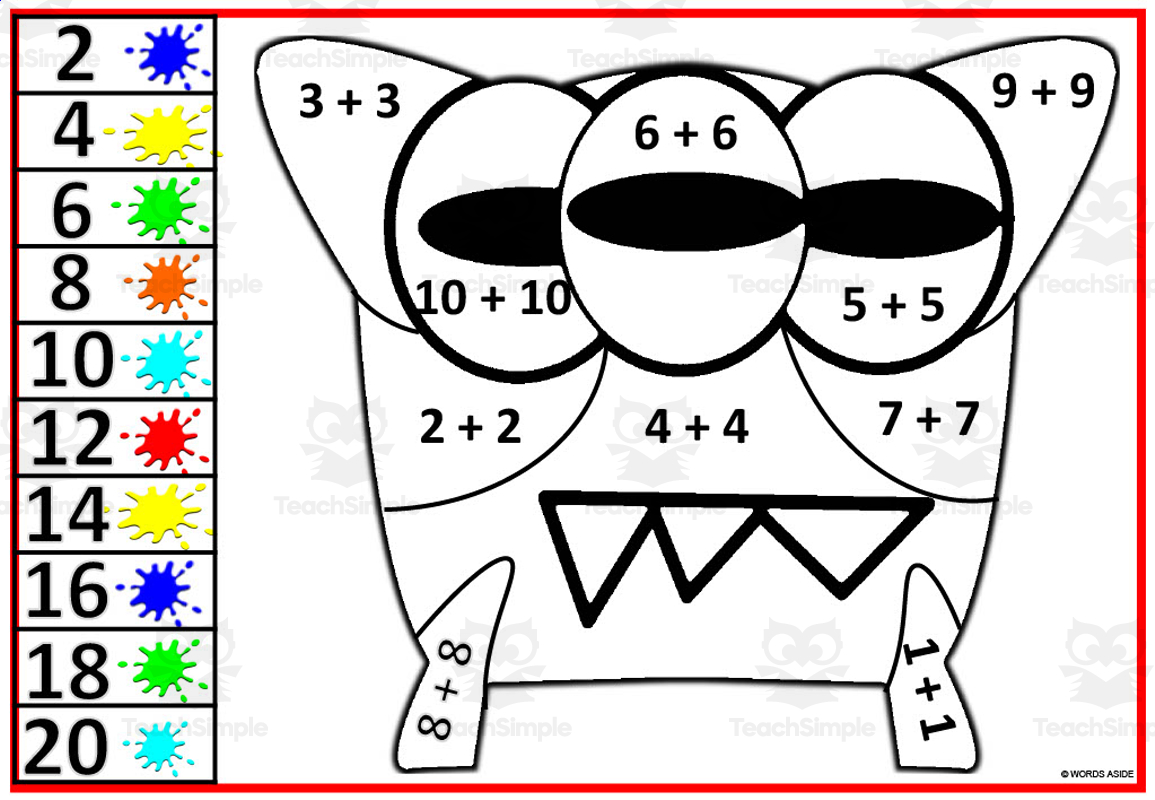
Addition-doubles practice worksheet: students solve doubles addition facts (e.g. 1+1, 3+3, 9+9) that double as a color-by-number key.
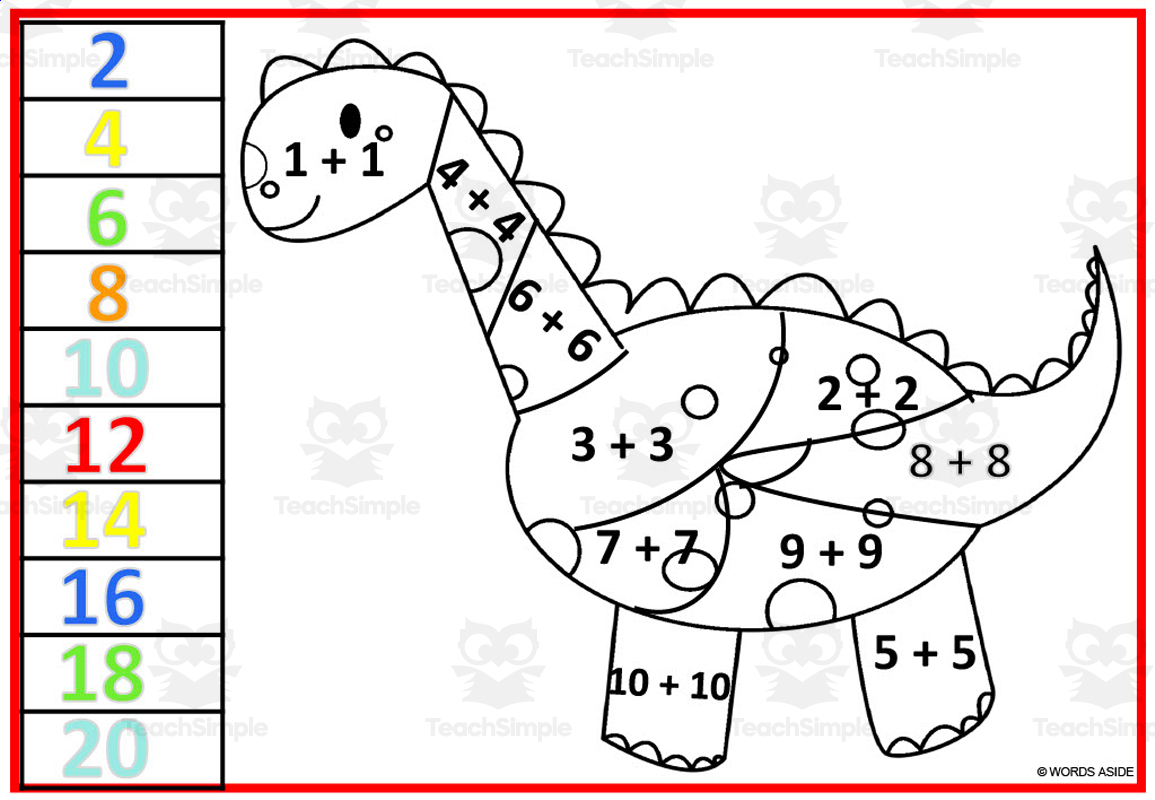
A color-by-number worksheet set that has students solve addition doubles facts (e.g. 1+1, 2+2, ... up to 10+10) and color a dinosaur-themed picture's numbered regions based on the sums, building addition fact fluency.
 Free download
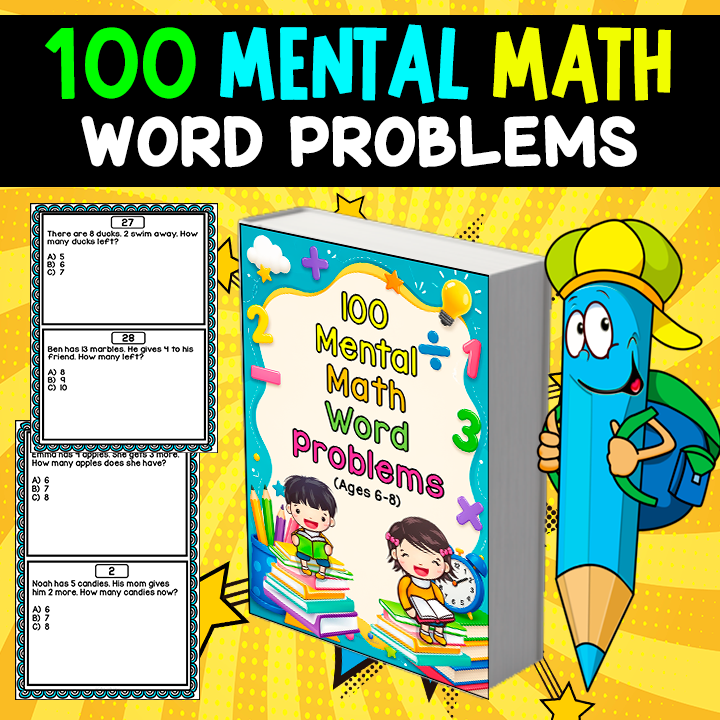
A workbook of 100 mental-math word problems for children ages 6-8, covering addition, subtraction, mixed operations, multiplication (groups), division (sharing), and time/money/measurement.
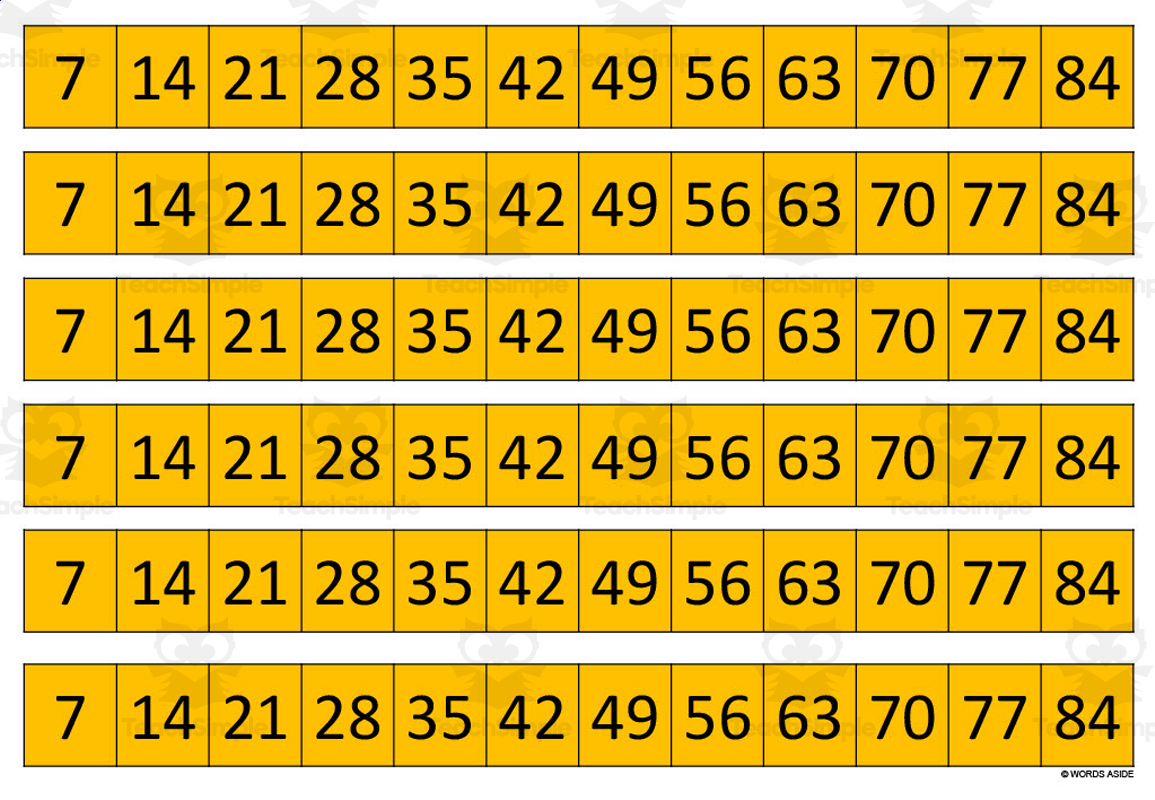
Practice sheet for building fluency with the multiplication facts of 7 through repeated copying/writing of the full multiples sequence (the 7 times table).

Provide a comprehensive Grade 3-4 multiplication review workbook covering the connection between addition and multiplication, factors/products, the zero and one properties, the commutative property, missing-factor problems, multiplication tables, word problems, and timed fact-fluency drills.
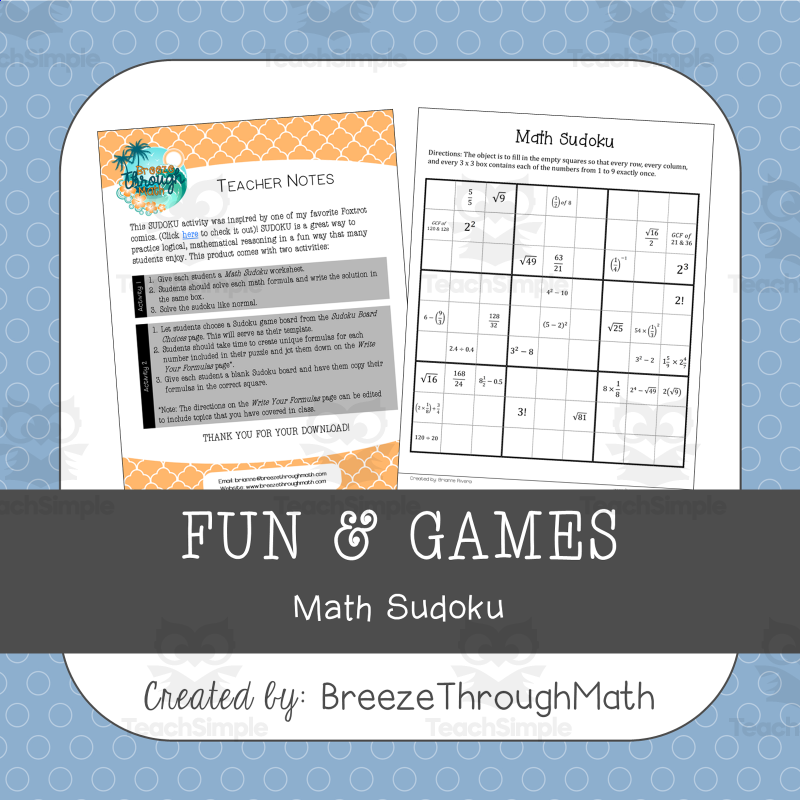
Students first evaluate expressions to uncover Sudoku digits, then apply row, column and box rules to complete the grid. The second activity turns them into puzzle writers, using planning pages to create expressions for digits one through nine. A solved example, board choices and teacher instructions support the transition from solving to designing; teachers can adapt the expression topics to recent math work.
Teach and build number sense around the number 10 ('Ten') through a mix of hands-on manipulatives and printable practice pages covering recognition, formation, and counting.
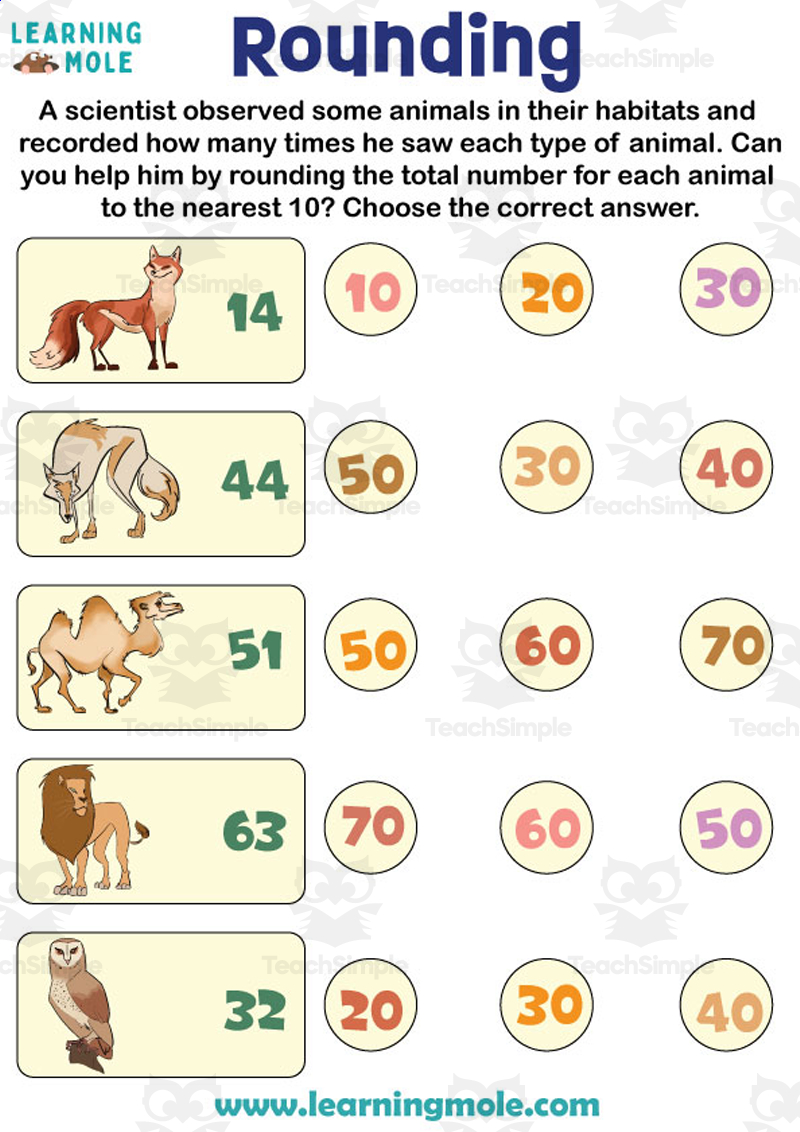
Practice rounding whole numbers down to the nearest 10 using an animal-observation word-problem worksheet.